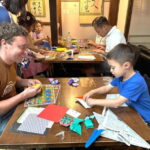
A scarf, dyed by your own hands.
This short class at the Kyoto Shibori Museum is built around traditional resist-dye folding, so you see the craft up close and take home what you made. You’ll choose a color, fold the fabric the prescribed way, and dye your scarf with the museum’s shibori process.
I love that it’s private, so the instruction feels personal and you can move at your pace. I also love that you don’t just learn the idea of shibori—you leave with a long, wearable cotton scarf sized for real life back home.
The main catch is time: the workshop is brief, so if you’re hoping for an all-day craft project or a lot of extra technique practice, this may feel tightly scheduled.
In This Review
- Key highlights worth planning for
- Kyoto Shibori Museum: a compact setting for real craft
- What you’re making: a hanakoushi cotton scarf using sekka shibori
- The step-by-step process (and why it feels straightforward)
- Timing: how about 30 minutes becomes a whole museum visit
- During the drying break: watch, look, and understand the craft
- The museum shop: buying with better eyes
- Private means you can ask, adjust, and go at your pace
- Who this class is best for (and who should skip it)
- Price and value: what $43.35 buys you in Kyoto
- Getting there and making it fit your day
- Should you book Hanakoushi cotton Scarf Class?
- FAQ
- How long is the Hanakoushi cotton Scarf Class?
- Is this class private?
- What size scarf will I dye?
- What’s the meeting location?
- Do I need a printed ticket?
- Can I cancel and get a full refund?
Key highlights worth planning for
- Private class for your party, with hands-on guidance from the museum team
- Sekka shibori method applied to a hanakoushi folding style for a distinct pattern
- You dye a 70-inch x 17-inch (175cm x 50cm) cotton scarf, not a tiny sample
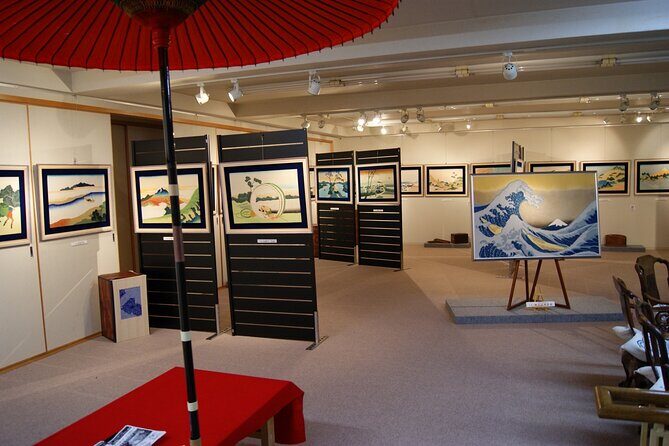
- While your scarf dries (about 30 minutes), you tour the museum displays and tools
- The museum shop is there for a reason: you can compare finished works, fabrics, and souvenirs
- Mobile ticket makes check-in simpler once you’re in Kyoto
Kyoto Shibori Museum: a compact setting for real craft
This experience is centered in one place: the Kyoto Shibori Museum in central Kyoto (Nakagyo Ward). The address for meeting is 135-5 Shikiamichō, Nakagyo Ward, Kyoto 604-8261—handy when you’re mapping your day with transit.
What I like about the setup is that shibori isn’t treated like a quick photo stop. You’re in a space designed for the craft—art pieces, tools, and sample displays are part of the flow, especially during your scarf’s drying time.
One more practical note: the museum is described as being near public transportation, so you’re not stuck planning a complicated detour. For most visitors, that means this fits well on a half-day when your feet need a break from temple lines.
A few more Kyoto tours and experiences worth a look


What you’re making: a hanakoushi cotton scarf using sekka shibori
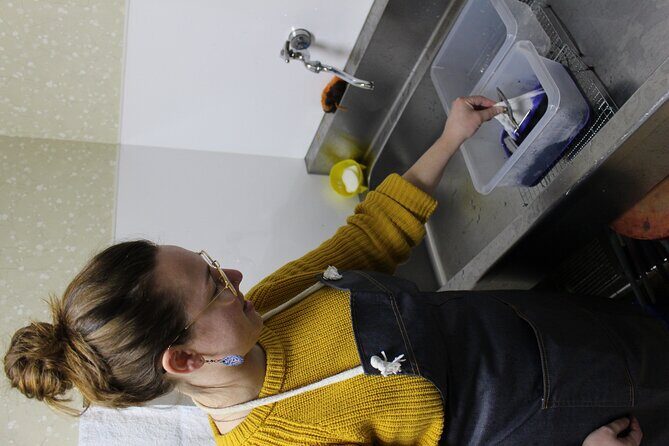
You’ll make a cotton scarf measuring 70 inches x 17 inches (175cm x 50cm). That’s a meaningful size. It’s wide enough to wear comfortably, long enough to drape, and large enough to use as a wrap or even a light table runner when you’re home.
The technique focus is the sekka shibori method, taught through the museum’s hanakoushi shibori approach. In plain terms, you’re working with folding/resist logic: the way you fold the fabric determines where the dye can and can’t take, shaping the final pattern.
This is one reason I think it’s such a good “Kyoto souvenir” class. Buying a scarf is easy. Making one teaches you what makes shibori shibori—why the pattern has structure, and why small fold decisions matter.
The step-by-step process (and why it feels straightforward)
The class runs about 30 minutes on the schedule you’ll book, though the sessions can run 30 to 60 minutes depending on how everything times out. It’s taught as a clear sequence rather than a long apprenticeship.
Expect the workflow to look like this:
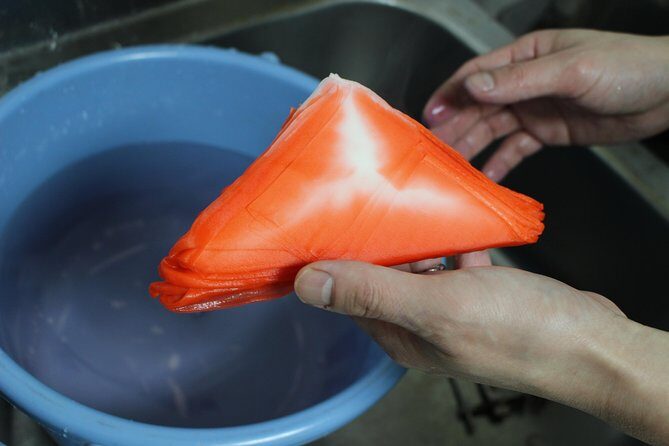
First, you choose your favorite color. Then you fold your fabric in a specific way tied to the shibori method being taught.
After folding, you dye the fabric. Once the dye is done, the scarf needs time to dry, which is built into the class pacing. After that, you come away with a finished scarf you can take home.
If you’re worried about being “crafty enough,” don’t. The experience is designed for visitors, with guidance aimed at making it understandable and doable, and many sessions are described as being easy to follow.
Timing: how about 30 minutes becomes a whole museum visit
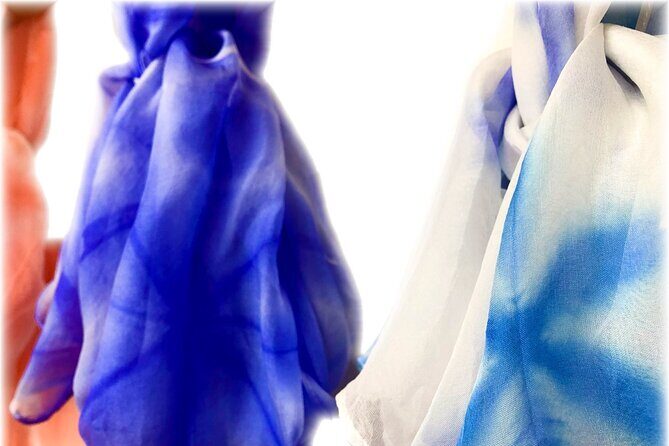
The class has a simple rhythm: you work, you wait, you learn. When your scarf is drying—about 30 minutes—you don’t just stand around. This is your chance to explore what the museum is showing you.
You can browse art pieces, tools, and samples related to shibori, so your hands-on work connects to what you’re seeing on the walls. It also helps you spot the difference between the look of finished pieces and the steps that create them.
So even though the “making” part is relatively short, you still get a fuller cultural experience. You leave with both a scarf and a better sense of what shibori artists care about.
During the drying break: watch, look, and understand the craft
The museum isn’t just decoration. It provides context—examples of finished shibori works, plus displays of materials and tools. You’ll also find video-style explanations in the museum experience, which helps translate what you just did with the folding and dyeing.
This matters because shibori is easy to enjoy visually, but harder to understand if it’s only explained in theory. Seeing displays while your scarf is drying turns that waiting time into learning time.
Also, it’s a good moment to slow down. Kyoto can be a lot of movement and crowds. This break gives your brain something steady to focus on.




The museum shop: buying with better eyes
After you’ve made a scarf, the shop makes more sense. You can compare your own result with other items made using different shibori styles, and you can see fabrics and finished goods at different price points.
You’ll find shibori items, souvenirs, and fabrics in the museum shop. This is useful because it helps you decide what you actually want to bring home. You might even find you prefer one style more than you expected once you’ve seen patterns in person.
Practical tip: if you’re budget-conscious, decide before you go. The class gives you a take-home scarf already, but shopping is part of the museum logic. Set a limit so it stays fun instead of stressful.
Private means you can ask, adjust, and go at your pace
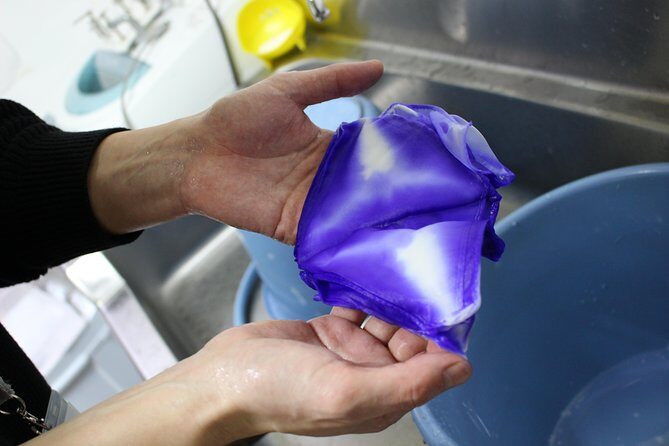
This is a private class exclusively for your party, not a shared group session. That changes the feel. You can ask questions while you’re working, and instruction can be paced to your comfort level.
If you’re traveling as a couple or family, private time is also a way to avoid the awkwardness of waiting for others to finish each step. One person can ask about color choices, while another watches the folding technique closely—without feeling rushed.
Some sessions have been guided by instructors described by name in past experiences, including Nina and Yokahama-san, depending on scheduling. What stays consistent is that the team is described as kind and helpful, with instruction that’s easy to follow.
Who this class is best for (and who should skip it)
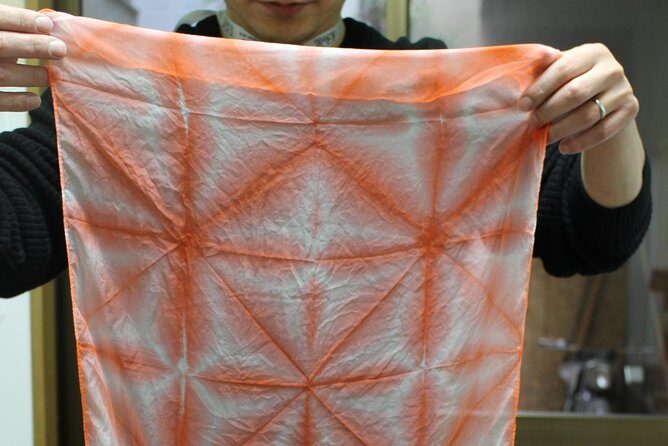
This class is a strong fit if you want a hands-on Kyoto activity that produces a real, personal souvenir. It’s also great if you enjoy traditional crafts but don’t have patience for long workshops.
It’s especially good for people who:
- want a manageable activity in the middle of sightseeing
- like learning how things work, not just looking at them
- want to bring something home that isn’t mass-made
You might want to choose another option if you’re expecting an all-day deep technical workshop. Because the class is short, the process is structured and doesn’t turn into hours of experimentation.
Price and value: what $43.35 buys you in Kyoto
At $43.35 per person, the value comes from the combination: instruction plus a finished scarf to take home. You’re not paying just for entry or a quick demonstration—you’re paying for guided resist-dye steps and the tangible result.
Also, the materials you work with and the time the museum staff spends with your group are part of what you’re covering. For many visitors, that makes it feel more like a craft workshop than a tourist activity.
Think of it this way: if you were to buy a handmade-looking scarf in Kyoto, you’d almost certainly pay more than this for the same kind of story. Here, the story is built into the making process.
Getting there and making it fit your day
The meeting point is Kyoto Shibori Museum (135-5 Shikiamichō…). Because it’s near public transportation, you can pair it with a day in central Kyoto without planning a complicated transfer.
Plan for about 30 minutes of active instruction, plus the museum viewing during drying time. If your schedule is tight, treat this as a half-day anchor: you’ll leave with your scarf and you’ll already have seen the museum displays.
If you’re traveling with kids, it can work because the workshop is short and guided. Still, it helps to go in with realistic expectations: the goal is a finished scarf you can take home, not hours of continuous crafting.
Should you book Hanakoushi cotton Scarf Class?
Book it if you want a Kyoto craft experience with clear steps, friendly guidance, and a take-home souvenir that feels personal. The private format is a big plus, and the drying break turns the waiting time into actual museum learning.
Skip it if you’re the type who needs a long session to feel satisfied, or if you’re trying to squeeze in so much sightseeing that you’d resent any downtime. The workshop is efficient by design, and the museum is meant to be part of that rhythm, not a full museum marathon.
If you like practical crafting and you want something you’ll actually use, this is a smart use of time in Kyoto.
FAQ
How long is the Hanakoushi cotton Scarf Class?
The class is listed as about 30 minutes. The experience can run 30 to 60 minutes depending on the session.
Is this class private?
Yes. It’s a private tour/activity, exclusively for your party.
What size scarf will I dye?
You dye a 70-inch x 17-inch (175cm x 50cm) cotton scarf.
What’s the meeting location?
Meet at Kyoto Shibori Museum, 135-5 Shikiamichō, Nakagyo Ward, Kyoto 604-8261, Japan.
Do I need a printed ticket?
No. You’ll have a mobile ticket for the activity.
Can I cancel and get a full refund?
Yes. Free cancellation is available, and you can cancel up to 24 hours in advance for a full refund.
###