Kyoto’s silk art is strangely relaxing. In a traditional machiya townhouse in Nishijin, you learn Kyoto Yuzen dyeing and create a one-of-a-kind silk souvenir with help from a working artisan. I love that you get real instruction from the maker, not a demo. I also love the color-palette coaching—picking your tones and having the artisan balance the rest for harmony. One thing to consider: you may need to sit and paint for the full 2 hours, and you should plan for potential dye mess.
This is the kind of class where the craft rules your schedule. You start with design outlines already on the silk, then you choose colors (the artisan helps you finish the palette), and the artwork gradually appears as you paint. The calm, home-studio setting keeps the experience from feeling like a factory workshop.
The result is a wearable, display-worthy keep. Expect a finished silk piece you can take home after it’s dried/ironed for you, plus a small-group atmosphere capped at 6 people and English/Chinese interpretation. Wear clothes you’re okay getting stained, and tell the team ahead of time if you have chemical sensitivities.
In This Review
- Key Things That Make This Kyoto Yuzen Class Special
- Kyoto Yuzen Dyeing: Hand-Painting With Dye, Not Just a Craft Demo
- Inside the Nishijin Machiya: Calm, Traditional, and Surprisingly Meditative
- The 2-Hour Flow: From Design Choice to Your Finished Silk Piece
- 1) Set the design and get your silk ready
- 2) Pick 1–2 colors you like
- 3) Watch and learn as colors come to life
- 4) Painting time (and a gentle reminder about pace)
- 5) Drying/finishing so you can take it home
- Your Instructor and Interpreter: How Color Gets Made Right
- What You Take Home: A Silk Keepsake You’ll Actually Want to Keep
- Price and Value: Is $161 Worth Two Hours of Craft?
- Who This Kyoto Yuzen Class Suits Best
- Planning Tips: What to Wear, What to Tell Them, What to Skip
- A Few Small Downsides to Consider Up Front
- Should You Book Kyoto Traditional Yuzen Dyeing?
- FAQ
- How long is the Kyoto Yuzen dyeing experience?
- What is included in the class?
- Do I need to pay extra to take home the artwork?
- What language support is available?
- Is the experience wheelchair accessible?
- How big are the groups?
- What should I wear?
- Is this class suitable for children?
- Are there any safety or participation restrictions?
Key Things That Make This Kyoto Yuzen Class Special
- A real machiya home-studio in Nishijin, not a generic classroom
- Small group size (max 6), so you get hands-on attention
- Color guidance that builds harmony, not just picking whatever looks nice
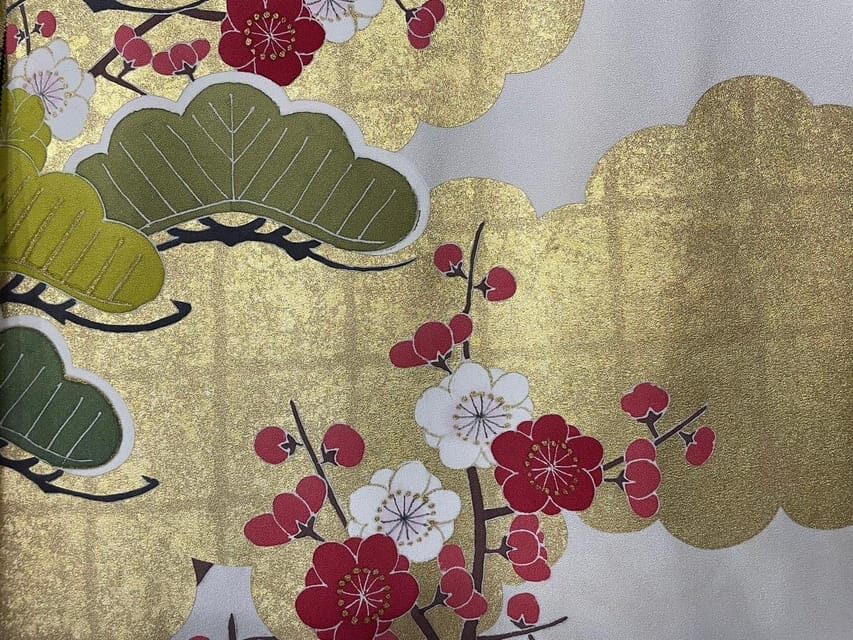
- Premade design outlines on your silk, so you focus on painting technique
- You take home your own finished Yuzen-dyed piece, made in collaboration with the artisan
- English or Chinese interpretation so the craft details actually land
Kyoto Yuzen Dyeing: Hand-Painting With Dye, Not Just a Craft Demo
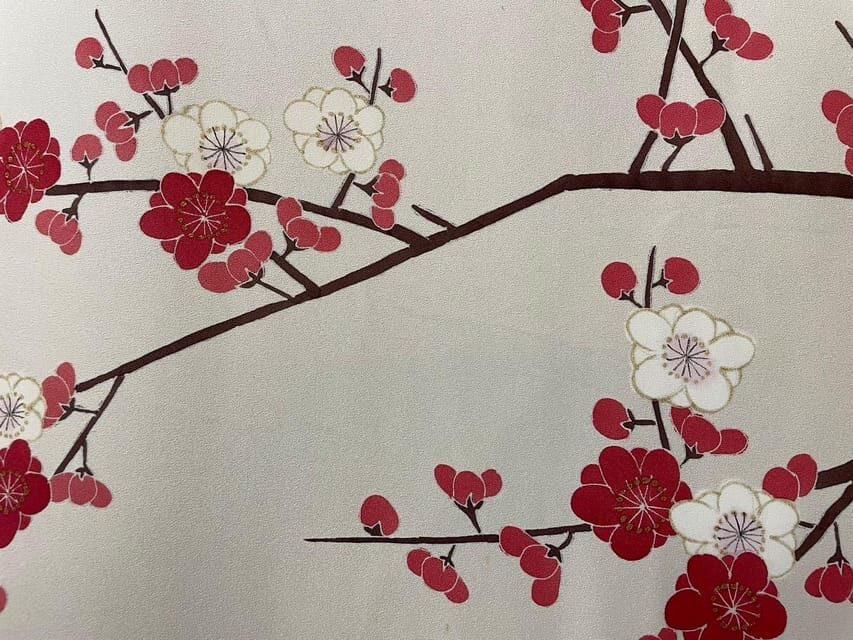
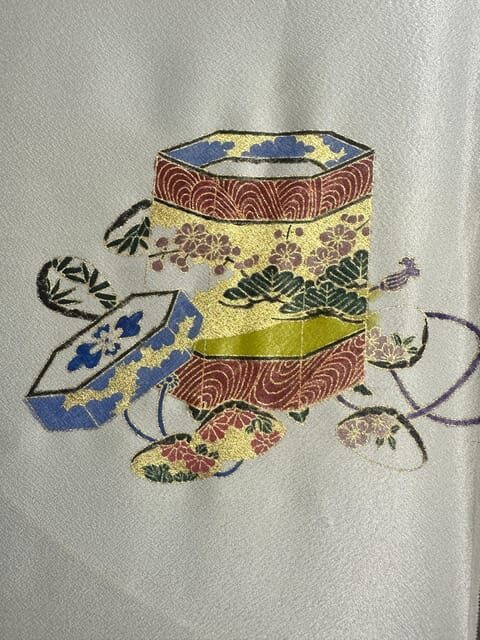
Yuzen is one of those Kyoto traditions that looks delicate, but it’s very technical underneath. The basics you’ll learn here feel like painting—choosing colors, applying them inside the design lines, and watching the fabric respond—yet the materials and mixing are the true skill.
What makes Yuzen worth your time is that it’s about controlled color. The artisan helps you pick 1–2 colors you like, then builds the rest of the palette to make the final piece feel balanced. That’s a big deal if you’re not a designer. You’re not guessing the whole way.
I also like that the experience includes a view display of Kyoto Yuzen works. It gives context before you start painting, so your finished piece doesn’t feel random—it connects to a wider craft tradition.
If you're still narrowing it down, here are other tours in Kyoto we've reviewed.



Inside the Nishijin Machiya: Calm, Traditional, and Surprisingly Meditative
This class takes place in a traditional machiya townhouse in Kyoto’s Nishijin district. You’re not just visiting a workshop—you’re in the artisan’s own home-studio environment, which changes the vibe.
The tone is quiet and precise. Several participants describe the setting as calm and even therapeutic, which makes sense when you’re painting slowly on silk with a master guiding your hand. It’s craft time without the chaos.
You’ll also notice the space is part of the experience. One participant mentioned a studio overlooking an artists zen garden, and that kind of detail is exactly why this feels more authentic than a commercial stop.
The 2-Hour Flow: From Design Choice to Your Finished Silk Piece
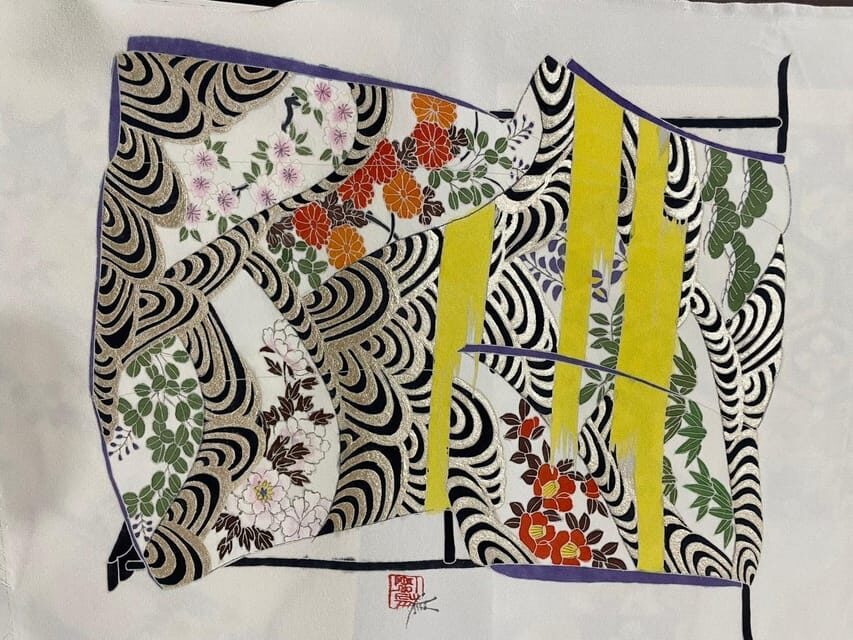
You’re looking at about 2 hours total, and the structure is simple enough to follow but detailed enough to feel meaningful.
1) Set the design and get your silk ready
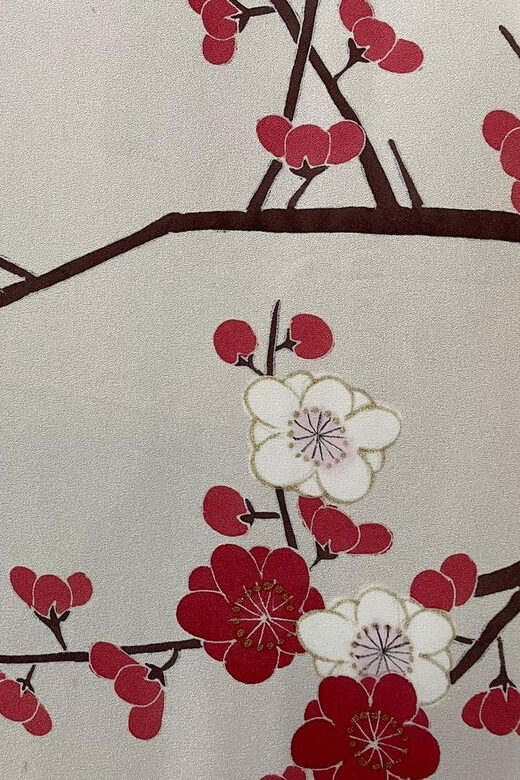
You choose a design option (there are some premade choices available), and the silk you work on comes with outlines. In at least one example, the fabric already includes golden outlines of your chosen pattern, so you’re not starting from a blank page.
Some designs include subjects like phoenixes, cranes, and fans, and one popular combination described in a participant account is a phoenix in front of a crescent moon. The key point for you: the template helps you focus on technique and color rather than drawing.
2) Pick 1–2 colors you like
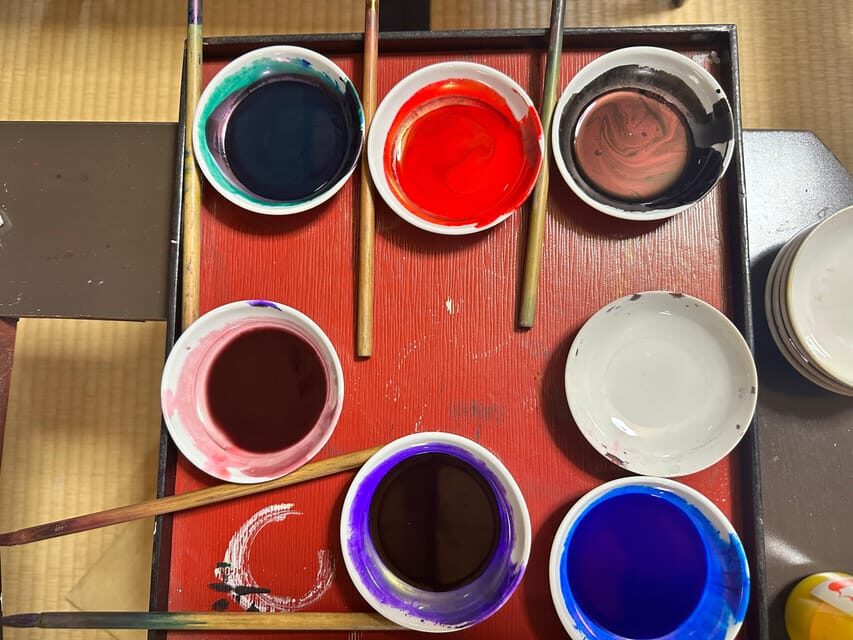
Early on, you select one or two colors that appeal to you. Then the artisan selects the remaining tones for a harmonious balance. If you love color but hate decision fatigue, this is a great setup—you get input, but you’re not stuck guessing.



3) Watch and learn as colors come to life
The artisan guides you through tools and materials, including how the dye/pigment behaves on silk. Painting can feel a bit like filling stamped or printed areas with dye—because you’re working inside the design lines—but the method is still very hands-on.
A useful tip from participant feedback: don’t overload your brush. Too much dye can bleed. That’s the kind of practical instruction you only get when someone is watching your technique in real time.
4) Painting time (and a gentle reminder about pace)
You paint your design yourself with guidance and interpretation. More than one participant noted they weren’t rushed and had time to finish properly, but one also mentioned going slightly past the scheduled end time. That’s not alarming, but it’s a good reminder: if you have strict plans right after, keep some buffer.
5) Drying/finishing so you can take it home
When you’re done, your piece is dried and finished for you—reported as ironing to help ensure it’s dry. Then you take home the silk art you made.
Your Instructor and Interpreter: How Color Gets Made Right
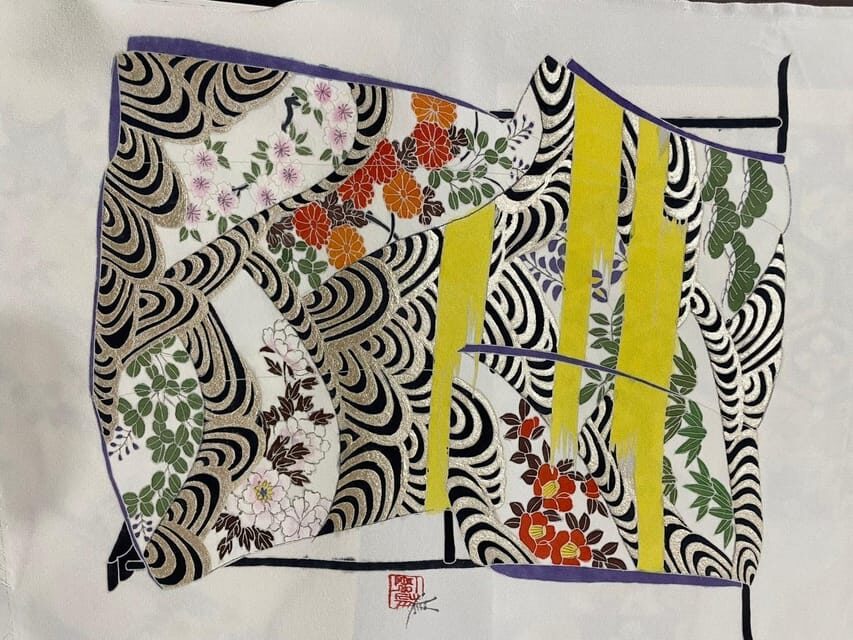
One of the most praised parts of this class is the way the artisan explains the process and supports your choices.
Participants specifically mention Master Shin’Ichiro as the artisan who helps select color palettes and mix colors. The big practical value here is that he understands the dye chemistry in a way that translates into real results. More than one account notes he mixes to the right tone by using the correct ratio and concentration, so the shade you see in guidance is closer to what you get on the fabric.
Because instruction is in English and Chinese, you’ll also have interpretation support. One interpreter mentioned by name is Ha, described as kind, helpful, and able to translate smoothly. That matters because Yuzen isn’t just about where you paint—it’s also about why the color decisions work.
And yes, you’ll likely talk with them during the session. That back-and-forth turns a craft class into a conversation with a real maker.
What You Take Home: A Silk Keepsake You’ll Actually Want to Keep
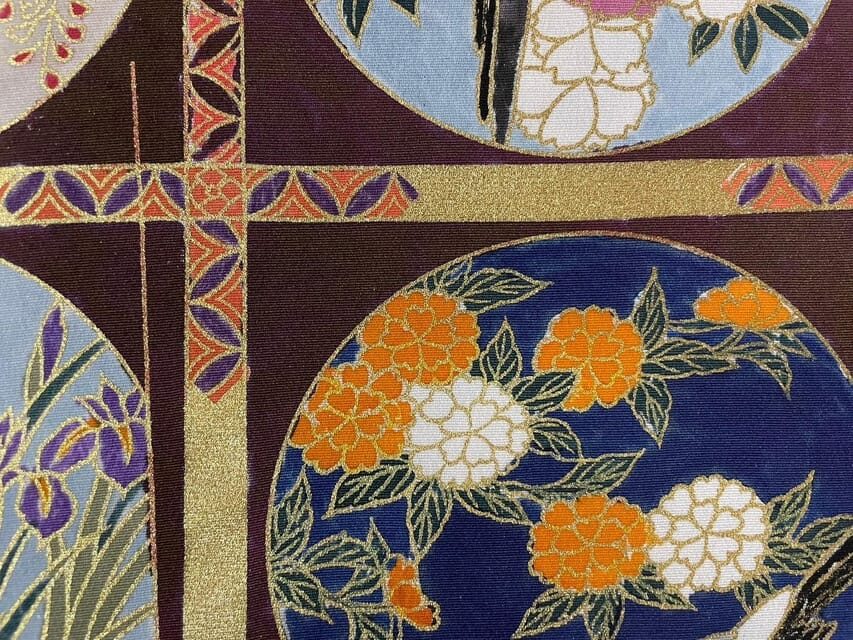
The souvenir is not a cheap print. You take home your own Yuzen-dyed silk fabric piece that reflects both your color choices and the artisan’s refinement.
This is also where the machiya setting pays off. Making the artwork inside the artisan’s home-studio adds meaning. You’re not buying an object that someone else already finished for sale—you’re collaborating in the making.
Practical handling matters too. Because you’re working with dye, wear test-friendly clothes (again: plan dye risk). After finishing, you’ll get help to make sure it’s dry so you can pack it without stress.
If you’re the type who likes “I did this” souvenirs—this fits. If you only want a quick photo-op, it might feel too slow and too hands-on.
Price and Value: Is $161 Worth Two Hours of Craft?
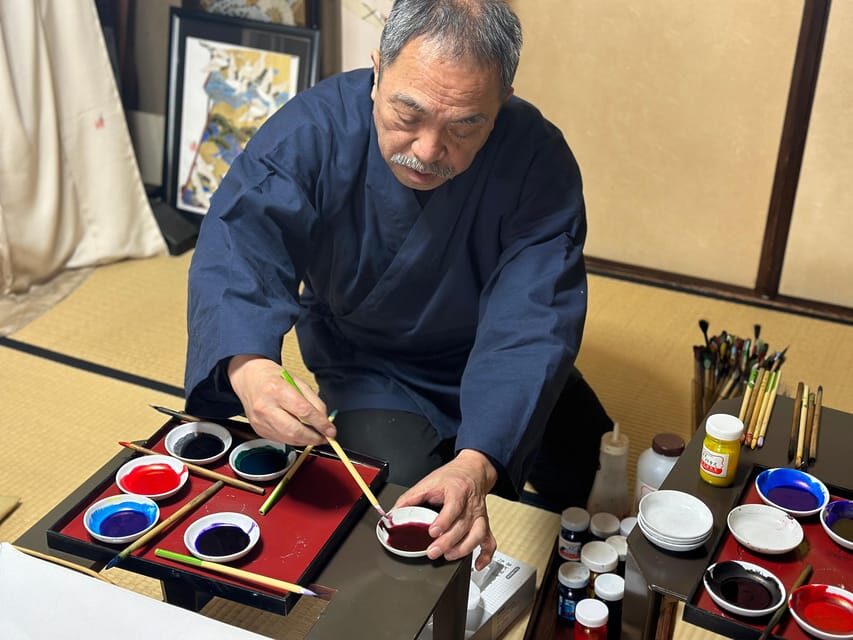
At $161 per person for a 2-hour small-group experience, the price isn’t “cheap,” but it’s also not trying to be. You’re paying for:
- instruction directly from the artisan (not a storefront instructor)
- interpretation (English or Chinese)
- a finished silk keepsake you make yourself
- limited group size (max 6), which supports real guidance
- a viewing display of Kyoto Yuzen works
If you compare this to paying for one tourist activity, it’s usually better value because the output is tangible and personal. You leave with a piece of craft that took careful work—plus the context of learning the techniques behind it.
Where value can vary for you: if you want extensive design variety, note that some participants mentioned the number of design options can feel limited. If your top priority is choosing among lots of themes, you may want to check what’s offered when you book.
Who This Kyoto Yuzen Class Suits Best
This class is a strong match if you’re:
- an art lover who likes process as much as results
- a hobbyist who wants to learn technique, not just copy a demo
- someone who enjoys calm, focused activities
- traveling as a pair or solo (small groups can sometimes feel close to private)
It’s also likely to work well for older teens and adults who can sit comfortably. One participant specifically warned it’s not great if you can’t sit on the floor for the session length.
It’s not suitable for children under 10 (and babies under 1). If you’re bringing a family, plan accordingly.
Planning Tips: What to Wear, What to Tell Them, What to Skip
This is the part that keeps your day smooth.
Wear comfortable clothes you don’t mind getting dye on. Even with careful technique, silk dye is still dye. Think practical, not precious.
The experience may involve chemicals, so inform the organizers in advance if you have any allergies or sensitivities. That’s one of those “don’t wing it” items—Yuzen is traditional, but the process uses materials you should treat responsibly.
Also note what’s not allowed: alcohol and drugs, and party groups. If you’re traveling with a big group energy, this won’t be the right fit for your style.
A Few Small Downsides to Consider Up Front
No class is perfect, and Yuzen isn’t trying to be.
- Limited design choices: at least one participant noted the variety felt like it could be better. If you have a very specific subject in mind, pick expectations accordingly.
- Time awareness: one account mentioned finishing about 30 minutes over the scheduled end time, though hosts were accommodating. If you’re catching a train right after, give yourself wiggle room.
- Sitting for 2 hours: this is a craft session with focused painting time. If floor-sitting is hard for you, plan ahead.
Should You Book Kyoto Traditional Yuzen Dyeing?
Book this if you want a Kyoto souvenir with real craft behind it. The machiya setting, hands-on guidance from an artisan (including Master Shin’Ichiro in participant accounts), and color coaching that creates harmony are the reasons this experience gets such high praise.
Skip it or think twice if you:
- can’t sit comfortably for 2 hours
- want lots of design variety
- are sensitive to chemical materials and haven’t arranged accommodations in advance
- prefer activities that are fast and low-effort
If you’re planning a Kyoto trip and you like authentic, quietly impressive experiences, this is one of the most rewarding uses of time you can make.
FAQ
How long is the Kyoto Yuzen dyeing experience?
It lasts 2 hours.
What is included in the class?
You get the Yuzen dyeing experience, instruction from the artisan, an interpreter, and a view display of Kyoto Yuzen works.
Do I need to pay extra to take home the artwork?
The price covers the class and your created piece, but additional costs may apply if you choose to purchase works from the artisan by cash or other on-site options.
What language support is available?
The experience offers live support in English and Chinese.
Is the experience wheelchair accessible?
Yes, it is listed as wheelchair accessible.
How big are the groups?
It’s a small group, limited to 6 participants.
What should I wear?
Wear comfortable clothes that you do not mind getting dye on.
Is this class suitable for children?
It is not suitable for children under 10 years (and babies under 1 year).
Are there any safety or participation restrictions?
Alcohol and drugs are not allowed, and you should inform them in advance if you have any allergies or sensitivities, since chemicals may be involved.