Zen practice sounds better by a river. This Kyoto workshop turns zazen into a calm, real-world experience: not a temple hall, but an open-air riverside deck with trees, water sounds, and morning air doing half the work for you. I love the riverside setting and the step-by-step guidance that makes Zen feel approachable, not mysterious.
One thing to plan around: weather matters. Since it’s an outdoor session, you’ll want flexible expectations, because poor conditions can trigger a date change or a full refund.
In This Review
- Key Highlights You’ll Care About
- Kyoto Riverside Zazen: What Makes This Workshop Worth Your Time
- The 2-Hour Flow: From Seated Meditation Basics to Everyday Mindfulness
- Getting oriented and settling in
- The basics of zazen, guided clearly
- Carrying the mindset into daily life
- Ending with a peaceful tea moment
- The Riverside Setting: What You’ll Actually Feel During Zazen
- Price and Value: Is $105 a Good Deal for a 2-Hour Workshop?
- Where You Meet and How the Day Stays Simple
- What’s Included (and What You’ll Need to Cover)
- Who This Kyoto Zen Workshop Fits Best
- Practical Tips to Get the Most from Zazen by the River
- Dress for outdoors and a breeze
- Go in with low expectations about how your mind behaves
- Treat matcha time as part of the practice
- Keep your morning schedule gentle
- Should You Book This Kyoto Zen Riverside and Uji Matcha Experience?
- FAQ
- What is the duration of the Kyoto Zen and Uji matcha experience?
- How much does it cost?
- Where do I meet for the experience?
- Is this a temple meditation session?
- What’s included in the price?
- What is not included?
- How large is the group?
- What if the weather is bad?
- Can I get a full refund if I change my plans?
Key Highlights You’ll Care About
- Zazen taught like a workshop: clear basics, no heavy ritual focus
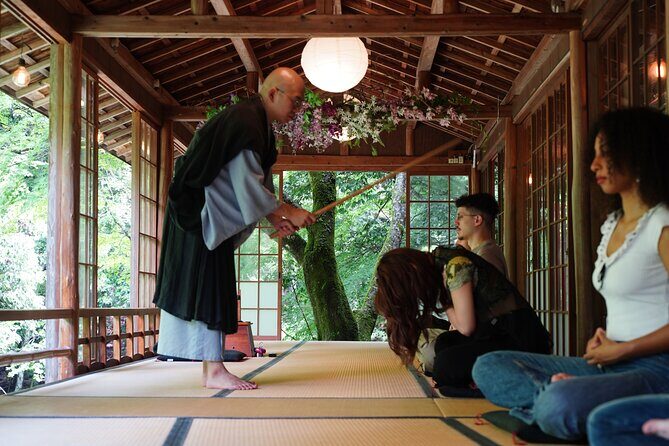
- Outdoor riverside deck in Kyoto: water sounds and trees are part of the practice
- English cultural guidance in real time: interpretation plus context as you go
- Uji matcha + seasonal wagashi: a calm, mindful finish that isn’t a formal ceremony
- Small group (max 10): easier attention and a quieter vibe
Kyoto Riverside Zazen: What Makes This Workshop Worth Your Time
Kyoto can be intense. You hop from temple to temple, your feet complain, and your brain goes into sightseeing mode. This experience slows you down on purpose. It’s Zen mediation, but it’s built for normal humans with limited vacation stamina.
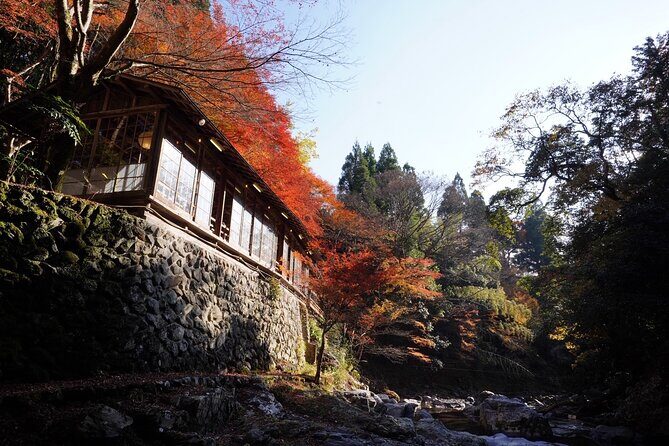
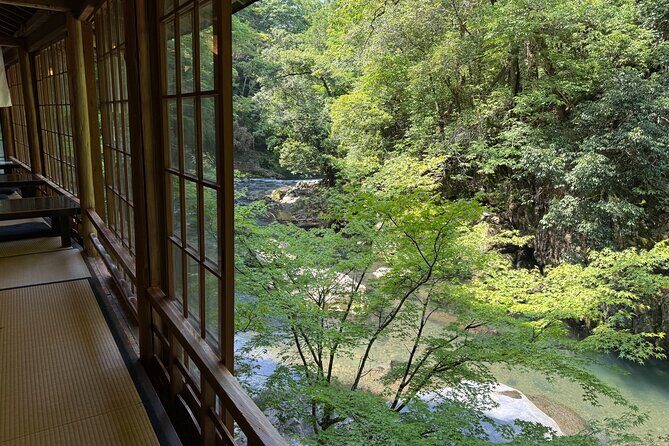
Instead of doing zazen inside a temple hall, you sit outside on a riverside deck. That changes everything. The sounds of flowing water aren’t background noise. They become your timing cue, your reminder to return when your mind wanders. And because you’re surrounded by trees and open air, the whole session feels less like a performance and more like a steady practice you can actually picture doing at home.
What I like most is the workshop tone. This isn’t presented as a sacred-only, don’t-touch-that experience. The guide approaches zazen as a practical skill: posture and breath basics, plus the mindset of calm awareness you can carry into everyday life.
You also get an English-speaking cultural guide with real-time interpretation. That matters more than people think. Zen terms can sound like a locked door. Here, you get the cultural context as you practice, so you’re not just copying movements—you’re understanding what they’re for.
A few more Kyoto tours and experiences worth a look

The 2-Hour Flow: From Seated Meditation Basics to Everyday Mindfulness
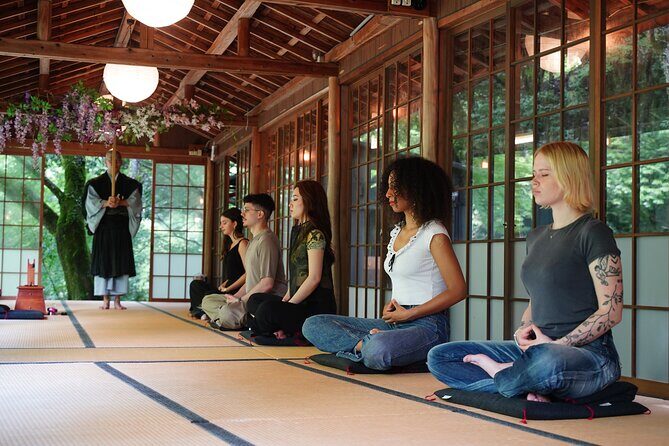
The whole experience runs about 2 hours. That’s a big deal in Kyoto, where full-day plans are common and attention spans are not. Two hours is long enough to learn and settle in, but short enough that you leave feeling clear, not wiped out.
Here’s the rhythm you can expect:
Getting oriented and settling in
You start outdoors by the river at the meeting point, then move into the workshop flow. The instructor guides you step by step through zazen fundamentals. The key word in how this is framed is approachable. You’re not being tested on tradition. You’re being taught how to sit and how to work with your mind when it doesn’t cooperate.
The basics of zazen, guided clearly
Zazen is seated meditation. The instruction focuses on the mechanics that beginners need: how to sit, how to breathe, and how to think about attention. The guide doesn’t treat Zen as a strict, separate religious ritual that tourists watch from a distance. Instead, it’s presented as training for everyday awareness—something that should fit your real life, not only your vacation.
Even if you’ve never meditated before, the structure is designed to make you understand what you’re doing. And if you’ve tried before, it gives you a clean refresher with less guesswork.
Carrying the mindset into daily life
A Zen workshop can stay stuck in the moment: “cool, I meditated.” This one pushes further, even without turning it into a lecture. You learn ways to hold the mindset of calm and awareness after you stand up—so you’re not only collecting photos. It’s a small shift, but it’s the kind that keeps paying off once you’re back in your hotel and the jet lag starts acting up.
A few more Kyoto tours and experiences worth a look


Ending with a peaceful tea moment
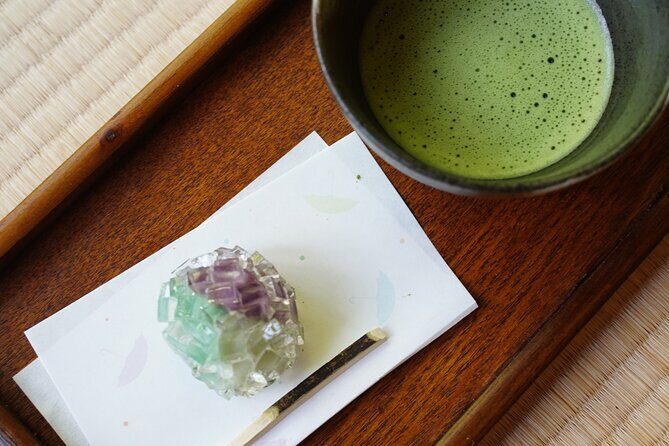
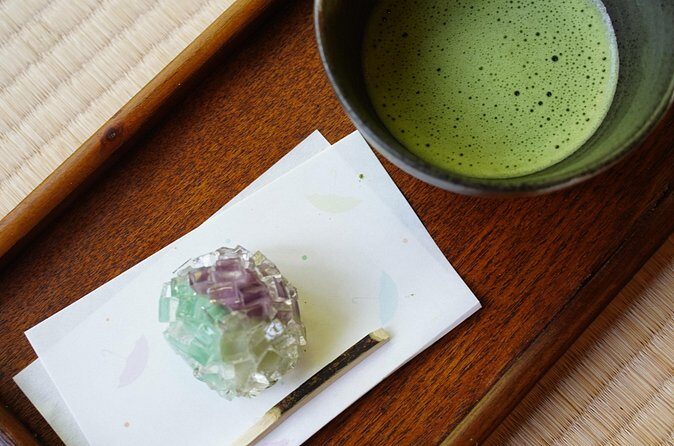
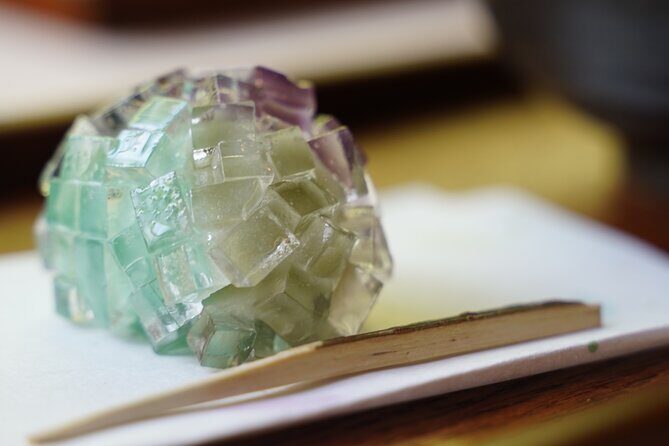
The session closes with a quiet tea time. This part is gentle on purpose. You enjoy premium Uji matcha whisked fresh, paired with seasonal wagashi (Japanese sweets). It’s not described as a formal tea ceremony. Think of it as a mindful landing—time for your body to come down and your mind to stop buzzing.
That tea break is more than a snack. For many people, it’s the easiest way to keep the calm going without forcing yourself to “be Zen” all the way through a museum line.
The Riverside Setting: What You’ll Actually Feel During Zazen
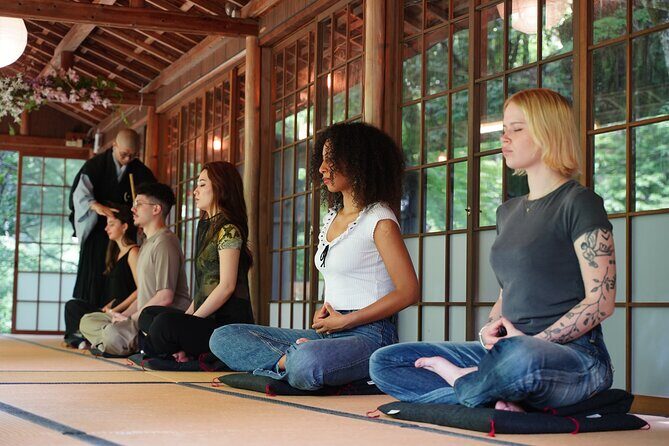
Outdoor Zen isn’t just a cute twist. It affects your attention.
On the riverside deck, you get natural sound cues: flowing water, breezes, and ambient scenery. That steadiness can help you return to the practice when your mind jumps topics. Instead of fighting distraction, you get a kind of built-in reminder to come back.
The session also emphasizes the natural setting rather than a temple interior. That’s a big part of why it feels reflective. You’re not trying to follow temple etiquette, you’re not scanning for the “right” spot, and you’re not competing with incense smoke and other visual chaos.
Small details matter here:
- The experience is framed for beginners, so you’re not expected to already know Zen language or posture customs.
- The group is capped at 10 travelers, so the atmosphere stays calm instead of turning into a crowd with headsets.
- The whole thing ends back at the meeting point, which makes your day simpler.
Price and Value: Is $105 a Good Deal for a 2-Hour Workshop?
$105 per person is not a throwaway add-on. But it can be good value in Kyoto if you look at what you’re buying.
You’re paying for:
- a guided Zen workshop taught step by step (not just a sit-and-watch class)
- an English-speaking guide with cultural interpretation in real time
- a small group size (max 10), which usually means more attention
- tea time with premium Uji matcha plus seasonal wagashi
- a calm, outdoorsy experience that avoids the temple-hall “everyone is whispering” vibe
If you compare it to typical Kyoto “activity classes,” the value improves because you’re getting both practice and a closing ritual-like moment with matcha. Lots of workshops give you one or the other: either instruction or a nice food finish. Here you get both.
Also, the booking pace is fairly normal—on average it’s booked about 14 days in advance. That’s often a sign that people plan this as an intentional part of their trip, not a last-minute filler.
Where You Meet and How the Day Stays Simple
You’ll meet at 35 Umegahata Tonohatachō, Ukyo Ward, Kyoto, 616-8293, Japan. The activity ends back at the meeting point, so you’re not juggling transportation timing or hunting for a second location.
It’s near public transportation, which matters because Kyoto traffic and transfers can eat time. You’ll also receive a mobile ticket, which keeps things easy if your phone battery is behaving.
This is a 2-hour commitment, so it fits well into a morning plan. The experience is described as starting your day with something reflective, and that’s exactly where it works best: before the day turns into a checklist.
What’s Included (and What You’ll Need to Cover)
Included:
- coffee and/or tea (plus the featured premium Uji matcha)
- seasonal wagashi
- the full Zen workshop experience
Not included:
- private transportation
- tips/gratitude
That means you’ll want to plan your own way to the meeting area. Once you’re there, the experience is handled end to end. And if you prefer walking or public transit, this doesn’t force you into a car or tour bus.
Who This Kyoto Zen Workshop Fits Best
This is a strong fit if you want a break from the usual Kyoto rhythm. You don’t need to be a meditation expert. Beginners are explicitly welcomed through the step-by-step structure.
You’ll probably love it if:
- you’re curious about Zen but want it explained clearly, not left vague
- you like calm, nature-based experiences that don’t feel like a performance
- you want something meaningful that still fits into a short time window
- you appreciate a quiet food-and-tea ending, especially matcha and wagashi
It might be less ideal if:
- you hate outdoor activities and can’t handle weather-related uncertainty
- you want a highly sightseeing-focused day (this is a practice session first, not a photo tour)
Also, since service animals are allowed and the experience is capped at 10 people, the format is designed to stay respectful and manageable.
Practical Tips to Get the Most from Zazen by the River
A couple of practical notes will help you enjoy this more.
Dress for outdoors and a breeze
Because the session takes place on a riverside deck, plan for wind and temperature shifts. Bring a light layer if your itinerary has you jumping between sunny and shaded spots.
Go in with low expectations about how your mind behaves
Zen practice doesn’t require a blank mind. The workshop framing is approachable, so use that. When thoughts pop in, that’s normal. The point is returning—again and again.
Treat matcha time as part of the practice
The Uji matcha and seasonal wagashi are more than a snack. Don’t rush it. Use it as the transition out of meditation and back into your day.
Keep your morning schedule gentle
With a 2-hour duration, you can pair it with other activities after, but don’t book something exhausting back-to-back. The whole experience is meant to slow you down. Give yourself enough breathing room to feel that effect.
Should You Book This Kyoto Zen Riverside and Uji Matcha Experience?
If you want one Kyoto activity that actually changes your pace, book this. The standout reason is the combination: outdoor riverside zazen with clear beginner-friendly guidance, then a calm closure with premium Uji matcha and seasonal wagashi.
You should also book it if you’re the type who gets more out of experiences that you can carry home—mindset, not just memory. This workshop is built to do that, and the small group size helps keep the tone quiet and real.
One caution: be flexible about weather. If you can handle that, the rest is a thoughtful, well-paced two hours in Kyoto that feels less like a “thing you did” and more like a reset you needed.
FAQ
What is the duration of the Kyoto Zen and Uji matcha experience?
It lasts about 2 hours.
How much does it cost?
The price is $105.00 per person.
Where do I meet for the experience?
You meet at 35 Umegahata Tonohatachō, Ukyo Ward, Kyoto, 616-8293, Japan.
Is this a temple meditation session?
No. It’s an open-air Zen meditation experience by a riverside deck, not inside a temple hall.
What’s included in the price?
The Zen workshop experience is included, along with coffee and/or tea, premium Uji matcha, and seasonal wagashi.
What is not included?
Private transportation and tips/gratitude are not included.
How large is the group?
The experience has a maximum of 10 travelers.
What if the weather is bad?
The experience requires good weather. If it’s canceled due to poor weather, you’ll be offered a different date or a full refund.
Can I get a full refund if I change my plans?
Yes. You can cancel up to 24 hours in advance for a full refund.