Morning starts with fewer crowds. This early bird Kyoto and Uji tour is built for getting to the big sights before the day really heats up, with a small group size that keeps things relaxed and question-friendly. You’ll roll through Fushimi Inari-taisha, then head to Uji for a UNESCO stop at Byodoin Temple, plus a calmer shrine visit at Ujigami.
I especially like that Byodoin Temple admission is included, so you spend less time stuck in ticket lines and more time looking at the Phoenix Hall area with your guide’s pacing. I also love how the guide, Genki, explains what’s going on in Shinto and Buddhism in a way you can actually keep straight during your walk.
One thing to consider: the tour price doesn’t include getting to and from Uji (transport is ¥390 per person), and the tour ends at Uji Station without the guide taking the train back with you—so you’ll want to plan your return.
In This Review
- Key Things I’d Plan Around
- Why This Early Bird Kyoto Tour Hits Fushimi Inari Before the Rush
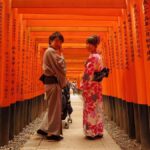
- Stop 1: Fushimi Inari-taisha and Its Thousands of Red Gates
- Stop 2: Byodoin Temple (UNESCO) and the Phoenix Hall Experience
- Stop 3: Ujigami Shrine in Uji, Japan’s Oldest Standing Shrine
- What You’ll Learn on the Walk: Shinto vs Buddhism in Plain Terms
- Small-Group Reality Check: How Max 8 Changes Your Morning
- Price and Value: What You’re Really Paying for at $55.18
- Getting There and Back: Kyoto Station Start, Uji Station Finish
- Who This Kyoto and Uji Early Bird Tour Is Best For
- Should You Book This Tour?
- FAQ
- How long is the Kyoto early bird tour in Uji and Fushimi Inari?
- What is the group size for this tour?
- Are tickets included for the temples and shrines?
- What is the total cost of the tour, and what’s not included?
- Where do you meet and where does the tour end?
- Do I need to show a paper ticket?
- Is the guide English-speaking?
Key Things I’d Plan Around
- Early start strategy: aim for landmarks before the peak crowd wave
- Max 8 people: more time for questions, fewer waits, smoother movement
- Byodoin Temple entry included: you skip the separate ticket hassle
- UNESCO Phoenix Hall focus: this is the Uji site tied to the 10 yen coin
- Uji in a quieter rhythm: pair a major shrine with a more peaceful Ujigami visit
Why This Early Bird Kyoto Tour Hits Fushimi Inari Before the Rush
Kyoto’s famous places can feel like one long queue unless you start early. This tour is designed around that reality. It’s about a 5.5-hour morning outing, and it’s capped at 8 travelers so the group moves together without turning into a human traffic jam.
The day starts at Kyoto Station and finishes at Uji Station, which makes it a smart half-day format. You get multiple “must-see” stops without spending your entire day bouncing between trains and ticket counters. Also, you’ll use a mobile ticket, which is usually the fastest way to keep things moving.
Practical note for your planning: transportation is listed as ¥390 per person (not included), and lunch isn’t included either. So treat this like a walk-and-visit morning. Wear comfy shoes and expect some uphill/step walking around shrine areas, especially at Fushimi Inari.
A few more Kyoto tours and experiences worth a look


Stop 1: Fushimi Inari-taisha and Its Thousands of Red Gates
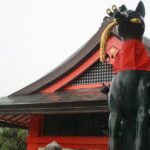
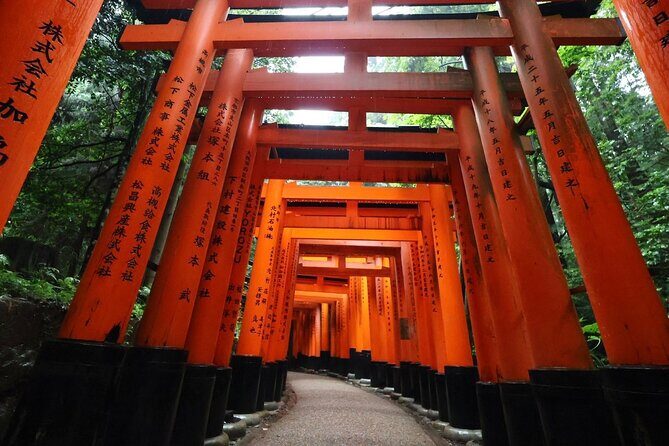
Fushimi Inari-taisha is the shrine most people picture first when they think of Japan: red gates, long paths, and that photo moment at every turn. On this tour, you get about 1.5 hours here, and the admission is free, so you’re paying for time, guidance, and flow—not entrance tickets.
What makes this stop work especially well in the early part of your day is the atmosphere. You’ll be able to walk through the gates with more room around you, which matters for both photos and comfort. If you’re trying to soak in the vibe (and not just power-walk to the next viewpoint), a morning slot gives you a calmer experience.
How I’d use your time here:
- Stick close enough to the guide that you can follow their suggested route.
- Leave yourself a little buffer for lingering at the gate corridors. They’re a big part of why this place is famous.
A simple drawback: Inari is not a “stand still and look” site. Plan on walking and moving steadily, and if you’re not used to stairs, go slow and take breaks when you need them.
Stop 2: Byodoin Temple (UNESCO) and the Phoenix Hall Experience
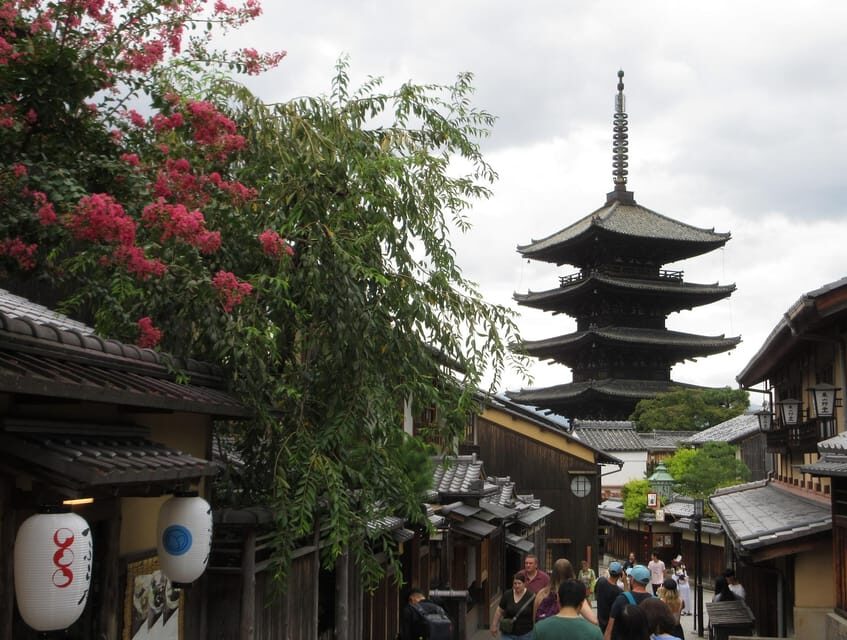
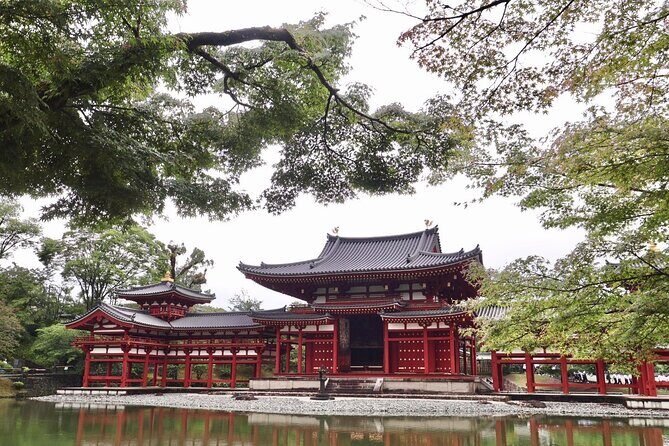
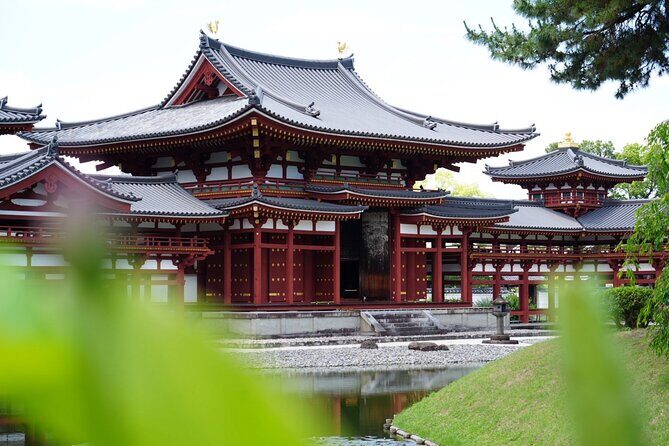
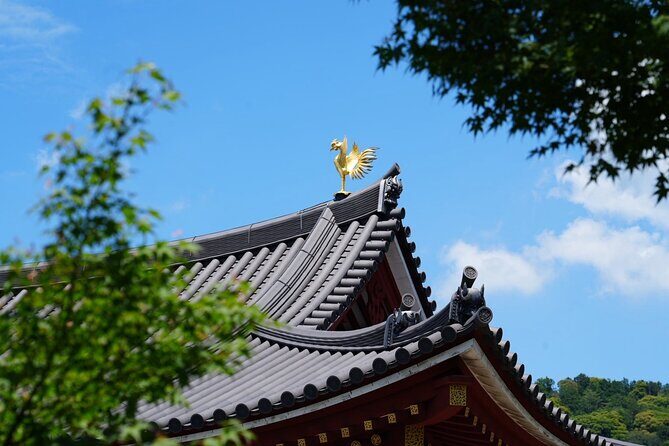
Byodoin Temple is the headline in Uji. This is a UNESCO World Heritage Site, and it’s famous for the Phoenix Hall—an iconic image that also appears on Japan’s 10 yen coin. On the tour, you get about 1.5 hours here, and the admission is included, which is a big deal in practice.
Why included entry matters: you avoid the common morning friction where you arrive at a popular temple area and then lose your rhythm to ticket lines. The tour is intentionally timed to keep you moving, and that “no long line” factor helps you actually enjoy the site rather than just clock it.
What to look for as you’re there:
- The Phoenix Hall setting is the visual anchor. Even if you’re not a temple-architecture specialist, you’ll be able to appreciate why it’s considered a standout.
- Expect the guide to connect what you’re seeing to the religious landscape of the region, not just facts on a sign.
One more reason this stop feels high value on a tour like this: you’re pairing a major shrine elsewhere (Fushimi Inari) with a UNESCO site that has a more structured, contemplative feel. That contrast makes the morning more satisfying than doing two identical “walk-aimlessly-through-crowds” locations.
Stop 3: Ujigami Shrine in Uji, Japan’s Oldest Standing Shrine
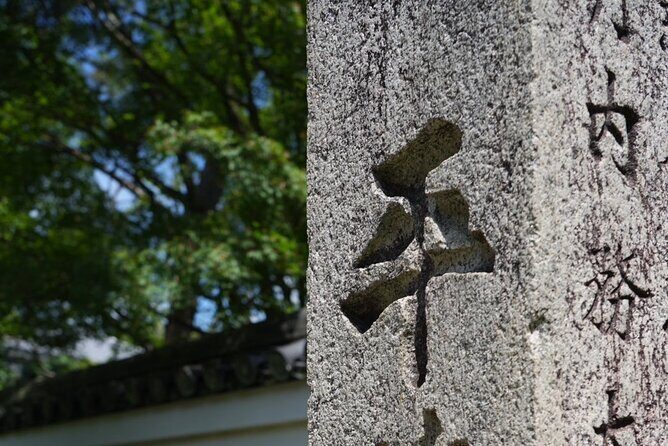
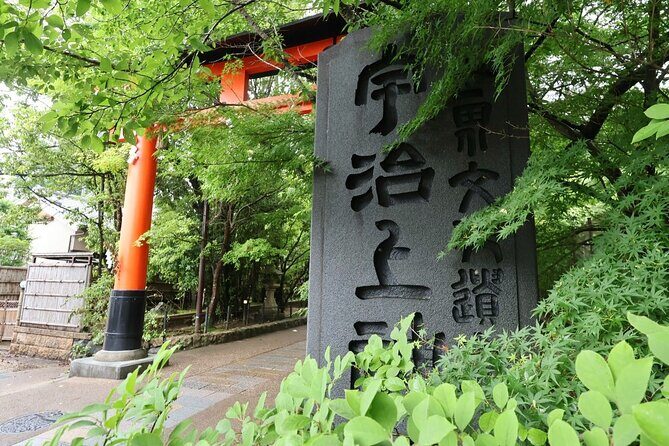
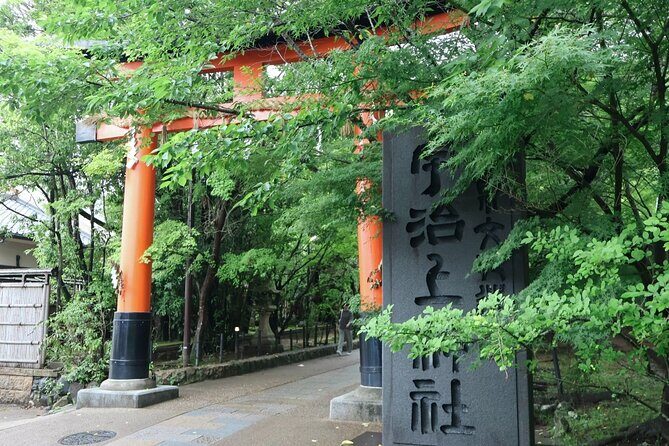
After Byodoin, you head to Uji’s Ujigami Shrine for another about 1.5 hours. Admission here is free, and the tour keeps the tone calmer. This shrine is described as Japan’s oldest standing shrine, and the vibe is more quiet-and-spiritual than showy.
The setting is the point: centuries-old wooden architecture and moss-covered grounds create a softer atmosphere than the busier hot spots. If you’re the type who likes to step away from the loudest scenes and just breathe for a bit, this is where your morning can feel like a reward instead of a checklist.
What I like about this stop in the structure of the tour:
- It balances out Fushimi Inari’s highly visual gate corridor with something more grounded and still.
- The guide can help you notice details you might otherwise skip, like how the buildings and grounds shape the mood.
A consideration: because it’s quieter, you won’t get the same “wow, everyone’s posing here” energy. Instead, you’re there for atmosphere and slower attention.
What You’ll Learn on the Walk: Shinto vs Buddhism in Plain Terms
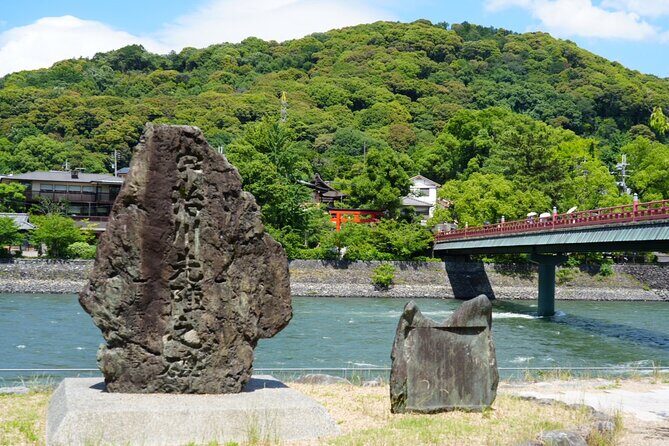
This tour isn’t only about sightseeing. Genki, the guide mentioned in the feedback for this tour, explains differences between Shinto and Buddhism in a way that’s easy to retain while you’re moving between shrines and temples.
That matters more than it sounds. Kyoto can blur together fast if you don’t have a simple framework. When you understand what makes a shrine feel different from a temple, you start reading the places more accurately: why certain symbols appear, why certain spaces feel formal, and why the overall tone changes from stop to stop.
I also like that the tour doesn’t overload you with long speeches. The format is built around walking time plus short, useful explanations so the information supports what you’re seeing, not something separate from it.
If you enjoy culture with context—and you want to leave with a clearer mental map of what you saw—this is a strong fit.
A few more Kyoto tours and experiences worth a look



Small-Group Reality Check: How Max 8 Changes Your Morning
A lot of Kyoto tours claim small groups. This one actually keeps it up to 8 people, which changes how the morning feels.
Here’s how it shows up on the ground:
- You can ask questions and get direct answers without feeling rushed.
- Your guide can manage timing better when the group isn’t too big.
- You’re less likely to lose people in crowded approach roads, since the group stays tighter.
The other subtle win: the tour is built around being early. When you combine early timing with a small group, you spend less time waiting and more time looking.
One practical tip: if you tend to wander ahead for photos, just know the group’s rhythm depends on staying together. You’ll still get photo opportunities, but don’t vanish for long stretches.
Price and Value: What You’re Really Paying for at $55.18
At $55.18 per person, this tour is priced in a way that can feel like a bargain compared to doing everything separately—if what you want is guidance plus saved time.
What’s included:
- English speaking guide
- Byodoin Temple entrance fee
- The tour itself with three major stops
What’s not included:
- Transportation fee (¥390 per person)
- Lunch
So the value equation is basically this: you pay for a guided, small-group morning with admission taken care of for the main paid stop (Byodoin). If you’d otherwise hire a guide, juggle tickets, and line up on your own, the math often works in favor of the organized format.
One more value angle: time. You’re buying early arrival, fewer lines, and a calmer experience—things you can’t easily replace with DIY planning.
If you’re on a tight schedule and you want Kyoto highlights plus Uji without turning it into a full-day project, this is the kind of tour that makes sense.
Getting There and Back: Kyoto Station Start, Uji Station Finish
The meeting point is at Kyoto Station (Higashishiokoji Kamadonocho, Shimogyo Ward, Kyoto). The tour ends at Uji Station (Otsukata Uji, Kyoto).
Important practical detail: the guide can help with directions if you’re heading back to Kyoto, but they won’t take the train back with the group. That’s normal, but it does mean you should decide your return plan before you arrive.
Also remember the tour lists a near public transportation start. So if you’re staying in Kyoto Station area, you’ll likely have an easy start. If you’re staying farther out, factor in your morning commute so you don’t feel rushed.
Who This Kyoto and Uji Early Bird Tour Is Best For
This tour fits well if you:
- Want major Kyoto and Uji highlights in one morning
- Prefer a small group and direct access to the guide
- Like learning the difference between shrines and temples while you walk
- Are okay with a moderate level of movement and some stairs/uneven walking
I’d also point out a good match: first-time Kyoto visitors who don’t want to sacrifice quality for speed. You’re hitting iconic sites, but the early timing and group cap help keep the experience more humane.
If you already know the basics and prefer totally unstructured wandering, you might find some guided pacing less exciting. But if you want a clean, efficient route that still feels calm, this is a solid option.
Should You Book This Tour?
I think you should book this if you want the best odds of enjoying Fushimi Inari and Byodoin without the worst crowd pressure. The combination of early timing, small group size, and included Byodoin admission is the core reason the tour feels worth it.
You’ll want to plan around the two main extras: the ¥390 transportation fee and the fact that lunch isn’t included. If you’re good with that, you’ll likely end your morning with a clearer sense of what Kyoto’s shrine-vs-temple world looks like, thanks to Genki’s Shinto and Buddhism explanations.
FAQ
How long is the Kyoto early bird tour in Uji and Fushimi Inari?
It runs for about 5 hours 30 minutes.
What is the group size for this tour?
The tour has a maximum of 8 travelers.
Are tickets included for the temples and shrines?
Byodoin Temple entrance is included. Fushimi Inari-taisha Shrine and Ujigami Shrine are listed as free.
What is the total cost of the tour, and what’s not included?
The tour price is $55.18 per person. Transportation is ¥390 per person, and lunch is not included.
Where do you meet and where does the tour end?
You start at Kyoto Station and end at Uji Station.
Do I need to show a paper ticket?
No. You’ll use a mobile ticket.
Is the guide English-speaking?
Yes, the tour includes an English speaking guide.