A full Kyoto hit in one day.
I love the combo of Arashiyama’s Bamboo Forest and Fushimi Inari’s 1,000 torii gates. It’s the kind of sightseeing stack that feels efficient on paper and still pretty magical in real life. One heads-up: the timing can feel tight at the shrine, especially if you’re walking from a more distant bus parking area.
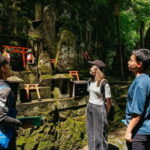
The lunch is a big reason this tour feels worth it. You eat at Kyoto Wasabi, a long-running Kyoto townhouse spot (over 120 years old) serving Kobe beef shabu-shabu, plus pork shabu-shabu and a vegetarian curry rice option. Guides like Gary, Nik, and Mike also tend to add practical tips on what to do at the shrine, not just where to stand for photos, which makes the day smoother.
In This Review
- Key things I’d watch for
- The Osaka/Kyoto Route That Actually Makes Sense
- Arashiyama Bamboo Forest: the Walk You’ll Remember
- Nara Park Deer and Todai-ji: choose your level
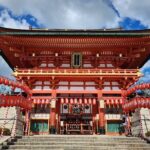
- Fushimi Inari Taisha: 1,000 torii gates and real crowd math
- Kyoto Wasabi Lunch: Kobe shabu-shabu done right
- Guide Styles and Comfort: what the best days feel like
- Price and Value: why $61 can work
- Who should book this, and who should DIY
- Should you book this Osaka/Kyoto day trip?
- FAQ
- How long is the tour?
- What’s included in the price?
- Is entrance to Todai-ji included?
- Does the tour include hotel pickup or drop-off?
- What language will my guide speak?
- Can I choose lunch if I’m not eating Kobe beef?
- Is there an extra food option at lunch?
- What should I know about the deer in Nara Park?
- If the weather is extreme, is there a refund?
Key things I’d watch for

- Arashiyama first, when it still feels walkable: You start with the bamboo forest so you’re not racing the clock for the most atmospheric part.
- Nara Park deer time is real, not a photo-op: Expect close encounters, but the deer are wild animals, so you need to keep your hands to yourself.
- Todai-ji is optional, so plan your priorities: The temple entrance fee isn’t included, letting you choose if it’s worth your time that day.
- Fushimi Inari torii gates can run long: You get the iconic route, but the bus schedule means you may not see the full hike every time.
- Kyoto Wasabi lunch is a serious highlight: Kobe shabu-shabu is cooked right at the table in broth, and there are non-Kobe choices too.
- You’ll follow the guide’s plan, then self-explore: Most of the site time is hands-on walking once the bus drops you off.
The Osaka/Kyoto Route That Actually Makes Sense

This is built as a one-day loop: Arashiyama Bamboo Forest, Nara Park (with the deer), and Fushimi Inari Taisha. With a total duration of about 9 hours (traffic can stretch it), the pacing is structured around moving you between the top stops without forcing you to navigate trains.
The value here is the logistics. You get an air-conditioned vehicle, an English- or Chinese-speaking guide, and the taxes and fees are handled. That matters in Japan, where transit can be simple, but it’s also easy to lose time on transfers when you’re tired and trying to hit multiple big sights.
The trade-off is the “main spots only” feel. Even when you get enough time to enjoy each location, it’s still a highlight reel. If your travel style is slow and you hate set schedules, you might feel like you’re constantly moving.
A few more Kyoto tours and experiences worth a look
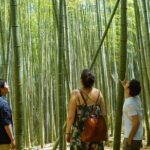
Arashiyama Bamboo Forest: the Walk You’ll Remember

Arashiyama’s bamboo forest is one of those places that doesn’t need hype. Towering stalks, that cool, green hush, and a walking path that naturally slows you down. Even if it’s crowded, the scale of bamboo still lands.
What I like about this stop on a guided day trip is the order. You reach it early enough that you can actually take a photo without turning it into a sprint. The guides typically point you toward good angles and the best spots to pause, so you’re not wandering around asking yourself where the iconic view is.
Also, bamboo is one of the few Kyoto experiences where the scenery does the work for you. You don’t need to know the technical history of every grove to enjoy it. You just need comfortable shoes and a willingness to walk.
One practical note: this is still a popular attraction. Expect crowds during peak times, and be ready for the usual Japan-style “respect the flow” walking with other visitors.
Nara Park Deer and Todai-ji: choose your level

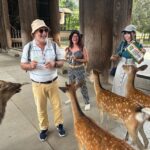
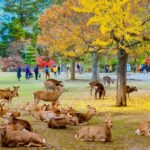
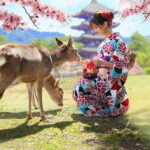
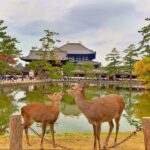
Nara Park is a completely different vibe from Arashiyama. The deer are friendly in that they approach, but they’re still wild animals—so don’t feed or prod them, and definitely don’t get overly close for the sake of a perfect shot.
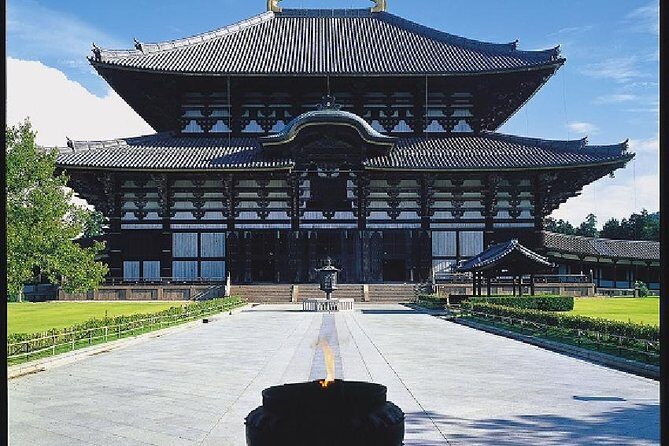
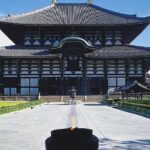
This tour gives you time to enjoy Nara Park up close and then offers the Todai-ji option. Todai-ji is famous for the world’s largest wooden structure, and the Buddha statue is about 15 meters tall. The entrance fee to Todai-ji isn’t included, so it’s a decision you make on the day based on your energy and how long you think you can comfortably stand and walk.
What makes Nara work on this itinerary is contrast. You go from bamboo quiet to deer interactions, then into the intense landmark visuals of Fushimi Inari. If you only visit Kyoto sites, Nara’s deer moment is the one that tends to stick.
Fushimi Inari Taisha: 1,000 torii gates and real crowd math

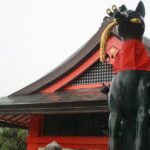
Fushimi Inari Taisha is the star act for many people, and the headline is accurate: you’re walking through thousands of vermilion torii gates, often described around the 1,000 gate mark. It creates that tunnel effect as you move up Mount Inari, with smaller shrines along the way tied to Inari Okami.
The value of doing this with a guide is simple. They help you understand what you’re seeing and how to approach it respectfully—some guides also offer tips on how people do shrine visits and blessings. That kind of context turns Fushimi Inari from just scenery into something more meaningful.
The drawback is time. Several people note the last stop can feel rushed, especially if you want to go deeper up the mountain trails. The bus may park farther from the entrance, and the area gets crowded even later in the day, which slows everyone down.
My advice: treat your first portion of the torii climb as the must-do. If you feel energized, go farther. If you don’t, enjoy the stretch you reach without turning it into a forced endurance event.
Kyoto Wasabi Lunch: Kobe shabu-shabu done right

Lunch is where this tour makes its money feel real. You eat at Kyoto Wasabi, described as a centuries-old Kyoto townhouse restaurant that has welcomed guests for over 120 years. The setting alone helps you feel like you’re in Kyoto, not just on a bus between landmarks.
The menu centers on shabu-shabu style hot pot. You can choose Kobe beef shabu-shabu (thinly sliced wagyu cooked in savory broth right in front of you), Kyoto pork shabu-shabu (pork and tofu in fragrant broth), or the vegetarian curry rice option. There’s also an optional upgrade on-site: Kobe beef aburi sushi, available for additional orders on the day.
If you’re trying to decide between food options, pick based on what you want most that day. Kobe shabu-shabu is the splurge pick and tends to satisfy almost everyone. Vegetarian curry rice is a solid choice if you want something lighter and less “hot pot pacing.”
This lunch break also functions as a reset. You’ll likely hit heat and crowds across the day, so having a sit-down meal with a served course format helps you keep your energy for the afternoon walk.
A few more Kyoto tours and experiences worth a look



Guide Styles and Comfort: what the best days feel like

One reason people love this tour is the human factor. Guides such as Gary, Eric, Nik, Mike, Tracy, and Kevin show up often in the experience descriptions, and the common theme is that they keep things organized without making it feel stiff.
In practice, the guide usually gives an overview and instructions while you’re on the bus. Once you’re dropped off, you’re largely free to roam at your own pace within the time window. That structure is good for travelers who want a plan but also don’t want to feel marched like a tour group mannequin.
Comfort-wise, the bus is air-conditioned. In hot months, that matters more than people think. Some guides also bring small helpful touches like heat wipes, fans, and extra care around refilling water—little things that make the itinerary feel less stressful.
Language options are English or Chinese depending on the group size, and commentary may be in both languages. If you’re only one language, it still tends to work fine because you’re guided at key moments.
Price and Value: why $61 can work

At about $61 per person, this tour feels like a value when you remember what’s included. You get roundabout travel between three major sightseeing zones plus an English/Chinese guide and air-conditioned transport. The lunch is included too, and that’s not a small detail—Kobe beef shabu-shabu is the sort of meal that can easily cost more than the difference between a guided day trip and a do-it-yourself plan.
Also, the tour includes taxes, fees, and handling charges. In Japan, that “no surprise add-ons” part is a quiet win.
What’s not included is straightforward: Todai-ji entrance fee (optional) and hotel pickup/drop-off. Meeting point varies by option, and the bus departs promptly. If you’ve ever missed a connection because you were still looking for the right entrance, you’ll appreciate how strict the timing is here.
The rating is strong too: 4.4 out of 5 based on 754 ratings. Ratings aren’t magic, but they’re a good signal that the experience is consistently run.
Who should book this, and who should DIY
This tour is a smart fit for you if:
- You want to hit Arashiyama, Nara, and Fushimi Inari in one day.
- You don’t want to piece together transit routes while carrying a day bag.
- You want food included, and you like the idea of Kobe beef shabu-shabu.
- You’d rather follow a plan than spend your limited time figuring out where to go first.
It may not be ideal if:
- You want long, slow time at one place (Fushimi Inari can feel rushed if you want to go farther up).
- You dislike any schedule at all, even if it’s flexible within the time windows.
- You’re comfortable navigating on your own and would rather control exactly how long you stay.
If you’re traveling with older family members, the pacing might be a question. The bus helps with transit, but you still need to walk at each site.
Should you book this Osaka/Kyoto day trip?

I’d book it if your priority is maximum “Kyoto icons” per day without the planning headache. The combo is the selling point: bamboo, deer, torii gates, and a real sit-down lunch at Kyoto Wasabi with Kobe shabu-shabu and vegetarian options.
But if your dream day is slow wandering and deep exploration at a single shrine, you might feel the time squeeze at Fushimi Inari. In that case, consider a lighter plan that gives you more hours in one area.
Before you go, do two things: wear comfortable shoes for uneven crowd flows, and be strict about your meeting point timing. This tour runs on prompt departures, and arriving late can mean missing the day.
FAQ
How long is the tour?
It’s approximately 9 hours, but it can vary due to traffic or unforeseen conditions.
What’s included in the price?
Lunch is included, along with an English- or Chinese-speaking guide, an air-conditioned vehicle, and all taxes, fees, and handling charges.
Is entrance to Todai-ji included?
No. The entrance fee to Todai-ji temple is optional and not included.
Does the tour include hotel pickup or drop-off?
No hotel pickup/drop-off is included. You meet at the selected meeting point, which can vary by option.
What language will my guide speak?
The guide can speak English or Chinese. Depending on group size, commentary may be in both languages.
Can I choose lunch if I’m not eating Kobe beef?
Yes. Lunch options include Kobe beef shabu-shabu, Kyoto pork shabu-shabu, and a vegetarian curry rice option.
Is there an extra food option at lunch?
You can order Kobe beef aburi sushi on-site for an additional charge on the day.
What should I know about the deer in Nara Park?
The deer are wild animals. Don’t disturb them.
If the weather is extreme, is there a refund?
Yes. If the tour is canceled due to extreme weather or a natural disaster, you receive a full refund.