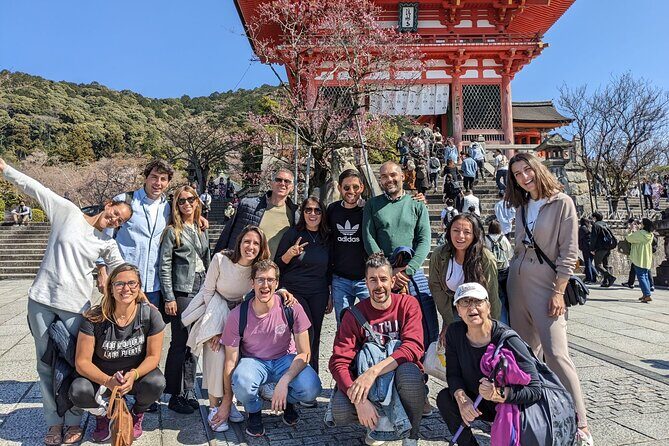
Nine hours of shrines and deer, no stress. This guided day trip strings together Kyoto and Nara highlights with a ride that actually gets you from place to place. I like that you get an English-speaking guide (English or Chinese) plus a set tempo that keeps the day flowing, even when roads and crowds get complicated.
My favorite parts are the up-close Nara moments and the quiet reset in Arashiyama. You’ll feed and play with deer in Nara Park, and later you’ll walk through the bamboo forest when the light filters between towering stalks.
One thing to plan for: this is a full schedule, so you do a lot of walking and you get limited time at each stop. Also, it is not suitable for wheelchair users or mobility impairments, so wear shoes you trust on uneven temple paths.
In This Review
- Key highlights worth marking on your map
- A one-day Osaka-to-Kyoto circuit that keeps you sane
- Nara Park deer time: cute, chaotic, and very memorable
- Fushimi Inari Taisha: the torii tunnel and the prosperity climb
- Arashiyama first pass: bamboo forest calm plus shrine details
- Tenryu-ji Temple: optional UNESCO value for people who want the garden
- Kimono Forest and the Arashiyama footbath: photos plus a reset
- Price and value: why $52 can work for a first Kyoto and Nara day
- Timing, weather, and how to avoid the classic day-trip headache
- Who this tour suits best (and who should pick a different plan)
- The guide factor: energy, humor, and clear group control
- Should you book this day trip to Nara, Fushimi Inari, and Arashiyama?
- FAQ
- How long is the Kyoto/Osaka: Nara, Fushimi Inari Taisha, Arashiyama Bus Tour?
- What is the price per person?
- What’s included in the tour price?
- What isn’t included?
- Where does the tour depart from?
- Where do you get dropped off?
- What should I bring?
- Is smoking allowed on the tour?
Key highlights worth marking on your map
- Deer feeding with shika senbei in Nara Park, with plenty of chances to watch them up close
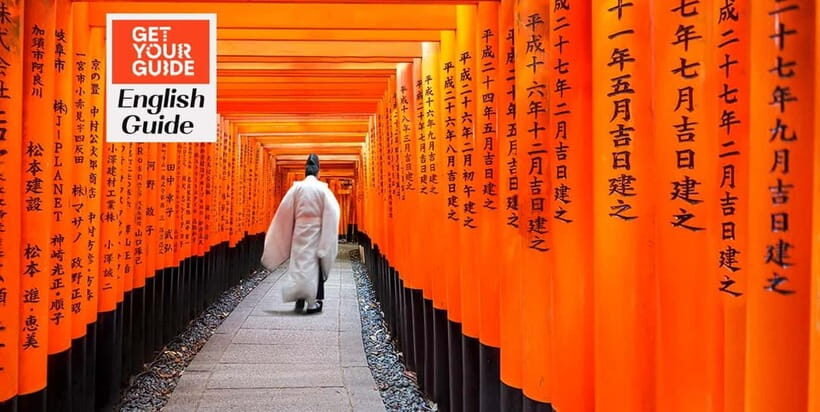
- Fushimi Inari’s torii tunnel on the way up the mountain for prosperity-themed views
- Arashiyama time that mixes free strolling with guided orientation for faster navigation
- Nonomiya Shrine and the Kuroki Torii photo moment inside Arashiyama’s wooded calm
- Tenryu-ji Temple optional UNESCO visit if you want to add the extra stop
- Kimono Forest and the Arashiyama footbath reset to balance photos with downtime
A one-day Osaka-to-Kyoto circuit that keeps you sane
This tour is built for people who want Kyoto and Nara’s headline sights without spending your whole day figuring out trains, transfers, and timing. You depart from Osaka at 8:00 AM and from Kyoto at 9:00 AM, then you work your way through Nara and into Kyoto’s western neighborhoods.
The best part for me is how the day is paced: it mixes guided context with real free time. That means you can listen, then switch into wander mode—useful at places like Fushimi Inari and Arashiyama, where you’ll want to choose your own path and photo angles.
Transport is handled by an air-conditioned vehicle, and the experience includes taxes and parking so you aren’t stuck with surprise logistics. You also get a guide who keeps the group together with clear cues on where everyone should be before the bus leaves again.
A few more Kyoto tours and experiences worth a look

Nara Park deer time: cute, chaotic, and very memorable
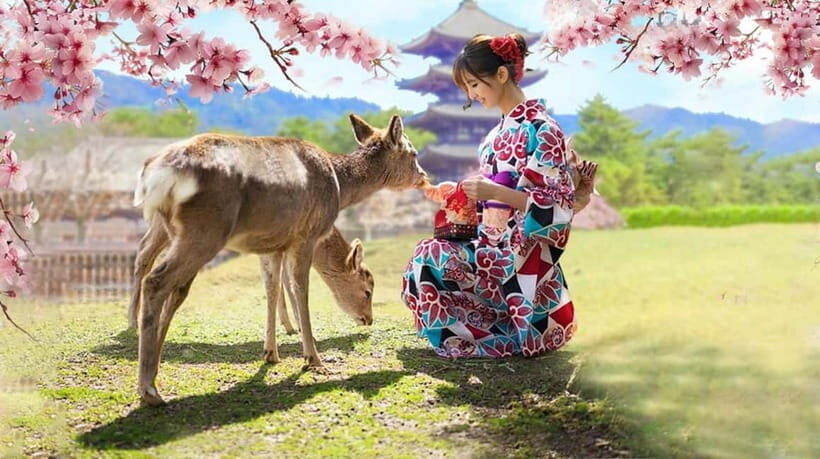
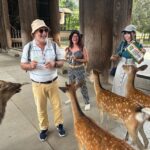
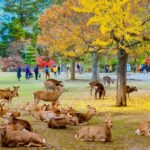
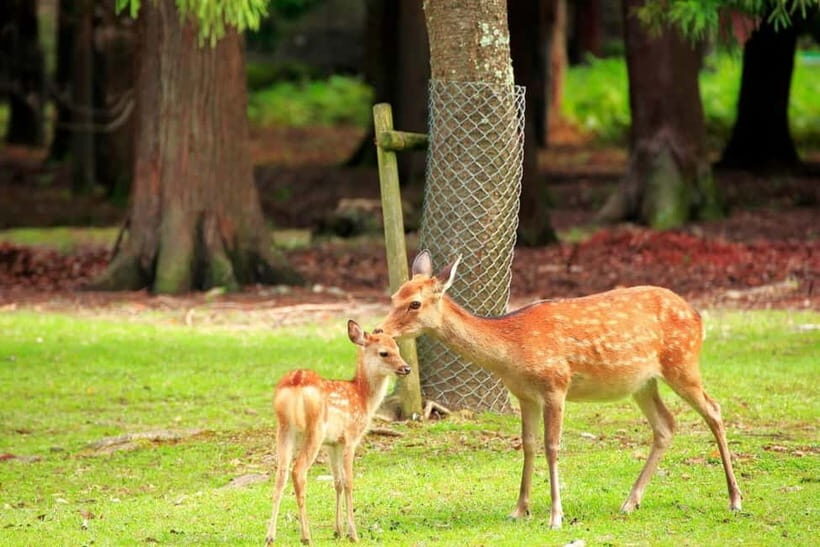
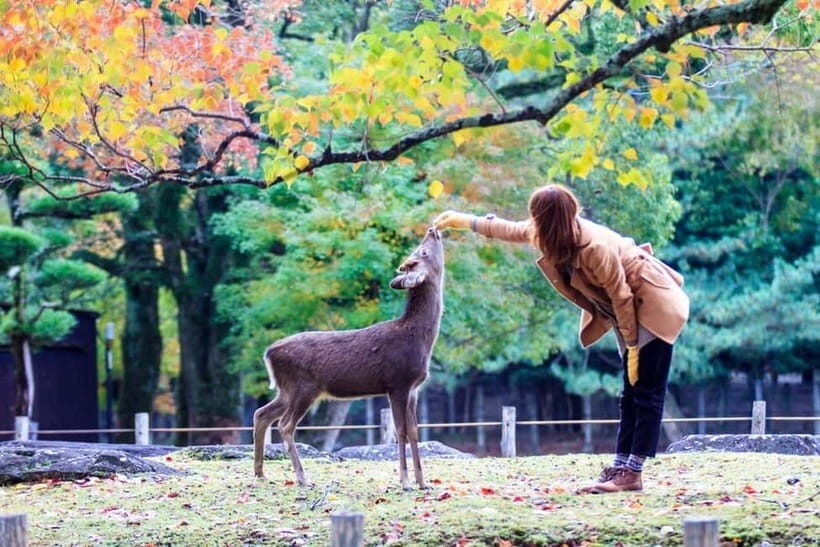
If you’ve ever imagined what it feels like to be in the middle of a Shinto-and-deer legend, Nara Park is that moment. You’ll have about one hour here, and the centerpiece is feeding the deer with shika senbei (deer crackers).
Here’s the practical tip: don’t treat it like a carnival. Approach slowly, hold the crackers steadily, and expect the deer to move with confidence. They’re gentle, but they’re also bold—so keep your bag zipped and don’t wave food around if you want to avoid accidental hand-to-mouth chaos.
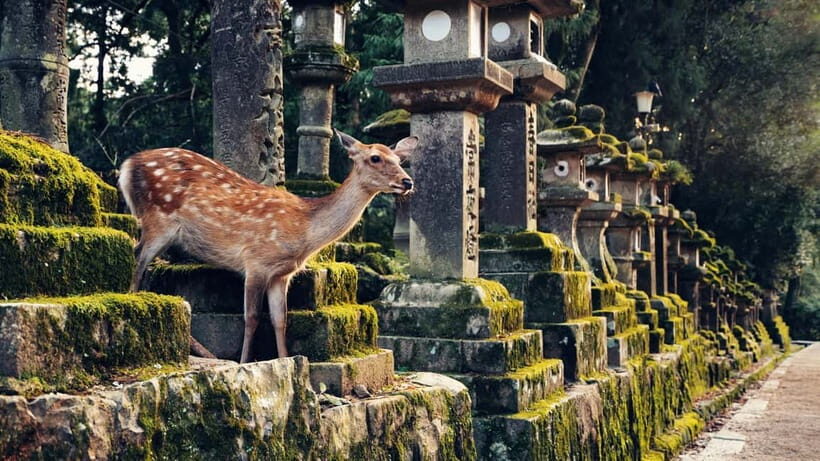
I like this stop because it’s not just seeing animals. It’s also a cultural scene: the deer are treated as revered messengers in this sacred landscape, and you’ll feel that in how people behave. The result is a photo moment that still has meaning, not just cuteness.
One more thing you’ll appreciate: the hour is long enough to enjoy the deer without rushing straight back to the bus. That balance matters when you’re doing multiple major sites in one day.
Fushimi Inari Taisha: the torii tunnel and the prosperity climb
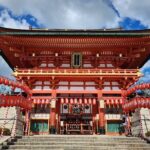
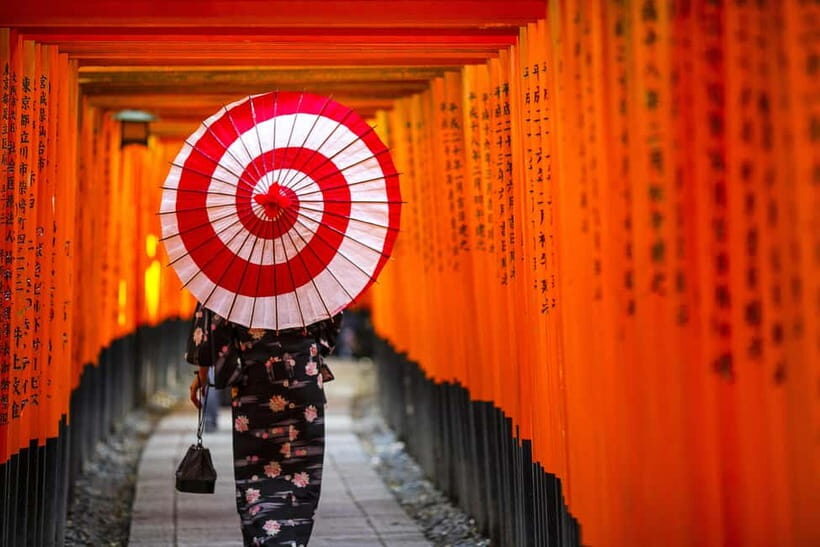
From Nara you head to Fushimi Inari Taisha, where the mood shifts immediately. You’ll have about 1 hour 10 minutes, and during that time you’re walking through the famous vermilion torii gate tunnel that winds up the mountain.
The way people describe it always sounds dramatic, but the reality is even better: the gates create a corridor effect. Step under one set, look ahead, and you’ll see the red structure repeating into the distance—an atmosphere you can’t really replicate in photos.
What I love here is the theme clarity. Fushimi Inari is tied to prosperity prayers, so the climb doesn’t feel random. You’ll notice how people move with intention: some pause for prayer, others walk up with a purpose, and many place small offerings along the route.
A practical consideration: the time is enough to get the main feel of the torii path, but it’s still not an all-day hike. If you’re the type who wants to explore every side path slowly, you might feel a bit time-pressed. Still, for most first-timers, this is the right length to enjoy the signature experience.
Also, for what it’s worth, Fushimi Inari has appeared in popular media, including stories like Memoirs of a Geisha and Detective Conan. You don’t need that trivia to enjoy the place, but it can help you recognize the visual energy you’ve seen on screen.
Arashiyama first pass: bamboo forest calm plus shrine details
Arashiyama is where the day starts to feel less like a checklist and more like a slow stroll. You’ll get around 2 hours 30 minutes in the area, including several short stops and self-guided moments.
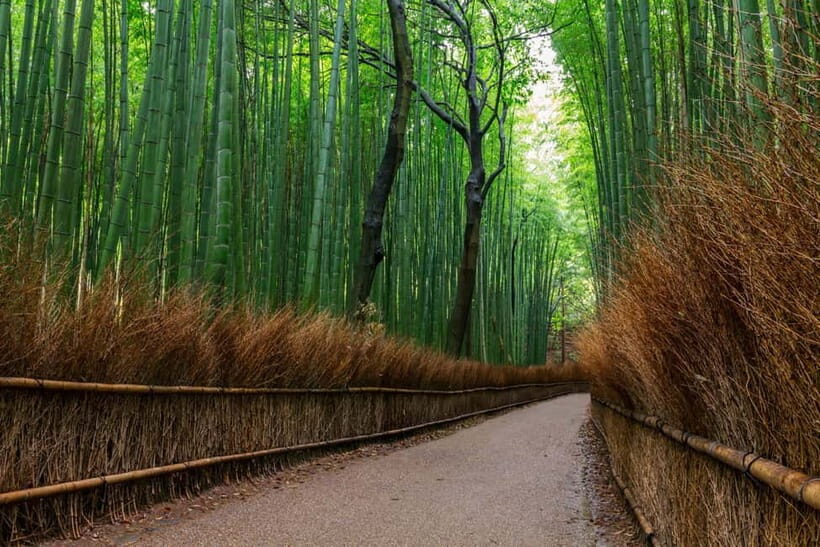
The headline is the Arashiyama Bamboo Forest. You’ll spend about 15 minutes there, which sounds short until you remember the forest works like a switch. After Fushimi Inari’s bright intensity, this is calmer, softer, and more quiet. Sunlight filters through the stalks, and the air feels cooler even when the day is warm.
Then you’ll continue with a couple of smaller-but-worth-it stops inside the Arashiyama area. One is Nonomiya Shrine, known for love and academic blessings. It also has a Kuroki Torii, an unpainted gate you can spot quietly within the bamboo setting. Even if you only pause briefly, this is one of those details that makes the day feel specific rather than generic.
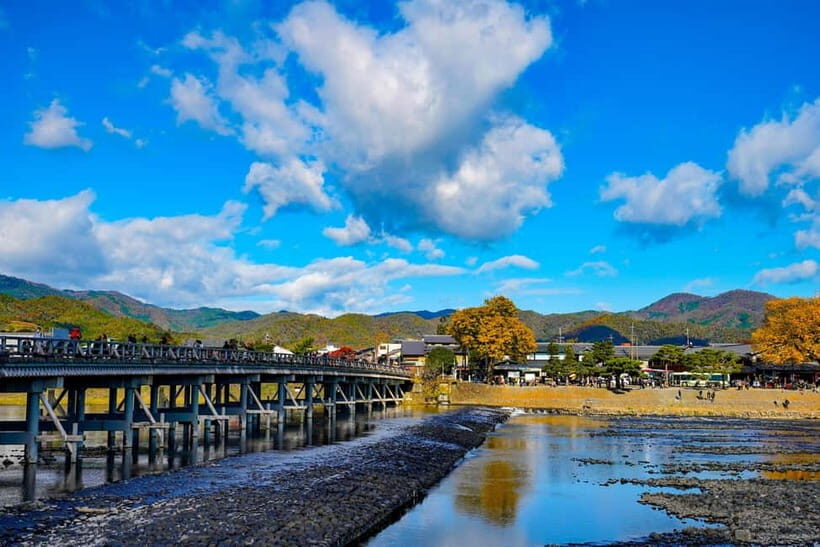
And you’ll also have a stop at Togetsukyo Bridge for quick views across Arashiyama. This is where you start seeing the broader scene—river, greenery, and the everyday flow of the neighborhood.
Tenryu-ji Temple: optional UNESCO value for people who want the garden
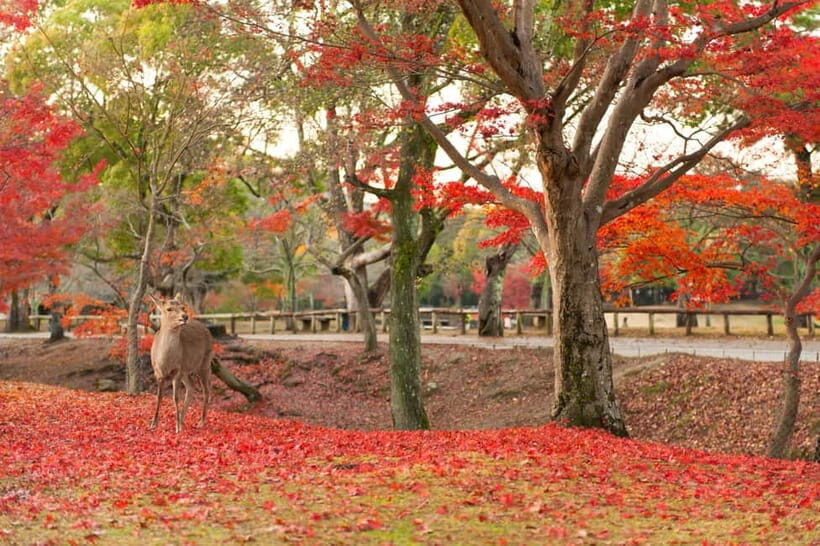
Tenryu-ji Temple is an extra-fee addition, and it’s tied to UNESCO as a World Heritage Site. If you choose to include it, you’ll focus on the Sogenchi Garden, which is designed to look good from multiple viewpoints and is known for using borrowed scenery and seasonal color.
This stop is valuable if you like Zen temple gardens, or if you want one more layer of “place” beyond photos and gate walks. It’s also a nice way to slow down without turning the entire day into a long grind.
If you skip Tenryu-ji, you can still enjoy Arashiyama’s main motion, but you’ll miss that UNESCO garden moment. When you’re choosing what matters most, this is the one “optional” decision that changes the character of your Arashiyama experience.
A few more Kyoto tours and experiences worth a look



Kimono Forest and the Arashiyama footbath: photos plus a reset
After the shrine-and-garden bits, you’ll get a playful photo stop at Kimono Forest. It features 600 pillars decorated with Kyoto’s Kyo-Yuzen textile patterns, so the visuals are bright and color-forward in a way that contrasts with the bamboo’s calmer tones.
Next, there’s time at the Arashiyama Station footbath. This isn’t the kind of attraction you need to overthink. It’s simply a chance to stop, loosen up your feet, and get ready for the ride back.
I like ending with this kind of practical downtime because your legs will notice you’ve done a lot of walking. Shoes and socks do the heavy lifting all day, and the footbath gives you a gentle reward without turning the day into another ticketed activity.
Price and value: why $52 can work for a first Kyoto and Nara day
At $52 per person for a 9 to 10 hour day, you’re paying for three big things: transportation, guide time, and reduced decision fatigue.
If you tried to do Nara Park, Fushimi Inari, and Arashiyama on your own, your biggest cost wouldn’t only be ticket prices. It would be time lost hunting for schedules, figuring out directions, and constantly recalculating when your day gets crowded. Here, the bus handles the hard part: getting you between regions efficiently.
You also get an English-speaking guide (and Chinese is offered as well), plus air-conditioned comfort. That matters because you’re spending a meaningful chunk of the day in transit and walking, so staying comfortable keeps the experience from feeling exhausting.
What’s not included is food and beverage, plus any personal expenses and optional additions like Tenryu-ji’s extra fee. So budget for lunch/snacks on your own, and treat the temple add-on as a choice rather than a must.
Bottom line: this is good value if you want the major sights in one day and you’re okay with shorter stops instead of slow, deep repeats of one location.
Timing, weather, and how to avoid the classic day-trip headache
This day is scheduled and organized, but it isn’t immune to real-life factors. Weather and traffic can change how things feel, and return timing can shift a bit. The good news is that the tour is designed around keeping you moving and returning to the bus promptly.
Your part is simple:
- wear comfortable shoes
- bring water
- pack an umbrella for sudden rain
- show up 10 to 15 minutes early at the meeting point so the bus can leave right on time
That punctual bus departure is a big deal. Many guides make the instructions clear, and the ones you’ll often hear praised in this tour style are organized and attentive about getting everyone back on schedule. I’d take that seriously: missing the group’s return window can cut your day short.
Who this tour suits best (and who should pick a different plan)
This tour is a strong fit if:
- you’re in Osaka or Kyoto for a limited time and want the best-known sights
- you prefer a guided day that still leaves room to stroll and take photos
- you like the mix of spiritual sites and nature scenes in the same outing
It may be less ideal if:
- you need long, unhurried time in one place
- you want zero group logistics and total freedom
- you have mobility limitations, since it is not suited for wheelchair users and those with mobility impairments
If you’re the kind of person who loves repeating neighborhoods for hours, consider doing these spots on different days. But if you want a well-structured first pass through Kyoto-and-Nara without turning your trip into commuting, this works.
The guide factor: energy, humor, and clear group control
One reason this tour consistently gets high marks is how guides run the day. Names that show up in past experiences include Willa, Christine, Amy (also noted as Happy Bunny), Fiona, Laura, and Fiona with a driver partnership that kept things smooth. The common thread is clear communication, friendly humor, and keeping everyone together.
That matters more than it sounds. When you’re doing fast transitions between major sites, a guide who explains what you’re about to see—and where to be at the right time—turns a crowded day into a manageable one.
Should you book this day trip to Nara, Fushimi Inari, and Arashiyama?
I’d book this tour if you want a first-hit, first-timer day that covers the big three: Nara deer, Fushimi Inari torii, and Arashiyama bamboo. The mix of free time and guided framing makes it easier to enjoy each stop instead of just rushing through.
I would hesitate if you hate time limits or you plan to spend deep hours at temples, hills, or scenic corners. The day gives you enough to feel each place, but not enough to treat any one stop as a full-day experience.
If your ideal Kyoto plan is: see the icons, laugh with your guide, take photos, and end with a footbath-style reset, this is a solid choice.
FAQ
How long is the Kyoto/Osaka: Nara, Fushimi Inari Taisha, Arashiyama Bus Tour?
The tour runs about 9 to 10 hours.
What is the price per person?
The price listed is $52 per person.
What’s included in the tour price?
An English speaking tour guide, an air-conditioned vehicle, and all taxes, parking fees, gas fees, and handling charges are included.
What isn’t included?
Food and beverage, plus any additional personal expenses, are not included. Tenryu-ji Temple is noted as an extra fee.
Where does the tour depart from?
You depart from either Osaka (8:00 AM) or Kyoto (9:00 AM), depending on the starting option you book. Meeting points can vary.
Where do you get dropped off?
You can choose a drop-off location in Osaka or Kyoto. If you don’t specify, it defaults to the same place as pickup.
What should I bring?
Bring comfortable shoes, an umbrella, and water, along with comfortable clothes.
Is smoking allowed on the tour?
No, smoking is not allowed.