Big Buddha plus deer in one afternoon. This tour bundles Todai-ji and Nara Park into a half-day loop, so you get the Nara highlights without planning transfers or juggling tickets. You’ll also finish at Kasuga Shrine, famous for its long-running lantern tradition and the peaceful setting just outside the deer-filled grounds.
Two things I really like: the schedule gives you a full Todai-ji focus with admission, and Kasuga’s lantern corridor-style experience is the kind of sight you can’t fake with photos. One thing to watch: the stops are timed, and the walk from the parking area to Todai-ji is about 25 minutes each way, which can make the tour feel tight.
In This Review
- Key takeaways before you go
- Afternoon Nara: the fast way to hit the real icons
- Getting from Kyoto or Osaka: transport that keeps the day sane
- Todai-ji in real life: how to make the 1 hour 10 minutes count
- Nara Park and the deer: when the famous creatures need rules
- Kasuga Grand Shrine lanterns: the 1-hour stop that feels longer
- Group size and pacing: the real tradeoffs you should plan around
- Price and value: is $102.38 worth it?
- Who should book this Nara afternoon tour
- Quick practical tips for a smoother experience
- Should you book this Nara afternoon tour?
- FAQ
- How long is the Nara afternoon tour from Kyoto or Osaka?
- What’s included in the price?
- Is lunch included?
- Do I get a mobile ticket?
- Does the Kasuga main sanctuary special visit area always happen?
- What’s not included at Kasuga Shrine?
Key takeaways before you go
- World Heritage first stop: Todai-ji with the Great Buddha Hall visit time built in
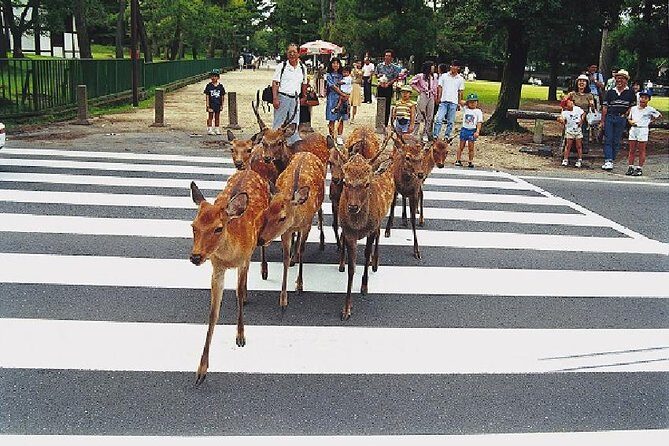
- Deer park time, not just a photo stop: 1,000+ deer roaming a large reserve
- Kasuga’s lanterns are the show: visit Kasuga Grand Shrine and its special access area when available
- Afternoon rhythm: short day, return vehicle, and a set drop-off back where you started
- Pacing tradeoff: a timed itinerary plus walking means you’ll need to move efficiently with the group
Afternoon Nara: the fast way to hit the real icons
Nara is one of those places where the big sights feel connected. Temples shape the city’s spiritual tone, the deer spill into daily life, and shrines like Kasuga show how Japanese ritual can look both ancient and strangely calm. Doing it in the afternoon is smart if you’re already based in Kyoto (or you want to avoid a full day out of Osaka). You get to ride over, see the essentials, and still be back in the evening.
The tour is built around three anchors:
Todai-ji for the Great Buddha, Nara Park for the deer and open grounds, and Kasuga Grand Shrine for those signature lanterns. It’s the kind of trio that gives you a quick mental map of Nara’s culture—Buddhist power, Shinto tradition, and the friendly chaos of the deer park.
If you care about getting context while you walk, this tour is especially appealing. Multiple guides on this route are known for being clear and organized—names that come up include Yuki, KC, and Mo Mo. When you get a guide who explains what you’re seeing in plain language, your time at each stop feels less like “landmarks collected” and more like “a story you can follow.”
A few more Kyoto tours and experiences worth a look
Getting from Kyoto or Osaka: transport that keeps the day sane
The ride is the core of why this works as an afternoon plan. You travel by return vehicle, with a pickup point set near the main station areas. From Kyoto, you meet near Kyoto Station at the Avanti Tour Desk. The Osaka option adds a small extra step: an English-speaking assistant meets you and routes you to the Kyoto Avanti desk, plus another assistant segment for the return from the Kintetsu Nara area back toward Osaka Namba.
Why that matters: if you’ve ever tried to DIY Nara from Kyoto with a half-day window, you already know how quickly time disappears into timing trains, ticket lines, and transfers. Here, you’re paying partly for that “time protection.”
A couple practical points:
- The tour runs about 5 hours 40 minutes total, so the timing is deliberate.
- Seats aren’t assigned, which means you may end up where you end up once you board.
- The group max is 40 people. That’s not tiny, so you’ll want to stay close and watch rejoin times.
If it rains, you might get help. One driver reportedly carried extra umbrellas for unexpected showers, which is exactly the kind of small kindness that makes an afternoon tour smoother.
Todai-ji in real life: how to make the 1 hour 10 minutes count
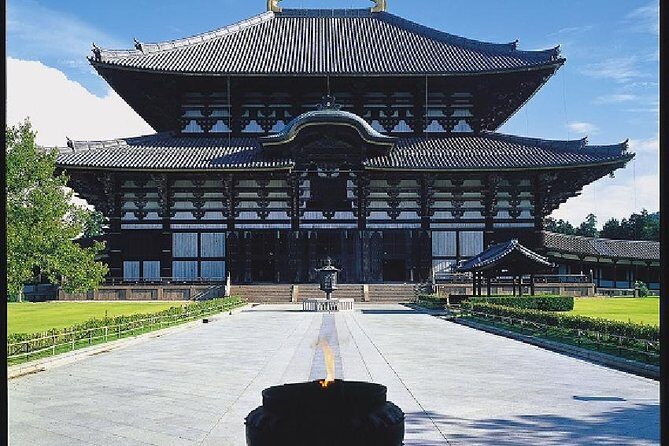
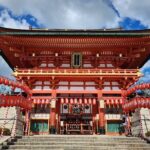
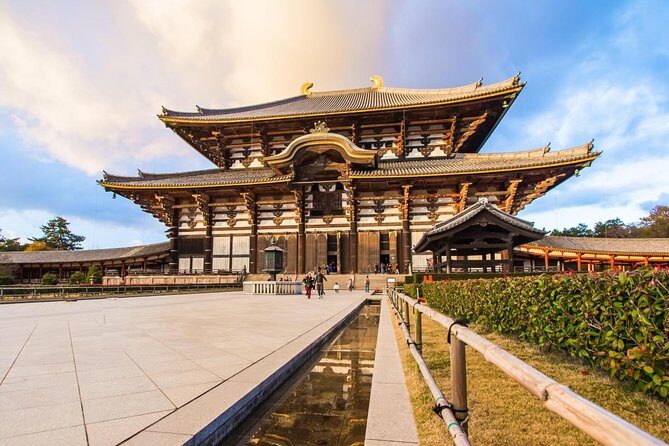
Todai-ji is the Nara “big deal,” and this tour treats it like one. You’ll get about 1 hour 10 minutes here, with admission included. You’re going to see the Daibutsuden (Great Buddha Hall)—not just a statue behind glass, but the main hall and its immense bronze Buddha centerpiece.
Two reasons this timing works for most people:
- You’re not rushed through the idea of Todai-ji—you get enough time to orient yourself and take in the scale.
- The short tour format keeps you from burning the whole day fighting the crowds across multiple temples.
That said, the catch is the walk. You’ll walk from the bus parking area to Todai-ji—about 25 minutes one way. That’s a real chunk of time you need to plan for, especially if your energy is limited. It also means comfortable shoes matter more than your outfit.
On-site, go in with one strategy: pick your “anchor view” first. The Great Buddha hall is the symbol, so aim to get your first proper look early in the time you’re allotted. Then use the remaining minutes to wander around the areas you find most interesting—whether that’s the hall itself, details in the surrounding space, or simply letting your eyes adjust to the building’s size.
Nara Park and the deer: when the famous creatures need rules
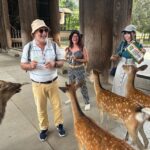
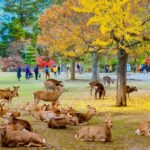
The deer are the headline, but they’re not the whole story. Nara Park covers about 1,250 acres, and it’s home to 1,000+ deer that roam freely. This is one of the rare places where you don’t just “see animals,” you step into their environment.
Here’s the practical part: deer park time on a scheduled tour means you should plan for movement. The tour schedule is tight enough that if you get distracted, you can lose minutes you’ll wish you had later—especially if your group reconvenes on time.
Feeding is a big part of the deer experience, and it can be magical when it goes well. The important tip is simple: if you want to feed them, get the timing right before you enter the park area. On some days, the guide may have tight timing for the group, so you’ll do best if you ask early where to handle deer snacks, how to manage it safely, and where you should meet back up.
Also, deer behavior can vary. One person experienced deer that were more aggressive than expected, which is a reminder to stay calm, keep your hands close, and avoid doing anything that turns a curious deer into an insistent one. If you’re traveling with kids, teach them a basic rule: no grabbing, no chasing, and no sudden movements.
Kasuga Grand Shrine lanterns: the 1-hour stop that feels longer
Kasuga Grand Shrine is where Nara shows its softer side. This tour includes about 1 hour here, and it centers on the lantern tradition—over 3,000 stone and bronze lanterns connected to the shrine’s history.
A highlight you’ll want to understand before you go: from January 2025, the itinerary can include a Main Sanctuary special visit area. When access is available, you may be able to get closer to the main sanctuary corridor and see hanging lanterns. That detail changes the feeling of the visit. It’s not just seeing lanterns in the distance; it’s experiencing the shrine space as something enclosed and ceremonial.
There’s also a built-in contingency. If the special visit area can’t be entered due to events or operational circumstances, the tour will pivot to alternatives, such as a museum option (Kasuga Taisha Museum or Todaiji Museum). That flexibility is helpful, but it can mean your “best-case” access depends on day-of operations.
What makes Kasuga worth your time even if you don’t get the special access? The lanterns themselves. They’re everywhere, and they make Kasuga feel like it has memory. Even in broad daylight, they create rhythm—so the shrine feels like a place you can look at slowly, not just tick off.



Group size and pacing: the real tradeoffs you should plan around
This is the part that can make or break your experience. Many people love this tour because it’s efficient. But efficiency has a cost: time pressure.
Here’s what you should plan for:
- The group can be up to 40 people, so you’ll often move as a line rather than drifting.
- Seats aren’t assigned, and the bus ride doesn’t remove the fact that the walking portion is long for a half-day plan.
- If someone is late rejoining after a stop, the schedule can tighten and reduce time for the next location. You can’t control that, but you can control how quickly you get back to the group.
Another practical reality: pace can vary by the guide’s style and the day’s conditions. Some guides are particularly smooth at keep-everyone-moving timing and explanations; names that come up frequently include Yuki and KC. When the guide is strong, the tour feels easy. When the group wants more individual time, the day can feel rushed.
If you’re the type who loves “lingering” at one sacred site, you might feel squeezed here. If you want an afternoon that hits the big three with context and comfort, this tour is well matched.
Price and value: is $102.38 worth it?

At about $102.38 per person, you’re paying for more than sightseeing. You’re buying:
- return vehicle transport from the Kyoto/Osaka starting points
- a licensed English guide interpreter fee
- admission for Todai-ji and the Kasuga Grand Shrine stop
Lunch isn’t included, and a couple Kasuga areas aren’t included either (like the Treasures Hall and Manyo Botanical Gardens). Still, the admissions and transport are meaningful because Nara’s key sites are spread out enough that DIY can eat time fast.
So is it worth it? For most people who want the classics without planning stress, yes—especially if you value a guide’s explanation and you like the idea of being taken directly between key points.
If your goal is maximum deer interaction or long temple sitting time, the value gets shakier. You’ll be paying for a timed flow. One “almost too rushed” scenario can happen when you arrive with a different expectation than a short structured tour provides.
A good rule of thumb:
- If you want the highlights with guided context: this price can make sense.
- If you want freedom to linger and feed deer for a long stretch: you might prefer a DIY approach.
Who should book this Nara afternoon tour
This tour fits best if you:
- want to see Todai-ji, Kasuga Shrine, and Nara Park in one efficient block
- prefer having a guide manage timing and ticket entry
- travel with limited time between Kyoto and your next plans
- like the idea of a small educational story while walking through major historical sites
It may be less ideal if you:
- can’t handle a 25-minute walk each way from parking to Todai-ji
- need lots of individual free time at each stop
- plan to spend a long time feeding deer and wandering without keeping pace with the group
Solo travelers are a mixed bag on group tours. The safest move is to stay very aware of meeting points and rejoin times, especially if the crowd gets busy.
Quick practical tips for a smoother experience
- Wear shoes you can walk in comfortably. That Todai-ji approach walk adds up.
- Plan to follow the guide’s timing closely. This is an afternoon loop; missing minutes shows up fast later.
- If deer snacks are part of your plan, ask early how to handle it within the schedule.
- For photos, decide what you’re prioritizing first at Todai-ji—setup time disappears when the group starts moving.
And if the day is rainy, keep a light layer ready. A bus driver providing spare umbrellas has happened before, but you shouldn’t count on perfect weather.
Should you book this Nara afternoon tour?
I’d book it if you’re short on time and want Nara’s three headline experiences—Todai-ji, Nara Park, and Kasuga Grand Shrine—without the planning headache. The included admissions and transport make it easier to justify the price, and guides like Yuki, KC, and Mo Mo are the kind of people who can turn a quick visit into something you actually understand.
I wouldn’t book it if you want a slow, flexible afternoon where you can linger freely at one site or spend lots of time feeding deer with no time pressure. In that case, a DIY approach may give you the breathing room you’re craving.
If you’re unsure, weigh one question: do you want structured highlights or unstructured wandering? This tour leans hard toward structured highlights.
FAQ
How long is the Nara afternoon tour from Kyoto or Osaka?
It runs for about 5 hours 40 minutes.
What’s included in the price?
Admission fees and transportation costs are included, along with the national government licensed English guide interpreter fee.
Is lunch included?
No. Lunch and drinks are not included.
Do I get a mobile ticket?
Yes, it uses a mobile ticket.
Does the Kasuga main sanctuary special visit area always happen?
No. The tour includes the Main Sanctuary special visit area, but if it cannot be entered due to events or operational circumstances, the itinerary visits Kasuga Taisha Museum or Todaiji Museum instead.
What’s not included at Kasuga Shrine?
Entrance to the Treasures Hall and Manyo Botanical Gardens at Kasuga Shrine is not included.