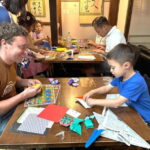
Kyoto’s sweets class feels like a visit to a friend. You’ll cook wagashi in a real Japanese home with garden views, then sit down for matcha and the fruits of your labor. What I like most is the small-group, hands-on format (you’re not just watching), and the warm welcome that makes the whole lesson feel personal. One thing to consider: it’s not wheelchair-friendly, and it’s not a drop-in street-food experience, so you’ll want to keep the full 150 minutes free.
English is the working language, and the instructor Miho is the kind of teacher who explains steps clearly while still letting you do the work. You’ll likely cover about three different wagashi, with the exact menu shifting by season, so it stays practical rather than one-size-fits-all.
In This Review
- Key points at a glance
- Wagashi Cooking Near Fushimiinari: What You’re Actually Buying
- Walking Into a Washitsu House With Garden Views
- The Flow: Demo First, Then You Make About Three Wagashi
- Examples of what you might make (seasonal)
- Matcha Tea Time: Not Just a Drink, a Mini Lesson
- What the Instructor Does Differently (Miho’s Teaching Style)
- Hands-On Techniques You Can Reuse After Kyoto
- Vegetarian and Vegan-Friendly Sweets (Tell Them Your Needs)
- Timing and Duration: Why 150 Minutes Works
- Small Group Size: The Hidden Advantage
- Price and Value: Is $84 Worth It?
- What’s Not Included (So You Plan Smarter)
- Best Fit: Who Will Enjoy This Most
- Should You Book This Wagashi Cooking Class Near Fushimiinari?
- FAQ
- How long is the Kyoto wagashi cooking class?
- How much does it cost?
- How many people are in the group?
- Is the class taught in English?
- What will I make during the class?
- Do they offer tea during the class?
- Is the class vegetarian or vegan friendly?
- Is hotel pickup included?
- Is it suitable for children or wheelchair users?
- Can I cancel for a refund?
Key points at a glance
- A real Japanese home setting (washitsu feel) with garden views
- Hands-on wagashi making of about three items per class
- English instruction with licensed guide interpreters
- Matcha tea time with sweets you assemble and eat together
- Vegan-friendly and vegetarian welcome (tell them restrictions ahead)
- Small group capped at 6 for more time at your work station
Wagashi Cooking Near Fushimiinari: What You’re Actually Buying
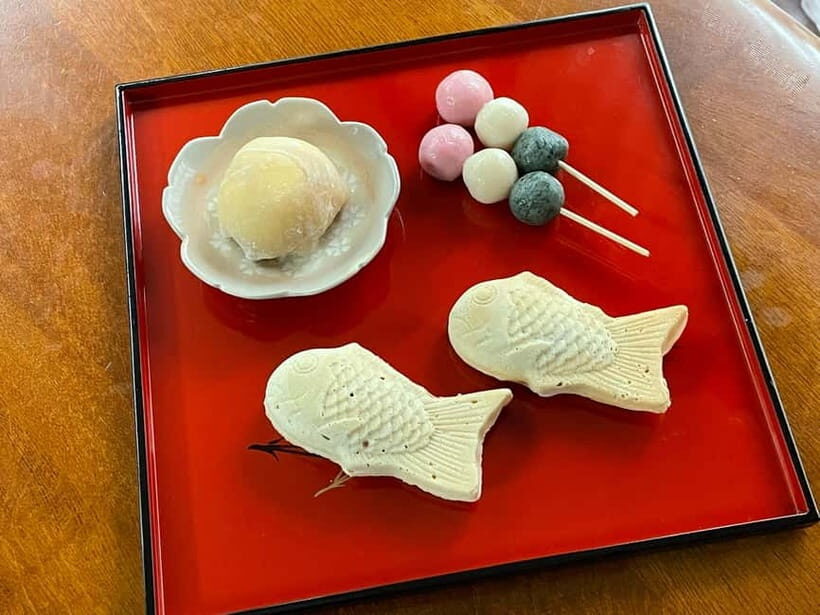
For $84 per person and about 150 minutes, you’re paying for more than dessert. You’re buying a guided way to learn Japanese sweets that most people only see in anime or on wagashi displays. And you’re doing it in a home environment, not a classroom churn.
This matters. When wagashi is made “the right way,” it’s about technique and texture: how you handle dough, how you shape, how you time cooking, and how you balance sweetness with tea. A host who can translate the “why” behind each step saves you from guessing later.
You’ll also get a group size that stays human. With a limit of 6 participants, it’s easier to ask questions mid-step. The class is conducted entirely in English, and the instructors are licensed guide interpreters, so you should feel supported even if you’re not used to Japanese cooking terms.
The menu may differ by season. That’s not a problem; it’s part of the value. You’ll learn methods you can reuse, not just copy one fixed recipe.
Other cooking classes in Kyoto


Walking Into a Washitsu House With Garden Views
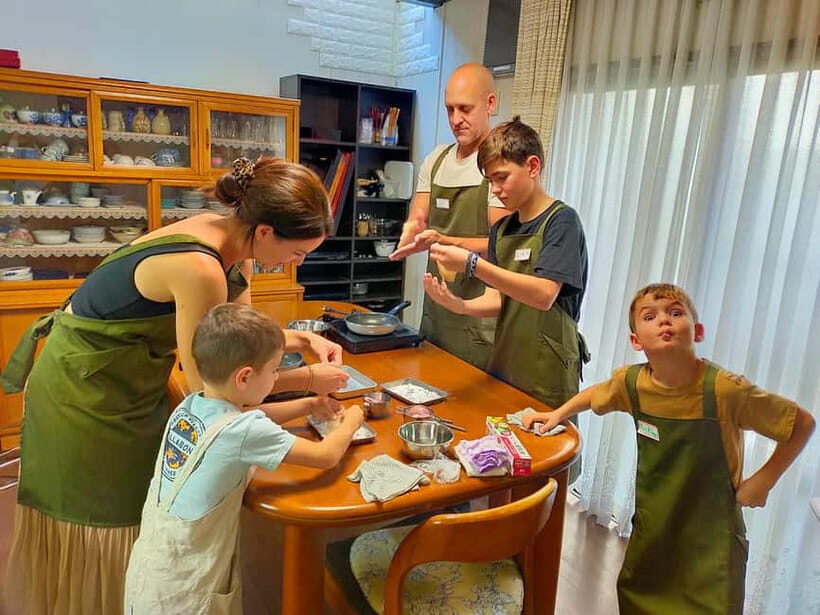
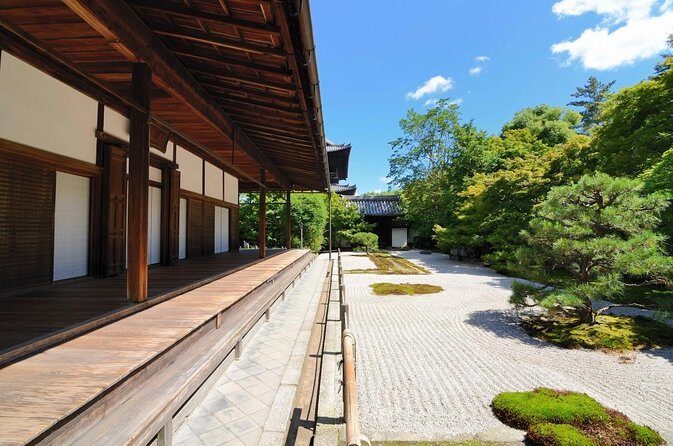
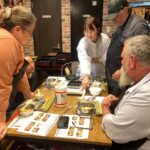
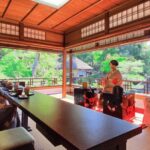
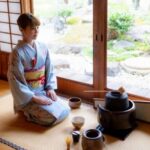
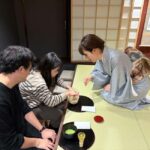
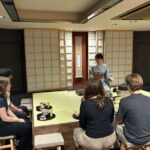
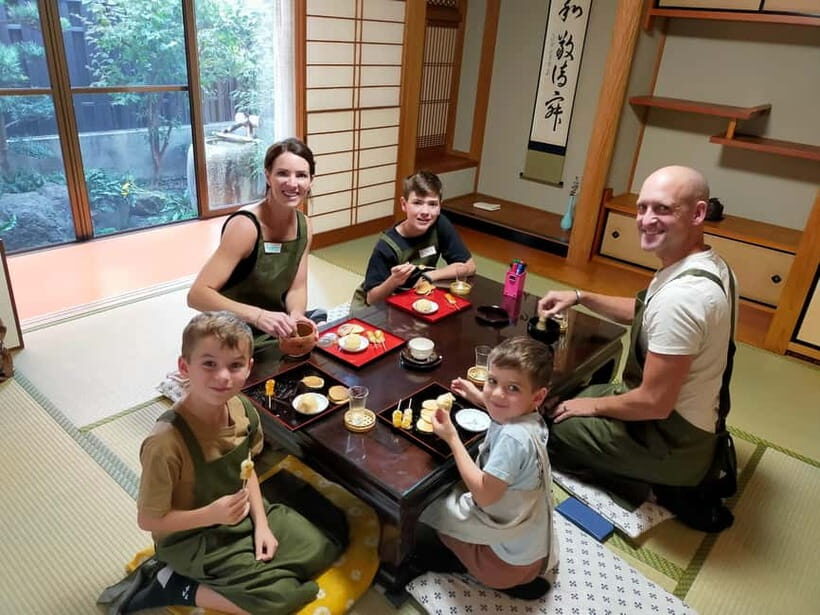
From the start, this class is built around comfort and focus. You relax in a traditional washitsu room, and the setting is part of the experience. In multiple experiences, people mention a lovely garden view as you work and then eat. That changes the mood. You’re not squeezed at a counter. You’re in a space that slows you down.
You’ll likely begin with tea. Tea is included, and some sessions include a tea welcome before cooking. Then you’ll move into hands-on preparation with an instructor showing key steps in front of you first.
Practical note: this is a sit-down, hands-on experience. Wear clothes you’re okay with getting a little food-dusted. Wagashi can be sticky, and you’ll want to move comfortably on the floor-level seating and during prep.
The Flow: Demo First, Then You Make About Three Wagashi
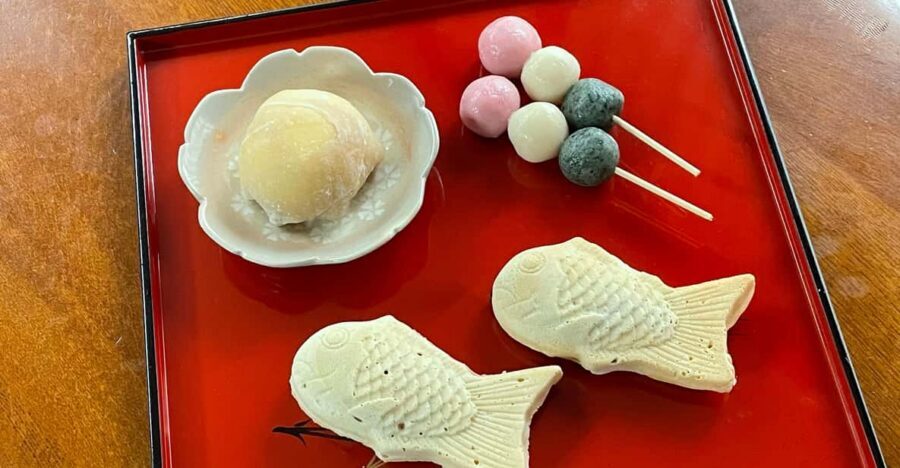
Here’s the pattern you can expect:
- Instructor demonstration
- You and your partner doing the work
- Group tasting time with tea and your finished sweets
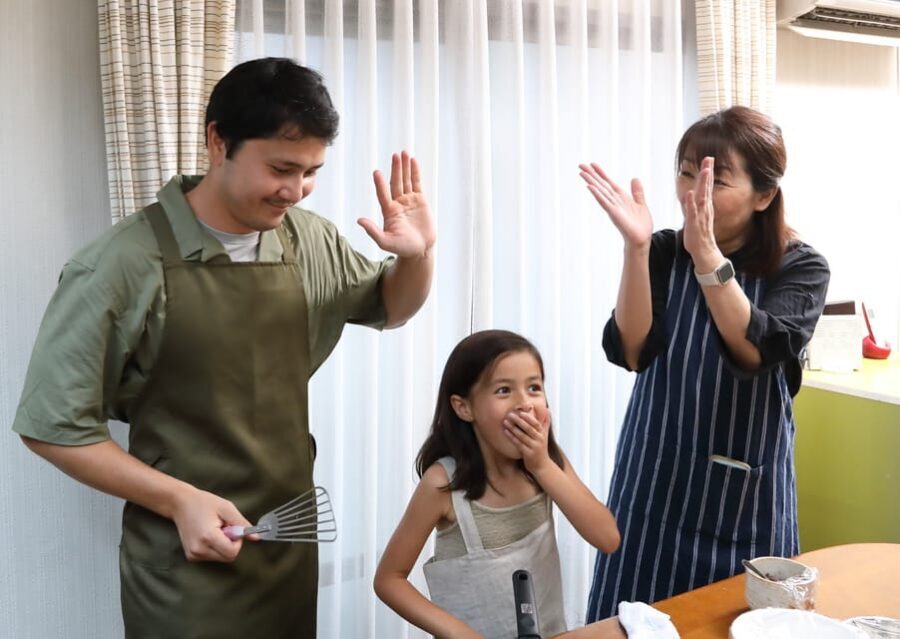
The class is designed so you actually cook. The instruction isn’t just “watch and learn.” You’ll prepare about three different types of wagashi yourself or with your partner. In other words, you should leave with a better feel for the process, not just a memory.
Examples of what you might make (seasonal)
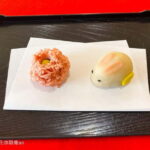
Because the menu can change, I can’t promise the exact lineup every day. But based on what people have made in past sessions, you might see combinations like:
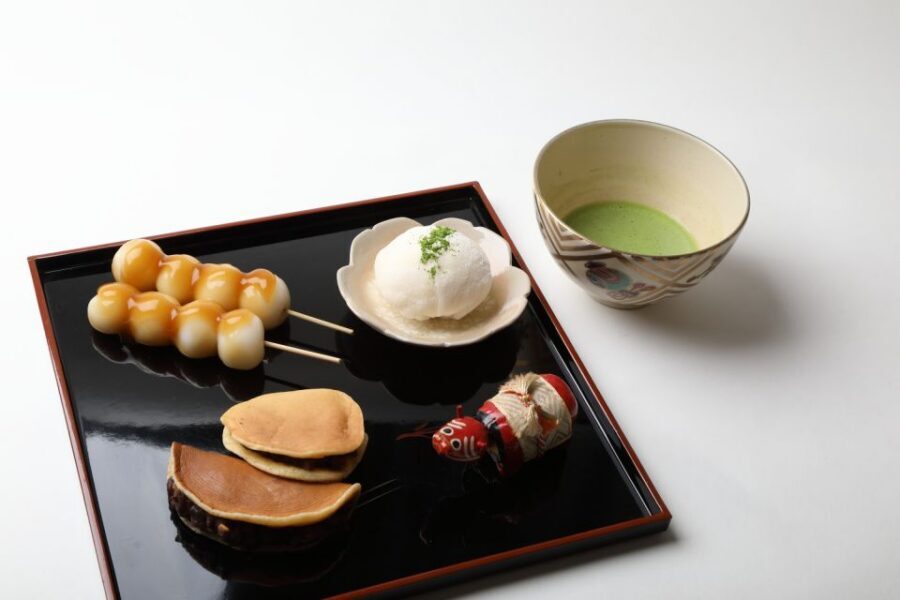
- Dango (often discussed as a wagashi favorite)
- Mochi (including mochi-related items)
- Dorayaki
- Sweet potato–based wagashi
- Mochi ice cream in some sessions
- Matcha as the tea experience, and sometimes matcha whisking practice
Even when the sweets change, the cooking skills you pick up often translate well: shaping, timing, texture checks, and sweetness control.
Matcha Tea Time: Not Just a Drink, a Mini Lesson
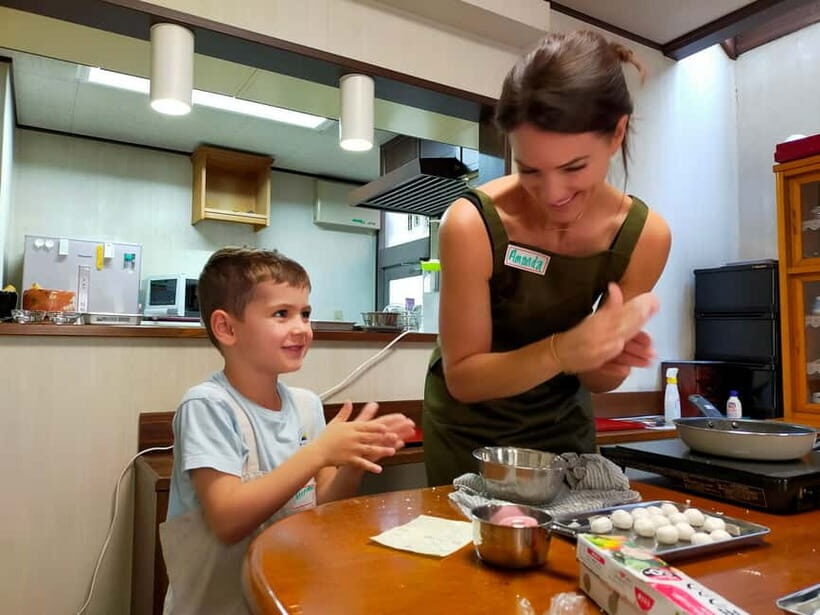
You get more than a cup of tea. You also get a moment to learn how Japanese tea fits the meal.
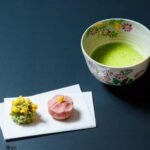
The class includes tea, and after cooking you sit together with your sweets and a cup of matcha. Several experiences also mention making matcha powder tea themselves, including whisking. That’s a small skill, but it’s the kind you’ll use again when you’re back home.
Why it’s valuable: wagashi is usually meant to be eaten with tea, not chased with a latte. Matcha’s bitterness and aroma can make the sweetness of the sweets feel more balanced. Learning that pairing while you’re still in the cooking rhythm helps the whole class make sense.
A few more Kyoto tours and experiences worth a look


What the Instructor Does Differently (Miho’s Teaching Style)
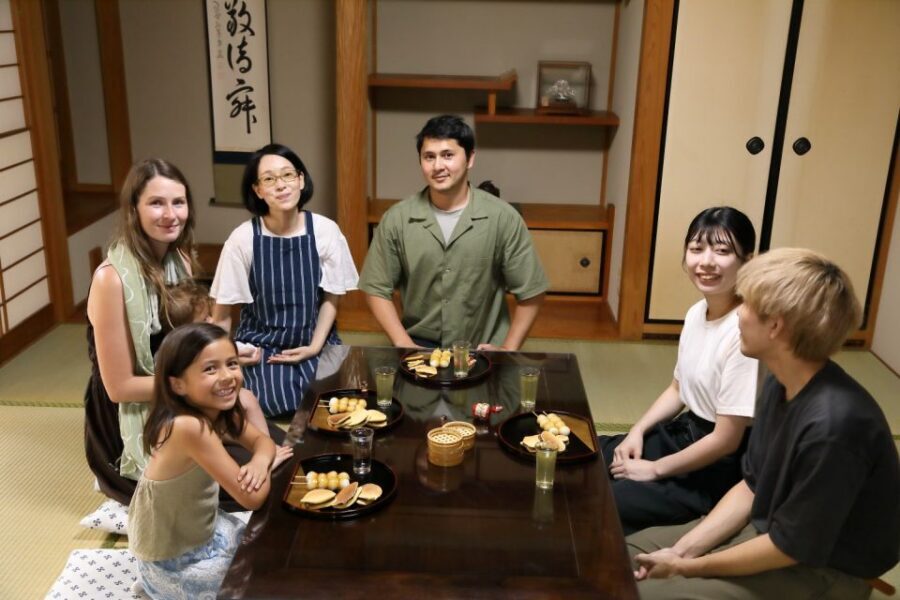
The biggest “wow” factor in this experience is how the teaching happens. People consistently highlight Miho as friendly, organized, and clear.
What that means for you:
- You’ll get step-by-step guidance while still doing the work yourself.
- Questions feel welcome during the process, not only at the end.
- You also pick up culture and ingredient context, like tips on where to buy what you need back home.
Some sessions turn into real conversation. If you enjoy chatting during travel meals, this kind of class can be more satisfying than a scripted cooking show.
Hands-On Techniques You Can Reuse After Kyoto
Cooking classes are only useful if the skills stick. This one is built to help you remember what matters: process, texture, and timing.
Here are the kinds of takeaways you can expect, even when the specific wagashi changes:
- How to mix and handle dough or sweet paste without overworking it
- How to shape items cleanly (less mess, better results)
- How to manage sweetness so the final bite works with tea
- How to recognize when something is ready by feel and appearance, not just the clock
A few people also mention the recipes being practical to replicate later, including with a trip to an Asian supermarket. That’s a realistic way to plan. You’re not relying on a single rare ingredient you can’t find.
Vegetarian and Vegan-Friendly Sweets (Tell Them Your Needs)
One of the easier decisions you can make is to know this class welcomes dietary needs. Vegetarian is welcome, and it’s vegan friendly. You just need to let them know in advance about food restrictions.
This is important for value. If you’ve ever booked a food experience only to discover you’ll eat nothing, you’ll appreciate how explicitly this is handled. Since wagashi menus can shift seasonally, asking about your specific restriction early gives the instructor the best chance to adjust smoothly.
If you have allergies, you should still share details ahead of time, not just “vegetarian” or “vegan.” The more specific you are, the easier it is for the host to steer you safely.
Timing and Duration: Why 150 Minutes Works
At 150 minutes, you get enough time to do more than one step-by-step recipe. You can:
- learn through demo
- actively make around three sweets
- cleanly finish, plate, and taste
- sit and enjoy tea in a traditional room
Also, a small note: the class is not about rushing. It’s paced enough to keep you calm if you’re new to Japanese sweets.
Where this fits in Kyoto: since it’s near Fushimiinari, you can pair it with a morning or afternoon shrine walk. Just avoid booking it right after an early train transfer if your timing is tight. You’ll want to arrive settled enough to enjoy the cooking.
Small Group Size: The Hidden Advantage
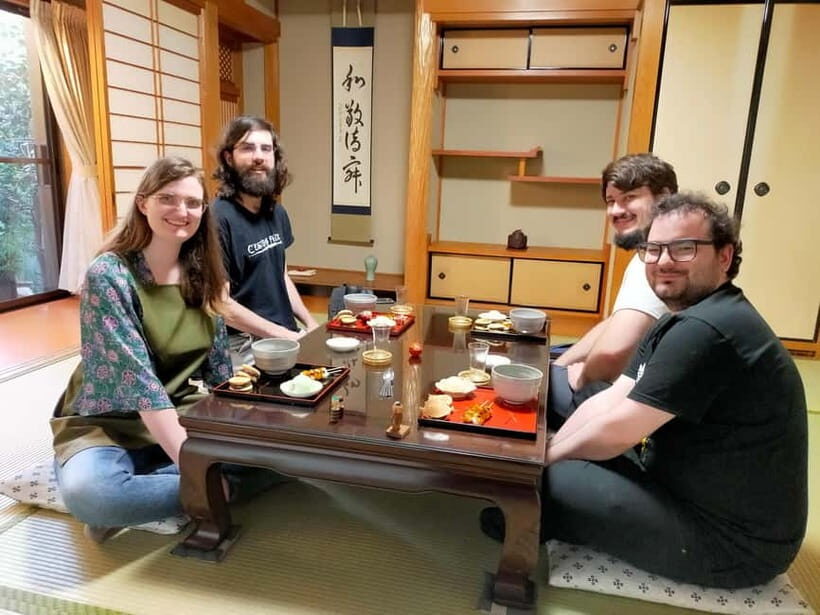
Limited to 6 participants, this class avoids the common “everyone watches while two people cook” problem. In practice, it also means:
- you’ll spend more time at your station
- you can get help quickly when a texture is off
- your partner or pair-work feels natural rather than awkward
For solo travelers, small group caps can be even better. If your session ends up with fewer people, you may get a more personal pace.
Price and Value: Is $84 Worth It?
Let’s be practical about the money.
You pay $84 per person for:
- ingredients and seasonings
- an English-speaking instructor
- tea
- all fees and taxes
- a small-group experience limited to 6
- hands-on cooking of about three wagashi
What makes it feel worth it is that you’re not paying only for food. You’re paying for:
- instruction in technique
- guidance on culture and ingredients
- a host who can translate steps while you cook
- a sit-down tea moment that makes the sweets meaningful
If you love food and you want a skill you can repeat, this tends to land as good value. If you’re only trying to sample a single dessert, it might feel expensive. But wagashi isn’t just dessert here. It’s a short workshop where you do real work.
What’s Not Included (So You Plan Smarter)
Hotel pickup and drop-off are not included. That means you’ll handle your own getting there and back.
Before you book, do a quick check on how you’ll reach the cooking studio near Fushimiinari. If you’re staying far from the area, factor in transit time so you don’t arrive rushed.
Best Fit: Who Will Enjoy This Most
This class is a great match if you:
- want something more hands-on than a food tour
- like Japanese sweets and want to understand how they’re made
- enjoy tea culture and don’t mind sitting and chatting in a traditional room
- travel with a partner (you’ll often cook with your partner)
- care about dietary options (vegetarian and vegan friendly)
It’s also a solid family option for older kids. Children aged 12 and below can participate with a guardian. But it’s not suitable for children under 6.
If you need wheelchair access, note the class is not suitable for wheelchair users.
Should You Book This Wagashi Cooking Class Near Fushimiinari?
Book it if you want an experience that’s cozy, practical, and genuinely hands-on. The combination of a traditional Japanese home setting, small-group instruction, and matcha-and-sweets tasting creates a day highlight that goes beyond eating.
Don’t book it if you’re looking for quick street snacks only, or if you can’t commit the full 150 minutes. Also skip it if accessibility needs don’t match what’s supported.
If you’re on the fence, here’s my simple test: if you’d enjoy learning how to make at least a couple of Japanese sweets the way locals do, and you’re happy to cook with your hands in a washitsu room, this will fit your Kyoto trip nicely.
FAQ
How long is the Kyoto wagashi cooking class?
The class duration is 150 minutes.
How much does it cost?
The price is $84 per person.
How many people are in the group?
It’s a small group with a maximum of 6 participants.
Is the class taught in English?
Yes. The class is conducted entirely in English.
What will I make during the class?
You’ll prepare about 3 different types of wagashi. The exact menu may differ depending on the season.
Do they offer tea during the class?
Yes. Tea is included, and you’ll enjoy your sweets with matcha after cooking.
Is the class vegetarian or vegan friendly?
Vegetarians are welcome, and it is vegan friendly. Let the provider know in advance about any food restrictions.
Is hotel pickup included?
No. Hotel pickup and drop-off are not included.
Is it suitable for children or wheelchair users?
Children aged 12 and below can participate with a guardian. It’s not suitable for children under 6, and it’s not suitable for wheelchair users.
Can I cancel for a refund?
Yes. You can cancel up to 24 hours in advance for a full refund.