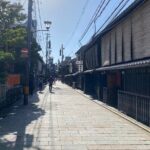
Kyoto nightlife can feel like a code—this tour helps you crack it fast. You’ll ride the after-work rhythm of izakaya drinking houses, with stops that can include tachinomiya (street-side standing bars) and quiet yokocho alleys where the city feels smaller and older.
I especially like the private, personalized host who adjusts the route to your personality and interests. And I like the built-in pacing: a few drinks, a few small plates, and walking that keeps you moving without turning the night into a marathon.
One possible drawback: the tour is only 3 hours and the drinks/food included are capped, so if you want a full-on drinking night you’ll likely pay extra after the included items.
In This Review
- Key Points That Matter
- A Kyoto Night, Built Around Izakaya Culture
- Meeting at Starbucks and Getting Matched to Your Night
- What You Actually Get in 3 Hours (Drinks, Dishes, and Walking)
- The Izakaya Stops: Small Plates, Big Conversation Energy
- Sake at Unique Bars: More Than Just a Sip
- Tachinomiya: Standing Bars and Real Street-Level Vibes
- Yokocho Alleys After Dark: The Kyoto That Fits Between Buildings
- Possible Route Variations: Gion, Train Station Bars, and More
- Practical Value: Why This Costs $150 and Why It Might Be Worth It
- Who This Tour Suits Best (And Who Might Skip It)
- What to Do Before You Go (So Your Night Flows)
- Should You Book This Kyoto Izakaya and Tachinomiya Tour?
- FAQ
- FAQ
- Where does the tour meet?
- How long is the Kyoto izakaya food tour?
- Is this a private tour?
- What’s included for food and drinks?
- Do I get sake on the tour?
- Is the tour wheelchair accessible?
- Is transportation included?
Key Points That Matter
- Private matching: Your host reaches out to shape the plan around you.
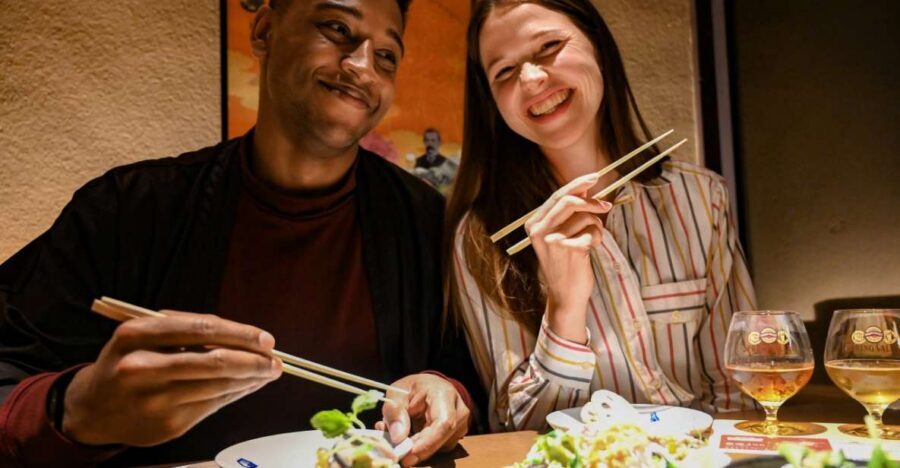
- Izakaya to tachinomiya contrast: You see Kyoto’s dining-and-drinking culture from sit-down to standing.
- Sake sampling included: Expect at least some sake during the bar hopping.
- Small plates, not big meals: You get variety without committing to one heavy dish.
- Table charges included: Seating fees are covered, so your budget stays steadier.
- Flexibility mid-walk: If you change your mind, your itinerary can adjust on the fly.
A Kyoto Night, Built Around Izakaya Culture
Kyoto after dark is not just about sights—it’s about social life. This tour is designed around the way locals actually drink and snack: small dishes ordered with your group, a rotating set of bars, and the kind of conversation that grows as the night goes on.
Instead of handing you a canned route, you’re paired with a local host who helps you understand what you’re looking at and why it works. If you’re the type who likes culture with your food, this is a good fit. If you’re more “show me the next place,” it’s still a win, because the host handles the pacing and the menu-language friction.
And yes, you’ll walk. This isn’t a bus tour or a museum circuit. It’s bar hopping on foot, which means you get street-level Kyoto—the lanes, the lighting, the small-door entrances—without needing to figure it out alone.
If you're still narrowing it down, here are other tours in Kyoto we've reviewed.

Meeting at Starbucks and Getting Matched to Your Night
You meet your host in front of Starbucks Coffee. It sounds almost too simple, but it’s practical: you’re not hunting down a secret alley meeting point before you even start the fun.
Within 24 hours of booking, your host contacts you to learn about your personality and interests. That matters because izakaya culture is broad: you can lean more into food, more into drinks, or more into the city vibe. Your host uses that input to build a bespoke plan you can actually enjoy.
During the experience, you can also change your mind. That flexibility is underrated on food tours. Plans are helpful, but a good host should be able to pivot if you decide you want more sake, less sitting, or a different style of bar.
If you’re curious about local “how-to” tips—what to order, how to handle the flow at small places, or what’s worth paying attention to—this kind of pairing is what makes the tour feel like a night out with someone who knows the city.
What You Actually Get in 3 Hours (Drinks, Dishes, and Walking)
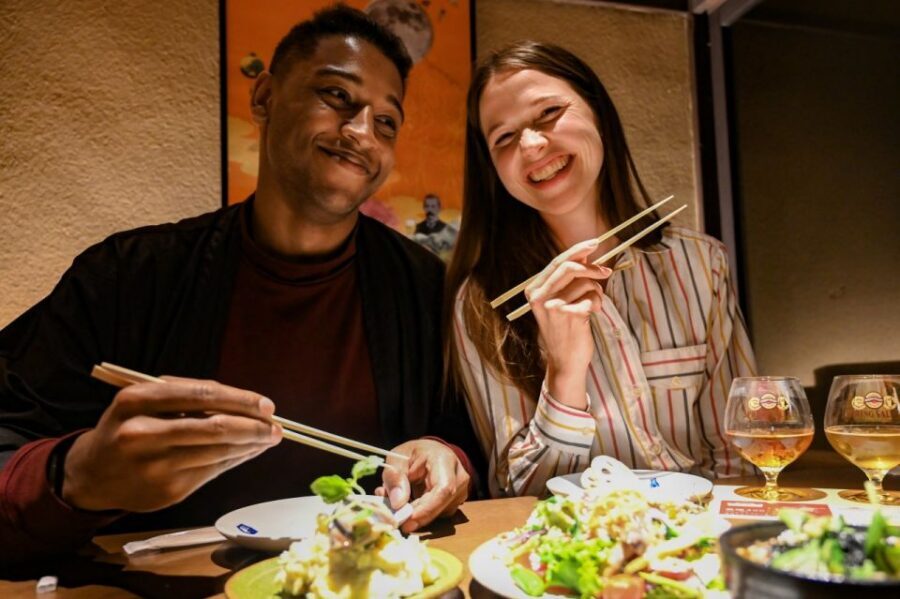
This is a private experience that lasts 3 hours. You’re not competing with a large group or waiting for slow decision-makers. You’ll walk between a handful of bars, and at each stop you’ll get either:
- 1 drink and 2 dishes, or
- 2 drinks and 1 dish
Seating/table charges are included. That’s a real value point in Japan, because small places often have fees that can be easy to forget. Transportation costs are not included, so if you’re starting from outside central Kyoto you’ll want a plan to get yourself to the meeting point.
You should also know what’s excluded: additional food and drinks beyond what’s listed, and drinks that cost more than 1000 Yen each. That doesn’t mean you’ll be missing out—it just keeps the tour focused. Your host can still choose what fits the included structure, then you can top up later if you want.
In practical terms, this setup is perfect for people who want a fun night without the stress of constant budgeting or decision fatigue.
The Izakaya Stops: Small Plates, Big Conversation Energy
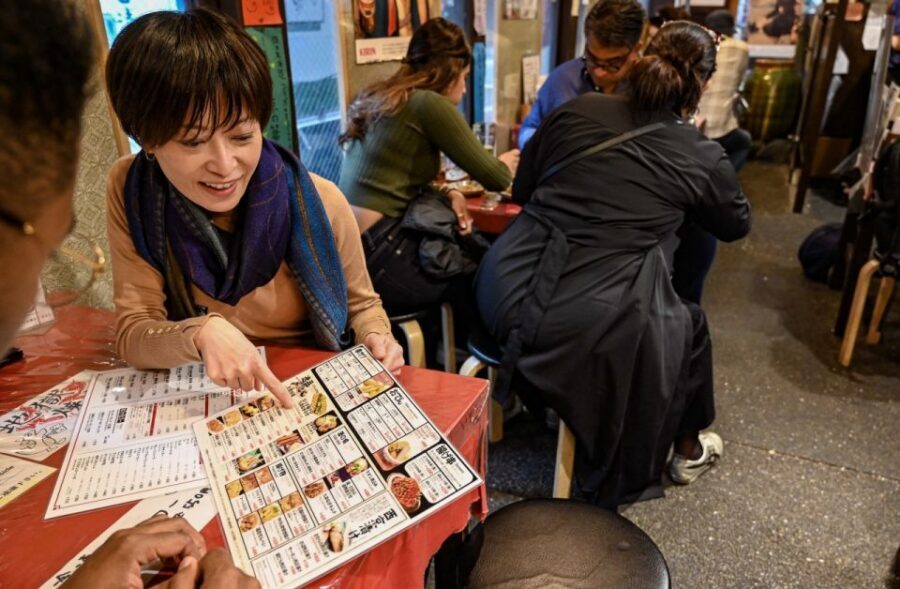
Most evenings start in izakaya-style territory: the cozy neighborhood drinking house where food and drinks move together. This is where Kyoto’s after-work culture shows up in plain sight—people perched at counters, friends sharing dishes, and the steady rhythm of ordering.
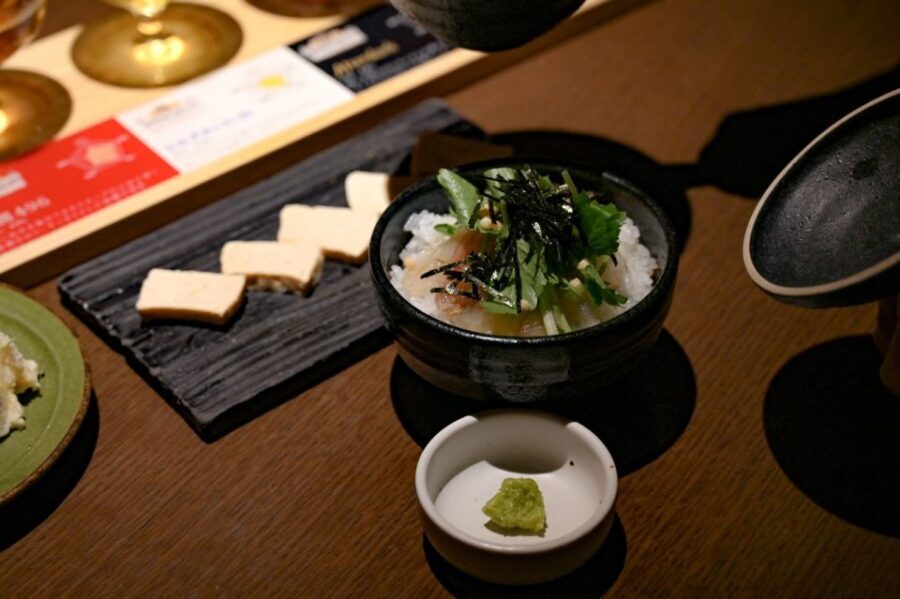
The tour is built around small plates, which is exactly the right approach when you’re bar hopping. Big meals make you sleepy and slow. Small dishes keep you tasting and talking. You’ll also get a sense of how ordering works in these settings—what tends to be shared, what works well with beer or sake, and how the meal feels like part of the drink rather than something separate.
If you care about learning beyond the food, your host will explain local culture and street-gourmet logic. That might sound abstract, but it usually boils down to things like: what flavors are typical, what’s “comfort Kyoto,” and why certain dishes pair naturally with the drinks on the menu.
And if you’re worried you’ll feel underfed, don’t. The included structure (drinks plus multiple dishes per bar) is meant for tasting lots of items, not filling up at one place.
Sake at Unique Bars: More Than Just a Sip
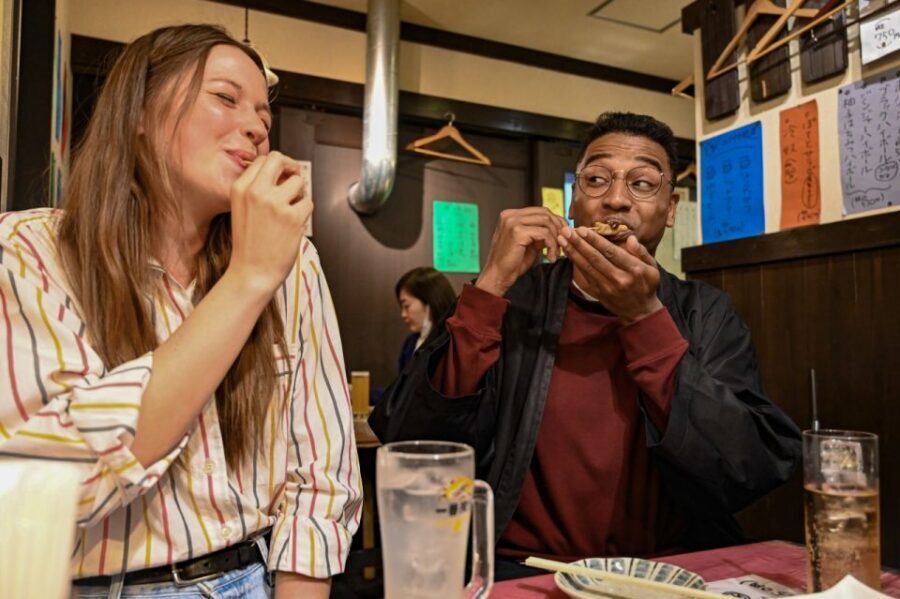
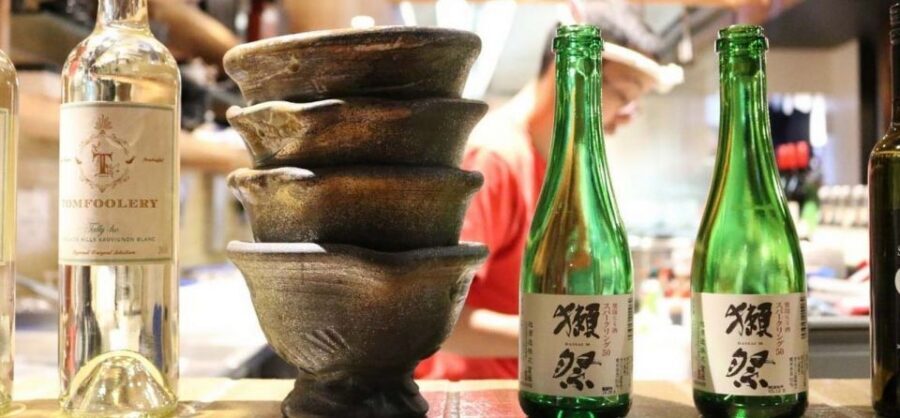
Kyoto has a lot of bars that feel more like social clubs than tourist stops. You’ll drink sake at some of the city’s unique places, and that’s a highlight for anyone who wants Kyoto to feel distinct rather than generic.
What I like about this approach is that it treats sake as part of the experience, not a checkbox. On nights like this, sake tasting can also be social—shared glasses, conversation around flavors, and the feeling of learning what you like while you’re relaxed enough to actually notice.
Your host’s job here is important: sake menus can be confusing if you don’t know what you’re looking at. Even basic explanations—dry vs. fruity, why you might try one style over another—can turn “I drank it” into “I get it.”
Just remember that extra, higher-priced drinks are not included if they exceed 1000 Yen each. So if you’re a serious sake hunter, plan to treat the tour as the tasting starter, then continue on your own if you find a specific bottle you want.
A few more Kyoto tours and experiences worth a look



Tachinomiya: Standing Bars and Real Street-Level Vibes
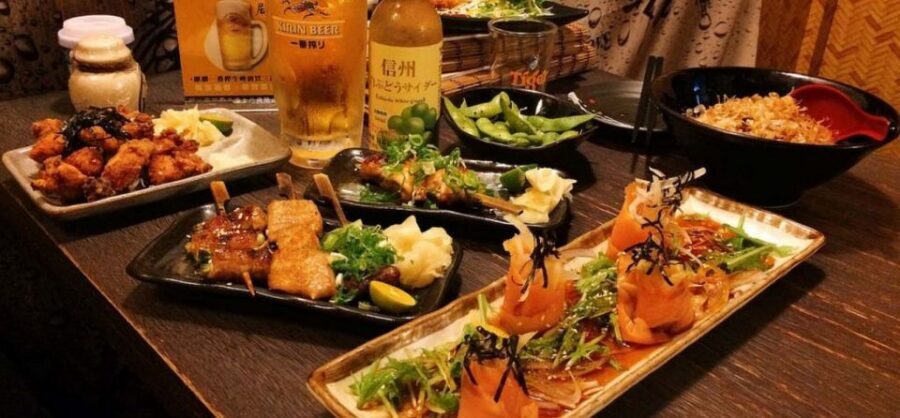
One of the most distinctive parts is the chance to head to a tachinomiya, a street-side standing bar. This is Kyoto nightlife at street scale: you order, you stand or perch, you chat, and the whole thing feels close to the action outside.
A standing bar is not everyone’s comfort zone, but it’s also one of the quickest ways to feel local. In a sit-down restaurant, you can drift into “tourist mode.” At a tachinomiya, the format pushes you into the moment—small space, close conversations, and a sense that you’re joining an ongoing after-work tradition.
If you’re sensitive to crowding or want a lot of seated time, you may want to tell your host what feels comfortable. Since the experience is personalized, your host can adjust the balance of stops and keep it aligned with your comfort level.
Yokocho Alleys After Dark: The Kyoto That Fits Between Buildings
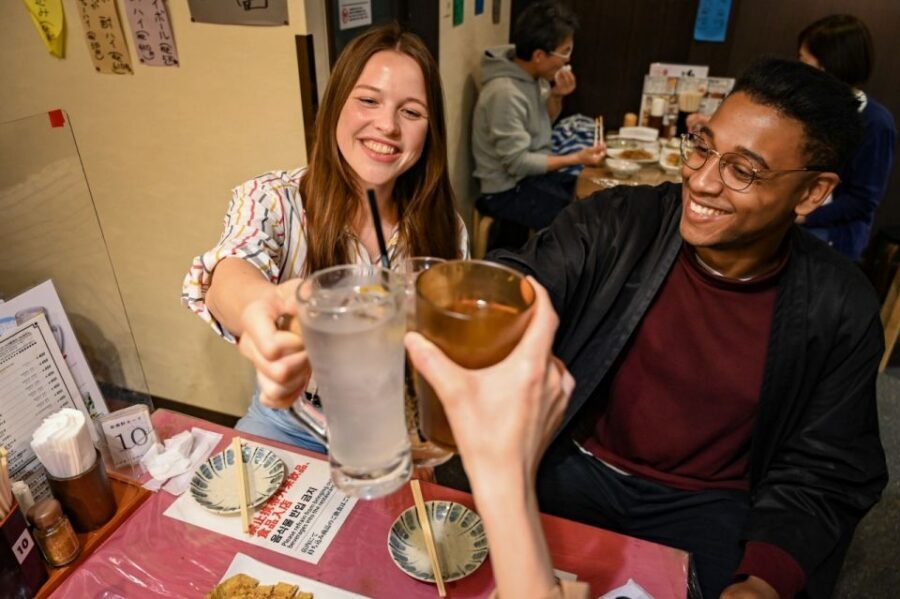
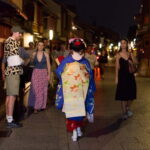
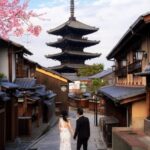
After your bar hops, you might head to another yokocho—those narrow historic alleyways that feel like Kyoto folded into a smaller shape. Even without going “all-in” on nightlife, yokocho areas are great because they offer atmosphere on a human scale.
This is where the city’s older side shows up: tight lanes, traditional architecture cues, and little bar lights that make the night feel storybook without being theatrical. It’s also a good reset point after drinking and walking, because you can slow down and just observe.
The value here is context. When you understand what makes a yokocho special, you’ll notice it even outside the tour. That’s how you get more out of a short evening: you leave with pattern recognition, not just full stomach syndrome.
Possible Route Variations: Gion, Train Station Bars, and More
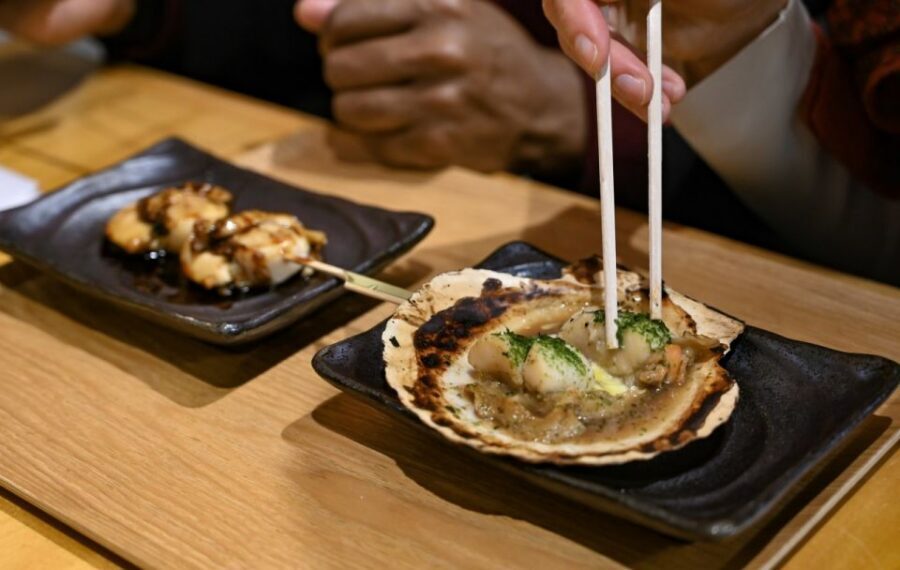
Because the experience is private and your host builds it around you, the exact places may differ from what you might expect. The tour description leaves room for a few different Kyoto nightlife styles, including:
- A bar circuit that leans toward the historic Gion area
- A stop at train station bars, where locals gather before catching the last train
- More alley time in yokocho areas after you finish the main bar hops
I like these options because they keep the experience grounded in “how Kyoto works,” not just where tourists wander. Gion-style areas often make people think of daytime Kyoto, so seeing nightlife there changes the picture. Train station bars are also a strong local angle—practical, casual, and fueled by real schedules.
If you’re the kind of person who wants the most local energy, ask your host whether your route can lean toward station bars or tachinomiya moments. If you want a gentler vibe with more old-street scenery, ask about yokocho and Gion-style timing.
Practical Value: Why This Costs $150 and Why It Might Be Worth It
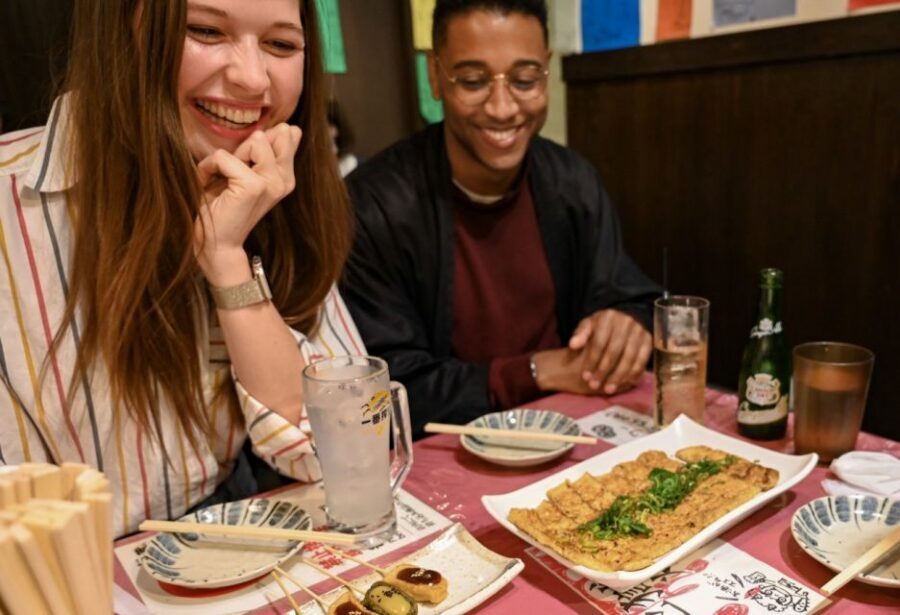
At $150 per person for 3 hours, this is not the cheapest way to eat and drink in Kyoto. The key question is what you’re buying.
You’re paying for:
- A local host who spends their free-time designing a route around you
- Multiple bar stops with included drinks and dishes at each place
- Table/seating charges that are covered
- Hotel meet-up for central locations (available on request)
- A walking experience that removes guesswork
For food tours, the hidden costs add up: cover charges, seating fees, and the “wait, why is this extra?” moments that can hit when you’re moving from place to place. Here, those seating fees are included, and the drink/food structure is set so you’re not constantly doing math.
Transportation costs are not included, and drinks above 1000 Yen each aren’t part of the package. But that’s actually fair. You’re getting the tasting core, then you have freedom to keep the night going your way.
This makes the tour good value for:
- Couples or small groups who want a guided night without a big-group scramble
- Foodies who want variety instead of one long dinner
- First-timers in Japan who want less language friction and more cultural context
- Anyone who enjoys walking and wants nightlife that feels lived-in rather than staged
Who This Tour Suits Best (And Who Might Skip It)
This is a great match if you want Kyoto nightlife with structure, but still with flexibility. It’s also ideal if you like learning just enough to feel confident—how izakaya ordering works, why a tachinomiya feels different, and what you’re tasting as you move through the city.
It’s less ideal if you:
- Want a long sit-down meal experience
- Have no interest in sake or are picky about alcohol
- Prefer very low walking or very quiet settings
That said, it’s wheelchair accessible, which is a strong point. Still, since the tour involves walking and bar formats can vary, I’d suggest you mention your mobility needs early in the planning conversation so the host can choose the best-feeling stops.
What to Do Before You Go (So Your Night Flows)
Before the tour, think about your “comfort settings.” Do you want more food-forward or drink-forward? Are you okay with standing bars? Do you prefer casual places over atmosphere-heavy ones?
Then, when your host reaches out, answer honestly. The best hosts aren’t guessing—they’re adapting. If you tell them what you like, you’ll get a route that feels like it was built for your night, not just scheduled for you.
Also, pace yourself. You’re likely sampling beers and sake across multiple stops. A few bites in between help. The included small plates are meant to keep energy steady, but your body still has to keep up with the fun.
Should You Book This Kyoto Izakaya and Tachinomiya Tour?
I’d book it if you want a guided, local-feeling Kyoto night that combines food, drinks, and street culture without turning into a planning headache. The private host matching and the mix of izakaya with tachinomiya is a smart combo—one gives you comfort, the other gives you street-level authenticity.
Skip it or consider alternatives if you’re looking for a sit-down culinary class or a long, high-end dining experience. This is more about the bar-to-bar flow and learning how Kyoto socializing works.
If you do book, do one thing that improves the whole night: tell your host what kind of night you actually want. Kyoto rewards that kind of communication, and this tour is built to respond.
FAQ
FAQ
Where does the tour meet?
You meet your host in front of Starbucks Coffee.
How long is the Kyoto izakaya food tour?
It lasts 3 hours.
Is this a private tour?
Yes. It’s a private group experience, personalized for you.
What’s included for food and drinks?
At each bar, you’ll get either 1 drink and 2 dishes or 2 drinks and 1 dish. Seating/table charges are included as well.
Do I get sake on the tour?
The experience includes drinking sake at some of Kyoto’s unique bars.
Is the tour wheelchair accessible?
Yes, it is listed as wheelchair accessible.
Is transportation included?
No. Transportation costs are not included.