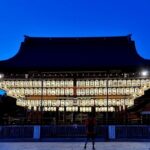
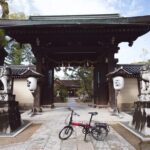
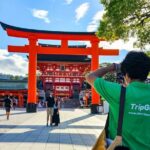
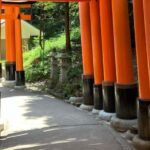
Kyoto makes more sense on foot. This walking tour strings together some of the city’s most famous landmarks with the kind of on-the-ground context that explains why people come here again and again. I especially like having a local guide who can connect temple architecture, shrine beliefs, and everyday street life into one easy route.
My second favorite part is the pacing: you’ll cover classic areas like Kiyomizu-dera, Gion’s walking streets, and the river-and-alley stretch without turning the day into a marathon. One drawback to note: food and drinks aren’t included, and there’s also a short bus/coach segment listed, while transportation is marked as not included—so expect to pay for snacks and any transit portion as needed.
In This Review
- Key highlights you’ll actually feel
- Meeting at Kyoto Avanti: a simple start point
- Kiyomizu-dera: more than a famous viewpoint
- Yasaka Shrine and the step toward Gion
- Crossing the Kamo River into Pontocho Alley
- Nishiki Market and Nishiki-Tenmangu: food streets plus faith
- Nijo Castle on the route: the nightingale floors idea
- Price and value: why $34 can make sense
- Who this Kyoto highlights walk is best for
- Should you book this Kyoto Highlights Walking Tour?
- FAQ
- How much does the Kyoto Highlights Guided Walking Tour cost?
- How long is the tour?
- Where do I meet the guide?
- What languages are available for the live guide?
- Is this tour private or in a group?
- Are food and drinks included?
- Is transportation included?
- Can I cancel, and what should I bring?
Key highlights you’ll actually feel
- Small-group or private format keeps the walk manageable and makes questions easy.
- Stop-by-stop explanations at Kiyomizu-dera, Yasaka Shrine, Gion streets, and Pontocho Alley.
- A “Kyoto in one day” route that connects temples, market streets, and evening atmosphere.
- Guide-led local flavor through Nishiki Market and shrine-side sightseeing.
- English or Japanese live guide for smoother comprehension in key moments.
- Route designed for photos and understanding, not just scenery passing by.
Meeting at Kyoto Avanti: a simple start point
The tour meets at the entrance of Kyoto Avanti, which is a convenient landmark area because you’re not trying to hunt down a tiny side street right at the beginning. From there, the plan includes a short bus/coach ride (about 15 minutes) before the walking part ramps up, then you’ll head back toward Kyoto Station at the end.
This matters more than people think. Kyoto can be confusing if you’re only working from maps and photos. A fixed meeting point helps you stay calm, and the guided rhythm helps you move between areas without wasting time figuring out routes.
Also, bring cash and a credit card. Even though food and drinks aren’t included, you’ll likely want snacks, tea, or small gifts once you’re in market and shopping streets. And do yourself a favor: wear shoes you can walk in for several hours. The tour is short compared to a full-day trek, but the streets stack up fast.
One more practical note: the tour language options are English and Japanese. If you’re more comfortable with one than the other, it’s worth confirming when you book so you don’t end up with a mismatch on the day.
Other walking tours we've reviewed in Kyoto


Kiyomizu-dera: more than a famous viewpoint

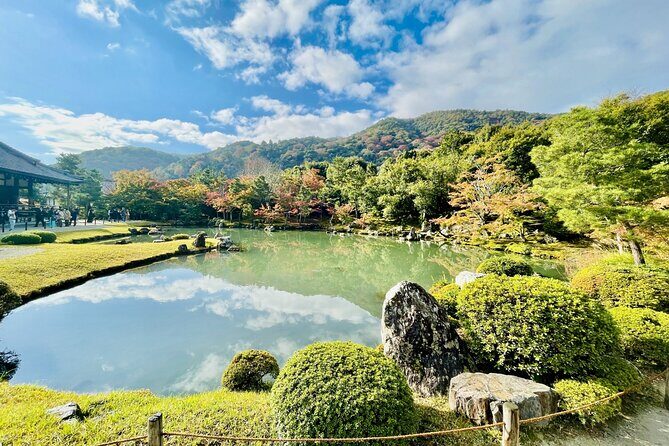
Kiyomizu-dera is the big start, and it’s a good choice. You’ll get a guided visit plus sightseeing and walking time (about 30 minutes). This is one of those places where it’s worth slowing down. From the wooden stage, you’re looking across the cityscape, but a guide can help you connect what you’re seeing to why the temple became such a spiritual and cultural magnet.
Here’s what I like to do in places like this: I watch how people behave. If you know what a shrine or temple is doing in terms of visitors, rituals, and traditions, the same building feels different. A good guide helps you read those cues quickly so you don’t just take photos and move on.
Possible drawback: it’s popular. That’s true in Kyoto in general, and Kiyomizu-dera is no exception. If you’re hoping for solitude, temper expectations. The upside is that the guide can help you notice the details that still matter even in a crowd—things like the layout of spaces and the reasons certain viewpoints are treated as meaningful.
If you want the most out of those 30 minutes, arrive ready to focus for a short stretch. This stop sets the tone for the rest of the day: sacred sites first, then the streets that grew around them.
Yasaka Shrine and the step toward Gion

After Kiyomizu-dera, the route moves to Yasaka Shrine, with about 20 minutes of guided time. This is where your day starts to feel less like a checklist and more like a story. Yasaka Shrine is tied to Kyoto’s spiritual identity, and the guide’s explanations can help you understand why the surrounding streets matter.
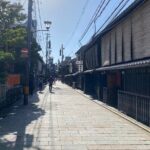
Then comes the gentle transition toward Gion culture. You’ll walk through Sannenzaka Street (about 20 minutes) and then continue to Hanamikoji Street (also about 20 minutes). These are the classic walking streets where Kyoto tourists expect wooden storefronts, lantern light, and the sense of stepping back in time.
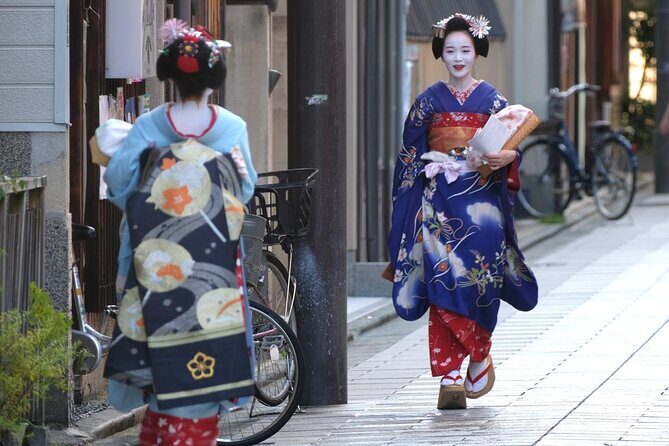
A useful reality check: geisha and maiko are part of Kyoto, but you shouldn’t treat spotting them like a guarantee. Still, the tour route is designed so that you may catch a glimpse of elegantly dressed performers heading to appointments, especially around the streets where the day’s atmosphere shifts toward evening. Even if you don’t see anyone, the street layout and the way people move through the area is still a strong snapshot of Kyoto’s performing arts world.
Small practical tip: keep your pace slow through Sannenzaka and Hanamikoji. If you walk fast, you’ll miss the details that make these streets feel like Kyoto rather than a photo set.
Crossing the Kamo River into Pontocho Alley
Next up is the Kamo River (about 10 minutes) and then Pontocho Alley (about 20 minutes). This stretch is one of the best ways to feel Kyoto’s mood. The river gives you a breather, and Pontocho gives you the “oh, this is why people come back” feeling—narrow lanes, lantern-lit restaurants, and a slightly slower pace.
The guide-led walking time is key here because Pontocho is visually striking but easy to misread. If you just wander, you might see restaurants and lanterns and move on. With guidance, you can connect the alley’s role in daily life—how areas like this fit into Kyoto’s restaurant culture and evening rhythm.
Another reason this stop works for a half-day tour: you get a change of scenery without a huge time cost. That keeps the overall route from tiring you out. By now you’ve already seen a major temple and a shrine, so the river-and-alley segment acts like the emotional reset button.
The main consideration is comfort. Lantern-lit streets and alleys often involve uneven pavement and tight walking space. Watch your step, and keep your bag secured when you’re navigating crowded lanes.
Nishiki Market and Nishiki-Tenmangu: food streets plus faith
Then you hit Nishiki Market (about 20 minutes). This is where Kyoto turns into everyday life. The market is often called Kyoto’s kitchen for a reason: it’s a concentrated area where you can see, smell, and taste local delicacies. Even though the tour doesn’t include food and drinks, the guided walk helps you decide what’s worth stopping for.
If you’re deciding on snacks later in your trip, this is a strong sampling moment. The guide can also help you understand what you’re looking at so your spending feels less random and more intentional.
From there, you’ll also visit Nishiki-Tenmangu Shrine (about 10 minutes). Pairing a market stop with a shrine stop is smart. It shows how closely religious spaces and daily commerce can sit side by side in Kyoto.
Here’s how I think about this segment: you’re not just consuming food. You’re also learning how Kyoto’s spiritual identity and local trade culture coexist. That’s a big part of what makes a guided route worth it compared to wandering on your own.
One small drawback: 20 minutes in Nishiki goes quickly. If you’re a slow eater or you love browsing, plan to treat this as a taste-and-orient stop. Buy one or two items, then enjoy the walk.
Other guided tours in Kyoto




Nijo Castle on the route: the nightingale floors idea
The tour is described as finishing with Nijo Castle, including its famed “nightingale floors” and gardens. That’s a great close because it shifts from streets and shrines into a former shogun residence with a different kind of grandeur.
That said, the exact flow can depend on timing on the day, since the walk segments are tightly scheduled and there’s also the bus/coach ride before and after. If Nijo Castle is on your day’s plan, try to take the guide up on explanations because the “nightingale floors” are far more interesting when you understand what the design was meant to do.
If your day’s timing doesn’t allow a full Nijo Castle look, don’t panic. The rest of the route still covers the core Kyoto “spiritual streets” experience, and your guide should be able to clarify what you’ll see before you start moving.
Price and value: why $34 can make sense
At $34 per person for a 3–4 hour guided route, the value depends on what you want from Kyoto.
You’re paying for three things:
- A local guide with live explanations in English or Japanese
- A pre-planned route that connects multiple famous areas without turning into logistical chaos
- A walk that stays manageable within a few hours
What you’re not paying for: food and drinks, and transportation (even though the route includes a short bus/coach segment). That’s important. You’ll likely spend extra for snacks, drinks, and whatever transit you need.
So is it worth it? For most first-timers, yes—because Kyoto is a city where context changes everything. Standing in front of a temple or shrine without knowing what matters can leave you with photos but not understanding. With a good guide, you’ll notice the “why” behind the “what.”
The best proof of value is what happens to your questions. One of the standout review notes was about a guide named Yu Noda, praised for his deep knowledge and for tailoring insights to what the person wanted to see and learn. That’s exactly what you want from a guided experience: not just facts, but relevance to your curiosity.
If you love history and spiritual traditions but don’t want to spend the day reading guidebooks, this format is a practical sweet spot.
Who this Kyoto highlights walk is best for

This tour is a good match if you:
- Want a guided route that connects temples, shrine streets, and Kyoto nightlife atmosphere like Pontocho
- Prefer small groups or private style over big group bus crowds
- Like asking questions and getting explanations in real time
- Have only half a day to cover major highlights around Kyoto Station and the eastern side
It may not be your best fit if you:
- Plan to snack heavily all day and need long stops at markets (food isn’t included, and each market segment is time-limited)
- Want zero walking, or need extensive accessibility accommodations. Non-folding wheelchairs and electric wheelchairs aren’t allowed per the activity info.
One more practical point: you should treat this as a walking plan with stops, not a sit-down tour. If you like moving, you’ll enjoy the pace. If you prefer lots of downtime, consider booking something shorter or adding rest breaks after the tour.
Should you book this Kyoto Highlights Walking Tour?
I’d book it if you want Kyoto highlights with real explanation and an efficient route. The strengths are the connected flow—from Kiyomizu-dera to Yasaka Shrine, through Sannenzaka and Hanamikoji, then down to Kamo River and Pontocho—plus the fact you’re guided in English or Japanese.
I’d hesitate only if you dislike walking, hate crowds at top sights, or don’t want to pay extra for snacks since food and drinks aren’t included. Also, if Nijo Castle is a must-do for you, ask the guide (or confirm with your booking) that it’s included on your specific day’s timing.
If you get a guide like Yu Noda, the day can feel less like sightseeing and more like understanding how Kyoto works at street level—history, spirituality, and artistry all moving in the same direction.
FAQ
How much does the Kyoto Highlights Guided Walking Tour cost?
It costs $34 per person.
How long is the tour?
The duration is listed as 3 to 4 hours.
Where do I meet the guide?
You meet in front of the entrance of Kyoto Avanti.
What languages are available for the live guide?
The live guide is available in English and Japanese.
Is this tour private or in a group?
Private or small groups are available.
Are food and drinks included?
No. Food and drinks are not included.
Is transportation included?
No. Transportation is not included, even though the route includes a short bus/coach segment.
Can I cancel, and what should I bring?
You can cancel up to 24 hours in advance for a full refund. Bring a credit card and cash. Non-folding wheelchairs and electric wheelchairs are not allowed.