Small-room music in Kyoto hits different. This koto and shamisen concert turns traditional Japanese instruments into something you can actually follow, with bilingual mini-commentary and a format built for questions. I love the Townhouse option because the group is tiny (about 11 people), so you hear the picking, tone, and phrasing up close. I also love that you can go beyond listening with an optional hands-on koto workshop after the show.
The one drawback to plan around: the Bathhouse Hall performances run irregularly (it’s offered on Mondays sometimes), so your schedule may decide which venue you can attend. Still, with a duration that can fit a short evening (45 minutes) or a longer one with workshop (up to about 105 minutes), it’s an easy win for most Kyoto itineraries.
In This Review
- Key reasons this Kyoto concert works
- Two Kyoto venues, one calm mission: Townhouse vs Bathhouse Hall
- What actually happens during the 45–105 minutes
- What you’ll hear: classical, contemporary, and artist-chosen repertoire
- The part that makes it special: Q&A, direct access, and real explanations
- Getting there and fitting it into a Kyoto day
- Price and value: why $32 can feel like a bargain
- Who should book this koto and shamisen concert (and who might not)
- Should you book Kyoto: Traditional Concert at Townhouse or Bathhouse?
- FAQ
- How long is the concert?
- What’s the difference between the townhouse and the bathhouse hall?
- Do I need any prior knowledge of Japanese instruments?
- Is there an option to learn the koto?
- Will there be time for questions?
- Is the concert only in English?
- Where can I fit it near other Kyoto sights?
- Is it suitable for very young children?
Key reasons this Kyoto concert works
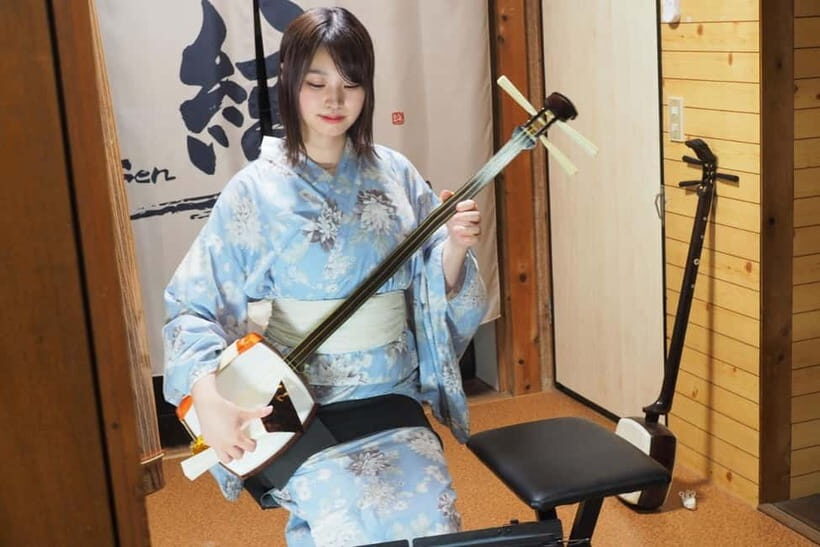
- Two venues, two sounds: a cozy townhouse room vs. a resonant tiled bathhouse hall for duet programs
- Bilingual guidance: Japanese and English explanations for instruments, parts, notation, and repertoire
- You meet the artists: Q&A plus a photo opportunity right after the concert
- Hands-on option: sanitized koto instruments and a beginner-friendly attempt to play a short phrase
- A mix of eras: classical pieces plus contemporary works, and duet programs that pair koto with other instruments
- Small-group focus: intimate seating in the townhouse and a still-cozy format in the bathhouse hall
Two Kyoto venues, one calm mission: Townhouse vs Bathhouse Hall
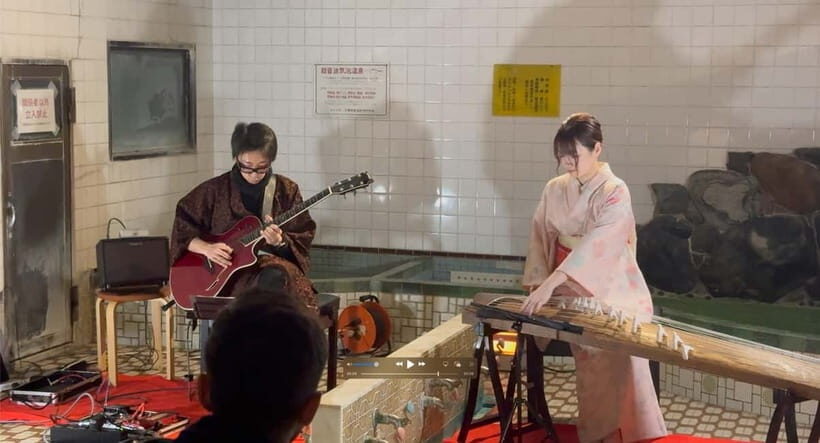
This experience is built around the same core idea: professional koto and shamisen musicians perform in a room designed for listening. The difference is the room—and in Japan, the room matters a lot.
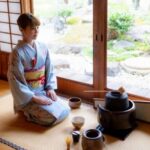
In the Traditional Townhouse option, you’re in a warm, living-room style setting with a capacity of about 11 guests. The performance is solo sets on koto and shamisen, typically around 4–5 pieces. If you like hearing details (small changes in volume, attack, and rhythm), this is the one that makes the instruments feel personal.
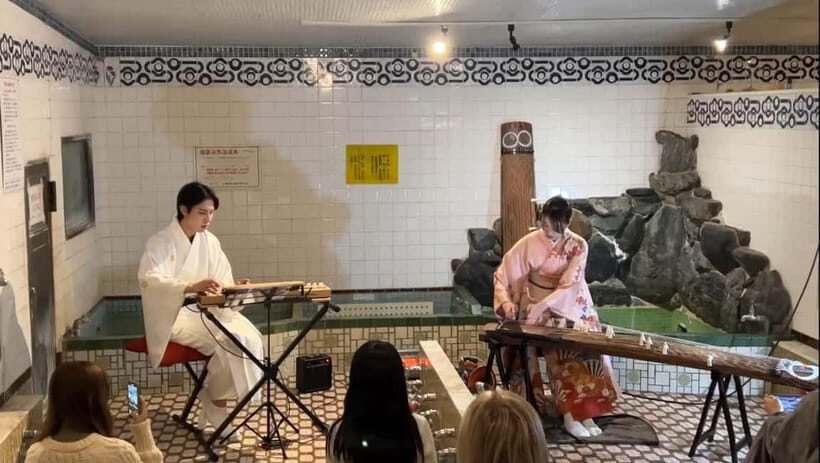
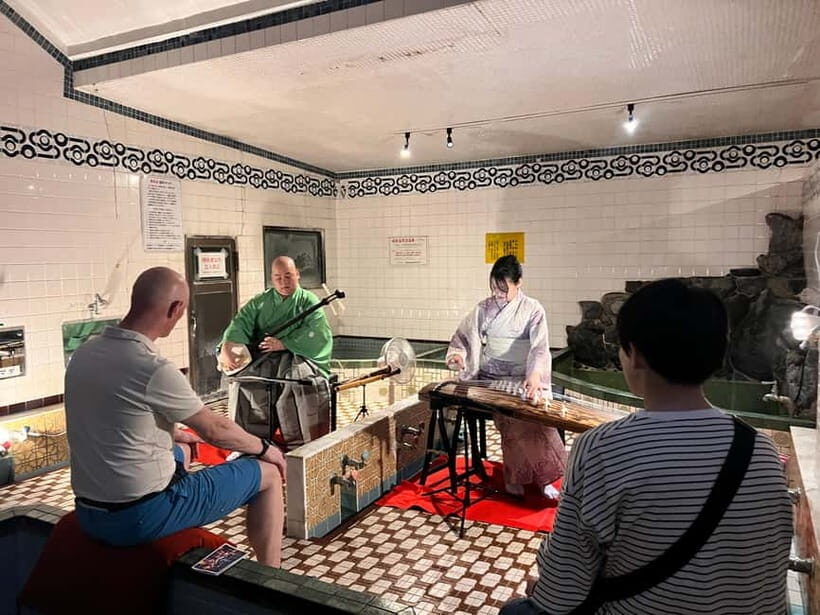
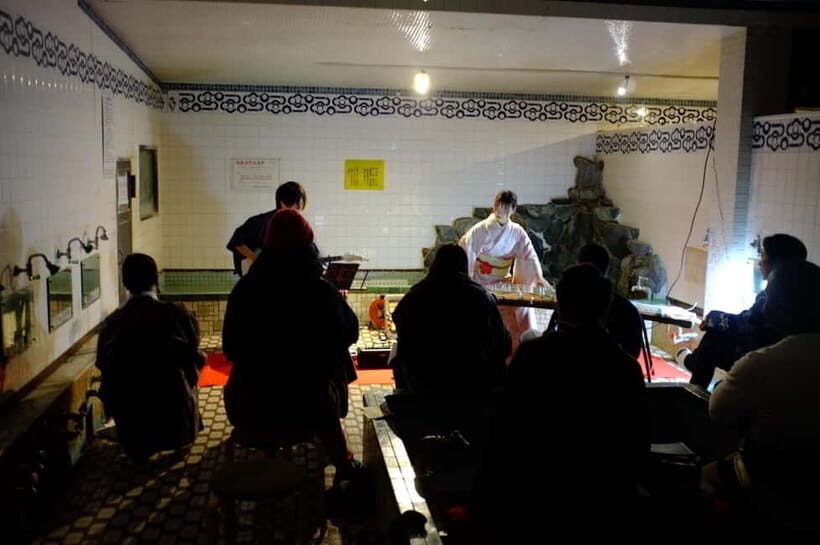
The Historic Bathhouse Hall option is a bigger space, with capacity up to about 30 guests. Instead of only solo pieces, you’ll get a koto duet paired with another instrument (often shamisen, shakuhachi, taishōgoto, flute, guitar, and similar). The hall’s tiled walls give you natural reverberation, so the music feels more enveloping and dramatic.
If you’re choosing between them, think like this: Townhouse = close and conversational. Bathhouse = atmospheric and resonant.
A few more Kyoto tours and experiences worth a look
What actually happens during the 45–105 minutes
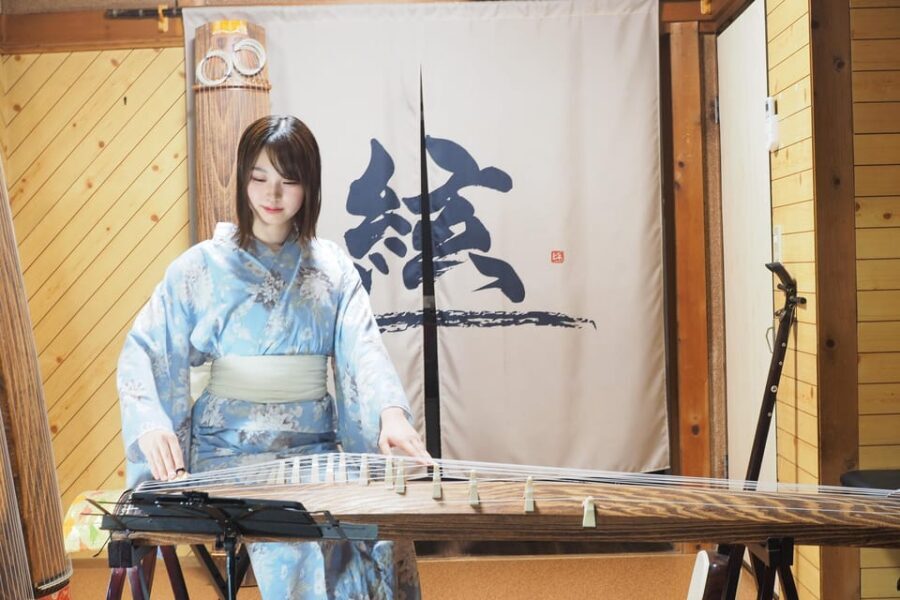
The timing is short enough to feel like a “real Kyoto night” rather than a long tour day. Most sessions follow the same flow, with slight variation depending on whether you booked the townhouse workshop.
Here’s how the program unfolds:
Check-in and seating (about 5–10 minutes). You’ll get welcomed and briefed on venue etiquette. Even if you don’t know anything about Japanese instruments, this part matters because you learn the rules of the room before the music starts.
Instrument introduction (about 10–15 minutes). This is one of the best parts for first-timers. You’ll learn how koto and shamisen are played, including key details like how picks/bridges work and how the notation functions. In at least some recent sessions, hosts also explained how to read the sheet music, which turns the concert from background sound into something you can track.
The concert itself (about 25–30 minutes). You’ll hear 4–5 pieces. In the townhouse you’re usually listening to solo sets, while the bathhouse adds duet pairings and a more “multi-instrument story.”
Q&A and photos (about 5–10 minutes). After the music, you shift from listening to conversation. You’ll meet the artists and get quick stories behind pieces. There’s also a photo-opportunity window built into the schedule.
Optional hands-on koto workshop (35–40 minutes). Only available for traditional townhouse bookings. You’ll try basic techniques and a short phrase on sanitized instruments, with guidance aimed at beginners.
If you’re deciding what to book, here’s the practical thought: if you want pure listening, pick the concert only. If you want a memorable “I did something” moment, add the workshop.
What you’ll hear: classical, contemporary, and artist-chosen repertoire
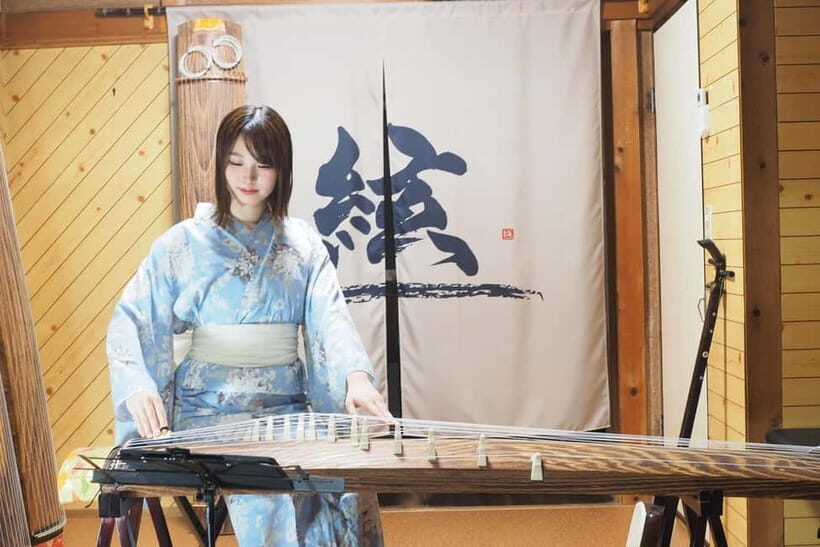
The repertoire isn’t random background music. It’s designed to show range.
In the Townhouse option, the solo programs typically include 4–5 pieces mixing Japanese classical material with contemporary works. The program changes by season and performer, so you’re not stuck hearing the same two safe standards.
You might even notice the way the performers frame each piece. The show often includes short commentary on what you’re listening for. That’s huge because koto and shamisen music can sound like a continuous flow if you don’t know what’s happening under the fingers.
In the Bathhouse Hall, the music leans into collaboration. You’ll still get a selection of about 4–5 pieces (not counting an opener), but the signature feature is the koto duet plus another instrument. The other instruments can vary—think shakuhachi, taishōgoto, flute, or guitar—so the music can shift from lyrical and airy to rhythmic and punchier, depending on pairing.
Also, don’t assume you’ll hear only one instrument all night. In past shows, some people specifically wished for more shamisen time. That tells me the balance can vary by program, which is normal for this kind of artist-driven repertoire. If your heart is set on shamisen, it’s worth checking which venue/date you’re booking.
The part that makes it special: Q&A, direct access, and real explanations
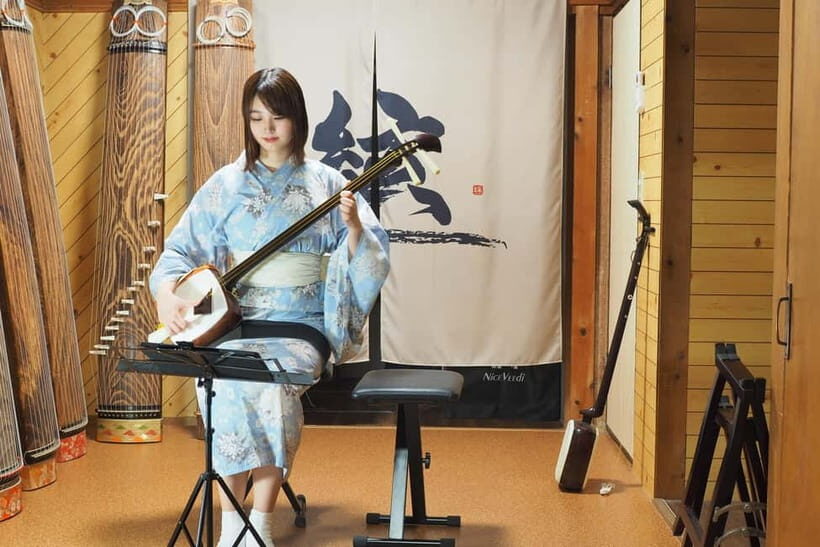
Plenty of performances stay behind a wall. This one doesn’t.
After the concert, you get a short Q&A and a chance to ask about the pieces you just heard. You’ll often hear stories tied to instruments, performance style, or why a particular composition was chosen. This is where the bilingual mini-commentary pays off: even if your Japanese is basic, you can follow the thread.
From the way hosts and performers guide the room, you can tell they expect questions. People have asked about materials, how the instruments are made to produce sound, and how techniques translate into the music you heard. If you’re nervous about asking something “wrong,” you can keep it simple:
- Which technique creates that “twang” or shimmer?
- How do you read the notation for a koto piece?
- What’s the difference in feel between classical and contemporary arrangements?
One more thing: the experience is built around a close seating setup. Even with the bathhouse’s larger capacity, it still doesn’t feel like a theater with distant performers. That closeness is a big reason people call it a standout cultural experience in Kyoto.
Getting there and fitting it into a Kyoto day
You don’t need to build your whole trip around this. You just need to place it smartly.
If you’re staying near major lines, these suggested connections can help you stitch it together with sightseeing:
- Arashiyama (about 25 minutes): Walk to Saiin Station, take Hankyu to Katsura, transfer to the Randen Line. This can work as either a before or after concert plan.
- Nijō Castle (about 20 minutes): One stop from Saiin on the Tozai subway line.
- Kinkaku-ji (about 20 minutes): Take a bus from Nishioji Sanjō (around 16 minutes) plus a short walk.
- Nishiki Market (about 25 minutes): A direct Hankyu ride to Karasuma or Kawaramachi, great for shopping and quick bites.
Two practical notes based on real-world experience:
1) Location can be a little tricky to find for some people. One person said it was easier to use longitude/latitude than the address. If you rely on a map app, double-check that the pin is correct before you go.
2) Plan for a relaxed start. Sessions begin with check-in and seating, so arriving early helps you avoid stress in a small venue.



Price and value: why $32 can feel like a bargain
At about $32 per person for a 45–105 minute experience, this can be excellent value—especially compared with sightseeing-heavy evenings that don’t teach you much.
Here’s what you’re paying for:
- Professional performance (4–5 pieces) by trained koto/shamisen musicians
- Bilingual mini-commentary that explains instruments and repertoire
- Post-concert Q&A and a photo opportunity
- In townhouse bookings, an optional workshop with hands-on koto practice using sanitized instruments
The real value is that you’re not just buying a ticket. You’re buying time with the instrument and with the people who play it. In a small townhouse setting (up to about 11 guests), you’re also paying for access: you can hear details and ask follow-up questions.
Is it perfect value for everyone? If you only want “big stage” entertainment, a small intimate program might feel too quiet. Also, workshop time adds cost and time, so it’s best if you’ll actually use it and not just watch. But if you enjoy explanations and want to leave Kyoto with a specific cultural memory, the price is easy to justify.
Who should book this koto and shamisen concert (and who might not)
This works especially well for:
- First-timers who want a gentle introduction to Japanese instruments without needing prior knowledge
- Music lovers who like hearing how instruments work, not only hearing the final sound
- People who prefer smaller, calmer experiences over packed sightseeing
It may be less ideal if:
- You need a guaranteed bathhouse slot on a specific Monday, since the hall is offered irregularly.
- You’re traveling with a very young child. It’s not suitable for babies under 1 year.
- You’re expecting a large theater-style show with long singing or dancing segments. This is instrument-focused.
If you’re on a short Kyoto trip, I’d treat this as one of your “anchor nights.” It’s the kind of cultural experience that changes how you listen to music later.
Should you book Kyoto: Traditional Concert at Townhouse or Bathhouse?
Yes—if you want a real Kyoto evening that feels personal, not mass-tour organized.
Book the Townhouse if you love intimacy and want the option to try the koto workshop. The small group format is one of the biggest perks: you’ll hear nuance, follow explanations, and actually get time in the conversation portion.
Book the Bathhouse Hall if you’re excited by sound in a resonant room and you like the idea of duets that mix koto with another instrument. Just plan around its irregular Monday schedule so you’re not left guessing.
If you’re trying to choose one and you’re torn between “close-up learning” and “atmospheric duet sound,” here’s my simple suggestion: pick the Townhouse for value and access. If you have room in your schedule, adding the Bathhouse can give you two very different listening experiences with the same core instruments.
FAQ
How long is the concert?
Most sessions run from about 45 to 105 minutes, depending on whether you book the optional workshop.
What’s the difference between the townhouse and the bathhouse hall?
The townhouse is a smaller, cozy setting (about 11 guests) with solo koto and shamisen programs. The bathhouse hall is larger (up to about 30 guests) and features koto duet programs paired with another instrument in a resonant hall.
Do I need any prior knowledge of Japanese instruments?
No. The experience is set up for people with little prior knowledge, with explanations provided during the program.
Is there an option to learn the koto?
Yes. The traditional townhouse booking can include an optional hands-on koto workshop with sanitized instruments and beginner-friendly guidance.
Will there be time for questions?
Yes. After the concert, there’s a Q&A period where you can meet the musicians and ask questions.
Is the concert only in English?
No. There’s bilingual mini-commentary in Japanese and English.
Where can I fit it near other Kyoto sights?
The activity can be paired with nearby areas like Arashiyama (about 25 minutes), Nijō Castle (about 20 minutes), Kinkaku-ji (about 20 minutes), and Nishiki Market (about 25 minutes), depending on where you start.
Is it suitable for very young children?
It’s not suitable for babies under 1 year.