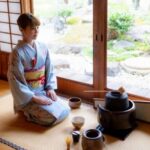
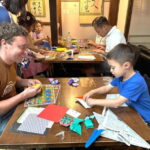
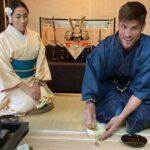
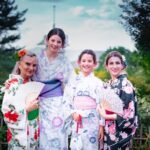
This is Japanese traditional music in a small, old Kyoto house. You’ll hear koto and shamisen played live by professionals, then get time up close to ask questions and see how the music works.
I especially love the intimate setting. It feels less like a ticketed show and more like you’re being welcomed into someone’s home, with an easy conversation before and after the music.
The one drawback to plan for is simple: the house can be hard to find in a residential area, and if you arrive late your experience time may get shortened.
In This Review
- Key highlights you’ll care about
- Why a koto and shamisen concert inside an old Kyoto house hits differently
- Before the music: how you’ll meet the instruments (and the sheet music)
- The live performance: classical meets contemporary, plus original work
- Q&A time at arm’s length: ask, compare, and get real answers
- The koto class portion: your first notes with pro guidance
- What the included materials and private session mean for your comfort
- Price and value: why $38 can feel like a steal in Kyoto
- Getting there and planning your Kyoto day around Arashiyama, Nijo, and Nishiki
- Practical tips: avoid the small-house finding stress
- Who should book this koto and shamisen experience
- Should you book it
- FAQ
- How long is the concert and koto class?
- What do I get during the experience?
- Is this suitable for beginners?
- Is it a private group or a shared group?
- What languages are available?
- What’s included in the price?
- Is it okay for young children?
Key highlights you’ll care about
- A live performance of koto and shamisen, mixing classical, contemporary, and original pieces
- A real Q&A with the performer (questions feel welcome, not awkward)
- Beginner-friendly hands-on koto time, guided step by step with the instrument
- Up-close photos and a warm, homey atmosphere that feels authentically Kyoto
- A small-group vibe, often private or small depending on what you book
- Flexible repertoire that can change by season or performer
Why a koto and shamisen concert inside an old Kyoto house hits differently
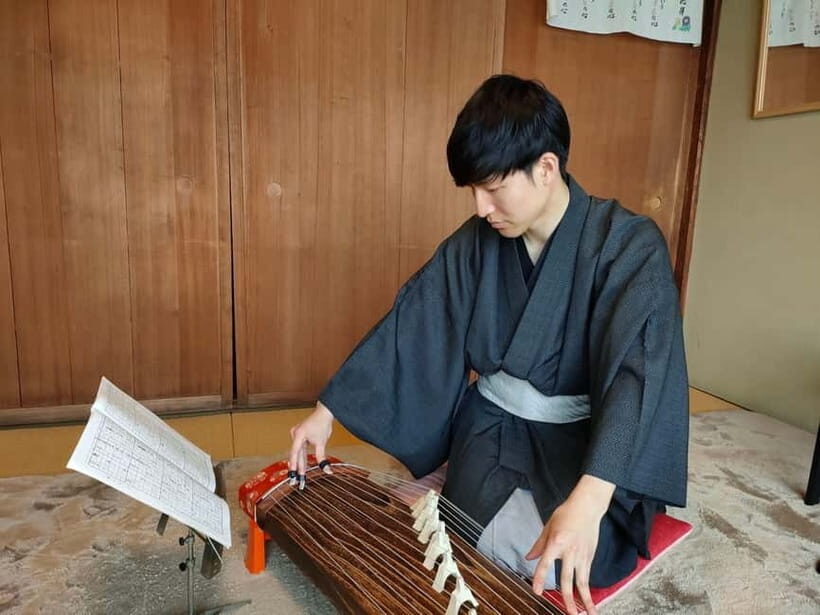
Kyoto can be full of big sights with big crowds. This experience takes you somewhere quieter: a cozy home setting in a small, traditional Japanese house rather than a temple hall or formal theater.
That change in setting matters. The sound of koto and shamisen is delicate, and in a small room you hear details you’d miss in a larger venue—how notes start, how they sustain, and how different playing techniques change the timbre. It also makes the whole event feel personal, like you’re invited into the practice space of the music.
A few more Kyoto tours and experiences worth a look
Before the music: how you’ll meet the instruments (and the sheet music)
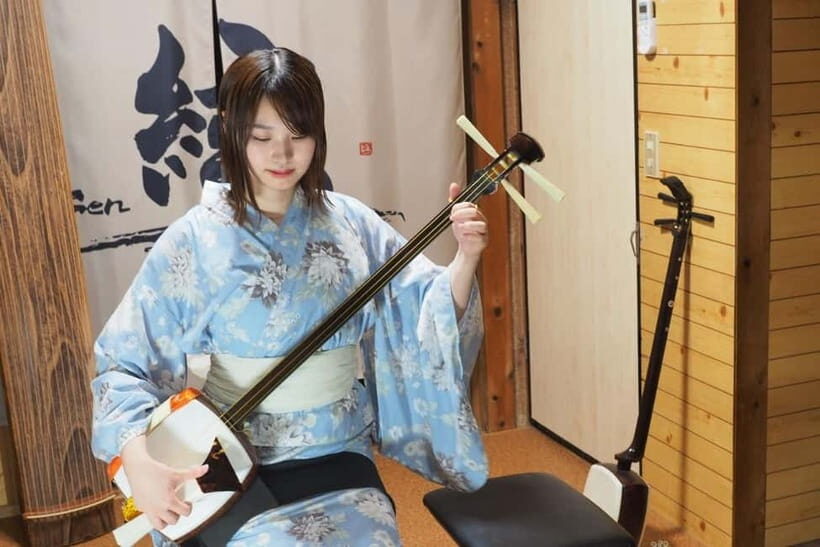
The program starts with a brief introduction to Japanese traditional instruments, especially the koto and shamisen. You’ll also get an explanation of how the music is presented, including the idea of reading from sheet music in a Japanese context.
What I like about this part is that it doesn’t drown you in theory. Instead, it gives you a quick map for what you’re hearing, so the performance doesn’t turn into a vague background soundtrack.
Expect this to be practical, with English and Japanese available. In past sessions, interpreters and presenters have been friendly and clear, including giving context on origins and how to follow the score.
The live performance: classical meets contemporary, plus original work
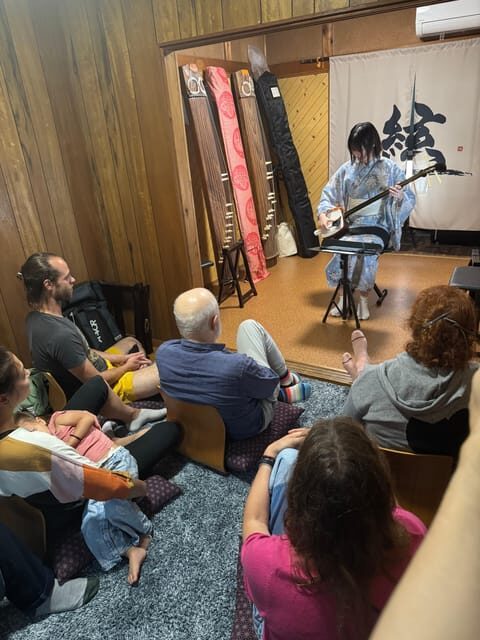
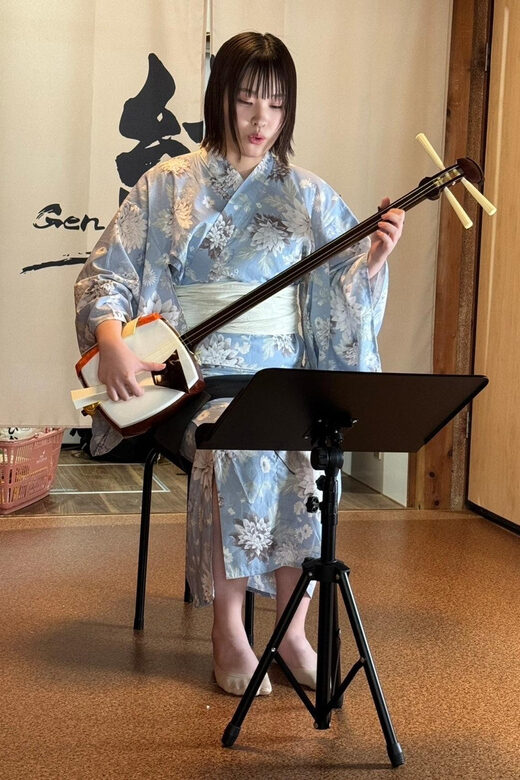
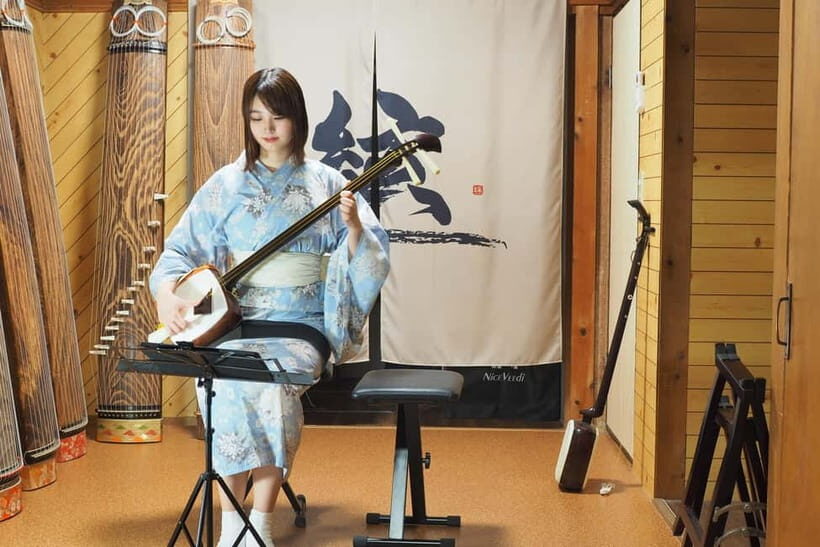
Once the introductions are done, you settle in for a live koto and shamisen performance. The repertoire can range from classical pieces to contemporary selections, and you may also hear original compositions.
A big reason people love this part is the variety. Traditional pieces can include sung elements, which adds a human voice to the instrumental sound. Then the contemporary sections bring more energy and a different feel, so you’re not stuck listening to one style for the whole time.
You’ll also notice the difference in technique. With both instruments in use, you can hear how changes in touch and playing style affect the quality of the sound—something you can’t really get from recordings.
Q&A time at arm’s length: ask, compare, and get real answers
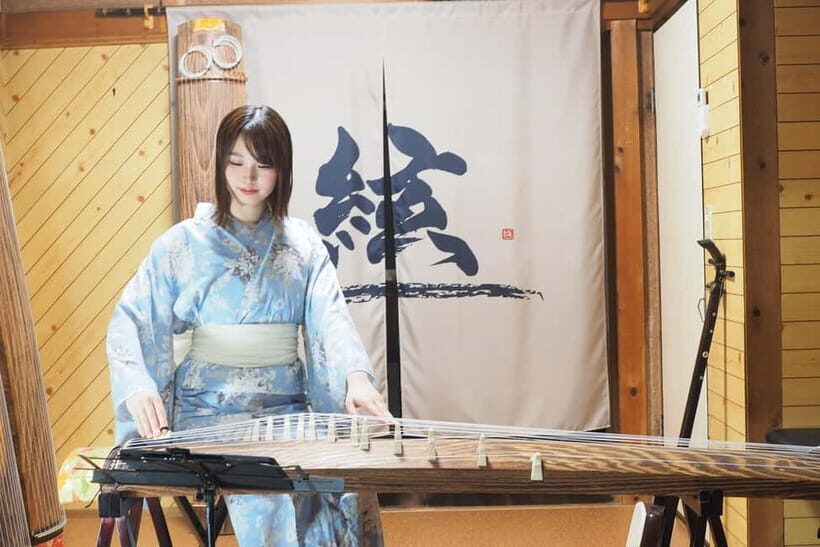
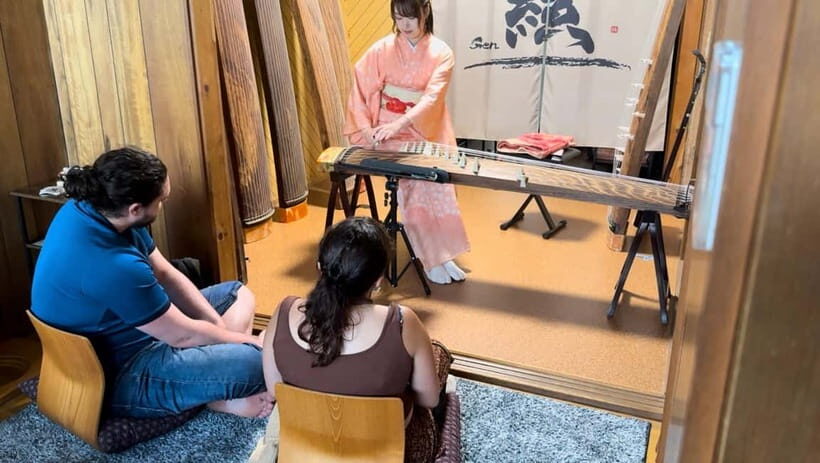
After the performance, the experience shifts into something more interactive: a close-up Q&A session with the professional musician. This is one of the best parts to plan for, because you get time to ask the kind of questions you usually can’t during a formal concert.
People often come away appreciating that they can ask freely and feel comfortable doing it. If you’re curious about how a part is played, what a particular passage is doing, or why certain techniques sound a certain way, this is where you can get answers directly.
And yes, you’ll get photo time too. In a small room, photos don’t feel rushed, and you’re not fighting for space with a crowd.
The koto class portion: your first notes with pro guidance
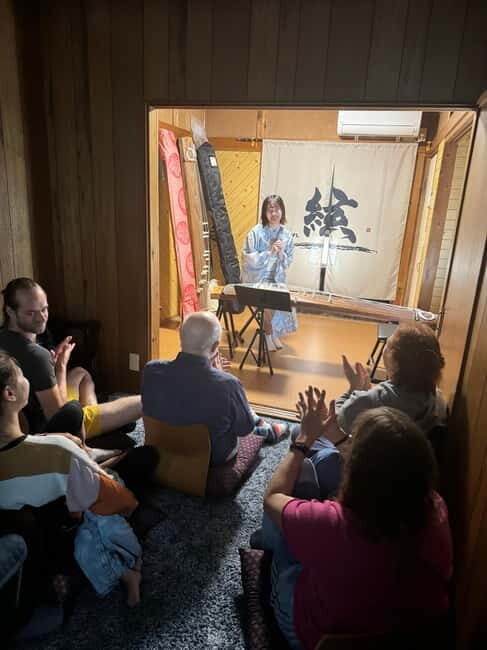
At the end, you get to try playing the koto yourself. This isn’t a vague “touch the instrument” moment; you’ll be guided through a simple piece so you can actually produce something musical.
The value here is real. Using the instrument with support means you don’t waste the session guessing where your hands should go or how to make the sound behave. For true beginners, the encouragement matters as much as the technique.
In some recent sessions, instructors have been patient and supportive with people who are brand-new to music. Some participants even got chances to explore their own ideas during the lesson, which makes it feel less like a script and more like a conversation with the instrument.
A few more Kyoto tours and experiences worth a look



What the included materials and private session mean for your comfort
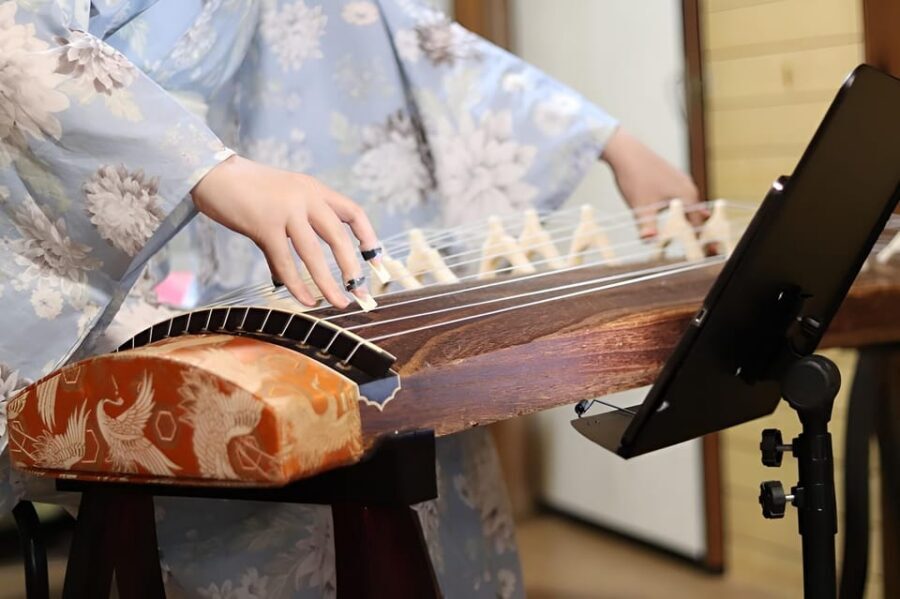
You’re not just watching. The experience includes all necessary materials and tools, plus use of the koto. You’ll also get instructor guidance and a cultural introduction that explains what you’re hearing and why it matters.
The listing also allows for private or small groups, and the experience includes a private session for your group. In practice, that usually means you’re more likely to get attention when questions come up—and it helps the lesson feel personal instead of staged.
Photos are included too, so you don’t have to rely on your own camera skills to capture the moment.
Price and value: why $38 can feel like a steal in Kyoto
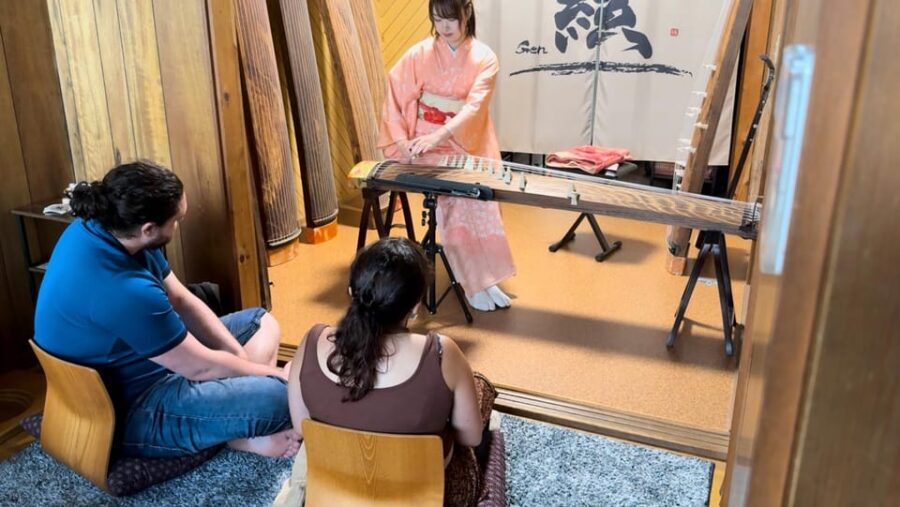
At $38 per person for a program that runs about 1 hour to 100 minutes, this sits in the sweet spot for value. You get a live performance, cultural context, a Q&A, and hands-on time with the instrument—plus photos.
In cities like Kyoto, ticket-only concerts can cost a similar amount or more, but they don’t usually include instrument access or direct coaching. Here, the hands-on element changes the math: you’re paying for time with professionals and for the instrument experience itself.
One extra detail to know: some sessions may offer a performance-only option that can cost less. If you mainly want to hear the music without playing, that’s worth asking about when you book.
Getting there and planning your Kyoto day around Arashiyama, Nijo, and Nishiki
This activity works well as a planned evening stop or as a break between sightseeing bursts. It’s in Kyoto’s Honshu area, and you’ll be in a more residential part of the city compared to the temple circuit.
Here are nearby sights and practical timing that can help you build a route:
- Arashiyama: about 25 minutes by train & on foot (around Saiin Station area, with an easy transfer point)
- Nijo Castle: about 20 minutes by train & on foot (close to Nijo Castle-mae on the Tozai Line)
- Kinkakuji (Golden Pavilion): about 20–25 minutes by bus & on foot from Nishioji Sanjo bus stop
- Nishiki Market: about 25 minutes by train & on foot, convenient before or after shopping and food
Because the meeting point can vary depending on what you book, give yourself extra buffer time. In small alleys and residential neighborhoods, it’s easy to be a few turns off and lose five to ten minutes.
Practical tips: avoid the small-house finding stress
Finding a small house in a residential Kyoto area can be the difference between a smooth start and a stressed start. One common note from people: the lane/approach area can feel dim, and you might wait outside until close to the show time.
So do this:
- Arrive a bit early so you can locate the entrance calmly
- If you’re unsure, use a taxi to drop you near the area, then walk the last bit carefully
- If you’re late, expect your experience time could be shortened
If you have physical limitations or allergies, tell the team ahead of time. The experience asks for that information in advance, and it helps them plan your comfort.
Who should book this koto and shamisen experience
This is a strong fit if you:
- Want authentic Japanese instrument culture without needing musical knowledge
- Love small, personal settings with real conversation
- Are curious about the difference between koto and shamisen sound and technique
- Want a structured beginner-friendly introduction plus hands-on playing
It’s also a nice family activity, but keep age limits in mind. It isn’t suitable for children under 4 years old, and babies under 1 are also not suitable, based on the provided rules.
If you prefer big, high-energy entertainment with constant action, you might find this slower and more intimate than that. But if you’re after something calm, skillful, and close up, this works.
Should you book it
I think you should book this if you want Kyoto music that’s practical, personal, and hands-on. For the price, you’re getting more than a concert: you’re getting professional performance, context you can actually use while listening, a Q&A that respects your curiosity, and a guided chance to play the koto.
Only skip it if you’re the type who hates small spaces, or if you don’t want the effort of locating a small house entrance in a residential neighborhood. For everyone else, it’s the kind of experience that turns into a clear memory, not just a night out.
FAQ
How long is the concert and koto class?
The duration is listed as 1 hour to 100 minutes. Check availability to see the specific starting times.
What do I get during the experience?
You’ll get a brief introduction to the instruments, a live performance of koto and shamisen, time for Q&A and photos, and a guided chance to try playing the koto at the end.
Is this suitable for beginners?
Yes. The experience is described as beginner-friendly and accessible, with skilled instructor guidance and support during the hands-on part.
Is it a private group or a shared group?
You can choose private or small groups. A private session for your group is included.
What languages are available?
Instruction and interpretation are offered in English and Japanese.
What’s included in the price?
Included items are all necessary materials and tools, use of a koto instrument, skilled instructor guidance, a brief history/cultural introduction, a private session for your group, and photos of your experience.
Is it okay for young children?
No. It is not suitable for children under 2, 3, or 4 years old, and babies under 1 year are also not suitable.