Miso becomes understandable fast.
This 90-minute Kyoto workshop turns the shelves of miso into something you can actually choose. I like that you get 10 miso tastings side by side, plus miso soup, so you can feel how fermentation changes flavor. It also helps that it’s set up for central Kyoto access, so you can fit it between sights without a big commute.
You also get to make something, not just taste. I especially like the hands-on miso balls activity, where you pick toppings and then use your favorite miso as part of a light meal. The instructor, Hasumi, makes the whole session feel warm and questions-friendly, even when you’re still figuring out what you’re smelling and tasting.
One possible drawback: the workshop is taught in English and Japanese, but some people may find the spoken English harder to catch at full speed. If you’re the type who wants very exact language around differences, come ready with a few simple questions, and don’t be shy about asking them.
In This Review
- Key highlights I’d pencil into your Kyoto plan
- A short orientation: what you’re really doing in this Kyoto miso workshop
- How the 10 miso tastings work (and how to taste without overthinking)
- Fermentation, regions, and color: turning flavors into useful knowledge
- The hands-on part: making miso balls the easy way
- Your light meal: how miso shows up beyond one flavor
- Where it is in Kyoto: easy access near Shijo, Karasuma, Omiya, and Nishiki
- Price and value: why $56 feels reasonable here
- Dietary needs: vegan, gluten-free, halal-friendly, and allergy-free options
- Language and comfort: what to expect with English and Japanese
- Who should book this miso workshop in Kyoto?
- Quick tips before you go
- Should you book this Kyoto miso workshop?
- FAQ
- What’s the duration of the Kyoto miso workshop?
- How much does it cost?
- Where is the meeting point?
- How many people are in the group?
- What will I taste during the workshop?
- Will I make anything during the class?
- Can I choose toppings for the miso balls?
- Can dietary restrictions be accommodated?
- What languages are used by the instructor?
- What should I bring?
Key highlights I’d pencil into your Kyoto plan
- 10 miso and miso soup tastings: compare aroma, richness, and balance in one session
- Fermentation + color clues: learn what different color differences can mean
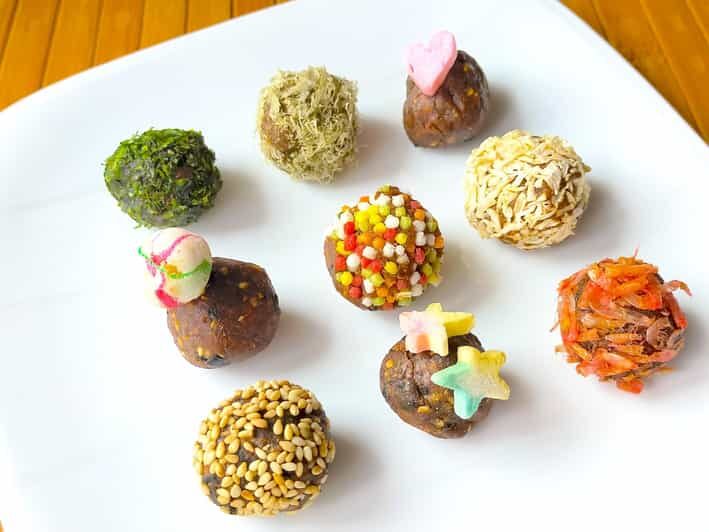
- Make your own miso balls: add toppings and prepare a simple soup portion
- Hands-on light meal: taste miso in a practical, everyday way
- Small group (max 5): more Q&A time, less waiting
- Beginner-friendly pace: clear intro with a quiz and visual tools
A short orientation: what you’re really doing in this Kyoto miso workshop
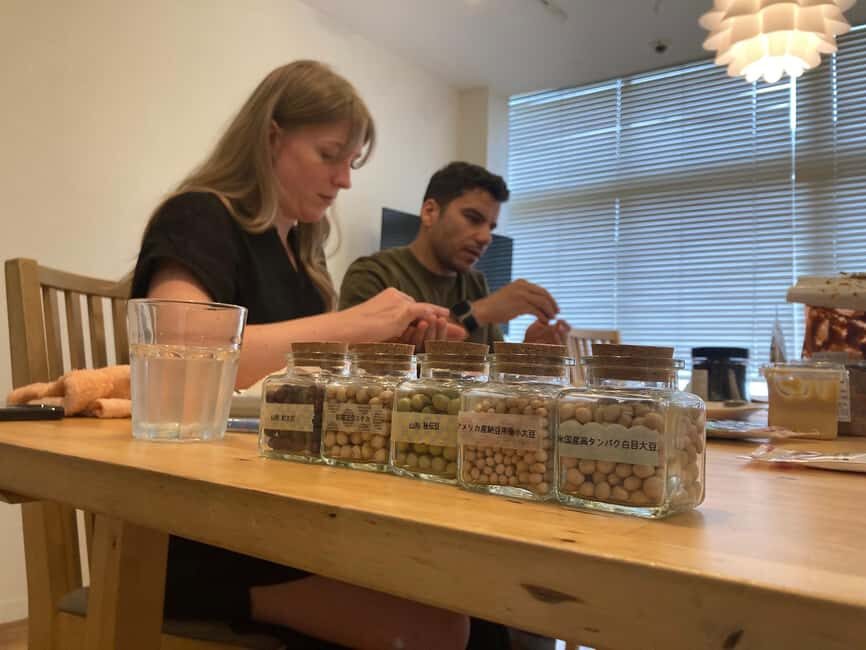
Think of this as a “miso literacy” class that happens through your senses. You start with a quick interactive introduction, then you move into tasting, then you get hands-on with miso balls, and finally you eat a light meal made with the styles you tested.
The workshop is grounded in real Japanese home-cooking basics. Miso isn’t treated here as a single paste; it’s taught as a fermentation product with regional habits and ingredient choices that affect the final taste.
You’ll also learn the cultural side without the lecture vibe. The session covers the history and regional varieties, how fermentation works, what color differences can mean, and even the health benefits tied to miso.
If you're still narrowing it down, here are other tours in Kyoto we've reviewed.


How the 10 miso tastings work (and how to taste without overthinking)
The core of the experience is the tasting portion. You’ll sample 10 kinds of miso and also taste miso soup made from different ones. This is where you stop guessing and start noticing patterns.
What you’ll compare, in a very practical way:
- Aroma: how sweet, earthy, or tangy it smells
- Richness: how heavy or light it tastes
- Balance: how salty the finish feels compared to the rest
The format matters. Side-by-side tasting forces you to notice the differences quickly, instead of only remembering one flavor. If you’ve ever stood in front of miso shelves and felt overwhelmed, this structure is exactly the antidote.
And you’re not just tasting dry paste. The workshop includes miso soup tasting too, which changes the experience. Miso tastes different when it’s mixed with hot water, because you’re changing how the flavors read on your tongue.
Fermentation, regions, and color: turning flavors into useful knowledge
The tastings are supported by simple explanations you can actually use later. You’ll learn how fermentation techniques influence what you taste, and how regional styles develop distinct flavor profiles.
One detail I’d pay attention to is the discussion of color differences. Miso can range from pale to darker shades, and the class connects those colors to the idea of fermentation and style, so you’re not just “collecting names.”
Another useful concept here: miso isn’t only for soup. By the time you reach the hands-on parts, you’ll understand why Japanese cooks treat miso like a flexible ingredient—comforting in a simple bowl, but also adaptable in small everyday meals.
If you like learning through food, this balance of sensory work and explanation is the sweet spot. It doesn’t require any cooking knowledge, and it gives you vocabulary you can use when you’re buying miso back in your neighborhood.
The hands-on part: making miso balls the easy way
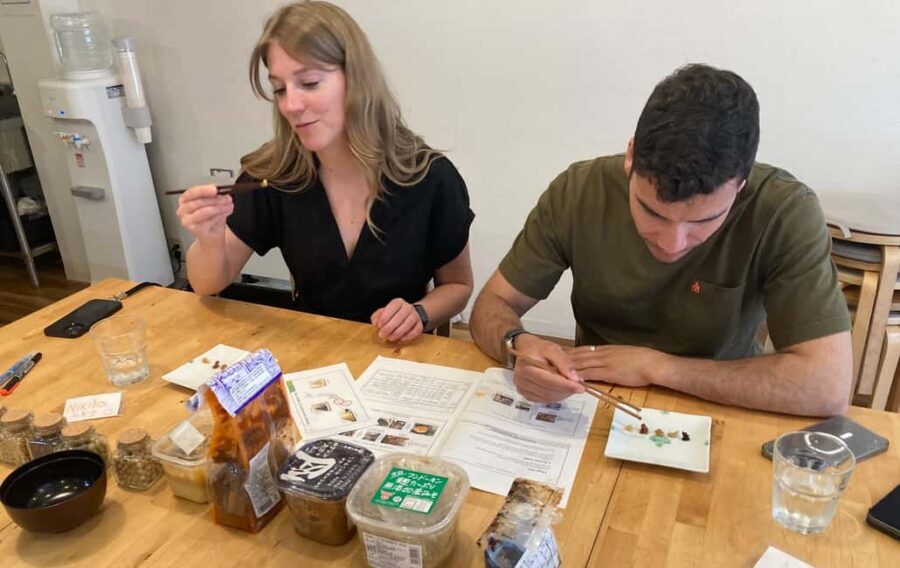
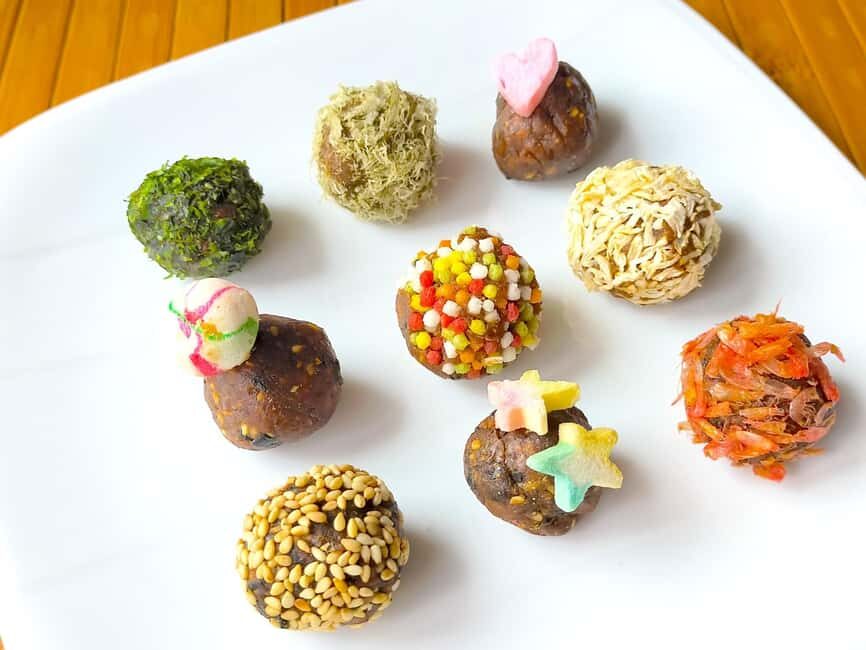
After the tastings, you’ll choose your favorite miso. Then comes the fun part: making miso balls (portioning miso into a simple, ready-to-use form).
This is designed to be approachable. The workshop teaches you how to make your miso balls in a straightforward way, and you can choose your own toppings. That means you’re not stuck with a single version of “your” miso—you get to customize the look and texture of your soup portion.
Why miso balls matter for your real life: the takeaway format is meant for easy use. You’re essentially making a compact starter you can dissolve later with hot water. If you’ve ever tried to recreate Japanese flavors at home and had it turn out too salty or too weak, portioning helps a lot.
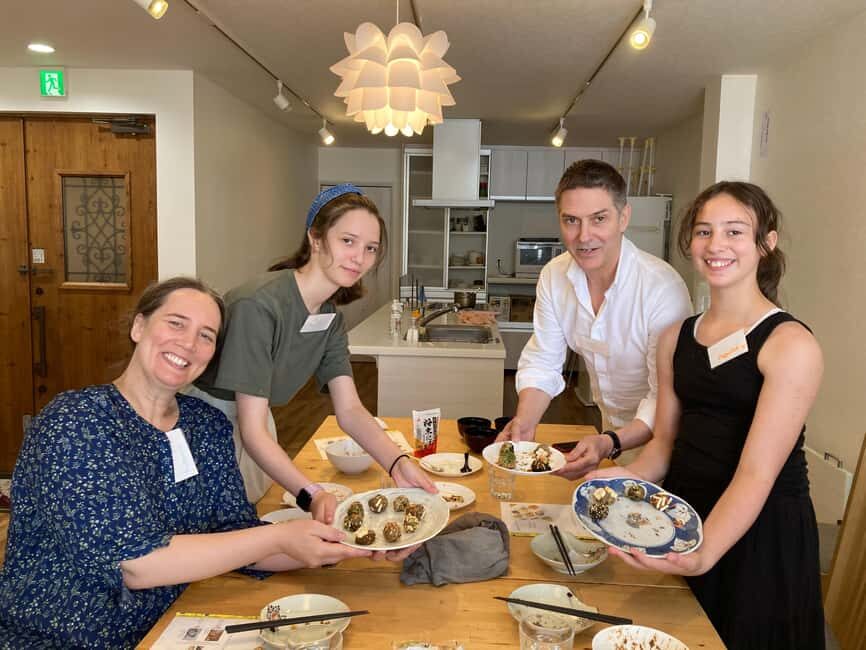
You’ll also prepare and enjoy a light meal at the end, using different miso styles. That final eating time isn’t just dessert-level fun—it’s your chance to learn how your chosen miso behaves when it’s part of a meal, not just a tasting.
Your light meal: how miso shows up beyond one flavor
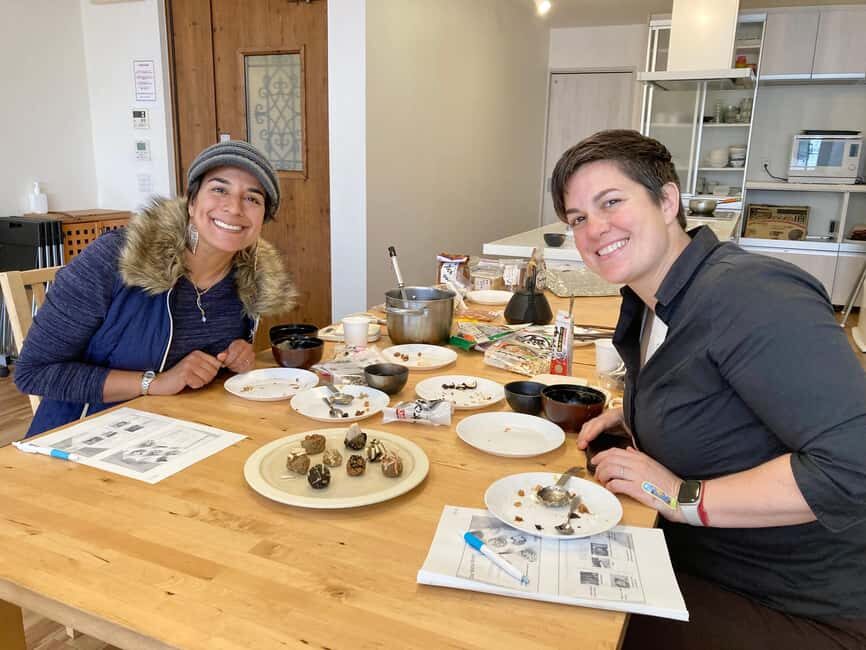
The last segment is where the workshop feels most practical. You’ll prepare and enjoy a light meal together using multiple miso styles you’ve tested, not just your one favorite.
The point is to help you understand versatility. Some miso will taste more rounded when warmed; others might read more sharp or earthy depending on the soup and balance. Instead of telling you which one is best, the workshop shows you how different styles behave.
If you’re traveling and want food that’s still light (not a heavy dinner), this part fits well. It’s enough to feel satisfied, but it doesn’t turn into a full day of eating.



Where it is in Kyoto: easy access near Shijo, Karasuma, Omiya, and Nishiki
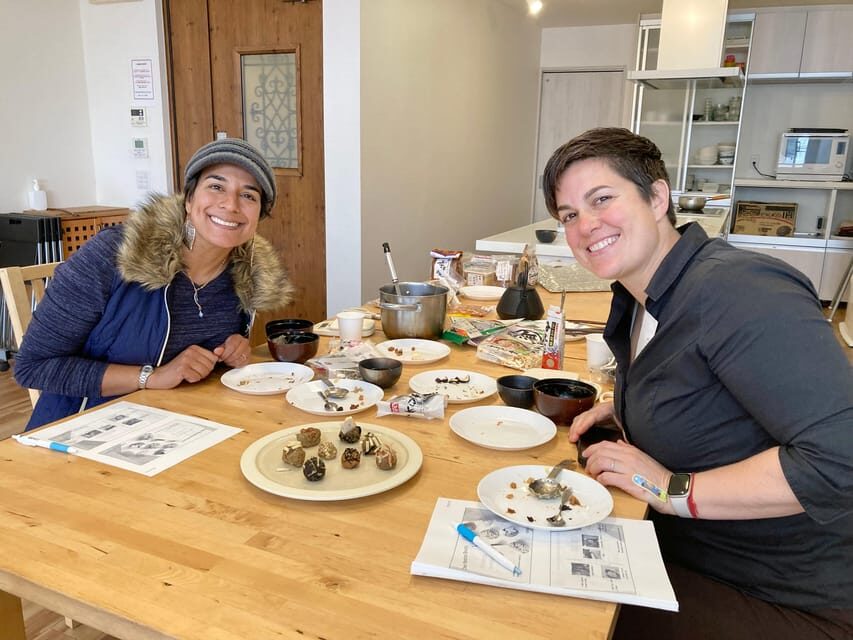
Location is one of the smartest parts of this experience. The meeting point is in central Kyoto, and getting there is simple from major areas.
Here’s what you can count on:
- About 7 minutes from Omiya Station (Hankyu Kyoto Line)
- Within about 20 minutes from Kyoto Station and Nishiki Market
- About a 10-minute walk from Shijo Station (Karasuma Line)
- About a 15-minute walk from Nishiki Market
Meeting instructions are specific: take the elevator to the third floor and press the doorbell for 302. The first floor has a Japanese restaurant, so you can use that as a visual anchor when you’re confirming you’re at the right building.
If you’re planning to pair this with shopping at Nishiki Market, you can do it without stress. The walking distance is realistic, and the timing (90 minutes) keeps your day flexible.
Price and value: why $56 feels reasonable here
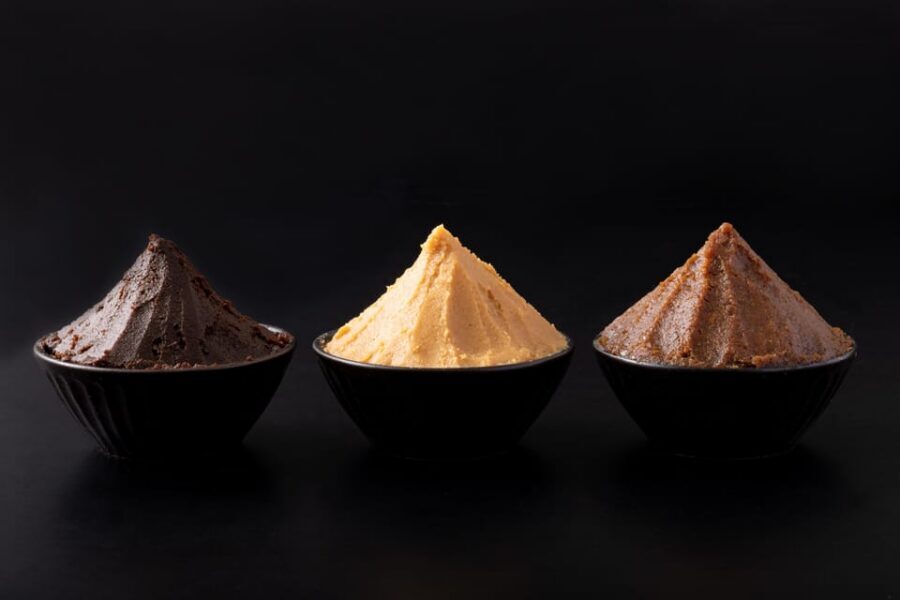
At $56 per person for 90 minutes, it’s not a “cheap snack class,” and it also isn’t overpriced for what you get. In this workshop, the value comes from the mix of tasting + hands-on making + food.
You’re paying for:
- The intro to miso history, regional varieties, fermentation, and health benefits
- Tastings of 10 miso types plus miso soup
- Creating miso balls with your choice of toppings
- A light shared meal using different miso styles
- A take-home miso soup portion (a miso soup pack you make as part of the session)
And the small group (max 5) helps the value. When the class is small, you get more attention and more chances to ask questions—especially useful if you’re trying to understand why two miso brands taste totally different.
Dietary needs: vegan, gluten-free, halal-friendly, and allergy-free options

This workshop is set up to handle dietary needs with advance notice. They list options including vegan, vegetarian, gluten-free, and halal-friendly, and they also say allergy-free ingredients can be prepared.
The key detail is simple: let them know at the time of reservation. If you have allergies or strict diet needs, don’t wait until arrival.
If you’re traveling with dietary restrictions in Kyoto, this is a big deal. You’re not stuck hunting for a workaround at the last minute.
Language and comfort: what to expect with English and Japanese

Instruction is offered in English and Japanese. That’s a plus on its own, because miso has terms that are easier to learn with explanations and repetition.
There is one consideration: spoken English clarity may vary. Some people have had an easier time following when they could ask questions, so the best move is to treat the session like an interactive food conversation, not a formal lecture.
Also, because the group is limited to 5, you can usually ask follow-ups. If you’re curious about “why this one tastes sweeter” or “what makes that one more mellow,” asking tends to work well in this format.
Who should book this miso workshop in Kyoto?
You should book if you:
- Love Japanese food and want a smarter way to choose miso
- Want hands-on practice (miso balls) rather than only tasting
- Prefer small groups and conversational Q&A
- Travel with dietary needs and want ingredient adjustments
You might skip if:
- You mainly want a long dinner experience instead of a short workshop + light meal
- You don’t enjoy tasting comparisons or learning through smell and taste
Quick tips before you go
Bring water and wear comfortable clothes. The workshop is paced for beginners, but you’ll still be standing, tasting, and making.
If you have dietary restrictions, message ahead so ingredients can be prepared correctly.
And mentally, don’t treat miso like one thing. The whole lesson is that miso has types, styles, and fermentation paths that change the final flavor.
Should you book this Kyoto miso workshop?
Yes, if you want a fun, beginner-friendly way to understand miso that you can actually use after the class. The standout value is the 10 miso tastings, paired with a hands-on miso ball making experience and a take-home miso soup pack.
It’s also a good fit for central Kyoto sightseeing days, since the location is walkable from major stations and it runs for 90 minutes.
If you’re very sensitive to spoken English clarity, plan to ask questions and use the bilingual setting to your advantage.
FAQ
What’s the duration of the Kyoto miso workshop?
The experience lasts 90 minutes.
How much does it cost?
It costs $56 per person.
Where is the meeting point?
Go to the third floor by elevator, then press the doorbell for 302. There is a Japanese restaurant on the first floor, and the meeting point is marked on Google Maps with the provided link.
How many people are in the group?
The group is small, limited to 5 participants.
What will I taste during the workshop?
You’ll taste 10 different kinds of miso and miso soup.
Will I make anything during the class?
Yes. You’ll choose your favorite miso and make miso balls, then you’ll prepare and enjoy a light meal using different miso styles.
Can I choose toppings for the miso balls?
Yes. You can choose your own toppings for the miso balls.
Can dietary restrictions be accommodated?
Yes. Dietary accommodations are available with advance notice, including vegan, vegetarian, gluten-free, halal-friendly, and allergy-free options.
What languages are used by the instructor?
The instructor uses English and Japanese.
What should I bring?
Bring water and wear comfortable clothes.