Nara packs a lot into one day. I love how this tour turns the sites into a story, especially at Kōfuku-ji with its connection to the old Heijō-kyo capital, and I also love the way Tōdai-ji is explained so you know what you’re looking at when you face the Great Buddha. One thing to think about: the timing is tight, so you’ll get short, focused visits—great for seeing a lot, less great if you want to linger.
What makes it work is the flow. You start at JR Kyoto Station (7-Eleven Heart-In), take the express train to Nara with help from your guide, then cover the big landmarks in an 8-hour rhythm that feels efficient but still guided. The possible drawback here is lunch is your choice, not included—so plan on an extra budget if you want the traditional meal at Kotoya.
You’ll also get hands-on moments with the “main character” of Nara: the free-roaming sika deer in Nara Park, treated as sacred messengers in Shinto. In practice, it’s a fun stop for photos and a quick breath of wide-open space, but you’ll want to be ready to move on since the park walk is brief.
In This Review
- Key moments worth planning for
- From Kyoto Station to Heijō-kyo: making sense of Kōfuku-ji
- Nara Park deer time: short, fun, and very photogenic
- Tōdai-ji and the Great Buddha: UNESCO scale in one guided hour
- Kotoya lunch or your own meal: how to handle the food break
- Kasuga Taisha lanterns and the Edo-style feel of Naramachi
- Price and logistics: what $183 buys you (and what it doesn’t)
- Comfort, safety, and who this itinerary fits best
- Tips that make the day smoother with Akiko, Vincent, Gustavo, and more
- Should you book this Nara full-day tour?
- FAQ
- FAQ
- How long is the Nara private full-day tour from Kyoto?
- Where do we meet the guide in Kyoto?
- Is transportation included?
- Are entrance fees included?
- Is lunch included?
- Does the tour include snacks?
- What should I bring?
- What language is the guide?
- Who should not book this tour?
Key moments worth planning for
- Kōfuku-ji + Heijō-kyo context: learn how Nara’s imperial-capital past connects to what you’re seeing.
- Quick, photo-friendly Nara Park time: see the sacred sika deer symbol of Nara without spending all day outdoors.
- Tōdai-ji guided focus (1 hour): make sense of the Great Buddha at a UNESCO site.
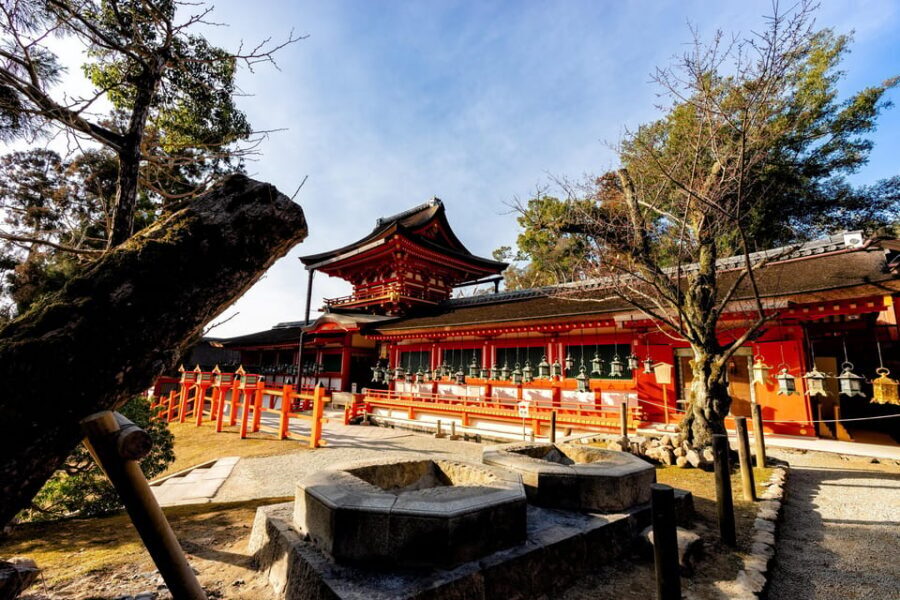
- Lantern-filled Kasuga Taisha: see the shrine’s famous thousands of hanging lanterns with a guide’s pacing.
- Naramachi merchant lanes (1 hour): stroll and spot Edo-period-style traditional houses.
- Guide help with the train ticket: reduces friction on the day so you spend time sightseeing, not figuring out schedules.
From Kyoto Station to Heijō-kyo: making sense of Kōfuku-ji
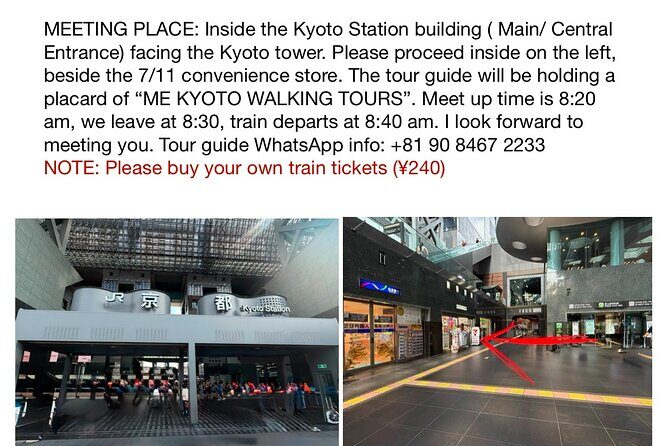
The day starts at 7-Eleven Heart-In at JR Kyoto Station Central Entrance, where you meet your guide (TripGuru shirt or a sign). Then you board the express train to Nara, with your guide assisting you with buying the ticket on the day. That small detail matters. It cuts down on stress, especially if you’re juggling train rules, station signage, and timing.
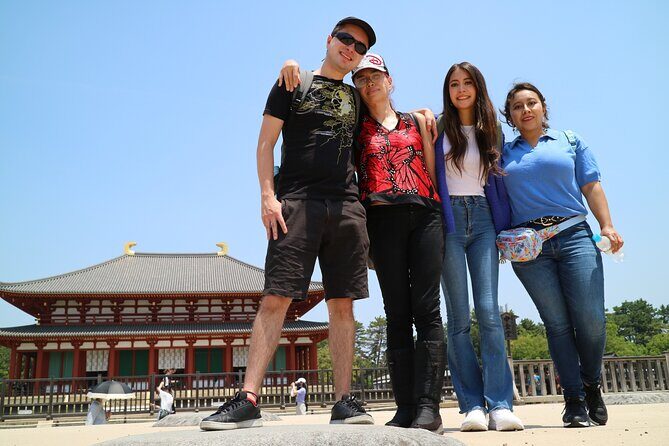
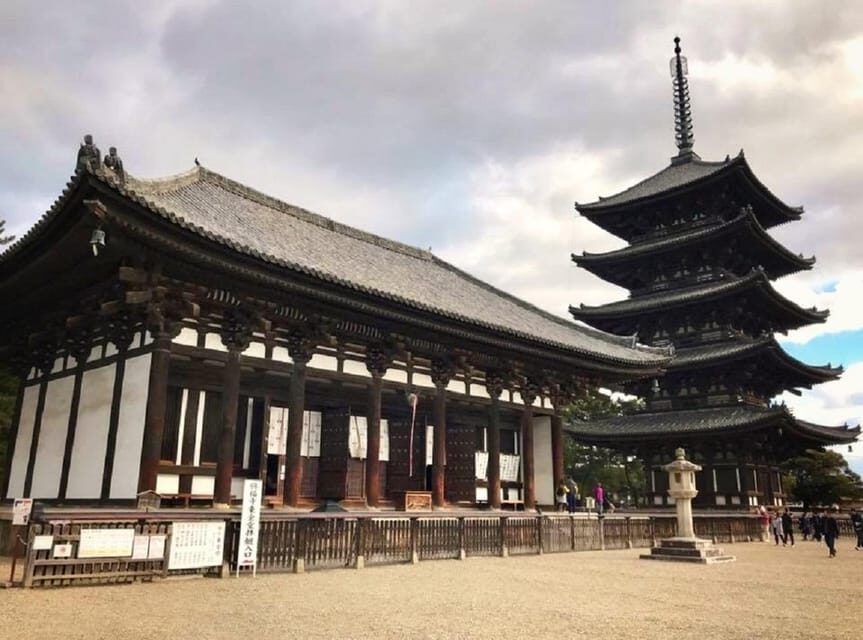
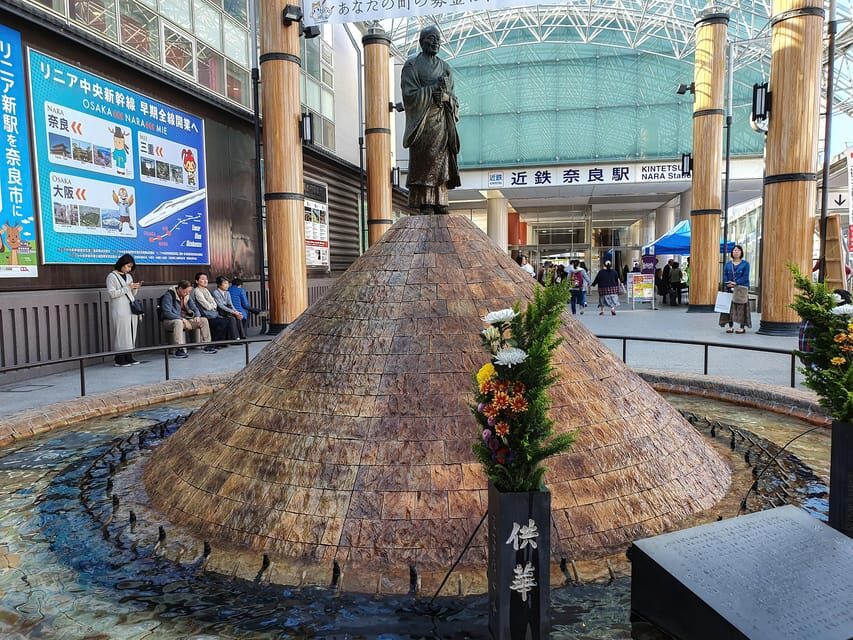
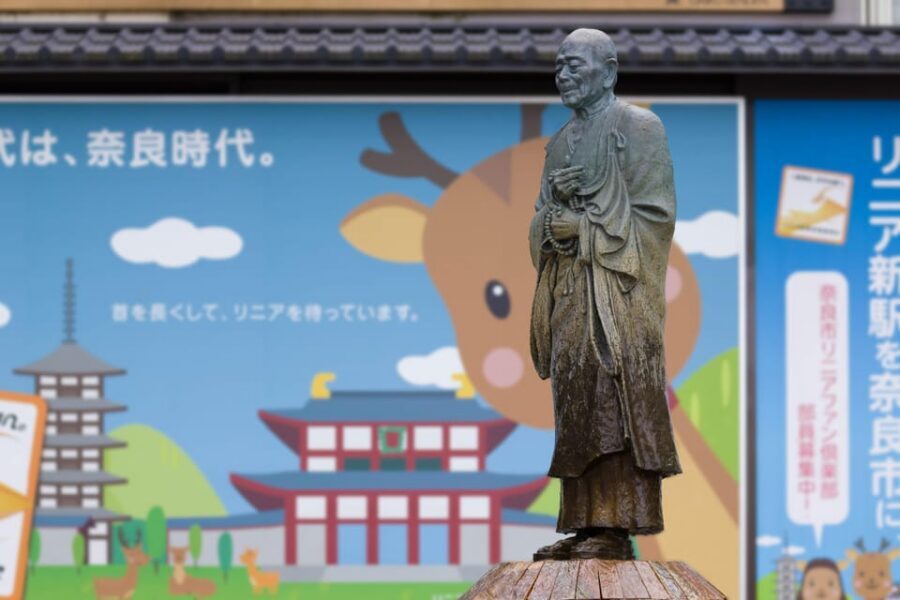
Your first proper stop is Kōfuku-ji, with a guided walkthrough of about 30 minutes. You’ll also pass by the Gyōki Statue area and get an explanation of how Kōfuku-ji connects to the founding of the Heijō-kyo imperial capital. Even if you’re not the type who reads every plaque, this kind of framing helps. Without it, a temple complex can feel like a collection of buildings. With it, you start noticing why certain things were important and how the city’s identity formed.
In the feedback, guide experiences tend to land on two themes: clear explanations and flexibility when questions pop up. You might meet guides like Akiko, noted for being friendly and flexible, or Gustavo, praised for attentive help and answering questions about Nara and Japan. If you’re the kind of traveler who likes to ask why something matters, this tour format usually plays well.
One practical note: this is a full-day itinerary, and each stop is given a specific time window. So treat Kōfuku-ji as your “set the stage” moment. If you go in expecting a long independent temple wander, you may feel a little rushed. If you go in wanting a guided storyline, it’s a strong start.
A few more Kyoto tours and experiences worth a look
Nara Park deer time: short, fun, and very photogenic
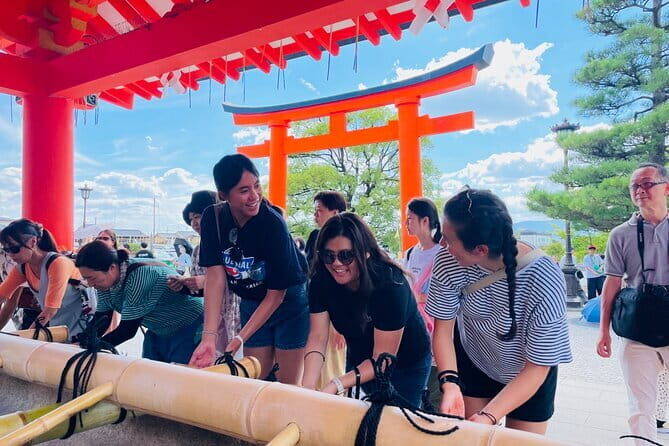
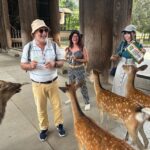
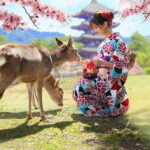
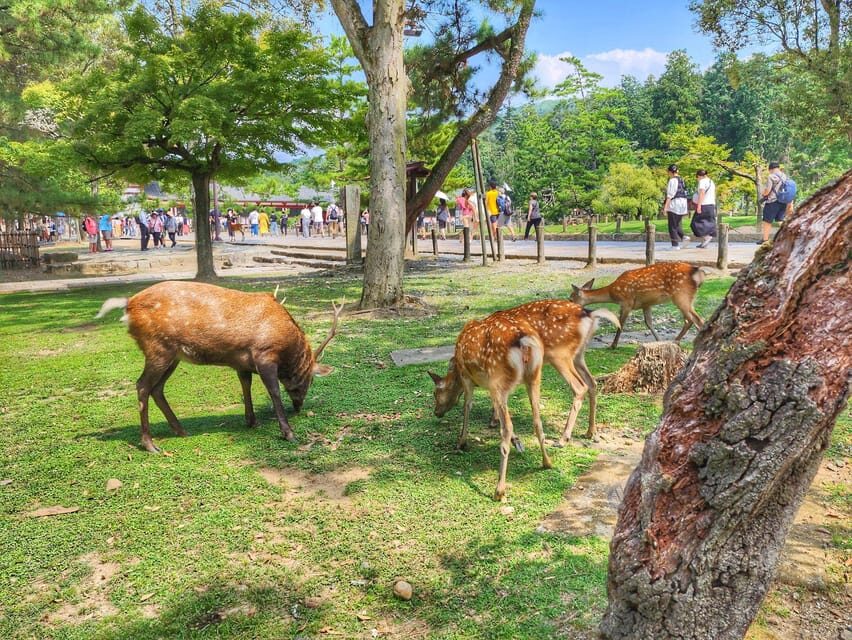
Next comes Nara Park, with a visit and walk time of about 15 minutes. Yes, it’s quick. But that’s actually the point. You get the famous free-roaming sika deer encounter without letting it consume the entire day.
The guide helps you understand what you’re seeing: the deer are regarded as sacred messengers in Shinto. That context changes the vibe. You’re not just looking at cute animals for a photo—you’re seeing a long-running cultural symbol that shows up all over Nara. And the deer are also part of why people remember this city, even when they can’t name every temple detail.
Here’s how I’d approach this stop if you want good photos without turning it into a stress test:
- Keep your camera ready early; the deer may wander into your frame fast.
- Stay aware of where other people are moving so you don’t block anyone’s shot.
- Enjoy the open spaces—Nara Park’s wide, green feel is part of the experience.
Because your time is limited, don’t plan on “one perfect photo” as if you have hours. Think of it as a quick Nara signature moment, then move on while the day still feels light.
A quick consideration: this portion is outdoors and involves walking on park paths. If you’re sensitive to heat or you don’t like being outside for any length of time, it may feel short but still tiring. For the most part, though, it’s a friendly, iconic pause before the larger sights.
Tōdai-ji and the Great Buddha: UNESCO scale in one guided hour
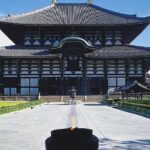
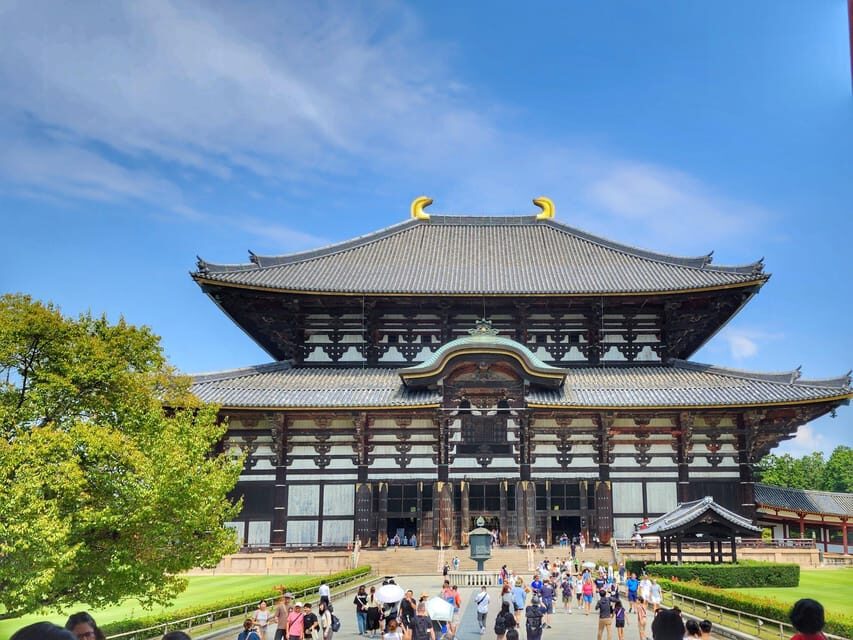
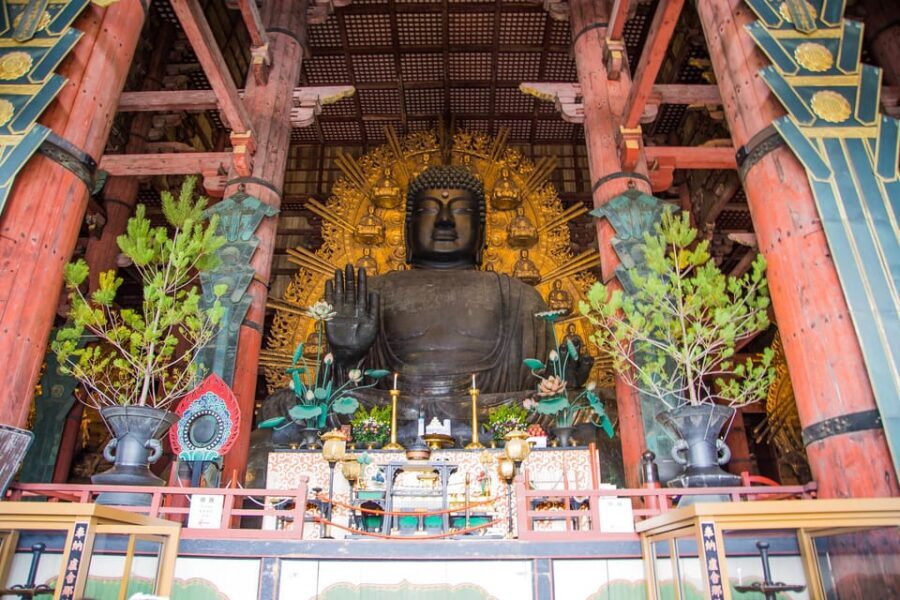
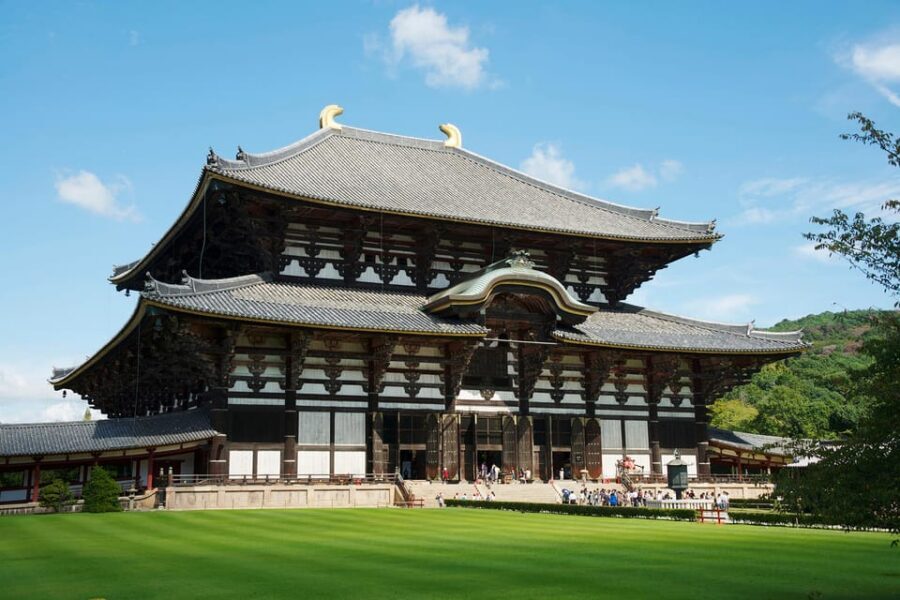
Then you’re at Tōdai-ji, with a guided tour lasting about 1 hour. This is the big-ticket UNESCO stop on the day. The experience centers on the Great Buddha (Daibutsu), described as one of the largest bronze statues of Buddha in Japan.
What you’ll like here is the combination of scale and explanation. When you enter a site like this, your eyes naturally jump around—statues, architecture, the sheer mass of the structure. A guide helps you anchor what matters so the time doesn’t vanish into “wow, big thing” only. In the guide feedback you can see this strength repeatedly: people mention explanations that are clear, and guides who stay attentive and kind while you ask questions. One person even recommended Vincent specifically for very clear explanations.
The challenge is also built into the format: it’s one guided hour, not an all-day deep study. If you want to sit in silence for a long time, go at your own pace, or read every detail, you’ll need to add a separate independent visit later. But if your goal is to cover Nara’s essentials with someone keeping the storyline straight, 1 hour at Tōdai-ji is a solid sweet spot.
You’re also protected from the common beginner trap: arriving without a plan. Here, the tour makes the visit structured. You’ll know where to look and why. That’s exactly what turns a UNESCO site from a photo stop into a real memory.
Kotoya lunch or your own meal: how to handle the food break
Lunch is about 1 hour at a local restaurant called Kotoya Restaurant, and it’s described as a traditional lunch option. The important practical point: lunch is not included. The optional traditional lunch at Kotoya is around JPY 2500 per person. Your other option is to bring your own lunch.
So you’re making a small decision before the day even starts. I’d plan in this way:
- If you want the comfort of a planned meal, choose Kotoya.
- If you prefer saving money or you have specific dietary needs, bring your own.
Because the itinerary is fixed, your lunch time is also fixed. That makes it easier for the rest of the day to run smoothly, but it means you probably won’t be able to roam for a last-minute detour to find something else. If you’re traveling with stomach timing issues, bring snacks (you’ll also get snacks included on the tour) and keep an eye on the schedule.
The good news: the tour includes entrance fees for Tōdai-ji and Kasuga Taisha, plus snacks, so the lunch gap is usually the main optional cost. Budgeting for that extra choice makes the overall price feel more transparent.
Kasuga Taisha lanterns and the Edo-style feel of Naramachi
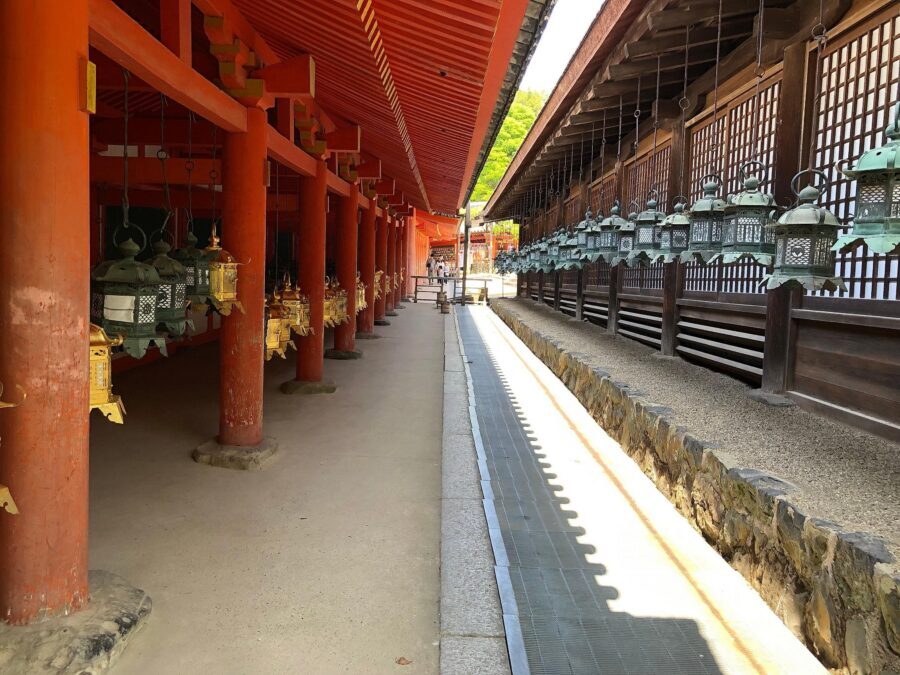
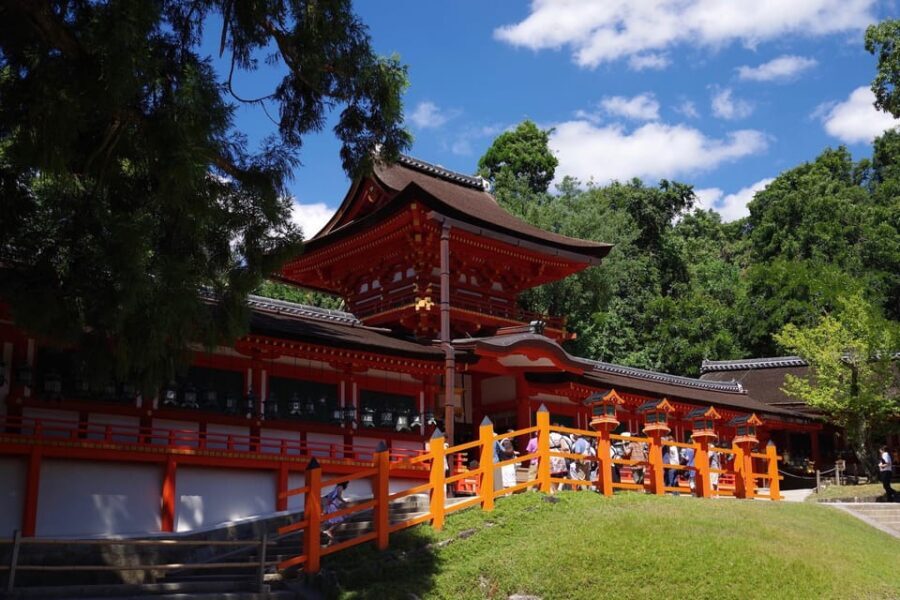
After lunch, the mood shifts into “atmosphere” mode with Kasuga Taisha. You’ll get about 1 hour here, guided, with the shrine known for thousands of hanging lanterns. Seeing lanterns in person is a lot different than seeing them in photos. They create depth and repetition, and it’s easy to lose track of time in that kind of visual rhythm.
One practical perk of a guided visit: it can help you appreciate the lantern scenery without you needing to figure out the best route on your own. If you’re the kind of traveler who likes to know what you’re photographing (and not just get a decent picture), the guide’s explanations here are where you’ll feel the value.
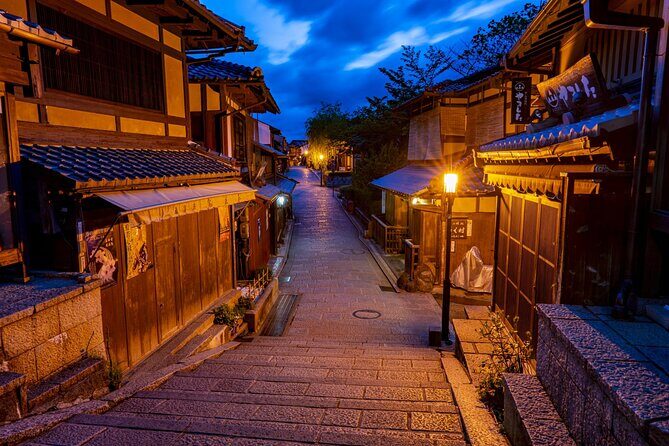
Then you end with Naramachi, walking for about 1 hour. This is your chance to slow down slightly. Naramachi is described as narrow lanes lined with well-preserved traditional merchant houses, capturing the feel of the Edo period. It’s a nice contrast to the grand scale of Tōdai-ji. Instead of focusing on one monumental icon, you’re reading a neighborhood.
If you like photos of streets, doors, old storefront shapes, and the texture of everyday old Japan, this is the stop that tends to deliver the “I didn’t expect to love this” reaction. If you don’t, you can still use the time to reset—water, quick snacks, and a chance to regroup before the return train.
Other private tours in Kyoto


Price and logistics: what $183 buys you (and what it doesn’t)
At $183 per person for an 8-hour private tour, this sits in the “you’re paying for convenience plus guidance” category. The price makes more sense when you look at what’s included:
- English-speaking tour guide
- Entrance fees for Tōdai-ji and Kasuga Taisha
- Snacks
- Private group format
What’s not included is equally important:
- Transportation (you use the train; a JR Pass can be used, and the one-way cost listed is JPY 1280)
- Hotel pick-up/drop-off
- Lunch (Kotoya is optional around JPY 2500)
- Personal expenses
In other words, you’re paying for a guided day that reduces decision fatigue. The guide handles the biggest “what goes where” and helps you with the train ticket to Nara. You still get to control optional items like lunch, and you’re not locked into a set lunch cost.
My value test: if you’re comfortable figuring out train travel and you only want self-guided temples, you could do it cheaper. But if you want someone to connect the dots—Heijō-kyo to Kōfuku-ji, Shinto symbolism to the deer, and the logic of the shrine visit—this price becomes easier to justify. You’re not just buying tickets. You’re buying interpretation.
Comfort, safety, and who this itinerary fits best
This tour is listed as not suitable for:
- Pregnant women
- People with mobility impairments
- People with heart problems
- People with respiratory issues
That’s worth taking seriously. The itinerary includes multiple guided walks and outdoor time in Nara Park. Also, the overall day is about 8 hours, with train segments and scheduled visits—so it’s not designed for slow pacing.
For your own comfort, pack the basics that the tour explicitly requests:
- Comfortable shoes
- Camera
- Cash
And remember: you’ll start at Kyoto Station and return to the same meeting point. There’s no hotel pickup, so you’ll want to be sure you can reach 7-Eleven Heart-In at JR Kyoto Station Central Entrance comfortably before departure.
Tips that make the day smoother with Akiko, Vincent, Gustavo, and more
Even though your guide assignment can vary, the best experiences in the reviews point to a common pattern: friendly, warm delivery plus real help when you ask questions. People mention guides like Akiko for friendly flexibility, Vincent for clear explanations, and Gustavo for attentive assistance and showing both touristy and less obvious spots.
So here’s how to get the most out of your guide:
- Bring questions. If you want cultural context, ask. The format supports back-and-forth.
- Use the train assistance. Let your guide help with the ticket purchase so you don’t waste time second-guessing.
- Keep moving between stops. The itinerary is timed, and your best payoff is seeing all the different “faces” of Nara in one day.
Also, since it’s a private group, you’re not stuck with a rigid herd pace. That’s a big deal when you’re balancing photos with listening. You can usually adjust your rhythm without derailing the day.
If you get the lanterns and the merchant lanes as your ending, don’t rush the photos at the end. That’s when your eyes are finally fully adjusted and you start noticing details that don’t show up in earlier temple lighting.
Should you book this Nara full-day tour?
Book it if you want a guided, high-efficiency day that hits the essentials: Kōfuku-ji context, Nara Park deer, Tōdai-ji’s Great Buddha, the lanterns of Kasuga Taisha, and the Edo-feel streets of Naramachi. The biggest strength is not just the sights—it’s the way the guide helps you understand what you’re seeing and keeps the timeline workable.
Skip it (or add extra independent time) if you’re the type who wants long, slow temple wandering. The park stop is short by design, and Tōdai-ji is capped at about 1 hour. You’ll see a lot, but you won’t “live” in any one place.
This tour is also a good choice if you’re starting from Kyoto and would rather not figure out everything from scratch. The guide’s help with train tickets and the included entrance fees reduce friction fast.
FAQ
FAQ
How long is the Nara private full-day tour from Kyoto?
The tour lasts about 8 hours.
Where do we meet the guide in Kyoto?
Meet at 7-Eleven Heart-In – JR Kyoto Station Central Entrance.
Is transportation included?
Transportation is not included. You’ll travel by train, and your guide will assist with purchasing the train ticket to Nara on the day of travel. A JR Pass can be used, and the one-way cost is listed as JPY 1280.
Are entrance fees included?
Yes. Entrance fees are included for Todaiji Temple and Kasuga Shrine.
Is lunch included?
Lunch is not included. You can choose the traditional lunch at Kotoya Restaurant (around JPY 2500) or bring your own.
Does the tour include snacks?
Yes, snacks are included.
What should I bring?
Bring comfortable shoes, a camera, and cash.
What language is the guide?
The tour offers live guiding in English, French, and Spanish.
Who should not book this tour?
It is not suitable for pregnant women, people with mobility impairments, people with heart problems, or people with respiratory issues.