Kyoto can feel like a race. This early-morning e-bike plan helps you see three big sights without spending half the day stuck in lines. It’s built for people who want less crowd pressure and more time actually looking.
I especially like the way the tour includes e-bike rental plus temple admissions, so you spend your energy on the sights, not logistics. One thing to keep in mind: a past booking had some confusion about admission charges, so I’d double-check what your voucher covers before you arrive.
In This Review
- Key things to know before you go
- Why this 5-hour early start changes Kyoto
- Kyoto Station meeting point: easy to find, simple to finish
- E-bikes that handle Kyoto hills without turning it into a workout
- Fushimi Inari-taisha at first light: thousands of red gates in motion
- Sanjusangendo: the 1,000 Kannon statues and why it feels so different
- Kiyomizu-dera in the morning: hillside views and story-driven sightseeing
- Price and value: what $67.41 gives you in real life
- Practical tips to get the best morning out of it
- Who this tour is best for (and who might want a different plan)
- Should you book this Kyoto early morning e-bike tour?
- FAQ
- How long is the Kyoto early morning e-bike tour?
- What major stops does the tour include?
- Is the e-bike included in the price?
- Are temple admission fees included?
- What language is the guide?
- Where do I meet for the tour?
- Do I need to print a ticket?
- Are food and drinks included?
- What is the group size?
- What happens if the weather is poor?
- Can I get a full refund if I cancel?
Key things to know before you go
- Start early, ride smarter: you beat the peak afternoon crowd surge at major landmarks.
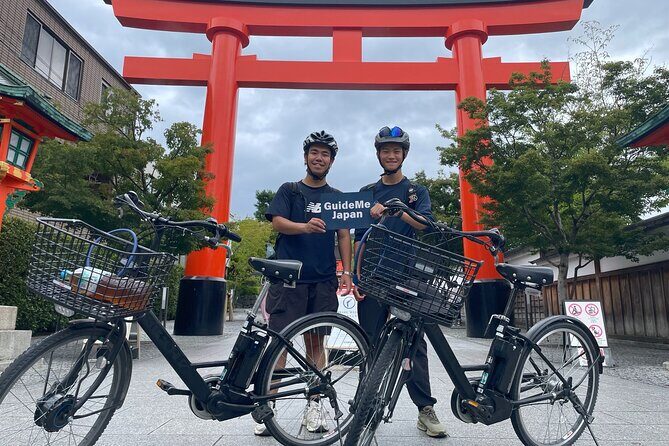
- E-bike included, hills handled: the route is easier because you’re not fighting Kyoto’s slopes on foot.
- Three “wow” stops in one run: Fushimi Inari, Sanjusangendo, and Kiyomizu-dera in about 5 hours.
- English-speaking guide: expect stories and context, not just directions.
- Small group size: capped at 8 travelers, which usually means a calmer pace.
Why this 5-hour early start changes Kyoto
Kyoto looks best when you’re not rushing. This tour starts early on purpose. The difference is not subtle. You get to approach the famous places with fewer people in your way, which makes the gates, halls, and viewpoints feel more like experiences and less like photo traffic.
Also, a 5-hour window is realistic. Kyoto days can balloon fast once you add transit, waiting, and “just one more stop.” Here, the plan is tight enough that you can still have energy left for food and wandering later.
That early timing matters most at Fushimi Inari. It’s famous for a reason, but if you hit it later in the day, you can spend more time moving than looking. Morning shifts the vibe from crowd management to sightseeing.
A few more Kyoto tours and experiences worth a look


Kyoto Station meeting point: easy to find, simple to finish
You’ll meet at JR-Central Ticket Office, Kyoto Station Shinkansen Hachijo Entrance, first floor at the Kyoto Station area. The tour is designed so you’re not chasing some far-off bus stop or hidden side street before the fun begins.
A nice practical detail: the activity ends back at the meeting point. That means you’re not suddenly dropped into a different part of town with no plan for getting home. It also makes it easier to keep your Kyoto day organized.
The tour is “near public transportation,” which is useful if you’re bouncing between sights on your own schedule. Start close to the station, finish close to the station. Your legs and your timetable will both thank you.
E-bikes that handle Kyoto hills without turning it into a workout
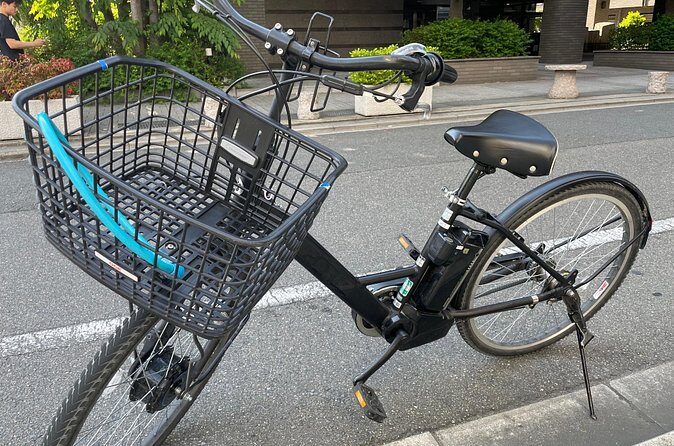
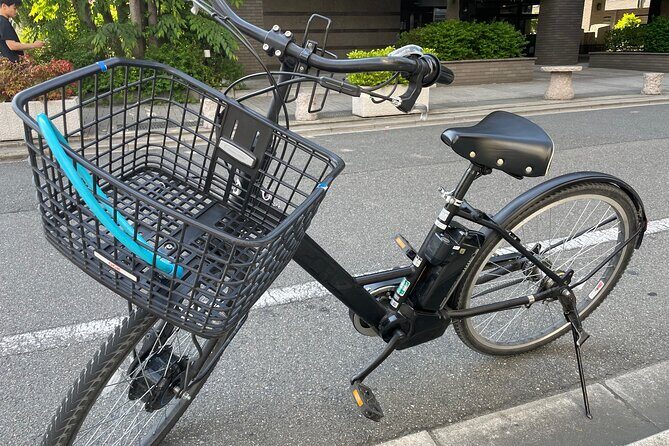
This is an e-bike tour, which is the whole point. You still do some riding like a normal bike experience, but the motor helps you conquer the slopes and longer stretches that would otherwise slow you down.
You also get a clearer sense of the value when you remember what “morning sightseeing” usually costs. If you do these stops by bus and walking, you often end up with long walking gaps or a tired, sore finish. Here, the e-bike helps you keep a steady pace so you can focus on the moments that matter: the red gates, the statue hall, and the terrace views.
That said, the tour asks for moderate physical fitness. E-bikes are easier, but you’ll still be riding and moving around. If you’ve got mobility issues, you’ll want to think hard about your comfort with bike handling and getting on/off the e-bike.
Fushimi Inari-taisha at first light: thousands of red gates in motion
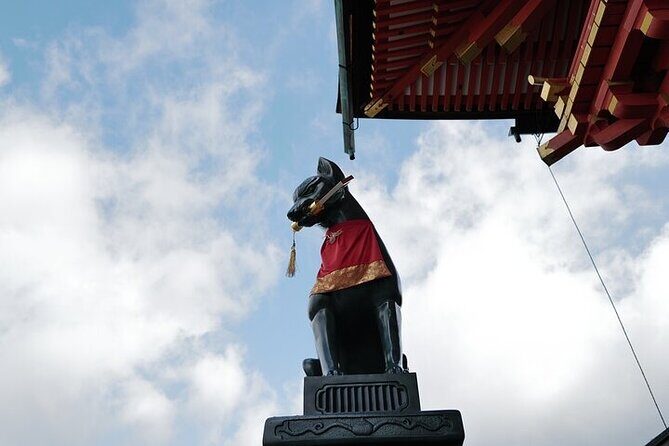
Fushimi Inari-taisha is the headliner. You’ll spend about an hour exploring the shrine grounds at first stop, with a guide to shape what you notice.
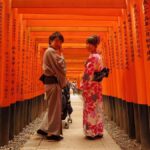
The star attraction here is the thousands of red torii gates that create those tunnel-like lines you see in photos. When you walk through them early, the mood changes. The space feels more like a slow corridor than a crowded walkway. That makes it easier to spot details you’d otherwise miss.
A guide also helps you read what you’re looking at. Without a little context, the place can feel like a maze of gates. With a guide, you start to see the patterns and the meaning behind the experience.
One of the strongest recurring highlights from recent tours is the guide’s ability to explain the significance of the sights in a way that actually sticks. If you care about understanding what you’re seeing, this stop is where that payoff shows up quickly.
Sanjusangendo: the 1,000 Kannon statues and why it feels so different
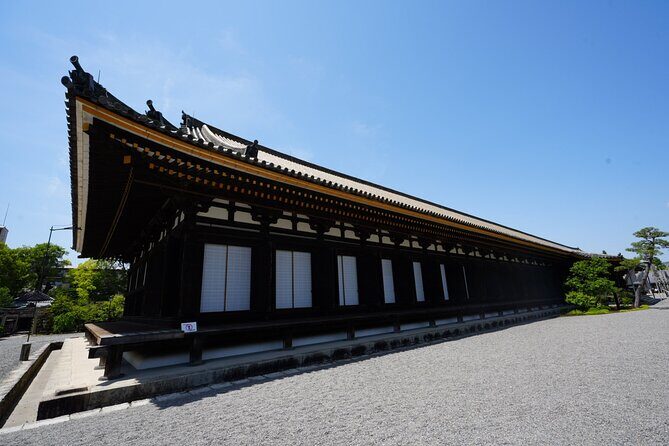
Next up is Sanjusangendo Temple, where you’ll spend about an hour. The headline is specific: the interior is home to 1,000 statues of Kannon, the goddess of mercy.
This stop is different from Fushimi Inari in a good way. Instead of outside paths and torii gates, you get an indoor view of scale. The statues are arranged in perfect formation, and that repetition is the whole effect. It’s the kind of place where quiet attention helps. You don’t need to chase the best angle for a selfie. You need to look steadily.
You’ll also get the benefit of having someone explain what you’re seeing. Sanjusangendo can be overwhelming when you’re standing in the hall and thinking, “Where do I even start?” A guide helps you pace your attention so you notice the statue layout and the atmosphere the building creates.
Admission is covered on this tour, which is one less thing you have to track while you’re focused on the experience.
A few more Kyoto tours and experiences worth a look



Kiyomizu-dera in the morning: hillside views and story-driven sightseeing
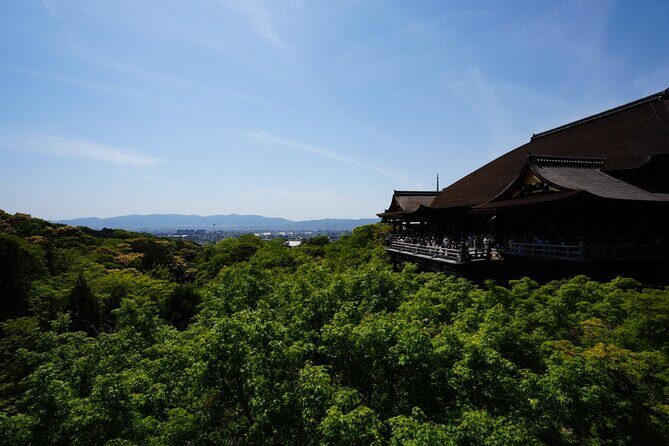
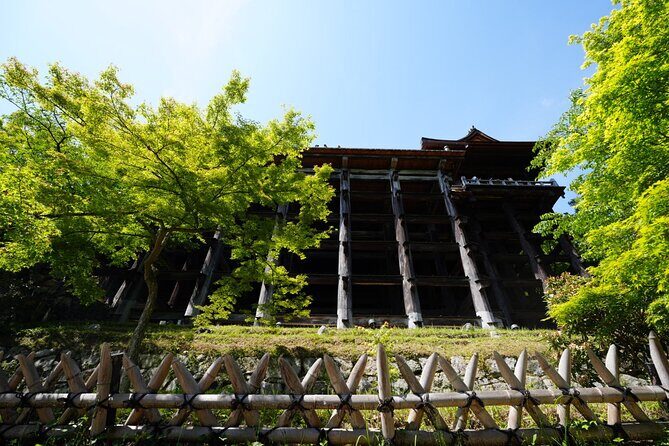
The final major temple stop is Kiyomizu-dera, also about an hour. It’s built on a hillside area in eastern Kyoto, so the temple offers city views and surrounding landscapes that you won’t get the same way elsewhere.
What makes Kiyomizu-dera a top stop is how it mixes architecture, setting, and history into one place. The guide presence matters here too. Without context, it’s easy to wander around and think you saw a beautiful temple. With a guide, you’re more likely to connect the architecture and the layout to the story of the site.
Photography can be part of the fun at this stage. One recent guide, Rin, was specifically praised for being a strong photographer and for helping turn the sights into great pictures. Even if you just want one good memory shot, having a guide who understands the best moments and angles is a real advantage.
Kiyomizu-dera is also where the tour’s “early timing” shows its value again. Morning light and fewer people make it easier to move at a comfortable pace and actually enjoy the views instead of queueing for them.
Price and value: what $67.41 gives you in real life
At $67.41 per person, this tour lands in the “worth it for the convenience” category. Here’s why the value works when it does:
- The e-bike is included, so you don’t need to hunt down rentals or worry about bike logistics.
- Temple admission fees are included, which saves both money and time.
- You get an English-speaking guide, so your stops come with context, not just directions.
That combination is what makes this cost feel reasonable. Kyoto can nickel-and-dime you with separate tickets, transit time, and waiting. This package strips away several friction points.
One caution from a past participant: there was confusion about admission being listed as free for visits. They ended up paying 3300¥ total for entries at the two temples. I can’t confirm what happened on their end, but I can tell you what I’d do: before you go, check your voucher details for what’s covered and what isn’t. If the wording on your booking looks inconsistent, it’s worth verifying before you arrive at the gates.
Practical tips to get the best morning out of it
This is the kind of tour where small choices make a big difference.
Bring water. Food and drinks are not included, so plan for at least a small snack and hydration.
Wear shoes you can bike in and walk in comfortably. You’ll be moving through shrine and temple areas, and you’ll want grip on uneven ground.
Pack light for the morning. If you’re carrying a heavy bag, it gets annoying fast. Also, Kyoto mornings can be cooler than you expect, especially when you start early.
If you’re sensitive to weather changes, note that the experience requires good weather. If it’s canceled due to poor weather, you’ll be offered a different date or a full refund. In other words, it’s not a “rain or shine” gamble.
Who this tour is best for (and who might want a different plan)
This tour fits well if you want a high-value Kyoto morning with a plan. It’s especially good for:
- First-timers who want the big-name highlights without sorting tickets
- People who don’t want to waste time hunting for e-bike rentals
- Anyone who prefers a calmer start to the day rather than peak-hour crowds
- Photographers and story lovers who want a guide who can point out what matters
It may not be ideal if you:
- Want total independence and flexible stop durations
- Don’t feel comfortable with moderate fitness demands, even with e-bike assistance
- Expect food to be included (it isn’t)
Should you book this Kyoto early morning e-bike tour?
I’d book it if your priority is a smooth, early start and you want three major sights covered in one guided run. The price makes sense when you consider what you’re getting: guide time, e-bike transport, and admission fees bundled together.
But if you’re picky about ticket details, spend two minutes reviewing your voucher coverage. One past participant had an admission mix-up, and you don’t want that kind of surprise at the gate.
If you’re the type of traveler who likes to see more by seeing smarter, this tour is a strong match. Early mornings in Kyoto are a small window of peace, and this route is built to capture it.
FAQ
How long is the Kyoto early morning e-bike tour?
The tour runs for about 5 hours.
What major stops does the tour include?
You’ll visit Fushimi Inari-taisha Shrine, Sanjusangendo Temple, and Kiyomizu-dera Temple.
Is the e-bike included in the price?
Yes. The e-bike is included.
Are temple admission fees included?
Yes. The tour includes the admission fee for the temples.
What language is the guide?
The tour includes an English-speaking guide.
Where do I meet for the tour?
The start point is JR-Central Ticket Office, Kyoto Station Shinkansen Hachijo Entrance (Kyoto Station, first floor).
Do I need to print a ticket?
No. You use a mobile ticket.
Are food and drinks included?
No. Food and drinks are not included.
What is the group size?
The tour has a maximum of 8 travelers.
What happens if the weather is poor?
This experience requires good weather. If it’s canceled due to poor weather, you’ll be offered a different date or a full refund.
Can I get a full refund if I cancel?
Yes. You can cancel up to 24 hours in advance for a full refund.