Tea and dance, inside Kyoto’s old wood.
This experience pairs a guided walk through a 140-year-old machiya (a traditional townhouse) with a front-row-style look at maiko culture—tea ceremony, buyō dance, and hands-on party games. The setting is the star, but the human part matters too: you spend the time with an authentic maiko in a way that usually isn’t available to the public.
I especially love the Tondaya tour angle. You’re not just watching from the hallway; you’re guided through a nationally registered cultural landmark and given context for what you’re seeing. I also love the tea ceremony and performance structure, which turns Kyoto traditions into something you can actually follow step by step, instead of a blur of sightseeing.
One thing to consider: the event is short and priced high, so value depends on language support and how smoothly the session runs for your group. If translation doesn’t land well, you may feel like you’re watching without the meaning. Also, a maiko isn’t always guaranteed if availability shifts.
In This Review
- Key highlights you’ll feel fast
- Inside Tondaya: Kyoto’s machiya isn’t just a backdrop
- The tea ceremony moment: Uji matcha with a real maiko
- Buyō dance and maiko party games: learn the rhythm, not just the steps
- Photo time with a maiko: why this access matters
- Price and value: $709 for 2 hours, and what you’re actually buying
- Before you go: socks, timing, and when it might not be a maiko
- Should you book Kyoto Maiko Happy Hour at Tondaya?
- FAQ
- How long is the Kyoto Maiko Happy Hour experience?
- Where do I meet for the tour?
- Is alcohol included in the package?
- Do I need special clothing or items?
- Will I definitely meet a maiko?
- What languages are available for the tour?
- Is the experience refundable if I cancel?
Key highlights you’ll feel fast
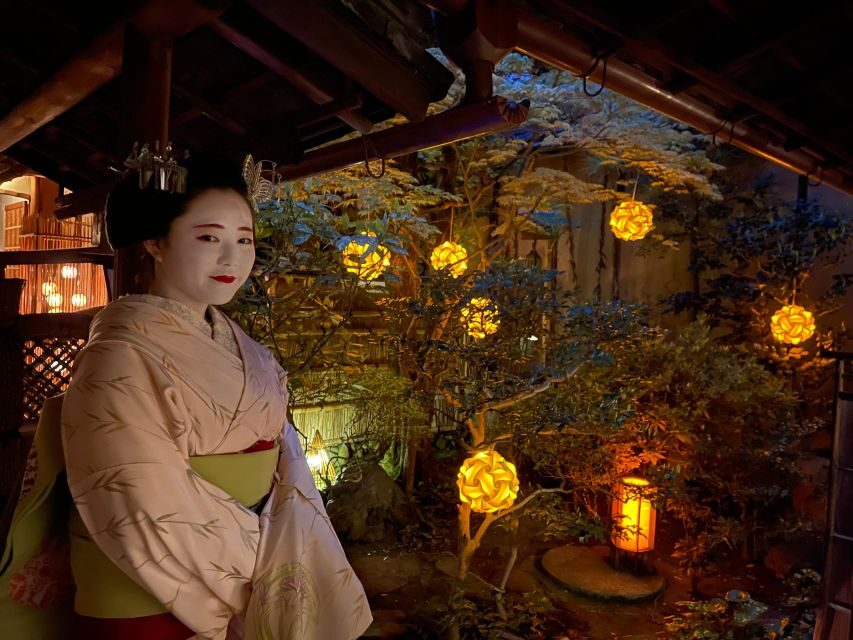
- Tondaya machiya tour in a 140-year-old, culturally designated townhouse
- Uji matcha tea ceremony hosted by a maiko, plus Japanese sweets
- Buyō dance performance with classical music in a traditional setting
- Maiko-led party games with time for questions about training and etiquette
- Rare photo opportunity with a maiko, when it’s usually restricted
Inside Tondaya: Kyoto’s machiya isn’t just a backdrop
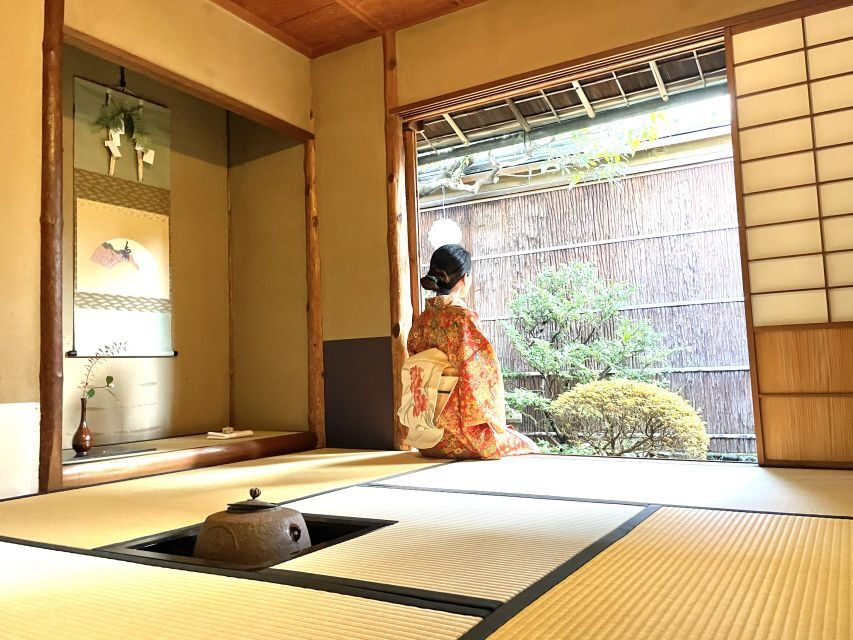
The experience starts with a guided visit to Tondaya, a 140-year-old machiya designated as a cultural landmark by Kyoto City. I like this opening because it gives you a frame for the rest of the night. Kyoto traditions can feel abstract if you only see the costumes and performances. Here, the house itself explains the mood.
You’ll tour the townhouse and hear stories and details tied to the building. That matters, because machiya spaces are built to support specific rhythms—sound travels differently in wood rooms, sightlines are intentional, and small transitions (from one room to another) feel like part of the show. If you’re even a little into architecture, textiles, or how people lived before modern convenience, you’ll notice how the space shapes the experience.
The practical side is that you should arrive ready to participate. The visit is paced, and you’ll want to keep moving with the group. Also, you’ll be on your feet indoors for a while, so wear comfortable socks (more on that later).
The main drawback to expect: this part is focused on the house and context, not a long deep-dive history lecture. It’s brief, but it’s the foundation for why the later moments feel special.
Other historical tours in Kyoto


The tea ceremony moment: Uji matcha with a real maiko
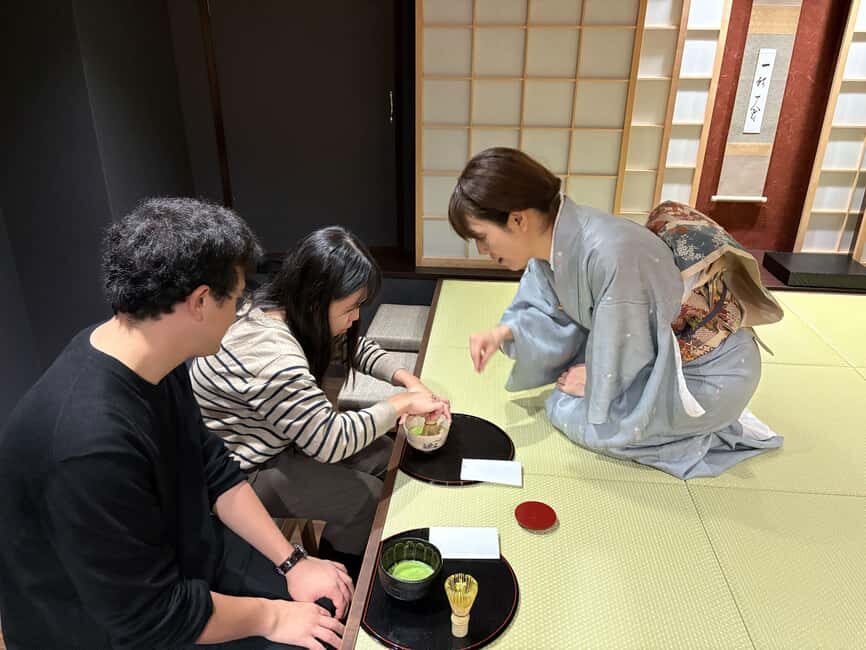
Next comes the core cultural encounter: you’re introduced to an authentic maiko who performs a traditional tea ceremony. You’ll be served Uji matcha and Japanese sweets. Even if you already know a little about tea rituals, the setting changes everything. In a wooden machiya, the whole scene feels more intimate and less staged.
Why this part is valuable: a tea ceremony is not just about drinking something green. It’s about attention—how gestures and timing communicate respect. When a maiko leads it, you get a more direct sense of the discipline behind the performance world. And you’re not stuck watching silently. The session is built to let you experience the sequence, not just observe a show.
One practical note: staff may use a translation device when needed, and not every staff member is fluent in every language. The format is designed to share meaning, but language quality can affect how much you feel you understand during the tea ceremony.
Also, note that this experience is structured around traditional arts, not a meal. You should not expect a dinner-style setup here. If your goal is a full food-and-drink night, you’ll likely find the session short on that.
Buyō dance and maiko party games: learn the rhythm, not just the steps
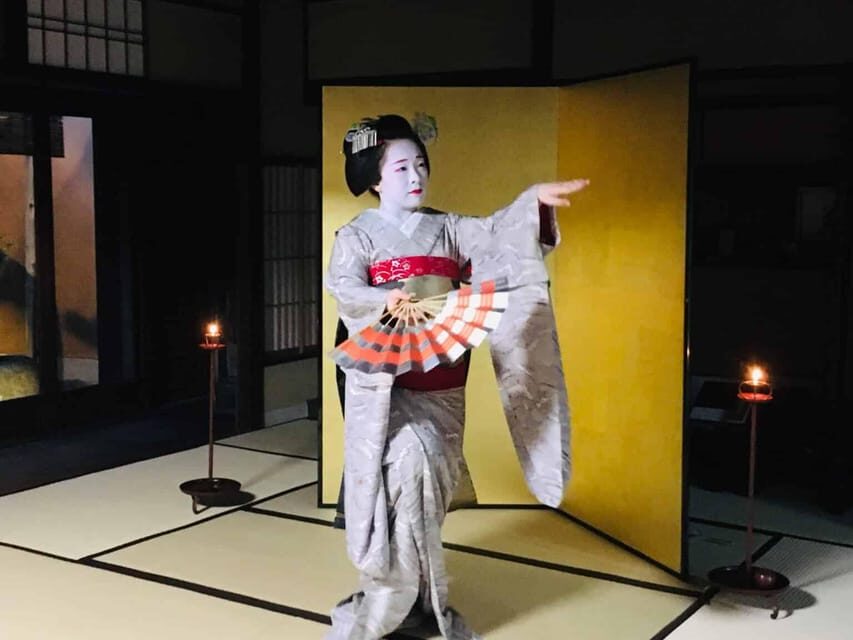
After tea, you’ll see buyō, a refined form of traditional Japanese dance accompanied by classical music. This is one of the biggest mood-shifters in the schedule. Tea is quiet and deliberate; buyō has control and expressiveness, where stillness and posture matter as much as movement. In the machiya rooms, the performance lands with a “you’re right there” feeling.
Then the experience shifts again into maiko party games. This is where the time can become surprisingly personal. The maiko explains how the games are played, and you play together. You also get time to ask questions about maiko culture while the games are happening.
This part is especially useful if you’re the kind of traveler who hates vague cultural performances. Games force interaction. You start learning the social logic behind the art world—how people communicate politely, how attention is shared, and how tradition gets practiced in everyday training life.
A realistic consideration: the games portion and Q&A time may depend on group flow and translation clarity. If the explanation isn’t well translated for your language, you may still enjoy the atmosphere, but you could miss the meaning behind the rules.
Photo time with a maiko: why this access matters
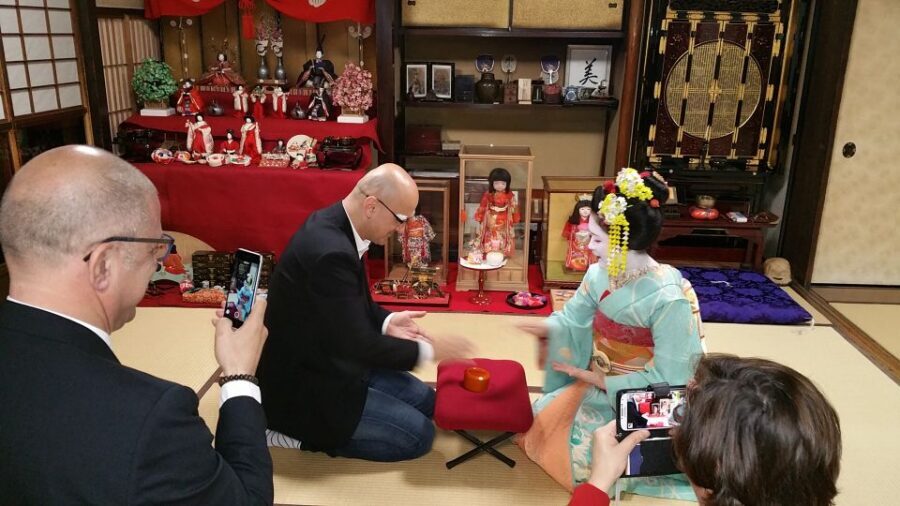
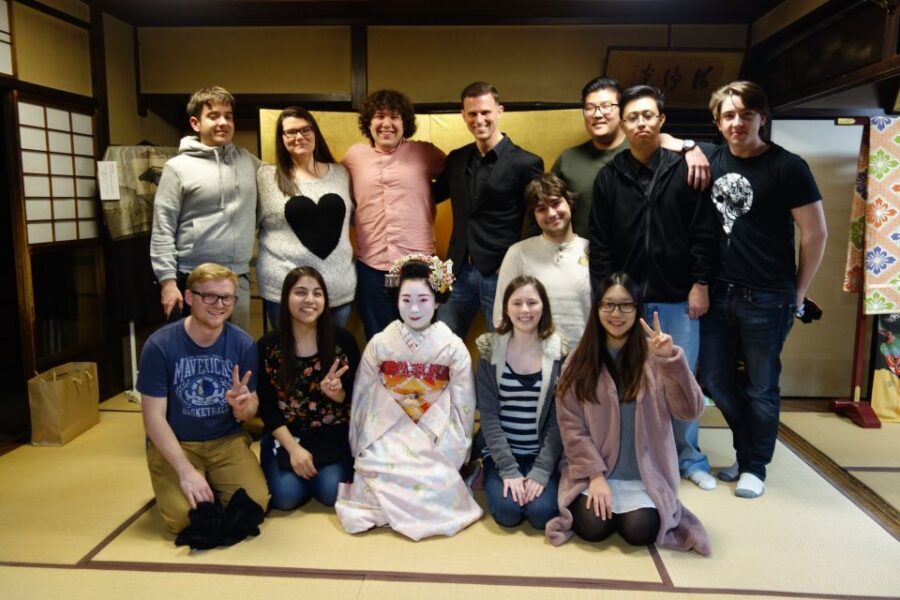
One of the most talked-about parts of this kind of experience is the photo moment. Here, you’ll have time to take commemorative photos with the maiko after the performance and games.
The reason this feels rare is simple: maiko are not normally permitted to take photographs with the public, so setups like this are special. In a normal Kyoto street encounter, you might spot someone in training, but you won’t get this kind of close, time-defined interaction.
I’d treat the photo time like a small window of opportunity, not an open-ended hangout. Have your camera ready, decide quickly who you’re photographing (and in what order), and don’t count on perfect timing for big group shots. This is especially helpful if you’re visiting with family or friends and want everyone included.
If you care about photos for memories, this portion alone can justify the cost, because it’s the part that’s hardest to replicate on your own.
Price and value: $709 for 2 hours, and what you’re actually buying
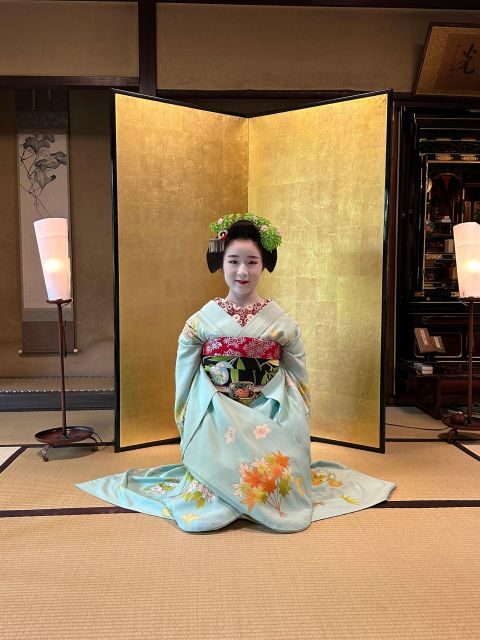
Let’s talk money directly. The listed price is $709 per person for a 2-hour experience. That’s not a casual add-on. So what are you paying for?
You’re paying for the combination of:
- A guided tour inside a 140-year-old cultural landmark
- A live tea ceremony with Uji matcha and sweets
- A buyō performance with classical music
- Maiko-led party games plus Q&A time
- A rare photo opportunity with a maiko
- A culture lesson tailored to the format (and language support attempts)
You’re also paying for access. The maiko element is the big value lever. Most Kyoto cultural experiences let you watch. This one gives you structured interaction.
That said, there’s a real risk with anything short-and-expensive: if language support doesn’t work well or the session feels rushed, value can collapse fast. One reason is that the maiko’s explanations and the tea/dance context are where the meaning lives. If those details aren’t clearly translated, you may feel like you paid for time that you didn’t fully understand.
Also, alcoholic drinks aren’t included, so this isn’t a party night. It’s a cultural performance evening with a friendly, happy-hour style pace.
My balanced take: if your priority is maiko culture access plus a formal cultural arts program in a historic machiya setting, the price can feel defensible. If your priority is long dining, heavy entertainment, or you need very strong English support to follow every moment, you should think carefully before booking.






Before you go: socks, timing, and when it might not be a maiko
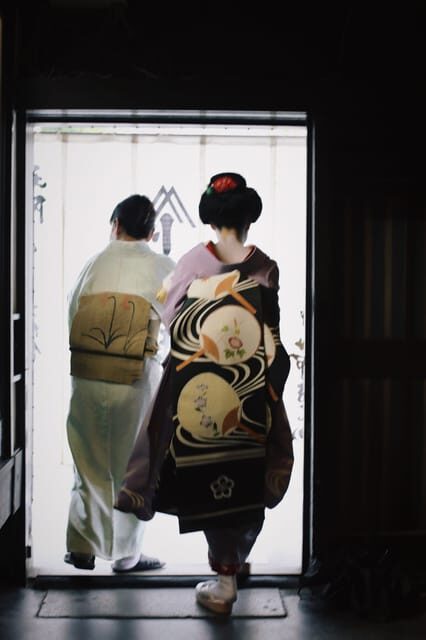
There are a few “small details” that can seriously affect comfort and expectations.
- Bring and wear socks. The requirement is specific: wear socks, and avoid stockings. Since the experience is indoor and you may be seated or standing in close proximity to the performance space, this is not optional.
- Arrive on time. This isn’t a flexible drop-in. The schedule is built around when the maiko and performances begin.
- Maiko availability can shift. If a maiko can’t be arranged due to availability, a geiko may be arranged instead, and preferences can’t be accepted. In other words, you should book understanding that the performer may change.
- Translation support exists, but it’s not guaranteed perfectly. The provider works to arrange an interpreter if staff don’t speak your language well, and a translation device may be used when necessary. If you rely on precise translation to enjoy the cultural explanations, it’s worth planning for the possibility of gaps.
- Not suitable for wheelchair users. If mobility is an issue, plan another option.
- Closed dates and limited appointment windows apply. Tondaya is closed from December 31 to January 1, and reservations for a maiko aren’t available during December 29 to January 10. Those dates matter if you’re traveling in late December.
Finally, on refunds: the experience is non-refundable, with a strict rule tied to cancellation timing (you only get relief if you cancel at least ten days before the scheduled appointment). If your travel plans are uncertain, treat this like a firm commitment.
Should you book Kyoto Maiko Happy Hour at Tondaya?
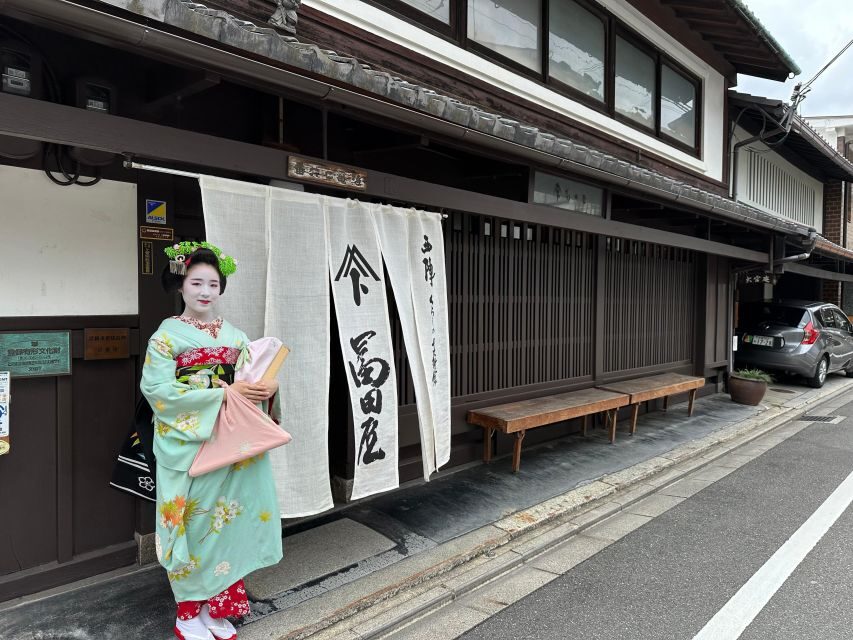
Book it if you want a rare Kyoto experience with real cultural structure: a 140-year machiya tour, a maiko-led tea ceremony, buyō dance, and time for maiko party games plus photos. It’s a compact package of Kyoto arts, and the photo access and performer interaction are hard to find anywhere else.
Skip or reconsider if you:
- Need very dependable translation to enjoy the explanations (language support can affect your sense of value).
- Want a longer, food-forward evening. This is arts-and-interaction focused, and alcohol isn’t included.
- Are traveling with accessibility needs, since it isn’t suitable for wheelchair users.
- Are booking in the late-December window where maiko appointments may be unavailable.
If you do book, you’ll get the best experience by showing up prepared (especially with socks), being ready for a tight 2-hour rhythm, and keeping expectations aligned with an interactive cultural program rather than a full dinner outing.
FAQ
How long is the Kyoto Maiko Happy Hour experience?
The experience lasts 2 hours.
Where do I meet for the tour?
Meet at Tondaya-Nishijin Japanese Cultural Experience Museum.
Is alcohol included in the package?
No. Alcoholic drinks are not included.
Do I need special clothing or items?
Yes. You must wear socks. Stockings are not allowed.
Will I definitely meet a maiko?
Not always. Depending on availability, a geiko may be arranged instead of a maiko, and preferences cannot be accepted.
What languages are available for the tour?
The live tour guide supports Japanese, English, and Chinese. If needed, an interpreter may be arranged, and a translation device may be used.
Is the experience refundable if I cancel?
The experience is non-refundable, with a strict rule related to how far in advance you cancel (the only exception is cancellation made ten days before the scheduled appointment).