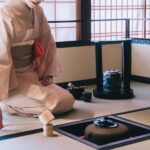
This tea ceremony is built for real learning, not just watching. You get a small, hands-on session in a traditional-looking setting near the Kamogawa Delta, with English instruction and time to make your own matcha at a relaxed pace.
I especially like two things: the guidance from a teacher with 30 years of experience (patient, clear, and gentle with first-timers), and the way the whole hour feels quiet and focused, helped by the nearby riverside calm of the Kamogawa area. One consideration: it’s only one hour, so if you want a long, slow, arts-and-craft style experience, you might feel a bit rushed.
In This Review
- What You’ll Actually Do in This Kyoto Tea Ceremony
- Key Highlights Worth Writing on Your Map
- Why a 1-Hour Tea Ceremony Fits Kyoto So Well
- Finding the Tisato House Near Kamogawa Delta
- The Tea Master Teaching Method: Patient, Clear, and English-Friendly
- Learning the Ritual: What the Ceremony Is Trying to Teach You
- Whisking Matcha and Tasting Traditional Dried Sweets
- Small Group Size: Up to 6 Means You’re Not Invisible
- Pairing This Tea Ceremony With Kibune Shrine and Rurikou Temple
- Price and Value: Is $38 for One Hour Fair?
- Who This Kyoto Tea Ceremony Is For
- Should You Book This Kyoto Tea Ceremony?
- FAQ
- How long is the Kyoto tea ceremony experience?
- Is the tea ceremony taught in English?
- How big is the group?
- Can I make my own matcha during the ceremony?
- Where do I meet the group?
- What are the cancellation and payment options?
What You’ll Actually Do in This Kyoto Tea Ceremony
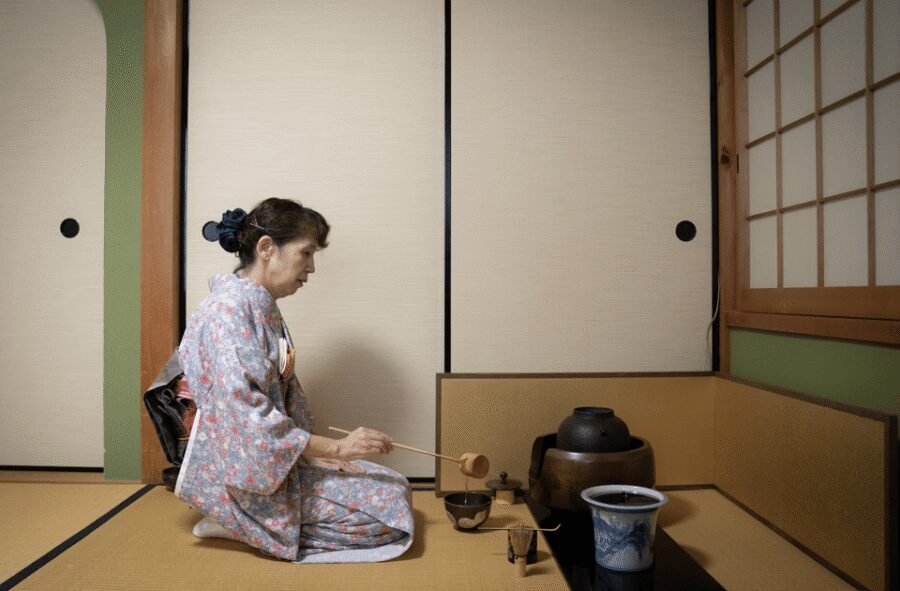
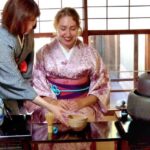
In your session, you’ll learn the steps behind a Kyoto-style tea ceremony and then get to practice matcha preparation yourself if you want. The setup includes matcha tea plus traditional dried sweets, so you taste what the ceremony is designed to pair and balance.
Based on what people consistently praise, the big win is how approachable it feels, with the instructor (often noted as Ms Yamazaki) explaining calmly and making you comfortable even if you’ve never touched a whisk before. The main tradeoff is practical: because it’s a small room experience with a set start time, arriving late can cut into your practice time.
Key Highlights Worth Writing on Your Map
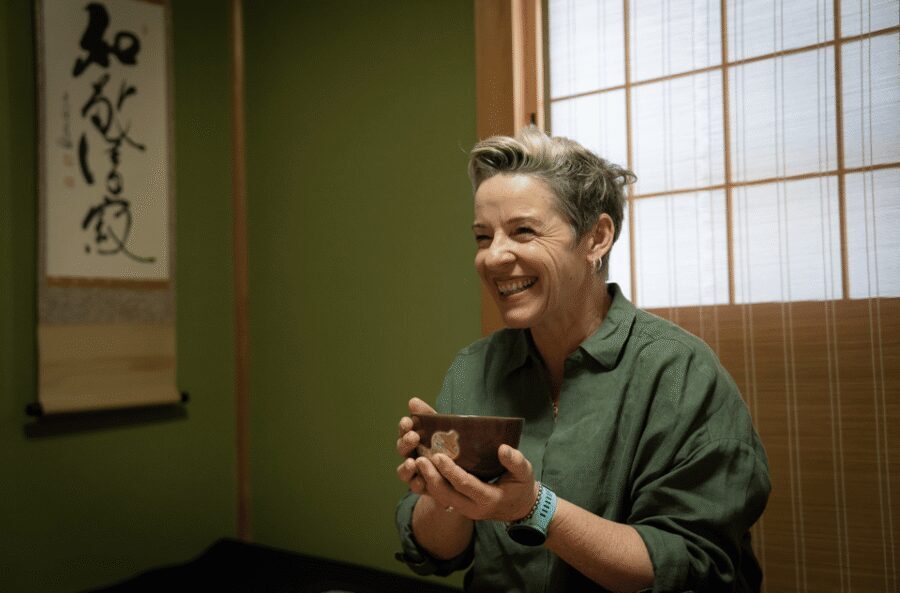
- Hands-on matcha prep: you can whisk your own tea, step by step
- 30-year expertise: taught by a teacher with deep, long-term practice
- Small group of up to 6: more attention, fewer awkward moments
- Near Kamogawa Delta: easy to connect with Kyoto’s riverside walk
- English instruction: clear explanations without needing Japanese terms
- Traditional dried sweets: a proper taste companion to the matcha
A few more Kyoto tours and experiences worth a look


Why a 1-Hour Tea Ceremony Fits Kyoto So Well
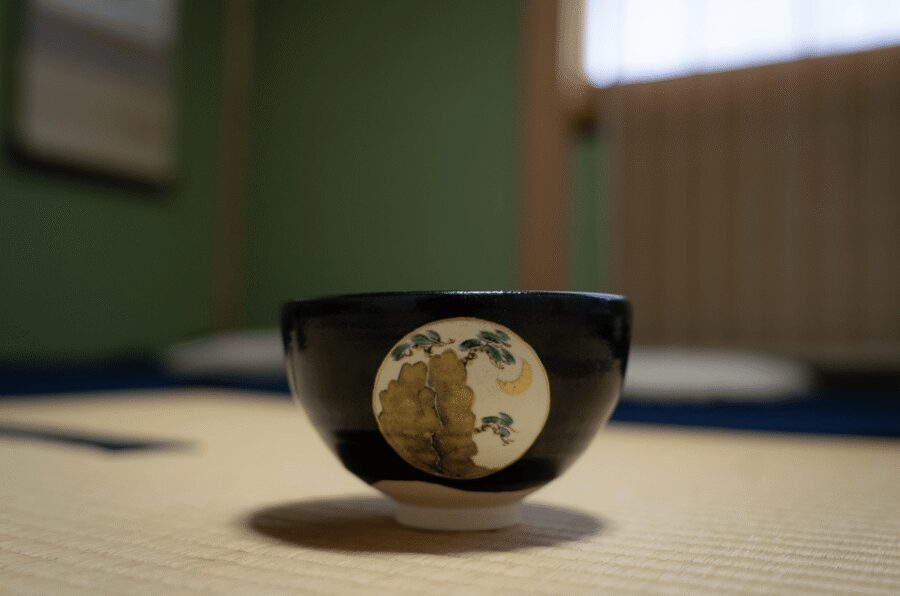
Kyoto can feel like a nonstop checklist. This experience is different because it’s compact. A full tea ceremony is often described as slow and ceremonial, but here you get a full, meaningful session in about an hour, which is perfect when you still want energy for sights afterward.
That timing matters. If you’re doing temples early and neighborhoods later, you’ll appreciate something that resets your brain. The tea ritual gives you a structured break: sit, breathe, learn a process, then taste. You don’t need to “perform” anything. You just follow the rhythm you’re taught and try the steps when invited.
Also, matcha has a way of making the experience feel real. You’re not just hearing about powdered tea—you’re mixing it. That hands-on element turns the hour into something you can remember with your senses, not just your notes.
Finding the Tisato House Near Kamogawa Delta
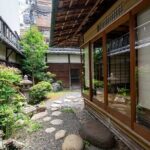
Location is quietly a huge part of the value here. The meeting point is a Japanese house with a sign that says Tisato. That detail is the difference between arriving confident and wandering.
You’re also in a convenient pocket of Kyoto:
- about a 15-minute walk from the Kamogawa Delta, where you can enjoy that calm riverside scenery
- about a 15-minute walk from Demachiyanagi Station, which is useful if your plan includes heading toward Kibune Shrine and Rurikou Temple
Here’s a practical approach: if you’re coming from central Kyoto, plan your walk so you arrive a few minutes early. For a small-room experience, even a short delay can compress the teaching and your matcha practice.
And yes, the walk is part of the experience. You get to shift from busy streets into something quieter before you sit down. That makes the ceremony feel less like a stop and more like a transition.
The Tea Master Teaching Method: Patient, Clear, and English-Friendly
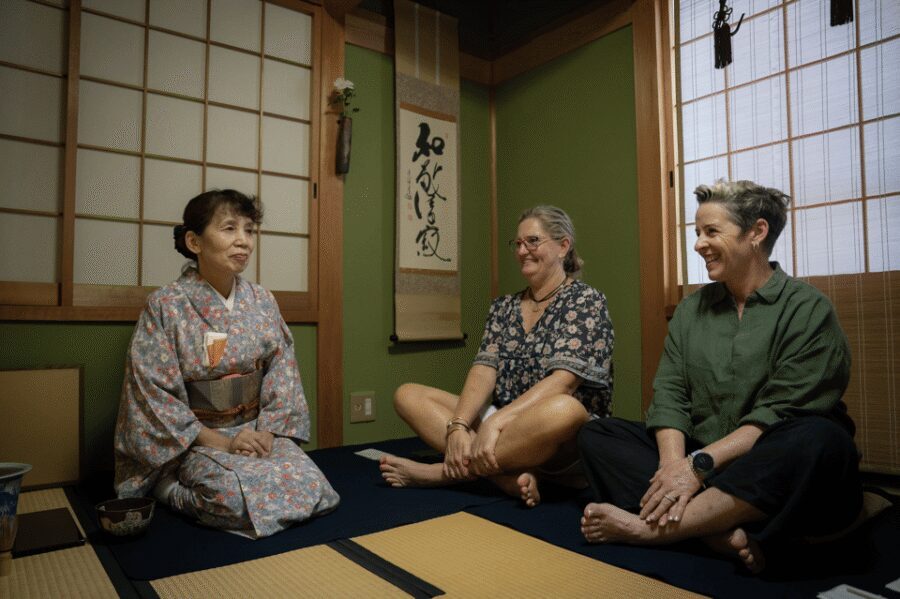
The ceremony is led by a teacher with 30 years of expertise. That’s not just a brag—it shows up in how the instruction is paced.
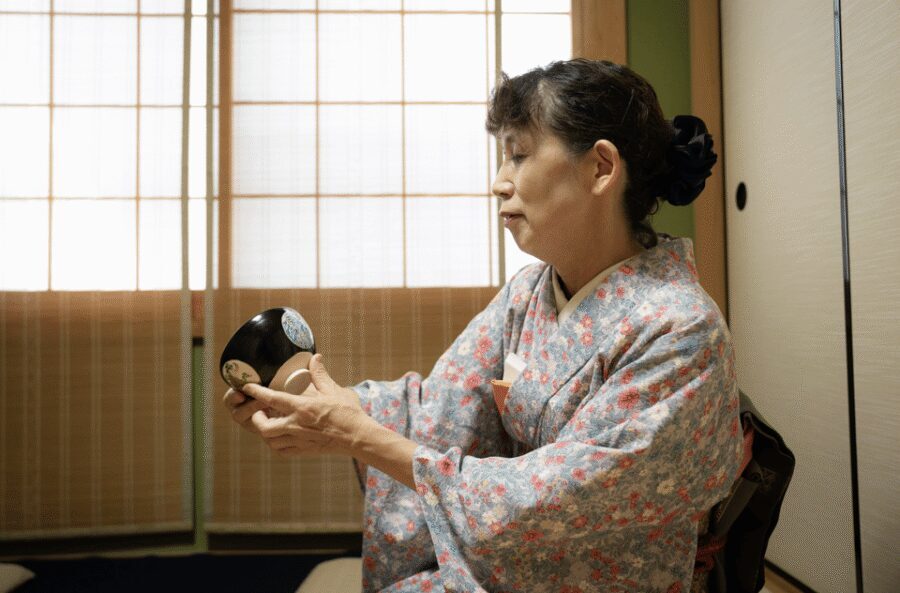
The tone is designed to be welcoming for beginners. If you’ve never done matcha, you won’t be left guessing what to do with a whisk or when to stop. The teacher’s job is to translate the ritual into steps you can actually follow, then check in so you’re not silently struggling.
English instruction also matters more than people expect. Tea ceremonies come with lots of terms and small cultural rules. When explanations are in your language, you can focus on the actions and the feel instead of trying to translate everything in your head.
People in the feedback consistently highlight how much patience and kindness come through in the teaching. Ms Yamazaki is specifically mentioned as especially kind and knowledgeable, which lines up with the overall goal: lower the barrier that often surrounds traditional experiences. You should leave understanding not only what happens, but why the actions matter.
Learning the Ritual: What the Ceremony Is Trying to Teach You
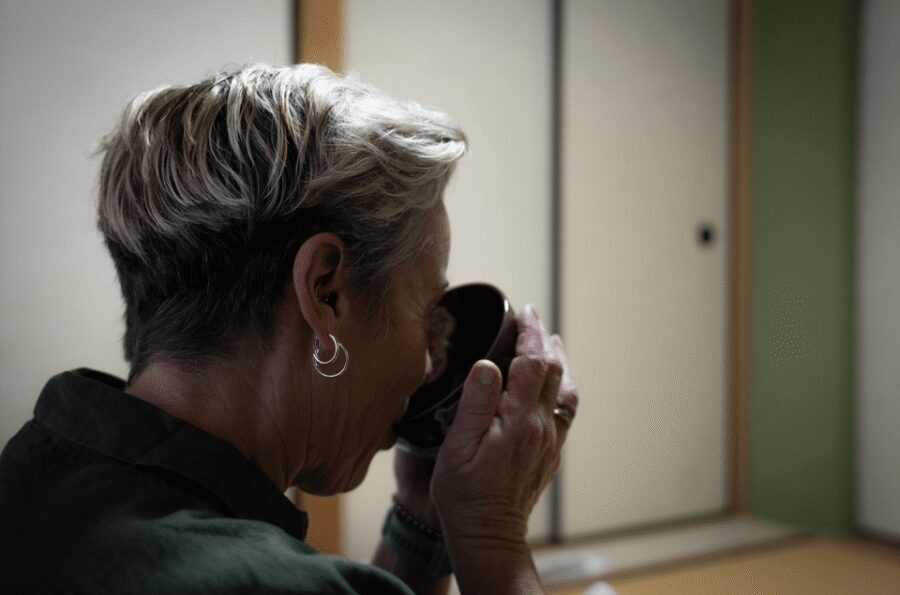
A lot of Kyoto activities are about places. This one is about process. Even if you’ve heard of Japanese tea ceremonies before, the value here is in learning the logic behind the movements.
You’ll follow guidance on matcha preparation, including the steps and the mindfulness behind the pace. The point is harmony and attention—how you handle the utensils, how you treat the tea space, and how you move with care.
If you’re the type who likes structure, you’ll enjoy that you’re taught in order. If you’re more spontaneous, you’ll like that the teacher keeps things approachable. Either way, you end up with an experience that feels intentional, not staged.
And because you can make your own tea if you wish, you’re not just watching the ritual. You’re doing one of the core actions yourself, which is where understanding becomes practical.




Whisking Matcha and Tasting Traditional Dried Sweets
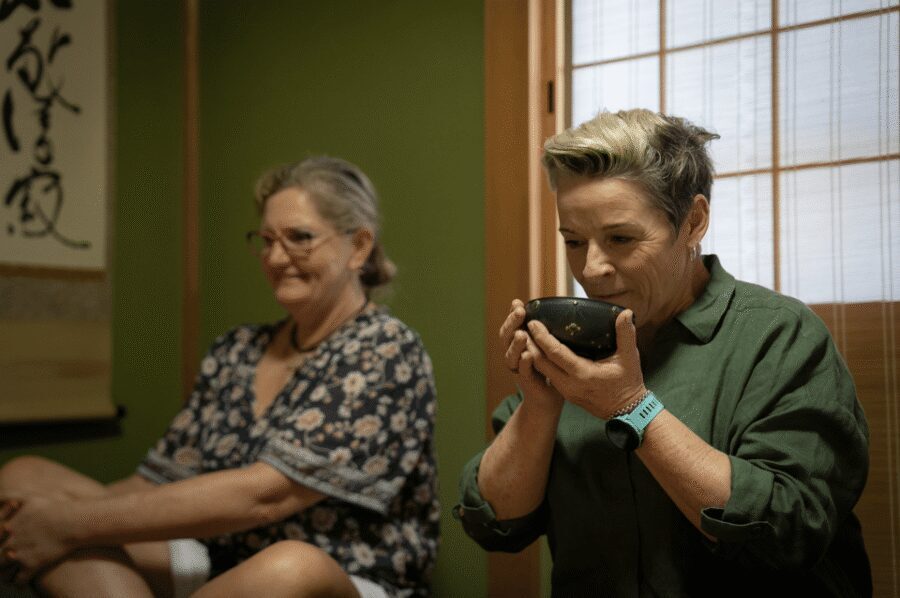
This is the part most people remember. You’ll learn matcha preparation and have the chance to whisk it yourself under guidance. The ceremony includes matcha tea and traditional dried sweets, which you’ll taste as part of the flow.
Why are the sweets included? In a well-run tea moment, the sweetness and texture help balance the taste experience. Matcha can be strong and earthy. The dried sweets give you something familiar to counterpoint it, and they also help keep the ceremony from feeling like a single flavor punch.
Also, the matcha technique is the real learning curve. Even if you do nothing but whisk slowly and stop at the right time, you’re practicing a skill. It’s a small skill, but it’s not trivial. The teacher helps you get it right without turning it into a test.
If you’re a beginner, aim to focus on consistency. Don’t chase perfection. Just follow the steps you’re given, and pay attention to how your teacher cues the pace.
Small Group Size: Up to 6 Means You’re Not Invisible
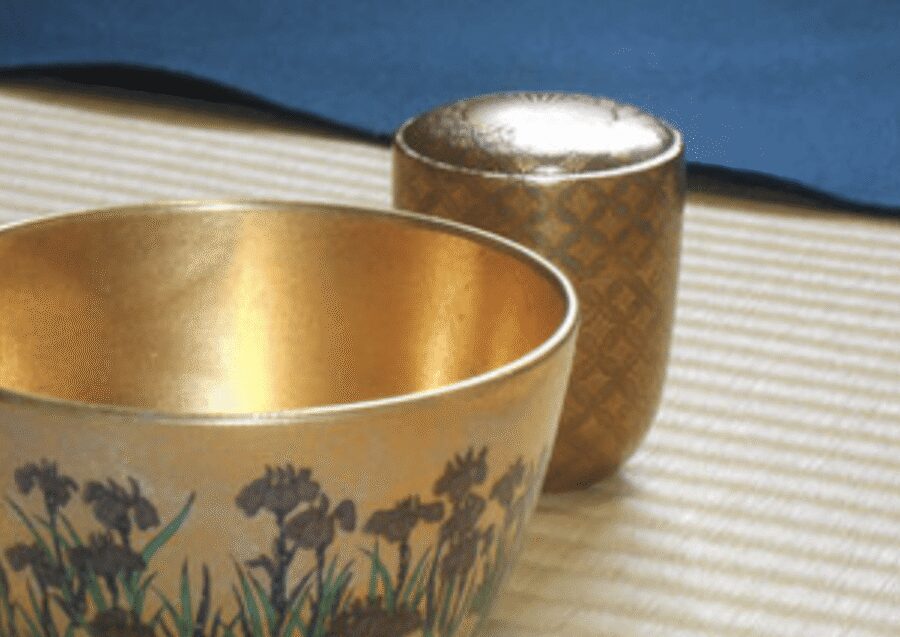
The group is limited to 6 participants. That changes the whole experience.
In a bigger group, your attention gets split. In a small room, the instructor can correct your whisking, adjust your timing, and answer your questions without rushing you. It’s also easier to settle in mentally, since you’re not balancing awkward conversation with the need to watch what’s happening.
This matters even if you’re shy. You can participate quietly, listen closely, and still get the personalized help you need.
From the feedback, a theme shows up: the host’s patience and the calm atmosphere make it easy to relax. That kind of comfort helps you learn. You don’t have to fake confidence—you build it step by step.
Pairing This Tea Ceremony With Kibune Shrine and Rurikou Temple
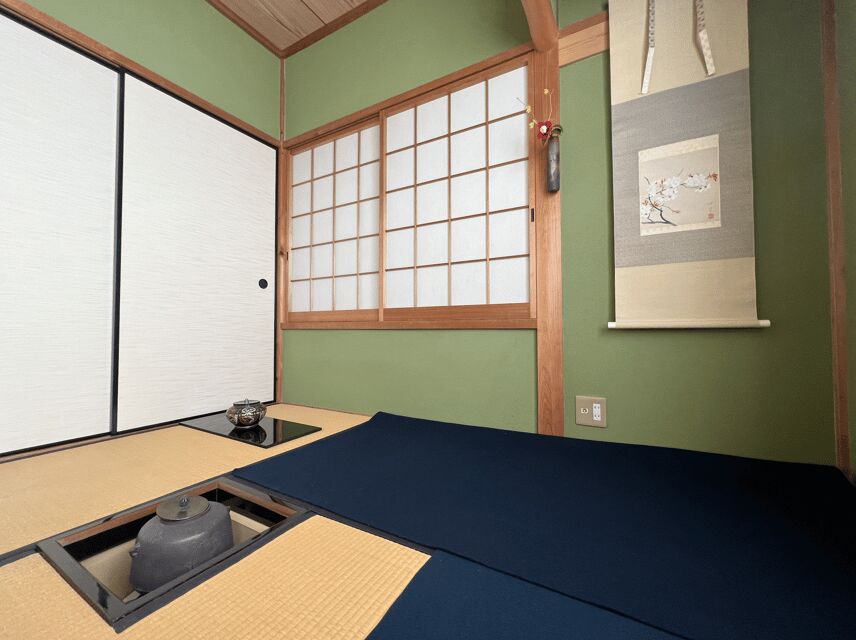
If your Kyoto day has a plan for the north side, Demachiyanagi is a useful launch point. This tea ceremony is about a 15-minute walk from Demachiyanagi Station, which makes it a smart “in between” stop.
A practical way to use this: do the tea ceremony first, then head out toward Kibune Shrine and Rurikou Temple afterward. The tea hour helps you recharge before you start walking again, and it breaks your route in a way that feels intentional rather than just convenient.
And if you’re doing the Kamogawa riverside area first, place the ceremony after a riverside stroll. That 15-minute walk to the Kamogawa Delta gives you the best of both worlds: outside calm, then inside quiet.
Either way, the location is not an isolated detour. It slots into a real itinerary.
Price and Value: Is $38 for One Hour Fair?
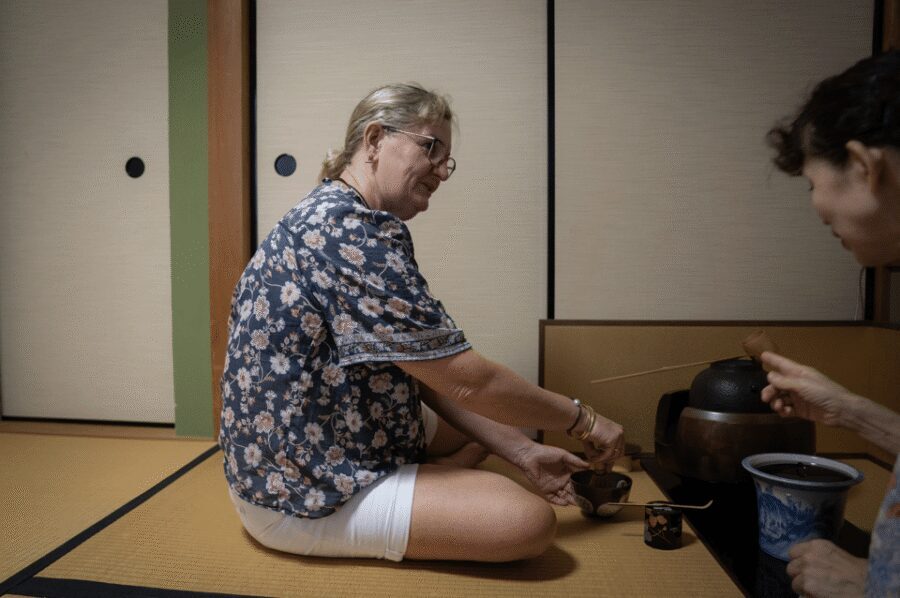
$38 per person for a one-hour, small-group tea ceremony isn’t cheap, but it also isn’t just paying for a seat.
You’re getting:
- direct instruction from a teacher with 30 years of experience
- matcha tea and traditional dried sweets included
- English guidance
- the chance to make your own matcha (if you want)
- a small group capped at 6, which supports actual teaching rather than crowd control
So what are you really paying for? Attention and access. If you’ve ever tried to “figure out” tea ceremony steps on your own, you know how easy it is to miss the fundamentals. Here, you’re guided. You leave with a clearer understanding of what to do and a better sense of the ceremony’s purpose.
If you love food experiences, Kyoto craftsmanship, or quiet cultural moments, this price can feel like a good deal. If you only want quick sightseeing photos, you might decide it’s not your style.
Who This Kyoto Tea Ceremony Is For
This fits well if you:
- want a calm break in Kyoto that isn’t another temple queue
- like hands-on cultural activities
- are traveling solo or as a small group and appreciate up-close instruction
- want an English-friendly introduction to matcha
It’s also a great “first timer” choice. The ceremony is designed to feel welcoming even if you’ve never done anything like this before.
If you’re the type who dislikes seated activities, or you need constant motion, you may find the calm pace a little slow. But if you’re looking for something thoughtful and sensory, this hour works.
Should You Book This Kyoto Tea Ceremony?
Book it if you want a Kyoto experience that’s not only cultural, but practical. The best reasons are simple: you get matcha hands-on, you’re taught by an experienced teacher, and the small group keeps it personal. The near-Kamogawa location also makes it easy to connect with a real walking day.
Skip it only if you’re chasing a big “see and leave” sightseeing moment, or if an hour seated in a small room doesn’t sound like your kind of day.
If you like learning by doing, this is one of the more satisfying uses of your time in Kyoto.
FAQ
How long is the Kyoto tea ceremony experience?
The experience lasts 1 hour.
Is the tea ceremony taught in English?
Yes. The instructor provides instruction in English.
How big is the group?
It’s a small group limited to 6 participants.
Can I make my own matcha during the ceremony?
Yes. You can make your own tea if you wish, guided by the instructor.
Where do I meet the group?
Look for a Japanese house with a sign that says Tisato.
What are the cancellation and payment options?
You can cancel up to 24 hours in advance for a full refund. You can also reserve now and pay later.