Kyoto tea feels like a pause button. This Kyoto tea ceremony happens in a 130-year-old townhouse, not a generic studio, and it’s built around calm, careful steps you actually do yourself. I love the hands-on matcha part, because you’re not just watching. I also like how the whole experience is paced like a real lesson, with room for questions and a small group feel.
One consideration: it runs about 45 minutes, and the sweetness offering is small (you’re there for tea culture, not a long food feast). If you expect a big show or a full meal, you may find it short for the money.
In This Review
- Key Highlights You’ll Care About
- Entering a 130-Year-Old Kyoto Townhouse Tea Room
- How the Ceremony Works in About 45 Minutes
- The Tea, the Sweets, and the Taste Logic
- Kaori’s Teaching Style and Why It Works
- Small Group Energy in an Old House
- Price and Value: $39.63 for a Real Lesson
- What to Wear and How to Prepare Your Mind
- Best for Who? Who Should Book This Kyoto Tea Ceremony
- Should You Book This Tea Ceremony in Kyoto?
- FAQ
- Where is the tea ceremony meeting point in Kyoto?
- How long is the Kyoto tea ceremony?
- How much does the tea ceremony cost?
- Is the group size small?
- What do I need for booking?
- What will I do during the ceremony?
- Are there tips for making matcha at home?
- Is cancellation free?
- Is the experience near public transportation?
- Who is the provider?
- Final Check Before You Go
Key Highlights You’ll Care About
- 130-year-old Kyoto townhouse setting: a traditional tearoom tucked into a real old home, entered from the garden
- Small group, up to 10 people: the ceremony stays intimate and unhurried
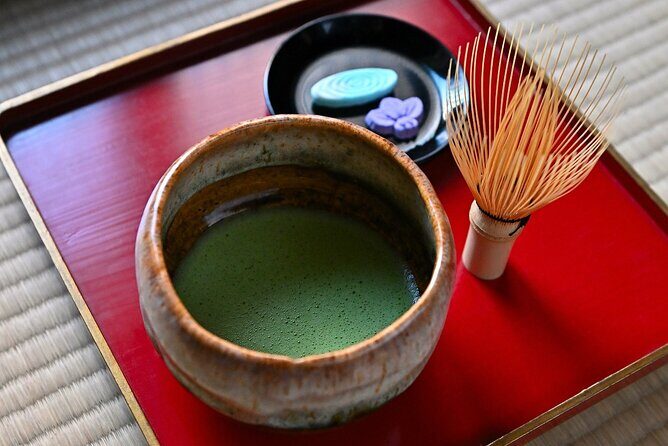
- Dried wasanbon sweets from Shioyoshi-ken: a distinctly Japanese sweetness served alongside your tea
- Make matcha yourself: you learn the steps even as a beginner
- Tea culture, not just tea: you get the history and practical ways to enjoy matcha
- Kaori’s hosting style: patient guidance with clear English in a serene atmosphere
Entering a 130-Year-Old Kyoto Townhouse Tea Room
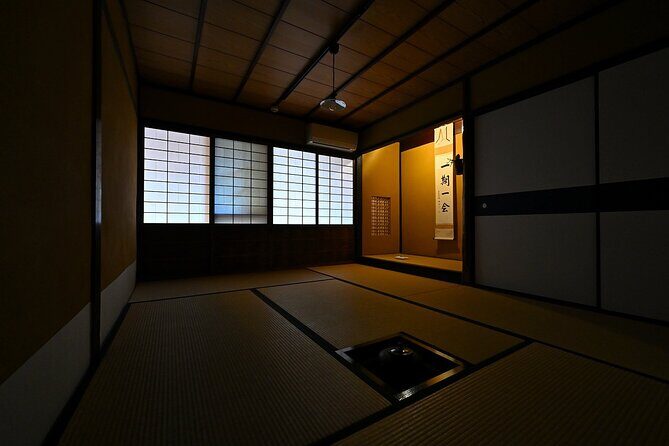
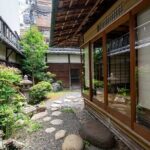
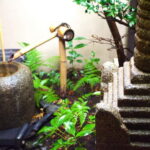
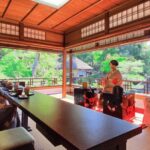
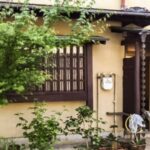
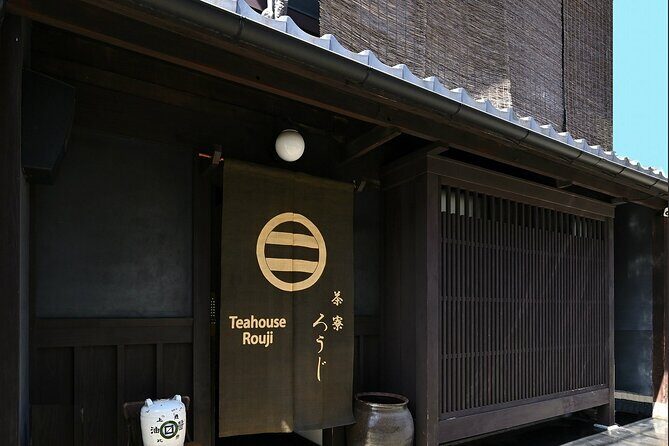
The address takes you to Nakagyo Ward, and the setting is the first big reason this tea ceremony feels special. You’re stepping into a tea room in a 130-year-old Kyoto townhouse, one of those places where you can sense time in the wood and layout. The experience begins in a quiet way too. You sneak into the tea room from the garden, which immediately shifts your mindset away from sightseeing mode.
And yes, this is in Kyoto, so you’ll probably be doing temples, markets, and packed streets all day. That’s why a calm, structured ritual lands so well. The room isn’t trying to entertain you with neon distractions. It’s doing the opposite. It nudges you to slow down, watch closely, and then do the key steps with guidance.
A practical note: the tour is described as being near public transportation. That matters because you don’t want your day’s best moment to start with a stressful transit scramble. You’ll also get a mobile ticket, so you can keep your phone ready and stay organized.
A few more Kyoto tours and experiences worth a look
How the Ceremony Works in About 45 Minutes
This isn’t a half-day cultural event. It’s about 45 minutes (approx.), which means the flow is focused and efficient. The rhythm typically goes like this:
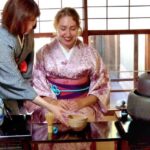
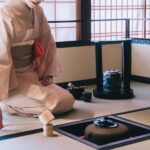
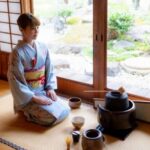
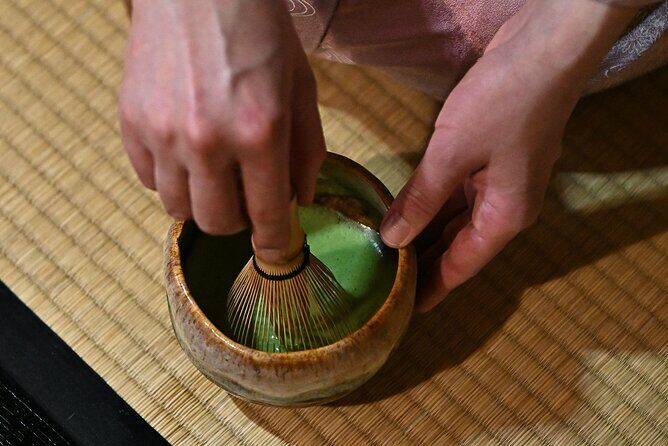
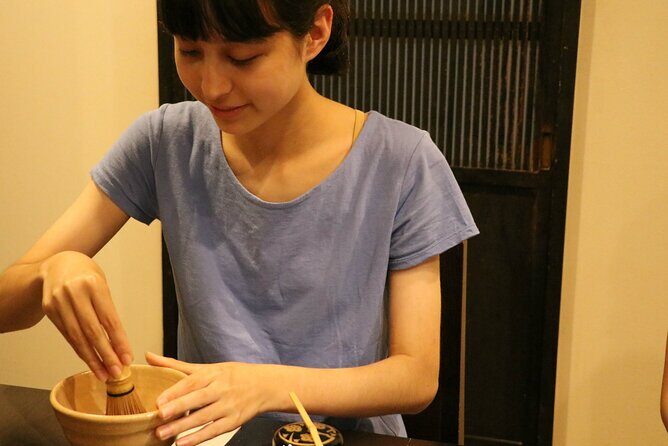
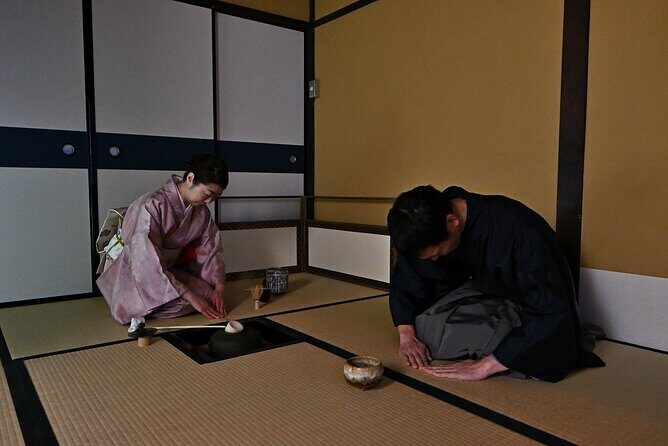
First, you settle in and watch a demonstration. You’ll see the instructor show how matcha is prepared and how the ceremony steps connect to the meaning behind them. Then you get the chance to make your own matcha. That hands-on portion is the heart of the experience.
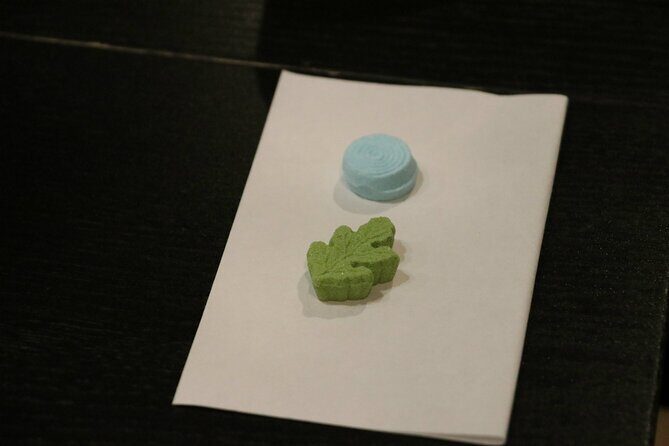
Between the demonstration and your turn, you’ll also enjoy Japanese sweets. Expect dried sweets like cookie- or candy-style treats from a historic shop in Kyoto. The point isn’t huge variety. It’s a small, specific pairing that helps you taste how the sweetness works with matcha.
During the ceremony, you’ll learn a mix of culture and technique:
- the history and culture of tea ceremony
- how to appreciate and drink matcha
- how to make matcha yourself (even if you’re brand-new)
- tips to enjoy tea at home without traditional utensils
That last part is surprisingly useful. Many tea experiences stop at the ritual moment. Here, you’re given tools for later, so the memory doesn’t fade the second you’re back in your hotel.
The Tea, the Sweets, and the Taste Logic
Matcha is the obvious star. What makes this ceremony feel more authentic is that it’s described as using matcha from a historic shop in Kyoto. That gives the tea a sense of place, not just generic green powder.
Then there are the sweets. Some people love the delicacy of what’s served; others find the quantity small. From the details shared, those dried sweets are connected to a type of sugar called wasanbon, a traditional Japanese sugar. They’re served alongside your tea and come from a long-established sweets store in Kyoto: Shioyoshi-ken.
Here’s how to think about it so you’re not disappointed:
- If you want a snack break, yes, the sweetness portion may feel limited.
- If you want the ceremony’s balance—tea first, sweetness as a small accent—this pairing makes sense.
One person even pointed out that it can feel expensive if you judge the event purely by food volume and time. I’d frame it differently. You’re paying for a structured lesson inside an authentic older home, plus the guided matcha-making process. The sweets support the tea moment, rather than replace it.
Kaori’s Teaching Style and Why It Works
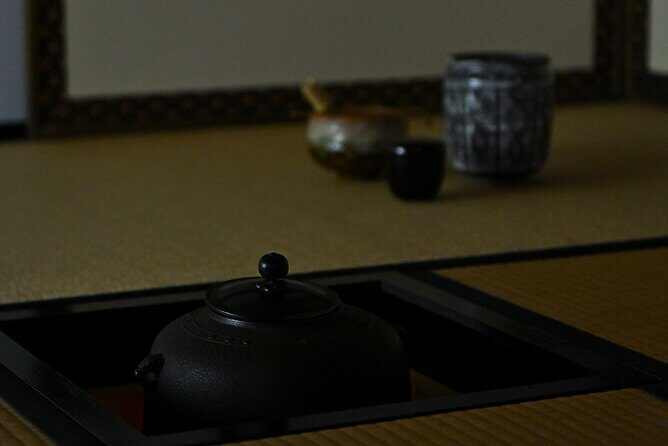
The experience is hosted by Kaori, and that name shows up again and again in positive comments. What stands out isn’t just warmth—it’s the way she explains the steps slowly enough for beginners.
Several visitors noted the same strengths:
- careful pacing
- a welcoming, calming presence
- clear English
- an invitation to ask questions
- guidance that helps you succeed, not just observe
This matters because tea ceremony can look intimidating from the outside. The movements are specific, the etiquette is traditional, and your first try might feel awkward. In a well-run lesson, that awkwardness shrinks fast.
There’s also mention of comfort support. One review notes that sitting traditionally can be difficult with bad knees, but that a stool was available if needed. Another name—Cowry—was credited with being obliging in that context. The takeaway for you: if you have mobility needs, don’t assume you’ll be stuck. Ask what options exist when you arrive, and go in expecting the host wants everyone to participate.
Small Group Energy in an Old House
This experience caps at a maximum of 10 travelers, and that changes the vibe immediately. With a larger group, tea ceremonies can turn into a watch-and-wait show. Here, you get more time with the instructor and more chances to make your own matcha.
The intimate size also supports the atmosphere. People described the ceremony as cozy and personal. That’s exactly what you want after a day of crowds. It’s also what makes it work for families and couples. You get a shared activity with a gentle pace, not a rushed workshop.
Timing helps too. The ceremony is short enough to fit cleanly into a Kyoto day, yet long enough for you to actually do the core activity: prepare matcha.



Price and Value: $39.63 for a Real Lesson
At $39.63 per person, this isn’t a bargain-basement activity. So the key question is: what are you buying?
You’re buying:
- an authentic tearoom in a 130-year-old townhouse
- a guided matcha-making lesson
- tasting Japanese sweets that connect to tea ceremony tradition
- explanations of tea history and how to appreciate matcha
- practical tips for enjoying tea at home without the full set of utensils
That’s the value logic. You’re not just paying for the cup. You’re paying for the coaching that lets you recreate the basics later.
That said, your expectations matter. If you want a long event with lots of food, or you’re hunting for a full performance, you may feel underwhelmed. The ceremony is designed to be respectful of tradition and focused on tea. It’s not built for maximum spectacle.
What to Wear and How to Prepare Your Mind
No outfit is listed as required, and kimono isn’t mentioned as included. So I’d pack for comfort, especially because tea ceremony involves seated posture.
A good approach:
- wear something you can sit in comfortably for the duration
- bring a calm mindset, not a checklist mindset
- plan to take it slow after, not sprint to your next stop
If you have knee or mobility concerns, think ahead. A stool was reported as available, but you should still let yourself feel prepared. Better that you arrive with comfort, than spend your time focusing on your body.
Also, go in ready to taste and learn. Matcha has a specific flavor profile. If you treat it like just another drink, you might miss the point of the ceremony’s guidance on appreciation.
Best for Who? Who Should Book This Kyoto Tea Ceremony
I think this is a great fit if you:
- want a beginner-friendly introduction to tea ceremony
- enjoy hands-on cultural activities
- want a calmer Kyoto moment away from crowded viewpoints
- like matcha and want a repeatable way to make it at home
- prefer small-group settings where you can ask questions
It also works well for couples and families because the pace is gentle and the experience is short enough that it doesn’t drag.
If you’re the type who needs a big visual show, or you’re only interested in eating your way through Kyoto, this may not satisfy you. The focus here is tea culture, not entertainment.
Should You Book This Tea Ceremony in Kyoto?
Book it if you want a real tea ceremony lesson in an authentic old-townhouse setting, with enough guidance that you can make matcha yourself. The small-group size and Kaori’s careful English explanations are big pluses, especially if you’re new to Japanese tea.
Skip it or rethink it if:
- you’re expecting lots of food or a long event
- you mainly want a spectacle, not a mindful ritual
- you’re sensitive to traditional seating and didn’t plan for comfort options
If you match the first group more than the second, this is exactly the kind of Kyoto experience you’ll remember when you’re back home whisking matcha and trying to recreate that calm.
FAQ
Where is the tea ceremony meeting point in Kyoto?
The start location is 22-26 Nishinokyō Ikenouchichō, Nakagyo Ward, Kyoto, 604-8375, Japan. The activity ends back at the meeting point.
How long is the Kyoto tea ceremony?
It runs about 45 minutes (approx.).
How much does the tea ceremony cost?
The price is listed as $39.63 per person.
Is the group size small?
Yes. The ceremony has a maximum of 10 travelers.
What do I need for booking?
You’ll receive a mobile ticket. Confirmation is received within 48 hours of booking, subject to availability.
What will I do during the ceremony?
You’ll watch an instructor’s demonstration, enjoy dried Japanese sweets and matcha, and then make your own matcha. You’ll also learn about tea ceremony history and how to appreciate matcha, with beginner-friendly instructions.
Are there tips for making matcha at home?
Yes. The experience includes tips for enjoying tea at home even without traditional tea utensils.
Is cancellation free?
Yes. You can cancel up to 24 hours in advance for a full refund.
Is the experience near public transportation?
Yes, it’s described as being near public transportation.
Who is the provider?
The experience provider is Japanese Cooking Class Roujiya. The host is Kaori.
Final Check Before You Go
If you’re looking for one Kyoto activity that’s quiet, hands-on, and genuinely tied to tradition, this tea ceremony checks those boxes. Keep expectations aligned with a short, focused lesson, wear comfortable clothes, and you’ll walk away with matcha skills you can actually use later.