Kyoto in four hours, tailored to you. This half-day Kyoto walk is built around your choices, so you can line up the UNESCO stops that matter most to you, plus get local context from a guide. I especially liked the custom itinerary you can set, and the way guide Zied turned famous places into a clear story of Japan’s history.
One thing to keep in mind: entrance fees and transportation aren’t included, so you’ll want to plan for tickets as needed and handle getting between areas yourself.
In This Review
- Key highlights at a glance
- How the customized 4-hour plan works in Kyoto
- Building a route: World Heritage sights you can target
- Gion district stroll: old streets, teahouses, and tradition
- Kiyomizu-dera: the wooden stage and city views
- Nijo Castle: feudal design with the famous nightingale floors
- Northern Kyoto pause: Botanical Garden, Kamigamo Shrine, and Ota Shrine
- Kyoto Botanical Garden
- Kamigamo Shrine
- Ota Shrine (especially during iris season)
- What $125 per person gets you (and the real value)
- Timing and logistics: don’t let Kyoto waste your energy
- Who this private walking tour suits best
- Should you book this Kyoto Highlights Customized Walking Tour?
- FAQ
- Can I choose which attractions to visit during the tour?
- Is this tour private or shared with other groups?
- How long is the Kyoto Highlights walking tour?
- Are entrance fees included?
- Do I need to arrange transportation myself?
- What is the cancellation policy?
Key highlights at a glance
- Choose your attractions and start time so the route fits your schedule.
- Private, small-group feel means your guide can adjust on the fly for what you care about.
- World Heritage focus with stops like Nijo Castle and Kiyomizu-dera.
- Free walking time at some areas while other sites require separate tickets.
- Mobile ticket included with confirmation at booking, so you can keep things simple.
How the customized 4-hour plan works in Kyoto
This tour is designed for people who don’t want a fixed checklist. You pick what you want to see, and you can set the start time. That small detail changes everything in Kyoto, because the city’s famous areas have very different moods at different times of day.
You’ll also get a guide in your selected language. That matters more than you might think. When you’re at a temple, a castle, or an older shrine complex, the explanation can help you notice what you’d otherwise miss. In a short 4-hour window, it’s the difference between taking photos and actually understanding why a place is World Heritage in the first place.
Finally, this is a private tour, so only your group participates. I like that because it reduces the problem of feeling rushed to match other people’s walking speed or interests. Guide Zied, for example, was specifically praised for accommodating what people wanted to see, and that kind of flexibility is the whole point here.
Other walking tours we've reviewed in Kyoto



Building a route: World Heritage sights you can target
The tour is structured around a 4-hour walk, but the exact stops can be tailored. You’ll see suggested options that lean toward central Kyoto or northern Kyoto, letting you combine temples, shrines, and historic districts without cramming too much into one day.
Here are the main stops you should expect to work into your route, depending on what you choose:
- Central Kyoto options: places like Gion, Kiyomizu-dera, and Nijo Castle tend to pair well if you want classic Kyoto icons in one loop.
- Northern Kyoto options: quieter cultural stops like Kamigamo Shrine, Ota Shrine, and the Kyoto Botanical Garden can add a calmer pace and a break from the heavier foot traffic around the biggest landmarks.
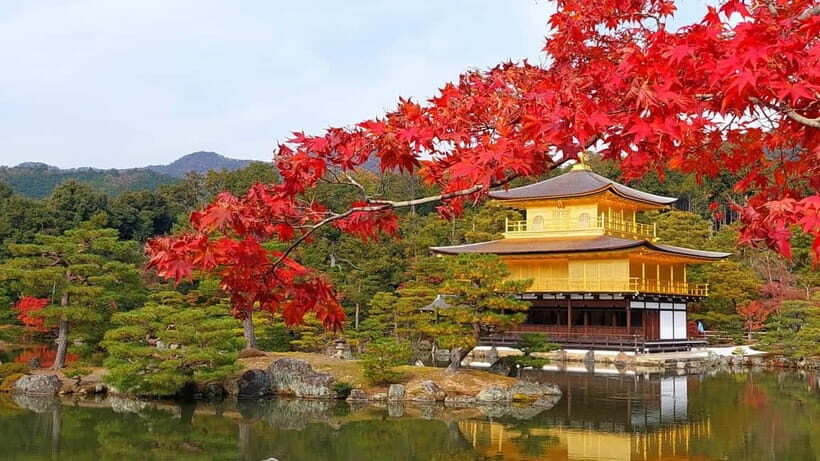
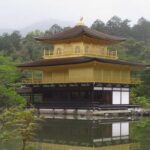
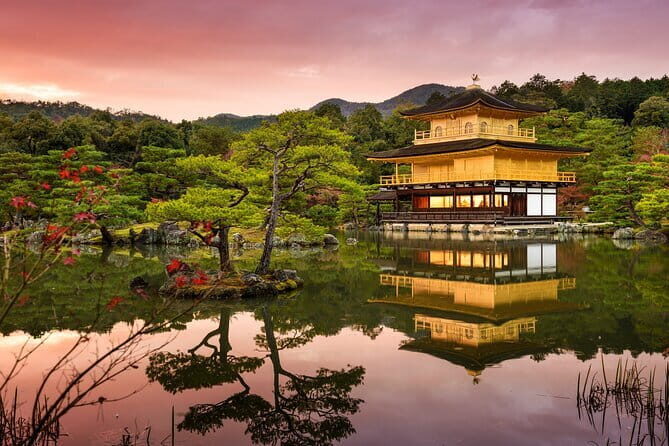
- Icon additions you can request: the tour overview points to major highlights such as Kinkakuji Golden Pavilion as an example of what you can build your plan around, alongside Nijo Castle and Kiyomizudera.
Your guide helps you decide how to connect the stops so the day feels like a route, not a scramble.
Gion district stroll: old streets, teahouses, and tradition
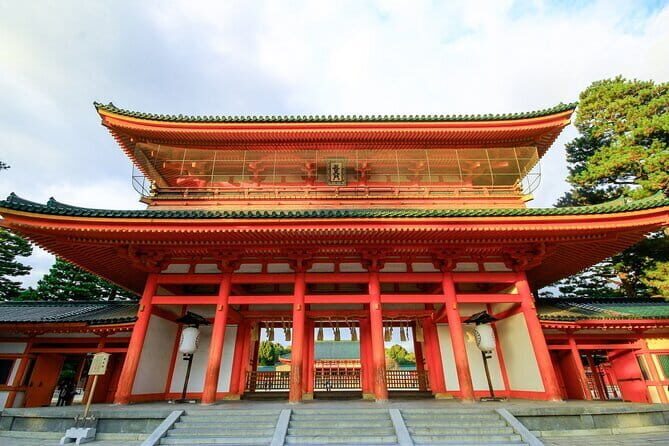
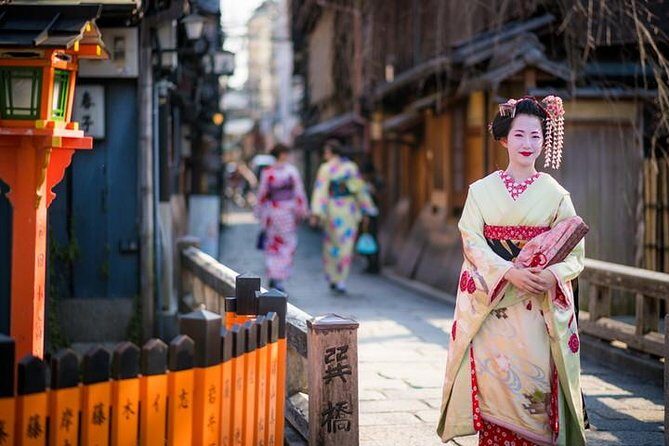
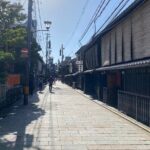
If you pick the central Kyoto direction, you’ll often include Gion for a 30-minute stop. This district is known for traditional wooden machiya houses and the surrounding atmosphere of geisha culture, with streets lined by teahouses and small shops.
Why I like putting Gion in a walking itinerary: it acts like a “buffer stop” between major sights. After castles or temples, it’s a change of pace, and it helps you feel Kyoto as a living city, not just a list of attractions.
Practical note: this stop is marked as admission ticket free in the tour outline. That’s handy because it keeps more of your time budget flexible. In 30 minutes, you’ll mainly want to slow down, take in street details, and let your guide explain what you’re seeing rather than trying to cover every corner.
A possible drawback: if you’re visiting during peak hours, you may find the streets busy. The upside of a private guide is that they can steer you toward good viewing spots and keep the walk moving at a pace that works for your group.
Kiyomizu-dera: the wooden stage and city views

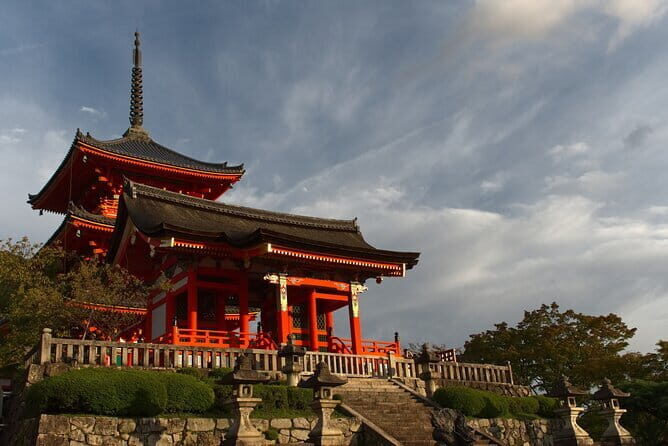
Kiyomizu-dera is a centerpiece stop in many central Kyoto routes, typically for about 30 minutes. It’s famous for its large wooden stage, where you get panoramic views over the city. The temple is a major draw, so this stop can feel like the moment your Kyoto day becomes real.
What to pay attention to (so the time feels worth it): instead of rushing straight to the most obvious viewpoint, use your guide’s context to understand why the layout matters. Your guide’s job here is to help you read the place—how the stage connects the temple to the landscape, and what the architecture and setting mean in Kyoto’s broader religious and cultural story.
This stop is listed as admission not included, so build tickets into your planning. Also remember the time is tight: you’ve got about half an hour. If you want extra time for photos or a slow walk through the grounds, ask your guide early in the customization process whether they can adjust the order or timing.
Nijo Castle: feudal design with the famous nightingale floors
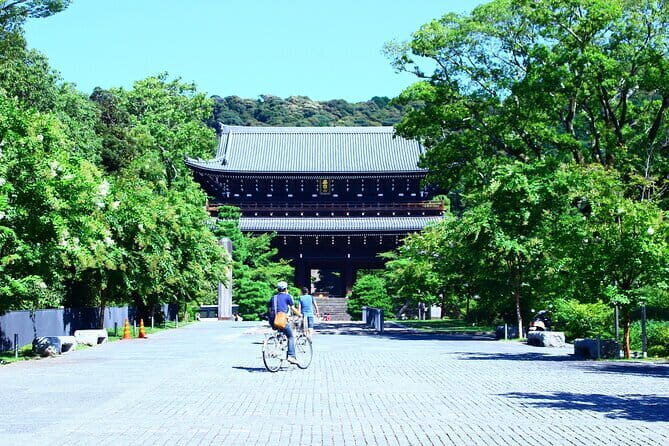
Another World Heritage highlight on the central Kyoto side is Nijo Castle, also typically a 30-minute stop. What makes this place memorable is the castle architecture and the so-called nightingale floors, designed to chirp when stepped on.
That’s more than a quirky detail. It gives you a physical way to experience how the castle was meant to function—security, movement, and the feel of a feudal residence. With a guide, you’ll be guided toward the right spots and explanations, so you don’t just walk through and move on.
As with Kiyomizu-dera, admission is not included in the tour outline. So even if the guide covers what to see, you’ll still want to handle the entry ticket yourself.
Also, timing matters at Nijo Castle. In a 30-minute window, you’ll do best with a clear focus: pick the parts your guide recommends and resist the urge to sprint through everything. If you prefer slower viewing, consider shifting a different stop out of your route so this one gets breathing room.
Other historical tours in Kyoto



Northern Kyoto pause: Botanical Garden, Kamigamo Shrine, and Ota Shrine
If you choose the northern Kyoto suggested itinerary, you’ll get a different emotional tone than the big central icons. It’s less about famous showpieces and more about rhythm: gardens, older shrines, and calm spaces that let you feel Kyoto away from the busiest lanes.
Kyoto Botanical Garden
The Kyoto Botanical Garden is included as a suggested 30-minute stop, with admission not included. The value here is simple: it’s a break. When your itinerary includes castles and temples, a garden time slot helps reset your eyes and your energy.
If you’re visiting around seasonal blooming periods, the garden can add extra beauty, but even without peak flowers it’s a peaceful change of pace that makes the half-day feel balanced.
Kamigamo Shrine
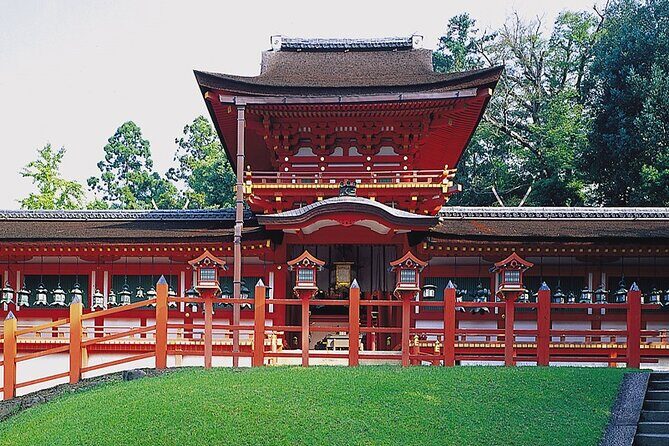
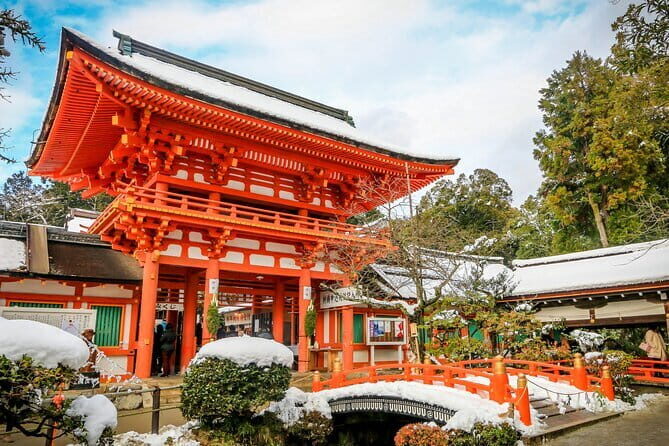
Kamigamo Shrine is another UNESCO World Heritage site on the northern side, set for about 30 minutes. It’s known as one of Kyoto’s oldest Shinto shrines, with traditional architecture and a serene setting.
This stop is especially worth it if you like older, less performative religious spaces. In a short tour, your guide can help you understand the shrine’s role in Kyoto’s Shinto traditions and why the setting feels so intentional.
No admission is listed as included for this stop, so plan on separate tickets if required.
Ota Shrine (especially during iris season)
Next is Ota Shrine, also for around 30 minutes. It’s known for an iris garden that can be particularly striking when the flowers are in bloom, plus the tranquil wooded surroundings.
If you’re timing your trip for seasonal scenery, this is one of the stops that can pay off. If iris season has passed, the wooded calm still makes it a worthwhile cultural pause.
Same deal as other shrines here: admission not included, so treat this as a stop where you’ll handle entry on your own if tickets apply.
What $125 per person gets you (and the real value)
At $125 per person, the headline price can look either fair or steep depending on your expectations. Here’s how I think about the value in practical terms.
You’re paying for:
- a private tour guide for about 4 hours
- a customized route you build around your interests
- support in arranging which stops make sense together
You’re not paying for:
- transportation
- entrance fees
- meals and drinks
- personal expenses
This makes the price most worthwhile if you’ll use the guide’s planning. If you already know exactly where you’re going, you might feel like you could do it alone. But if you want your day to feel efficient—connected stops, good pacing, explanations that help you understand what you’re seeing—then the guide time is the core value.
The tour also notes group discounts. That can be a sweet spot for friends or family who want private guidance without paying full price for everyone individually. Even if you’re traveling as a solo, the mobile ticket and private setup can simplify the day.
Timing and logistics: don’t let Kyoto waste your energy
This experience is marked as near public transportation, which matters because Kyoto is spread out. The tour does not include transportation, so you’ll need to move yourself between neighborhoods.
That’s also why choosing your start time is such a big deal. A well-chosen start time can mean fewer hassles getting from one stop to the next, and it can help you fit the day to your energy level.
A mobile ticket and confirmation at booking are practical wins. They reduce the mental load on the day of the tour. You can focus on walking, asking questions, and using your guide as your on-the-ground translator for what you’re seeing.
One more practical thought: because the tour is only about 4 hours, you’ll want to decide ahead of time which two or three “musts” matter most. Let your guide know that up front so they can design the route around your priorities rather than forcing you to pick under time pressure.
Who this private walking tour suits best
This Kyoto highlights tour is a strong fit if:
- you want a custom route instead of a fixed bus-style itinerary
- you care about context and want your guide to connect places to history and culture
- you prefer a private experience where your group sets the rhythm
- you’re aiming to see classic sites like Gion, Kiyomizu-dera, and Nijo Castle without spending the whole day organizing
It may be less ideal if you want long, slow visits at one site. The stops are sized for a half-day, so you’ll likely do best with a clear plan and a willingness to move at a guided pace.
The tour also notes that most travelers can participate, which is reassuring. Still, you’ll be walking and moving around temple and shrine areas, so comfort and footwear matter in any Kyoto walking plan.
Should you book this Kyoto Highlights Customized Walking Tour?
Yes, if you want a Kyoto day that feels planned but not rigid. The customization is the headline benefit, and the guide element is what turns famous landmarks into something you actually understand. The standout praise tied to Zied—especially the focus on Japan’s history and the way he accommodated what people wanted to see—points to exactly the kind of experience you want from a private guide in a short window.
I’d especially recommend it if you’re balancing multiple interests, like mixing the central icons (Gion, Kiyomizu-dera, Nijo Castle) with a quieter northern break (Kyoto Botanical Garden, Kamigamo Shrine, Ota Shrine). For many visitors, that blend is what makes a half-day feel complete.
You may want to rethink if you’re hoping for everything to be fully handled end-to-end. Entrance fees and transportation are on you, so you’ll need to do a little homework and budget tickets for the stops you choose.
FAQ
Can I choose which attractions to visit during the tour?
Yes. The tour is customizable, so you can select the attractions you want and set the start time.
Is this tour private or shared with other groups?
It’s private. Only your group will participate.
How long is the Kyoto Highlights walking tour?
The tour lasts about 4 hours.
Are entrance fees included?
No. Entrance fees are not included, and some stops are listed as not included for admission.
Do I need to arrange transportation myself?
Yes. Transportation is not included. The tour is noted as near public transportation, but you’ll handle the transit between areas.
What is the cancellation policy?
You can cancel for free up to 24 hours in advance for a full refund. If you cancel less than 24 hours before the start time, the amount paid is not refunded.