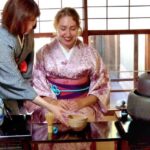
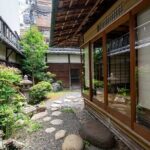
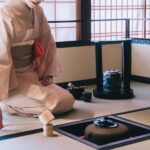
Matcha feels different in an old Kyoto house. This hands-on tea session takes place inside an 80-year-old machiya townhouse, so you are learning the ritual and the setting at the same time. I like that the hosts keep the explanations clear and simple, then you get to make your own bowl, not just watch. I also like that you finish with a proper tasting using quality matcha and Japanese sweets. One possible drawback: there is no hotel pickup, so you’ll want to plan your route to 605 Nishidachō in advance.
What makes it extra appealing is the mix of practical instruction and real cultural context. You’ll brew matcha and hear background on the ceremony, including how this ritual was once favored by monks and samurais. With a small cap of 6 travelers, the vibe stays focused, and the demonstrations can be tailored to what you need to get right.
The whole session runs about 1 hour, so it is not a half-day commitment. It is a good fit if you want something authentic that still feels manageable during a busy Kyoto itinerary.
In This Review
- Key highlights from this matcha workshop
- A Kyoto Machiya Tea Ceremony That Actually Feels Like Local Life
- The One-Hour Flow: What You Do From Start to Finish
- What You Learn About Matcha: Technique and Meaning
- Organic Matcha and Kyoto Sweets: The Part You’ll Remember
- Entering the Townhouse: Why the Setting Is Part of the Lesson
- Price and Logistics: Is $27.59 Worth It?
- Who This Workshop Suits Best
- Practical Tips So You Get the Most From Your Cup
- Should You Book This Machiya Matcha Workshop?
- FAQ
- How much does the tea ceremony experience cost?
- How long is the experience?
- Is the ticket mobile?
- What’s included in the price?
- Is hotel pickup and drop-off included?
- Where do I meet for the experience?
- How many people are in a group?
- What’s the cancellation deadline?
Key highlights from this matcha workshop
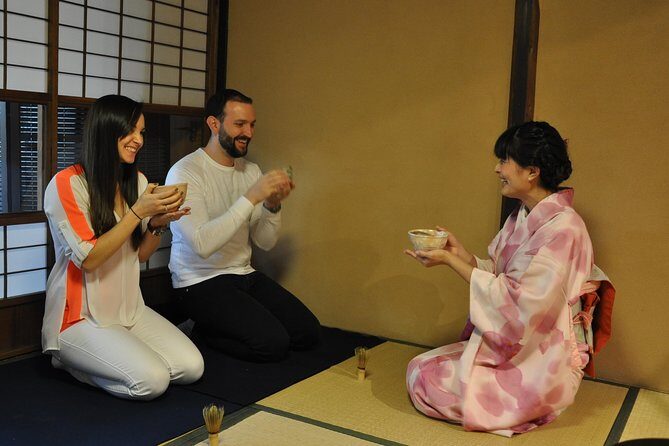
- Hands-on matcha brewing instead of passive sightseeing, with personalized guidance
- Traditional machiya townhouse setting that is about 80 years old
- Organic-farm matcha and a tasting with Japanese sweets
- Clear, thorough explanations that make first-timers comfortable
- Small group size (max 6) for a calmer, more interactive experience
A Kyoto Machiya Tea Ceremony That Actually Feels Like Local Life
If you’ve only seen Kyoto mansions from the outside, this is the kind of moment that changes your perspective fast. You are stepping into a traditional machiya, the old wooden townhouses that used to fill Kyoto’s streets. Even though you are doing a structured activity, the setting keeps things grounded. It is not staged like a museum stop.
The townhouse here is described as about 80 years old, which matters more than you might think. Older wood, older layouts, and a lived-in feel give you a better sense of why tea culture sits so naturally in Japan. Tea was never meant to be a flashy performance. It was meant to be a thoughtful pause, a way to slow down and pay attention.
You’ll also get a rare chance to see one of Kyoto’s remaining machiya up close. This is one of those experiences that helps you picture what daily life could have felt like before everything became streamlined for tourists.
A few more Kyoto tours and experiences worth a look


The One-Hour Flow: What You Do From Start to Finish
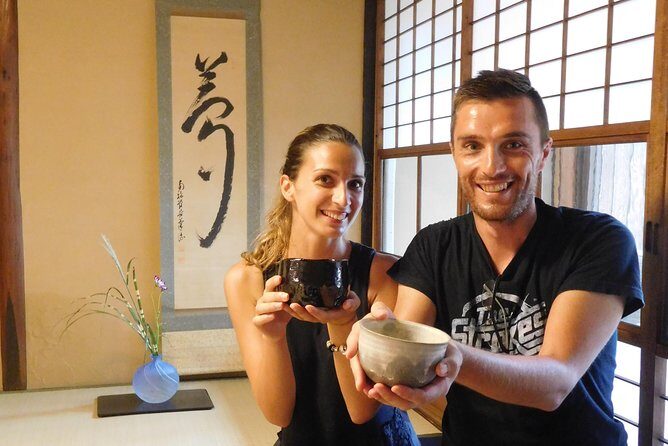
This experience runs for about 1 hour, and it stays tightly focused. You are not wandering around with a guide, and you are not waiting long for your turn. The session is built around the tea ceremony itself and matcha preparation.
Here’s what that means for you on the ground:
- You start with introductions and a short learning segment.
- You watch demonstrations, then you do the steps yourself.
- You get a bowl of matcha and Japanese sweets as part of the tasting.
The best part is the teaching style. Feedback emphasizes that hosts are kind and professional, and that the explanations are clear and simple. That combination is gold for first-timers, because tea can look complicated from the outside. When you learn it in small pieces, it becomes doable.
With a maximum group size of 6, you also avoid the common problem where the class becomes a lecture. Instead, you can expect more attention as you practice your own cup.
What You Learn About Matcha: Technique and Meaning
Tea ceremonies often get described like they are only about etiquette. That’s partly true, but what makes this workshop valuable is that you get both the how and the why.
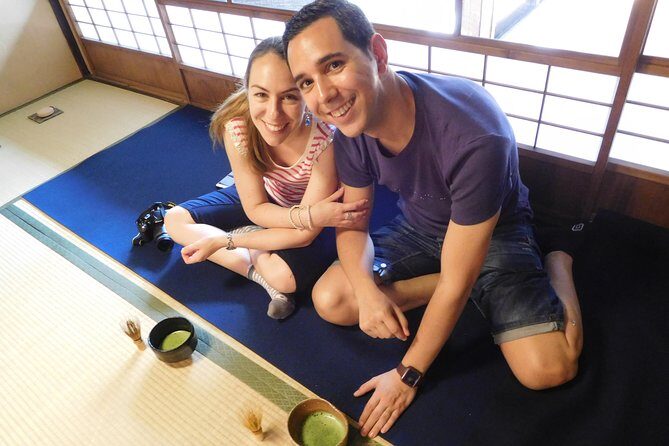
On the how side, you’ll learn the ins and outs of preparing matcha for a proper tea moment. You are not just tasting; you are building the cup. The experience is hands-on, and the demonstrations are meant to help you repeat the process yourself.
On the why side, you’ll hear background on the ritual’s history. The description specifically notes that the ceremony was once favored by monks and samurais. That kind of context helps you understand why the ritual developed the way it did. It stops matcha from feeling like a trendy drink and starts to feel like a practiced discipline.
That matters because tea culture is easy to oversimplify. People often focus on aesthetics and forget the discipline of attention. A workshop like this keeps the focus where it belongs: careful preparation, thoughtful serving, and a calm moment to drink.
Organic Matcha and Kyoto Sweets: The Part You’ll Remember
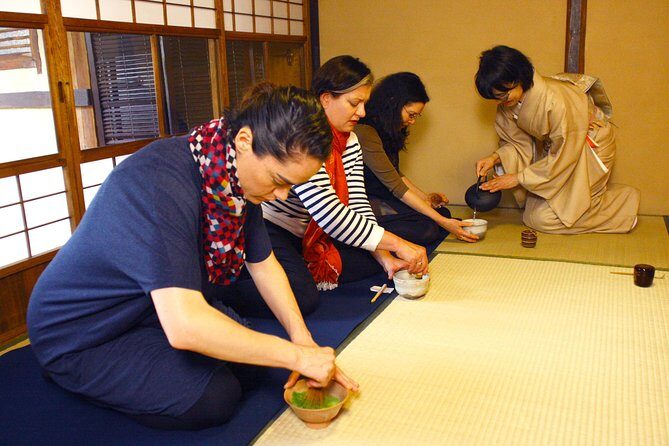
You get a bowl of matcha green tea included, plus Japanese sweets. The matcha is described as coming from an organic farm, and the tasting includes cakes from a famous Kyoto confectionary. In other words, this is not a token sip paired with generic snacks.
I like that the tasting is part of the lesson, not a separate add-on. When you brew first, then taste, the cup makes more sense. You notice what changes when you follow the steps versus when you do things casually. Even if you are not a matcha expert, you’ll still pick up differences in texture and flavor.
Also, don’t treat the sweets like an afterthought. In tea culture, pairing matters because it balances the experience. Matcha has its own earthy bitterness, and the sweetness and texture of Kyoto-style confections give you a more rounded finish. You’ll feel it most at the moment you sip, not after.
Entering the Townhouse: Why the Setting Is Part of the Lesson
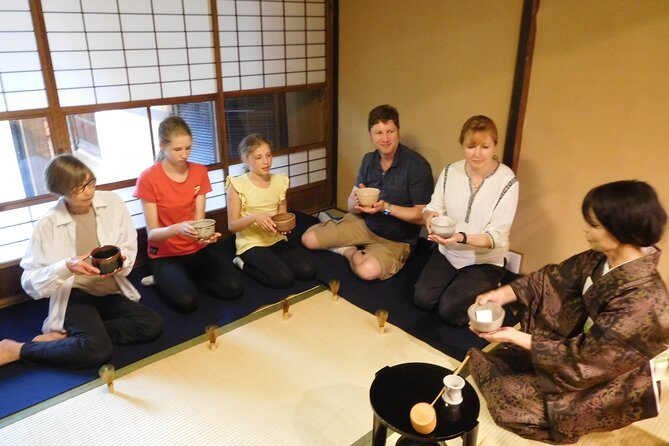
One reason this kind of class scores so well is simple: your brain learns better when the environment matches the subject. Tea has a particular mood. A traditional machiya gives you that mood instantly.
You’re in a space that looks and feels like older Kyoto. That helps you understand why tea ceremony is so often linked to quiet rooms, natural materials, and an atmosphere where people can slow down. Even if you’ve never studied tea culture before, the setting gives you a hint about behavior and pacing.
And since the group is capped at 6, the townhouse doesn’t feel crowded. It stays calm. That calm is not just pleasant; it helps you focus on the steps so you do not feel rushed.




Price and Logistics: Is $27.59 Worth It?
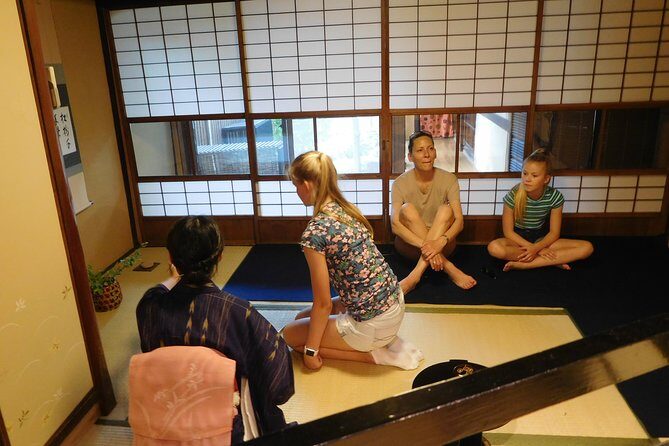
For $27.59 per person, you are paying for three things that travel days usually force you to trade off against each other: an authentic setting, hands-on instruction, and included food and drink.
Here’s what makes the value feel real:
- You get a matcha bowl and sweets included. That reduces the usual on-the-spot spending.
- You practice, so your time is active. One hour can go fast, but hands-on learning tends to stick longer than passive tours.
- The venue is a machiya townhouse, not a studio that could be anywhere.
Logistics to be aware of: there is no hotel pickup and drop-off. You need to arrive at the meeting point yourself at 605 Nishidachō, Shimogyo Ward, Kyoto. The good news is that it is near public transportation, so it is usually straightforward to reach if you are already using transit in Kyoto.
Also, you receive a confirmation within 48 hours of booking (subject to availability), and the ticket is mobile. That’s helpful if your travel schedule changes.
Who This Workshop Suits Best
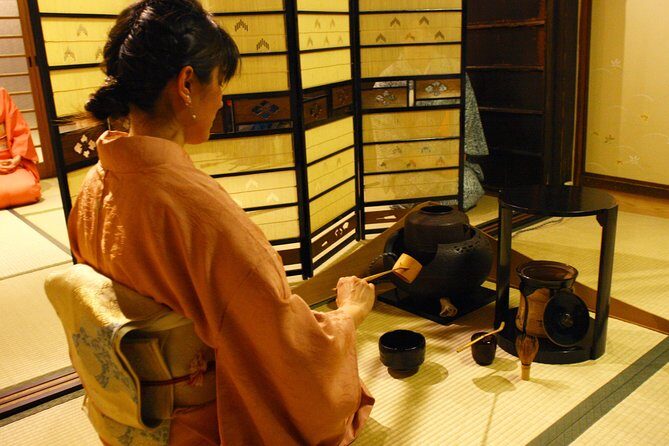
This one-hour class is ideal if you fit any of these profiles:
- You want a first taste of tea ceremony without committing to a full half-day class.
- You like hands-on activities where you learn steps you can try again later.
- You have matcha fans in your group or you simply want to understand what makes good matcha preparation different.
- You are traveling with people who prefer short, structured experiences. One write-up highlighted parents enjoying the session, which makes sense: the format is clear, and the pacing is not overwhelming.
If you are the type who loves a deep, multi-hour immersion into every aspect of tea history and tools, this may feel short. But for most visitors, it’s a smart way to get the essentials with real practice.
Practical Tips So You Get the Most From Your Cup
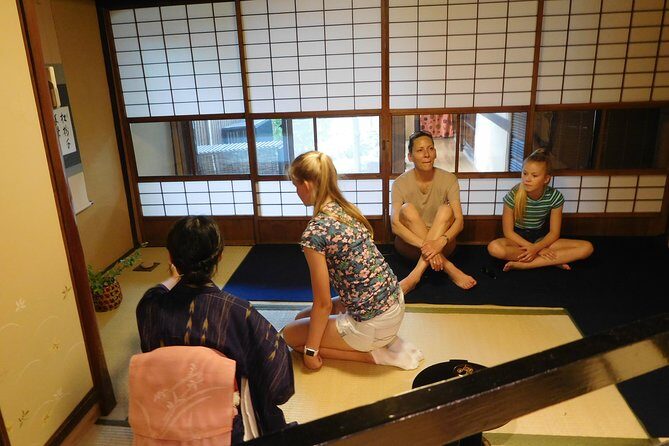
A tea ceremony class can feel slightly formal, but you do not need special experience. Still, a few practical habits help:
- Arrive on time. An hour goes quickly once you start preparing and tasting.
- Wear comfortable clothes. You’ll likely be seated and leaning forward during the matcha-making part.
- Bring a simple mindset: you are learning technique and tasting culture, not chasing perfection.
- If you’re sensitive to strong flavors, remember matcha can be bold. The pairing with Kyoto sweets helps, but you might want to pace your sips.
Finally, treat the cup as the point. The best souvenir from matcha isn’t a photo. It’s that brief moment when you understand the steps well enough to appreciate the result.
Should You Book This Machiya Matcha Workshop?
You should book this experience if you want a short, high-quality cultural activity that combines hands-on matcha practice, a genuine machiya setting, and a tasting that’s included. The small group size makes it feel personal, and the instruction style seems to work well for people who are new to tea ceremony.
Skip it or think twice if you strongly prefer guided walking tours, long multi-part museum-style experiences, or you really need hotel pickup. This is a self-arrival activity, and the core value is the hour inside the townhouse plus your own cup.
If you’re in Kyoto and you want one authentic ticket that you can remember for more than a couple of hours, this is a solid choice.
FAQ
How much does the tea ceremony experience cost?
The price is $27.59 per person.
How long is the experience?
It lasts about 1 hour.
Is the ticket mobile?
Yes. The tour uses a mobile ticket.
What’s included in the price?
You’ll receive a bowl of matcha green tea and Japanese sweets.
Is hotel pickup and drop-off included?
No, hotel pickup and drop-off are not included.
Where do I meet for the experience?
You meet at 605 Nishidachō, Shimogyo Ward, Kyoto, 600-8397, Japan, and the activity ends back at the meeting point.
How many people are in a group?
The group size is limited to a maximum of 6 travelers.
What’s the cancellation deadline?
You can cancel for a full refund up to 24 hours before the experience starts. Confirmation is received within 48 hours of booking, subject to availability.