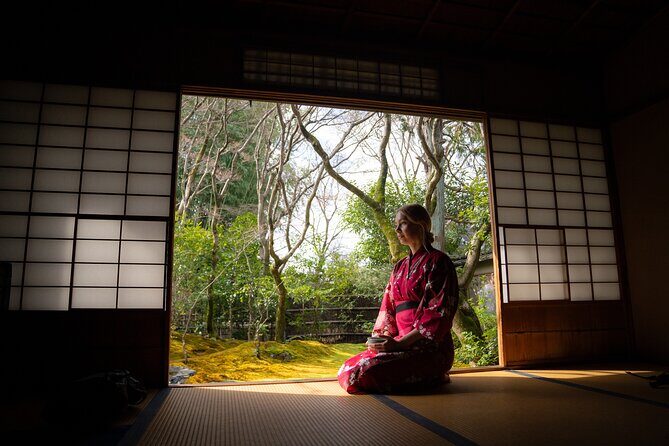
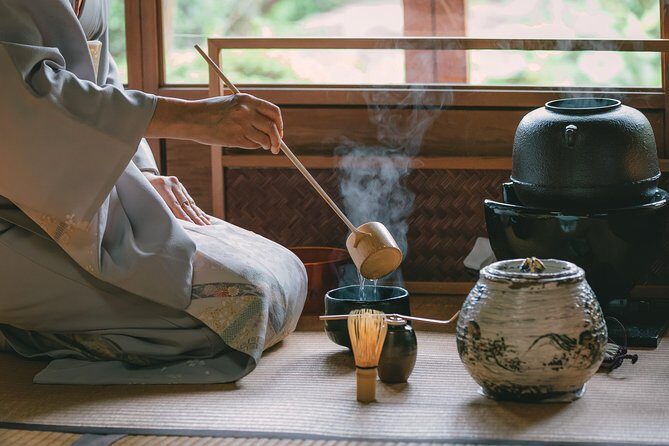
Kyoto gets a little magic when you dress the part. This kimono rental puts you in the right mood fast, with a shop location a short walk from Gion’s main lanes and a full dress-up service built for first-timers. You’ll be choosing from pure silk kimono styles, including classic, modern, retro, and Taisho Roman looks.
I really like two things here: the rental package is truly complete (kimono, obi, bag, tabi, and zori), and the staff can guide you in English and Chinese. That combo means you’re not guessing how to wear anything.
One consideration: you need to plan around a strict 5:00 PM return time for changing out. If you run late, the day can get expensive, and the shop closes on schedule.
In This Review
- Key highlights you’ll care about
- Gion’s Kimono Shortcut: where the shop puts you
- What’s included in the $36.36 kimono kit (and what costs extra)
- Choosing a kimono you’ll actually want to wear all day
- How the dressing experience flows from check-in to sightseeing
- Your walking plan: Yasaka Shrine to Gion in a kimono
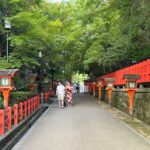
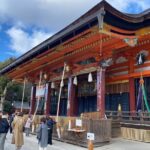
- Yasaka Shrine: first stop, big Kyoto feel
- Kodai-ji Temple: a quieter pause in the route
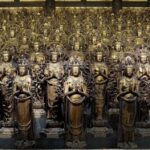
- Kiyomizu-dera Temple: your main skyline moment
- Kennin-ji Temple: finish the temple block
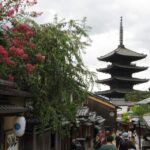
- Gion: end the day where the photos land
- Make the outfit work for you: comfort tips that stay within the rules
- Price realism: why this rental is good value for the Gion area
- Timing rules that can make or break your kimono day
- What if something gets damaged
- Who this is best for
- Should you book Momoka Kimono Rental in Gion?
- FAQ
- What does the kimono rental price include?
- Are there options for English and Chinese help?
- How long is the experience?
- Where do I meet for the rental?
- What time do I need to return to change out of the kimono?
- Is there a late return fee?
- Can I add makeup, upgraded hair, or photography?
- Are there size limits for adults or kids?
- What if I need to cancel?
- Is kimono rental allowed during pregnancy?
Key highlights you’ll care about
- One minute from Gion Hanamachi and Chaya District: great for photos before and after temples
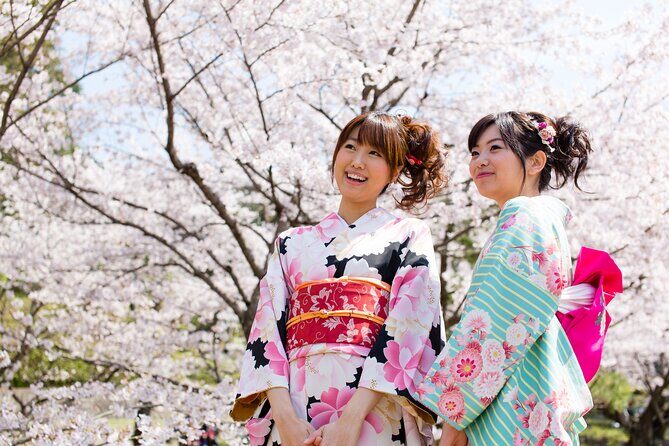
- Original pure silk kimono choices: retro, classic, modern, and Taisho Roman styles
- Staff-assisted dressing + basic hair: designed for first-time kimono wearers
- Luggage storage included: you can sightsee hands-free after you’re dressed
- Time-focused outing: a temple-and-shrine route that fits a kimono day without dragging
Gion’s Kimono Shortcut: where the shop puts you
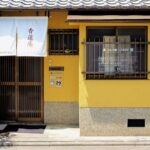
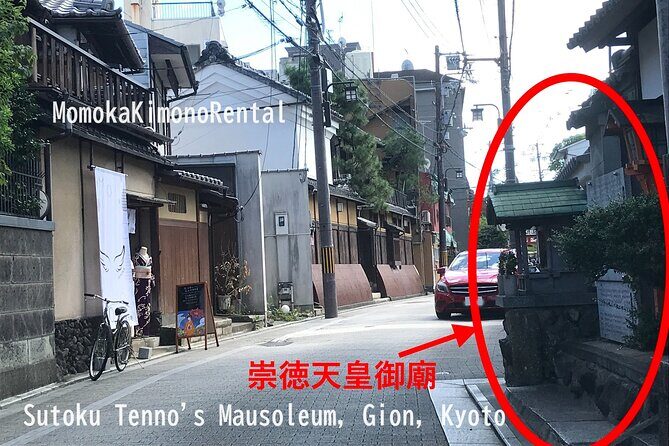
The address is in Higashiyama Ward, in the thick of Gion. The store sits less than a minute’s walk from popular areas like Gion Hanamachi and the Chaya District, which matters because kimono time feels more rewarding when you can step out into the atmosphere right away.
This is the kind of setup that helps you avoid the usual problem: spending your morning commuting, then only wearing your kimono for part of the day. With this location, you can realistically build a full sightseeing block around your rental.
A few more Kyoto tours and experiences worth a look

What’s included in the $36.36 kimono kit (and what costs extra)
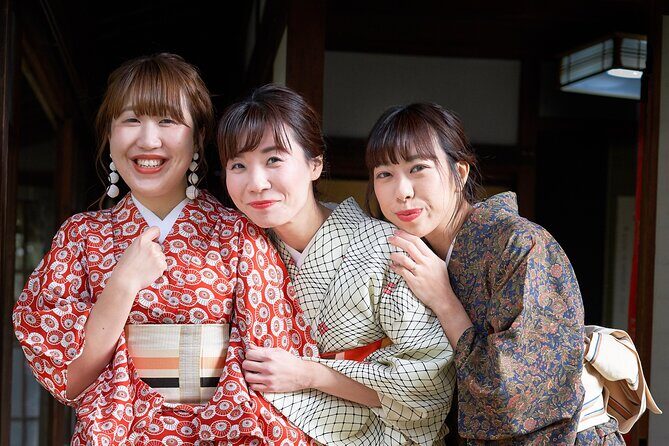
The headline value is that you’re not buying pieces one by one. Your basic rental set includes a complete set: the basic Komon kimono, obi, bag, tabi, and zori. You also get dressing service and a basic hair style, plus free on-site luggage storage.
That’s a big deal for first-time visitors, because kimono rentals often turn into a surprise at checkout when you realize you need multiple add-ons just to look right. Here, the essentials are handled, so you can focus on your day.
There are extras, though. If you want an upgraded hairstyle, it’s ¥1,650. Makeup is ¥8,800, and the photography option (1 hour for up to 3 people) is ¥18,700. If you want photos, plan whether you want one great session or simply rely on phone shots while you walk.
Choosing a kimono you’ll actually want to wear all day
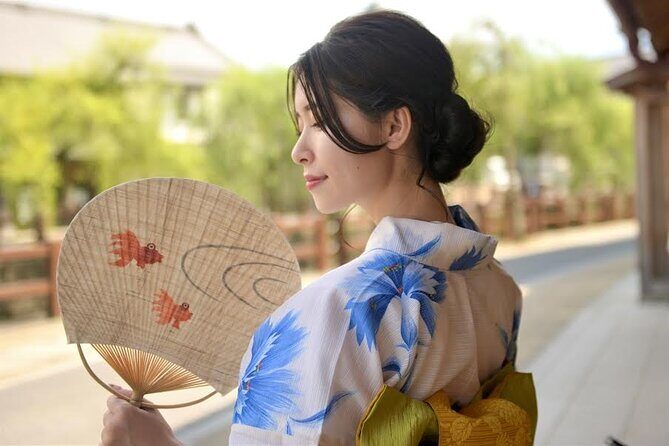
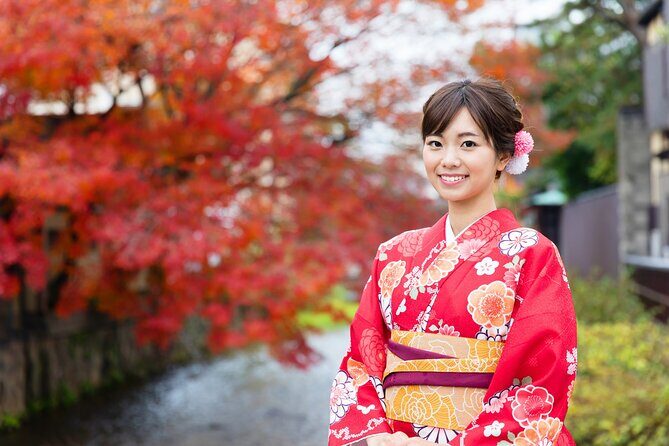
You’ll pick from a range of styles: retro, cute, classic, modern, and Taisho Roman. The kimono fabric is described as carefully selected original pure silk, and that’s the kind of detail that shows up in how the outfit looks in photos and how it feels when you’re moving around.
If you’re deciding between styles, think about your sightseeing plan. A classic look tends to match shrine-and-temple settings, while modern or retro styles can make city streets feel more playful. Either way, the staff helps you get to a choice that suits you, not just a random selection.
Also, the dressing is described as being designed by Moeko Momoka, so the process is framed as more than just wrapping fabric around you. It’s meant to make you feel like the main character in Kyoto’s old-city setting.
How the dressing experience flows from check-in to sightseeing
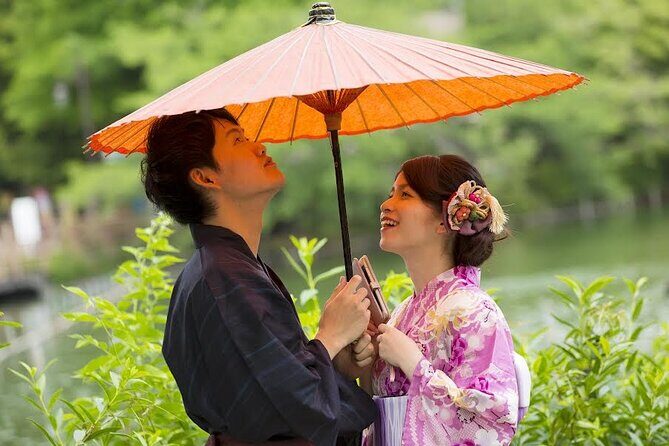
The day runs in a clear sequence. First, you arrive and check in. Then you select your kimono. After that, professional staff assist you with dressing, even if it’s your first time.
Next comes hair styling. You don’t just get a quick fix; the service includes basic hair styling meant to complement your kimono. That matters because kimono photos usually look better when your hair and outfit match visually rather than clashing.
Then you get the part that saves your day: the staff takes care of your luggage. After dressing and hair, you can go sightseeing without hauling a bag around your shoulders.
Finally, you return and change out by 5:00 PM. The shop staff helps you get that done comfortably so your kimono day ends without drama.
Your walking plan: Yasaka Shrine to Gion in a kimono
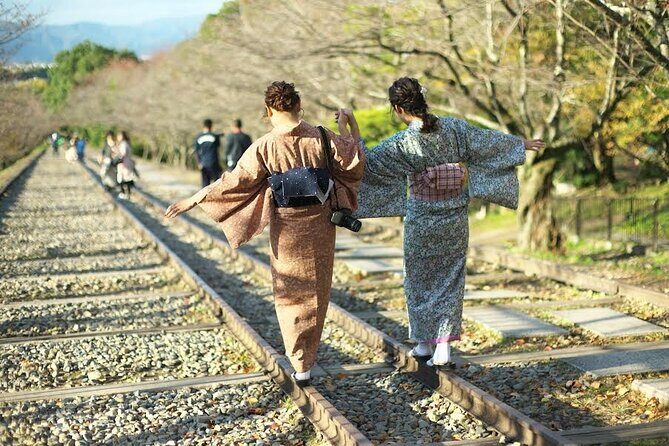
This is a temple-and-shrine sightseeing arc focused on the Higashiyama side of Kyoto. You’ll move through five named stops, finishing back in the Gion area so you can enjoy the look and feel of the neighborhood while you’re still dressed up.
A few more Kyoto tours and experiences worth a look

Yasaka Shrine: first stop, big Kyoto feel
Starting at Yasaka Shrine is smart because it’s an anchor point for a Kyoto day. When you arrive there in kimono, it instantly frames the rest of your route. You’ll likely want a moment to slow down and take photos, since this is usually the easiest place to get your first “I’m here” shot.
A small drawback: shrine routes can involve uneven ground and short walking segments. In kimono, comfortable pacing matters more than speed.
Kodai-ji Temple: a quieter pause in the route
Next is Kodai-ji Temple. This stop gives your itinerary a breather between major photo moments. In kimono, the visual contrast between traditional clothing and temple grounds can make the whole day feel more intentional.
The main thing to watch is timing. You’ll want to move with your group and not get stuck too long, because the day ends at your 5:00 PM change-out deadline.
Kiyomizu-dera Temple: your main skyline moment
Then you head to Kiyomizu-dera Temple. This stop is often the one people picture when they think Kyoto, and wearing a kimono makes the location feel even more tied to the theme of your day.
Practical note: temple sites typically mean more walking than you expect. If your feet get tired in tabi, take it slow and plan short photo breaks instead of trying to rush everything.
Kennin-ji Temple: finish the temple block
After Kiyomizu-dera, the route continues to Kennin-ji Temple. This stop helps keep your day balanced—still classic Kyoto, but without repeating the same kind of view you already got earlier.
In kimono days, the best approach is simple: don’t chase perfect timing. Instead, accept that you’re on foot in a traditional outfit and enjoy the changing street scenes as you move.
Gion: end the day where the photos land
Your final stop is Gion. This is a strong choice because it’s where your kimono setting is most visually satisfying. Since the shop is also close to Gion Hanamachi and Chaya District, you’re basically ending near the world you came for.
You’ll get to keep wearing the outfit during the area where it looks most like a movie scene. Just remember you still must return by 5:00 PM to change out.
Make the outfit work for you: comfort tips that stay within the rules
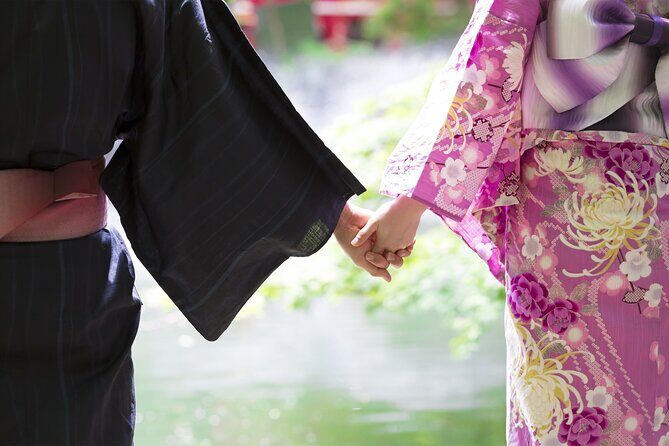
The rental includes tabi and zori, so your footwear is handled, but you still need to adjust your walking style. If you’ve never worn kimono before, expect your stride to feel different for the first hour.
Plan around your body and your clothes. If you have any specific fit concerns, speak up during selection and dressing. The adult kimono sizing is limited if your hip size exceeds 130 cm, so you’ll want to check that before you get attached to a specific look.
If you’re bringing kids, children’s kimono sizes are for kids over 70 cm, aged 12 and under. That’s an important detail if you’re traveling as a family and want everyone to match the day.
Pregnancy is the one hard stop: wearing a kimono during pregnancy is strictly prohibited, and the provider states they won’t be held responsible for health problems that may result.
Price realism: why this rental is good value for the Gion area
At $36.36 per person, the value comes from what’s baked into the price. You’re paying for the full outfit and the work: dressing service, basic hair styling, and luggage storage. In Kyoto, those services are often where the convenience cost usually shows up.
What you’re not paying for is also clear: upgraded hairstyle, makeup, and professional photography are separate options. That’s good, because you can control your spending based on how photo-heavy your day is.
Also, your shop location helps your math. Being near major Gion districts means you save time. And in a kimono rental, time is everything because the outfit has a checkout moment.
Timing rules that can make or break your kimono day
Your kimono day is designed around one main rule: return by 5:00 PM to change out. The provider emphasizes strict return time, and late returns cost extra—JPY 1,100 per person for each 30 minutes.
If you’re thinking about extending the day, there’s also a next-day option described with a deposit and surcharge, but the rental becomes non-refundable if it’s not returned next day. So you’ll want to choose confidently.
Late check-in also has consequences. If you’re more than 20 minutes late, the reservation is canceled. After 10 minutes, priority shifts. Translation: show up on time, then relax.
What if something gets damaged
Wear a kimono carefully and you’ll be fine, but accidents happen. The policy says you’ll pay a damage fee for damaged kimono or accessories, and the provider advises on-site insurance (JPY 550) if you want that extra peace of mind. Ask staff what’s covered before you head out.
This is one of those practical touches that makes the experience feel less stressful. You’re not walking in blind.
Who this is best for
This works especially well if you want a kimono day in Gion without the usual friction. First-timers will like the staff-assisted dressing and hair support. If you’re short on time and want a compact sightseeing arc from shrine to shrine and ending in Gion, this format fits.
It’s also a good match if you want the convenience of being close to iconic Gion lanes. Starting near Gion Hanamachi and Chaya District makes the whole day feel more connected to what you came to see.
If you want heavy glam or professional photos, you’ll probably add upgrades like makeup or photography. That’s not built into the basic price, so plan for it up front.
Should you book Momoka Kimono Rental in Gion?
Yes, if you want a straightforward kimono rental with a complete outfit, multilingual help, and a smooth flow from dressing to sightseeing. The location is a big advantage, and the fact that luggage storage is included makes the day feel easier than rentals that leave you managing your bag.
Maybe skip or choose a different option if you’re the type who needs flexible timing. The 5:00 PM change-out deadline is strict, and late returns have added costs. Also, if kimono fit is a concern due to hip-size limits, double-check before you choose your style.
If your plan is to spend time in Gion and the Higashiyama temple area and you want the full “Kyoto in a kimono” look without fuss, this is a strong pick.
FAQ
What does the kimono rental price include?
The price includes a complete rental set (basic Komon kimono, obi, bag, tabi, and zori), dressing service, basic hair style, and free luggage storage on-site.
Are there options for English and Chinese help?
Yes. Staff are available to assist in Japanese, Chinese, and English.
How long is the experience?
It’s listed as 1 day (approx.).
Where do I meet for the rental?
You meet at Momoka Kimono Rental, 570-41 Gionmachi Minamigawa, Higashiyama Ward, Kyoto, 605-0074, Japan. The activity ends back at the meeting point.
What time do I need to return to change out of the kimono?
You need to return by 5:00 PM to change out of your kimono.
Is there a late return fee?
Yes. Late return is JPY 1,100 per person/30 minutes, and the return time is strict.
Can I add makeup, upgraded hair, or photography?
Yes. Upgraded hairstyle is ¥1,650, make-up service is ¥8,800, and photography is 1 hour for up to 3 people at ¥18,700.
Are there size limits for adults or kids?
Adult kimonos are limited if hip size exceeds 130 cm. Children’s kimonos are for kids over 70 cm and aged 12 and under.
What if I need to cancel?
This experience is non-refundable and cannot be changed for any reason.
Is kimono rental allowed during pregnancy?
No. Wearing a kimono during pregnancy is strictly prohibited.