Kyoto at night has a different rhythm. This 90-minute tour takes you from futuristic Kyoto Station to Kyoto Tower for big views and a surprisingly artistic light show that most people miss. You’ll see how the city lights up in layers, from glass and steel below to rooftops and temple silhouettes above.
I especially like the hidden geometric light show inside Kyoto Station and the way the tour gives you rooftop-and-atrium access without feeling rushed. I also love that the English live guide ties the architecture to what’s actually going on there, with guide names like Masa and Nabet showing up in recent bookings.
One thing to consider: it’s short. If you want long, slow exploring or time to shop and snack, you’ll need a second stop after the tour.
In This Review
- Key Points Worth Planning Around
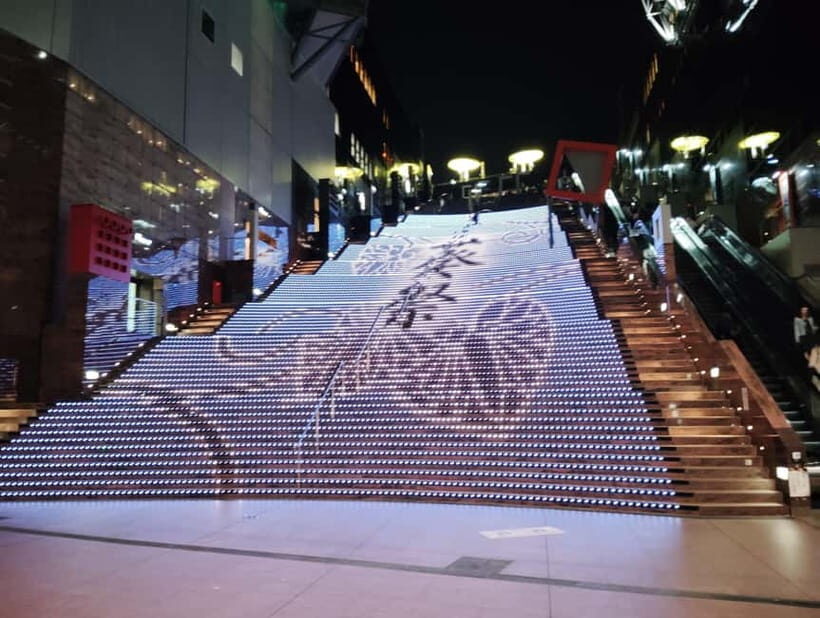
- Kyoto Station at Night: Futuristic Steel and a Hidden Light Show
- Rooftop Garden and Illuminated Atrium: How the Station Becomes a Light Machine
- Kyoto Tower Observation Deck: Reading the City From Above
- When It Rains, Kyoto Gets Cyberpunk: Night Photo Tips That Actually Help
- How the 90-Minute Pace Fits Kyoto Without Exhausting You
- Price and Value: Why $52 Can Be a Good Deal Here
- Who Should Book This Night Tour
- Should You Book the Kyoto Station and Tower Night Tour?
- FAQ
- Where is the meeting point?
- How long is the tour?
- What do I get access to during the tour?
- Is transportation or meals included?
- Is there a rain plan?
- Is the tour language English?
- What should I bring?
Key Points Worth Planning Around
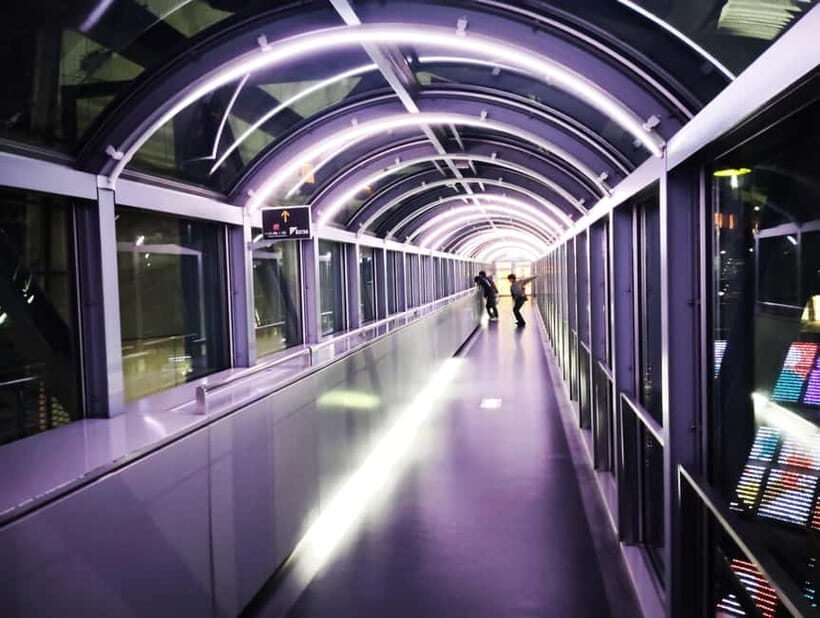
- Hidden light show at Kyoto Station: a geometric play of shadow and illumination you can’t get from the street.
- Rooftop garden + illuminated atrium access: two different angles on the same futuristic building.
- Kyoto Tower night view: the city looks calm from above, with a clear sense of where the temples sit.
- Rain-friendly route: most of the walking is covered, and wet streets make the lights look extra dramatic.
- Easy fit into your evening: 90 minutes and a straightforward loop for people with limited time.
Kyoto Station at Night: Futuristic Steel and a Hidden Light Show
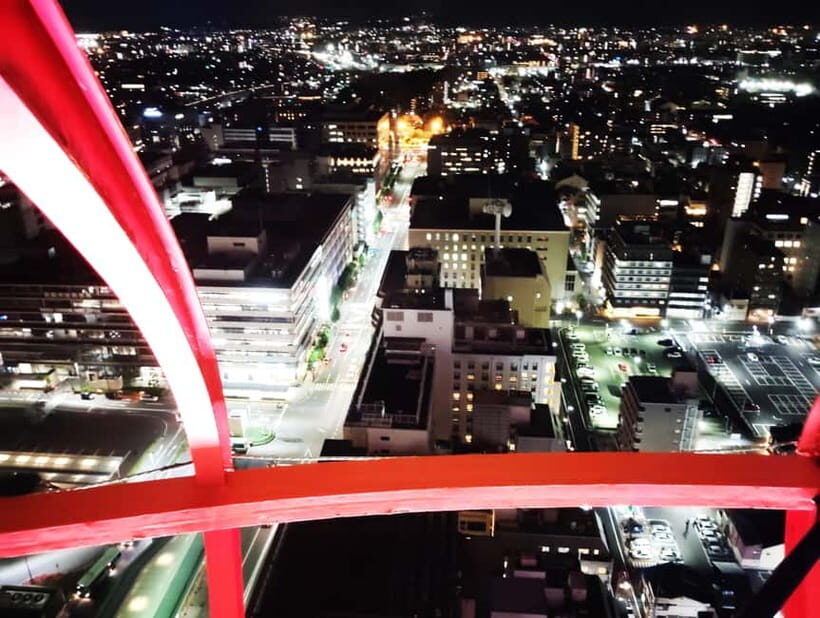
Kyoto Station is the kind of place where you might expect train chaos and nothing more. At night, it flips that idea. The station’s towering steel beams and shimmering glass façade start to look like a piece of modern design staged for the dark.
The tour’s first act is Kyoto Station itself, with a photo stop and a guided walk that’s focused on what to look at. You’re not just passing through a landmark; you’re being pointed to details—where the light lands, how different surfaces react, and how the station’s design guides your eye.
The standout moment is the hidden light show: a geometric spectacle of shadow and illumination. Even if you aren’t a “lights and art” person, geometry works well at night because it’s crisp. Lines and shapes read fast, which makes it great for travelers who want something memorable without spending hours hunting for it.
Other evening experiences in Kyoto



Rooftop Garden and Illuminated Atrium: How the Station Becomes a Light Machine
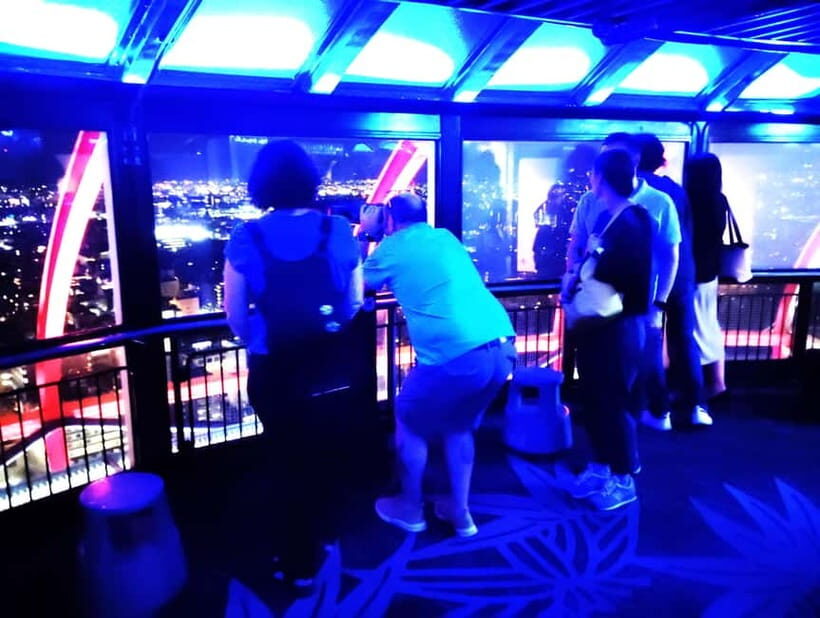
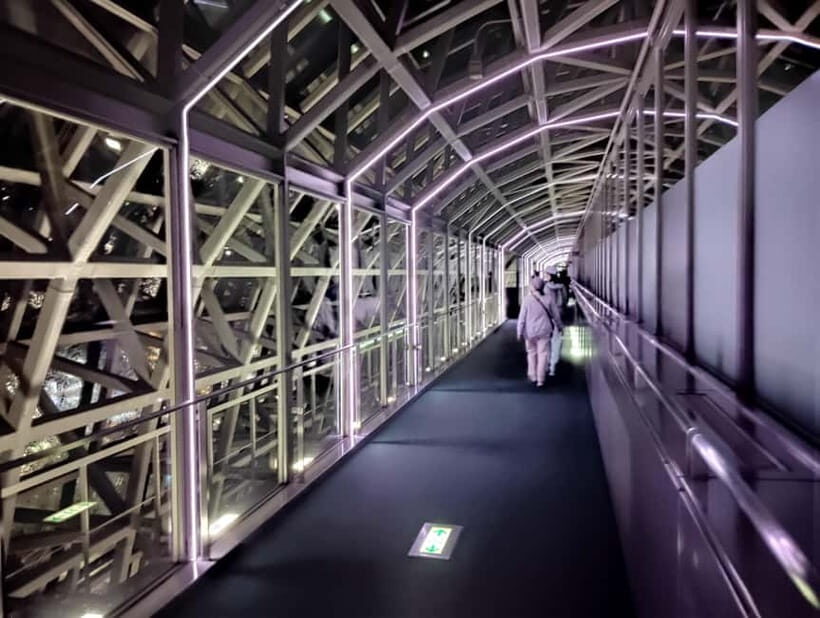
Inside Kyoto Station, the architecture acts like a lighting instrument. The tour includes access to the rooftop garden and the illuminated atrium, which is where you start to feel the station’s scale.
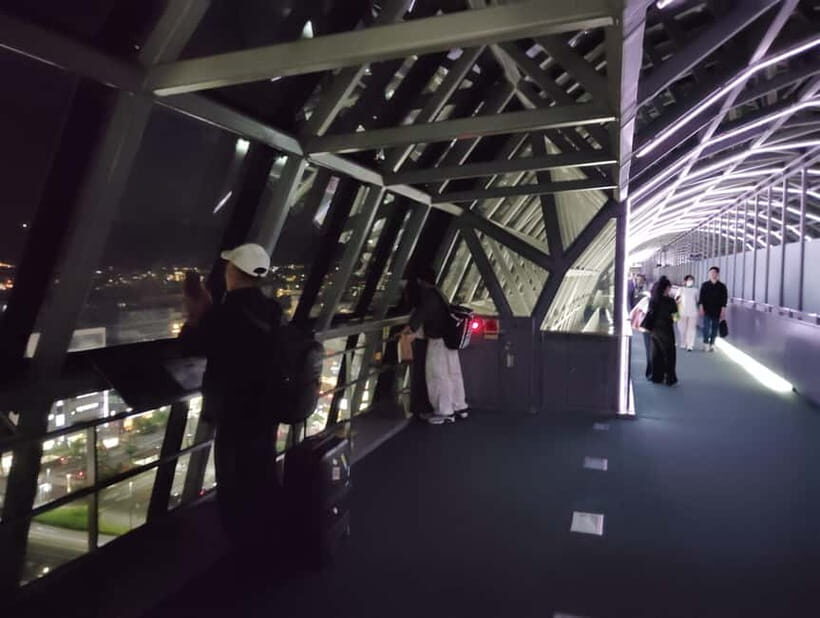
On the rooftop garden level, you’ll get a sense of height and layout that’s hard to recreate from street level. Indoors, the illuminated atrium turns the space into a kind of indoor stage—glass, reflections, and changing brightness give you that layered look photographers chase. It’s not one view. It’s a sequence of views as you move.
This is also why I think this tour is smart for first-time Kyoto visitors. Traditional highlights like temples are usually the main plan. Here, you get a different side of the city: the modern Kyoto that people often overlook when they only chase classic postcards. You’re still in Kyoto, but the mood is fresh.
Practical note: bring a camera or a well-charged smartphone. Night photos are unforgiving, and the contrast can be intense—especially around glass and illuminated surfaces.
Kyoto Tower Observation Deck: Reading the City From Above
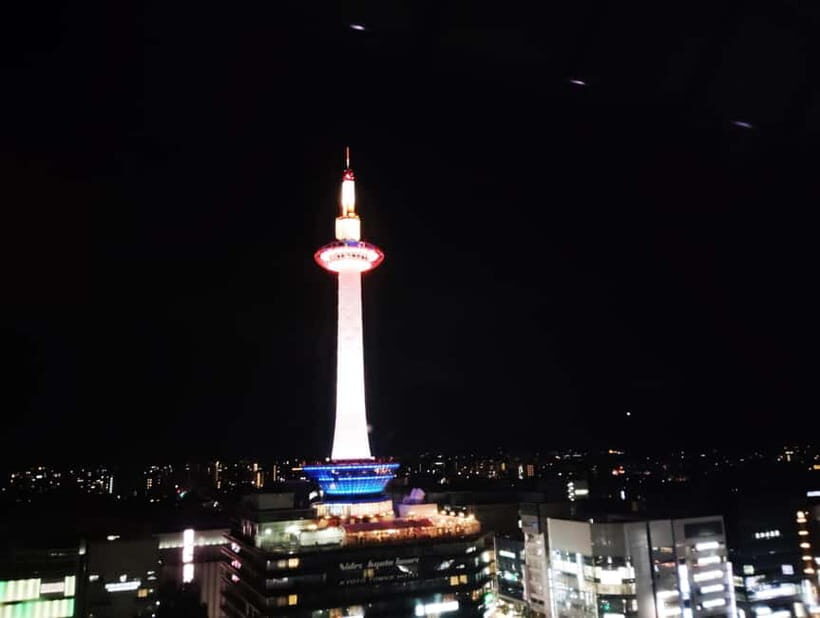
Then you head to Kyoto Tower, the tallest structure in the city. That matters more than it sounds. Being the tallest means you don’t just get “a view.” You get a useful view—something that helps you understand where neighborhoods and temple areas sit relative to each other.
The tour gives you time for photo stops and a guided visit before you settle into the observation deck experience. From up there, Kyoto’s night layout becomes gentler than you might expect. Instead of sharp, chaotic city glare, you get glowing silhouettes and a soft sprawl beneath a canopy of stars.
I also like the timing here. A sky view is strongest after the light show at the station because you’ve already trained your eye. You can compare the city as a light object at ground level (station lights and reflections) versus city-as-a-map from above (temple silhouettes and the overall shape of Kyoto).
One drawback to be aware of: observation decks can be crowded at popular times. The tour format helps, but you’ll still want to manage expectations if you’re traveling during a peak season.
When It Rains, Kyoto Gets Cyberpunk: Night Photo Tips That Actually Help
If you’ve spent time in Japan, you know rain can ruin plans—or make them better, depending on how you handle it. This tour is designed with rainy nights in mind: most of the route is covered. That means you can keep moving without constant umbrella wrestling.
Rain also changes the look of lights. Wet surfaces reflect colors and stretch them across the streets. The result can feel close to a cyberpunk vibe—neon-like glows, darker backgrounds, and softer edges on signage and building façades. It’s more cinematic than bright, dry nights, and it’s great for smartphone photography.
My practical advice:
- Wear comfortable shoes you can trust on slick surfaces.
- Hold your phone steady during dark exposure (or use a built-in night mode if you have it).
- Do a quick camera check before you go upstairs—strap, battery, and space matter more at night.
This kind of night experience is also a nice backup plan if your daytime schedule runs long. A 90-minute loop gives you a memorable night moment without needing a full evening commitment.
How the 90-Minute Pace Fits Kyoto Without Exhausting You
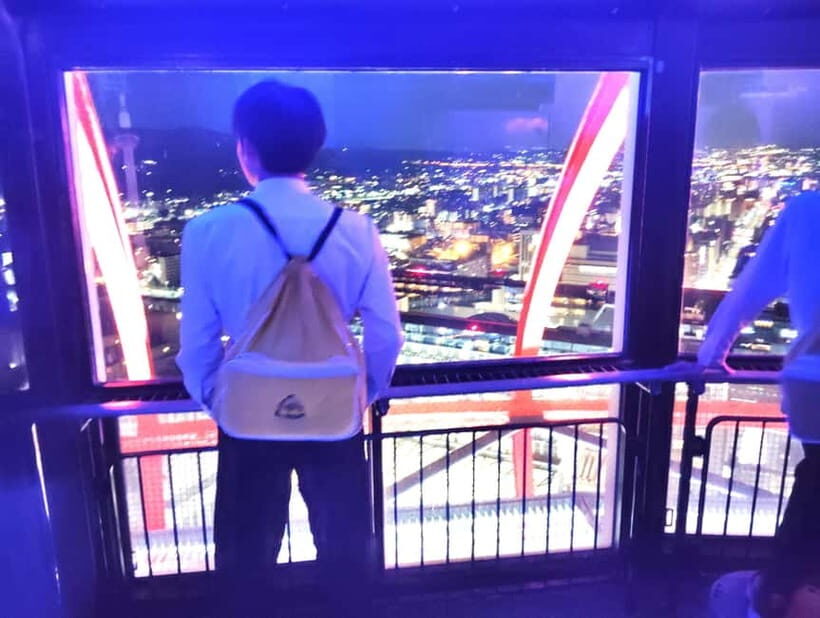
This is a tight, smart itinerary: start at Kyoto Station, spend a focused block there, then move to Kyoto Tower, and finish at the tower area. The total time is 90 minutes, which is ideal when you’re juggling temple visits, transit time, and jet lag.
You’ll get about 30 minutes at Kyoto Station building for photo stop and guided sightseeing, then about an hour at Kyoto Tower for photo stop, guided visit, and time on the observation deck. That balance helps. The station portion gets you the art-and-architecture moments. The tower portion gets you the big payoff view.
Because it’s a private group, you should feel less like you’re being carried through the crowd. Private also helps with pacing; you can linger for a photo without the whole group falling behind.
Still, keep in mind this is not a “wander until you fall in love” experience. It’s structured. If you’re the type who likes long stops, plan extra time after the tour so you can return to your favorite angle.
A few more Kyoto tours and experiences worth a look



Price and Value: Why $52 Can Be a Good Deal Here
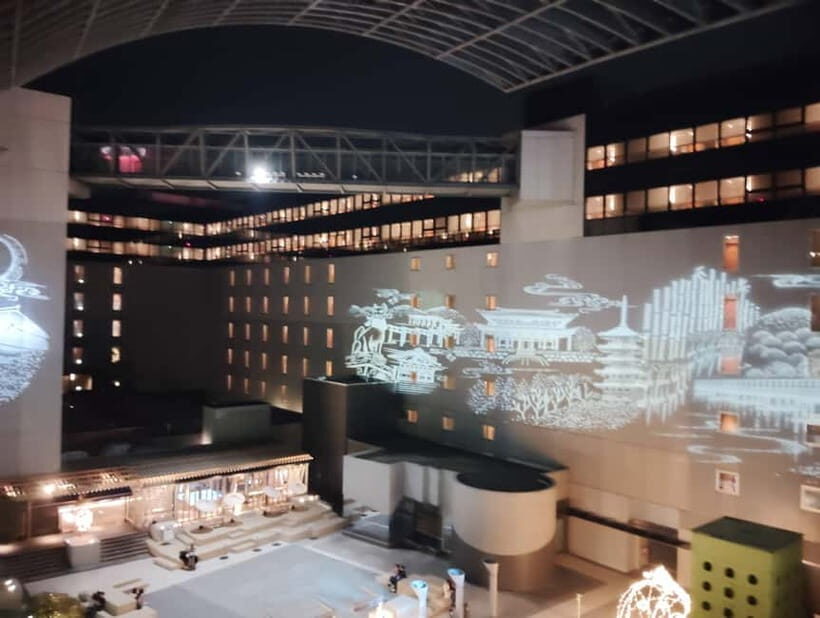
At $52 per person for 90 minutes, you’re paying for three things: guided storytelling, special access (rooftop garden and illuminated atrium), and a timed experience that strings Kyoto’s two most photogenic modern landmarks together in one evening.
Could you visit Kyoto Station and Kyoto Tower on your own? Yes. But you’d likely spend extra time figuring out where to go for the best station lighting moments, and you might not get the same attention to what you’re seeing. A guide helps you turn a “cool building” into a “now I understand what makes it work.”
That special access piece is a big part of the value. Rooftop garden access and the illuminated atrium entry aren’t just random sightseeing—they’re the parts of the station that change the experience from ordinary to memorable.
Also, the tour is straightforward enough that you’re not burning time on complicated transit plans. Meals aren’t included, so you’ll want to eat before or after, but the tour itself is built to keep you moving and seeing.
Who Should Book This Night Tour
I think this tour fits best if you:
- Want a night plan that doesn’t require a half-day commitment
- Like architecture and lighting as much as temples and gardens
- Prefer experiences with a clear schedule when you’re short on time
- Travel at night during rainy seasons and want something that stays enjoyable
- Would like a modern side of Kyoto, not only the traditional highlights
It’s also a solid option for couples and solo travelers who want a guide-led route without committing to a longer, more intensive evening.
Should You Book the Kyoto Station and Tower Night Tour?
If you’re the type who enjoys seeing a city from different angles, I’d say yes. The station light show plus rooftop and atrium access gives you an artful, modern Kyoto moment. Then Kyoto Tower rewards you with the wider view that helps everything you saw earlier in the day connect in your head.
I’d skip it only if you want hours of free time to wander, or if you’re hoping for a deep, temple-heavy night itinerary. This one is about modern Kyoto’s nighttime identity—light, geometry, and city views.
If that sounds like your pace, book it. Then eat after, download your photos, and take a second look at Kyoto through the lens you just created.
FAQ
Where is the meeting point?
Meet in front of the Rashōmon Gate replica located at Kyoto Station. The guide will be waiting with a yellow sign that says DeepExperience.
How long is the tour?
The tour lasts 90 minutes.
What do I get access to during the tour?
You get access to the rooftop garden and the illuminated atrium at Kyoto Station, plus an observation deck view from Kyoto Tower.
Is transportation or meals included?
No. Meals and transportation to and from the starting point are not included.
Is there a rain plan?
Yes. Most of the route is covered, and the night experience can look especially striking when it rains.
Is the tour language English?
Yes, it’s a live guided tour in English.
What should I bring?
Bring comfortable shoes, a camera, and a charged smartphone.