A maiko feels close in this room. This 45-minute meet-and-greet pairs two traditional dances with a short, clear English Q&A, so you don’t just watch costumes—you learn what you’re seeing. The most satisfying part is the respectful, face-to-face pacing: you get time to look, ask, and then leave with a small souvenir.
I also like that the photo session uses your own phone or camera, which keeps things simple and personal. One consideration: it’s not a private show. It’s a shared, free-seat format for up to 30 people, and one report mentioned that loud children can affect the atmosphere.
In This Review
- Key things to know before you go
- Meet the Maiko at Kyoto Handicraft Center, West Building
- What the 45 minutes really feels like: dances, Q&A, and photos
- Two dances up close: what to watch besides the outfit
- Maiko 101 in plain English: why the Q&A is the real value
- The photo moment with your own phone or camera
- Price and value: is $44 for 45 minutes fair?
- Best for whom: families, first-timers, and calm learners
- Shopping at the Kyoto Handicraft Center after the show
- Should you book this Kyoto maiko meet-and-greet?
- FAQ
- How long is the Maiko meet-and-greet?
- Is this a private activity?
- Where exactly do I go to start?
- Can I take photos during the event?
- What’s included in the ticket price?
- What’s not included?
Key things to know before you go
- Two dances total about 8–10 minutes, then the event shifts to questions and conversation
- English-speaking staff explain attire and background while you watch
- Photography is allowed during the event, and you’ll also do a dedicated photo moment
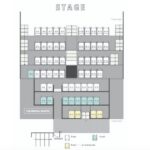
- Small group size (up to 30), so it feels more personal than big theaters
- Easy follow-on shopping right after the show at the Kyoto Handicraft Center
Meet the Maiko at Kyoto Handicraft Center, West Building
This experience happens at the Kyoto Handicraft Center, specifically the West Building. Go to the first floor, take the elevator to the 2nd floor, and look for the MEET MAIKO welcome sign.
The venue matters more than you might think. This is not in a dark performance hall where everything feels distant. It’s a shopping-and-arts space, so you’ll be able to browse while you wait. Since the reception opens 30 minutes before the show time, arrive early if you can. That extra time helps you settle in instead of rushing.
Timing note: the show is 45 minutes long, and you should aim to be there 10 minutes before it starts. Late entry is usually possible during the event, but you’ll enjoy it more if you’re seated and ready when the maiko comes on stage.
A few more Kyoto tours and experiences worth a look

What the 45 minutes really feels like: dances, Q&A, and photos
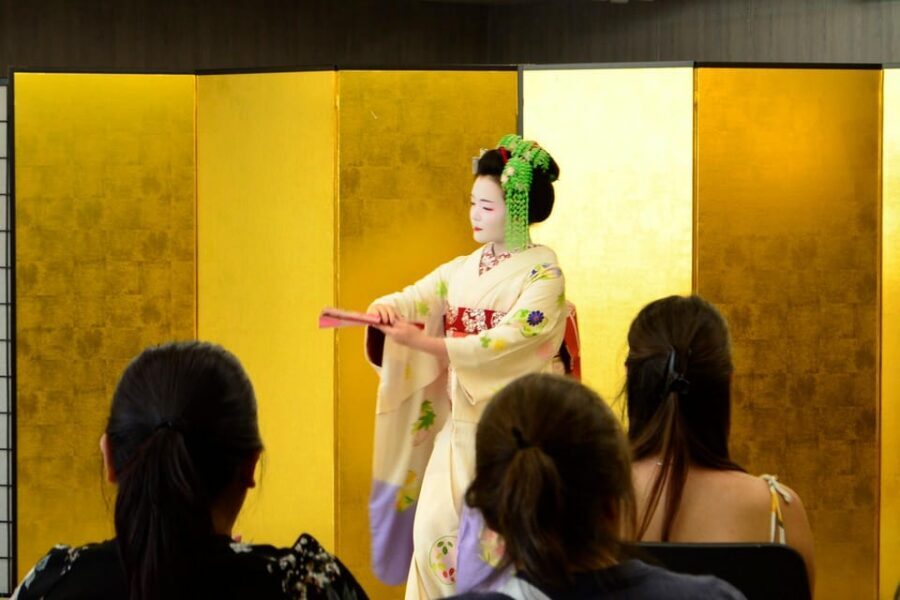
The rhythm is built for first-time visitors. You’re guided step by step, without long speeches or dead time.
Here’s the flow you can expect:
- You’ll get a quick introduction, and the staff invite the maiko to the stage.
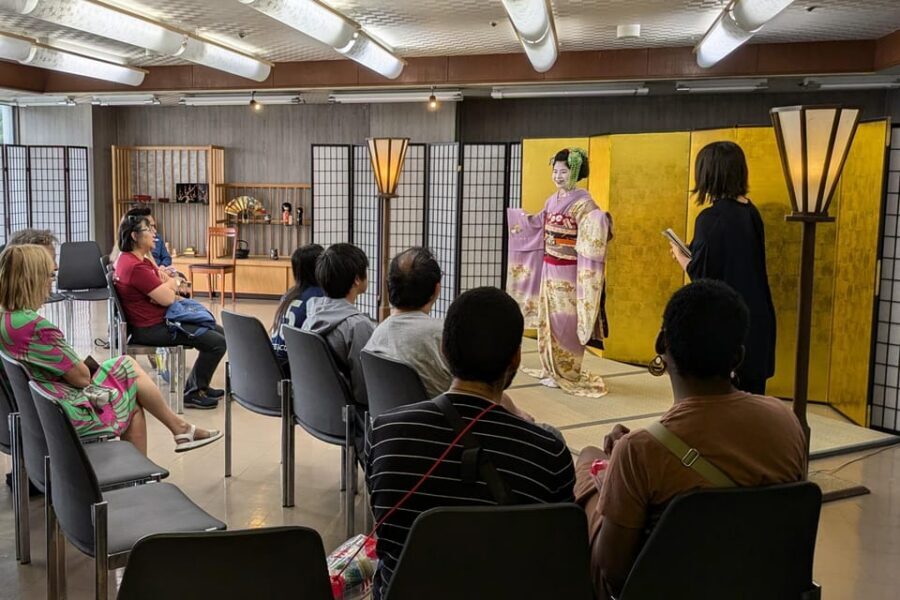
- You’ll watch two traditional dance performances. Combined, they run about 8–10 minutes.
- The English-speaking staff explain the background and what the attire means while she dances.
- Then comes the most valuable part for many people: question and answer time.
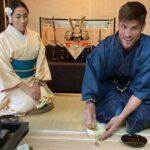
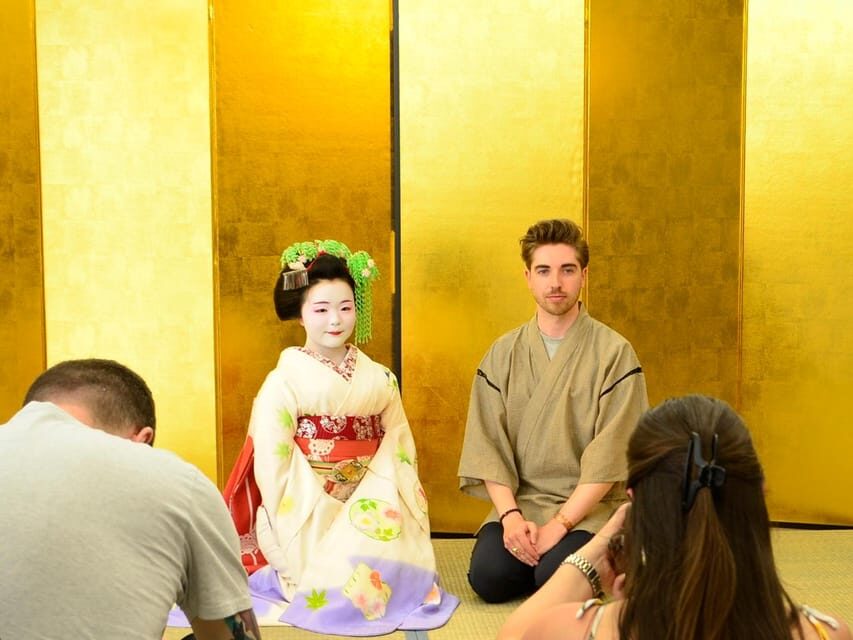
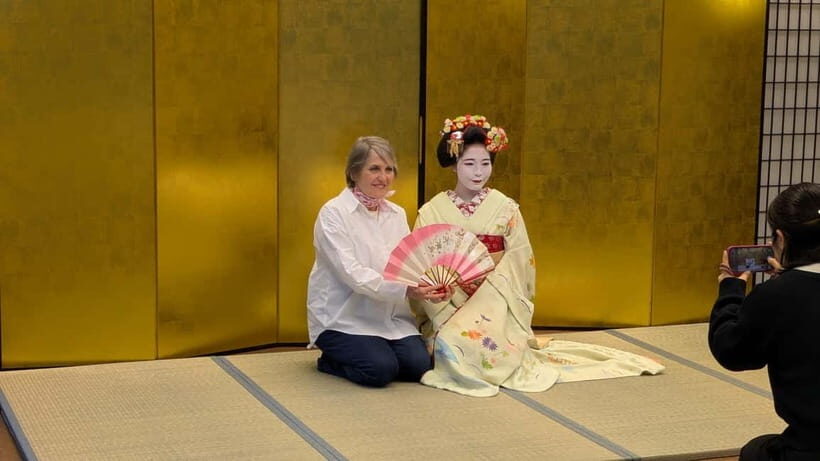
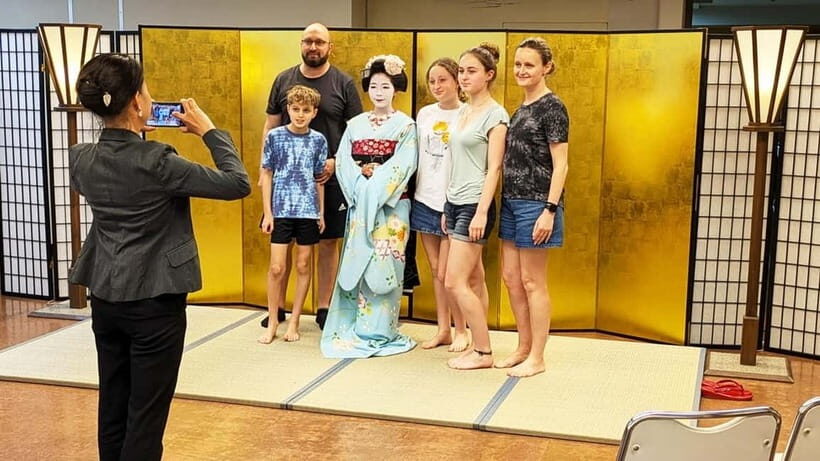
- After that, you’ll have 10–15 minutes for a commemorative photo session with the maiko, using your own camera or smartphone.
- As you leave, you receive a small gift, and there’s a chance to shop at the Kyoto Handicraft Center right after.
Because it’s not private, expect a shared pace. The staff moderate the show so everyone gets a turn, and the photo segment is scheduled so it doesn’t drag. If you’re the type who hates feeling rushed, this is one area where you’ll want to keep your expectations realistic.
Two dances up close: what to watch besides the outfit
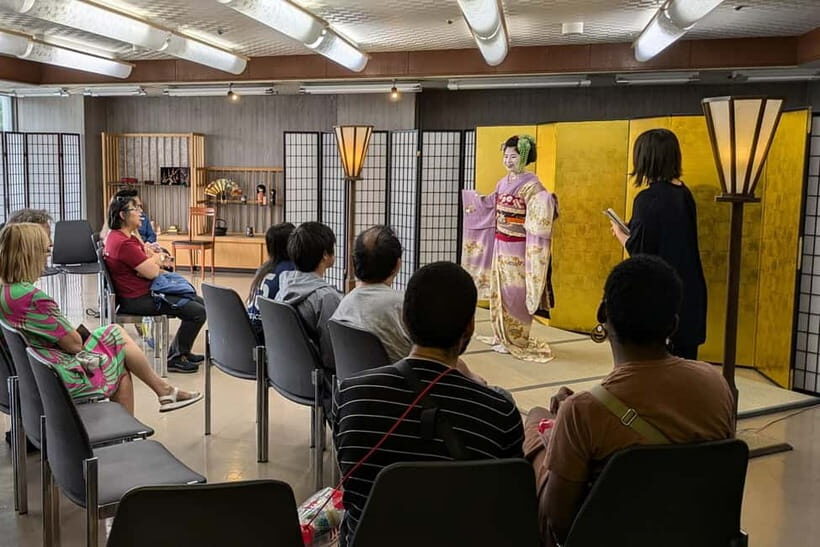
The dances are short, but they’re dense with detail. Even when you know nothing about Japanese traditional performing arts, you can still follow the flow: gesture, posture, timing, and the way the kimono moves with the body.
What I’d focus on while you watch:
- Hand and sleeve motion: the sleeves and hands often do the emotional work, even when the steps are small.
- Stance and stillness: in these dances, pauses matter as much as movement.
- Facial expression: the performance uses expression to carry meaning, not just the choreography.
- Attire and hairpieces: the staff will explain what you’re looking at, but it helps to notice first, then learn.
You’ll also get background on the maiko’s outfit during the performance. That means you’re not left guessing. For first-timers, that’s a huge quality-of-life boost.
One more thing: one of the reviews I read pointed out that the event felt a bit “corporate” in the surroundings. That doesn’t ruin the dance, but if you’re chasing a candlelit, old-teahouse mood, this is a more modern setting. You’re coming for the maiko and the context, not for an atmospheric movie set.
Maiko 101 in plain English: why the Q&A is the real value

This experience is built around conversation, not just spectacle. The staff translate and explain in English, then the maiko answers questions directly.
That’s the key difference between watching a dance and actually understanding the tradition.
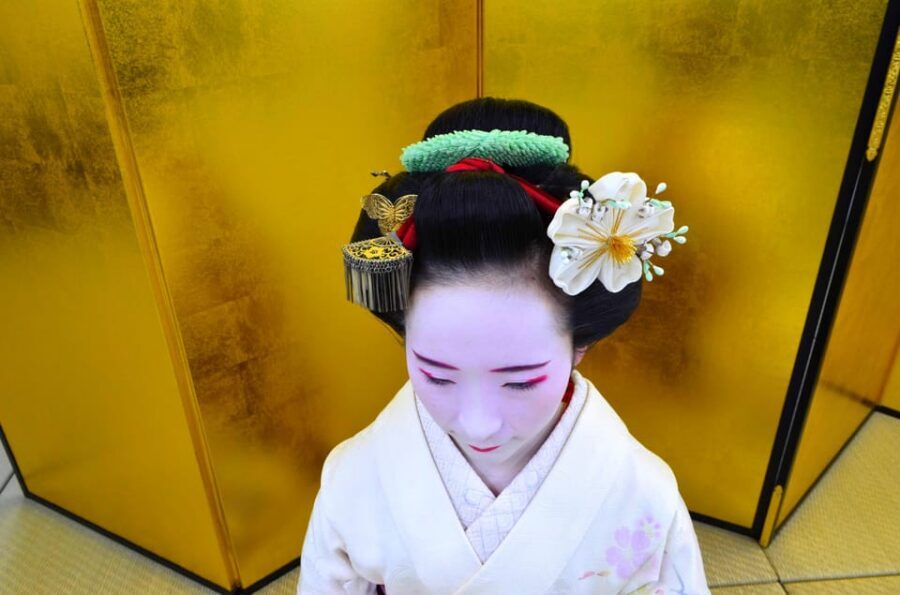
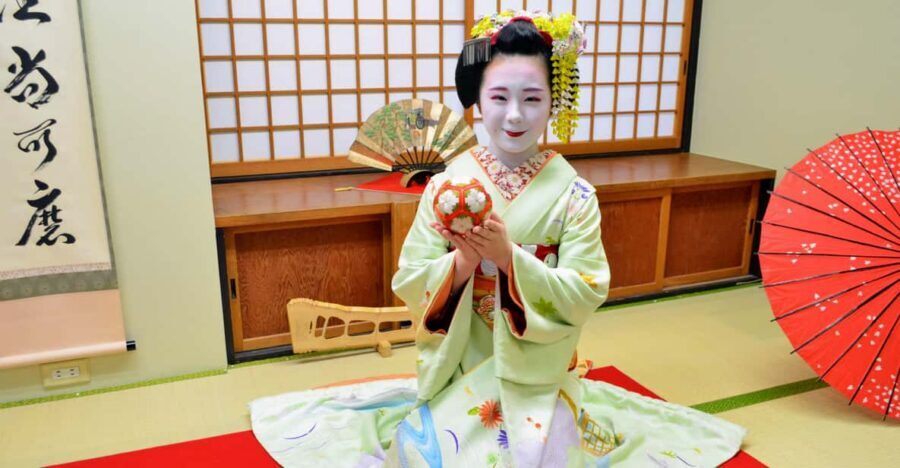
A maiko is a young apprentice geisha (often called Geiko in Kyoto context). Maiko are Kyoto-specific and recognizable by:
- intricately designed kimono
- glamorous hairstyles with distinctive hairpieces
- makeup with white face paint, plus red and black accents
- rigorous training in traditional arts like dance, music, and the tea ceremony
- also training in conversation, social etiquette, and hospitality
In other words, this is not only performance practice. It’s communication practice too.
The Q&A tends to make the tradition feel human. Questions can get personal—how training works, how they think about their role, and what life is like before becoming a geiko. One review mentioned the maiko being only 18 during the event, which gives you an idea of how intense the apprenticeship stage can be.
Staff can include skilled English interpreters—one review specifically mentioned an interpreter named Mina. Even if your session has a different interpreter, the goal is the same: bridge the gap between Kyoto tradition and your questions.
The photo moment with your own phone or camera
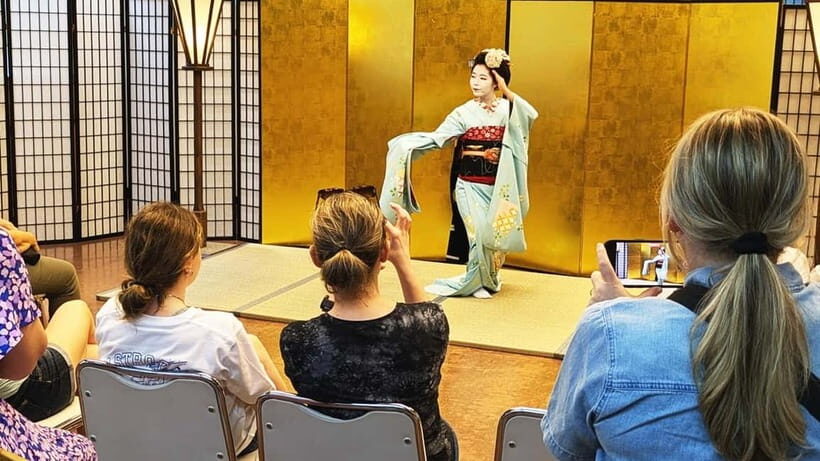
Yes, you get a dedicated photo session. And the best part is practical: the tour includes commemorative photos using your own camera or smartphone—no extra photographer fee is required as part of the included experience.
Photography is also allowed during the event. That’s helpful because you’re not stuck waiting until the end to get a single souvenir image.
Here’s how to make the photo part go smoothly:
- Have your phone ready before the photo time begins.
- When you step forward, keep your camera settings simple (turn off anything that makes the preview slow).
- Listen for the staff cues so you’re not spending the moment fumbling with apps.
One thing to watch: the photo time is scheduled and limited. If you want a very specific shot, plan it fast. The staff will keep the line moving so everyone can get a turn.





Price and value: is $44 for 45 minutes fair?
At $44 per person for about 45 minutes, you’re paying for access. Not just to the performance, but to the structured teaching moment: explanations in English, a moderated Q&A, and the photo.
You’re also not paying extra for:
- the English-speaking staff
- the dance viewing time
- the photo session using your own device
- a small souvenir gift
You will pay extra for transportation, and meals/drinks aren’t included. But compared with paying for a show ticket where you only sit and watch, the value here comes from interaction. The event is also sized for close viewing: capacity is listed at 30 people.
If you’re in Kyoto for a short visit and want one “culture you can ask questions about” experience, this is the kind of ticket that makes sense. If you’re mainly chasing long performances or a big theatrical production, you might feel the dances are brief. The format prioritizes understanding over duration.
Best for whom: families, first-timers, and calm learners
This experience is wheelchair accessible, and the seats are described as free seats, with everyone seated. Children aged 0–2 can join free of charge if they don’t take separate seats.
It’s also family-friendly in the sense that the topic is explained clearly and the format doesn’t require prior knowledge. One review even framed it as a non-sleazy experience suitable for the whole family, which matches the feeling of a moderated cultural program rather than a nightlife-style activity.
The one caution is noise. Because it’s shared, you can’t guarantee silence. One person noted children screaming during the performance and said it became uncomfortable. If you’re sensitive to sound, choose your time carefully and go in with flexible expectations.
Who this suits best:
- first-time Kyoto visitors who want context, not just photos
- people who like asking questions and getting direct answers
- anyone who wants a short, well-organized cultural stop in a busy city
Who might think twice:
- if you only want long dance segments and zero “program talk”
- if you strongly dislike shared seating with other families
Shopping at the Kyoto Handicraft Center after the show
The finish isn’t just a gift and goodbye. You’ll get a small gift and then have time to browse shopping at the Kyoto Handicraft Center right afterward.
This matters because it turns the visit into more than one scheduled moment. You can connect the art you saw—kimono culture, traditional aesthetics, craftsmanship—with items you can actually take home.
One review highlighted that the center has higher-end pieces, and even mentioned a museum level area with not-for-sale items displayed in cabinets. That’s a nice bonus if you enjoy quietly looking at quality craftsmanship even if you don’t buy much.
If you plan to shop, keep your energy after the show. The event ends and shopping is effectively part of the same trip.
Should you book this Kyoto maiko meet-and-greet?
I think you should book if you want a compact experience with real interaction: two dances, English explanations, and a chance to ask questions of the maiko herself—plus a photo you control with your own camera.
It’s also a good pick if you’re trying to understand Kyoto tradition without spending hours in transit or taking on a more complex, multi-stop plan. The 45-minute format fits well when your day is full.
Skip it only if you’re expecting a long performance, a private setting, or a quiet, museum-like atmosphere. The shared format is the trade-off for the intimacy and included interaction.
FAQ
How long is the Maiko meet-and-greet?
The experience lasts about 45 minutes.
Is this a private activity?
No. You join other people, and the capacity is listed at 30 people.
Where exactly do I go to start?
Go to the Kyoto Handicraft Center (West Building). Take the elevator to the 2nd floor and look for the MEET MAIKO welcome sign.
Can I take photos during the event?
Yes. Photography is allowed during the event, and you’ll also have a dedicated photo session after the dances.
What’s included in the ticket price?
Included are English-speaking staff, viewing the dance performances, the question and answer session, a commemorative photo with the maiko using your own camera, and a small souvenir gift.
What’s not included?
Transportation/shuttle fees, a photographer, a local guide, and meals and drinks are not included.