Kyoto can feel like a puzzle. This private car day turns it into a plan you can actually enjoy. You’ll hit top sights like Kinkaku-ji, the Arashiyama bamboo area, Gion, and Fushimi Inari, with enough flexibility to avoid the worst crowd crush.
What I like most is the pacing. Your guide can slow down or speed up based on how the day is going, so you’re not rushing from one line to the next. I also like that you’re traveling in an air-conditioned vehicle with bottled water, plus professional travel photos taken during the tour.
One thing to consider: your total experience cost isn’t just the $185. Admission for some temples (like Kinkaku-ji and Tenryu-ji) isn’t included, and lunch is on you.
In This Review
- Why This Private Kyoto Car Tour Feels Different Than a Bus Day
- The 8–9 Hour Flow: How the Day Actually Works
- Kinkaku-ji Golden Pavilion: That Gold-Reflections Moment
- Arashiyama Bamboo Forest Street: The Easy, Free Photo Walk
- Arashiyama Area + Togetsukyo Bridge: Neighborhood Time, Not Just a Landmark
- Tenryu-ji Temple: Wabi-Sabi Gardens With a Short Time Budget
- Gion District: Geisha Streets, But Also Real Street Life
- Fushimi Inari Taisha: The Torii Finale You’ll Remember
- The Part Everyone Forgets: The Car Time Is Actually Time Saved
- Photography With a Real Photographer Guide (Ryu and Talha Stand Out)
- Price and Value: Why $185 Can Make Sense (If You Compare Carefully)
- Best Fit: Who This Tour Helps Most
- Nara and Osaka Options: How to Think About the Add-On Choice
- Quick Practical Checklist Before You Go
- Should You Book This Private Kyoto Car Tour?
- FAQ
- FAQ
- Which parts of the tour are free?
- What admission fees should I expect to pay?
- Is lunch included?
- Is hotel pick-up and drop-off included?
- How long is the tour?
- Is this a private tour?
- Do I get photos from the tour?
- Is there bottled water in the car?
- Can the schedule be adjusted to avoid crowds?
- What happens if weather is bad?
- Is there a cancellation window for a full refund?
Why This Private Kyoto Car Tour Feels Different Than a Bus Day
A private car changes the whole rhythm of Kyoto. You’re not stuck watching the clock or waiting for everyone else to finish a quick photo. Instead, you get a dedicated English-speaking guide and a driver who handles the driving, parking, and the in-between logistics.
It also matters that the tour is built for flexibility. The route and time can adjust to what you want most and what the crowd flow looks like that day. In Kyoto, that’s often the difference between feeling serene and feeling like you’re being swept along.
And you don’t just get information. Your guide is also good at photography—meaning you’re more likely to come away with usable shots, not just blurry ones from the back of the group.
The 8–9 Hour Flow: How the Day Actually Works
This is an all-day experience that runs about 8 to 9 hours. The exact start can depend on your plan, but hotel pick-up and drop-off are included, which saves real time in a city where getting “just a bit further” can eat an hour.
You’ll move across Kyoto efficiently by car, but the stops themselves are paced so you’re not sprinting. Some parts of the day are focused temples and photo moments; others are more “walk and look” neighborhoods and viewpoints.
For example, the order sets you up with a morning highlight (the Golden Pavilion), then bamboo and garden time, then streets (Gion), then a final grand finale with the torii gates at Fushimi Inari.
A few more Kyoto tours and experiences worth a look
Kinkaku-ji Golden Pavilion: That Gold-Reflections Moment
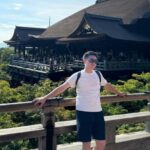
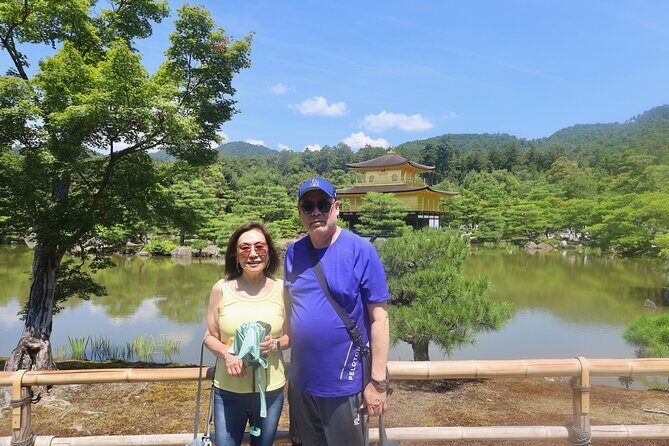
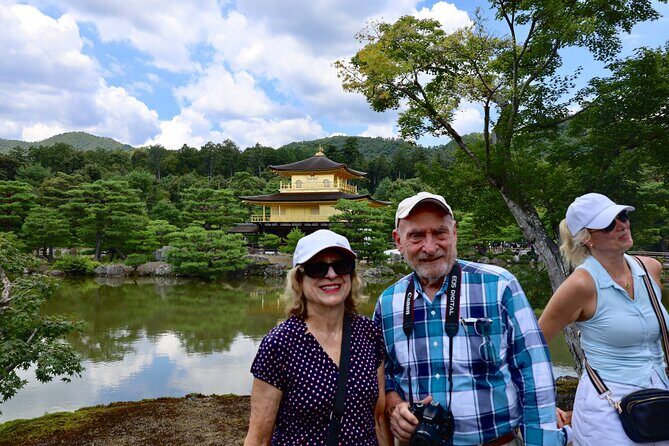
Kinkaku-ji is Kyoto’s most famous shimmering temple, the one that looks like it was designed to be photographed. It sits across a pond, so you get that classic mirrored view when the light is right.
You’ll spend about 1 hour here. Admission isn’t included, so plan to pay on site, then focus on the real win: timing and attention. With a private guide, you can spend the most time where it matters—like finding the best angles and giving yourself a minute to just look, not just snap.
Why this stop works early in the day: Kinkaku-ji is a must-see, and most people feel the same way. Starting in the earlier portion of the day tends to make everything more pleasant, even if you still need patience.
What to expect
- A temple-and-garden visit built around Zen calm
- Pond views and scenic photo points
- A time block long enough for photos plus a slower walk
Arashiyama Bamboo Forest Street: The Easy, Free Photo Walk
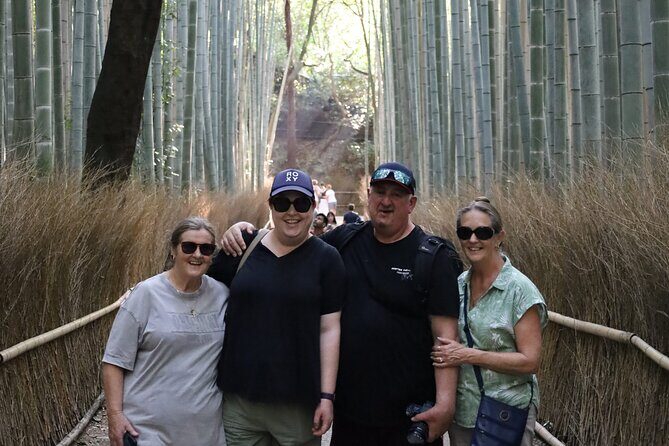
Next comes the Arashiyama Bamboo Forest area, starting with Bamboo Forest Street (about 1 hour). This is one of those places that instantly changes your mood. The tall stalks create a tunnel effect, and the walking pace naturally slows down.
Here’s the practical bonus: this stop is listed as free in the tour flow. So you’re not paying admission just to see the iconic walk.
It’s also a smart “energy reset” after Kinkaku-ji. Kinkaku-ji is about golden reflections and formal temple spaces. Bamboo is more sensory—light, shade, sound, and that cool hush you feel as you walk between the stalks.
A quick tip for getting better photos: wear shoes you can trust. The area is easy to trip in if you’re rushing for the perfect angle. Take a slow step, then frame.
Arashiyama Area + Togetsukyo Bridge: Neighborhood Time, Not Just a Landmark
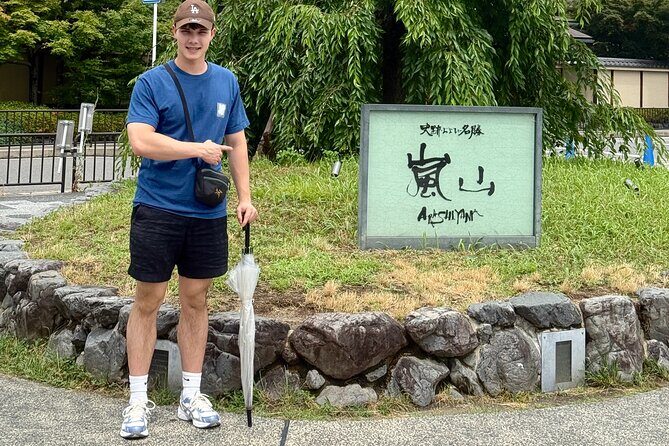
After Bamboo Forest Street, you’ll spend about 1 hour exploring Arashiyama itself. That usually means two things: the riverside vibe and time to wander beyond the most photographed spot.
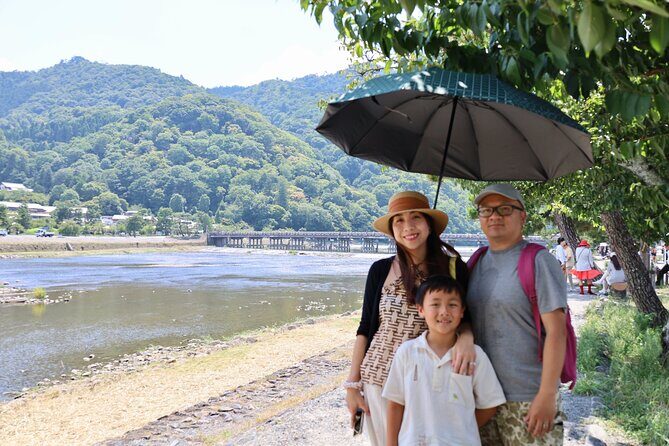
You’ll have a chance to check out Togetsukyo Bridge and stroll through local shops and temples in the district. This is where a guide earns their pay: they help you decide what’s worth your time versus what’s just photo bait.
Because this portion is listed as free, it’s a good place to move at your own tempo. If you want quick souvenir stops, you can do that. If you prefer temples and side streets, you can steer there without feeling like you’re “behind schedule.”
Tenryu-ji Temple: Wabi-Sabi Gardens With a Short Time Budget
Tenryu-ji is a UNESCO World Heritage Zen temple, known for gardens tied to the wabi-sabi spirit—simple, understated, and quiet. You’ll have about 30 minutes here, and admission is not included.
This is a good stop if you like gardens and Zen design but don’t want your whole day consumed by temple ticket lines and long museum-style wandering. Thirty minutes can be enough when your guide points out the right viewpoints.
What to notice here
- Garden composition and the feeling of deliberate simplicity
- A calmer pace that contrasts with the crowds you might see elsewhere
If you’re someone who really wants to spend longer in Tenryu-ji, just tell your guide during the day. The private format gives you a chance to stretch or tighten the schedule.
Other private tours in Kyoto


Gion District: Geisha Streets, But Also Real Street Life
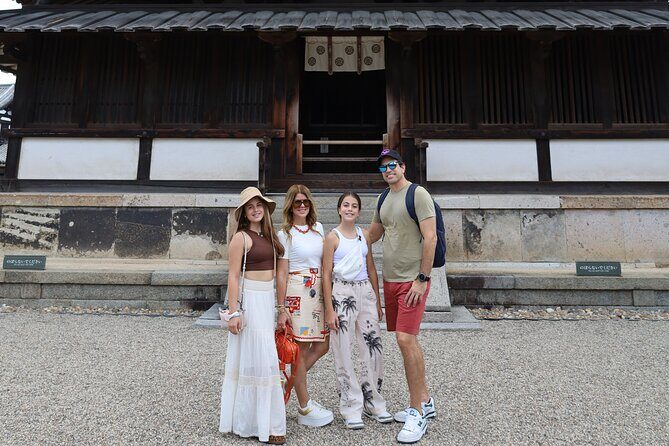
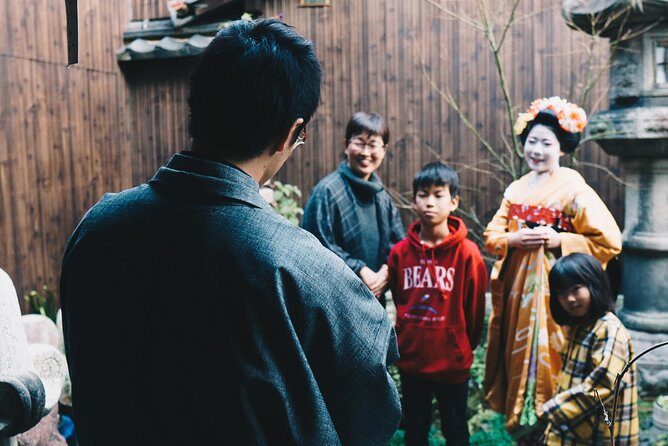
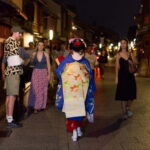
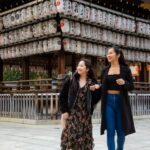
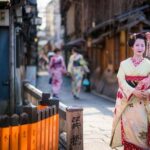
Next is Gion, about 30 minutes. This is Kyoto’s geisha district, with historic wooden teahouses and cobblestone streets. You’ll walk the area and hear stories about geiko and maiko culture—what to look for, and why these streets matter.
The tour lists this as free, which is great because Gion is mostly about the walking experience. It’s not an all-ticket attraction day; it’s a “pay attention to details” day.
One practical note: Gion can be crowded in peak hours. That’s exactly where the tour’s flexible pacing helps. Your guide can shift the timing of how long you spend on the most congested streets versus side alleys.
Fushimi Inari Taisha: The Torii Finale You’ll Remember
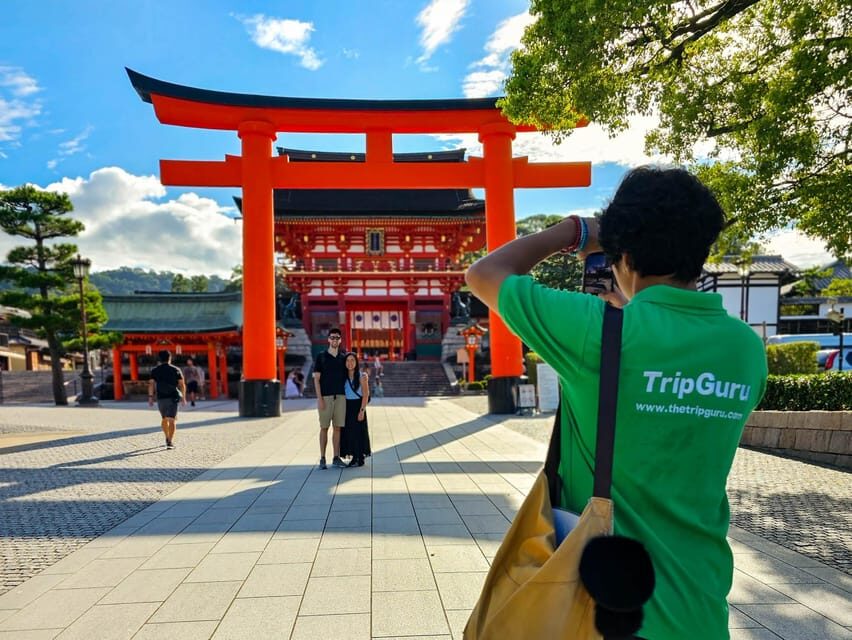
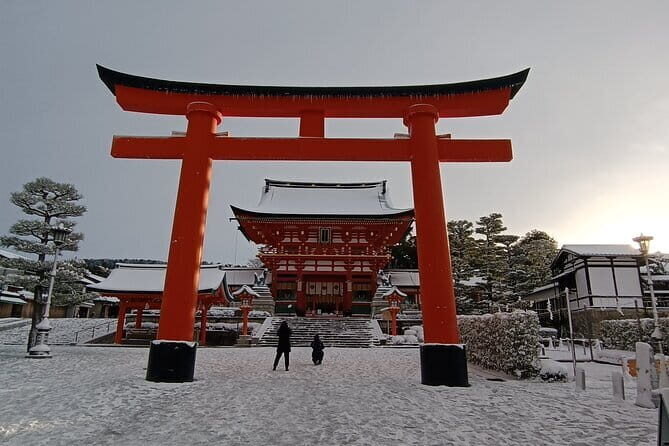
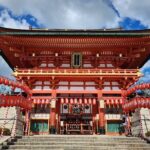
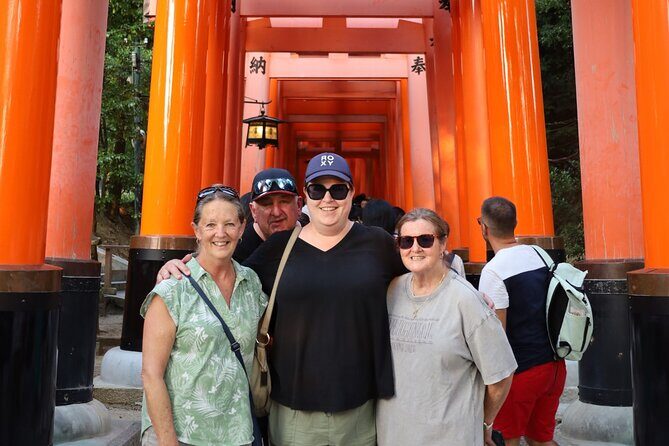
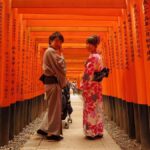
You’ll end at Fushimi Inari Taisha (about 1 hour). This is the famous shrine where thousands of vermilion torii gates climb the hillside like a bright staircase.
This part is also listed as free in the tour flow. That means your money goes into the experience, not into ticket cost—assuming you’re fine with paying only what’s required at temples where admissions apply.
The torii gates are the headline, but the guide makes a difference in how you experience it. With a good guide, you don’t just walk the gates; you understand the setting so it feels like more than a photo stop.
How to make the most of it
- Wear comfortable shoes for uneven ground
- Don’t force yourself to climb every step if you’re tired
- Use the hour for an enjoyable walk and a few key views
The Part Everyone Forgets: The Car Time Is Actually Time Saved
Kyoto is wonderful, but it can also be a transport headache. With hotel pick-up and drop-off, plus parking, gas, and expressway fees handled, you spend your day touring—not figuring out train connections and transfers.
Also, you’re in an air-conditioned vehicle. That matters when Kyoto weather changes fast. And you get complimentary bottled water in the car, which sounds small, but it helps you stay comfortable through temple hours and walking stops.
This is the kind of practical comfort that makes a private day feel like a treat, not a workout.
Photography With a Real Photographer Guide (Ryu and Talha Stand Out)
In the reviews, guides like Ryu and Talha come up for a reason: they don’t just explain what you’re seeing. They help you capture it.
Ryu is described as professional, polite, passionate about the work, and able to create great photos even when it rains. Talha gets praised for being punctual, flexible with adding small requested stops (like convenience store stops), and helping keep the schedule comfortable.
That tells you something useful: this tour isn’t a “stand here, listen, leave” script. The guide pays attention to your needs and adjusts when practical.
If you care about photos, this matters. You’re not relying only on your own timing. The guide helps with pacing so you have moments to shoot without the constant stress of rushing.
Price and Value: Why $185 Can Make Sense (If You Compare Carefully)
At $185 per person, this tour sits in the “private day” category. That usually means you’re paying for:
- a private vehicle with pickup and drop-off
- parking, gas, and expressway fees
- an English-speaking professional guide
- professional travel photos
- flexible pacing to avoid crowds
So where does your money go? You’re buying convenience and time. In Kyoto, a private format can be worth it if you hate crowd friction, want a smooth route, or travel with family members who don’t want to manage transfers.
What’s not included is important:
- lunch and personal expenses
- admission fees for some sites (Kinkaku-ji and Tenryu-ji are specifically listed as not included)
- admission to other attractions you choose to add
If you’re the type who can turn a day of sightseeing into a scavenger hunt, you might not need this. If you want a calm day with a guided plan, it’s strong value.
Best Fit: Who This Tour Helps Most
This private car tour is a great match if you’re:
- a couple wanting a smoother, romantic-feeling day through Kyoto highlights
- a family that wants pick-up/drop-off so kids (and parents) aren’t wrestling transit
- a culture lover who wants context, not just a checklist
- a photo-first traveler who wants better shots without doing the whole thing solo
It also seems ideal if you want to avoid the worst crowd patterns. The tour is built for flexible pacing, which can keep you from spending your best energy standing still in lines.
One caution from a review: car space can feel tight with larger groups. If you’re booking for a group that’s on the bigger side (like 6 people), ask about seating comfort when you confirm. You’re paying for comfort, after all.
Nara and Osaka Options: How to Think About the Add-On Choice
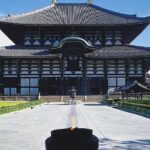
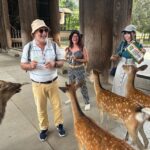
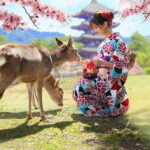
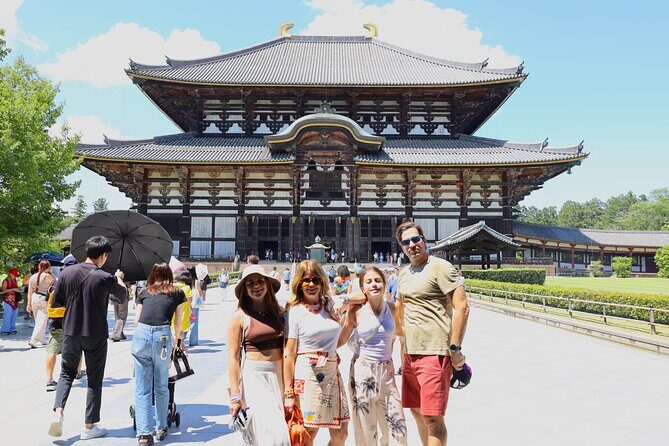
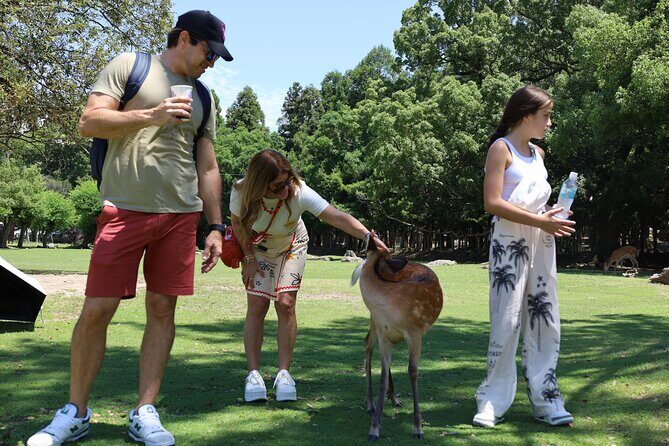
The tour is described as offering Nara & Osaka options, and the plan mentions Nara time focused on Deer Park with its Great Buddha. That’s the kind of pairing that makes sense in practice: Kyoto is temples and neighborhoods; Nara adds a different vibe with historic grandeur and deer-filled streets.
What I’d do: decide which theme you want more.
- If you want the classic Kyoto icons plus a Nara contrast, pick the Nara option.
- If you want to add Osaka energy, choose the Osaka option and use the flexibility to shape the day.
Because the itinerary details you receive are flexible, it’s smart to tell your guide what matters most before the day starts. They can then pace the route around your priorities and energy level.
Quick Practical Checklist Before You Go
This is the stuff that makes your day smoother:
- Bring cash or a card for admission where required (Kinkaku-ji and Tenryu-ji are not included)
- Plan your lunch separately since it’s not included
- Wear comfortable walking shoes for Arashiyama and Fushimi Inari
- If rain is in the forecast, you’ll still get photos—guides have handled rainy days well—but bring a light layer
Should You Book This Private Kyoto Car Tour?
I’d book it if you want a guided day that feels controlled, not chaotic. The combination of private transport, flexible pacing, English-speaking guides, and professional photos is what makes this tour feel like a real upgrade over DIY.
Skip or reconsider if:
- you’re on a tight budget and admission + meals would make the total too high
- you’re comfortable managing transit and crowd timing on your own
- your group is large and you’re worried about tight car seating
If your goal is to see major Kyoto highlights without turning your day into logistics work, this tour fits the bill nicely—and it leaves you time to enjoy Kyoto instead of just racing through it.
FAQ
FAQ
Which parts of the tour are free?
In the stop descriptions, Bamboo Forest Street, Arashiyama, Gion, and Fushimi Inari-taisha are listed as no admission ticket required. Kinkaku-ji and Tenryu-ji are listed as admission ticket not included.
What admission fees should I expect to pay?
Admission fees are not included for Kinkaku-ji and Tenryu-ji, and you may also pay for any other attractions you choose to add. Lunch and personal expenses are also not included.
Is lunch included?
No. Lunch and personal expenses are not included.
Is hotel pick-up and drop-off included?
Yes. Hotel pick-up and drop-off are included.
How long is the tour?
It runs about 8 to 9 hours.
Is this a private tour?
Yes. It’s a private tour/activity, and only your group participates.
Do I get photos from the tour?
Yes. Professional travel photos are taken during the tour.
Is there bottled water in the car?
Yes. Complimentary bottled water is provided in the car.
Can the schedule be adjusted to avoid crowds?
Yes. The tour highlights flexible pacing to avoid crowds, and the itinerary can be adjusted.
What happens if weather is bad?
This experience requires good weather. If it’s canceled due to poor weather, you’ll be offered a different date or a full refund.
Is there a cancellation window for a full refund?
Yes. Free cancellation is allowed up to 24 hours in advance of the experience start time for a full refund.