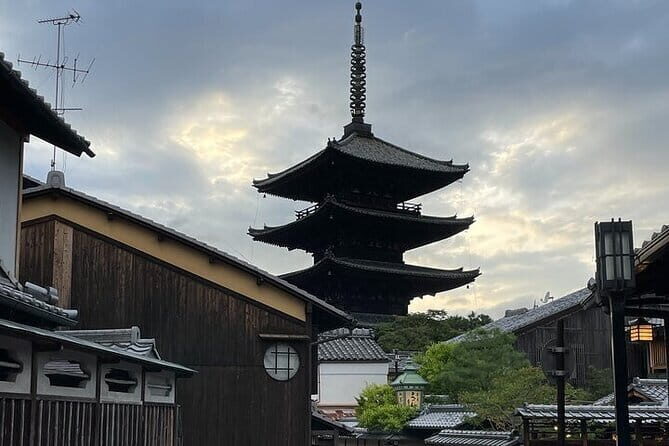
Zen calm, delivered in an hour. I like how this visit to Ginkaku-ji stays focused on the stuff that makes the temple feel serene: the Kannon-den hall and the garden design that’s meant to slow you down. You start at the gate, walk the grounds with a guide, and leave with your eyes tuned to the details, not just the highlights.
Two things I really like: the way the tour points out the Zen architecture inside the Kannon-den area, and the attention given to the sand garden and carefully kept plantings. One possible drawback is the time is tight. If you want long, unstructured wandering or you’re a very fast photographer, you may want to add extra time on your own after the guide finishes.
In This Review
- Key Points to Know Before You Go
- Ginkaku-ji at Human Speed: Why 1 Hour Feels Just Right
- Meeting at the Soumon and Getting Oriented Fast
- Inside the Kannon-den Hall: Zen Architecture Made Understandable
- The Silver Pavilion Experience: Gardens That Reward Quiet Looking
- Sand Garden Calm and Terrace Views: What Your Eyes Should Look For
- After the Tour: Ending at Tetsugaku No Michi (Philosopher’s Path)
- Price and Value for a $51 Private 1-Hour Visit
- Who This Tour Suits Best (and Who Should Add Extra Time)
- Should You Book This Ginkakuji Silver Pavilion Tour?
- FAQ
- Where is the meeting point for the tour?
- How long is the Kyoto Ginkakuji guided tour?
- What is included in the price?
- What language options are available?
- Where does the tour end?
- Is there free cancellation, and can I pay later?
Key Points to Know Before You Go
- Private 1-hour format means you get guidance without turning your day into a half-marathon
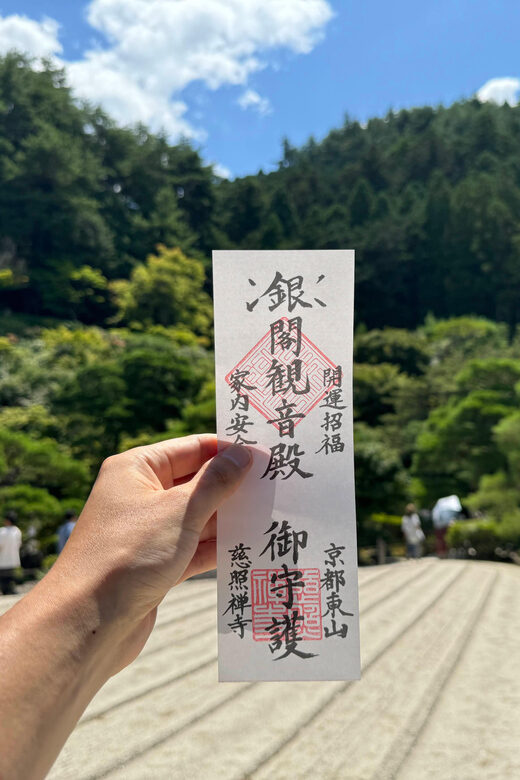
- Kannon-den hall focus helps you read the Zen design instead of just admiring it
- Sand garden and elevated views are the core experience, built around calm looking and quiet walking
- Meeting at the Soumon (temple gate) is simple, and the guide holds a yellow DeepExperience sign
- Ends at Tetsugaku No Michi so you can keep the stroll going right away
Ginkaku-ji at Human Speed: Why 1 Hour Feels Just Right
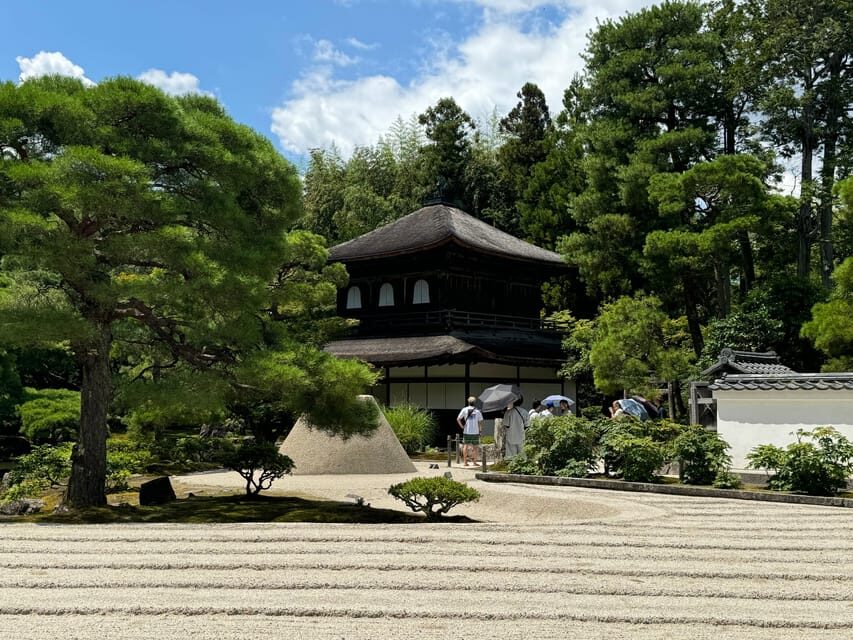
Ginkaku-ji, often called the Silver Pavilion, can be the kind of place where you either soak it in slowly or rush past it and miss the point. This guided format leans toward the first option, but without eating your whole day. You get a guided pass through the temple grounds, then you’re released to explore the next stretch on your own.
The biggest value here is how the hour is structured around what you’re supposed to notice: the hall’s design, the garden layout, and the viewing spots. Instead of trying to figure out what matters as you go, you’ll have a guide turning the temple into something understandable.
Also, the experience is private. That matters more than people think. You can ask a question, get an answer at your pace, and keep your momentum without waiting for a larger group’s timing.
Other guided tours in Kyoto


Meeting at the Soumon and Getting Oriented Fast
You meet your guide right in front of the gate at 総門 (Soumon). The guide will be holding a yellow sign with the DeepExperience logo, so you’re not playing guessing games when you arrive.
This “start-at-the-gate” setup is practical. Many Kyoto temple visits start mid-grounds, and then you feel like you’ve missed the story of how you got there. Starting at the gate gives you a clean beginning: you enter with context, not just curiosity.
Language is flexible too. The tour is offered with a live guide in Japanese or English. I like this because it’s not a translation headset situation. You get real back-and-forth while you walk through the temple’s key areas.
Inside the Kannon-den Hall: Zen Architecture Made Understandable
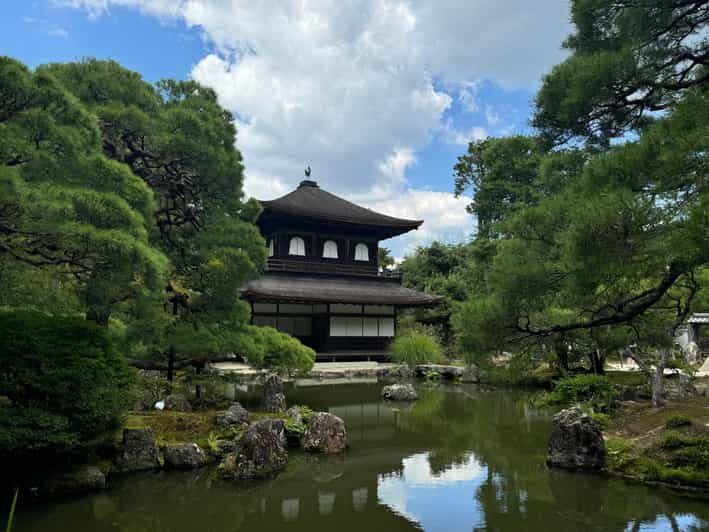
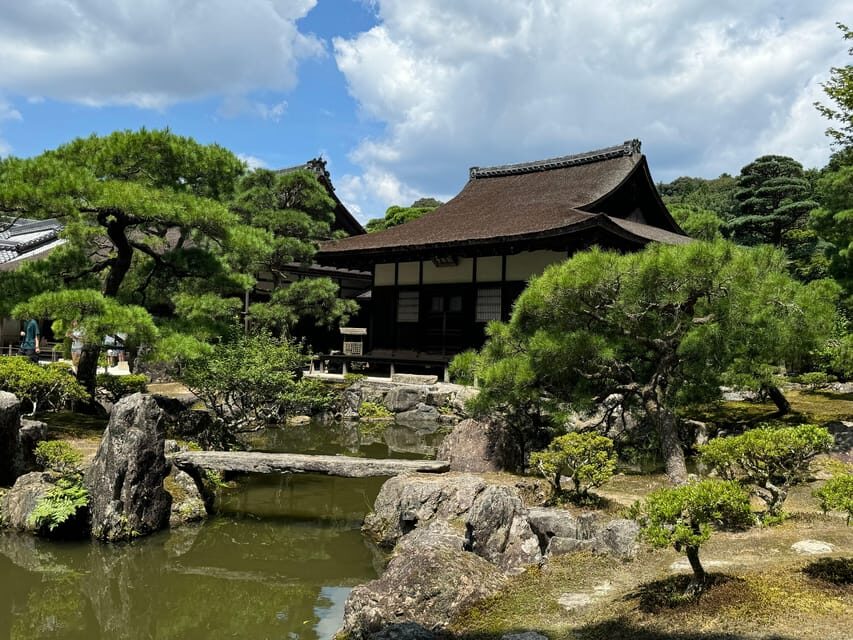
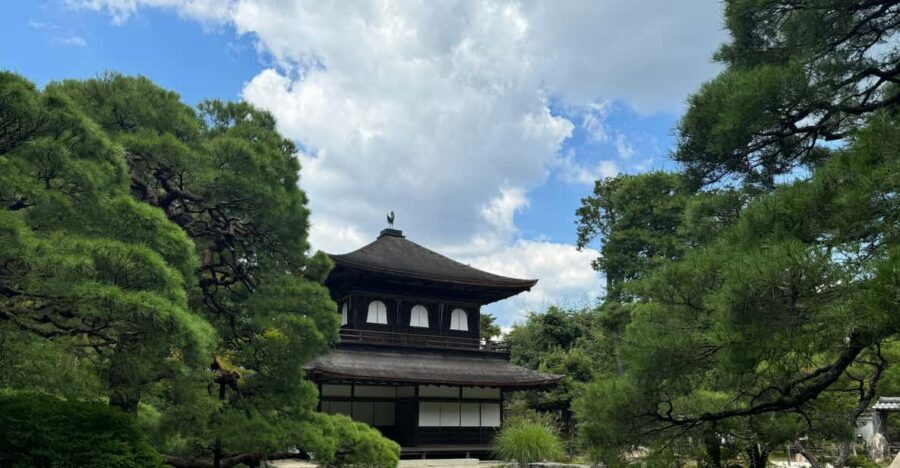
The tour highlights the Kannon-den hall, which is where the temple’s spiritual and design ideas come into focus. Even if you’ve seen photos before, the experience in person tends to be calmer and more orderly than your memory of images. That’s the moment a guide can help you slow down and see what you might otherwise gloss over.
Here’s what makes this hall stop worth your time: it’s not only about a building. It’s about how the architecture supports the Zen mindset—measured space, quiet form, and the feeling that everything has a reason. When you’re walking with guidance, you’re more likely to notice how the hall’s structure frames the garden and the surrounding atmosphere.
If you’re the type who likes to ask questions, you’ll likely appreciate the way guides in this experience have been praised for being responsive. In particular, a guide named Teppei was highlighted for prompt answers and polite communication in English. That kind of interaction can turn “I looked around” into “I actually understood what I was seeing.”
The Silver Pavilion Experience: Gardens That Reward Quiet Looking
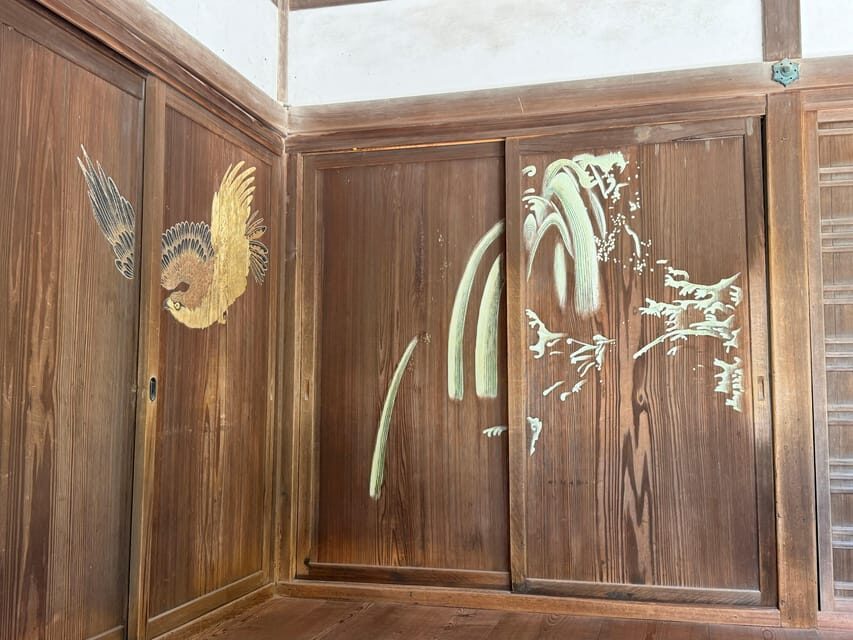
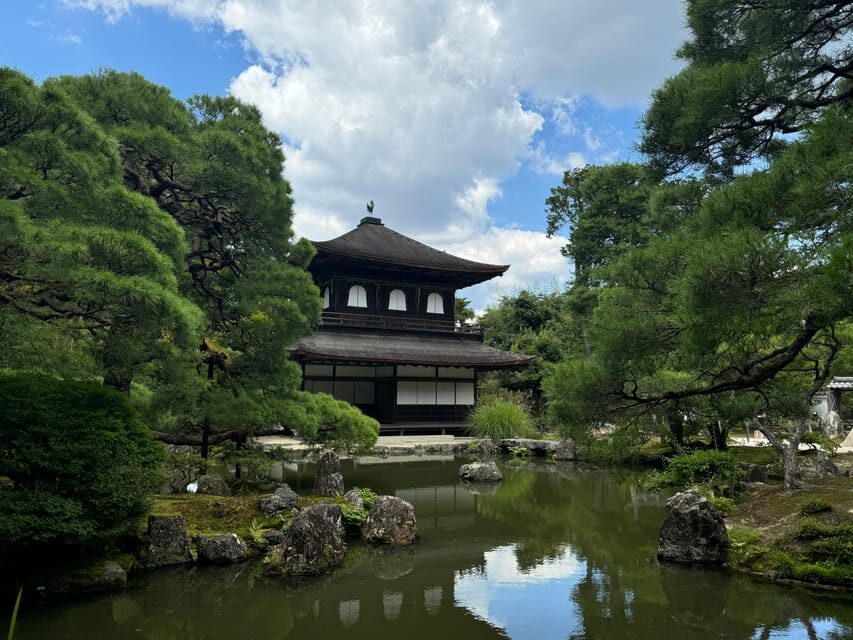
Ginkaku-ji’s heart is the relationship between architecture and garden design. The tour keeps the emphasis where it belongs: the refined grounds, the carefully kept plantings, and the visual flow between areas. The lush, meticulously landscaped gardens aren’t just pretty. They’re part of how the temple manages your attention.
I like that the tour doesn’t treat the gardens as a checklist. You’ll spend your hour where the design does the talking: pathways that guide your eyes, viewing points that suggest what to look at, and areas where the mood shifts as you move.
One thing to keep in mind: you’re not going to “cover everything in Kyoto” in an hour. But you will get a guided look at the features most people come for—without spending your energy getting lost in logistics.
And if you’re planning a second temple the same day, you may get extra value from the way the guide connects themes. A guide named Yoshi was praised for making the day feel coherent when someone did Ginkaku-ji and Kinkaku-ji back-to-back, so the explanations felt like one connected story rather than two separate lessons with different vocab.
Sand Garden Calm and Terrace Views: What Your Eyes Should Look For
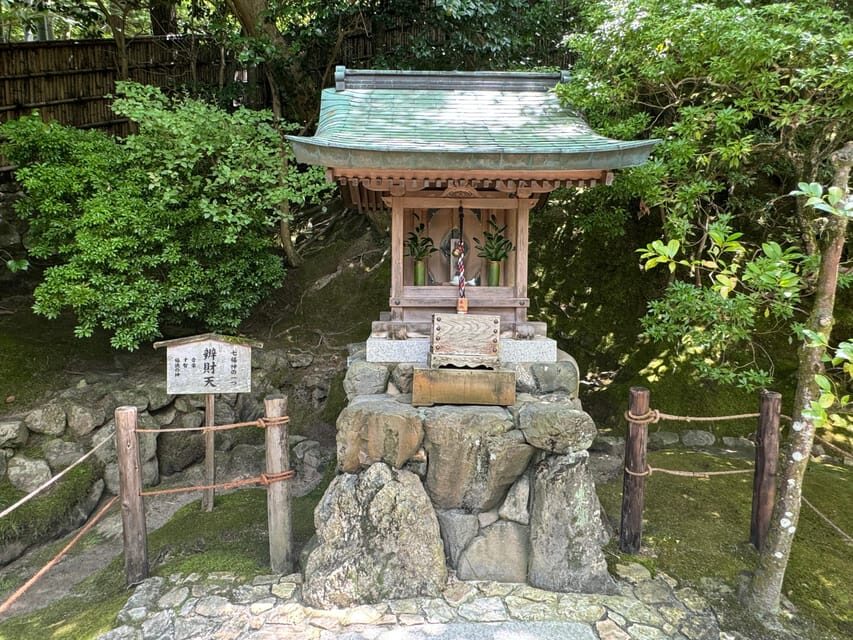
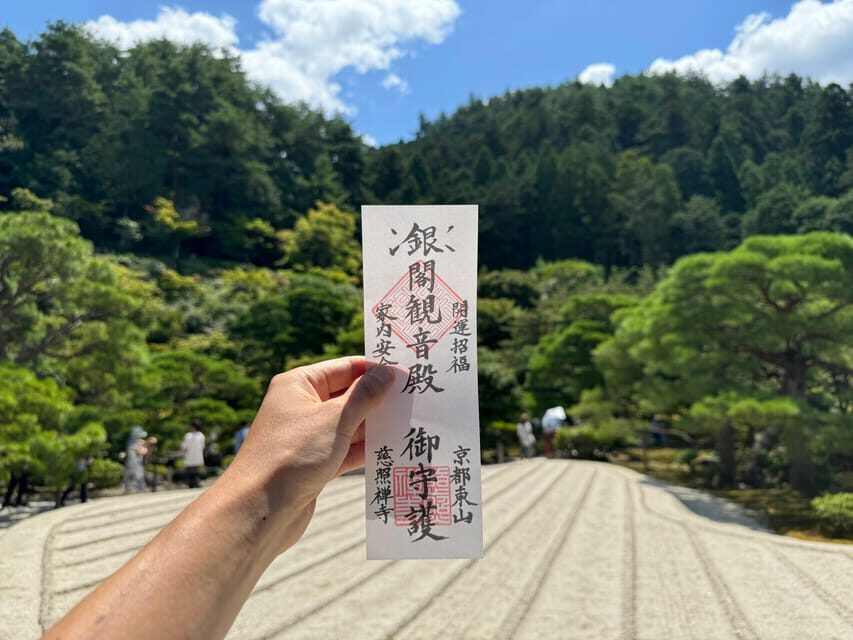
A big promise of this tour is the serene sand garden and scenic views from an elevated terrace. That’s not just marketing language. In a Zen garden, the “meaning” often comes from simple patterns and careful placement. From a viewing spot, your eyes learn to read the design instead of treating it like scenery.
The sand garden is usually the kind of area where visitors start out curious and then accidentally rush because they think they’re already getting the point. A guide helps you slow down and notice what’s happening: how the sand shapes create order, how the surrounding elements frame it, and how your viewpoint changes the feel of the space.
Then you move toward the elevated terrace for a change of perspective. This is where the temple starts to feel like more than one room. The garden becomes a composed scene, and your walk feels purposeful—like you’re moving through layers of the same idea.
My practical advice: bring patience. The best part of Zen garden viewing is not speed. It’s letting your eyes adjust and then picking one or two visual cues to focus on. With a guided hour, you’ll have just enough time to do that without feeling like you need to stay all day.
A few more Kyoto tours and experiences worth a look





After the Tour: Ending at Tetsugaku No Michi (Philosopher’s Path)
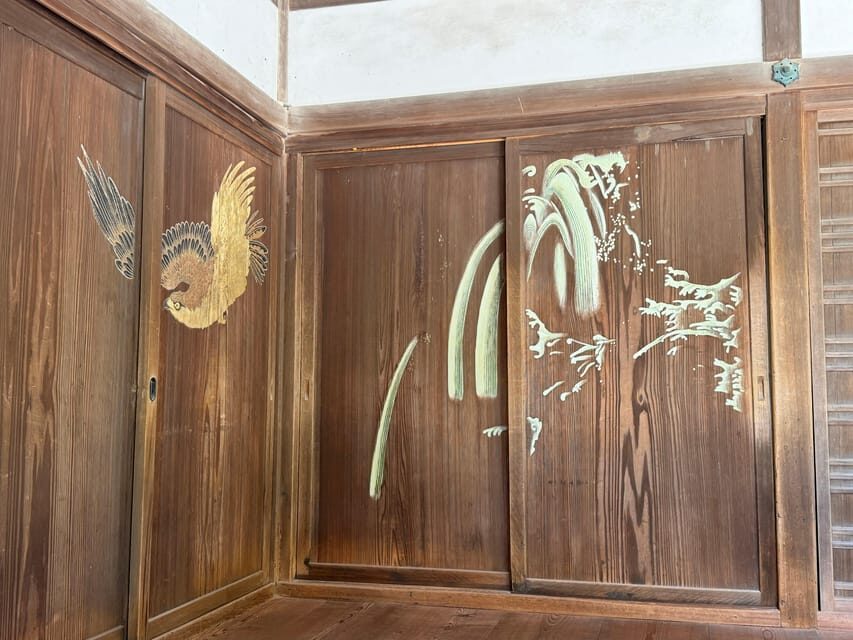
The guided portion finishes at Tetsugaku No Michi (Philosopher’s Path). I like this ending because it turns your tour into a launch pad. Instead of thinking, Now what do I do, you step out onto a classic Kyoto walkway and can keep going at your own pace.
This is also where you can choose your rhythm. You can stroll slowly and just enjoy the atmosphere, or you can use the time to reposition for your next stop. Since the tour ends with you still able to explore, it works well for travelers who like to mix guided structure with personal time.
If you’re planning photos, Philosopher’s Path can be a good place to continue. But don’t feel locked into picture-taking. The real win is that you’re already in motion, already in the Kyoto walking mindset, with one less thing to plan.
Price and Value for a $51 Private 1-Hour Visit
At $51 per person for a 1-hour guided experience, the headline is simple: you’re paying for a guide plus entry to Ginkakuji. For a short, focused temple visit, that’s a fair value if you want your time guided and efficient.
Where the value really shows up is in cost-per-understanding. Many self-guided temple visits have the same scenery but without direction on what matters. Here, your guide helps you look at the right features: Kannon-den hall, the sand garden, and the terrace views. If those are the reasons you booked in the first place, the hour is spent where it counts.
Private group also matters. You’re not sharing your attention with a crowd that moves on its own schedule. That can make the experience feel calmer and more responsive, especially if you like asking questions.
One consideration: if you enjoy reading temples on your own and you’re comfortable figuring out garden symbolism without a guide, you might decide you want just the entry ticket and a self-paced plan instead. But if you’d rather spend your energy appreciating the details rather than decoding them, this format tends to pay off.
Who This Tour Suits Best (and Who Should Add Extra Time)
This tour is a great fit if you want:
- A guided visit that focuses on specific temple features
- A private group experience with English or Japanese support
- A clean transition to the Philosopher’s Path right after
It’s also especially good for people who are doing multiple sights in a day. Kyoto days can stack up quickly, and an hour is a manageable chunk. You still get meaningful structure, but you’re not stuck in a long program.
If you’re the type who wants to linger for a long, quiet look at gardens, you may want to add extra time after the tour. The one-hour pace is designed to cover key areas, not to replace an unhurried, return-when-you-feel-like-it visit.
Should You Book This Ginkakuji Silver Pavilion Tour?
I’d book it if your top priorities are the Kannon-den hall, the sand garden, and the terrace views, and you want a guide to help you see the details clearly. The private, 1-hour format makes it easy to fit into a busy Kyoto itinerary without feeling rushed through the wrong areas.
I’d skip or pair differently if you already know exactly what you want to look for and you prefer self-guided pacing for longer stops. In that case, you might not need a guide for an efficient temple route.
If you’re on the fence, this is an easy call: choose it when you want help turning first impressions into real understanding. Choose extra self-time when you want pure slow wandering. Either way, ending at Tetsugaku No Michi gives you a natural next step.
FAQ
Where is the meeting point for the tour?
You meet your guide in front of the gate at 総門 (Soumon). The guide will be holding a yellow sign with the DeepExperience logo.
How long is the Kyoto Ginkakuji guided tour?
The tour lasts 1 hour.
What is included in the price?
The price includes a live guide and entry to Ginkakuji Temple.
What language options are available?
The live guide is available in Japanese and English.
Where does the tour end?
The tour ends at Tetsugaku No Michi (Philosopher’s Path).
Is there free cancellation, and can I pay later?
Yes, you can cancel up to 24 hours in advance for a full refund, and you can use reserve now & pay later to keep your plans flexible.