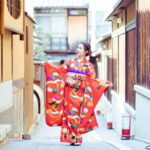
Kyoto looks different in a kimono. This rental puts you right by Gion-Shijo and helps you get dressed without stress, so your first Kyoto photos start fast. I like the fact that staff assist with fitting and styling right at the shop, which makes the whole thing feel doable even if you’ve never worn one. One trade-off: you’ll need to plan to return the outfit by 5:00 PM the same day.
The second reason I like this setup is the variety. You can pick from a wide selection of kimono designs, from classic looks to more modern styles, which matters because your choice shows up in every picture near Kennin-ji Temple, Hanamikoji Street, and Yasaka Shrine. That variety also helps you match the outfit to your day—quiet temple stroll or photo-focused walk.
And it’s practical. You get Japanese shoes, socks, and a small bag, plus free luggage storage at the rental shop. Add-on styling services are available if you want them, but even without extras, you’ll still walk out looking properly Kyoto.
In This Review
- Key highlights worth knowing
- Kyoto Kimono Rental Near Gion: Why this feels like the real deal
- Getting started: Meeting at KIMONO RENTAL MOMO and arriving ready
- Choosing kimono vs yukata: how season affects your look
- What you wear matters: included items that make the day smoother
- A Gion-style walking day you can actually pull off
- Step 1: Start near Gion-Shijo and warm up with Hanamikoji Street
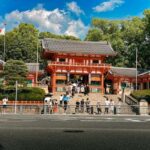
- Step 2: Head toward Yasaka Shrine for big Kyoto atmosphere
- Step 3: Add Kennin-ji Temple for a calmer, more contemplative stop
- Step 4: Plan your return with the 5:00 PM deadline in mind
- Comfort in Japanese shoes: small tactics that prevent sore feet
- Optional add-ons: hairstyle, makeup, and photographer services
- Price and value: what $9 really means for your day
- Who this kimono rental suits best (and who should skip it)
- Should you book this Kyoto kimono or yukata rental?
- FAQ
- What’s included in the kimono or yukata rental?
- Is it yukata or kimono?
- Can I add a hairstyle, makeup, or a photographer?
- Where is the shop and how do I find it?
- How early should I arrive?
- What are the cancellation terms and payment options?
Key highlights worth knowing
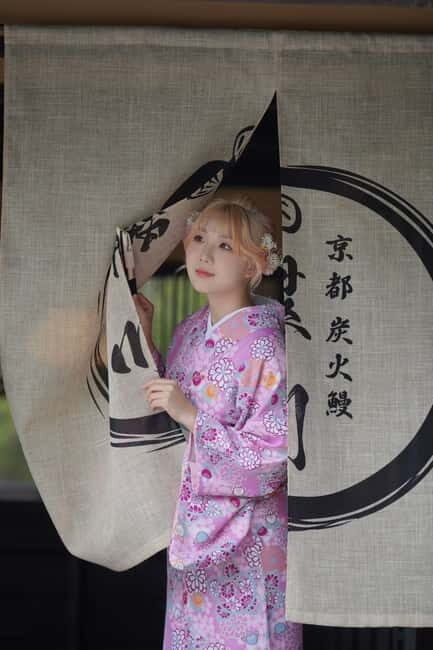
- Gion-area location: About a 1-minute walk from Exit 1 of Gion-Shijo subway station
- Staff dressing service: Professional help to get your kimono or yukata on comfortably
- Style choice matters: A big range of designs lets you pick a look that fits your photos
- Everything you wear is included: Obi (half-width), socks, Japanese shoes, small bag
- Luggage storage: Convenient if you’re carrying bags or checking out of a hotel
Kyoto Kimono Rental Near Gion: Why this feels like the real deal
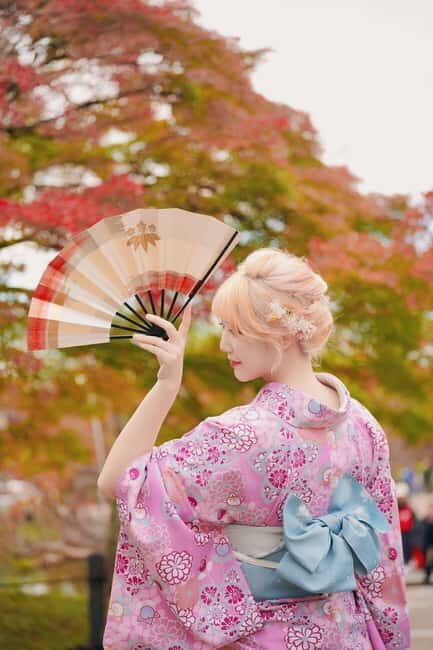
A kimono or yukata rental is one of those Kyoto activities that’s not just about looking good. It changes how you move and where you look. Suddenly, small streets matter. Doorways, temple gates, and old lanes feel like part of the scene rather than a stop on your list.
This one is timed for an easy day out. It’s a 1-day rental with a clear return deadline, and it’s centered near Gion—one of the most iconic areas in Kyoto. That location is a big deal: you can spend less time traveling and more time walking the lanes where kimono looks belong.
Also, the dressing help is the difference between a costume moment and a real outfit. Getting the obi positioned right and making sure the fit is comfortable takes skill. Here, the staff steps in so you’re not wrestling with wraps while everyone else is enjoying their day.
One more small but important point: the shop offers recommendations for photo spots and sightseeing around the area. Even if you’re not trying to plan every step, that kind of local guidance helps you find the best viewpoints without wasting time.
A few more Kyoto tours and experiences worth a look
Getting started: Meeting at KIMONO RENTAL MOMO and arriving ready

Your meeting point is KIMONO RENTAL MOMO (KYOTO STORE). It’s listed with coordinates (35.001823, 135.7718985) and it’s very close to Gion-Shijo subway station, Exit 1—about a 1-minute walk.
Plan your timing with the fitting in mind. You’ll want to arrive about 10 minutes before your scheduled appointment so you have time for sizing and getting dressed. If you show up rushed, you’ll feel rushed—and kimono fit is much easier when you’re calm.
Inside the shop, expect a guided process. You’ll choose the outfit style first, then staff help you put it on. The package includes the belt (Hanhaba Obi), socks, Japanese shoes, and a small bag, so you’re not hunting for pieces afterward.
There’s also luggage storage. That’s practical in Kyoto, where you might be moving hotels or carrying shopping bags. Storing your things lets you walk light and actually enjoy the streets.
Choosing kimono vs yukata: how season affects your look
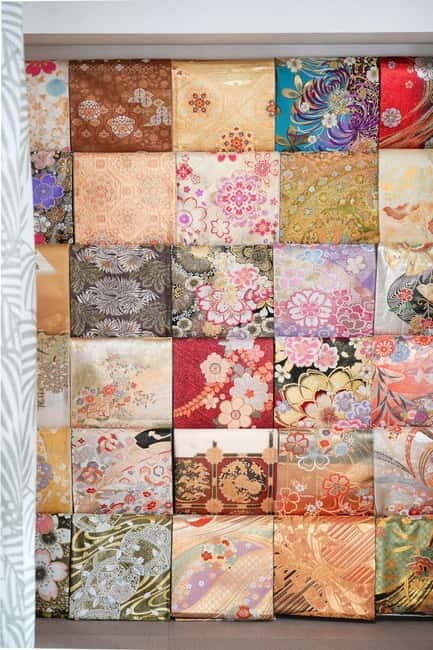
This rental swaps between yukata and kimono based on the season:
- Yukata (June to September)
- Kimono (October to May)
That matters because yukata and kimono aren’t just different clothes—they create different vibes. Yukata often feel more relaxed and summery. Kimono feel more formal and crisp for cooler months. Either way, the styling experience is the same: staff assist, and you get help selecting designs and accessories.
You also get a strong choice of patterns and designs. That’s a big win for photos. Plain choices can make your pictures look flat. A well-matched design adds depth, especially in Kyoto’s street scenes where colors and textures pop against wood, stone, and paper lantern light.
Sizing is available in a range of sizes. Still, if you have specific needs, it’s smart to contact the shop ahead of time so you’re not trying to solve size issues at the last minute. (This is also one of the reasons arriving early helps—extra time gives staff room to adjust comfortably.)
What you wear matters: included items that make the day smoother
The package is more complete than many “just rent the outfit” deals. Included items are:
- Obi (Hanhaba Obi, half-width belt)
- Japanese small bag
- Socks
- Japanese shoes
- Free luggage storage
- Dressing help from the shop staff
That list is where the real value lives. Shoes and socks aren’t optional in practice—Japanese footwear is part of the look, and wearing the right socks helps prevent discomfort as you walk.
The small bag is also key. With it, your phone, wallet, and maybe a small water bottle feel like they belong in the outfit rather than ruining the silhouette. It also helps you avoid stuffing items into your kimono pockets in a way that can feel awkward.
The included luggage storage is underrated. Kyoto sightseeing often involves a lot of movement. If your bags are locked away at the rental shop, you can keep your route flexible and still be sure you’ll be able to head back before 5:00 PM.
A Gion-style walking day you can actually pull off
There’s no complicated schedule here—this is a self-guided kimono day, anchored in the Gion area. The shop is close to major landmarks, so you can build your day around walking.
Here’s a simple route you can follow, depending on your energy and how photo-focused you want to be:


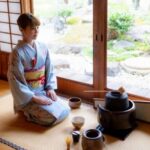

Step 1: Start near Gion-Shijo and warm up with Hanamikoji Street
Once you’re dressed, take advantage of being close to Hanamikoji Street. This is the type of lane where kimono looks feel natural, not forced. Walk slowly at first. Let your brain adjust to the outfit and footwear, then start moving toward the best photo corners when you feel steady.
Step 2: Head toward Yasaka Shrine for big Kyoto atmosphere
From the Gion area, Yasaka Shrine is nearby and works well in a kimono day plan. The approach and surroundings give you plenty of background options for pictures. It also makes a solid middle-of-the-day anchor: you’re not rushing between sites, and you can stop, look, and keep it relaxed.
Step 3: Add Kennin-ji Temple for a calmer, more contemplative stop
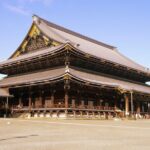
Kennin-ji Temple is another close-by landmark. Temples are great in kimono because the textures match—stone, wood, and quiet courtyards. It’s also a nice contrast to the more photo-oriented lanes: you’ll get variety without changing areas too much.
Step 4: Plan your return with the 5:00 PM deadline in mind
You must return the kimono by 5:00 PM the same day. That means your last stop should be a “walkable” one, not something that requires a lot of back-and-forth transit. Build in time for a relaxed walk back so you’re not speeding at the end.
If you want, the shop can recommend the best photo ops and sightseeing spots nearby. That’s useful when you don’t want to over-plan.
Comfort in Japanese shoes: small tactics that prevent sore feet
Kimono and yukata look elegant, but shoes and fit are the make-or-break part of your day. Japanese shoes and socks are included, so at least you’re not stuck guessing.
Still, here’s what helps you feel better while walking:
- Take shorter steps than you would normally. The footwear and outfit naturally change your stride.
- Don’t rush right after dressing. Give yourself a few minutes to settle and adjust.
- Bring patience for walking on uneven surfaces. Kyoto streets can be charming and uneven at the same time.
- If you’re tempted to wear additional layers under the kimono, keep it light so the fit stays comfortable.
One more practical note: there’s a strict “return by 5:00 PM” rule. Comfort directly affects how calmly you can manage that timeline.
Optional add-ons: hairstyle, makeup, and photographer services
The base rental doesn’t include a hairstyle or makeup, but you can add them.
Available add-ons include:
- Hairstyle design: 1,500 yen
- Makeup service: 6,600 yen
- Photographer service: 8,800 yen every half hour
If you want the full look for photos, the hairstyle add-on is the most straightforward upgrade. It’s specifically praised for being done quickly and looking great, so it can save you from spending your afternoon trying to arrange hair while you’re on a tight rental schedule.
Makeup is available too, but it’s an extra cost. Consider it if you’re going to do many photos or you want a more polished look.
The photographer option is priced per half hour. If you’re considering it, think about how many shots you really want. A cheaper “do it yourself” approach can work well because you’ll still have the outfit and the scenic streets doing most of the heavy lifting.
Price and value: what $9 really means for your day
At $9 per person, this rental is positioned as a budget-friendly way to experience Kyoto in traditional clothing. The standout value isn’t only the low base price—it’s what’s included with it: dressing help, obi, shoes, socks, a small bag, and free luggage storage.
Where the math can change is in add-ons. Hairstyle, makeup, and photography can add up fast. If you keep it simple—basic dressing plus whatever you bring yourself—you’ll stay close to the headline cost. If you add hair and makeup, you’ll pay more, but you’ll also spend less time figuring it out independently.
So the best way to judge value is this: are you paying mainly for the outfit and staff support, or are you building a full photo package? If you’re trying to get dressed efficiently and walk to sights near Gion, the base price is strong.
One more value point: the shop’s location near Gion-Shijo means you can reach the starting point easily. Less time in transit often equals more time enjoying Kyoto in the outfit you paid for.
Who this kimono rental suits best (and who should skip it)
This experience is a great match if you:
- Want a stylish Kyoto walk with minimal planning
- Like photo-friendly areas near Gion, Hanamikoji Street, Yasaka Shrine, and Kennin-ji Temple
- Appreciate professional help dressing so you don’t deal with fit stress
It may not be the best fit if:
- You’re pregnant. The activity is listed as not suitable for pregnant women.
- You use a wheelchair. The data includes a note that it’s not suitable for wheelchair users, even though wheelchair accessibility is listed. If you fall into this category, check directly with the provider before booking.
Also, you’ll need to accept the “return by 5:00 PM” timeline. If your day schedule is unpredictable, that deadline can feel tight.
And quick note: smoking isn’t allowed.
Should you book this Kyoto kimono or yukata rental?
Book it if you want an easy, well-supported way to experience Kyoto in traditional clothing—especially around the Gion area—without spending your whole day on logistics. The combination of staff dressing help, included shoes and small bag, and free luggage storage makes it feel practical, not just pretty.
Skip it only if you know you won’t be able to work around the same-day return deadline, or if you’re concerned about the outfit process given your mobility needs. Otherwise, it’s a simple, high-impact way to get those Kyoto-in-ink-and-stone photos, with much less hassle than renting on your own.
FAQ
What’s included in the kimono or yukata rental?
The package includes the yukata (June to September) or kimono (October to May), Hanhaba Obi (half-width belt), Japanese small bag, socks, Japanese shoes, and free luggage storage. Dressing help from the shop staff is also provided.
Is it yukata or kimono?
It depends on the season: yukata is used from June through September, and kimono is used from October through May.
Can I add a hairstyle, makeup, or a photographer?
Yes. Hairstyle design is an additional 1,500 yen, makeup service is 6,600 yen, and photographer service is 8,800 yen every half hour.
Where is the shop and how do I find it?
You can meet at KIMONO RENTAL MOMO (KYOTO STORE). The shop is about a 1-minute walk from Exit 1 of Gion-Shijo subway station.
How early should I arrive?
Arrive about 10 minutes before your scheduled appointment so you have time for fitting and getting dressed.
What are the cancellation terms and payment options?
Free cancellation is available up to 24 hours in advance for a full refund. There’s also a reserve now & pay later option to keep plans flexible.