Geisha culture in Kyoto, without the stress. This 2-hour walk through Gion is built for atmosphere: riverside Shirakawa Canal views, shrine stops, and the back lanes that feel calmer once the day crowd fades. I especially like how the route mixes scenery with real cultural context, so you’re not just photo-hunting.
Two things I really like: you get a chance to spot a geisha around Hanamikoji-dori, and you also walk past long-standing streetscapes and Edo-period wooden townhouses that make old Kyoto feel tangible. One thing to consider: it’s still a lot of walking in a compact time window, so come ready for steady steps and a quick pace.
In This Review
- Key things you’ll notice
- Why this Gion walk works (especially at night)
- Value check: $23 for 2 hours isn’t just a bargain
- Getting your bearings: meeting at Macdonald Shijo Ohashi
- Stop 1: Gion Shirakawa and Shirakawa Canal photo time
- Tatsumi-jinja Shrine: the “1,000-year-old” anchor
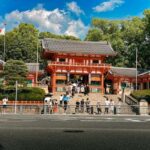
- Yasaka Shrine: learning the rules of the place
- Ninenzaka: Edo-period street feel and old Kyoto texture
- Hōkan-ji Temple and the photography etiquette moment
- Yasui Kompira-Gu Shrine: small stop, strong contrast
- Hanamikoji-dori: where geisha spotting becomes possible
- Pace and group energy: fun, fast, and sometimes a little crowded
- What to bring (and what to skip)
- The geisha-culture angle: what you actually learn
- Who this tour is best for
- Who should choose something else
- Should you book this Gion geisha culture tour?
- FAQ
- Where does the tour start?
- What should I bring for this tour?
- How long is the tour?
- Is the tour guided in English?
- Can I take photos during the tour?
- What is the best chance to see a geisha?
- Does the tour run in bad weather?
- Is the tour suitable for wheelchair users or mobility impairments?
- What’s the cancellation policy?
Key things you’ll notice
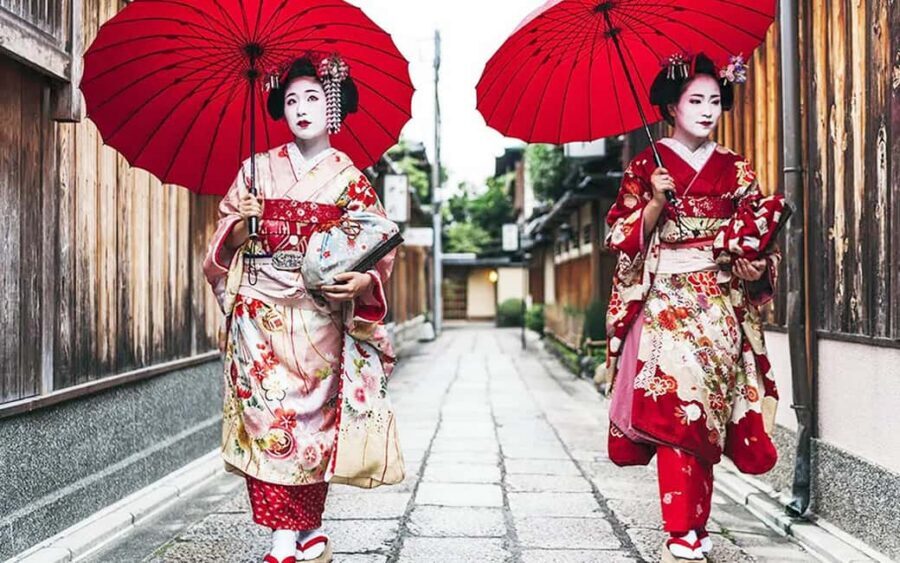
- Hanamikoji-dori at the end: where a geisha glimpse is possible as the evening plan kicks in
- Shirakawa Canal first: willows, stone paths, and classic Kyoto vibes before the loud rush
- Shrine stops that anchor the story: including a visit billed as a 1,000-year-old shrine
- Quiet lanes between hotspots: the route favors calmer side streets over only the busiest lanes
- Edo-period townhouses in view: old Kyoto street texture shows up along the walk
- English guidance plus practical tips: restaurant suggestions and local explanations come up often in feedback
Why this Gion walk works (especially at night)
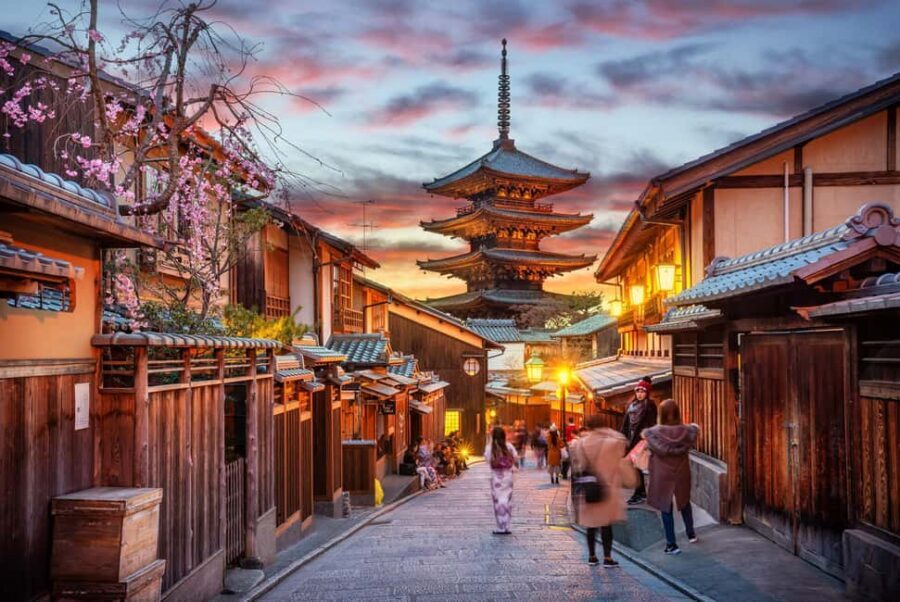
Kyoto’s Gion can look like a postcard in daylight. At night, it can feel like a place where tradition still has rules. This tour leans into that idea by focusing on evening timing and the in-between streets, not just the loudest main drag.
You’ll start along the riverside at Gion Shirakawa, then move toward shrine areas, classic lanes, and finally end at Hanamikoji-dori, the geisha district core. That ending matters. It’s when you’re most likely to see someone on her way to an evening engagement—without you having to guess where to stand.
A few more Kyoto tours and experiences worth a look

Value check: $23 for 2 hours isn’t just a bargain
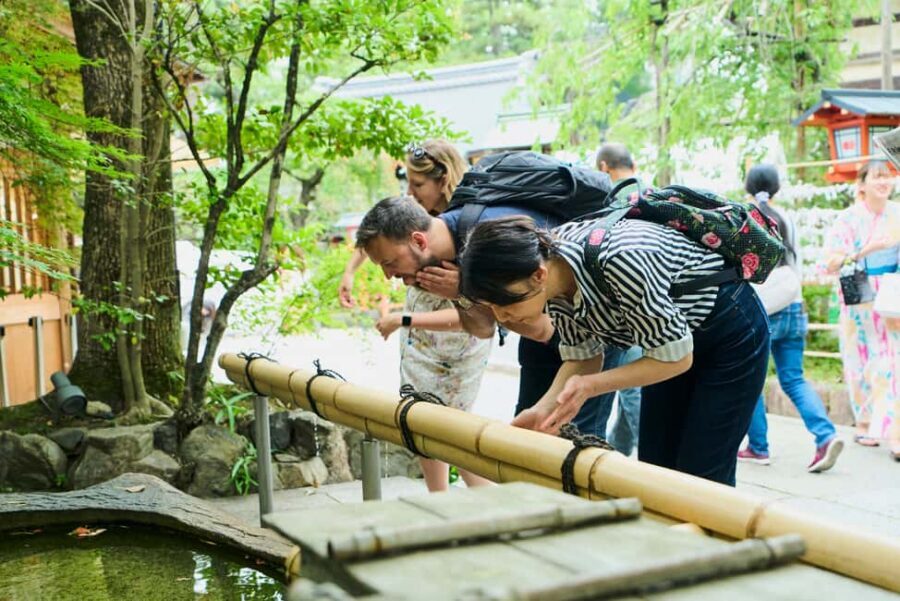
At $23 per person for a 2-hour, English-guided walking tour, the math is solid. You’re paying for three things that are hard to DIY:
- A smart route through the right corridors of Gion (including quieter lanes)
- Context for what you’re seeing, including geisha training and the craft behind kimonos and hairstyles
- A guide who can point out what to pay attention to, then add practical local recommendations afterward
In the reviews, guides like Mai, Wajid, Dan, Noa, Uta, Takumi, Nicolas, Alex, and Kenta get called out for keeping things fun, clear, and moving at a pace that still fits all the stops. That kind of “how to look at this place” service is usually where tours earn their keep.
Getting your bearings: meeting at Macdonald Shijo Ohashi
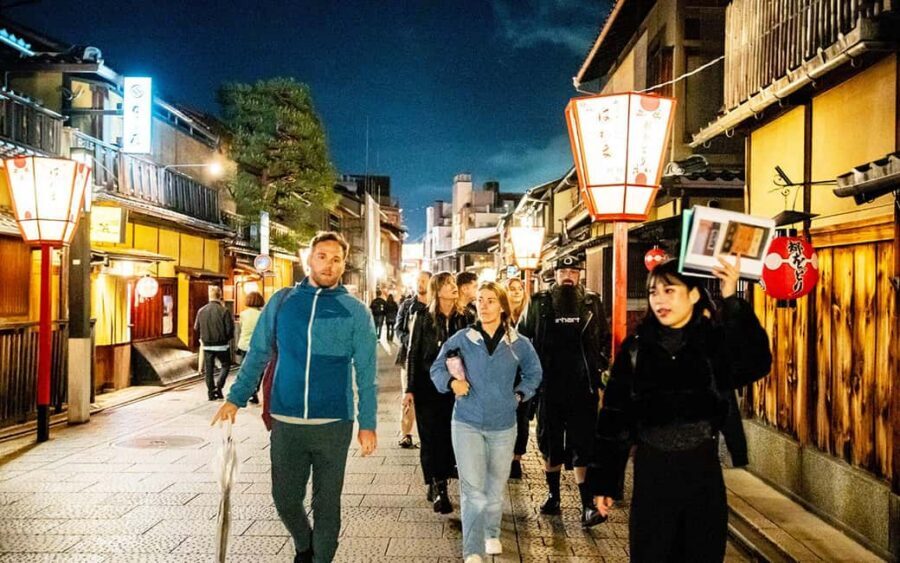
The meeting point is straightforward: マクドナルド 四条大橋店 (Macdonald Shijo Ohashi store), at 105-1 Hashimoto-cho, Shimogyo-ku, Kyoto-shi, Kyoto.
They’ll have a guide holding a sign reading Local Guide Stars. The front of the store gets busy, so go in with one job: find the sign and wait calmly on the side.
One practical tip from how people describe the experience: arrive a few minutes early so you’re not joining the group mid-scramble. Night tours can start on time, and you don’t want your first minutes spent weaving through traffic flow.
Stop 1: Gion Shirakawa and Shirakawa Canal photo time
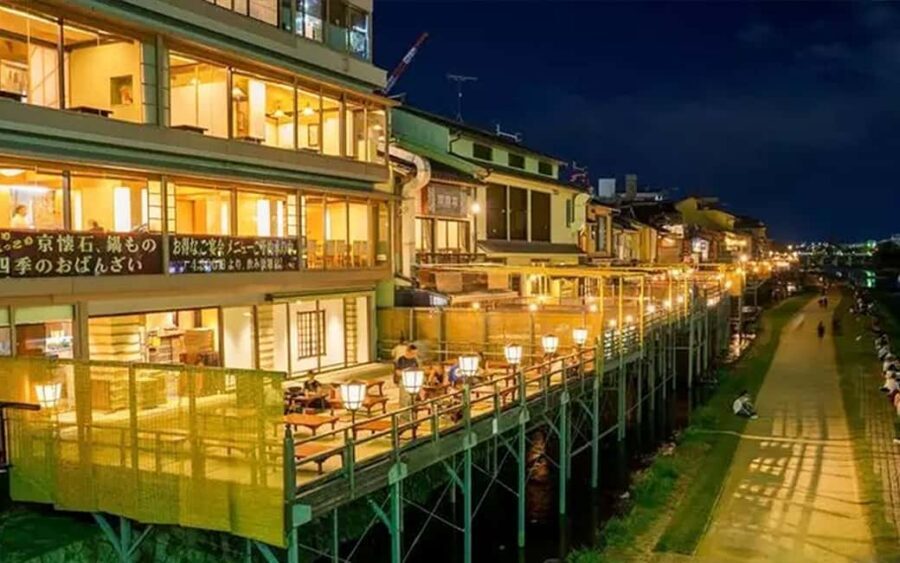
You begin at Gion Shirakawa, described as a scenic riverside lined with willows, traditional tea houses, and stone-paved paths. Even before you start “tour mode,” this section sets the tone: Kyoto’s old-street style, but with space to actually look.
What makes this start smart is timing. You’re early enough to enjoy the scenery without the worst crowd energy. In feedback, people describe the night timing as helpful because some areas are quieter—like the tour is timed for when the city loosens up.
Also: this is the spot where your guide can tell you what you’ll see later—so you’re not just standing there waiting for the “good part.” It becomes a warm-up for the whole theme: tradition, training, and the physical layout of Gion.
Tatsumi-jinja Shrine: the “1,000-year-old” anchor
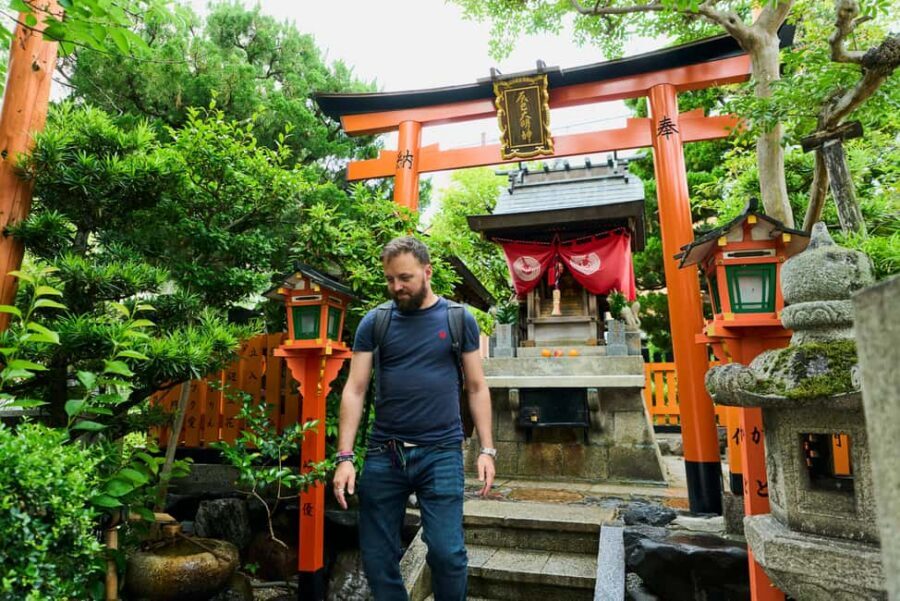
Next up is a shrine stop: Tatsumi-jinja Shrine. This is one of the route highlights billed as a 1,000-year-old shrine visit.
Why I like putting a shrine early: it gives you something grounding before the walk shifts into district lanes. Even if you don’t know Japanese, shrines are easy to read visually—steps, gates, offerings—so a good guide can point out what’s symbolic and what you’re meant to notice.
A practical note: photography is allowed, but flash photography isn’t permitted inside temples. If you’re the type who always shoots first, switch that reflex off for indoor temple/shrine moments.


Yasaka Shrine: learning the rules of the place
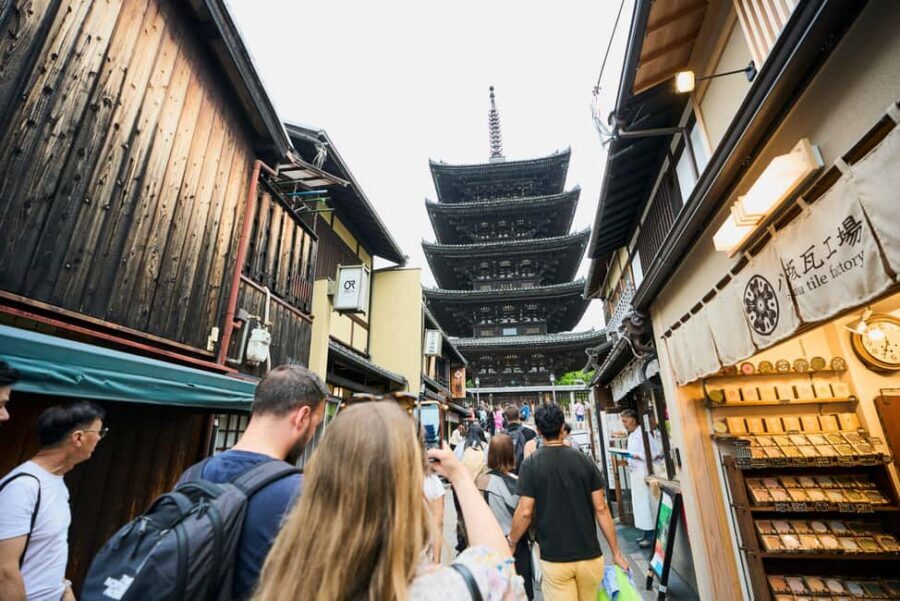
Then you head to Yasaka Shrine. Another shrine stop in the middle of the route is useful because it breaks the walk into chapters: river views, history anchor, then district lanes.
In the best guided versions of this kind of tour, the shrine time isn’t “look at a building.” It’s learning what the space means and how it fits into Kyoto life. That’s exactly what the tour promises: explanations along the way, including training traditions and the craftsmanship behind the geisha arts.
If you’re wondering how it feels in real life: people repeatedly mention guides keeping a steady tempo, waiting for everyone to catch up, and explaining things at the right depth for tourists. That matters at shrine stops, where you often need a moment to look and also a moment to listen.
Ninenzaka: Edo-period street feel and old Kyoto texture
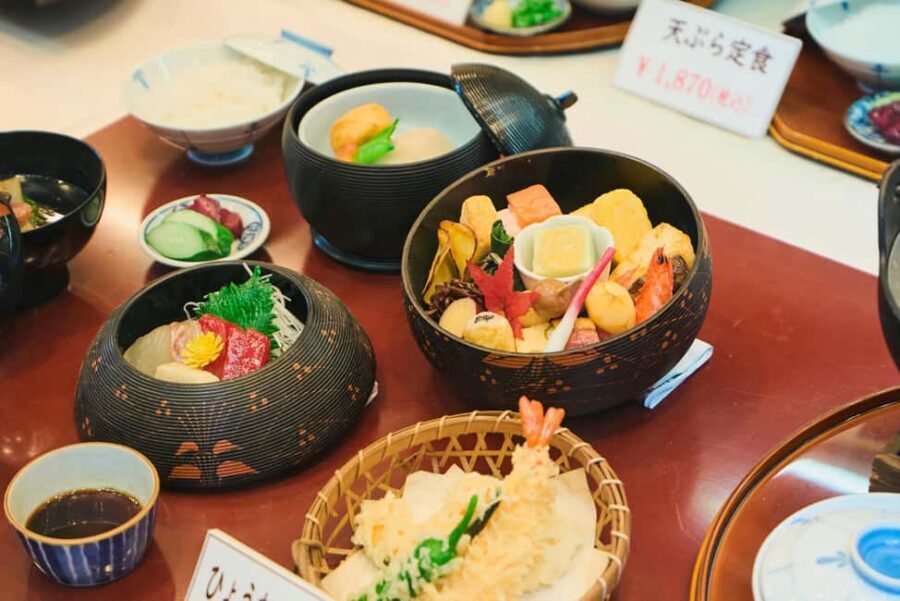
After the shrine section, you’ll move through Ninenzaka, a classic Kyoto slope/streetscape area that’s often where you can see old-street styling clearly. This is where the tour’s Edo-period townhouses theme becomes more visible.
This part is valuable because it shows you Gion’s look and feel as more than “the geisha district sign.” You see wooden-townhouse charm and the layered street geometry that makes Kyoto look like Kyoto from street level.
Also, Ninenzaka is the kind of stop where you’ll want to slow down. The tour keeps you moving, but you can still take your time to notice materials, street shapes, and the way lanes bend out of sight.
Hōkan-ji Temple and the photography etiquette moment
Next is Hōkan-ji Temple. Here’s where your guide’s guidance on photography becomes extra important. The tour allows photography, but flash is not permitted inside temples.
This isn’t just a rule for the sake of rules. Flash can be disruptive in quiet spaces, and using it can get you moved on quickly. Bring a normal camera setting mindset: steady hands, good light when possible, and accept that some indoor areas won’t be perfect for photos.
If you care about getting a “Kyoto temple photo,” plan to frame without flash. You’ll still get shots—just without the harsh lighting problem.
Yasui Kompira-Gu Shrine: small stop, strong contrast
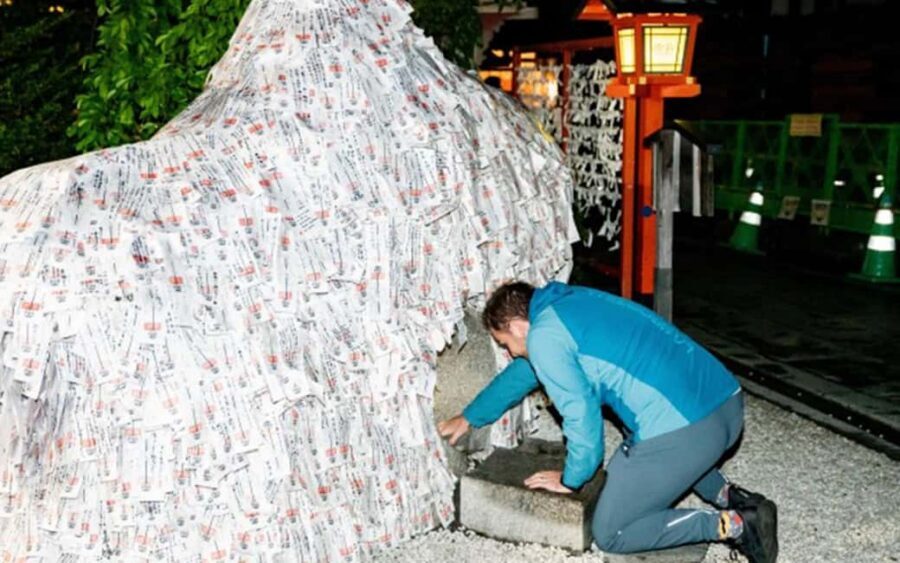
Then you’ll visit Yasui Kompira-Gu Shrine. This stop tends to feel like a breather compared with the main shopping-lane vibes. It also adds variety: another spiritual setting, another visual rhythm.
Why this matters on a short 2-hour tour: variety helps you remember. If every minute felt like a “main street,” you’d leave with photos but not much sense of place. Adding multiple shrine experiences helps the story stay coherent.
Hanamikoji-dori: where geisha spotting becomes possible
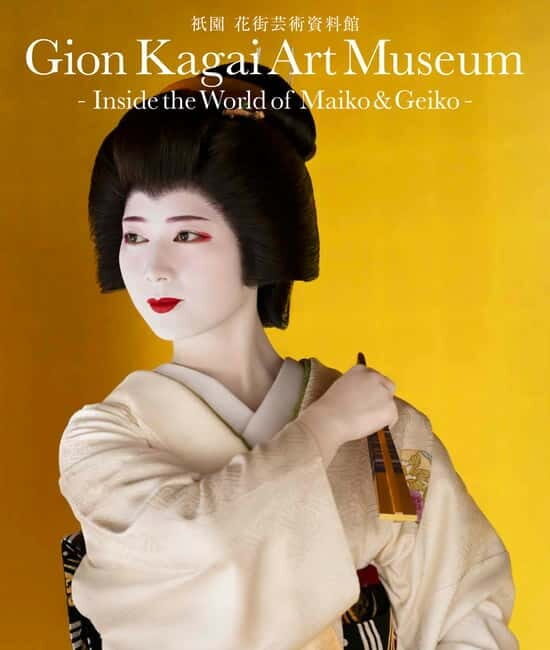
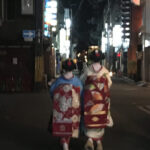
You finish on Hanamikoji-dori, described as the heart of the geisha district. This is the big moment. You may catch a glimpse of a geisha on her way to an evening engagement.
A few things to keep expectations realistic:
- It’s a chance, not a guarantee.
- The value is also in learning what you’re seeing and why it’s done that way—especially the strict training and the craftsmanship behind kimonos and hairstyles.
If you want your best odds, don’t camp in one spot too long. Use your guide’s direction and watch the flow. In feedback, people say guides help you spot what’s relevant and keep the group moving without you feeling like you’re being rushed past the moment.
Pace and group energy: fun, fast, and sometimes a little crowded
This tour is 2 hours. That means the pace can feel brisk, and you’ll be walking continuously. One review notes the pace is quick, but it’s quick because they’re fitting all stops in.
The good news is how guides handle group movement. Many reviews mention guides waiting for everyone to catch up before starting explanations, and guiding well through heavier areas so you don’t get lost in the crowd.
If you’re someone who likes long, slow wanders, you may want another day for self-guided wandering. For a short “orientation + culture + atmosphere” hit, this timing is right.
What to bring (and what to skip)
You’ll want:
- Comfortable shoes (non-negotiable)
- Sunscreen
- Water
And for weather: the tour runs even in rain, so bring an umbrella or raincoat.
What not to do:
- Avoid flash photography inside temples
That last point is easy to forget if you’re used to rapid-fire shooting outdoors. Save the flash for later, and let the guide handle the indoor etiquette.
The geisha-culture angle: what you actually learn
The tour doesn’t treat geisha culture as a mystery movie. It frames it as a disciplined craft.
Expect to learn about:
- The strict training geisha go through
- The graceful arts, including dances
- The craftsmanship behind kimonos and hairstyles
This is where the right guide makes the difference. People highlighted guides like Isako (with trainee Amane) for interesting local info, Mai and Uta for making the story feel alive, and Takumi for respect toward tradition while keeping the explanations clear.
Even if you don’t see a geisha in motion, you’re still leaving with a better understanding of what’s behind the look—and that changes how you read what you see on the street later.
Who this tour is best for
This is a great fit if:
- You’re in Kyoto for a first trip and want a fast way to understand Gion
- You want night atmosphere with fewer “daytime crowds” headaches
- You like cultural context, not just sightseeing stamps
- You want a guide to point out what to watch for in geisha district streets
It’s also family-friendly in at least some cases; one review mentions doing it with children and the guide being good with kids.
Who should choose something else
Skip this tour if:
- You use a wheelchair or need mobility support. The tour is not suitable for people with mobility impairments or wheelchair users.
- You don’t do well with continuous walking in a tight 2-hour slot.
And if rain is a big deal for you: they do run in rain, so you’ll want real rain gear, not just hope.
Should you book this Gion geisha culture tour?
If you want an evening walk that mixes Shirakawa Canal scenery, shrine stops (including the 1,000-year-old billed experience), Edo-period streetscapes, and a shot at seeing activity on Hanamikoji-dori, I think it’s worth booking.
Book it if you:
- Want an efficient introduction to Gion in one go
- Prefer guided direction over wandering and guessing
- Appreciate practical tips (including restaurant ideas) after your walk
Skip it if you:
- Want a slow, meditative walk with lots of downtime
- Need accessibility accommodations that this format can’t support
- Are uncomfortable with rain walking
If you’re doing just one Gion-focused tour, this one makes a strong case—because it ends where the story moves, not where the day ends.
FAQ
Where does the tour start?
The meeting point is at マクドナルド 四条大橋店 (Macdonald Shijo Ohashi store).
What should I bring for this tour?
Bring comfortable shoes, sunscreen, and water. If it’s raining, bring an umbrella or raincoat.
How long is the tour?
The tour duration is 2 hours.
Is the tour guided in English?
Yes, it includes an English-speaking local guide.
Can I take photos during the tour?
Yes, photography is allowed. Flash photography is not permitted inside temples.
What is the best chance to see a geisha?
The tour ends at Hanamikoji-dori, where you may catch a glimpse of a geisha on her way to an evening engagement.
Does the tour run in bad weather?
Yes. The tour takes place even in the rain, so plan to bring proper rain gear.
Is the tour suitable for wheelchair users or mobility impairments?
No. The tour is not suitable for people with mobility impairments or wheelchair users.
What’s the cancellation policy?
Free cancellation is available up to 24 hours in advance for a full refund.