Kyoto is at its best when you make something.
In this 2-hour Kyoto kimono fabric Temari workshop, you’ll work at a renovated traditional antique boutique shop and learn how Temari balls became popular decor and celebration pieces across Japan. You don’t need prior skills, and instruction is available in English and Japanese with a friendly local craft master named May.
I love the chance to choose real kimono fabric patterns instead of plain craft supplies. I also like that you get a complimentary drink and traditional Japanese confectionery while you craft, so it feels like a calm pause in your sightseeing day rather than a rushed class.
One thing to consider: this is a hands-on craft session, not a full guided temple tour. If you’re expecting a long cultural walking itinerary, you’ll want to pair it with nearby shrine and temple time on your own.
In This Review
- Key points to know before you go
- Why Temari Feels Like the Right Kind of Kyoto Souvenir
- The Antique Boutique Setting: Where You Start and Why It Matters
- Choosing Your Kimono Fabric: The Moment You’ll Actually Remember
- Making Your Temari: Beginner-Friendly Craft With Real Technique
- The Tea and Wagashi Break: A Small Luxury Built Into the Class
- Fit It Into Your Kyoto Day: Temples and a Calmer Pace
- Price and Value: Is $25 Worth It in Kyoto?
- Who This Workshop Is For (and Who Might Prefer Something Else)
- FAQ
- What do I make in the Kyoto Kimono Fabric Temadri workshop?
- Is prior craft experience required?
- How long is the workshop?
- What is included in the price?
- Is the group size small?
- Is the workshop wheelchair accessible?
- Should You Book This Kyoto Kimono Temari Workshop?
Key points to know before you go
- Kimono fabric Temari you keep as a true take-home souvenir
- Beginner-friendly with clear guidance and no experience required
- Small group (max 4) for patient, personal teaching
- Tea and wagashi included with drink choices and a traditional sweet
- Temples and shrines nearby, including easy add-on time along Philosophers Path
Why Temari Feels Like the Right Kind of Kyoto Souvenir
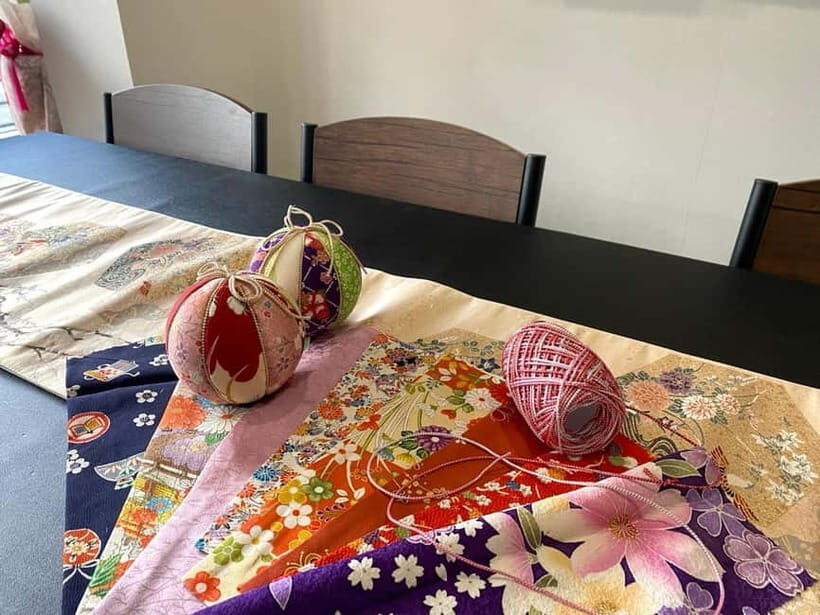
Kyoto can overwhelm your schedule fast. Between crowded streets, long lines, and sensory overload, it’s smart to schedule a break that’s calm and hands-on. This workshop does exactly that: you slow down, focus on one small craft project, and leave with something you made yourself.
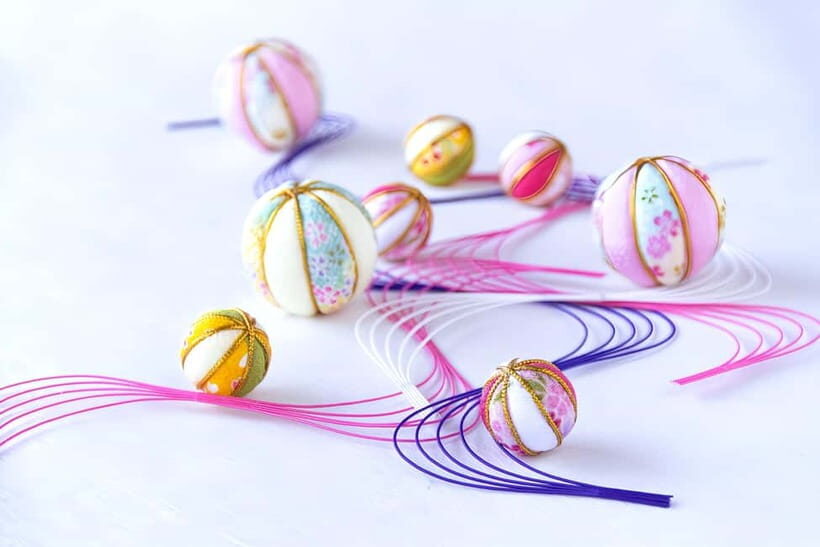
Temari started as more than decoration. These stitched, fabric-wrapped balls show up as interior ornaments and also in seasonal or celebratory moments around Japan. In other words, you’re not just doing a cute craft. You’re making an object with a long cultural life, using materials that come from the look and feel of old Japan—kimono fabric.
And since the class is designed for all ages and skill levels, it works even if your confidence level is low. You’ll be guided step by step, with a relaxed pace and a shop setting that feels more like a craft studio than a factory classroom.
A few more Kyoto tours and experiences worth a look

The Antique Boutique Setting: Where You Start and Why It Matters
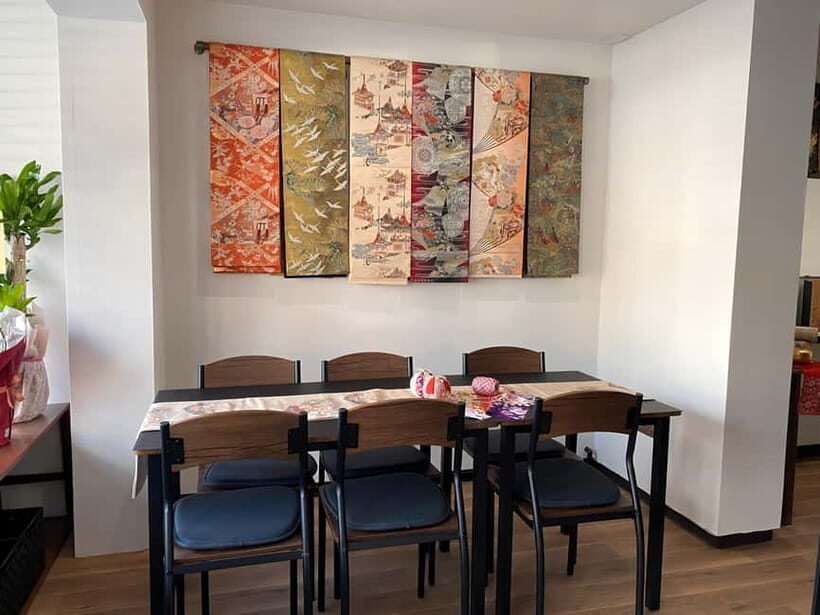
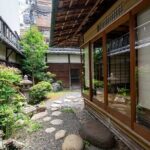
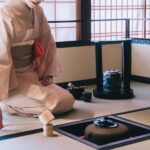
The workshop happens in the heart of Kyoto’s sightseeing area, inside a newly renovated traditional Japanese antique boutique store. That location choice matters. You’re not transported to a generic craft venue outside the city where everything feels staged. You’re working in a shop environment where kimono-related items already fill the space, which makes your Temari-making feel connected to what you’re seeing around you.
When you arrive, you simply enter the workshop and your host waits to greet you. That sounds basic, but it’s a real quality-of-life thing in Kyoto. Clear meeting points reduce stress, especially when you’re navigating busy streets or multiple stops in one day.
This is also a small-group class limited to 4 participants. In practice, that means you’re more likely to get quick help when you hit a snag and more time to chat about the materials, patterns, and the craft itself. Several guests highlighted how friendly and patient May is, and that lines up with the benefits of a tiny group.
Choosing Your Kimono Fabric: The Moment You’ll Actually Remember
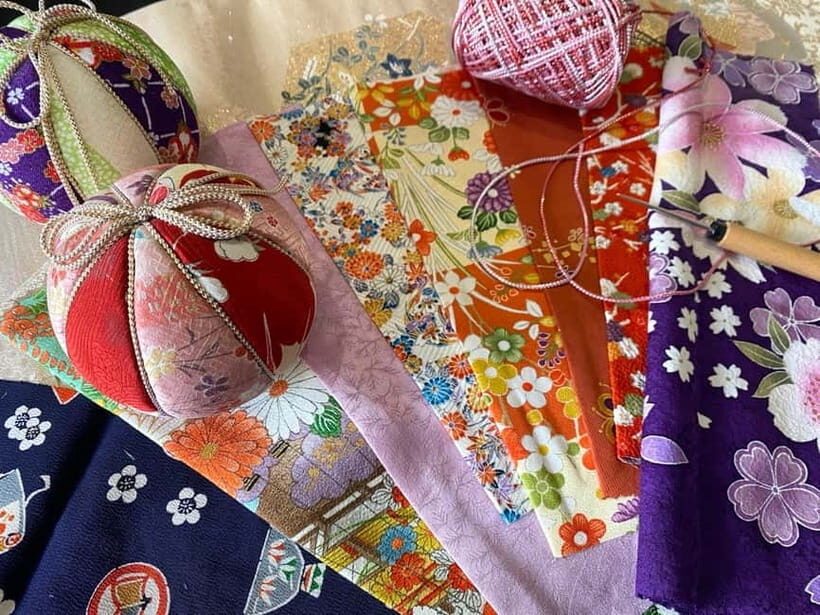
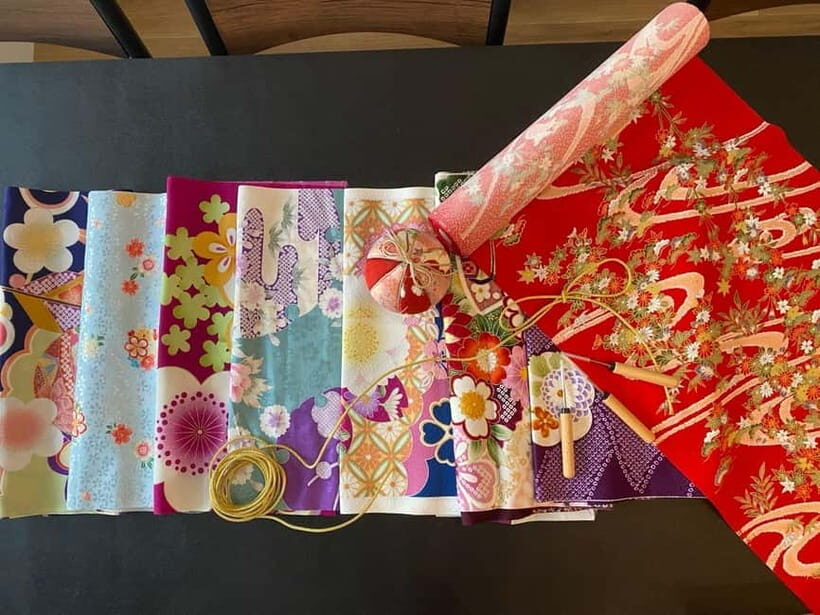
Your Temari starts with fabric selection. The class uses kimono fabric pieces, and this is where the experience becomes personal in a hurry. Kyoto is full of gorgeous patterns, but it can be hard to pick one when you’re browsing thousands of items. In the workshop, you get a focused choice that directly affects your final Temari ball.
From what people describe, you’ll pick from a variety of kimono fabrics and colors, and the teacher helps you narrow the selection. One review mentioned choosing multiple fabrics (like five), which makes sense if your Temari design uses different pieces for a layered look.
Tip: if you’re a minimalist, choose colors that play well together—think one main color plus a contrasting accent. If you love color, go bold; Temari doesn’t need to match your wardrobe. It just needs to make you smile when you see it later.
This fabric-choice phase can feel like part shopping and part craft planning. And that’s good. It gives you control early, so you don’t feel like a passive participant in someone else’s process.
Making Your Temari: Beginner-Friendly Craft With Real Technique
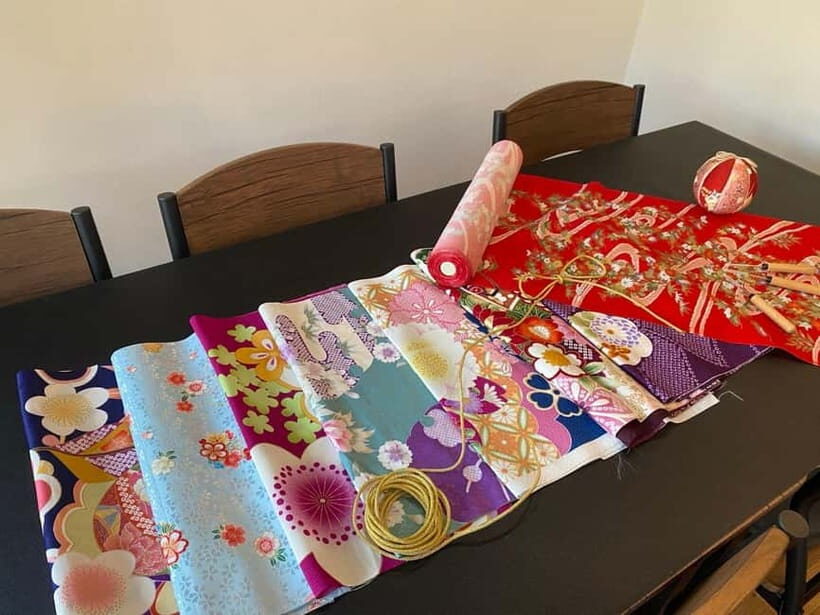
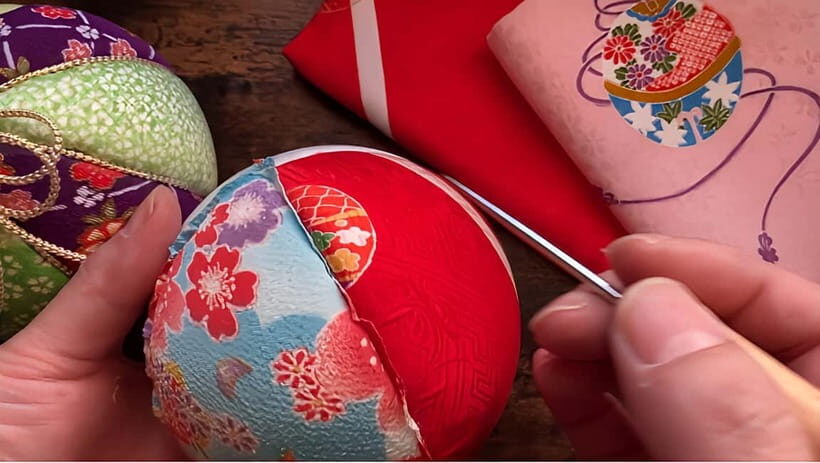
The goal is simple: create one Temari using the kimono fabric you selected. And the workshop is set up so no experience is required, which is a big deal if you’re worried about sewing or complicated steps.
People specifically noted that it’s not so difficult and that it doesn’t feel like heavy sewing—exactly what you want for a 2-hour experience with children and first-timers in the mix. Your instructor walks you through the process, keeping it clear and manageable.
Here’s what you can expect in terms of learning mode:
- You’ll start with an explanation of what Temari is and why it matters.
- Then you’ll move into hands-on work with the materials you chose.
- Along the way, you’ll get direct guidance in English or Japanese, depending on what you prefer.
You’re also making something you can display. A Temari ball isn’t just a paper craft that gets thrown away. It’s an object with texture, pattern, and a finished look, so it works as a shelf ornament or a desk decoration when you get home.
The craft itself is the highlight for a reason. It gives you a tangible memory that’s hard to replicate with photos. In Kyoto, that’s the difference between buying a souvenir and owning a story.
The Tea and Wagashi Break: A Small Luxury Built Into the Class

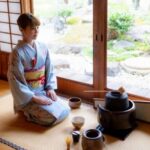
This workshop includes a complimentary drink and traditional Japanese confectionery of your choice. You’re not paying extra to fuel yourself. You’re already part of the experience.
That matters because craft sessions go better when you’re comfortable. The drink and sweet give you a moment to slow down, look at the fabrics, and reset your attention while you’re learning a new skill. A few reviews even mentioned especially enjoyable matcha lattes and that the refreshments were genuinely tasty, not just a token addition.
What I like most is the rhythm. You’re not stuck doing everything back-to-back. You get a built-in pause that makes the 2 hours feel like a complete, relaxing activity.
A few more Kyoto tours and experiences worth a look




Fit It Into Your Kyoto Day: Temples and a Calmer Pace
One of the best parts of this class is where it sits in your planning. The area around the workshop has historically significant temples and shrines, and that means you can pair craft time with a short walk afterwards.
A review specifically called out Philosophers Path as an easy option after the workshop. Even if you don’t go far, that sort of nearby scenery is perfect for the day after you’ve been focused indoors. Your brain shifts gears. Then you can enjoy the outdoors with a clearer head.
Practical pairing ideas:
- Schedule the workshop mid-morning or mid-afternoon to avoid the hardest crowd windows at major sites.
- After the class, take a slower walk through nearby shrine and temple areas rather than rushing to the next checklist item.
- If you need a caffeine break, there are cafes around, and you’ll likely find something conveniently close.
Price and Value: Is $25 Worth It in Kyoto?
At $25 per person for a 2-hour class with materials and a local craft master included, this is priced like a thoughtful experience rather than a budget craft ticket.
Here’s why the value feels strong:
- You’re getting instruction (English and Japanese).
- You’re getting all necessary materials to make a Temari.
- You’re also getting refreshments (drink and traditional confectionery).
- And you leave with a finished handmade souvenir you can display.
Most Kyoto craft purchases involve paying for the object and hoping it feels special. Here, you’re paying for the learning + the making. That distinction is why the price doesn’t feel like a stretch.
The only cost you may add is if you want extra drinks or food beyond what’s included, since those aren’t part of the price.
Who This Workshop Is For (and Who Might Prefer Something Else)
This is ideal for:
- People who want a real Kyoto cultural craft without prior skill
- Families with children, since it’s designed for all ages and is not overly complicated
- Anyone who likes fabrics, patterns, and handmade objects with texture
- Travelers who want a break from walking and crowds, but still want something meaningful
You might consider skipping it if:
- You’re looking for a long guided sightseeing tour with lots of temple history and walking time
- You’re only interested in high-energy activities and don’t want a calm, hands-on session
- You’re short on time and can’t fit a full 2 hours in your schedule
FAQ
What do I make in the Kyoto Kimono Fabric Temadri workshop?
You’ll make a traditional Japanese Temari using kimono fabric pieces. You can take your finished Temari home as a souvenir.
Is prior craft experience required?
No. The workshop is designed with no prior experience or skills required, and it’s suitable for adults and children alike.
How long is the workshop?
The class lasts 2 hours.
What is included in the price?
The price includes a complimentary drink, traditional Japanese confectionery, all necessary materials, the Temari workshop, and instruction from a local crafts master.
Is the group size small?
Yes. It’s a small group limited to 4 participants.
Is the workshop wheelchair accessible?
Yes, it’s listed as wheelchair accessible.
Should You Book This Kyoto Kimono Temari Workshop?
If you want one Kyoto memory that isn’t a photo and isn’t another shopping bag, I’d book this. The mix of beginner-friendly making, kimono fabric choices, small group attention, and included drink + wagashi makes it a high-value way to spend 2 hours.
I’d especially recommend it if your schedule already has temples and shrines planned and you’re craving a calmer middle step. In Kyoto, that kind of pause often becomes the part you remember most.