Kyoto moves fast on an e-bike. In just about four hours, you get a guided route that takes the stress out of maps and directions, while still landing you at temples, shrines, and scenic canals for great photos. I love how the pacing feels efficient but not rushed, especially with a small group that keeps you from getting separated.
Two things I really like: the e-bike rental is included, so you show up and go, and the stops mix major landmarks with calmer streets you’d be less likely to find on your own. You also get an English-speaking guide who can explain the why behind each place, not just the what.
One consideration: you will do some walking at each stop, including temple grounds and shrine paths, so comfy shoes matter. If you’re shorter than 145 cm or traveling with younger kids, this won’t be the best fit.
In This Review
- Key Highlights Worth Knowing
- Kyoto’s E-Bike Advantage: Why This City Clicks by Wheel
- Meeting Point at Gion: Starting Easy, Ending Simple
- Four Hours of Riding and Walking: The Flow That Keeps You Moving
- Stop 1: Gion Shirakawa and the Canal-Edge Atmosphere
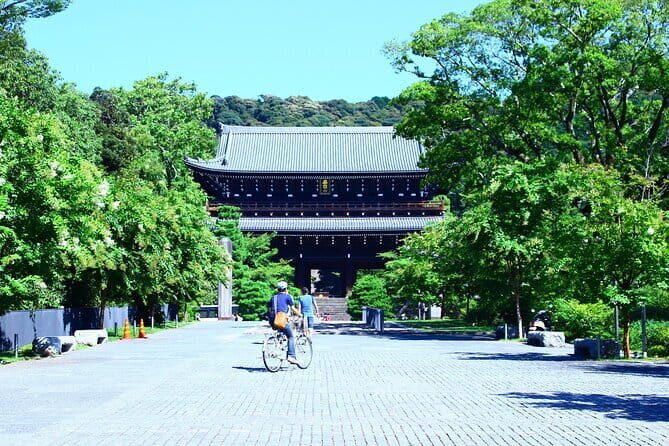
- Stop 2: Nanzen-ji Temple for Big-Temple Scale and Zen Calm
- Stop 3: Heian Shrine and Its Bold Garden-Linked Geometry
- Stop 4: Honen-in for a Short, Quiet Temple Break
- Stop 5: Shimogamo Jinja at the Forest-Edge of Kyoto
- Stop 6: Kyoto Imperial Palace Grounds for a Different Kind of Grandeur
- Stop 7: Philosopher’s Walk for a Scenic Finish
- What You’ll Actually Need to Bring (And What to Wear)
- English Guide Energy: The Difference Between Seeing and Getting It
- Price and Value: Is $70 Worth It?
- Who This Kyoto E-Bike Tour Is Best For
- Quick Decision: Should You Book This E-Bike Tour?
- FAQ
- How long is the Kyoto e-bike tour?
- What’s included in the tour price?
- Do I need to bring or rent a bike myself?
- Are admissions included for the temples and shrines?
- What’s the meeting point and where does the tour end?
- What time does the tour start?
- What’s the group size?
- What fitness level do I need?
- Is this tour suitable for children?
- What happens if the weather is bad?
Key Highlights Worth Knowing
- Small group size (max 8): easier to follow and safer for photo stops
- E-bike rental included: no hunting for equipment before you start riding
- English-speaking in-person guide: clear explanations and on-the-spot questions
- Iconic Kyoto in 4 hours: Gion Shirakawa, Nanzen-ji, Heian Shrine, Shimogamo Jinja, Kyoto Imperial Palace, and Philosopher’s Walk
- Most admissions are free: you can plan around low extra costs
- Local tips during the ride: guides like Yuki, Ben, or Jay have been praised for restaurant and culture suggestions
Kyoto’s E-Bike Advantage: Why This City Clicks by Wheel
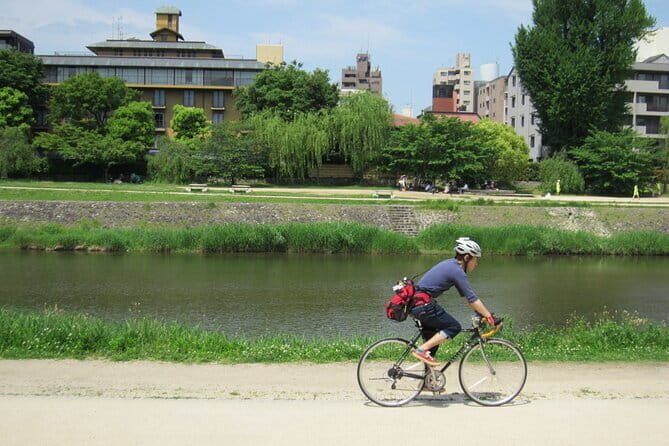
Kyoto is perfect for biking because the city layout lets you hop between neighborhoods without losing half your day to transit transfers. A normal walking day can feel like you’re constantly moving, checking corners, and re-routing around crowds. This style of tour changes the rhythm. You cover real distance by electric assist, then pause on foot when it counts—at shrines, temple entrances, and scenic lanes.
I like that the guide handles the route. You’re not stuck staring at your phone. Instead, you’re watching Kyoto unfold: canal edges in Gion, the stone gravity of major temple compounds, and the quieter green feeling that shows up near northern shrines. That combo is what makes this kind of tour feel like a cheat code for first-time visitors—without turning the day into a checklist.
Other cycling tours in Kyoto


Meeting Point at Gion: Starting Easy, Ending Simple
You start at the Kyoto Tourist Lounge in the Gion area (Komatsu Cho, Higashiyama-ku). The tour runs from a 9:00 am start, and it ends back at the meeting point. That “back where you started” finish is handy: you can plan lunch or your next temple visit right after, without figuring out a new drop-off.
The meeting point being near public transportation is also a big practical win. Even if you’re staying somewhere else in Kyoto, you can usually get in easily and arrive without stress.
Four Hours of Riding and Walking: The Flow That Keeps You Moving
Think of this tour as two modes that alternate naturally:
1) Ride the e-bike through the city to get to the next pocket of interest.
2) Walk the last few steps into each sight so you can actually experience it.
This matters because temple and shrine spaces don’t work like museums where you can just stroll past everything. You want the small pauses: looking up at the architecture, stepping into courtyards, and taking photos from angles that feel respectful and not crowded.
The group stays small (up to 8), which helps the whole day stay calm. You’re not threading through narrow streets alone, and the guide can slow down when the route needs care.
Stop 1: Gion Shirakawa and the Canal-Edge Atmosphere
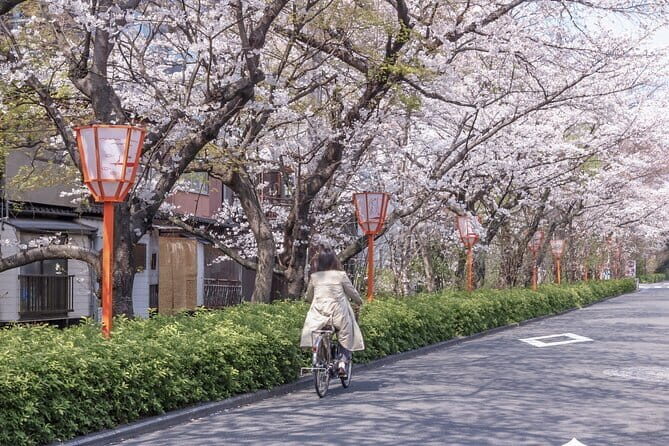
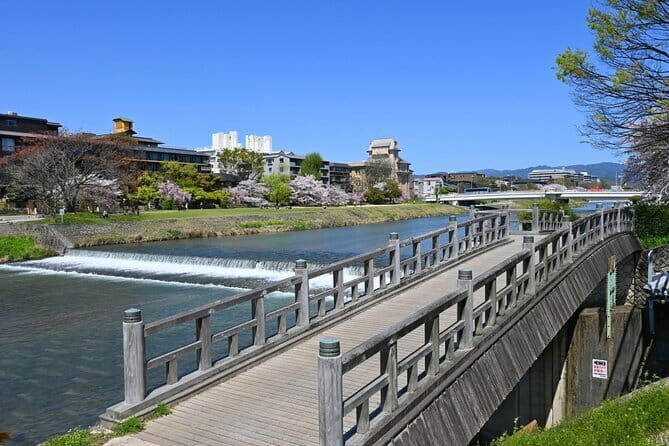
You’ll begin in Gion Shirakawa, one of Kyoto’s most recognizable traditional areas. Expect a photogenic start with historic streets and the serene feel of the Shirakawa Canal. This is the kind of place where even if you’ve seen photos before, the real charm hits when you’re standing near the water and noticing the preserved streetscape.
Why this stop works early: it’s a visual warm-up. You get the Kyoto mood before you jump into larger temple compounds. It also helps you settle into riding—slow city pace, easy observations, and plenty of photo opportunities without feeling like you’re late to something.
Practical note: the time here is about 30 minutes, so you’ll want to keep your photo-taking moving. You can still slow down, just don’t turn every corner into a 20-minute detour.
Stop 2: Nanzen-ji Temple for Big-Temple Scale and Zen Calm
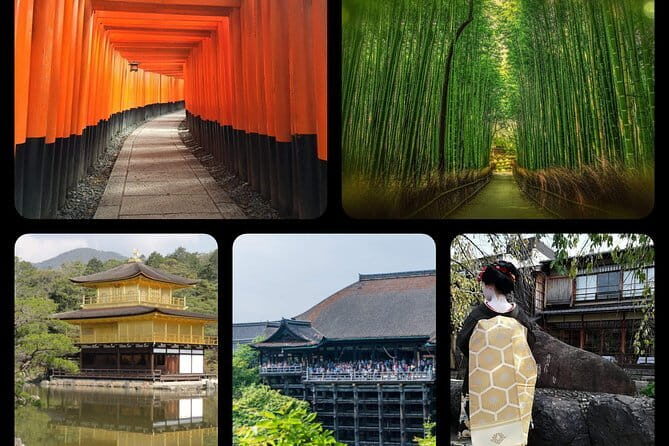
Next comes Nanzen-ji, one of Kyoto’s standout Zen Buddhist temple complexes. At a stop length around 30 minutes, you’re not trying to see everything in detail like a full-day temple marathon. Instead, you’re there to grasp the scale and feel the shift from street life into temple grounds.
This is also a good stop for learning. A strong guide can explain how places like Nanzen-ji function beyond being a photo spot—why Zen temple design creates quiet, how visitors should move, and what to notice in architecture and grounds. Guides in the style of Yuki, Ben, or Jay have been specifically praised for clear English and history-focused explanations, plus quick answers when questions pop up.
One small caution: temple grounds can involve uneven surfaces and steps. If your shoes are more “nice” than “walkable,” you’ll notice it here.
A few more Kyoto tours and experiences worth a look



Stop 3: Heian Shrine and Its Bold Garden-Linked Geometry
Then you head to Heian Shrine, known for grand Shinto architecture and a garden setting. Expect a visual contrast after Nanzen-ji: different religious tradition, different structure feel, and a more open sense of symmetry.
This stop lasts about 30 minutes, which is enough to:
- take in the main shrine setting,
- enjoy the garden views from the right angles,
- and absorb a few context notes about how Shinto spaces are designed and used.
If you’re a photography person, this is a reliable place to get clean shots without constant crowd juggling—still busy at times, but generally more “structured” for visitors than some of the maze-like older streets.
Stop 4: Honen-in for a Short, Quiet Temple Break
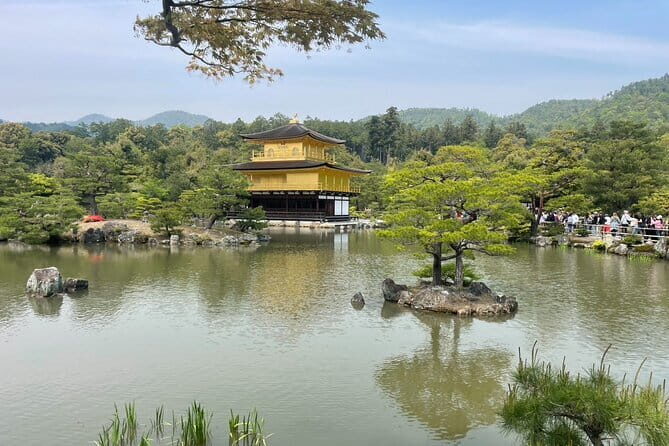
After the bigger shrine energy, you get a calmer pause at Honen-in, a temple founded in the 12th century. The stop is about 20 minutes, and it’s listed with admission not included—so be prepared for a small extra cost if you go into fee areas.
This is the stop that works best when you keep your expectations simple. You’re not there for an hours-long deep walk. You’re there for that feeling of stepping into a more peaceful pocket of Kyoto—tree-lined paths, slower movement, and the chance to reset before the later legs of the day.
Stop 5: Shimogamo Jinja at the Forest-Edge of Kyoto
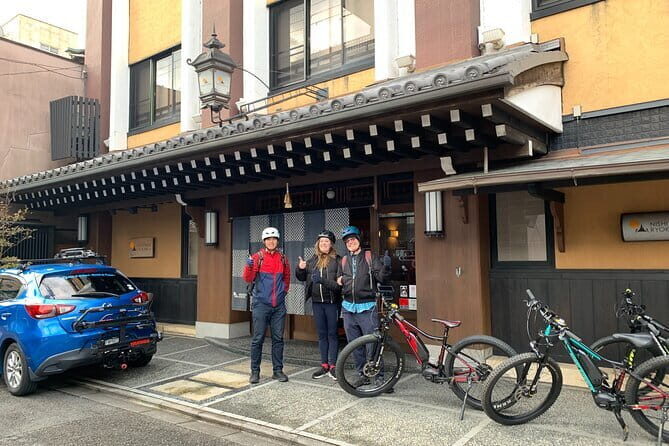
Next up is Shimogamo Jinja, one of Kyoto’s oldest and revered Shinto shrines, positioned near the northern edge of the city. One of the biggest reasons this stop is worth it: the approach into the area feels greener and quieter than the central city streets.
The forest-adjacent environment makes photos look different. Colors feel softer, and the shrine setting has a calm frame that’s hard to recreate anywhere else. The stop is about 30 minutes, so you can walk paths at an easy pace without feeling like you’re rushing through.
If you like the contrast part of Kyoto—traditional neighborhoods, big temple compounds, then a quieter shrine surrounded by older trees—this is where the day starts to feel balanced instead of one-note.
Stop 6: Kyoto Imperial Palace Grounds for a Different Kind of Grandeur
Then you roll to Kyoto Imperial Palace, the former residence of Japan’s imperial family, set within the Kyoto Gyoen National Garden. At about 30 minutes, you’re likely to focus on the major viewpoints and the sense of space rather than trying to read every detail like a guided history lecture.
Why it matters: Kyoto isn’t only temples and shrines. This stop adds political and cultural context—how power shaped the city and how the built environment reflected the imperial world. A good guide can connect the dots in plain language, including how visitors should interpret the palace grounds.
If you’re worried you’ll spend the whole day just “looking at buildings,” this is one of the stops that breaks that pattern.
Stop 7: Philosopher’s Walk for a Scenic Finish
For the last main stop, you bike along to Philosopher’s Walk (the Philosopher’s Path area). It’s named after Nishida Kitaro and follows a canal line with cherry trees and traditional tea house vibes.
This is a great way to end because it shifts from religious architecture to a more everyday scenic Kyoto feel. You’re not disappearing behind temple walls now—you’re moving along a walkway that Kyoto is famous for, which makes the ride feel like a journey through neighborhoods rather than a sequence of entrances.
If your timing is right for the season, this is also where the city’s “when-the-light-changes” magic shows up. Even without perfect bloom, the canal and tree-lined path create a softer, slower finale.
What You’ll Actually Need to Bring (And What to Wear)
This is where the e-bike tour wins over bike rental DIY. You’re not dealing with equipment sourcing. You show up, get the bike, and go.
Still, you should prepare for the parts that aren’t automatic:
- Comfy shoes: you’ll walk at multiple points of interest
- A weather-ready layer: the tour requires good weather, and Kyoto mornings can swing from cool to warm
- A camera or phone with storage: the canal streets and shrine areas generate lots of photo chances
From the rider experience side, the e-bikes themselves have been described as easy to ride and well set up, including helmets that were called very new. That’s exactly what you want: less fiddling, more focus on the sights.
English Guide Energy: The Difference Between Seeing and Getting It
The thing that keeps showing up is the guide’s role. When someone like Yuki, Ben, or Jay is leading, they tend to connect what you’re seeing to how Kyoto works—religion, neighborhood identity, and small behavior tips that make your visit smoother.
I also like how the best guides add practical extras. Some guides have been praised for suggesting places to eat and offering general Japan and Kyoto culture context. Even if you’re only in Kyoto for a few days, those ideas help you plan the rest of your trip better.
A small group size makes this easier. You’re not trapped listening to one-way lectures while trying to follow the bike line in busy streets.
Price and Value: Is $70 Worth It?
For $70 per person for around four hours, you’re paying for three big things:
1) E-bike rental (so your day starts without extra rentals or logistics),
2) an in-person English guide (so stops become meaningful, not just postcard backdrops),
3) a route plan that links several major sights efficiently.
If you were doing this on your own, you’d likely spend time figuring out transit, renting bikes (or negotiating rules and parking), and losing the chance to learn the stories that make Kyoto click. You’d also probably skip some stops because the travel time would be the bottleneck.
This tour price becomes especially good value for first-timers who want structure plus photo-ready stops. If you’re the type who loves exploring without schedules and already knows Kyoto well, you might prefer a looser plan. But if you’re time-limited, this hits a sweet spot.
Who This Kyoto E-Bike Tour Is Best For
You’ll enjoy this most if you:
- want to see a wide spread of Kyoto in one morning,
- prefer guided navigation over map work,
- like temples and shrines but don’t want a full-day temple grind,
- can handle short walking segments and a moderate physical level,
- and want a small group experience where you can ask questions.
It’s also a solid option for couples and solo travelers who want a built-in plan without giving up freedom—because after the tour ends back at the start area, you’re free to keep exploring your way.
Quick Decision: Should You Book This E-Bike Tour?
Book it if you’re aiming for a smart first pass at Kyoto. The mix of Gion Shirakawa, Nanzen-ji, Heian Shrine, Honen-in, Shimogamo Jinja, Kyoto Imperial Palace, and Philosopher’s Walk is exactly the kind of variety that helps you understand what kind of Kyoto you like most.
Skip it (or rethink) if you hate walking, have tight mobility limits, or you’re not comfortable riding in city traffic even at a guided pace. And if weather is questionable, you’ll be better off choosing a day with good conditions since the tour requires it.
If you want a guided morning that feels efficient, scenic, and genuinely Kyoto, this is a strong bet.
FAQ
How long is the Kyoto e-bike tour?
It runs for about 4 hours.
What’s included in the tour price?
The price includes the e-bike use and an in-person English guide.
Do I need to bring or rent a bike myself?
No. The e-bike rental is included in the tour.
Are admissions included for the temples and shrines?
Many stops list admission as free, but Honen-in is noted as admission not included.
What’s the meeting point and where does the tour end?
You start at Kyoto Tourist Lounge Gion and the tour ends back at the same meeting point.
What time does the tour start?
The listed start time is 9:00 am.
What’s the group size?
The maximum group size is 8 travelers.
What fitness level do I need?
The provider asks for a moderate physical fitness level, since you’ll ride and also walk at stops.
Is this tour suitable for children?
Height must be over 145 cm, and it’s not recommended for children under 12.
What happens if the weather is bad?
The experience requires good weather. If it’s canceled due to poor weather, you’ll be offered a different date or a full refund.