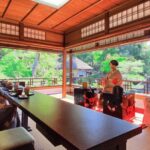
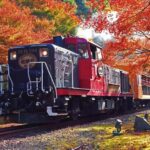
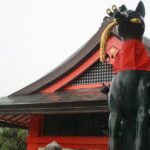
Kyoto feels faster when you pedal, then slower once you arrive. This Kyoto eBike tour focuses on the feel of the city: World Heritage temples at the start, quiet backstreets as you go, and Zen gardens that make you lower your voice without trying. It’s a 225-minute ride designed around an easy 9km loop, so you spend your time looking at details instead of dodging bus crowds.
I love the mix of big-name Kyoto with side streets that most first-timers never find. The Golden Pavilion stop is a true anchor, and the later Zen garden moments (plus tea and calm temple settings) are where the tour earns its name. The main drawback to plan around is terrain: parts can get technical near the end, so you should be comfortable on a bike before you book.
In This Review
- Key Reasons This eBike Tour Works So Well
- Getting From NORU to Kyoto’s Quiet Corners
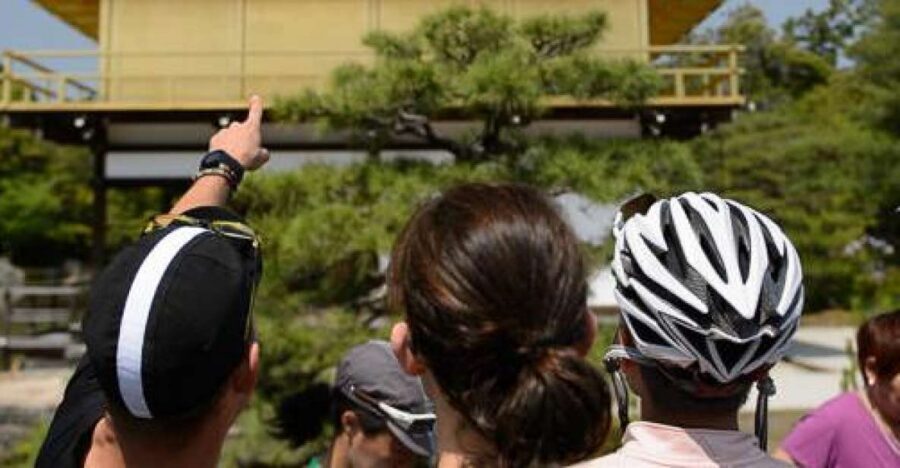
- Golden Pavilion: The Signature View, Without the Stampede
- Geisha District Backstreets and the Shrine of Knowledge Stop
- Zen Gardens and the Calm Shift You Can Actually Feel
- Tea at Daitoku-ji and the Culture of Slow Hospitality
- Mochi and the 1,000-Year-Old Café Moment
- Terrain and Safety: What the Ride Feels Like
- How the Guides Make Kyoto Make Sense
- Value and Price: Is $127 Worth Your Afternoon?
- Who Should Book This eBike Tour
- Should You Book Kyoto City Secrets on an eBike?
- FAQ
- How long is the Kyoto City Secrets eBike tour?
- What time does the tour run?
- Where do I meet the tour guide?
- Is the tour guided in English?
- What’s included in the price?
- How many people are in the group?
- Who can ride the e-bike?
- Are there height restrictions?
- What should I do if weather is bad?
Key Reasons This eBike Tour Works So Well
- Small group pace capped at 8 keeps the ride calm and personal
- Golden Pavilion + off-the-map Kyoto in one afternoon, without sprinting
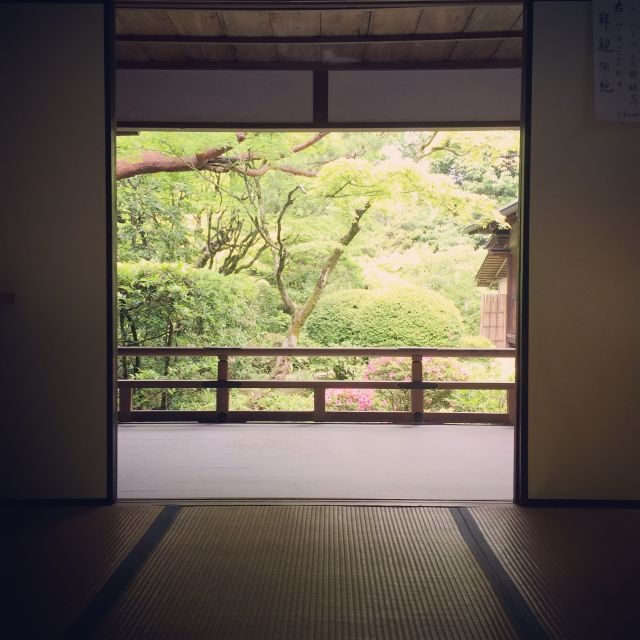
- Zen gardens and monastery-style quiet after the busier sights
- Tea and mochi breaks that turn sightseeing into a cultural pause
- E-bikes do the heavy lifting, including occasional hills
Getting From NORU to Kyoto’s Quiet Corners
The tour meets at Noru, which is handy if you’re already planning a day around central Kyoto. From there, you get your e-bike plus a helmet, and the guides set the tone: ride as a group, stop when it matters, and don’t treat temples like a checklist.
The schedule is built for an enjoyable rhythm. You’re on the move long enough to feel Kyoto changing around you, but not so long that you’re stuck in traffic or worn out from constant stops. With a 225-minute total, it fits nicely between morning temple time and evening plans.
One thing I appreciate is how the route design tries to reduce stress. You’ll start at World Heritage sites, then gradually move onto smaller streets where the pace softens. That matters in Kyoto, because the city can shift from peaceful to packed fast. Doing it by e-bike means you can change neighborhoods without losing half the afternoon in transit.
Other cycling tours in Kyoto


Golden Pavilion: The Signature View, Without the Stampede
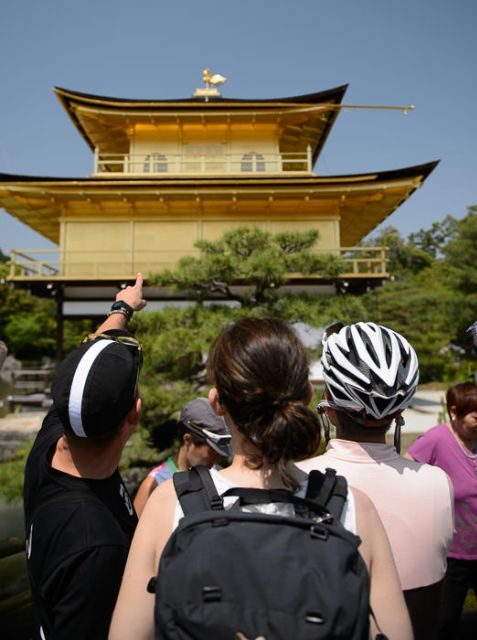
Yes, the Golden Pavilion is the headline. What makes it work on this tour is timing and approach. Instead of treating it like a quick photo stop, you get a proper stroll and time to take in how the place sits in its surroundings.
On an e-bike, you also arrive with less friction. You’re not hunting buses or wrestling train connections. You roll in with your group, dismount, and immediately step into the atmosphere. That shift is part of the value: you go from movement to observation without losing attention.
If you’re sensitive to crowds, this tour’s style helps. The broader plan moves from more famous areas into quieter ones, so the day doesn’t end with you stuck in the loudest zone.
Geisha District Backstreets and the Shrine of Knowledge Stop
One section of the ride targets Kyoto’s oldest geisha district and a shrine of knowledge. I like that the tour doesn’t just show you landmarks; it also helps you understand why these places shape daily life and local identity.
The “old district” part is especially satisfying on two wheels. You can actually feel the street scale—how narrow lanes, small storefronts, and side paths influence where people walk and where they pause. It’s the kind of context you miss when you only arrive on foot from a main gate.
For the shrine of knowledge stop, the guide’s job is to connect the symbolism to what you see in front of you. Reviews repeatedly mention how guides explain Zen and Japanese religious ideas in a way that makes the sites feel less mysterious. That’s the difference between visiting a building and reading it.
Zen Gardens and the Calm Shift You Can Actually Feel
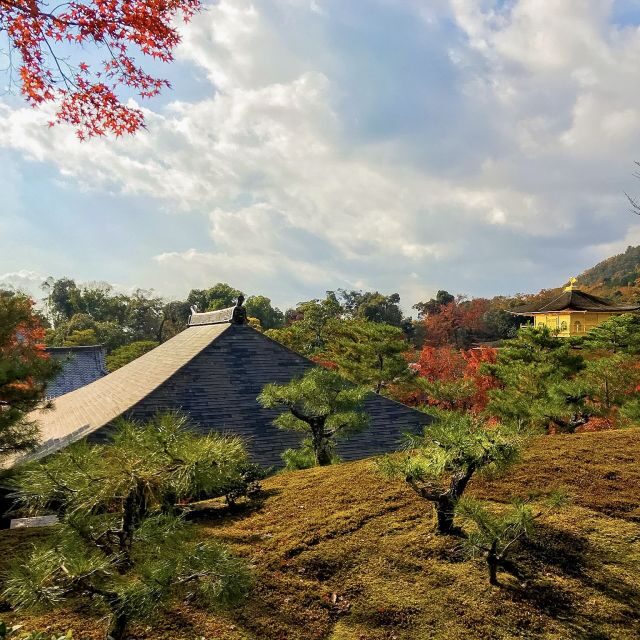
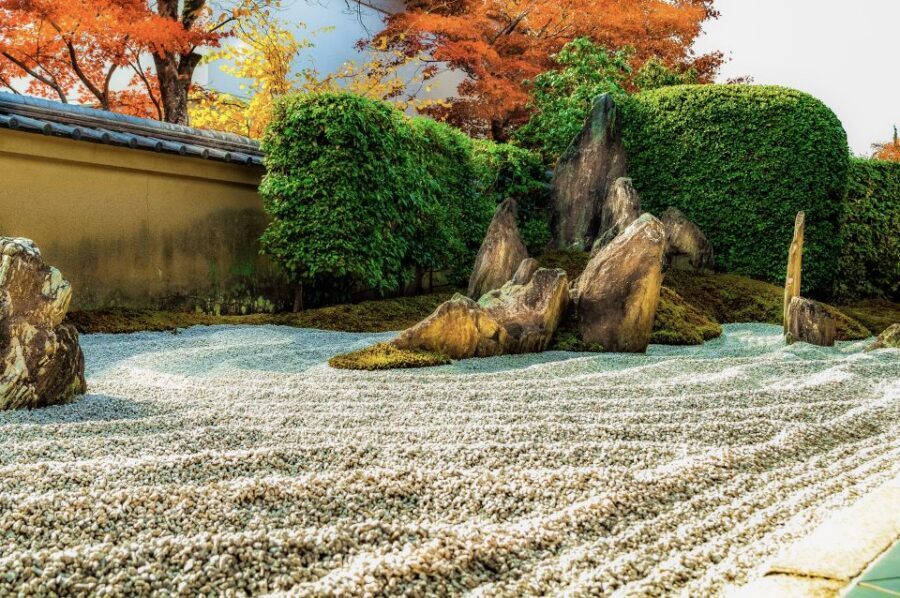
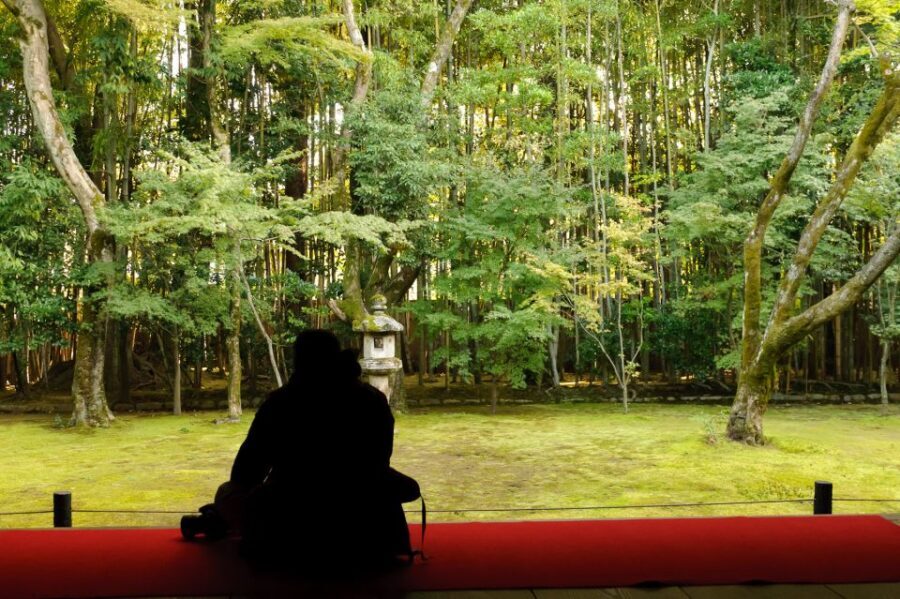
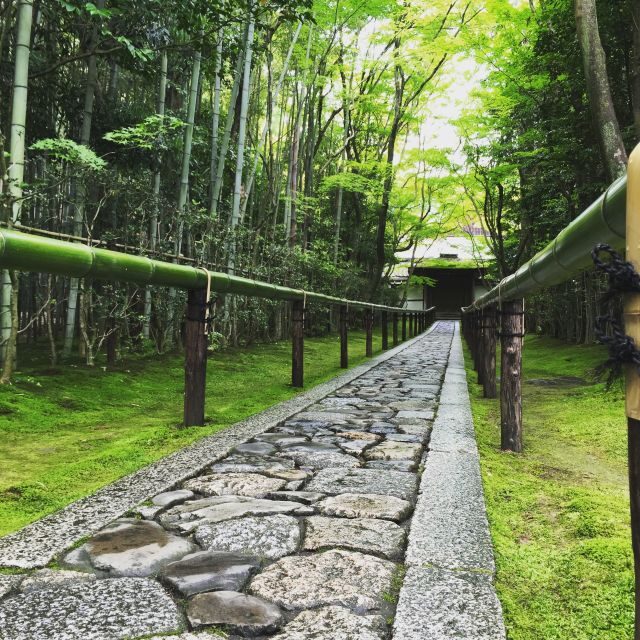
The highlights point to Zen Gardens, and that’s where the day turns into something memorable. The tour doesn’t rush you through quiet spaces. As the route goes on, you move into tranquil environments that feel carefully hidden from urban noise.
This is also where the e-bike format shines. You’re already warmed up from riding, so you can slow down at the right moments. The later stops tend to feel like a reward: you’ve done the walking and noticing earlier, and now you get to be still.
Several guides are praised for connecting what you see to Zen philosophy. For example, Shizuka is singled out for offering insight into Zen philosophy, and Yuta is repeatedly described as being Zen-minded, especially around monastery-style visits. That kind of framing doesn’t change the garden, but it changes how you look at it—less tourism mode, more quiet curiosity.
Tea at Daitoku-ji and the Culture of Slow Hospitality
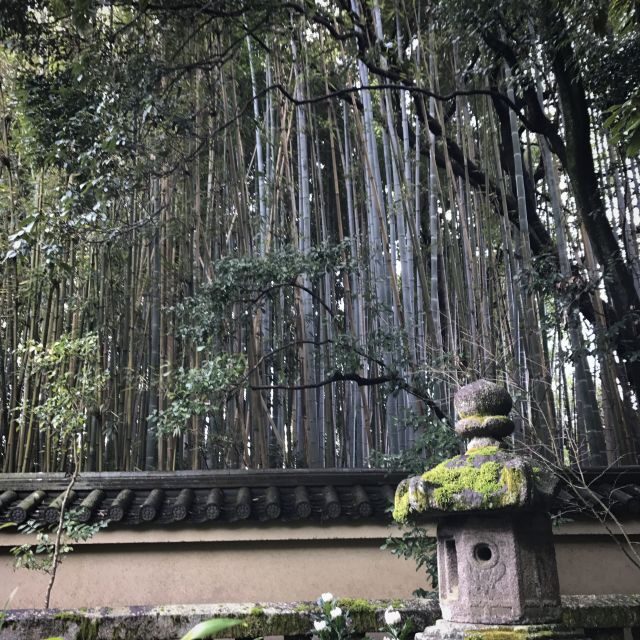
If you’ve ever wished Kyoto tours gave you time to breathe, the tea ceremony stop at Daitoku-ji is a smart inclusion. A tea moment works because it’s not just a break. It’s a ritual that teaches you how Zen-influenced spaces operate: attention, timing, restraint, and respect.
In reviews, this stop is mentioned as a highlight, and the tea experience is paired with explanations of Zen ideas. I like that the tour doesn’t treat tea like a souvenir. You’re given a context for why it’s done and what it connects to.
Even if you’re not a tea person, this part can reset your energy. It’s also a nice counterbalance to the earlier “see everything” feeling of temple touring.
Other city tours we've reviewed in Kyoto




Mochi and the 1,000-Year-Old Café Moment
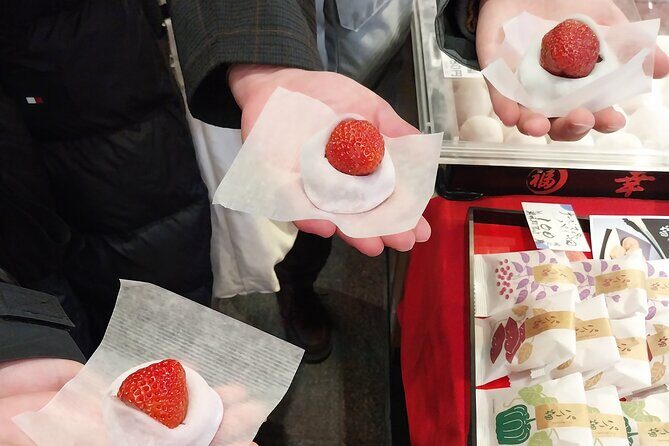
Food breaks in Japan can be hit-or-miss on tours. Here, the stops seem to land because they’re tied to real local traditions. Multiple reviews mention a 1000-year-old mochi stop, with one guest calling it the oldest mochi house in Japan.
The best part isn’t only the food. It’s the setting. When you stop for mochi samples in a calm spot, you’re doing the opposite of chasing the next photo. You’re tasting while the guide is still talking about history, culture, and local habits.
I’d treat this as a real cultural pause, not a snack. It’s also practical: after 1–2 hours on a bike, sugar and salt help you stay comfortable for the rest of the ride.
Terrain and Safety: What the Ride Feels Like
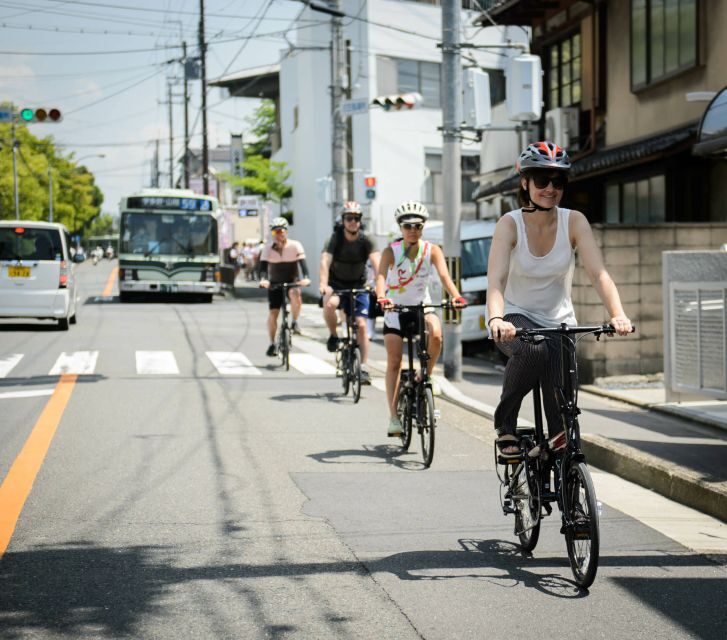
The e-bike helps, but it doesn’t remove every challenge. The tour is designed for people over age 13 who can ride confidently. It’s not for kids under 4 ft 6 in / 140 cm.
What to expect physically:
- Most of the ride is described as flat and easy.
- There can be at least one steep hill and some technical sections near the end, including cobblestones, tight turns, and even rapid descent in some routes.
In plain terms: you don’t need to be a cyclist, but you should be steady. If you’re nervous about turns or uneven pavement, practice a bit before you go, or consider a less technical walking-focused tour.
Safety-wise, the guidance from reviews is clear. You should expect strict attention to road rules:
- Ride left and stay alert around bikes and pedestrians.
- Pay attention to red traffic lights and local instructions.
- Guides seem to anticipate busy areas, including around seasonal crowd peaks like Golden Week.
Many guests specifically praise how guides manage the group and pacing. Henry is called amazing for navigating off-the-beaten-track places safely, and Yuta repeatedly gets credit for safety checks and adapting to the group.
How the Guides Make Kyoto Make Sense
Small group size (up to 8 participants) isn’t just a comfort thing. It changes the quality of the explanations. You get more time for questions, and the guide can adjust the pace.
You’ll see names like Michael, Henry, Shizuka, Sean, and Yuta in reviews, and the common thread is how they connect sites to Japanese life:
- Michael gets praised for fun neighborhood biking and a route with minimal traffic.
- Sean is noted for adapting to the group and sharing a lot of history.
- Henry is praised for off-the-beaten-path stops and clear knowledge-sharing.
- Yuta is repeatedly described as warm, Zen-minded, and attentive about comfort and heat.
- Shizuka is mentioned for linking what you see to Zen philosophy.
If you’re the type who likes understanding the why behind the what, this tour style is a strong match. You’re not just riding from attraction to attraction; you’re learning how the sites relate to religion, social norms, and everyday Kyoto.
Value and Price: Is $127 Worth Your Afternoon?
At about $127 per person for 225 minutes, this tour sits in the “high value if it fits your style” category.
Here’s why the price can feel fair:
- You get English-speaking guiding for a multi-hour route.
- E-bikes, helmets, and entrance fees are included.
- The route is about 9km, so it’s efficient without being exhausting.
- You’re getting a mix of major sights (like Golden Pavilion) and quieter places most visitors skip.
Where value can drop:
- If you only care about a couple of landmark photos and don’t want cultural context, you might feel like this is doing more than you need.
- If you’re not comfortable on a bike with some uneven or technical sections, you may not enjoy the route style enough to justify the cost.
But if you want a guided day that avoids the worst of Kyoto crowd patterns, a small-group e-bike approach can be one of the best ways to spend a limited amount of time in the city.
Who Should Book This eBike Tour
This is a great fit if you:
- Want to see temples and shrines without spending all day walking.
- Like being guided to quieter areas instead of only the most famous lines.
- Appreciate cultural stops like tea and traditional sweets.
- Are comfortable riding a bike and can handle a few more technical bits.
I’d be more cautious if you:
- Hate the idea of riding on cobblestones or tight turns.
- Are traveling with someone who struggles with confident bike control.
- Want a purely relaxed stroll with no riding segments.
It also pairs well with other Kyoto plans. One guest even suggested it works best alongside a more typical tour, because this one brings the neighborhood and Zen garden side into focus.
Should You Book Kyoto City Secrets on an eBike?
If you want Kyoto with less crowd pressure and more local texture, I think this is a strong booking choice. The biggest draw is the pacing: major sights like Golden Pavilion, then a gradual shift into backstreets and Zen Gardens that feel calmer than most first-time itineraries.
Book it if you’ll enjoy learning from the guide, and if you can ride confidently (including turning and uneven pavement). If that’s you, your afternoon should feel like a story: movement, discovery, and then real quiet at the end.
FAQ
How long is the Kyoto City Secrets eBike tour?
The tour duration is 225 minutes.
What time does the tour run?
There are three departure times: 9 am, 9:30 am, and 1 pm. You should arrive 15 minutes before departure.
Where do I meet the tour guide?
You meet at NORU.
Is the tour guided in English?
Yes. The tour includes an English-speaking live guide.
What’s included in the price?
Included are the English-speaking guide, bikes, helmets, and all entrance fees to attractions.
How many people are in the group?
It’s a small group limited to 8 participants.
Who can ride the e-bike?
The ride is designed for anyone over age 13 who can ride a bicycle confidently.
Are there height restrictions?
Yes. It’s not suitable for people under 4 ft 6 in (140 cm).
What should I do if weather is bad?
The supplier may cancel due to heavy rain, storms, or inclement weather, and those cancellations are refunded 100%.