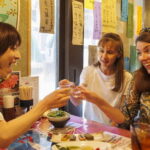
Matcha gets serious when you learn the steps. This 1-hour Kyoto stop pairs hands-on matcha making with live koto performances, guided in English by the shop’s host (often Yurika-san). I especially like how the instruction focuses on getting a creamy, less bitter cup, and how the music plays in thoughtful moments rather than acting like background noise. One catch to plan for: you’ll likely need to remove your shoes in a small, cozy space, and big bags can feel cramped.
This is a small-group experience (up to 8) set in central Kyoto, close to shopping, with an easy indoor setup when weather turns. If you want a calm, culture-heavy hour without the hassle of a long tour, this format makes a lot of sense.
In This Review
- Key highlights to know before you go
- Finding KOTOLILY KYOTO without stress in central Kyoto
- Making matcha the right way in a 1-hour session
- Tea sweets, etiquette, and why the routine matters
- Koto performance between moments of quiet
- Optional kimono photos and extra koto time
- Price and what $56 really covers
- Who should book (and who should skip)
- Practical tips so your hour runs smoothly
- Should you book KOTOLILY KYOTO?
- FAQ
- How long is the Kyoto Nishiki Market tea ceremony with koto?
- How much does it cost?
- Where exactly do I meet for this experience?
- What is included in the $56 price?
- Is transportation to and from the activity included?
- Do they teach in English?
- Can I take photos during the experience?
- Is the group size small?
- Is this experience suitable for children?
- Can I cancel and get a refund?
Key highlights to know before you go
- Small group size (8 max) makes it feel personal, not rushed.
- Matcha etiquette + technique so your tea comes out smoother and less bitter.
- Koto plays before and after your tea, with music interludes during the ceremony.
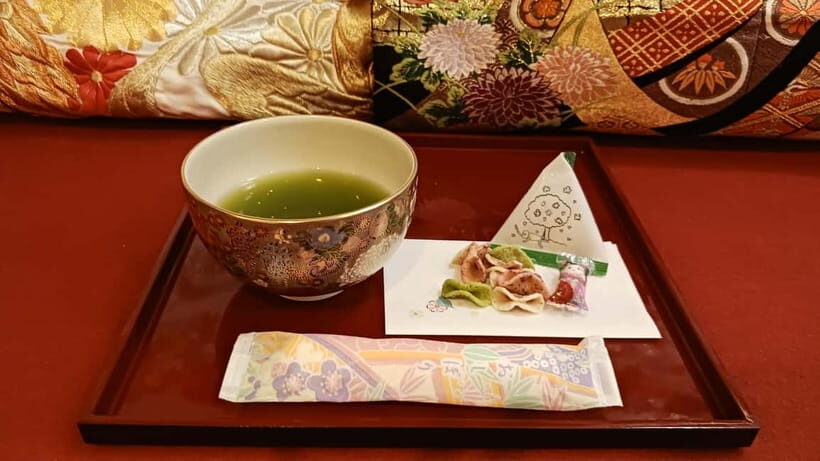
- Tea sweets included to round out the flavor experience.
- Kimono photos/videos and extra koto time are available on-site for an added fee.
Finding KOTOLILY KYOTO without stress in central Kyoto
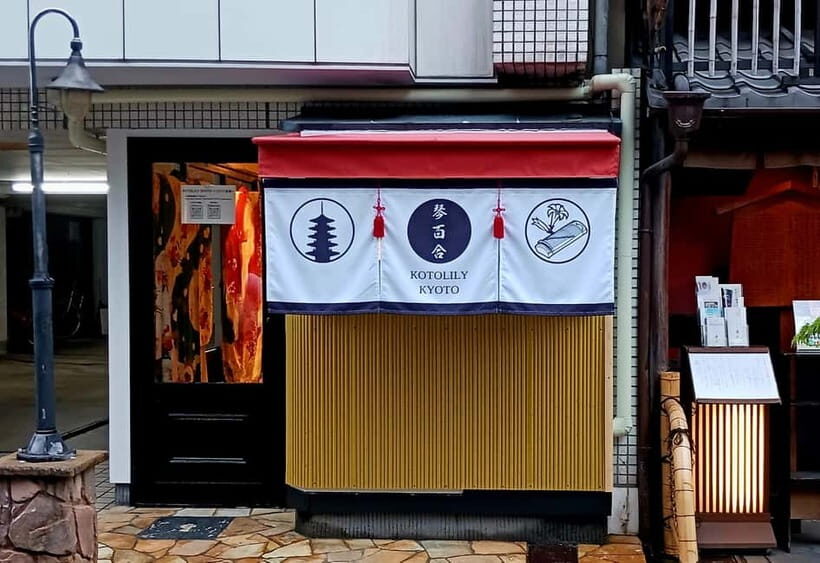
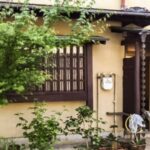
I like the way this activity is set up for real life. You meet inside the shop called KOTOLILY KYOTO, next to KINMATA Restaurant, and across the street from Hotel GOCO stay. That’s a clear map-style instruction, and it matters because Kyoto can be confusing when you’re carrying shopping bags and walking in the rain.
Plan to arrive a few minutes early. The directions say: come inside the shop and don’t wait at the hotel. It’s a short walk-style location, and once you’re inside, everything stays contained for the hour—no long transfers, no zig-zagging across town.
Another practical bonus: it’s in central Kyoto and described as easily accessible even when weather is bad. That’s not a small detail. Kyoto is often beautiful, but rain and sudden cold snaps happen. This experience keeps you indoors where the ceremony and music can unfold without you fighting the elements.
A few more Kyoto tours and experiences worth a look
Making matcha the right way in a 1-hour session
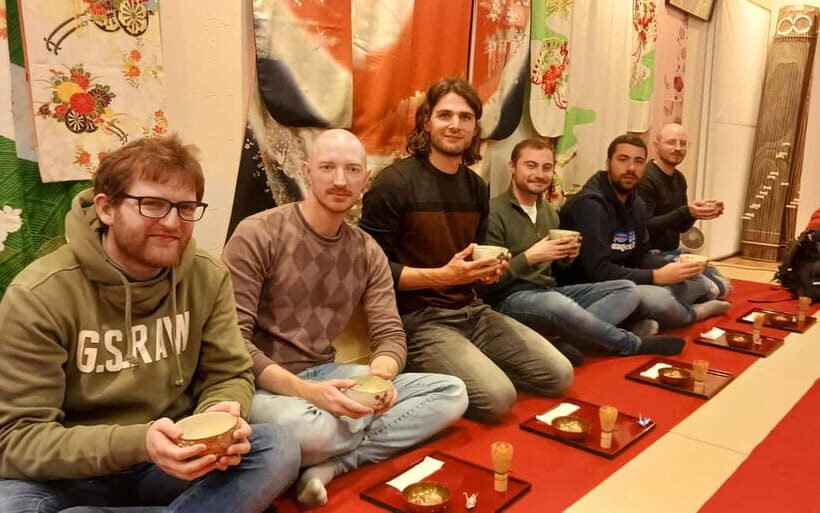
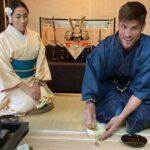
This experience is built around one goal: you make matcha yourself, with clear step-by-step help. You’ll learn the basics of tea etiquette and how to prepare matcha in a way that tastes better—specifically described as getting a creamy, less bitter result. The instructor also guides you on how to drink and appreciate what you’ve made, so it isn’t just mixing powder and hoping for the best.
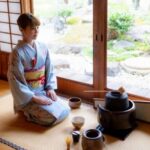
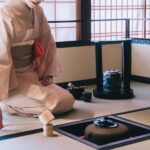
Here’s how the hour feels in practice. You start by being guided through the movements of the ceremony. Then you move into doing the steps yourself: preparing the matcha, watching the correct method, and copying it until your cup looks and tastes right to you. The pace is tight, but the small-group limit helps you get attention when you need it.
After you’ve made the tea, you get tea sweets to go with it. This matters because matcha can taste intense if you’re expecting something sweeter. The pairing is part of the lesson: you’re meant to notice how the flavors shift together. A common theme from past participants is that the host helps even people who don’t usually love matcha find a way to enjoy it.
Cameras are part of the fun, but note this rule: flash photography isn’t allowed. So if you’re the type who likes dramatic shots, use normal light and turn off the flash on your phone or camera.
Tea sweets, etiquette, and why the routine matters
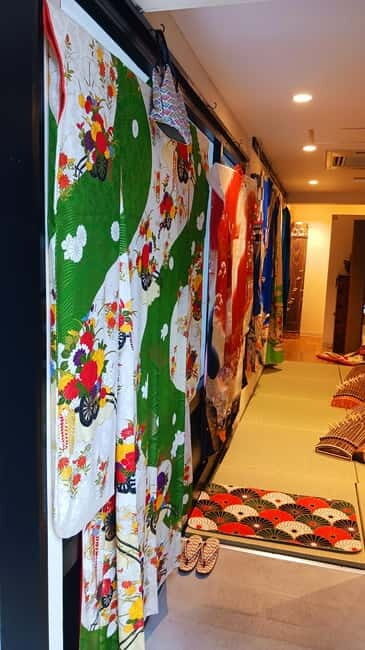
Tea ceremony can sound like a show you’re watching from the outside. This one isn’t. The point is to slow down enough to feel how the rituals connect: preparation, presentation, and the tasting itself.
You’ll learn small etiquette details that change how the experience lands. For example, you’re shown how to handle the process with patience and respect, not speed. And because the host gives explanations in English and Japanese, you won’t have to guess what you’re doing. Many participants highlighted how friendly and approachable the host is, with lots of mini-history context mixed into instruction.
One smart aspect is that the host doesn’t treat matcha like a one-note taste test. You’re taught about green tea and why this ritual has a specific place in Japanese culture. That turns the hour from a novelty activity into a skill you can actually remember.
If you’re thinking about what to wear, comfortable clothes help. You’ll want to focus on the movements and the bowl and whisk—not your outfit creeping up or your sleeves in the way. The ceremony space is also described as warm and cozy, which is great when Kyoto weather is chilly.
Koto performance between moments of quiet
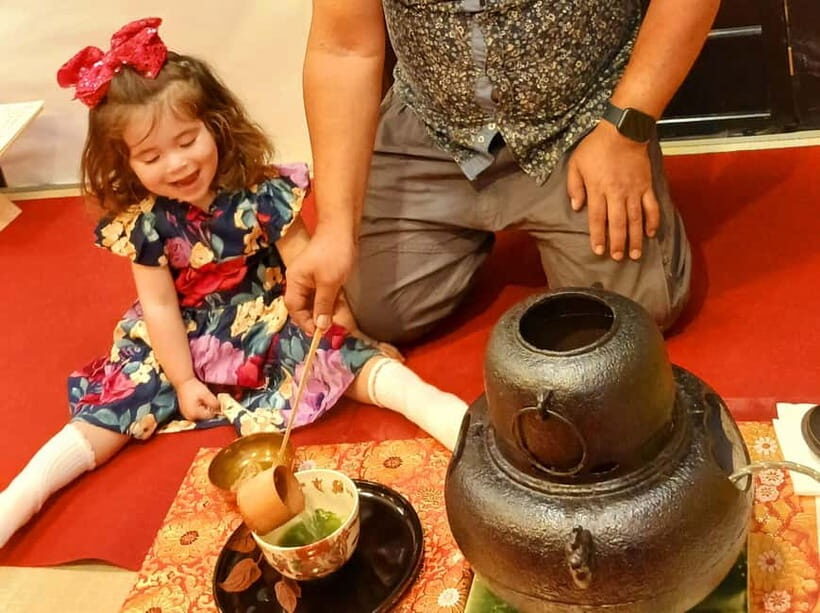
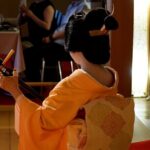
The koto part is a big reason this works as more than a basic tea lesson. You’ll enjoy live koto (Japanese harp) music around your tea: there’s music before and after the ceremony, and performances also happen between the key moments while you’re sipping and learning.
What I like about this pacing is the psychology of it. Tea ceremony is about calm attention. Koto music fits that mood better than upbeat entertainment. It creates a soft rhythm: learn, make, taste, listen, then reflect again. Several people mention how moving and soothing the performances feel, not just pretty.
You might even hear specific pieces. One participant noted songs such as Childhood and Summer. Even if you don’t get those exact selections, you should expect professional, live playing on a traditional instrument.
Also, don’t be surprised if the host includes short explanations about the instrument and its role. People repeatedly pointed out that the host communicates well and mixes instruction with performance so you’re not just sitting through music without context.
Optional kimono photos and extra koto time
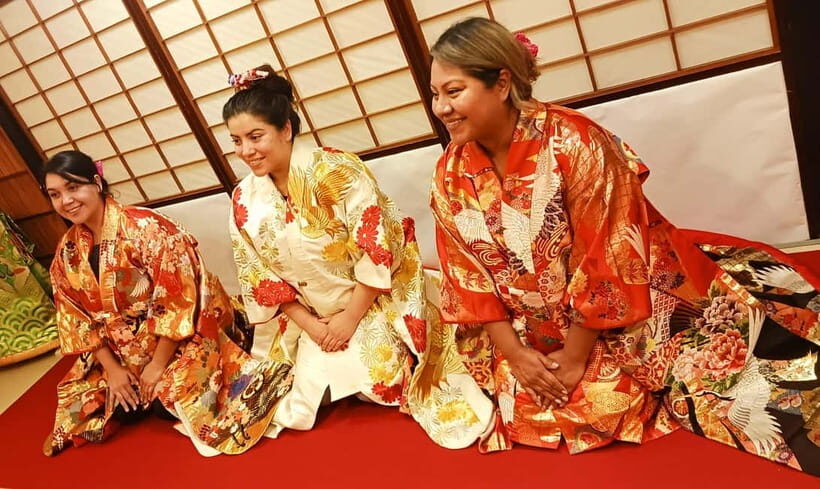
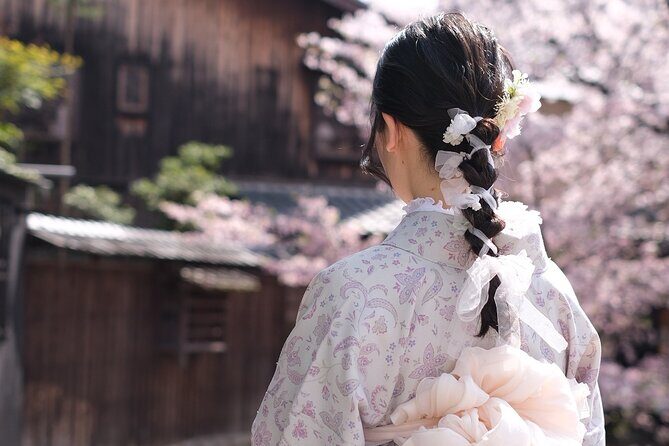
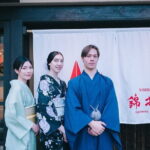
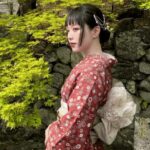
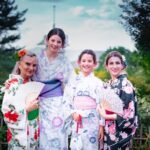
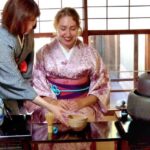
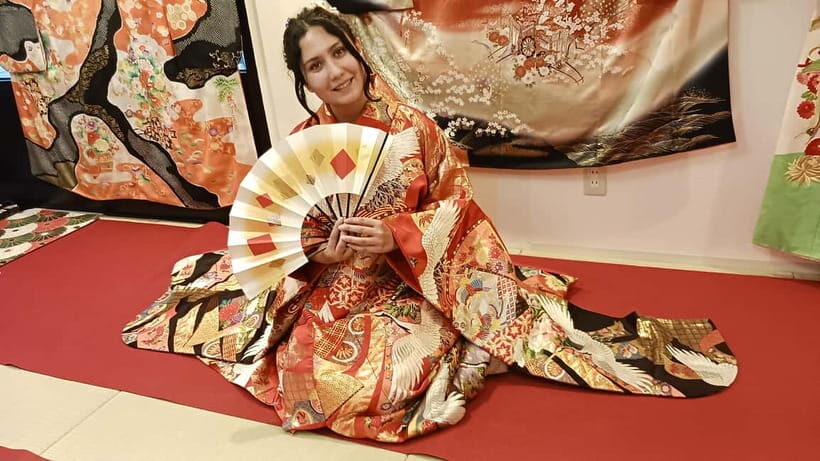
On-site add-ons are a key part of the experience. Wearing a kimono is available for a fee, and the experience includes photos and videos as part of that add-on. This is a real advantage because the ceremony already gives you a built-in setting for memorable pictures. The kimono option is typically handled right at the shop, so you don’t need to coordinate a separate kimono rental and photo session.
There’s one timing detail to consider. One participant felt the kimono try-on was best for photos rather than throughout the tea ceremony itself. So if you’re hoping to be in kimono for the full lesson, ask staff when you arrive how the flow works for the day.
You can also add a koto-playing experience for an additional fee. Some participants even mentioned they booked brief music instruction and photos tied to the add-on. If you like the idea of learning a little physical technique on the instrument, that’s a smart way to deepen the experience beyond listening.
After the ceremony, you may be encouraged to make an offer. That’s worth treating respectfully. Bring small cash or be ready to follow the staff’s instructions on the day.
A few more Kyoto tours and experiences worth a look
Price and what $56 really covers

At $56 per person for a 1-hour experience, the value comes from the mix: you’re paying for both a taught activity and live performance, inside a curated setting.
What’s included:
- A tea ceremony experience
- Matcha green tea making
- Tea sweets
- Live koto (Japanese harp) performance
Compared to the common pattern in Kyoto where you choose either a short tea lesson or a music show, this bundles both. And since the group is limited to 8, the instructor can manage your questions and correct your technique while the music continues in the background at the right times.
The extras are optional. Kimono photos/videos and the additional koto lesson (also with photos/videos) cost more on-site. Think of those add-ons as memory upgrades. If you’re price-sensitive, you can still get a full experience with the core package, and the koto is part of what you’re already paying for.
Also, the host brings English support and a calm, personal teaching style. That’s a hidden value: good communication turns “watching a ritual” into “understanding what I did.”
Who should book (and who should skip)
This activity is a strong match if you:
- Want a hands-on cultural lesson in a single hour
- Enjoy calm, focused experiences in Kyoto rather than constant walking
- Like live traditional music, especially when it’s connected to the moment
- Appreciate small-group attention (8 max)
It may be less suitable if you:
- Need wheelchair access. The experience is listed as not suitable for wheelchair users.
- Have food allergies. It’s listed as not suitable for people with food allergies.
- Are bringing young kids. It’s not suitable for children under 8.
If you’re deciding between this and a bigger, more crowded option in Kyoto, choose this when you want space to concentrate. People repeatedly describe the atmosphere as peaceful and intimate, and the structure supports that feeling.
Practical tips so your hour runs smoothly
A few details will make your visit easier.
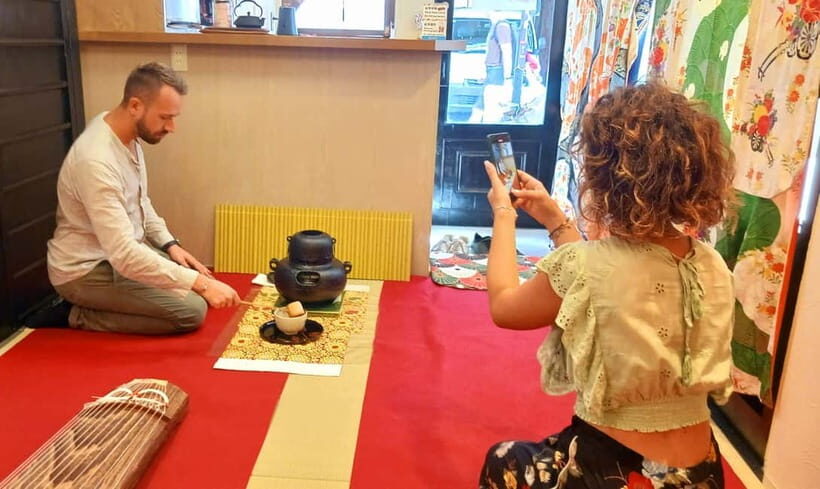
Plan to take off your shoes. One participant specifically mentioned leaving shoes at the door. If you’re the type who gets nervous about that, wear socks you’re comfortable walking in, and aim for clean, fresh ones. It sounds minor until you’re standing there wondering what you should do.
Bring a camera if you want photos during the ceremony. Just remember: no flash photography. A phone camera is totally fine, but disable flash to avoid surprises.
Wear comfortable clothes. Tea ceremony instruction involves your hands and posture. Loose layers and sleeves that won’t trip you help.
Finally, keep your expectations realistic about the setting. This is a small shop environment. Large backpacks or suitcases may feel awkward due to space limitations, so it’s smart to travel light for this one.
Should you book KOTOLILY KYOTO?
Book it if you want the best kind of Kyoto contrast: matcha-making that you do yourself, paired with live koto that fills the room at the right times. The small-group format and the on-site professional music are the big wins. You’ll leave with something more than photos: you’ll have a sense of how the steps connect, plus a smoother, better-tasting cup than most people get on a first try.
Skip it if you need wheelchair access, have food allergies, or you’re traveling with a child under 8. Also skip the extra kimono and koto add-ons if your budget is tight. The core experience already includes the tea-making and koto performance.
If you’re on a Kyoto itinerary packed with shrines and markets, this is a great place to slow down for an hour and let your senses catch up.
FAQ
How long is the Kyoto Nishiki Market tea ceremony with koto?
It lasts 1 hour.
How much does it cost?
The price is listed as $56 per person.
Where exactly do I meet for this experience?
Meet inside KOTOLILY KYOTO, next to KINMATA Restaurant, and across the street from Hotel GOCO stay.
What is included in the $56 price?
The package includes the tea ceremony, matcha green tea making, tea sweets, and a live koto performance.
Is transportation to and from the activity included?
No. Transportation isn’t included.
Do they teach in English?
Yes. Instruction is available in English (and Japanese).
Can I take photos during the experience?
You can bring a camera, and flash photography is not allowed.
Is the group size small?
Yes. It’s limited to 8 participants.
Is this experience suitable for children?
It’s not suitable for children under 8 years old.
Can I cancel and get a refund?
Yes. You can cancel up to 24 hours in advance for a full refund.