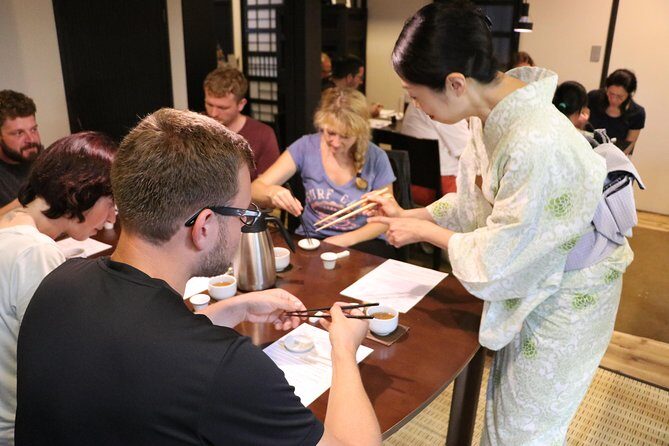
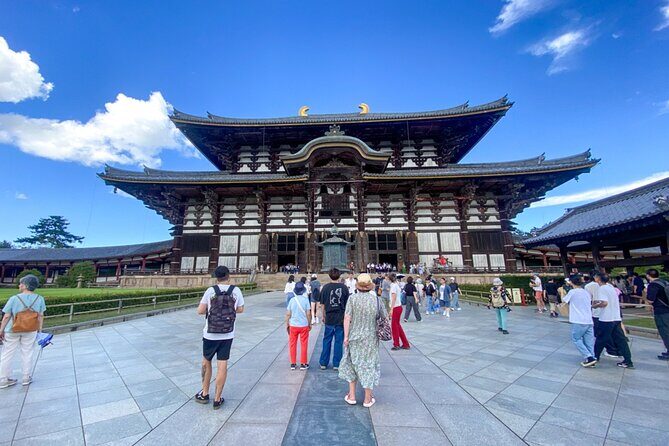
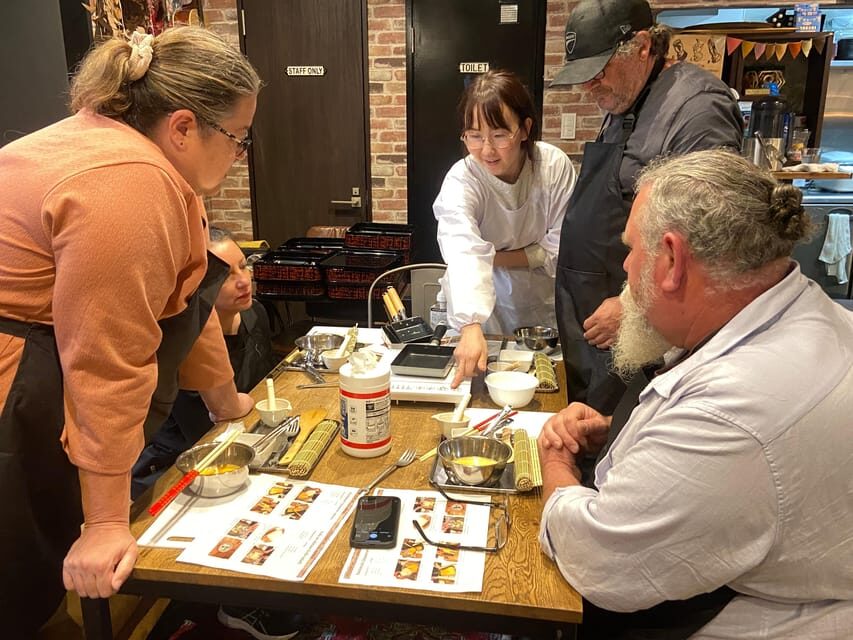
Nishiki Market hits your senses fast. This 3-hour walk strings together Kyoto’s Kitchen (a 400-year-old, 130-shop market) with short culture stops like a Shinto shrine and neighborhood shopping arcades. I like two things most: you get food samples enough to feel like a meal, and the small group (max 6) means your guide can actually explain what you’re eating and why it matters. One drawback to watch for: it’s not an all-you-can-eat tour—there’s a set amount of tastings, so if you want to graze at every stall, you might feel slightly limited.
What makes it work well is the pacing: a big chunk is spent right inside Nishiki Market, then you “zoom out” to see how food culture flows into everyday Kyoto life. Guides such as Takuma and Miku (both mentioned for clear English and good pacing) help you move through the maze without getting lost or overwhelmed—plus you’ll learn simple ways to participate respectfully when you visit Nishiki Tenmangu.
In This Review
- Key Things You’ll Notice on This Kyoto Food Walk
- Entering Kyoto’s Kitchen: What Nishiki Market Feels Like
- How the Guide Changes Everything (Even When You Think You’re Fine)
- Nishiki Tenmangu: A Quick Shrine Lesson You’ll Actually Use
- Shinkyogoku Shopping District: Where Local Life Mixes Old and New
- Takoyakushido Eifukuji Temple: A Small Buddhist Moment at Street Level
- Teramachi-dori Street: Shopping Street Energy Without the Hassle
- What You’ll Eat: The Tastings That Make This Tour Worth It
- Dietary restrictions: a key reality check
- Price and Value: Is $80.92 Actually Fair?
- Weather, Comfort, and Practicalities That Matter
- Who Should Book This Kyoto Nishiki Tour—and Who Might Skip It
- Should You Book It? My Call
- FAQ
- How long is the Kyoto Nishiki Market Food and Culture Walking Tour?
- What’s the maximum group size?
- Is food included, and is it enough to replace a meal?
- Can the tour accommodate vegetarian, halal, kosher, gluten-free, or allergy-related needs?
- Does the tour run in rain?
- Is it near public transportation?
- Can I cancel for a full refund?
Key Things You’ll Notice on This Kyoto Food Walk
- Max 6 people keeps the tour from feeling like herding cats in a crowd
- Nishiki Market tastings are designed to replace a meal, so you don’t need reservations
- Nishiki Tenmangu shrine basics add context for how Japanese people pray at Shinto shrines
- Pedestrian-only shopping arcades (Shinkyogoku) show Kyoto mixing tradition with current commerce
- Rain or shine operation means you’ll walk the streets even when Kyoto decides to be Kyoto
Entering Kyoto’s Kitchen: What Nishiki Market Feels Like
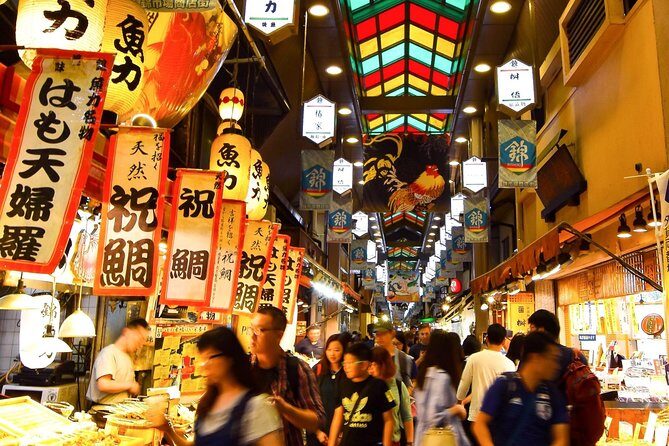
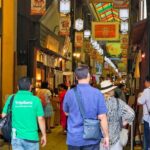
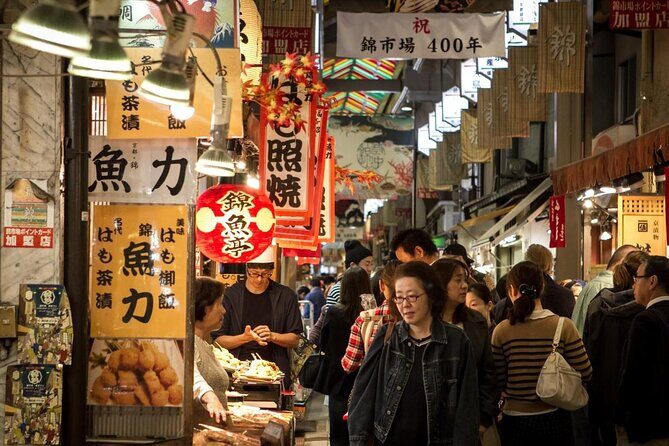
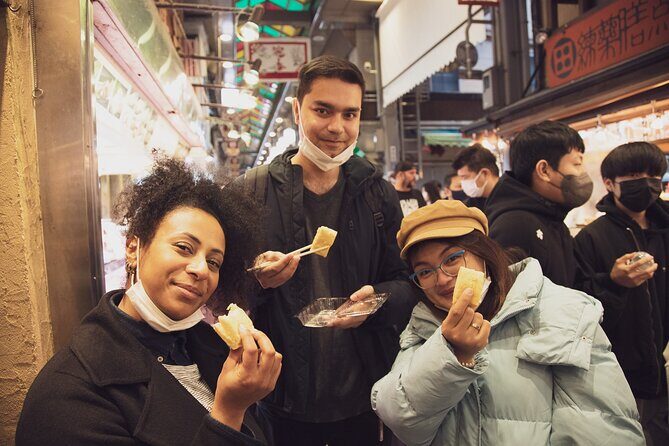
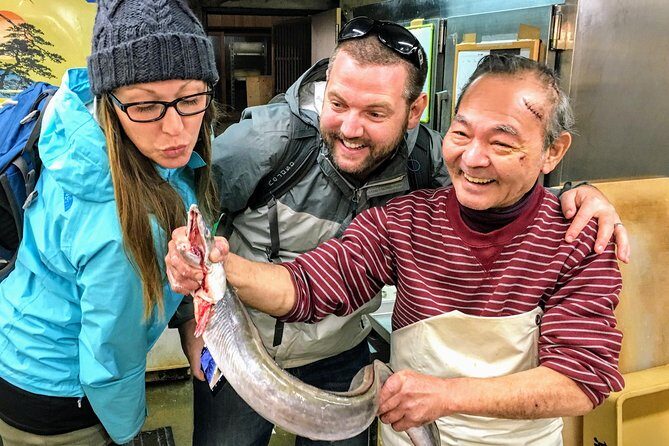
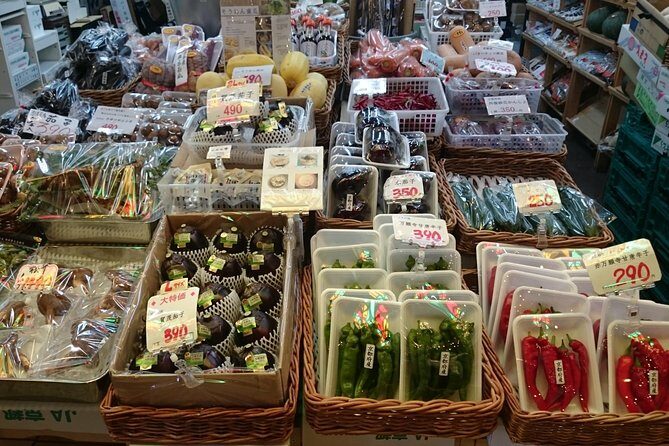
Start at Nishiki Market, often called Kyoto’s Kitchen. It’s a narrow, about five-block-long street lined with roughly 130 shops and stalls, packed into a space that makes you smell everything before you even reach it. The market is famous for food you’ll actually want to eat standing up, and that’s where this tour earns its keep: you’re not just walking through stalls—you’re stopping and tasting with a guide.
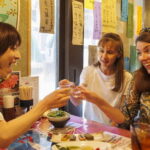
You’ll spend about 1 hour 40 minutes in the Nishiki Market shopping district. That’s long enough to feel the rhythm of the place. Short enough that you’re still hungry when the group moves on. Coming hungry is honestly the right strategy here. In multiple guide-led experiences, people specifically mention a satisfying variety—things like seafood items, fruit, wagyu-related samples, and sweets such as soy doughnuts or other market treats (varies by day and shop availability).
Practical note: Nishiki can get crowded fast. If you’re bringing a stroller, the tour asks you to let them know in advance, because you’ll be navigating tight corridors and busy stall spacing.
A few more Kyoto tours and experiences worth a look
How the Guide Changes Everything (Even When You Think You’re Fine)
At first glance, this could seem like a straightforward market stroll. The difference is the guide’s job: helping you sort out what to try, where to go, and what you’re looking at when you don’t speak the language.
This tour is built around a small group of up to 6. That matters because you can actually pause without holding everyone up. People with mobility concerns also seem to appreciate the balance of walking and stopping, and the schedule keeps you from feeling like you’re sprinting through the market the whole time.
I also like that the tour isn’t only food. A good guide treats the market like a living system—ingredients, vendors, and neighborhood culture all link together. That’s where you’ll hear explanations tied to what you’re tasting, and it’s also where you’ll get helpful language and customs context from guides who mention their ability to explain clearly and pace the walk well (with names like Keiko, Eric, Naoko, and others called out for that kind of experience).
Nishiki Tenmangu: A Quick Shrine Lesson You’ll Actually Use
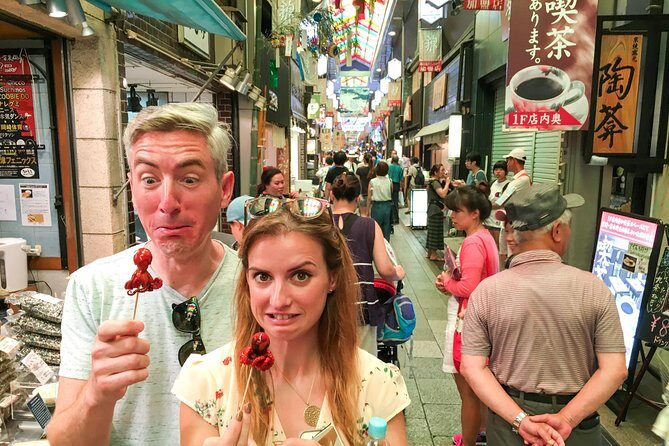
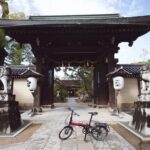
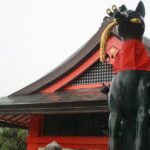
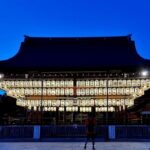
After the market, you head to Nishiki Tenmangu, a Shinto shrine stop lasting about 15 minutes. This part can surprise people who booked expecting only street food. The payoff is that you learn the basics you’ll otherwise guess at in Kyoto.
You’ll get guidance on things you often find at a shrine and what to do when you pray at a Japanese Shinto shrine. That’s useful even if you’re not sure you’ll remember every step later—because you’ll know the direction to follow in the moment. It’s the kind of cultural clarity that makes Kyoto feel less like rules you’re breaking and more like rituals you can participate respectfully.
It also helps you slow down. Markets are sensory overload; a shrine break resets your brain and your feet.
Shinkyogoku Shopping District: Where Local Life Mixes Old and New
Next is Shinkyogoku, a 20-minute stop in a pedestrian-only shopping arcade. This is a different flavor than Nishiki: more neighborhood energy and less “food-only destination.” You get a sense of daily Kyoto commerce—traditional Kyoto culture sitting right next to modern stores—so the food market doesn’t feel like an isolated theme park.
This is also where the tour experience becomes practical for your future days in Kyoto. Once you see how arcades work, it’s easier to navigate similar areas on your own. You’ll understand how to read the space: where people crowd, where storefronts turn corners, and how the arcades connect into wider streets.
Takoyakushido Eifukuji Temple: A Small Buddhist Moment at Street Level
Your 10-minute stop at Takoyakushido Eifukuji is short but meaningful. You’ll visit a smaller Buddhist temple located at a corner of the shopping street. Kyoto is full of temples, but it’s easy to miss how close they are to regular street life.
This stop gives you a little “Kyoto reality check”: religion here isn’t only a big famous sight you travel to. It’s woven into the block you’re already walking down.
Don’t expect a long lesson here. The value is in noticing how everyday Kyoto coexists with sacred spaces—and having a guide point out what you might otherwise overlook.
Other walking tours we've reviewed in Kyoto



Teramachi-dori Street: Shopping Street Energy Without the Hassle
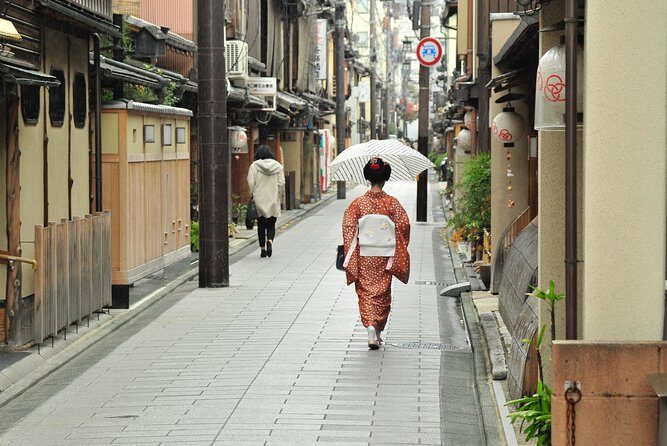
Then you move to Teramachi-dori Street for about 15 minutes. This shopping street is known for mixing long-established shops with newer ones. It’s another good place to understand Kyoto beyond the market.
By this point, you’ve already eaten your fill of samples. That makes it a good time to shop smarter. People on tours like this often mention leaving with practical souvenirs—seasonings, matcha items, drink concentrates, and ingredients that are hard to choose blindly. When a guide helps you find a product you can use at home (for example, matcha salt is specifically mentioned in guide experiences), it turns the tour from “just eat” into “leave with something useful.”
What You’ll Eat: The Tastings That Make This Tour Worth It
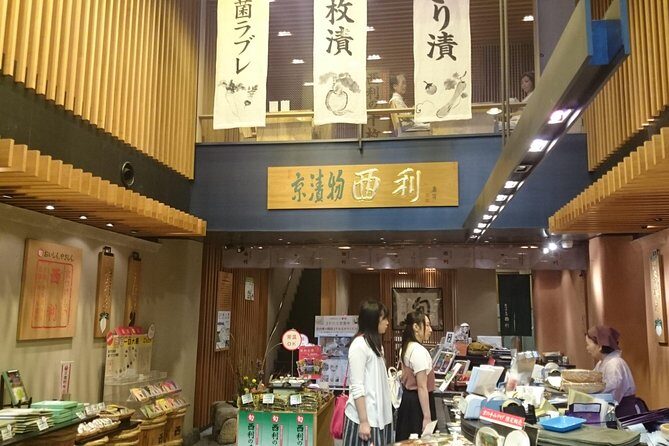
The tour promises food enough to fill you up in place of a meal, and the structure supports that. You’re not waiting hours between tastings. You’ll get multiple samples across the market area, and the guide helps manage the stop-and-go flow so you’re not stuck deciding what to buy with your limited stomach space.
Because the exact shops can vary, I can’t promise the exact lineup every day. But across guide-led experiences on this route, people mention tastings such as:
- fruit and strawberries
- seafood market-style items and fish-related samples
- wagyu-related samples
- Kobe minced meat pies
- yuba (often served in forms that feel surprisingly gentle and satisfying)
- soy doughnuts and other small sweets
- omelette
- pickled cucumbers and other quick bites
- gyoza
- honey yuzu lemonade
- minced meat sandwiches (described as similar to a fried hamburger patty)
- tempura congi eel
Also keep in mind that some tours in this area can include a sit-down moment depending on the day and shop coordination (one complaint specifically points to market bites plus additional tasting at a restaurant). Translation: you’ll likely get a mix of standing-and-walking bites plus at least one slower moment.
Dietary restrictions: a key reality check
Here’s the straight talk: the tour states it’s unable to accommodate dietary restrictions, including vegetarian, halal, kosher, gluten-free, or allergy-related requests. If you have severe allergies or strict dietary needs, you should treat this as a no-go. Don’t gamble with hope. Plan your Kyoto eating around tours or restaurants that explicitly handle your needs.
Price and Value: Is $80.92 Actually Fair?
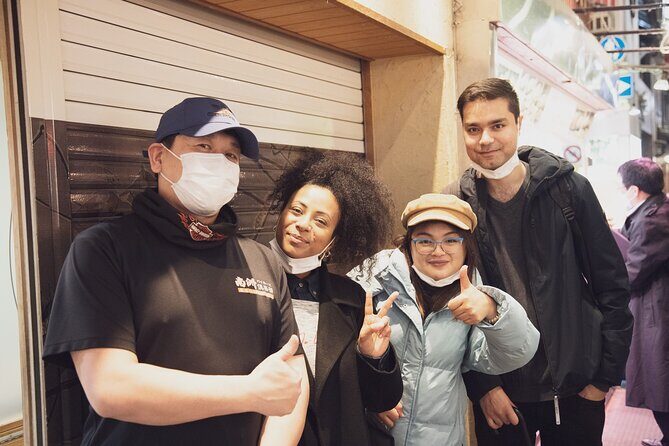
For $80.92, you’re paying for three things:
- Guide time and local know-how (how to move through Nishiki without wasting effort)
- Tasting coordination (getting you served across multiple places without the reservation headache)
- Cultural context (shrines and temples aren’t free—someone is guiding you through how to participate)
If you’re the type who tries to eat your way through markets on your own, Nishiki is physically easy to visit. But the “easy to visit” part doesn’t solve the hard parts: deciding what’s worth buying, figuring out what’s safe or seasonal for your tastes, and understanding shrine etiquette even for a quick stop.
That said, the biggest value issue is simple: food amount. Some people feel the number of tastings doesn’t justify the price, especially when they’re comparing it to how much they can buy for the same money by themselves. If you’re a serious grazer and want tons of bites, you might prefer a DIY market plan with a bigger food budget. If you want a guided blend of food plus cultural context—and you’re okay with set tastings—this can feel like a good use of time.
My practical tip: treat it as a structured intro plus a filling meal of samples, not as an unlimited eat-fest.
Weather, Comfort, and Practicalities That Matter
This is a walking tour around crowded street areas, including Nishiki Market. It runs rain or shine, which is great for planning, but you still need to dress for walking.
The tour is also near public transportation, and you’ll receive confirmation at booking. It uses a mobile ticket. What’s not included: hotel pickup/drop-off, transportation, extra food and drink, and personal expenses.
One more rule to keep in mind: the legal drinking age in Japan is 20. If your plan includes alcoholic drinks, don’t treat that as a “free-for-all” on the tour.
Who Should Book This Kyoto Nishiki Tour—and Who Might Skip It
This is a great fit if you:
- want a low-stress way to handle Nishiki Market without getting lost or stuck translating everything
- like learning customs fast, like how to pray at a Shinto shrine
- enjoy a paced mix of food stops plus short neighborhood wandering
It may be a miss if you:
- have dietary restrictions or allergies (the tour is not set up for those requests)
- want to eat a huge variety of foods at many stalls with lots of freedom to buy full-size items
If you’re traveling with kids or multiple generations, guides often report adjusting to the group’s curiosity and keeping everyone engaged. That’s especially useful when some people want more history and others just want more bites.
Should You Book It? My Call
Book this tour if you want Kyoto food culture with less guesswork, and you like the idea of leaving Nishiki Market feeling satisfied instead of overwhelmed. The small-group size (max 6), the guided shrine stop, and the market-to-neighborhood flow are the reasons this works.
Skip it if you’re coming with a strict diet or you feel personally offended by “set tastings.” In that case, a DIY Nishiki plan plus a shrine visit on your own might match your style better.
If you do book: come hungry, wear shoes you trust, and use the guide time to ask questions—not just what to eat, but what you’re actually seeing as you walk.
FAQ
How long is the Kyoto Nishiki Market Food and Culture Walking Tour?
It’s about 3 hours.
What’s the maximum group size?
The tour has a maximum of 6 travelers.
Is food included, and is it enough to replace a meal?
Food samples are included, and the tour is designed so the samples are enough to fill you up in place of a meal.
Can the tour accommodate vegetarian, halal, kosher, gluten-free, or allergy-related needs?
Unfortunately, the tour can’t accommodate dietary restrictions, including vegetarian, halal, kosher, gluten-free, or allergy-related requests.
Does the tour run in rain?
Yes, it takes place rain or shine. If it’s canceled due to poor weather, you’ll be offered a different date or a full refund.
Is it near public transportation?
Yes, the tour is near public transportation.
Can I cancel for a full refund?
Yes. You can cancel up to 24 hours in advance for a full refund.