Your day starts with a wish.
This one-day loop mixes Katsuo-ji prayers, the quiet drama of Arashiyama, and a calm moment at golden Kinkaku-ji—all stitched together by a bus so you spend more time seeing and less time figuring out trains. You’re getting temples, nature, and small, very Japanese cultural details in one tight stretch.
I especially like the chance to take part in a real ritual at Katsuo-ji and then slow down in Arashiyama’s bamboo. I also appreciate the focus on timing and picture stops, including the iconic Togetsukyo Bridge view. The main drawback to plan around: admission fees for Katsuo-ji and Kinkaku-ji, plus meals, are not included, so your day’s total cost will be a bit higher than the base price.
In This Review
- Key highlights to know before you go
- A smooth Kyoto-to-Arashiyama day without train math
- Katsuo-ji Temple: the Daruma wish you can actually participate in
- Arashiyama’s core feel: bamboo calm, river views, and slow walking
- The Bamboo Forest Trail: where the air does the work
- Togetsukyo Bridge: the old-Japan photo moment
- Kimono Forest: a visual culture break in the middle of nature
- Nonomiya Shrine: a love-and-health wishing stop
- Kinkaku-ji Temple: golden calm at a World Heritage icon
- Timing and walking tips for a 9–10 hour day
- Price and logistics: what $56 covers, and what you’ll pay extra
- Who this tour suits best (and who should think twice)
- Should you book this Osaka/Kyoto 1-Day Bus Tour?
- FAQ
- How long is the Osaka/Kyoto Katsuo-ji, Kinkakuji, Arashiyama day tour?
- What locations are available for the meeting point?
- Where will I be dropped off at the end of the tour?
- Is the admission fee for Katsuo-ji and Kinkaku-ji included?
- What languages are the guides?
- What should I bring?
- Are meals included in the price?
- Is there anything I cannot do during the tour?
Key highlights to know before you go
- Daruma eye painting at Katsuo-ji turns sightseeing into an actual two-step wish
- Arashiyama bamboo forest walking gives you real quiet time, not just a photo stop
- Togetsukyo Bridge delivers classic Oi River views that feel timeless
- Kimono Forest adds a fun, visual culture break between nature scenes
- Nonomiya Shrine is your love-and-health prayer stop, with a simple wishing ritual
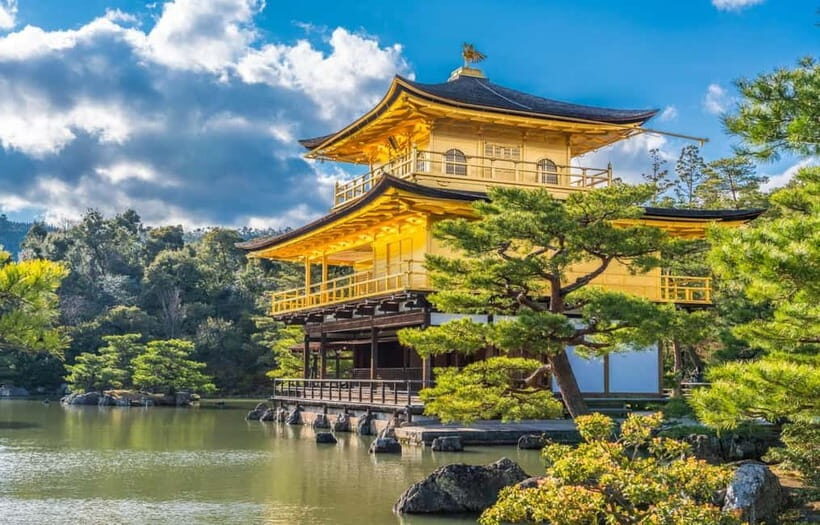
- Kinkaku-ji lets you slow down under gold-and-reflection beauty at a major World Heritage site
A smooth Kyoto-to-Arashiyama day without train math
This tour is priced at $56 per person and runs about 9–10 hours. What you’re really paying for is not just the guide—it’s the frictionless transport between far-flung highlights, including round-trip transfers from your chosen meeting point, plus tolls, parking, and fuel.
You’ll get a live English/Chinese-speaking guide, and that matters on days like this. You won’t just be dropped off; you’ll get guidance on where to look, how to move efficiently through each stop, and when to be back at the bus. Guides that have led this tour include Willa, Theodore/Chan San, Steven, Amanda, and Lee, and the common theme is keeping the schedule steady while still giving you room to wander.
One practical note: you can’t eat on the bus. So if you’re the kind of person who likes a quick snack during transit, plan to grab food before boarding or after your stops.
A few more Kyoto tours and experiences worth a look

Katsuo-ji Temple: the Daruma wish you can actually participate in
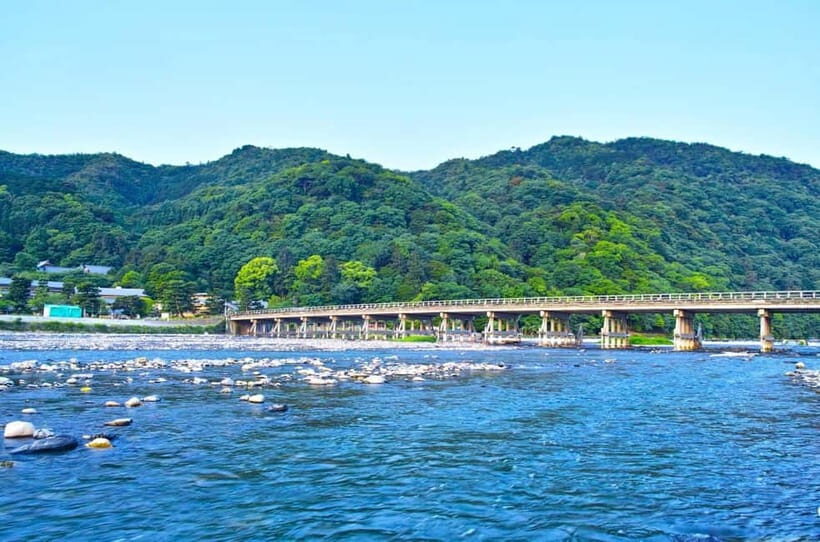
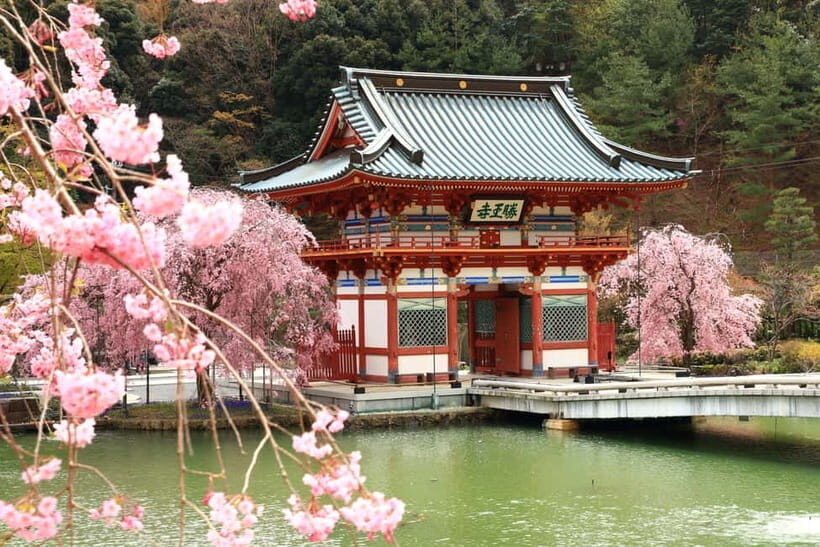
Katsuo-ji is the emotional anchor of the day. The temple is known as the Temple of Victory and has a history of over 1,300 years. The star experience here is the Daruma ritual—because the point isn’t just looking at something old. You get to take part.
Here’s how it works: you dot the eyes of Daruma in two stages. First, you draw the left eye and make your wish. Then, after your wish comes true, you fill in the right eye—completing the agreement with the gods. It turns a temple visit into a personal promise, and it’s the kind of detail you remember later because it’s not passive.
You’ll see Daruma figures everywhere around the temple area, which makes the atmosphere feel consistent. Even if you’re not a religious traveler, it’s a memorable ritual-driven stop with a clear purpose: pray for good luck and success, then carry that mindset into the rest of the day.
How to make this stop work for you: wear comfortable shoes and give yourself a little patience. You have about an hour here, and Daruma crowds can build depending on the time of day. If you want photos and a calm moment, move at a steady pace rather than trying to do everything in one sprint.
Arashiyama’s core feel: bamboo calm, river views, and slow walking
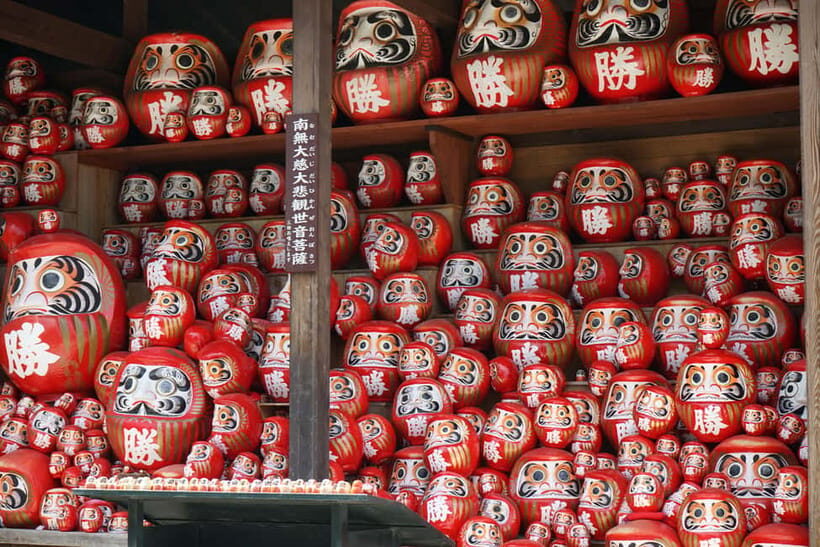
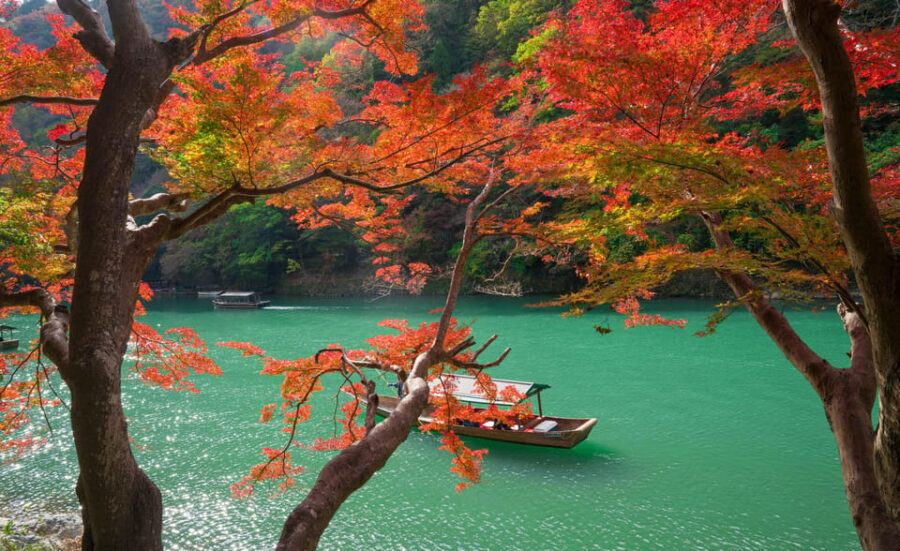
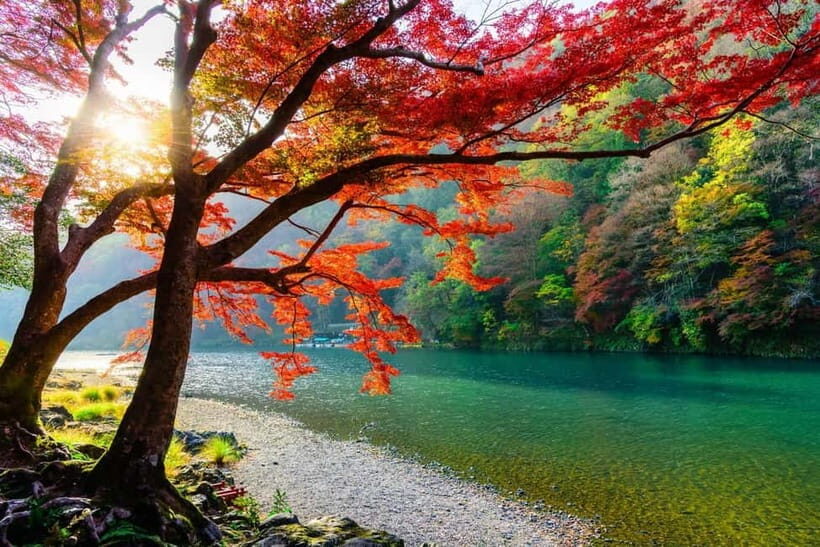
After Katsuo-ji, you head into Arashiyama, where the tone changes quickly—from prayer energy to nature quiet. Arashiyama is known for a clear waterfront, a serene bamboo setting, and distant mountains. The whole area is built for that slow “stand, look, breathe” style of travel, especially if you’re willing to step off your camera for a minute and just listen.
You spend around 2.5 hours in the Arashiyama area, and it’s structured so you can see the major mood-makers without feeling like you’re racing between stations.
The Bamboo Forest Trail: where the air does the work
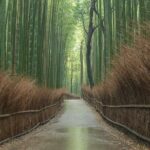
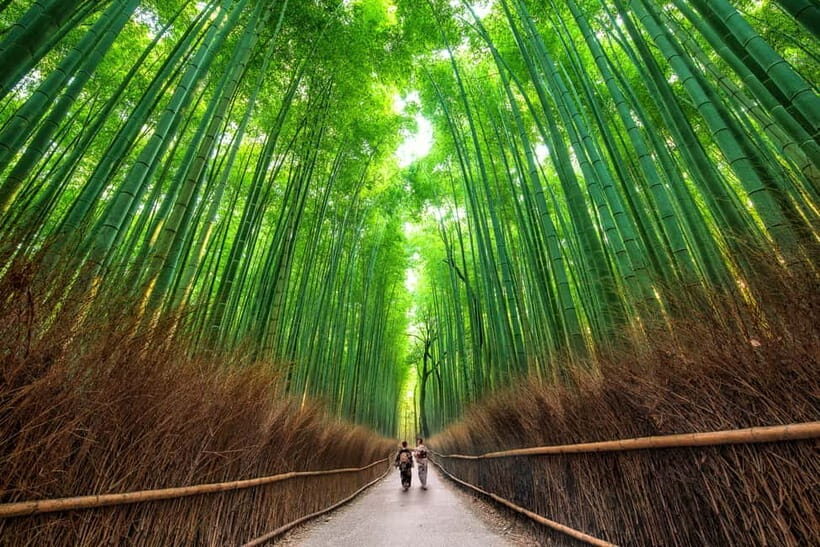
The bamboo grove walk is one of the best reasons to book this tour. The leaves rustle, sunlight filters through gaps, and the air carries that faint bamboo scent. It doesn’t feel like a theme park—more like a temporary reset from noise. Even if you’ve seen bamboo in other places, this still has that “walk in and your pace changes” effect.
Practical tip: if you want less crowd pressure for photos, wait a couple minutes after you arrive at a major viewpoint. You’ll often get a clearer shot once groups move forward.
Togetsukyo Bridge: the old-Japan photo moment
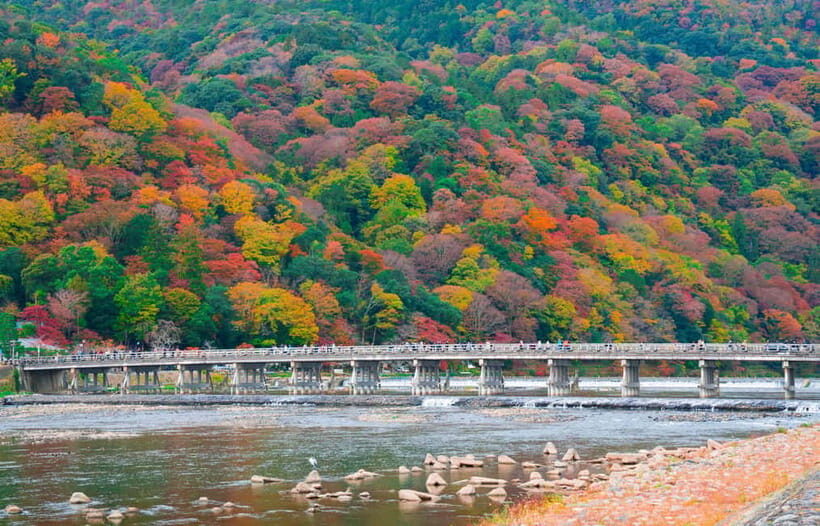
Then you stand on Togetsukyo Bridge over the Oi River. This is where the experience turns cinematic. The river runs quietly underfoot, mountains sit in the distance, and the whole scene feels like you’ve stepped into elegant old Japan.
You’ll want your camera ready, but don’t just shoot and move. Take 3–5 minutes to look first. The bridge makes it easy to compose a strong photo, but it’s also a good place to feel the setting without thinking too hard.
A few more Kyoto tours and experiences worth a look

Kimono Forest: a visual culture break in the middle of nature
Between the outdoor scenes, there’s a stop called Kimono Forest. The concept is simple and very Instagram-friendly: transparent columns displaying colorful kimonos stacked in layers, like a Japanese art gallery. Light and shadow do the heavy lifting, so even if you’ve been walking for hours, this pause feels fresh.
If you like photographing reflections and patterns, this stop is worth treating as a mini art exhibit. If you’re not into photos, you can still enjoy it as a quick cultural texture that doesn’t require extra walking.
Nonomiya Shrine: a love-and-health wishing stop
Next is Nonomiya Shrine, and it’s different from the temple vibe at Katsuo-ji. This is about love, health, and happiness. The wishing ritual here is straightforward: you hang a painted horse and write your wishes, then look forward to sweet love and a happy life.
This stop works well because it gives your day a personal “what do I want?” moment before you head to the final big-ticket highlight. It’s also a calmer place to pause. If the earlier Daruma ritual felt dramatic, this one feels more intimate—like a gentle side quest that still matters.
Wear shoes you can stand in for a while. Even short shrine stops can involve a fair bit of lingering for photos and taking in the grounds.
Kinkaku-ji Temple: golden calm at a World Heritage icon
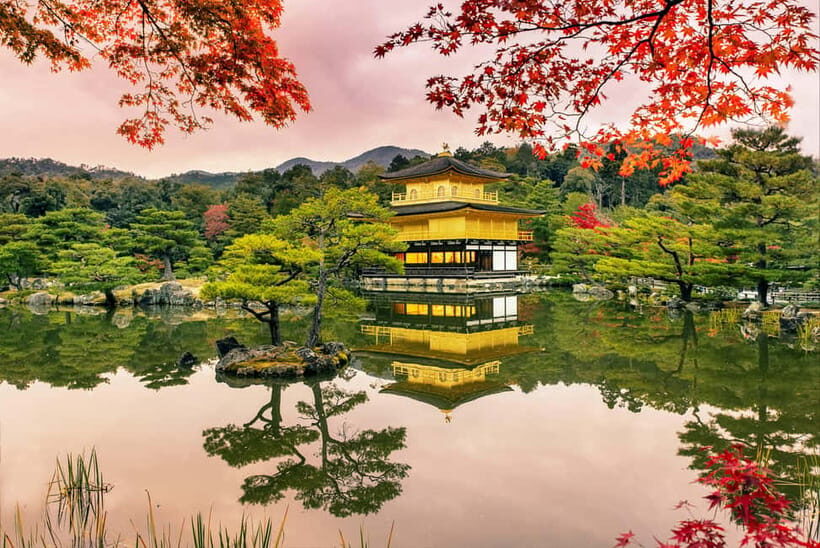
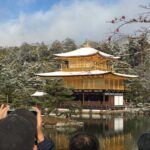
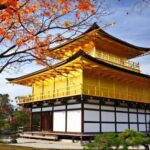
Kinkaku-ji is the big finale: a World Heritage temple famous for its golden exterior and its mirror-like setting. The outer walls shine with gold foil, and the beauty is doubled by the reflection in the mirror lake pool.
What makes this stop special is the contrast. You’ve had prayer, bamboo quiet, river views, and cultural visuals. Then you arrive at a place where the main sensory message is “slow down.” It’s easy to feel awe here, but what I like most is that it also invites quiet observation.
You’ll get a set amount of time here, and it’s enough to enjoy the golden surfaces and reflections if you keep moving intelligently. Don’t spend all your time staring at just one angle. Walk a bit around your allowed viewing areas to catch different reflection moments and compositions.
Timing and walking tips for a 9–10 hour day
This tour packs a lot into one day, so your strategy matters. Here’s how I’d plan your energy:
- Keep your camera work short at each stop, then give yourself a brief look period. You’ll get better photos because you’re actually noticing.
- Use restroom breaks before the bus moves on, not after you feel rushed.
- Expect some waits at major sites. Katsuo-ji and Kinkaku-ji are popular, and if queues form, your time can feel tighter than you hoped.
- If you love details, remember you have limited time at each place. You might not see every inch of the grounds like a full-day temple wanderer.
Also, bring water and sunscreen. The day can feel long, and even if Kyoto is cooler than southern Japan, the sun still shows up when you’re standing around for photos.
Price and logistics: what $56 covers, and what you’ll pay extra
At $56 per person, this tour is good value if you’re trying to see major highlights without the hassle of moving on your own. You get:
- an English/Chinese guide
- round-trip transfers from Kyoto meeting points
- toll, parking, and fuel included
What’s not included:
- admission to Katsuo-ji Temple and Kinkaku-ji Temple
- meals and beverages
- personal expenses
- insurance
So budget a little extra for entry tickets and food. If you skip meals to save money, you’ll likely end up tired, and tired is the enemy of enjoying Arashiyama properly.
Meeting point options include Kyoto Station Hachijo Entrance Square Sunken Garden and Harimaya Nippombashi 1-chome, and you’ll also be dropped off at one of those two spots. The exact start and end location depends on what you book.
One more practical thing: before 21:00 the day before the trip, you’ll receive an email with the guide and vehicle information. That helps you avoid the classic first-day confusion where you’re standing somewhere wrong with everyone else.
Who this tour suits best (and who should think twice)
This is a great fit if you want a structured, one-day highlights experience: temples plus Arashiyama nature, with the key stops grouped in a way that saves you time. I’d especially recommend it for:
- first-time Kyoto/Osaka visitors who don’t want to plan transfers between distant sights
- couples and friends who want both iconic photo moments and calm walking time
- travelers who like guided context, not just a map and instructions
It’s not suitable for people with mobility impairments or wheelchair users, and the day involves walking between stops.
If you’re a person who needs lots of spare time at each site or wants a very slow, deep temple approach, you may find the schedule a bit tight. In that case, you might prefer a more flexible plan where you control the pace site by site.
Should you book this Osaka/Kyoto 1-Day Bus Tour?
If you want three big emotional hits—Daruma wishes at Katsuo-ji, the bamboo serenity of Arashiyama, and the golden stillness of Kinkaku-ji—this tour is a strong choice. The value comes from the transport and the guide-run flow, which keeps the day moving while still giving you time to wander.
Book it if you’re okay with admissions and meals being extra and you can handle walking at multiple stops in one long day. Skip or rethink it if you need wheelchair-friendly access or if you know you’ll be upset by crowds or limited time when lines form.
If you do book, pack light, wear solid shoes, and treat the day like a sequence of moods: pray, breathe, look, and then slow down for gold at the end. That pacing is what makes the day feel meaningful instead of rushed.
FAQ
How long is the Osaka/Kyoto Katsuo-ji, Kinkakuji, Arashiyama day tour?
The tour lasts about 9 to 10 hours.
What locations are available for the meeting point?
You can meet at Kyoto Station Hachijo Entrance Square Sunken Garden or at Harimaya Nippombashi 1-chome, depending on the option you choose.
Where will I be dropped off at the end of the tour?
Drop-off is at either Kyoto Station Hachijo Entrance Square Sunken Garden or Harimaya Nippombashi 1-chome, depending on the option booked.
Is the admission fee for Katsuo-ji and Kinkaku-ji included?
No. Admission to Katsuo-ji Temple and Kinkaku-ji Temple is not included.
What languages are the guides?
The live guide provides English and Chinese.
What should I bring?
Bring comfortable shoes, a camera, sunscreen, and water.
Are meals included in the price?
No. Meals and beverages are not included.
Is there anything I cannot do during the tour?
Smoking is not allowed, and eating on the bus is not allowed due to Japanese law.