Kyoto has a fun way to teach you ramen fast. This workshop with Musoshin Ramen turns a classic bowl into a hands-on lesson, not a lecture. I especially love the hour of noodle making with patient instructors like Koki and Makoto, and I like the option to design and bake a custom bowl for free. One thing to consider: the workspace is small, so if the group is bigger you might feel a bit cramped.
This isn’t just chef theater. Musoshin started in Kyoto in 2022, and the Toronto branch has been Michelin-nominated for three straight years. The class focuses on what they do every day: in-house ingredients, noodles made each morning then rested overnight, and soup simmered for 12 hours. It’s family-friendly too, with guides who keep kids involved and even handle special diets—one guest shared that their son with celiac disease was supported with gluten-free noodles and a separate gluten-free soup.
You can also pair ramen making with painting. Options include decorating ramen essentials like spoons, and you may add an apron, bowl, or spoon set. If you’re traveling with kids, or you want a Kyoto food activity that feels personal and practical, this is a strong choice—hands, not just photos.
In This Review
- Key things I’d zero in on
- Why Musoshin Ramen Academy feels different from a typical class
- The noodle-making hour: dough, machine, and getting your hands involved
- Painting ramen essentials: what you can decorate, and how the kiln pickup works
- The soup and toppings story: 12 hours, handmade soy sauce, and roast pork
- The meal afterward at Musoshin Ramen: where your work becomes lunch
- Price and value: is $54 worth it?
- Who this Kyoto ramen workshop suits best (and who might not)
- Practical tips to get the most from your class day
- Should you book this Musoshin ramen workshop in Kyoto?
Key things I’d zero in on

- Hands-on noodles (with real guidance): You work the dough and use the noodle machine with instructors who stay patient.
- Small, focused workshop energy: Expect a compact space where everyone gets time at the workstations.
- Optional ramen bowl painting + free kiln bake: Design it, then pick it up the next day.
- In-house ramen system: Morning noodles, overnight rest, and a 12-hour soup routine.
- Diet options you can actually use: Vegetarian and vegan ramen options are available, and gluten-free support has been described.
- Finish at Musoshin Ramen: You don’t leave with theory only—you eat the results.
Why Musoshin Ramen Academy feels different from a typical class
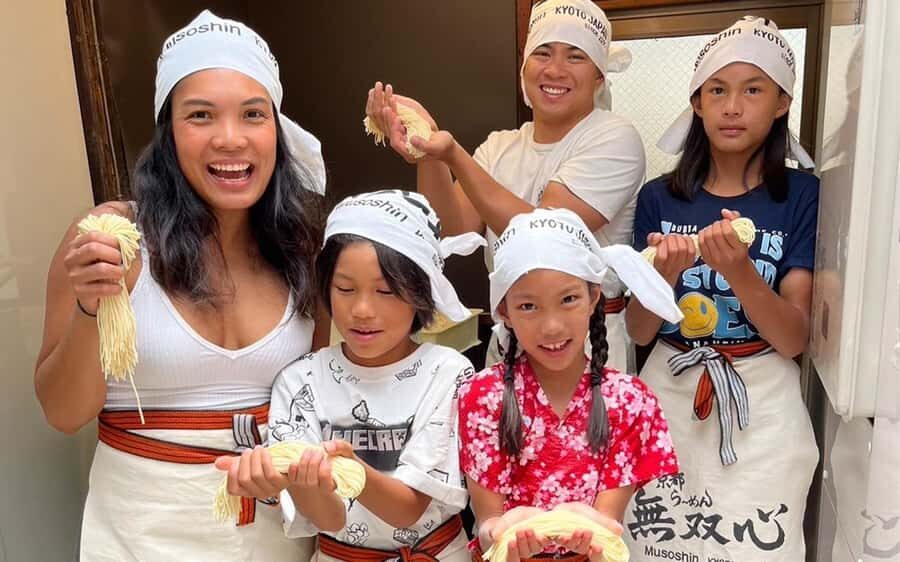
This workshop is run by Musoshin Ramen, and that matters. Musoshin started in Kyoto in 2022, and they now operate six restaurants across Kyoto and Toronto. The big signal for quality is that the Toronto location has been nominated for Michelin for three consecutive years, plus the brand has an international footprint already—so you’re not learning from a one-off pop-up.
What you’ll notice in the vibe is that the class is built around a repeatable process, the kind a restaurant can run every day. They insist on making ingredients in-house: they make the noodles every morning and let them sit overnight for the next day, and they make the soup for 12 hours. Even the ramen soy sauce and roast pork are described as handmade. In plain terms, they’re not teaching you a shortcut version of ramen. They’re teaching you their system.
I also like that it feels human. In several accounts, guides use humor and patience to keep people engaged—Shin is specifically mentioned as an owner/host who’s funny and clearly proud of the craft. People also call out staff by name (Koki, Makoto, Yaya, Pati, Rose, Momo, Shima), which is a good sign you’re not just passing through a conveyor belt.
The one practical caution: the space can be tight. One family noted it felt cramped when the class included extra people. If you’re sensitive to crowds or elbow space, plan to arrive ready to share a compact studio.
A few more Kyoto tours and experiences worth a look



The noodle-making hour: dough, machine, and getting your hands involved

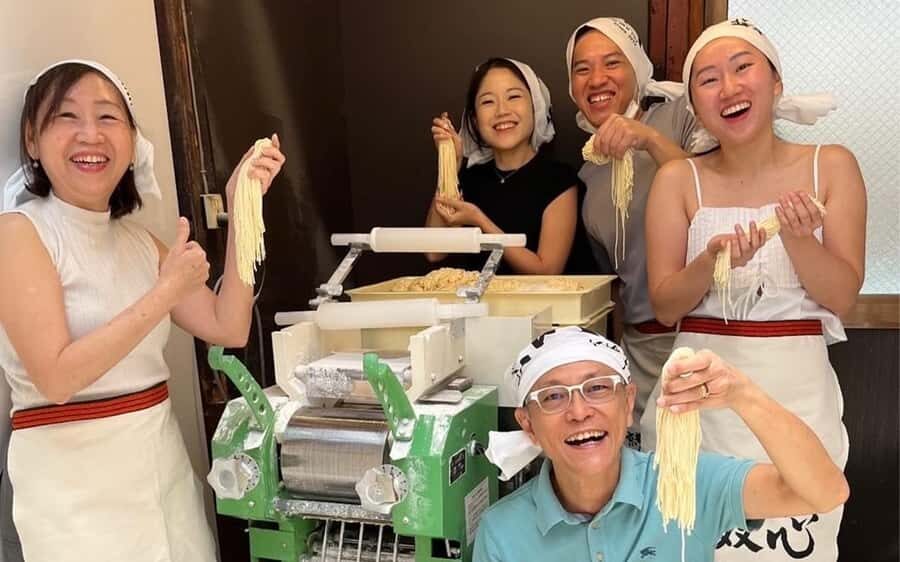
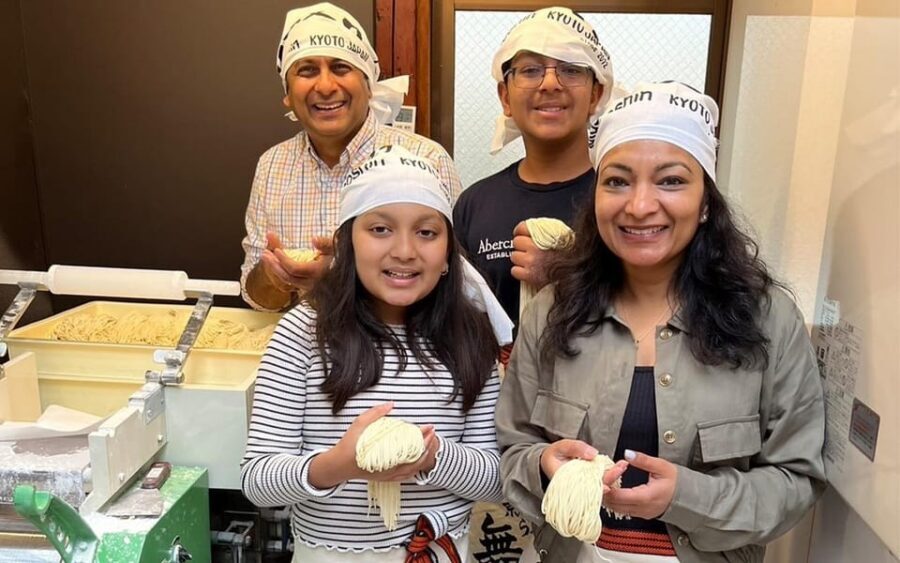
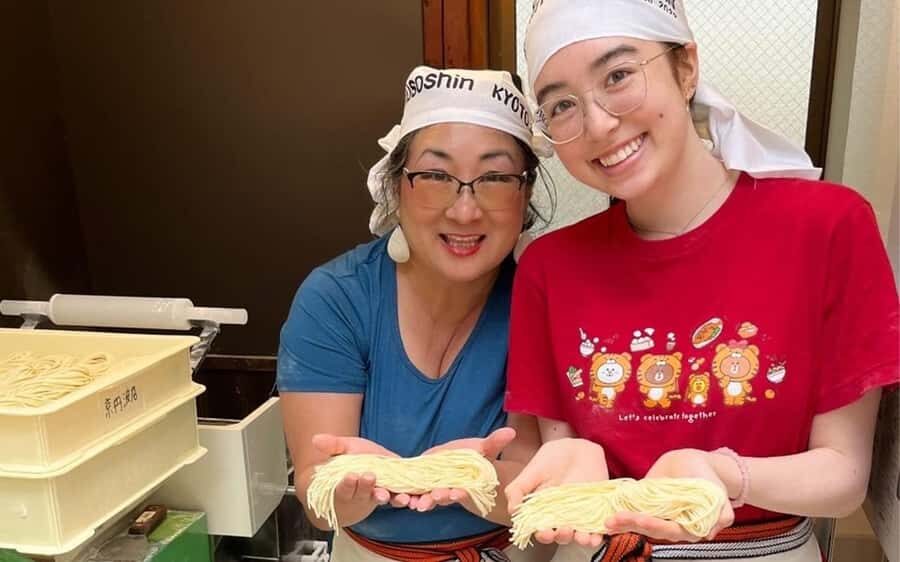
The workshop is family friendly and focused for about an hour of noodle making. You’re not watching from the sidelines. You’ll get hands-on mixing and rolling steps, and you’ll use the noodle machine as part of the process. This is the part that gives you the real ramen confidence—the sense that you understand how noodle texture happens, not just what the final bowl tastes like.
Instructors stand close and coach you through each stage. Several guides are described as kind, patient, and good at explaining the process step-by-step, even when kids join in. A couple of accounts mention daughters or teens getting involved and enjoying the tactile parts, like using their hands and helping with the machinery steps.
Two things you’ll likely learn quickly:
- How dough handling affects thickness and consistency. Small differences show up fast once you start rolling.
- Why resting matters. Musoshin’s approach includes letting noodles sit overnight—so texture improves the next day. In a class setting you may not eat the exact noodles you made immediately, but you still learn the logic.
A bonus detail: some groups spend time taking photos and videos during the workshop, and you often get a photo at the end with the finished product. That’s small, but it makes the experience feel like a keep-sake, not just a one-time class.
Painting ramen essentials: what you can decorate, and how the kiln pickup works
If you choose the painting-focused option (or add it), you’ll likely split time between noodle work and decorating. One description calls it a 50/50 mix: painting and ramen assembly. Another mentions painting spoons first, then making ramen afterward. So think of painting as a relaxing warm-up or creative break, not a replacement for the cooking.
Here’s what you can decorate, based on the options listed:
- A bandana used during the workshop (included)
- A custom-designed bowl that can be baked in a kiln for free (option)
- Ramen spoons (option)
- Ramen bowls and aprons (options)
The kiln bake is the standout practical perk. If you design your bowl, it’s baked in a kiln for free, and you pick it up the next day. That turns your art project into something functional—you’re not just making a souvenir you’ll never use.
One small tip from an experience: if you use the pink, add it thicker so it shows up properly. It’s the kind of detail that prevents the common problem of paint that looks great on the brush but too faint after firing.
Painting is especially good for kids because it shifts the mood. Parents in particular seem to like that kids can be creative while adults still get a real ramen-making session.
The soup and toppings story: 12 hours, handmade soy sauce, and roast pork
Ramen isn’t only noodles. What makes Musoshin’s approach feel serious is the long, in-house soup schedule. They make the ramen soup for 12 hours. That’s not a branding statement—it’s a method that affects body, depth, and how flavors layer together.
They also make key flavor pieces in-house:
- Ramen soy sauce is handmade
- Roast pork is handmade
When you know that, the bowl after class hits differently because you understand what you’re tasting. The whole point of having you arrange your own ramen is that you get to connect the final bowl to the steps you learned.
One guide-driven detail that shows up in experiences: people often call the ramen the best they’ve had in Japan. That’s subjective, sure. But it lines up with the fact that you’re eating a system they run daily—noddle texture from their overnight rest, broth from a long simmer, and toppings made by hand rather than assembled from generic components.
Vegetarian and vegan options are also available. That’s important because ramen can be tricky for plant-based diets if a shop just swaps one topping. Here, the class is set up to offer alternatives.
The meal afterward at Musoshin Ramen: where your work becomes lunch
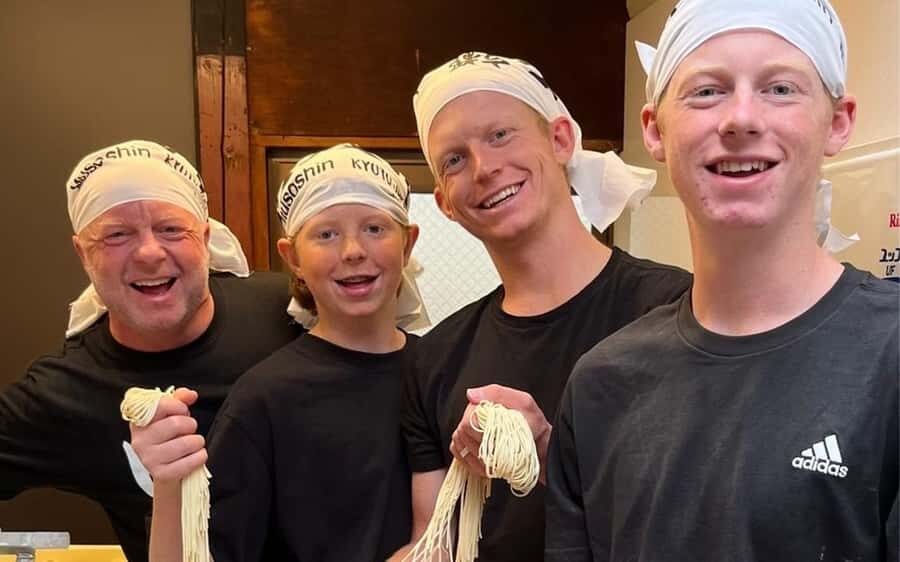
After the workshop, you head to the Musoshin Ramen restaurant experience. The included items list a drink at the restaurant, and the class payoff is that you eat ramen made using the shop’s methods. Multiple accounts describe the post-class ramen as delicious and even the best part of the trip.
This is one of the smartest formats for a cooking class. You’re not just leaving with skills—you’re tasting the result while it’s still fresh in your brain. Even if you don’t eat the exact noodles you make during the workshop (some notes explain noodles may need to rest overnight), you still eat the restaurant bowl built from the same philosophy and ingredient routines.
The convenience matters too. One family specifically mentioned that the dinner after activity was included and felt easy to fit into the day. So if you’re planning Kyoto time, you’re not trying to find lunch reservations right after a cooking class.




Price and value: is $54 worth it?
At $54 per person, this isn’t the cheapest cooking activity in Kyoto. But it can be good value because you’re paying for three things at once:
1) A Michelin-nominated restaurant standard
Musoshin’s ramen operation is tied to a Michelin-nominated context (Toronto nomination for three consecutive years). You’re not just learning at a kitchen table—you’re learning in a ramen brand with restaurant-grade processes.
2) Real hands-on time
A full hour focused on noodle making is the core. You’re using your hands, using the machine, and getting guided through steps.
3) Extra value options
If you add kiln-baked bowl painting, that’s free and gives you a next-day pickup item. You also have options like spoons and aprons, which turn the class into a take-home experience with practical souvenirs.
If you’re someone who likes food activities that are more than tasting, you’ll probably feel the value. If you only want a quick snack experience, you might decide it’s too much effort for just one bowl. For most couples, families, and teen groups, the structure usually lands well because it combines hands-on fun with a meal.
One caution on value: because the studio can be small, your enjoyment may depend on group size. If you’re booking for a large party or you’re traveling with very young kids, it’s worth expecting the space to be compact.
Who this Kyoto ramen workshop suits best (and who might not)
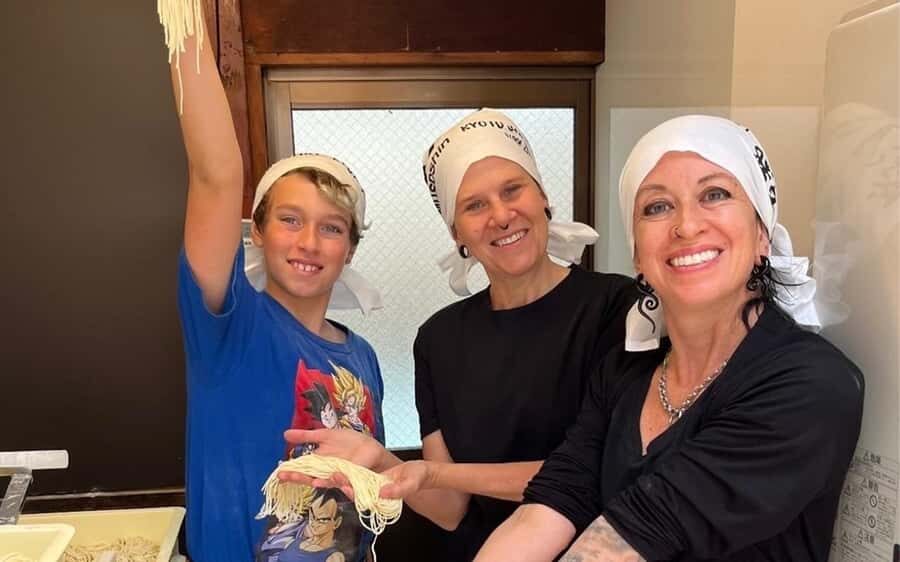
This is a very solid match if you’re traveling with kids or teens. The class is described as family friendly, focused, and interactive, and multiple families mention children enjoying the hands-on steps. One account includes a 4-year-old and describes it as a great shared family activity. Another mentions a 9-year-old enthusiastically recommending it.
It also works well for:
- Couples who want a date that feels active and shared
- Friends who want a group activity with laughs and photo moments
- Food nerds who actually care how broth, noodles, and toppings are made
- People who want plant-based ramen options available (vegetarian/vegan are supported)
It may be less ideal if you strongly dislike tight workspaces. The cramped-ness note is real, and you’ll feel it more if your group is large.
If you have dietary needs, you should plan ahead. One guest with a child who has celiac disease reports the team made it work with special gluten-free noodles and gluten-free soup. That’s encouraging, but it also means you should communicate needs clearly when you book.
Practical tips to get the most from your class day
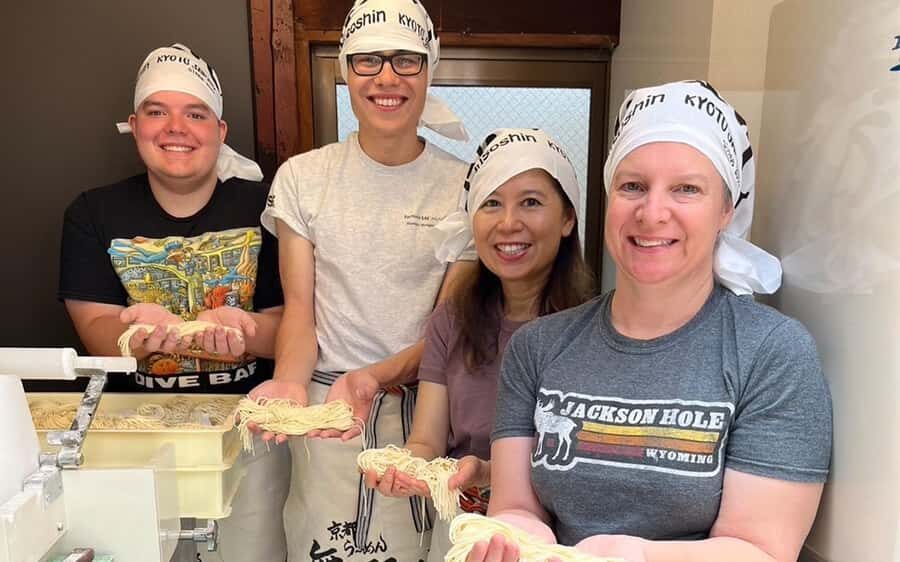
Here are the tips that will help you enjoy the experience more without overthinking it:
- If you want painting, decide whether you care more about the noodle workshop or the art. Some schedules are split, and you’ll get both, but your energy will follow your priorities.
- For bowl painting, remember the pink paint tip: apply it thicker so it shows after firing.
- Bring an appetite. Even though you’re making noodles, the payoff is the ramen you eat at the restaurant afterward.
- Language support is available in English and Japanese, so communication shouldn’t be a barrier. Still, if you have a dietary restriction (like celiac), tell them up front in the language you’re most comfortable with.
- If you plan to buy extras like an apron or spoon, set aside time for shopping after the class so you’re not rushing.
Should you book this Musoshin ramen workshop in Kyoto?
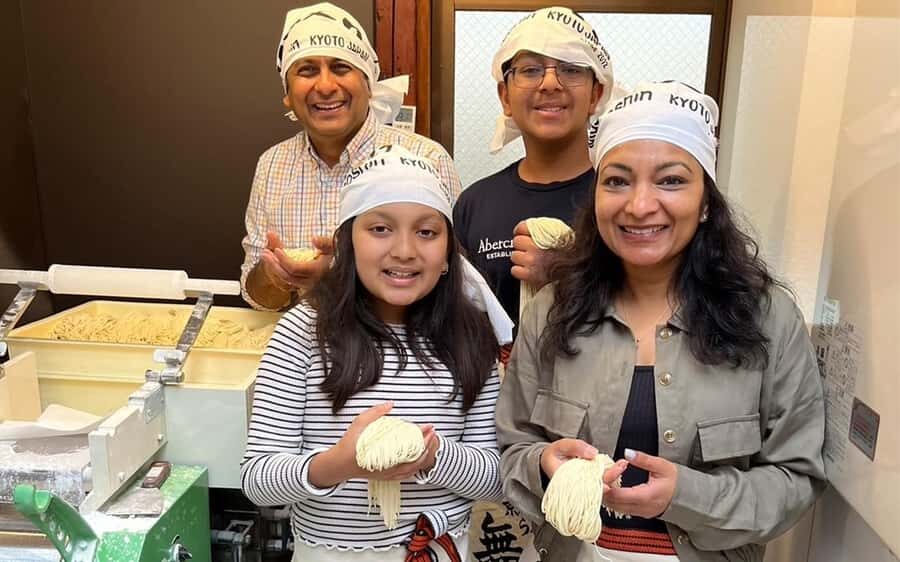
Yes, I think you should book it if you want a Kyoto food experience that’s practical, hands-on, and tied to a serious ramen operation. The combination of noodle making, optional painting, and a restaurant meal makes it feel complete for a day out. I’d especially recommend it for families and for anyone who likes cooking classes where you actually do the work.
I’d hold off if you hate cramped spaces or you’re hoping for a quiet, gallery-style cultural tour. This is active and close-up. But if that sounds like your kind of fun, Musoshin’s workshop is one of the more meaningful ways to learn ramen beyond the basics.