Kyoto nights have a way of changing your pace. This Kyoto Geisha District Walking Tour in Gion is a guided loop through the lanes you see in postcards, with storytelling about geisha culture and lots of chances to frame photos at shrines and waterways. I especially like the small-group size (max 10), which keeps things relaxed enough to ask questions, and I like how the route mixes obvious sights with quieter corners. The main consideration is that it is still a walking tour with stairs in the mix, so it is not suitable for people with disability who need to avoid stairs.
You’ll spend about 2 hours on the ground, starting at Gion Kōbu Kaburenjō (570-2 Gionmachi Minamigawa, Higashiyama Ward). You’ll get a mobile ticket, and the guide will help you get back from the meeting area at the end. Also, this is one of those experiences where spotting a geisha or maiko can happen, but it is not something anyone can guarantee.
The vibe is part history lesson, part street-level walking. You move from Yasaka Shrine into Gion and then along less-traveled spots like Tatsumi Bridge and Gion Shirakawa (the canal area), with commentary that connects Shinto traditions to the world you’ll hear people talk about when they say geisha district.
In This Review
- Key highlights worth your attention
- Why Gion feels easier with a guide
- Price and value: $29.85 for a structured walk
- Meeting at Gion Kōbu Kaburenjō and how to plan your time
- Yasaka Shrine to Gion lanes: where the atmosphere starts
- Tatsumi Daimyojin Shrine and Tatsumi Bridge: small stops, big mood
- Gion Shirakawa canal and Hanamikoji Street: photos without losing the vibe
- Gion Corner: a quick, useful cultural stop
- Geisha sightings: what you can hope for and what to expect
- How the guides affect your experience (and how to choose your mindset)
- Who should book this Gion walking tour
- Should you book it or pass?
- FAQ
- How long is the Kyoto Geisha District Walking Tour in Gion?
- How many people are in the group?
- Do I need to pay admission fees at the stops?
- Is the tour held rain or shine?
- Is the tour accessible for people who need to avoid stairs?
- Where do I meet the guide?
Key highlights worth your attention
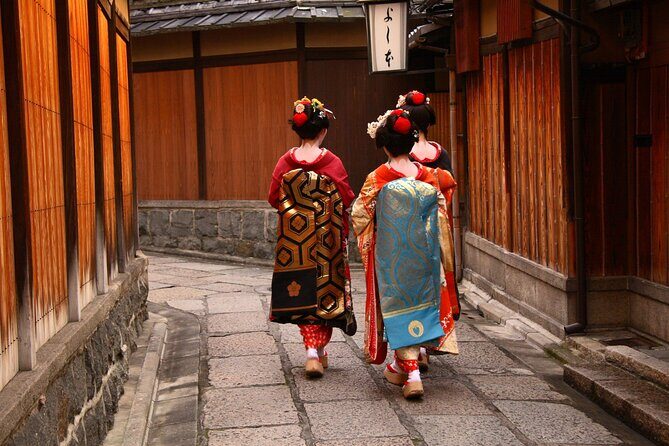
- Max 10 people: intimate group size means less crowd-wrangling and more time on questions.
- Guide-led geisha culture commentary: you get context instead of just scenery.
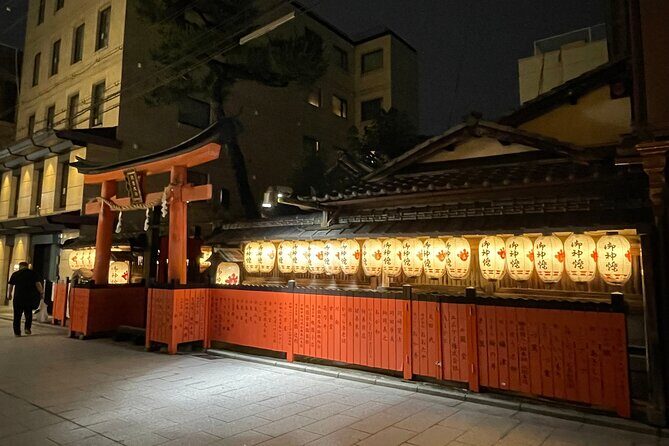
- Yasaka Shrine + Gion lanes: lantern-lit atmosphere and classic Kyoto details for photos.
- Tatsumi Bridge and Shirakawa Canal: quieter pockets that feel like stepping into a scene.
- Hanamikoji Street: a main drag without rushing so you can still look closely.
- Gion Corner stop: a short stop that points you toward traditional performance culture.
Why Gion feels easier with a guide
Gion can look simple on a map and still feel confusing when you’re there. The lanes twist, the alleys narrow, and the sights are scattered in a way that makes it easy to burn time walking in circles. With a guide, you’re not just moving from landmark to landmark—you’re moving with explanations that help you recognize what you’re seeing.
I like that the tour is built around the real-life neighborhood rhythm of Gion rather than forcing you into a checklist. The commentary ties together Shinto sites and the geisha world, which makes the area feel less like a theme park. And because the group is capped at 10, it tends to stay more conversational than lecture-y.
A plus I noticed from guides’ styles in the feedback: guides such as Takuma, Yuko, Tom, and Yuji are repeatedly praised for being friendly and professional, and for creating a comfortable pace. That matters on a short, two-hour tour. You want to learn fast, but you also want to enjoy the walk instead of feeling rushed.
A few more Kyoto tours and experiences worth a look

Price and value: $29.85 for a structured walk
At $29.85 per person for about 2 hours, this tour is priced like a budget-friendly guided introduction rather than a premium, long sit-down experience. The value comes from three things you get at once: a guide with commentary, multiple stops packed close together, and an organized route that saves you decision time.
Also, several stops are listed as free admission (including Yasaka Shrine, the Gion area segments, and Tatsumi Daimyojin Shrine). That helps keep your costs predictable. You’re mainly paying for the guide and the time structure, not for entrance fees.
In the feedback, many people mention that the tour felt like strong value for the price—especially when the guide delivered clear history and culture connections. The one thing to keep in mind is that a walking tour’s quality can hinge on the guide’s organization and English clarity. A small number of reviews flagged disorganization and difficulty understanding a guide. If clear communication is a must for you, consider arriving with questions ready and give the guide a chance to set expectations early in the walk.
Meeting at Gion Kōbu Kaburenjō and how to plan your time
Your starting point is Gion Kōbu Kaburenjō, 570-2 Gionmachi Minamigawa. That address is specific enough to find on maps, and it’s a location that anchors the walk in the Gion area. The tour also notes that the guide will help you understand how to get back from there after the tour ends.
Because the duration is about 2 hours, you can pair this with other Kyoto highlights later the same day. Just keep your next plan flexible enough that you can move at walking pace, especially if you get pulled into conversation or want extra time taking photos.
One more practical detail: this tour runs rain or shine. So you should treat it like a real walking plan. If you’re the type who hates wet sidewalks or slippery stone steps, bring a light rain layer and wear shoes you trust.
Finally, if you’re doing a kimono plan add-on, the instructions say you’ll change into kimono and then go to Japan Kanji Museum & Library by yourself (about a 5-minute walk from the kimono rental store). After the tour, you’re told to return the kimono by 5:30pm.
Yasaka Shrine to Gion lanes: where the atmosphere starts
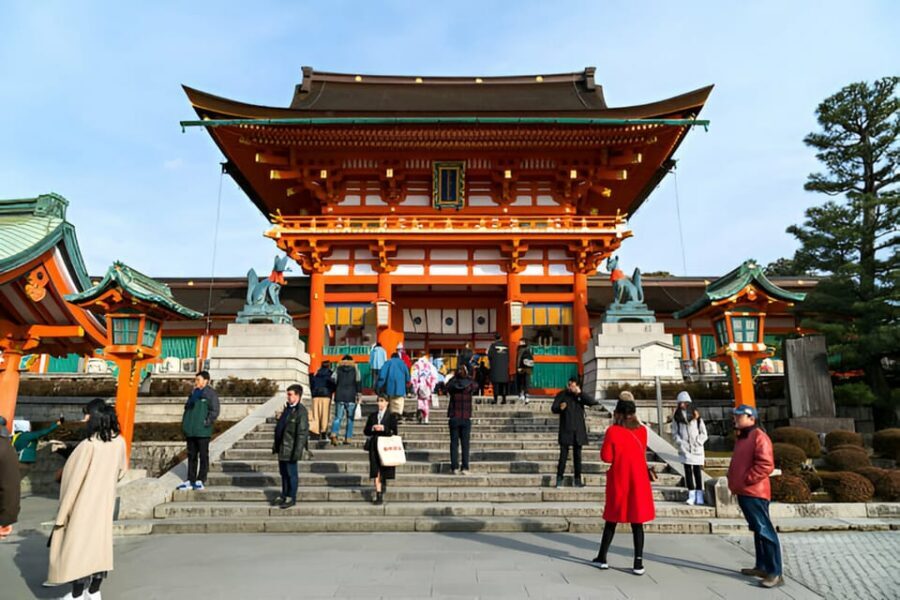
The first stop is Yasaka Shrine, with about 40 minutes on site. This is one of Kyoto’s best-known Shinto shrines, and it’s a smart opener because it grounds the walk in the religion and traditions that shape how neighborhoods like Gion look and function. You’ll be able to admire the shrine’s architecture and lanterns, and you’ll get that classic Kyoto feeling of calm right at the start.
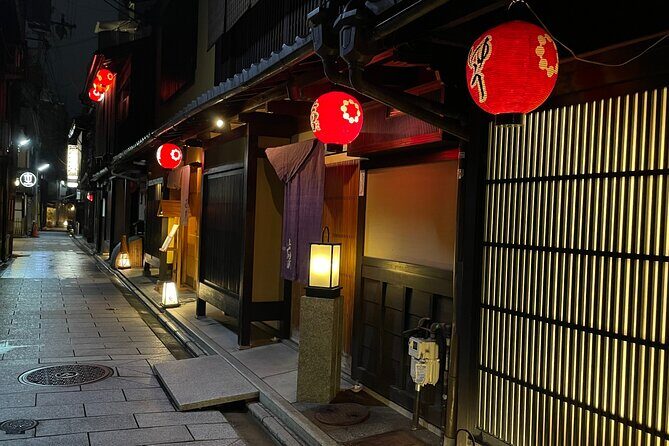
Then you head into Gion, where the tour focuses on the district’s traditional streets and the atmosphere that shifts as the day gets later. The route description talks about the lanes and wooden houses, and how paper lanterns create a more mysterious mood as the light changes. This is where your guide’s commentary helps you slow down. You’re not just passing by backstreets; you’re learning what they represent.
Photo-wise, this early section matters. You’ll likely capture shrine details at closer range before the sidewalks fill up. And once you’re in the Gion lanes, you’re in position for those layered street scenes—wooden facades, narrow passages, and the suggestion of traditional life instead of modern noise.
Tatsumi Daimyojin Shrine and Tatsumi Bridge: small stops, big mood
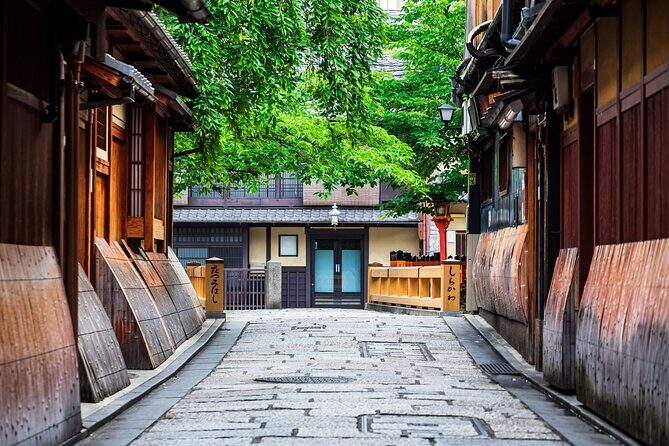
After Gion, you’ll make a quick visit to Tatsumi Daimyojin Shrine (around 5 minutes). Even though it’s short, it’s an interesting pivot: this shrine is dedicated to protection, good fortune, and safety—especially for travelers and warriors—and it traces back to the Heian period (794–1185). That kind of time anchor can make the whole district feel older than the Instagram version.
Next comes Tatsumi Bridge (about 10 minutes). This stop is all about feel. The bridge sits in a corner of Gion and the area around it is described as a movie-scene moment, with traditional machiya houses and that “how is this real life?” feeling that Kyoto does so well.
If you care about photography, this is the kind of place where you’ll want a moment to breathe. Wider streets are loud with motion, but a bridge-and-alley setup lets you frame the district in layers. You can also use it as a pause point—short enough to stay on schedule, long enough to reset your brain before the canal area.
Other walking tours we've reviewed in Kyoto





Gion Shirakawa canal and Hanamikoji Street: photos without losing the vibe
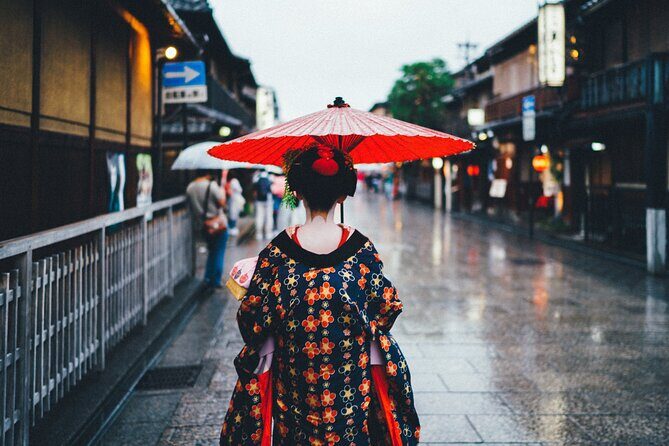
One of the most memorable segments tends to be Gion Shirakawa (the canal area). The tour describes it as picturesque and tranquil, lined with well-preserved machiya houses and weeping cherry trees. Even if cherry blossoms aren’t in season, the canal still gives you that soft, reflective Kyoto look.
This is also where many guides seem to shine in the feedback. People talk about seeing the quiet back streets as a relief from the bigger crowds. That quiet matters because it gives you time to actually understand what you’re seeing—wooden storefronts, the canal edge, and the way streets open up and then disappear again behind a bend.
After that, you’ll head to Hanamikoji Street (about 10 minutes). This is the main street in Gion, lined with traditional machiya houses, tea houses, and shops. It’s more “classic postcard Kyoto” than the smaller side lanes, so the trick is to slow down enough to notice details without getting stuck staring at one spot for too long. With a guide, you get both: you can look, and you can still keep the walking flow.
Gion Corner: a quick, useful cultural stop
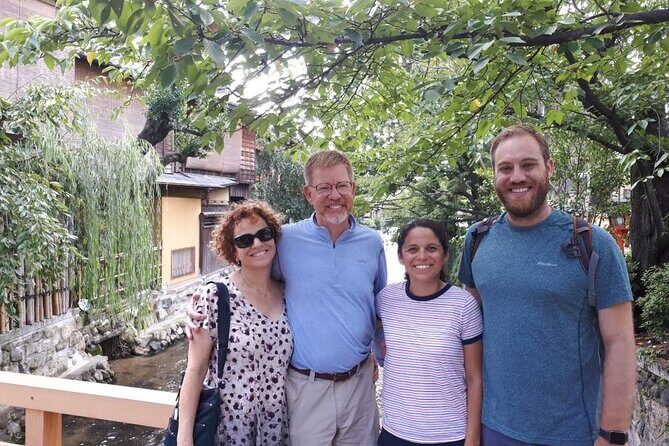
Later in the walk, you’ll reach Gion Corner, described as a venue that showcases traditional art performances and gives an introduction to Kyoto’s cultural heritage. This stop is a nice pairing with everything you’ve learned outside, because your brain has been collecting symbols—shrines, lanes, and the idea of geisha culture—and now you get a structured glimpse at performance arts tied to that broader world.
The listing doesn’t say exactly which performance you’ll see, but it does emphasize the purpose: a straightforward introduction to traditional arts. If you like connecting street scenes to cultural context, this is the moment where it clicks.
Think of it as the tour’s “bridge” to what you might want to explore next in Kyoto. If you already know you’ll want a performance later, this stop can help you choose what kind of art experience makes sense for your interests and schedule.
Geisha sightings: what you can hope for and what to expect
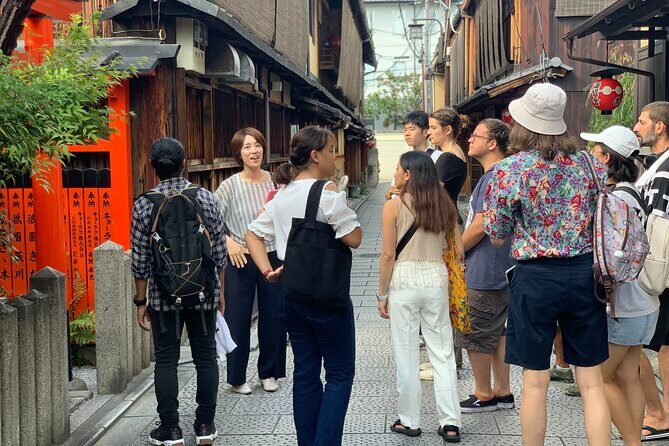
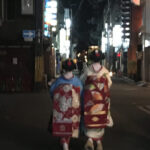
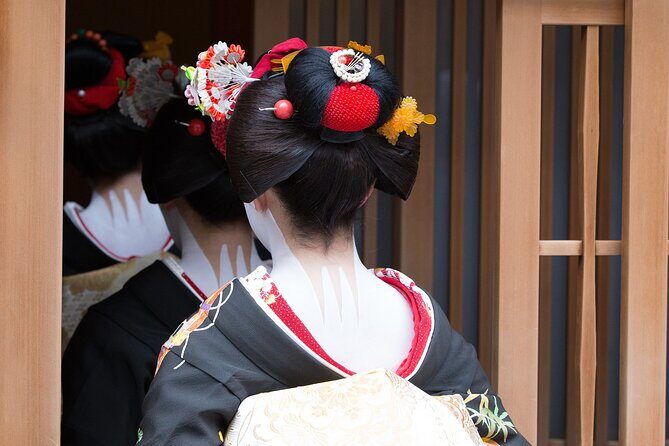
This tour is designed around geisha culture, and several guides and participants mention the chance to see geisha during the walk. The important word is chance.
In the feedback, people report luck: seeing multiple geiko/maiko, including examples like two maiko and one geiko, or several geishas while walking through the district. Others mention being in the right place at the right time when performers were moving between appointments. That’s the kind of practical reality that makes Gion feel alive.
Still, you should set expectations that spotting someone is unpredictable. You’ll enjoy the tour even without sightings because the route is built to show shrines, streets, and the canal area, with commentary that helps you understand the district beyond appearances.
Also note: at least one reviewer felt some parts leaned too hard on photos and not enough on information. If you’re coming for deep culture detail, come ready to ask follow-up questions. The small group setup is meant to make that easier.
How the guides affect your experience (and how to choose your mindset)
The guide quality is the biggest variable on any walking tour, and this one has received strong praise overall, with a 4.8 rating and a 98% recommendation rate based on the feedback you provided. Names that show up in the notes include Takuma, Yuko, Tom, Yuji, Eric, Hide, Harry, and Yoko—and the common thread is a mix of friendliness, clear storytelling, and a comfortable group atmosphere.
When the guide is organized well, the walk feels like a smooth narrative: shrine setting, geisha district context, and then the quieter lanes and bridges where the district’s texture becomes visible. When the guide struggles, the experience can feel more like aimless photo stops than a coherent history walk.
My advice is simple: treat this as a culture walk first, and a geisha-sighting opportunity second. If you do that, you’re less likely to feel disappointed by the parts that depend on timing and luck.
And if English clarity matters to you, pay attention to how the tour is run from the start. A well-led tour sets a tone quickly.
Who should book this Gion walking tour
I think this tour is a strong fit if you want a guided introduction to Gion without doing map math all evening. It’s also a great match if you like photography at Kyoto’s iconic edges—lantern-lit shrine areas, narrow streets, canal scenes, and the contrast between main streets and quieter back lanes.
It’s especially good for people who enjoy short, focused stops. A shrine visit here is long enough to feel meaningful, but not so long that you lose the flow of the district. And because it’s capped at 10 people, it tends to feel manageable.
I’d skip it if stairs are a problem for you. The tour is not suitable for people with disability who would have to go up and down stairs. Also, if you want a long, deep classroom style of history, this is still a two-hour walking tour. You’ll get context and stories, but it’s not built to be a full academic session.
Should you book it or pass?
Book it if you want an efficient, guided way to understand Gion’s layout and traditions in about two hours, at a price that doesn’t require you to hunt for entrance fees. This is the kind of tour that helps Kyoto feel understandable fast, especially when you care about both Shinto sites and the cultural world surrounding geisha.
Pass it if you’re relying on a guaranteed geisha sighting, or if you know you need highly structured, classroom-level depth in exchange for your time. Also pass if mobility limits your ability to handle stairs.
If you can walk comfortably and you’re open to a mix of shrines, canals, and street stories, this tour is an easy yes. It gives you a planned route, a small-group pace, and a chance to see Gion’s quieter beauty before the evening slips away.
FAQ
How long is the Kyoto Geisha District Walking Tour in Gion?
The tour lasts about 2 hours.
How many people are in the group?
The tour caps at a maximum of 10 travelers.
Do I need to pay admission fees at the stops?
The tour information lists free admission for several stops, including Yasaka Shrine and multiple areas/shrines in the route.
Is the tour held rain or shine?
Yes, the tour takes place rain or shine.
Is the tour accessible for people who need to avoid stairs?
No. The tour is not suitable for people with disability to go up and down stairs.
Where do I meet the guide?
You meet at Gion Kōbu Kaburenjō, 570-2 Gionmachi Minamigawa, Higashiyama Ward, Kyoto.