Kyoto changes when you pedal through it. This full-day bike tour strings together Kyoto’s most photo-famous places with the kind of street-level views you just do not get from buses, starting at Saga-Arashiyama Station and rolling through Arashiyama Bamboo Grove and Fushimi Inari Shrine.
I especially like the way the day mixes big-ticket icons with quieter lanes, so you get both spectacle and perspective. I’m also a fan of the small-group format (up to 8), plus the bike fitting and safety briefing before you head out. One real consideration: it is a long ride (about 44 km/27 mi) and it is not ideal if you are not comfortable cycling for hours.
In This Review
- Key highlights worth planning for
- Starting at Saga-Arashiyama Station: the smooth way to begin
- Riding into Arashiyama Bamboo Grove’s soft, swaying scene
- Fushimi Inari Taisha: torii gates and the fox-statue scavenger stroll
- Light lunch: fuel up before Gion’s lanes and bridges
- Gion by bike: Hanamikoji Street and Tatsumi Bridge viewpoints
- Kiyomizu-dera in the eastern hills: UNESCO views plus Otowa Spring
- Kinkaku-ji Golden Pavilion: when the reflecting pond does the magic
- The value question: why $167 feels fair for an 8-hour Kyoto ride
- Fitness and bike comfort: what 44 km means in real life
- Who should book this Kyoto bike highlights tour
- A note on the guides and the group experience
- Final call: should you book this Kyoto full-day bike tour?
- FAQ
- Is the tour in English?
- Where do I meet the guide?
- How long is the tour?
- How far do you ride?
- What’s included in the price?
- Is hotel pickup or drop-off included?
- Is an e-bike available?
- What should I wear?
- Who is this tour not suitable for?
- What’s the cancellation window?
Key highlights worth planning for
- Arashiyama Bamboo Grove greens you can ride right alongside for maximum sway-and-shadow photo power
- Fushimi Inari’s torii trail network where the fun is in walking past the main area and spotting fox statues
- Gion’s atmospheric back streets plus time around Tatsumi Bridge and Hanamikoji Street
- UNESCO Kiyomizu-dera in the eastern hills, including the Otowa Spring stop
- Kinkaku-ji Golden Pavilion rising over its reflecting pond for a classic Kyoto sight
- Small group pacing with a guide so you spend time seeing, not guessing where to go
Starting at Saga-Arashiyama Station: the smooth way to begin
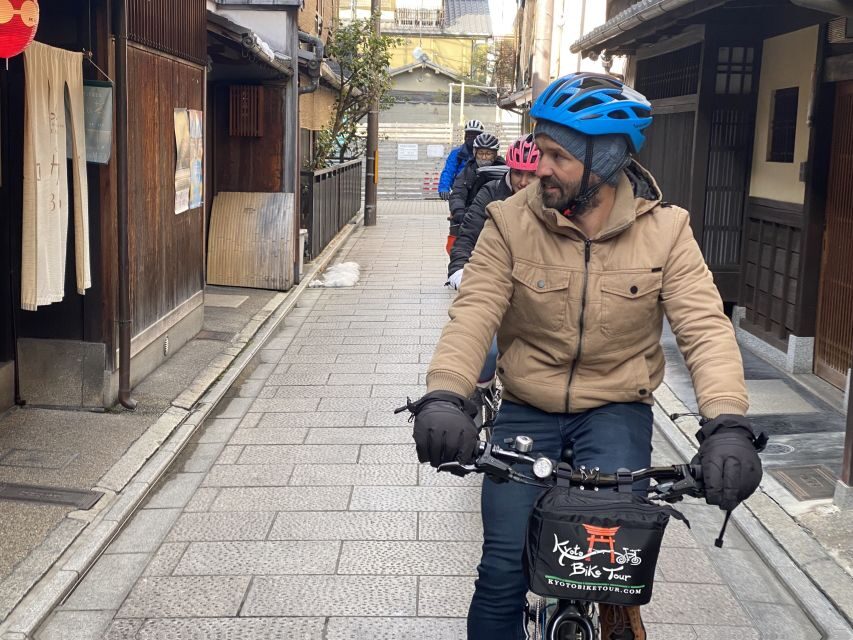
Meet outside JR Saga Arashiyama Train Station. I like this setup because you’re already at a real transit hub, and you can show up without needing hotel pickup. Your guide will be easy to spot, wearing a bike helmet and a Kyoto Bike Tour shirt.
Before the first stop, you’ll get a safety briefing and a bike fitting. That matters here, because the route is about much more than short sightseeing stops. Once you’re comfortable, the day becomes a steady flow of riding and looking, not a stop-start shuffle.
Other cycling tours in Kyoto


Riding into Arashiyama Bamboo Grove’s soft, swaying scene
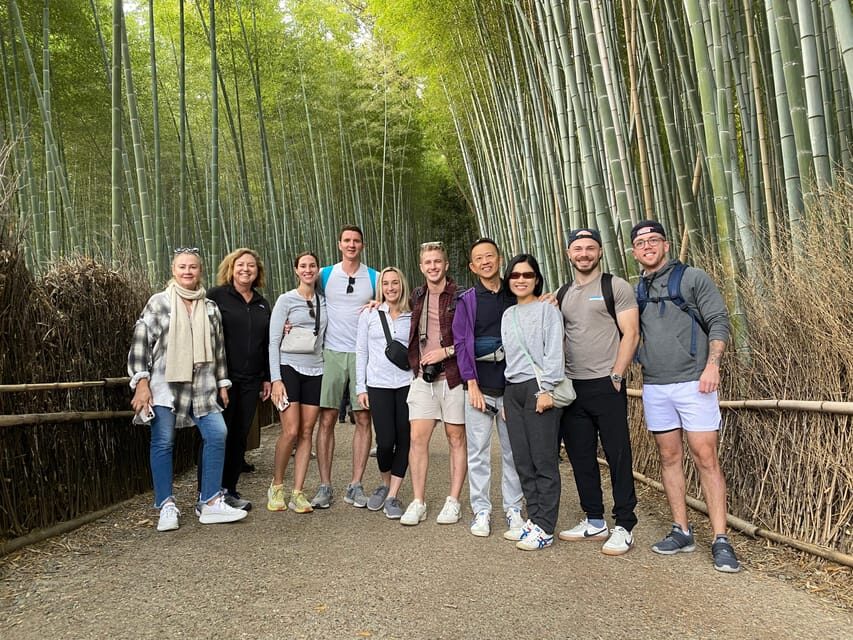
The day kicks off at Arashiyama Bamboo Forest with about 30 minutes on site. Yes, it’s one of Kyoto’s most photographed places, but by bike you’re not just standing in a crowd. You’re moving through it at a leisurely pace, and that changes the feel. The stalks create a tunnel effect, and light filters in ways you miss when you’re always pausing for traffic or walking in a tight line.
A practical note: bring weather-ready clothes. Bamboo season can feel mild and calm, but you’ll still be outside for a while. If it’s cold, you’ll likely appreciate layers. If it’s hot, you’ll appreciate that you start early and the ride keeps you from waiting in one place too long.
Fushimi Inari Taisha: torii gates and the fox-statue scavenger stroll
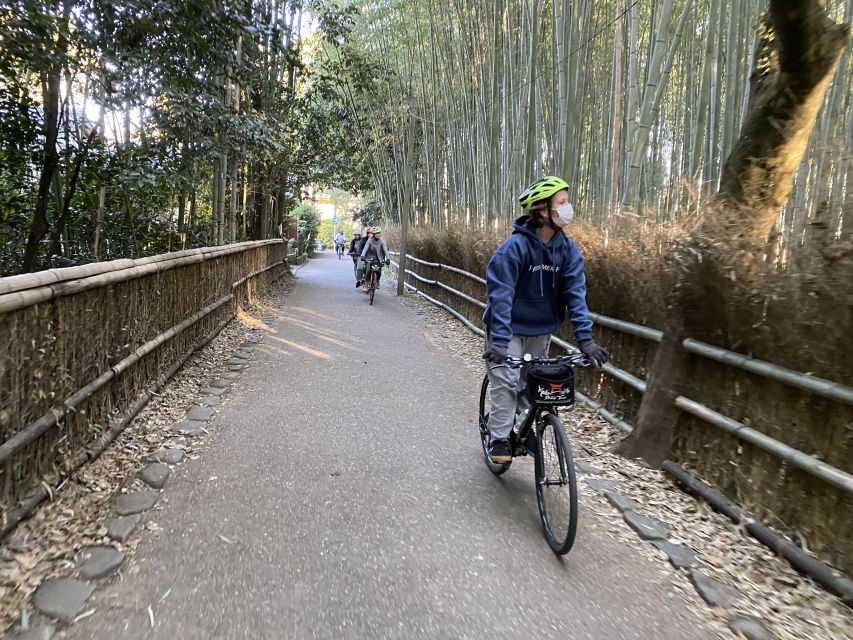
Next comes Fushimi Inari Taisha Shrine and its Senbontorii area, also around 30 minutes. The standout here is not just the famous orange torii gates. It’s the way the gates sit above and guide you through a trail network behind the main buildings. You do not feel like you’re stuck at a single viewpoint.
This is also where the guide-led wandering helps. The shrine has many fox statues, and the fun is in finding as many as you can while you walk. Even if you’ve seen torii photos before, the experience changes when you’re moving through the trails in sequence, noticing how the layout leads your eyes deeper.
Light lunch: fuel up before Gion’s lanes and bridges
After you work up an appetite, you’ll stop for a light lunch. This is one of the smart parts of a long cycling day. You get real food before the next set of stops in the city, and you don’t end the morning feeling drained.
From the way the tour handles breaks, I’d plan to treat lunch as a recharge, not a full meal day. The tour is designed so you keep momentum afterward, especially once you’re back on streets near the Gion area.
Gion by bike: Hanamikoji Street and Tatsumi Bridge viewpoints
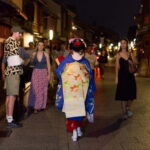
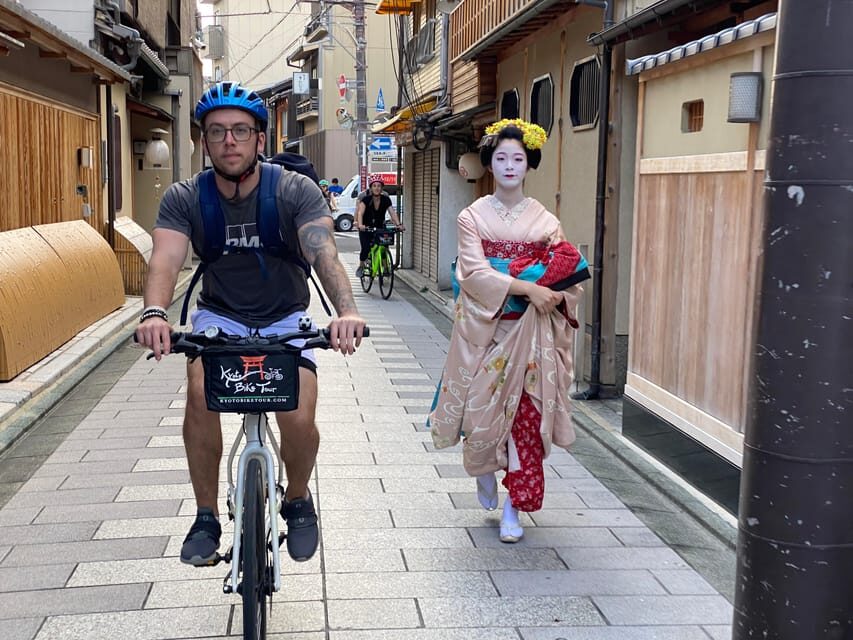
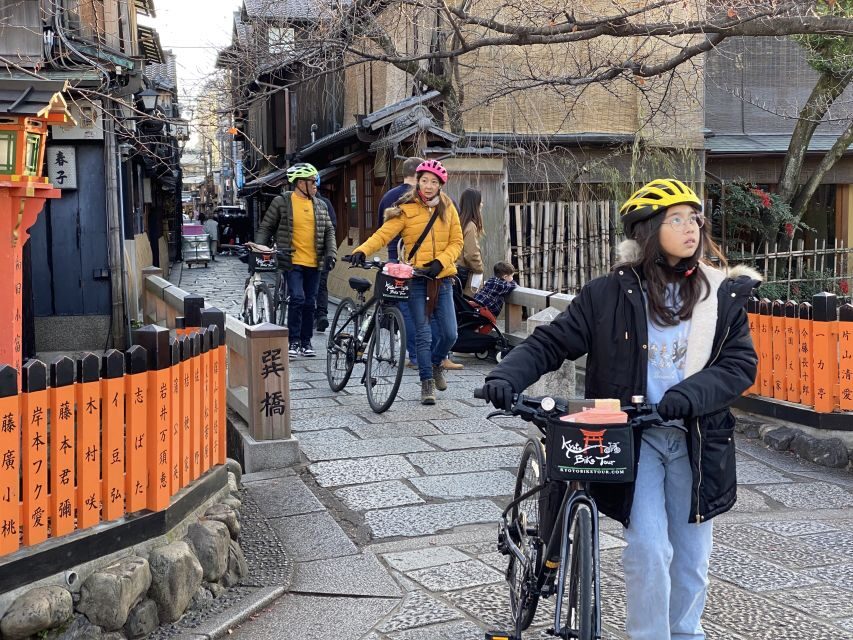
Then you head into Gion, one of Kyoto’s most culturally loaded districts. The tour gives you time to wander around key spots, including Hanamikoji Street and Tatsumi Bridge.
What I like about doing Gion by bike is that you can catch layers of the district without spending the whole day walking uphill or threading through crowds the same way everyone else does. You can look for people in traditional clothing near the bridge area, and then shift to the shopping-and-dining stretch of Hanamikoji Street, with upscale restaurants and boutiques along the way.
This portion can feel very visual, so here’s a tip that pays off: keep one eye on the street flow while you look around. Gion is photogenic, but you still need to respect the pace of the ride and the group. Your guide is there to keep things moving safely, especially as you transition between busier areas and calmer lanes.
Other city tours we've reviewed in Kyoto

Kiyomizu-dera in the eastern hills: UNESCO views plus Otowa Spring
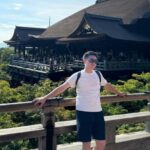
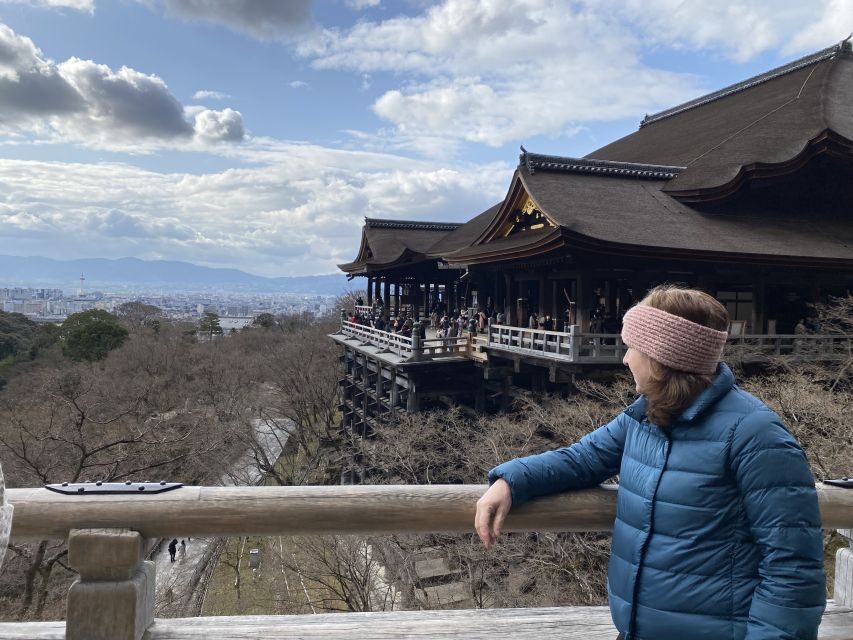
The route turns toward the eastern hills for Kiyomizu-dera, a UNESCO World Heritage Site. You’ll have about 30 minutes here, which is a realistic window for first-timers: enough time to take in the main temple setting and understand why it’s famous, without feeling like you need a full day at every staircase.
A big part of the site is the Otowa Spring. The tour frames it as connected to pure waters with medicinal value, which adds context beyond scenery. You’re seeing the temple, sure, but you’re also getting a sense of why people have long treated this place as more than a landmark.
Season matters. In winter (December to February), stops are made shorter so you finish before sunset. If you’re visiting in colder months, it’s worth mentally adjusting your expectations for how much you’ll be able to linger at each spot.
Kinkaku-ji Golden Pavilion: when the reflecting pond does the magic
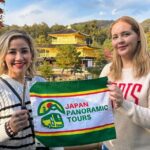
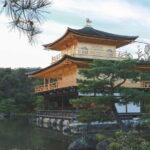
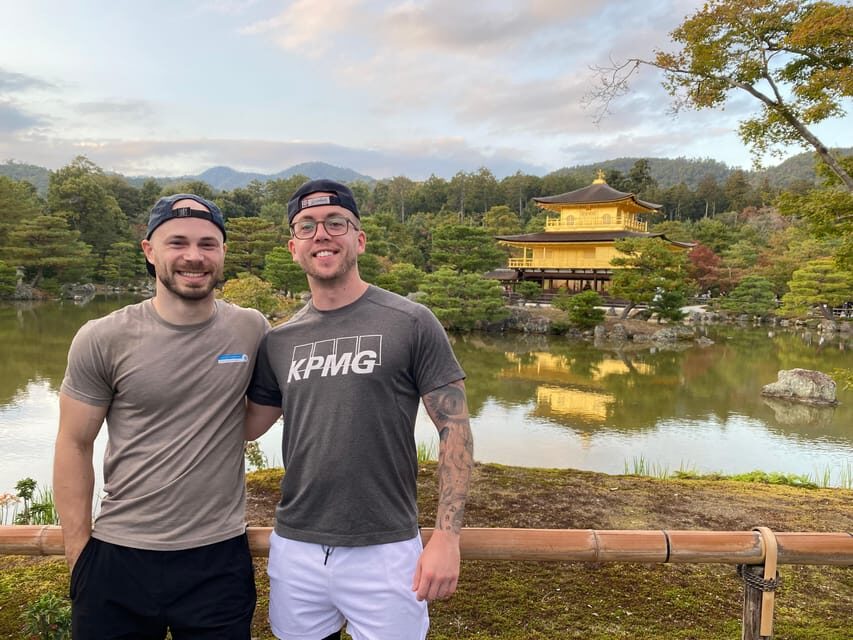
The final major stop is Kinkaku-ji Golden Pavilion, around 30 minutes. This Zen temple dates to the 14th century, and the main visual is the pavilion itself rising above its reflecting pond, like it’s floating.
I like that the tour includes this later in the day. Timing is part of why Kinkaku-ji feels so dramatic in photos and in person. One of the most praised moments from past groups is seeing the pavilion during golden hour, when light makes the gold look extra bright and the pond adds extra shimmer.
Even if you’ve already seen it on screens, seeing it in person hits differently. The gold isn’t just color. It’s contrast—against water, against the structure’s edges, against the sky. Give yourself a moment to step back and take in the whole scene before you start shooting close-ups.
The value question: why $167 feels fair for an 8-hour Kyoto ride
At $167 per person for an 8-hour guided experience, the price makes sense when you look at what’s included. You get:
- Bicycle and helmet
- Entry fees for the stops
- Bottled water
- Light lunch
- A bilingual guide (English is the live tour language)
- Small group size, capped at 8 participants
This isn’t just a sightseeing walk. It’s a full-day plan with routing, timing, and guided context, plus the materials you’d otherwise spend money on (bike and helmet) and time on (figuring out entry logistics). Also, you ride about 44 km/27 mi, so you’re covering ground in a way that feels efficient without feeling like you’re sprinting from site to site.
The one cost caveat: hotel pickup/drop-off isn’t included. You’ll need to get yourself to the meeting point at Saga-Arashiyama Station. If you’re already near the area or can reach it easily, this becomes a non-issue. If not, it’s something to budget for.
Fitness and bike comfort: what 44 km means in real life
The tour is not built for casual half-hour stroll stamina. You’re riding roughly 44 km/27 mi across the day, with guided time at each main stop. The pace is described as leisurely, but the total time on the bike adds up.
That’s why the tour has clear limits: it is not suitable for people with mobility impairments, people with back problems, children under 14, people who can’t ride a bike, or people with low level of fitness.
Here’s the practical move: if you are a decent cyclist but not a long-distance one, consider the e-bike upgrade if it’s offered at booking or locally during the day. Multiple guides-led groups have recommended pedal assist because it lets you keep the experience enjoyable even on longer stretches. The advantage isn’t that you stop pedaling—it’s that you spend less energy fighting hills and traffic pacing.
Who should book this Kyoto bike highlights tour
This is a great fit if you:
- Want a high hit-rate day of Kyoto sights without hopping between vehicles
- Like being outside and moving, not only standing in lines
- Prefer a small group and guided explanations
- Can handle a full day (8 hours) and a longer route (44 km/27 mi)
It’s not the right fit if you:
- Struggle with cycling distance or sustained effort
- Need mobility accommodations beyond what a standard bike day can offer
- Are traveling with someone under 14
Also, dress matters. You cannot wear high-heels, sandals/flip flops, boots, or loose clothing. Bring comfortable shoes and clothes that let you ride comfortably.
A note on the guides and the group experience
The tour experience is very guide-dependent in a good way. Past groups have highlighted guides like Rob, Cass, Peter, and Ray for being organized, safety-conscious, and engaging. You’ll typically get enough detail at each stop to understand what you’re seeing, plus photo time so you’re not just a blur in a crowd.
Because the group is capped at 8, it stays more human scale. That also helps on busy streets, where the guide needs to manage spacing and crossing moments.
Final call: should you book this Kyoto full-day bike tour?
Book this tour if you want Kyoto’s top sites in one day, and you’re comfortable riding a bike for a solid chunk of time. The value is strongest when you appreciate guided context plus a route that gives you real street views, not just postcard stillness. If you’re unsure about your cycling stamina, seriously consider the e-bike option so you can enjoy the sights instead of counting the miles.
FAQ
Is the tour in English?
Yes. The live tour guide language is English.
Where do I meet the guide?
Meet outside JR Saga Arashiyama Train Station. The guide will be wearing a bike helmet and a Kyoto Bike Tour shirt.
How long is the tour?
The duration is 8 hours.
How far do you ride?
You’ll ride about 44 km/27 mi.
What’s included in the price?
Included are the bicycle, helmet, bottled water, entry fees, light lunch, and a bilingual guide.
Is hotel pickup or drop-off included?
No. Hotel pickup and drop-off are not included.
Is an e-bike available?
The information provided includes mentions of a pedal assist e-bike upgrade being chosen by some participants for added help during longer or harder stretches.
What should I wear?
Bring comfortable shoes and comfortable clothes. High-heels, sandals/flip flops, boots, and loose clothing are not allowed.
Who is this tour not suitable for?
It isn’t suitable for children under 14, people with back problems, people with mobility impairments, people who can’t ride a bike, or people with low level of fitness.
What’s the cancellation window?
You can cancel up to 24 hours in advance for a full refund.