Kyoto gets quiet fast. At Hanasaki Manjiro, you step into a restored 120-year-old machiya townhouse in Higashiyama, not far from Kodaiji Temple, and then you get served seasonal kaiseki that feels made for Kyoto’s slow rhythm. I especially like the way the rooms stay calm while your food stays detailed and beautiful.
Here’s the one thing to think about first: it’s a reservation-only dining experience with no guide provided. If you want someone steering you through every step, you’ll need to rely on staff explanations and the menu pacing, and drinks beyond water are extra.
In This Review
- Key highlights at a glance
- A 120-Year-Old Machiya Makes the Meal Feel Like Kyoto
- Seasonal Kaiseki: What You’re Actually Paying For
- Your 2-Hour Flow: Slow Courses, Not a Rush Job
- Tatami Rooms, Garden Views, and the Comfort of Privacy
- Service Style: Expect Explanations and Quiet Hospitality
- Matching the Dinner With Higashiyama Sights (Without Stress)
- Price and Value: Is $48 Reasonable for Kaiseki?
- Getting There: Walking Times That Actually Matter
- Who This Experience Fits Best
- Should You Book Hanasaki Manjiro Kaiseki?
- FAQ
- FAQ
- How long is the kaiseki reservation?
- What’s included in the price?
- Are drinks included?
- Is there a guide with this experience?
- Where should I go to meet the restaurant area?
- Is the restaurant wheelchair accessible?
- What is the cancellation policy?
Key highlights at a glance
- 120-year-old machiya townhouse gives you real old-town Kyoto instead of a modern dining room
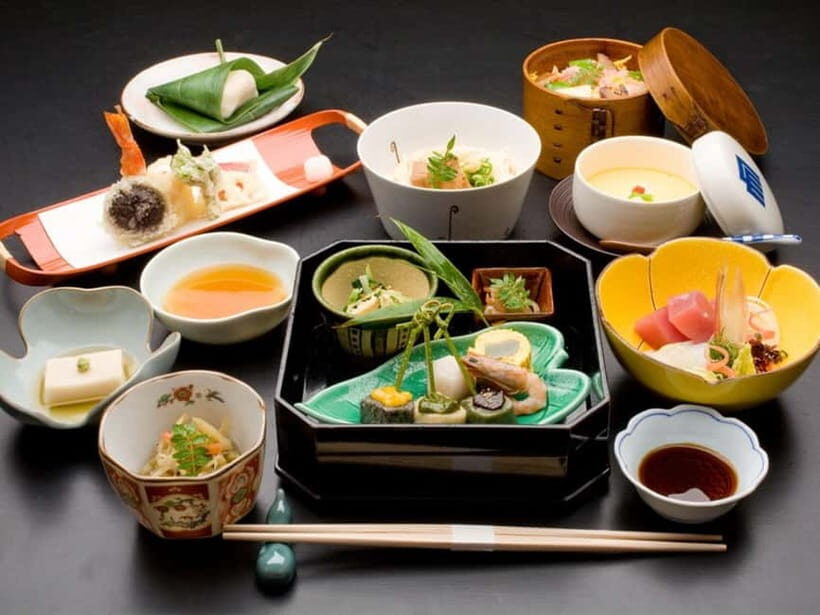
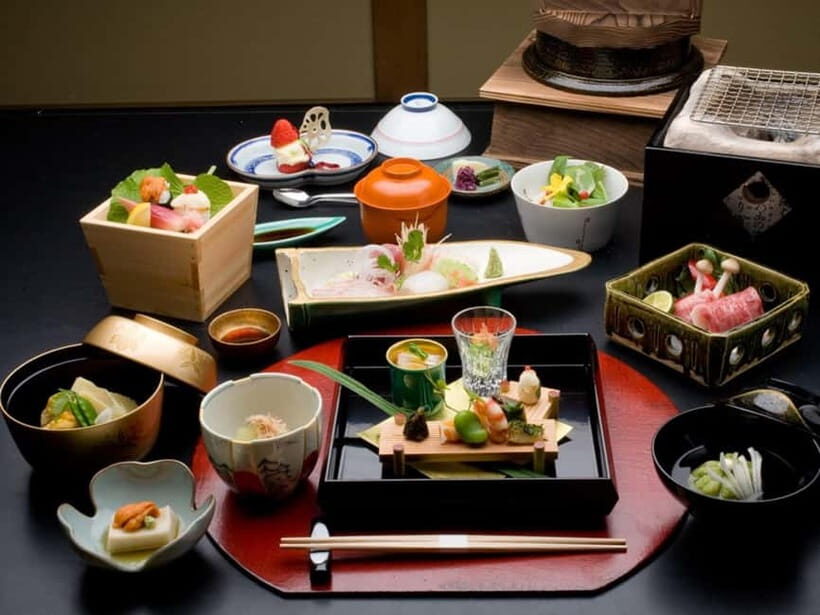
- Seasonal Kyoto kaiseki built around Kyoto vegetables and local ingredients
- Private tatami rooms with garden views make the meal feel personal
- Easy walk to big Higashiyama sights like Kodaiji, Chion-in, and Kiyomizu-dera
- Maiko or geiko performances available on request for extra cultural flavor
A 120-Year-Old Machiya Makes the Meal Feel Like Kyoto
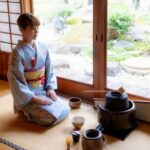
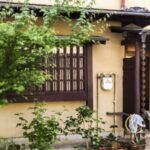
This experience starts before the first course. Hanasaki Manjiro lives in a traditional 120-year-old townhouse in Higashiyama, the older side of town where streets and buildings still feel time-worn in a good way. Even after the bustle of the main sightseeing routes, the restaurant area feels like it has its own pocket of quiet.
Why that matters: kaiseki is not just food. It’s a kind of slow attention—seasonality, presentation, and atmosphere all work together. When your setting already looks and feels traditional, you don’t have to pretend to be in the mood. Your surroundings do it for you.
I also like that you’re near major landmarks. You get the charm of a tucked-away spot, but you’re not stuck out in the countryside.
If you're still narrowing it down, here are other tours in Kyoto we've reviewed.


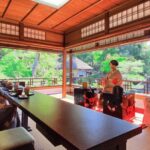
Seasonal Kaiseki: What You’re Actually Paying For
You’re booking a full course menu for about 2 hours. The price is $48 per person, and it includes the sales tax and the reservation itself. That’s important value-wise because Kyoto dining can get expensive quickly, and kaiseki is inherently a multi-step experience, not a quick plate-and-go meal.
What “seasonal” means here is tied to Kyoto’s ingredients and timing. The kitchen focuses on Kyoto vegetables and local materials, so the menu changes with the year. That’s the whole point of kaiseki: the dishes are meant to match what’s available now and what’s appropriate to the season, not what’s most convenient to serve year-round.
From feedback you’ll see a pattern: diners remember the delicacy more than the volume. If you’re the type who eats for comfort, you might feel like you’re on a tasting menu “diet.” If you enjoy nuance—light flavors, careful plating, and courses that move you from taste to taste—you’ll likely be in your happy place.
One more practical note: some diners mention loving specific items like very fresh shrimp and even wagyu when it shows up on the seasonal lineup. And if you’re the kind of person who hates wasting food, you might be glad to know that at least one diner was provided packed eel rice for later. So this isn’t only about eating politely in the moment; it can extend beyond the table.
Your 2-Hour Flow: Slow Courses, Not a Rush Job
Kaiseki is designed to unfold. The meal is scheduled for around two hours, which gives you time to settle in, eat calmly, and let each course land properly. This is the opposite of the “fast restaurant” plan, so don’t schedule a hard deadline right after your seating.
A lot of the charm comes from pacing and explanation. Staff focus on walking you through what’s in each dish, and diners call out the detail of those explanations as a big part of why the meal feels special. If you’re worried about language, don’t be. Clear service helps a lot, even if your Japanese is basic.
Also, consider how hungry you’ll be when you arrive. One diner advice stands out: eat with an empty stomach for the full experience, or consider going lighter if you prefer smaller portions. That’s not a complaint—it’s just smart planning. A full multi-course dinner can feel like a lot because it’s layered. You don’t want to be half-full and then wonder why your favorite course tastes a little “too delicate” to enjoy.
Tatami Rooms, Garden Views, and the Comfort of Privacy
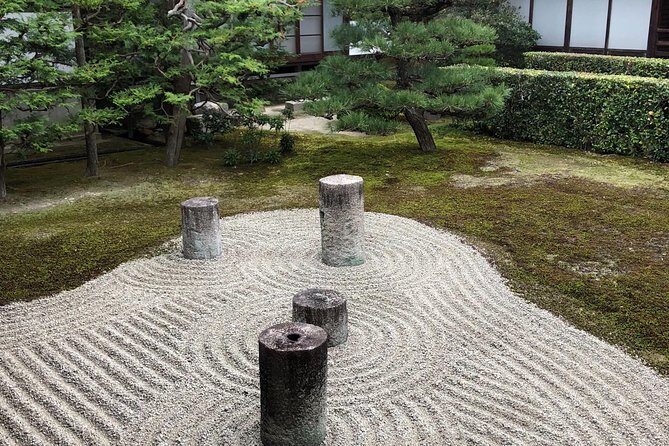
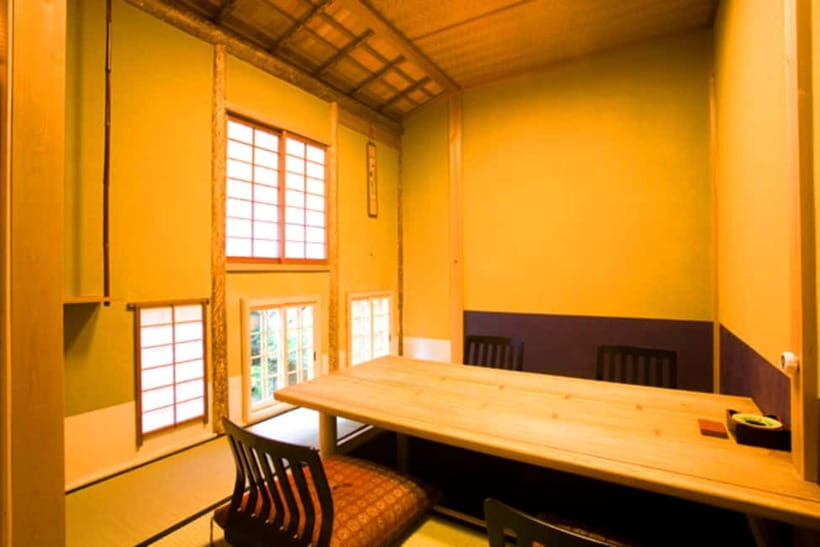
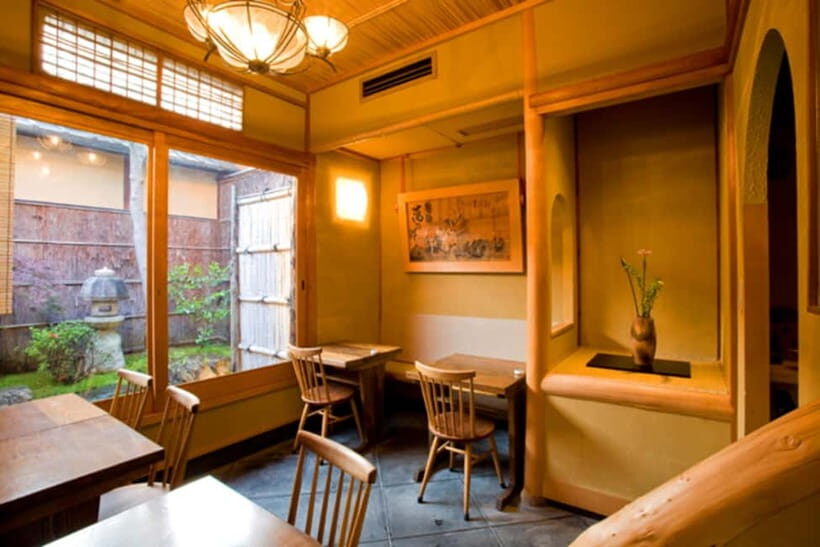
The restaurant uses private tatami rooms, and many of them come with tranquil garden views. This is one of the most calming parts of the experience because it turns your dinner into your own little scene. Instead of sharing noise, you get to watch the room details, notice the quiet, and focus on the food.
The privacy also supports the pacing. Kaiseki works best when you’re not constantly thinking about where to put your chopsticks, how loud the table next to you is, or whether you’ll be rushed to finish. Here, you can just move course to course without the pressure of a stopwatch.
If you’re traveling with someone you like—partner, friend, family—this setup can make the night feel more like an occasion. It’s also a great “reset” during a sightseeing-heavy day. Higashiyama mornings and afternoons can get crowded; this is a way to let your body cool down.
And yes, you might even meet the chef/owner. At least one diner mentioned the chef/owner coming out personally, which signals a real pride in the meal rather than a purely commercial operation.
Service Style: Expect Explanations and Quiet Hospitality
Service is a big part of why this kaiseki reservation earns such strong ratings. People praise how friendly staff are, and how carefully they explain the dishes. That matters because kaiseki is subtle—without a little context, it can turn into just “pretty food.”
One person specifically singled out an English-speaking staff member named Mihoko for thorough answers and cultural insights. Even if your seating doesn’t pair you with the same person, the takeaway is clear: they take communication seriously, and they want you to understand what you’re eating.
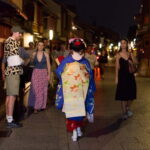
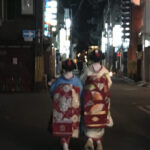
There’s also the cultural bonus option. You can request maiko or geiko performances. Whether you actually add this is up to you, but it’s a thoughtful way to connect the meal to Kyoto’s performing arts traditions without turning the evening into a show-only event.

Matching the Dinner With Higashiyama Sights (Without Stress)
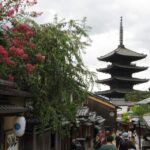
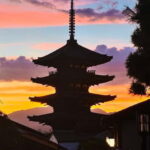
Hanasaki Manjiro sits in Higashiyama and is within walking reach of big names like Kodaiji Temple, Chion-in, and Kiyomizu-dera. That’s valuable because you can plan an easy day around it: temple first, then a calm break, then maybe one last walk to enjoy the lights and streets.
A key tip: don’t treat it like a “grab dinner anywhere” plan. Plan your sightseeing around your seating time. Higashiyama crowds build quickly in popular areas, so having a reservation you can rely on helps you avoid wandering with growing hunger.
The restaurant is also on or near the Higashiyama Sando atmosphere—an older pedestrian route known for history and charm. Even if you’re not religiously touring temples, that route is worth sampling because it gives you Kyoto’s street-life feel in a walkable way.
Price and Value: Is $48 Reasonable for Kaiseki?
Let’s talk money plainly.
You’re paying $48 per person, and it includes the full course menu, sales tax, and the reservation. Water is included, but drinks (other than water) aren’t included, so plan on extra cost if you want tea or alcohol.
So what are you really buying?
- A full kaiseki sequence (not a single dish)
- A traditional machiya setting you can’t replicate at a typical chain restaurant
- Private tatami dining and garden-view calm
- Service that explains dishes clearly
In other words, you’re paying for the whole package: ingredients, technique, time, and environment. If you’re the type who finds “cheap food” boring after a few days, this is the kind of splurge that actually changes your trip. It’s also a solid value compared with what you’d expect for Kyoto’s most atmospheric dining experiences.
One more practical warning from real-life experience: kaiseki is refined, not filling in a way that always matches Western expectations. If you need a very heavy meal, you may have to adjust how much you eat earlier that day. If you want a lighter, more delicate dining style, you’ll probably feel like you got exactly what you came for.
Getting There: Walking Times That Actually Matter
Your easiest anchors are transit hubs near Gion and Kawaramachi. It’s about a 10-minute walk from Gion-Shijo Station on the Keihan Main Line. It’s also around a 15-minute walk from Kawaramachi Station on the Hankyu Kyoto Line.
This matters because Higashiyama’s best areas are walkable but can feel longer than they look on a map. Having those walking windows makes planning safer, especially if you’re also visiting temples nearby.
Also note this part: it’s a restaurant reservation only experience. When your reservation time comes, you enter the restaurant directly. And there’s no guide provided, so don’t count on a person meeting you with a briefing. If you’re the type who likes a bit of structure, the staff explanations during the meal will be your main guide.
The venue is also wheelchair accessible, which is a real plus for travelers who don’t want to give up Kyoto experiences because of stairs or narrow streets.
Who This Experience Fits Best
This kaiseki reservation fits best if you want one night in Kyoto that feels like Kyoto, not just “Kyoto on a schedule.”
It’s a great choice for:
- Foodies who like seasonal ingredients and careful presentation
- Couples or anyone planning a special evening with privacy
- Travelers who want a quiet break from crowds while still staying near top sights
- People who appreciate cultural details, especially if you add a maiko/geiko performance request
If you hate structured pacing and prefer fast, loud, casual dining, you might find kaiseki a little too calm. But if you’re happy slowing down for two hours, this is the kind of meal that makes the rest of your trip feel more intentional.
Should You Book Hanasaki Manjiro Kaiseki?
Yes, if you want a Kyoto dinner that blends traditional machiya atmosphere, seasonal kaiseki, and private tatami calm in one plan. The price is straightforward, and the value comes from the full course experience plus the setting.
Book with extra care if you:
- Are counting on a guide (there isn’t one)
- Expect unlimited drinks included (water is included, other drinks cost extra)
- Want a heavy, hearty meal with big portions
If you match those expectations, you’re likely to come away thinking about the flavors and the room—not just the fact that you ate in Kyoto.
FAQ
FAQ
How long is the kaiseki reservation?
The experience lasts about 2 hours, depending on the seating time you choose.
What’s included in the price?
The price includes the full course menu, sales tax, and the reservation.
Are drinks included?
Water is included, but drinks are not included beyond that.
Is there a guide with this experience?
No guide is provided. You enter the restaurant directly at your reservation time.
Where should I go to meet the restaurant area?
It’s about a 10-minute walk from Gion-Shijo Station (Keihan Main Line) or about a 15-minute walk from Kawaramachi Station (Hankyu Kyoto Line).
Is the restaurant wheelchair accessible?
Yes, the activity is listed as wheelchair accessible.
What is the cancellation policy?
You can cancel up to 24 hours in advance for a full refund.
If you tell me your travel month and whether you prefer lighter or more filling meals, I can help you decide the best timing for this within a Higashiyama day plan.