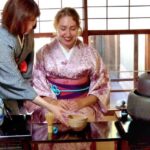
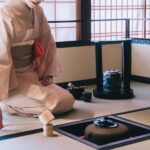
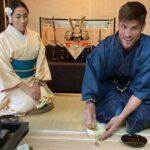
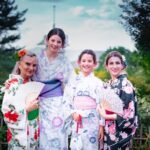
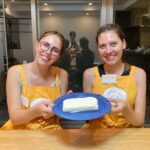
Fresh matcha kicks off this Kyoto lesson.
I like that Emika opens her home for a private cooking class where you cook with organic garden vegetables and then eat what you made while chatting like a neighbor. You’ll start (or end) with freshly made matcha prepared by Emika or her father, learn traditional Kyoto Obanzai favorites, and finish with a tea ceremony that turns the meal into something more than just food.
One thing to plan for: there’s no hotel pickup, and the meeting address is near public transportation, which means you’ll likely use transit plus a short walk.
In This Review
- Key things to know before you go
- Why a Kyoto home cooking class feels more real
- Meeting Emika in Nishikyo: matcha first, questions welcome
- Sushi cooking: how the class usually flows (and why you’ll care)
- Obanzai menu option: Kyoto’s everyday vegetable magic
- The meal: local alcohol, matcha pairings, and real conversation
- Tea ceremony ending: why it’s more than a photo moment
- Optional market tour: shop after you cook, not before
- Price and value: is $109 per person fair?
- Who should book this Kyoto class (and who should think twice)
- Should you book Emika’s sushi and Obanzai class?
- FAQ
- What is included in the private Kyoto sushi cooking class and tea ceremony?
- How long does the experience last?
- Is this experience private or shared with other groups?
- Can I choose between a sushi menu and an Obanzai menu?
- What kinds of dishes will I cook?
- Do I get matcha or alcohol during the meal?
- What is the Market tour option, and when does it happen?
- Where does the experience meet?
- Is hotel pickup and drop-off included?
- What is the cancellation policy?
Key things to know before you go
- Private, home-based instruction with a Kyoto host in a real kitchen setup.
- Matcha and a tea ceremony bookend the meal with a traditional rhythm.
- Sushi or Obanzai menu choices you decide on when booking.
- Seasonal, local ingredients including vegetables Emika grows organically.
- Optional market tour happens after you cook and eat, so you shop with real context.
- Local alcohol or matcha pairings are included alongside the meal you prepare.
Why a Kyoto home cooking class feels more real
Cooking with a local beats a “watch and snack” experience. In Emika’s home, the focus is not just technique. It’s also the small culture stuff—how people talk about food, what matters to them, and the pace of eating together.
I also like that this class is built around Kyoto-style food: Obanzai. That word matters because it points to everyday home cooking in Kyoto—seasonal, flexible, and not built for tourists. You’re not just learning recipes; you’re learning why those flavors belong in this city.
A few more Kyoto tours and experiences worth a look
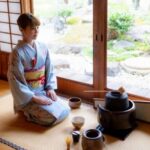
Meeting Emika in Nishikyo: matcha first, questions welcome
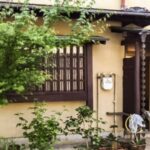
The class takes place at 31-30 Katsurainariyamachō in Nishikyo Ward. It ends back at the same meeting point, so you’re not juggling a drop-off somewhere else.
Plan to arrive ready to walk a bit. One helpful detail from past diners: Emika’s place is a short walk from the station. Using Google Maps makes it much easier as you thread through the neighborhood streets.
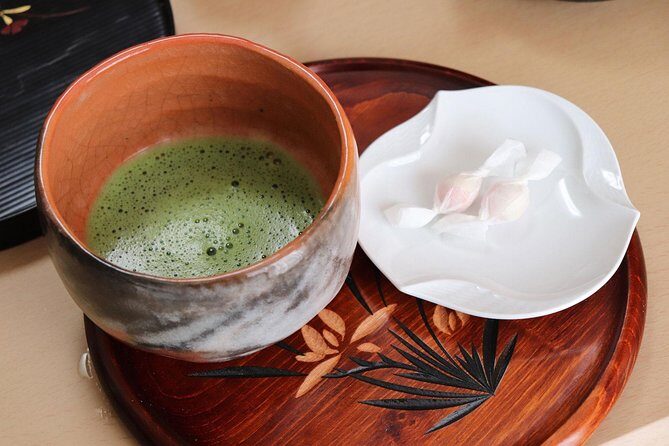
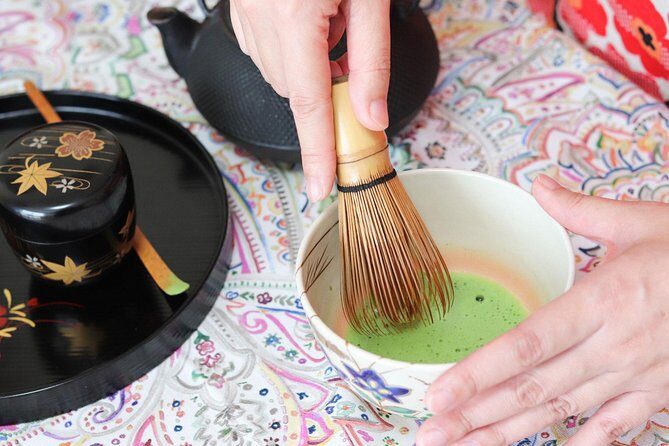
Before the cooking gets serious, expect matcha prepared fresh by Emika or her father. That first sip sets the tone. You settle in, you start asking questions, and you get a feel for how the night—or meal—will flow.
Sushi cooking: how the class usually flows (and why you’ll care)
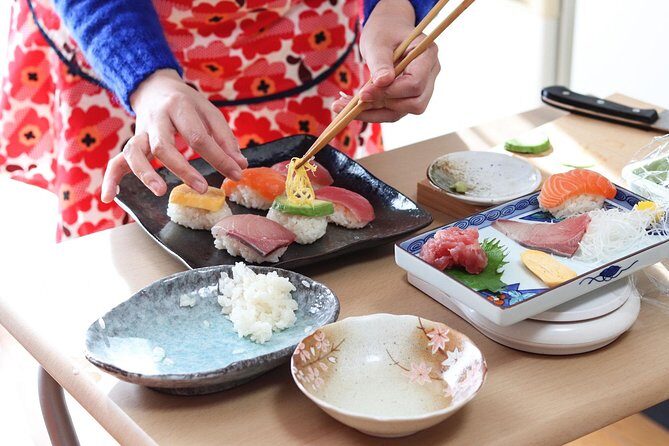
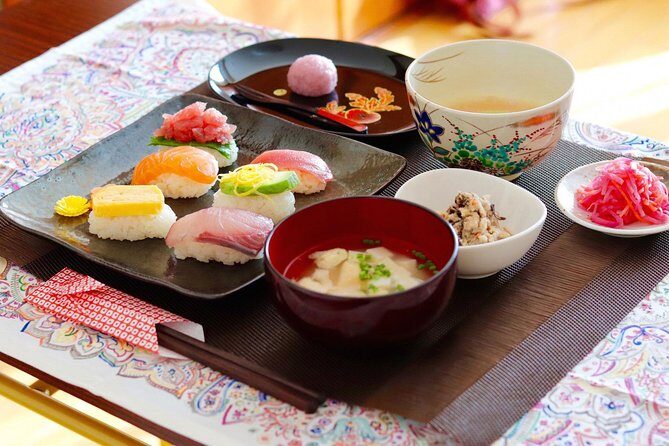
The cooking portion runs about an hour, and it’s structured so you can actually finish your meal. You’ll learn how to make sushi of your choice, then eat it with what you’ve prepared.
Even if you’re new to sushi, the class is designed for all skill levels. The teaching approach is patient and hands-on, with clear instructions for steps like preparing the sushi rice and shaping/assembling your rolls or pieces. If you’ve ever felt nervous about “messing up,” this format is built to prevent that.
You also won’t leave with sushi alone. Alongside your sushi (or alternative menu), you’ll make two Obanzai-style vegetable dishes. That’s one of the best ways to understand Kyoto: sushi gets the headline, but the sides teach you the local logic of ingredients and seasoning.
Obanzai menu option: Kyoto’s everyday vegetable magic
If you prefer Obanzai, you’ll choose that preference when booking. Either way, you’re working with Kyoto home cooking basics—vegetables, miso, tofu, and dishes that taste like they belong in the season you’re visiting.
Some classic examples mentioned for this style include marinated mushrooms, slow-cooked vegetables, miso soup, and tofu dishes. The point isn’t memorizing a long menu. It’s learning how these flavors are built: salt, sweetness, savoriness, and that gentle balance Kyoto cooks aim for.
A standout benefit: Emika grows vegetables organically. You’ll use her produce in at least one of the dishes, so the ingredients aren’t generic supermarket stand-ins. They taste like something specific, and that makes the recipes easier to repeat at home because you’re not guessing what the ingredient should taste like.
The meal: local alcohol, matcha pairings, and real conversation
After cooking, you eat together. This is where the experience earns its value. You sit down with the food you made, and the conversation shifts naturally into Japanese customs and food culture.
If you want a drink with your meal, local alcohol is included (typically 1–2 glasses). Past participants also noted choices like nigori sake, which makes sense because it pairs well with rich savory dishes and tofu/miso flavors. If you’d rather stay with tea, matcha is part of the experience anyway.
Timing is tight enough to feel fun, not rushed. Cooking is roughly an hour, then you settle into the meal. That pacing is good for people who don’t want a half-day commitment but still want something that feels substantial.
Other private tours in Kyoto


Tea ceremony ending: why it’s more than a photo moment
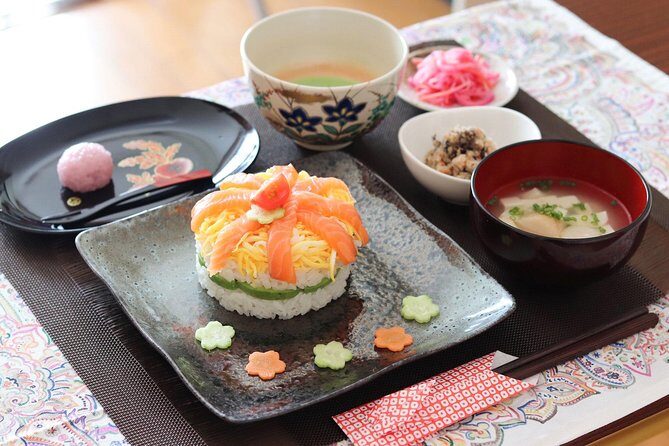
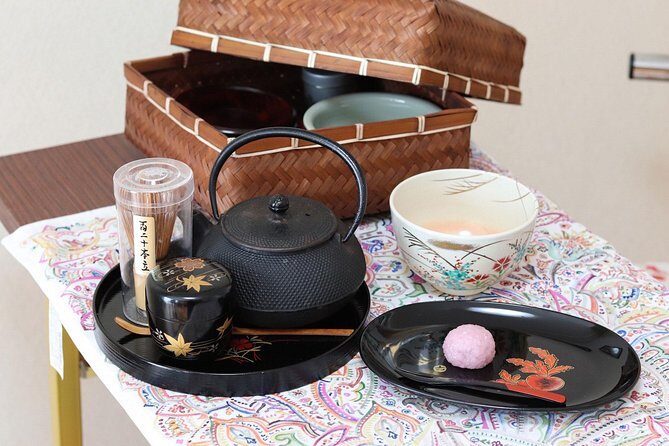
Your meal ends with a tea ceremony. This isn’t just a final flourish; it changes how you taste what you cooked. Tea cuts through richness, calms spice, and brings you back to the basics of aroma and temperature—especially after sushi and warm dishes like miso soup.
You’ll also likely connect this ceremony to the earlier matcha moment. Since matcha is prepared fresh by Emika or her father at the start or end, the tea service feels like a thread running through the whole visit.
For me, the best tea moments are the simple ones: slow attention, a short explanation, and the chance to see how locals treat small rituals as part of everyday life.
Optional market tour: shop after you cook, not before
If you choose the Market tour option, you’ll add about one hour of shopping-style time at a supermarket/produce store where locals typically shop. The key detail: this happens after your cooking class and lunch, not before.
That order matters. You’ll cook with ingredients you already saw in your preparation, so when you walk through the store afterward, the food aisle becomes a learning space. You know what to look for because you just handled it in the kitchen.
There’s also a short walk together (about 10 minutes) to the supermarket after the meal. Emika can help you understand Japanese ingredients and seasonings, and she can point out what to buy if you want to recreate the flavors at home. You can also purchase items to take back.
Price and value: is $109 per person fair?
$109 per person sounds like a lot until you compare what you’re actually getting. This is a private class in someone’s home, not a shared workshop space. You’re paying for real instruction, ingredients, and the meal itself—plus local alcohol and a tea ceremony.
You’re also getting context you can’t buy from a recipe card. You learn how Kyoto people think about seasoning and seasonal produce, and you get time to ask questions in plain conversation. That alone can save you frustration if you’ve ever tried cooking Japanese dishes at home and wondered why it didn’t taste right.
For families and mixed groups, the format can be a strong value too. The teaching style is patient and works across ages, and the class accommodates dietary needs when you tell Emika ahead of time. If you have even a basic comfort with cooking, you’ll likely leave with skills you’ll use again.
Who should book this Kyoto class (and who should think twice)
This fits well if you want a Kyoto experience that isn’t staged. If you like hands-on cooking, conversation, and eating what you make, this is a great match.
It’s also a smart choice if you care about ingredients. Since Emika grows vegetables organically and uses seasonal items, the class feels connected to Kyoto’s food reality.
Consider a different option if you strongly dislike walking. There’s no hotel pickup, and you should expect transit plus a short neighborhood walk.
Should you book Emika’s sushi and Obanzai class?
Yes, I’d book it if you want an authentic Kyoto food day that stays personal. The combination of home cooking, matcha, a tea ceremony, and optional market time is a strong package for $109—especially because you’re learning Kyoto-style flavors, not just following a generic recipe.
If you’re the type who likes to return home with practical steps and ingredient awareness, this works. You’ll leave with a clearer sense of how Obanzai dishes balance miso, tofu, vegetables, and seasonal changes—plus sushi skills you can actually use.
Just do one thing before you go: tell Emika your preference (sushi vs Obanzai) and any dietary needs early. That’s what keeps the meal comfortable and makes the whole class run smoothly.
FAQ
What is included in the private Kyoto sushi cooking class and tea ceremony?
The experience includes the private cooking class and tea ceremony with your host Emika. It also includes local alcohol (1–2 glasses). If you choose the Market tour option, a supermarket and produce market tour is included.
How long does the experience last?
The duration is about 3 hours.
Is this experience private or shared with other groups?
This is a private tour/activity, so only your group participates.
Can I choose between a sushi menu and an Obanzai menu?
Yes. You should inform your host Emika if you would prefer a sushi or Obanzai (native Kyoto) menu when making your booking.
What kinds of dishes will I cook?
You’ll learn how to make sushi of your choice or a traditional main, plus two Obanzai-style vegetable dishes. The experience also involves dishes such as miso soup and tofu dishes, and it uses traditional Kyoto ingredients like marinated mushrooms and slow-cooked vegetables.
Do I get matcha or alcohol during the meal?
Both are part of the experience. Emika prepares matcha, and local alcohol (1–2 glasses) is included. Matcha can also be paired with your food.
What is the Market tour option, and when does it happen?
If you choose the Market tour option, Emika takes you on a 1-hour tour to a supermarket and produce store where locals shop. After your cooking class and lunch, you walk about 10 minutes together to the supermarket, where Emika can help you understand ingredients and seasonings.
Where does the experience meet?
You meet at 31-30 Katsurainariyamachō, Nishikyo Ward, Kyoto, 615-8025, Japan. The activity ends back at the meeting point.
Is hotel pickup and drop-off included?
No. Hotel pickup and drop-off is not included.
What is the cancellation policy?
You can cancel for a full refund up to 24 hours before the experience’s start time. If you cancel less than 24 hours before, the amount paid is not refunded.