Want to see Kyoto’s torii magic without getting lost? I like this tour because it gets you to Fushimi Inari Taisha with a clear game plan. Two things I really love: you get help making sense of what you’re seeing, and you get the red torii sequence in a tight 2–3 hours instead of wasting time figuring it out on your own. One consideration: it is still a real walk on uneven paths, so you’ll want comfortable shoes and a steady pace.
What makes it work well is the human scale. The group is limited to 9, and the guides (people like Katz, Christiana, Raphael, and Nobumasa) are repeatedly described as patient, friendly, and willing to adjust for different group needs like kids or slower walkers. For most people, this is one of those short tours that makes the famous spot feel personal.
In This Review
- Key things I’d target if I booked again
- Why Fushimi Inari Taisha moves so fast in 2–3 hours
- Meeting at Daily Yamazaki Fushimi Inari Shrine without stress
- The lower shrine: the start of the torii tunnel
- Upper vs lower: choosing Option A or Option B
- Walking the Mount Inari trail for the views that make it worth it
- A small-group tour means pacing feels human
- The street-food stop: a practical 30-minute break
- What you’re paying for: value of $24 in real terms
- Practical tips: shoes, modest dress, and staying on schedule
- Should you book this Kyoto Fushimi Inari Taisha guided walking tour?
- FAQ
- Where is the meeting point for the tour?
- How long is the Fushimi Inari Taisha guided walking tour?
- What is included in the price?
- What is the difference between Option A and Option B?
- Is the tour suitable for people with mobility issues?
- What should I wear or bring?
- How long will the guide wait at the meeting point?
- Can I book last-minute, and what are the cancellation terms?
Key things I’d target if I booked again
- Small group up to 9 means the guide can actually keep track of everyone
- English-speaking guide helps you connect the torii gates to the worship of Inari
- Upper + lower shrine option (Option A) if you want the hiking feel and bigger views
- Lower shrine only (Option B) if you want the main photo corridor without the extra climb
- Short street-food stop gives you a practical break without stretching the day
- Entrance fees included so you can focus on the experience, not the paperwork
Why Fushimi Inari Taisha moves so fast in 2–3 hours
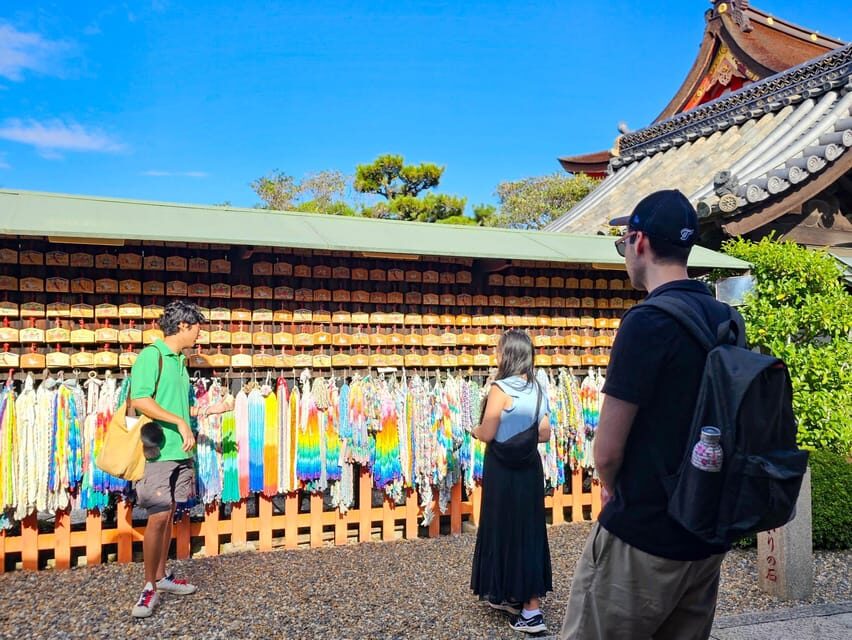
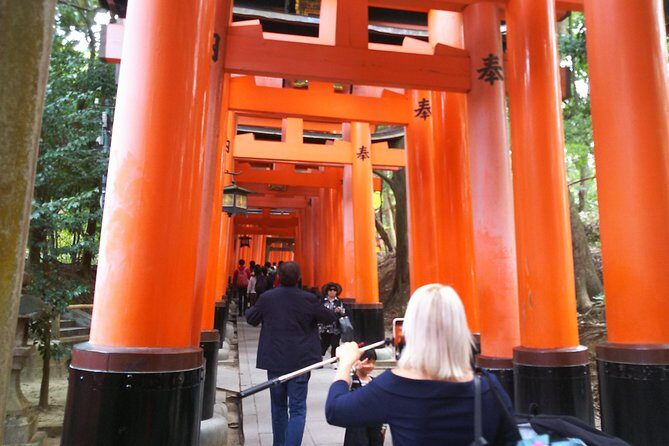
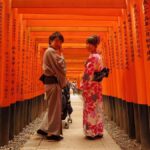
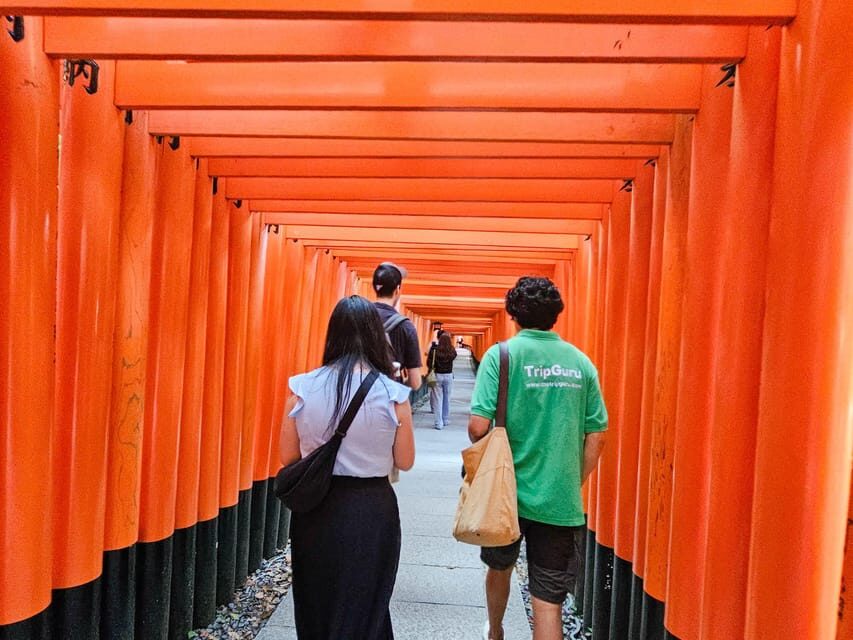
Fushimi Inari Taisha is famous for a reason. Those thousands of bright red torii gates don’t just look cool from a distance. Up close, they create a moving rhythm as you walk—gate after gate—until the whole path feels like a tunnel. Even if you’ve seen photos, the size of the complex and how the gates line up along the mountain trails can hit you differently in person.
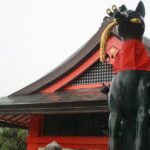
What you’ll learn with a guide matters here. The tour is built to connect the visuals to the meaning. Inari is associated with agriculture and commerce, and the shrine tradition links Inari with foxes as messengers. When you know that, the atmosphere stops being just scenery and starts being context.
The best part for time-crunched days is that you don’t need a half-day commitment. In a couple of hours, you’ll see the lower shrine area and either keep going for the mountain route or choose the easier cut that still delivers the iconic torii corridor.
A few more Kyoto tours and experiences worth a look



Meeting at Daily Yamazaki Fushimi Inari Shrine without stress
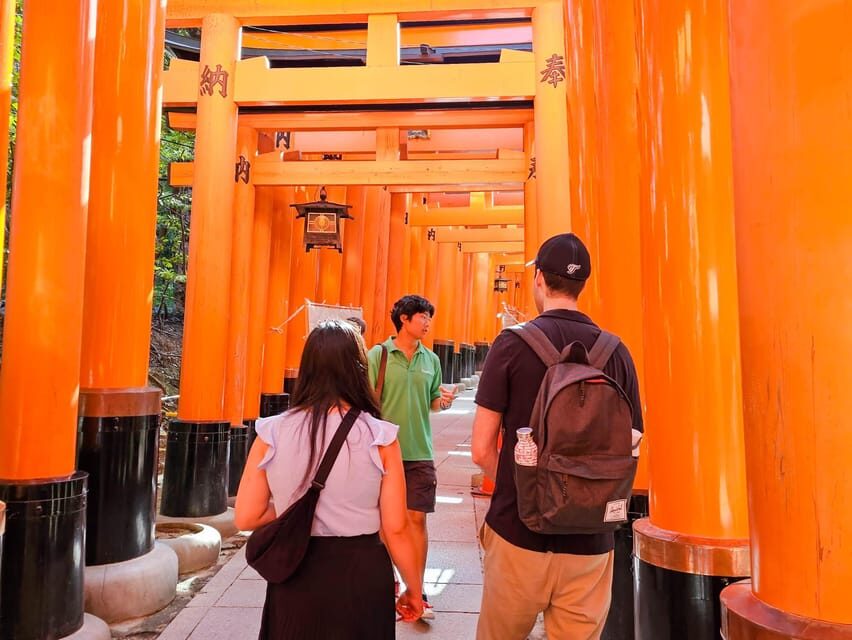
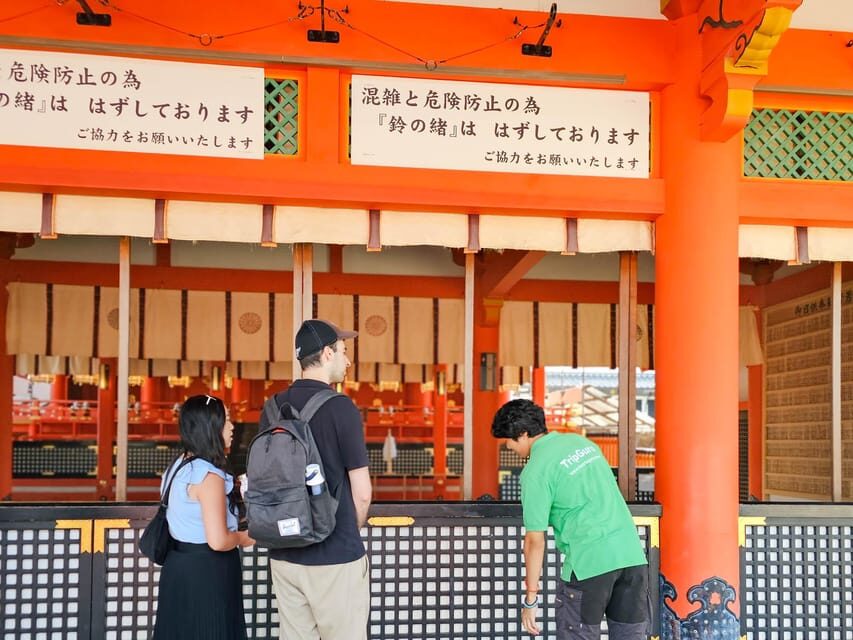
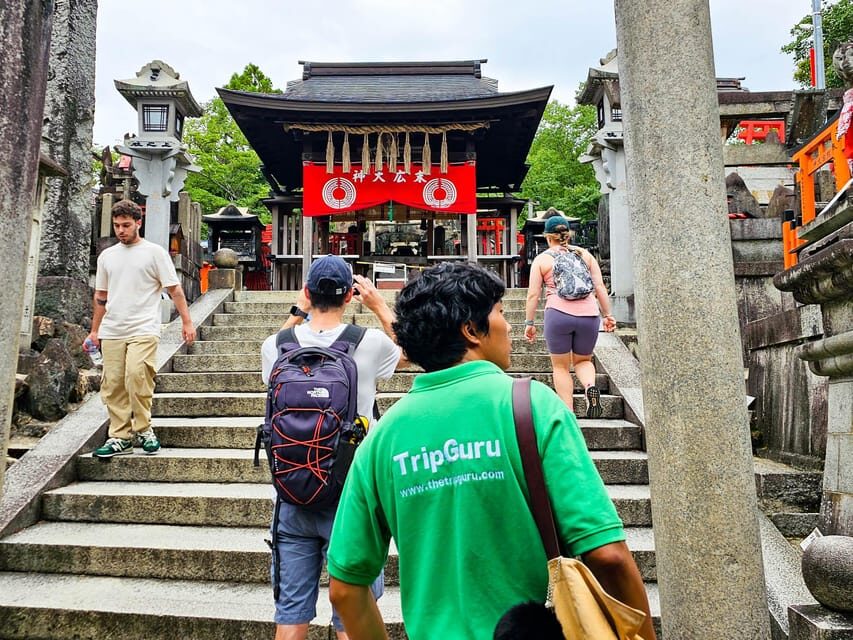
This is a simple meet-and-walk setup. You gather at Daily Yamazaki Fushimi Inari Shrine, and your guide wears a TripGuru shirt or holds a TripGuru sign. That’s helpful because Fushimi Inari can feel like a maze of entrances and side streets when you’re arriving for the first time.
Two practical notes that make a difference:
- Be on time. The guide waits up to 10 minutes before moving to the next stop.
- Plan for traffic if you’re getting there from elsewhere in Kyoto. Morning congestion can be way slower than navigation apps predict.
The tour’s length—2 to 3 hours—also means timing affects your whole day. If you like a calm schedule, show up a bit early so you don’t spend the first 20 minutes thinking about your train or lunch.
The lower shrine: the start of the torii tunnel
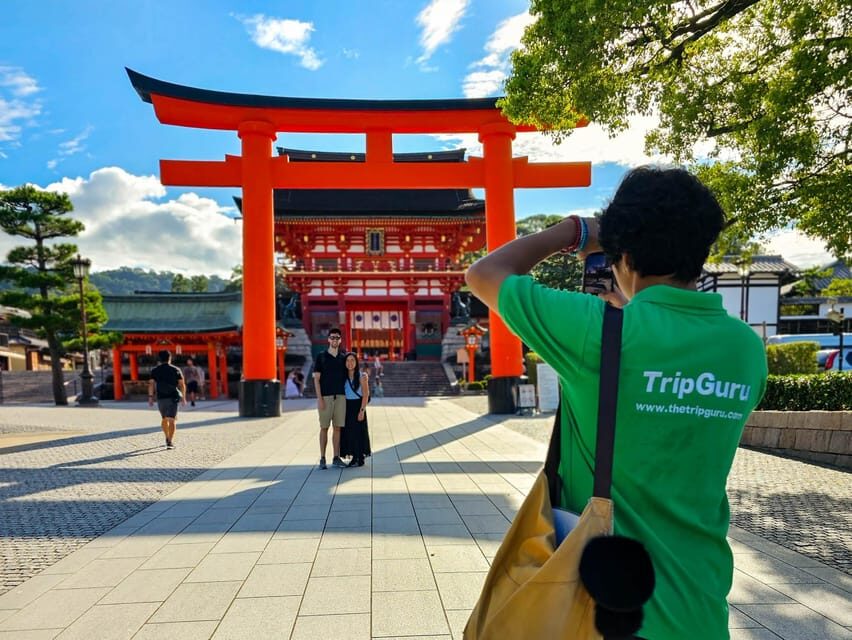
The tour focuses on Fushimi Inari Taisha’s two main areas: the lower shrine at the base of Mount Inari and the upper shrine up the trail. Most people recognize the entrance and the first wave of torii gates, but the guided portion helps you notice details that are easy to miss when you rush for photos.
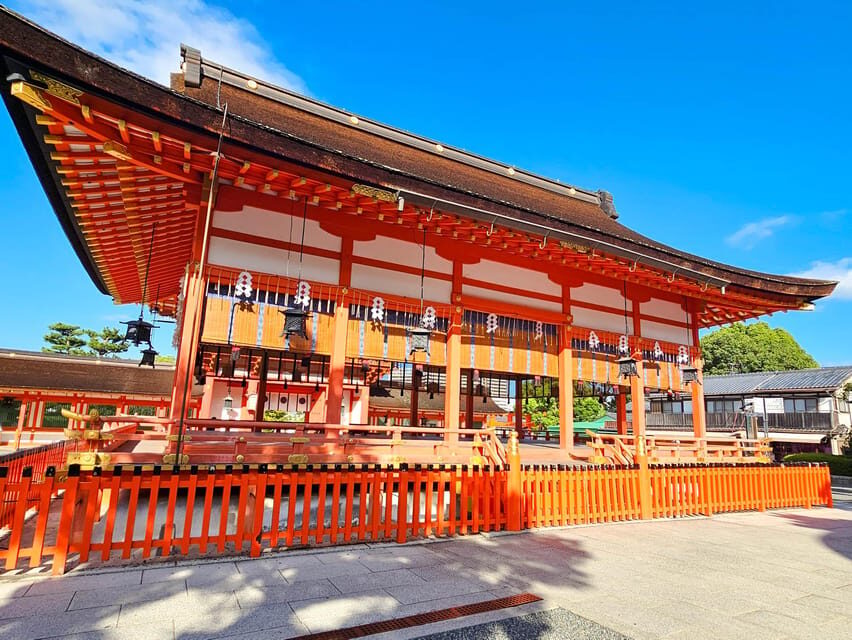
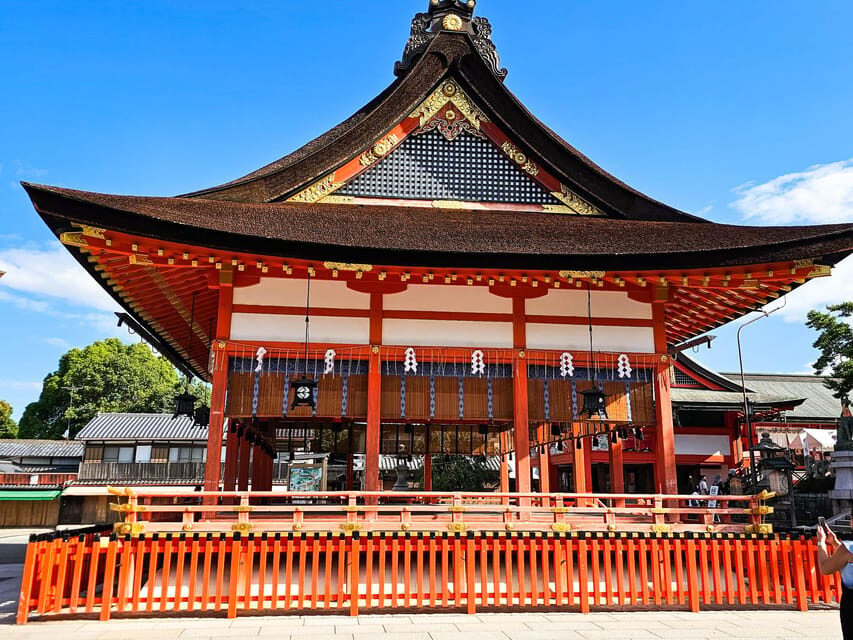
At the lower shrine, you’ll get your bearings. This is where the main entrance area, an offering hall, and several smaller shrines cluster. With a guide, you can understand what you’re seeing without needing to translate every sign on your own.
I also like that the tour structure prevents the common mistake: treating the shrine like a single straight photo stop. Instead, you move through it as a living place with a sequence—gate, viewpoint, shrine detail, and then on to the next section.
Upper vs lower: choosing Option A or Option B
You get two choices, and you should pick based on how you like to move.
Option A (upper + lower shrine)
This includes the hiking trail up toward the upper shrine. You’ll walk about an hour more, and you’ll get smaller shrines along the mountain path plus views of the city and surrounding mountains. If you want the full torii-on-a-hillside experience, this is the one.
Option B (lower shrine only)
If you want the Instagrammable torii gates but don’t want extra climbing, this is the cut-through option. You still cover the main shrine area and the most famous gate corridor feel, without the longer trail.
Here’s how I’d choose:
- Pick Option A if you enjoy walking for the views and want a more varied path.
- Pick Option B if your legs are tired, you’re short on time, or you prefer a tighter route.
One more reality check: the mountain trail means uneven ground. If you’re carrying a day bag or you’re not used to Kyoto’s stone steps, your pace will matter more than you think.
Walking the Mount Inari trail for the views that make it worth it
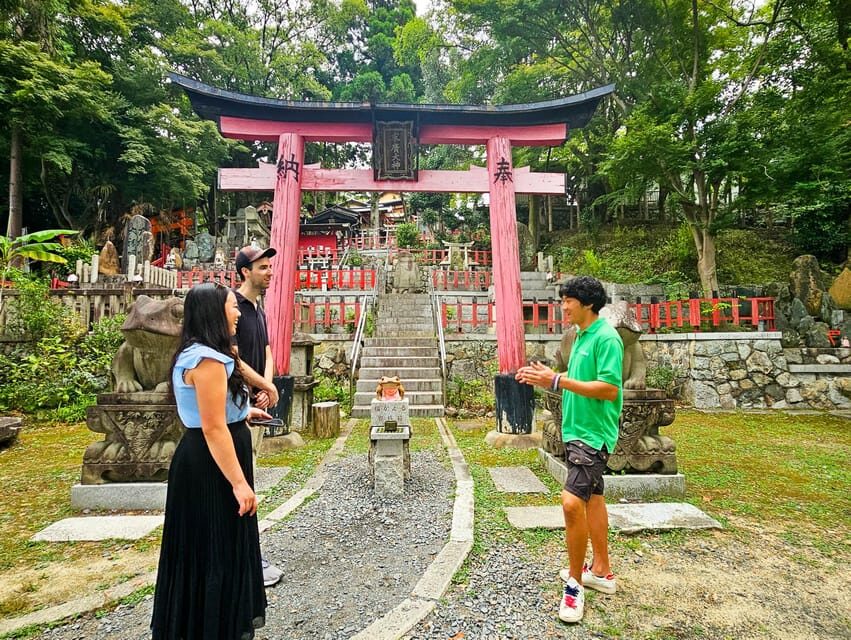
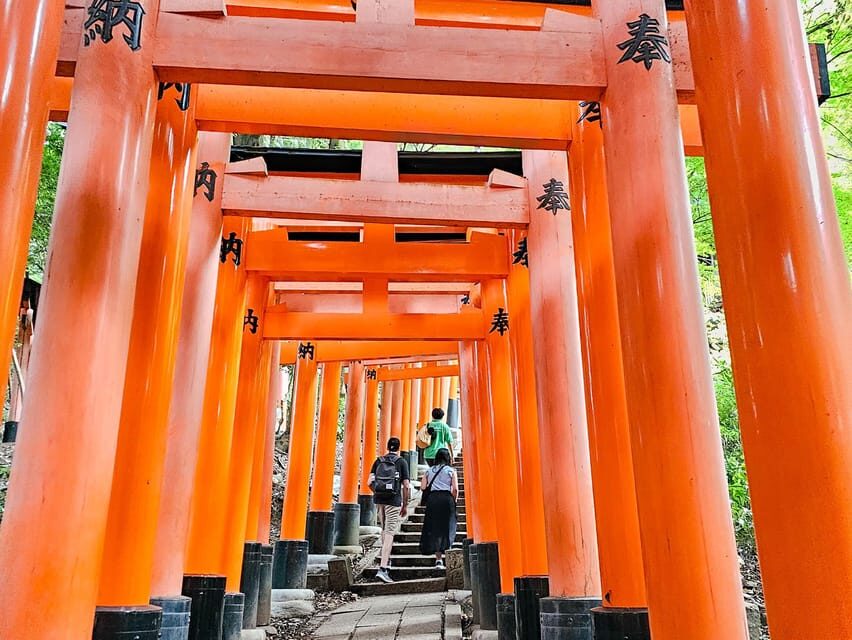
If you go up, the torii gates become more than a backdrop. They line the hiking trail in a way that makes the climb feel like you’re walking through layers of the shrine’s devotion. You’ll feel the change in air and elevation as you move from the dense lower area toward the upper route.
The views are part of the reward. You’ll look out over Kyoto and the surrounding mountains from higher ground, and that perspective helps you understand why this shrine complex exists where it does. It isn’t just a building; it’s a religious path that climbs.
The guide helps most when the walk starts to feel repetitive. Gate after gate can blur together if you’re counting photos only. With a good guide, you’re not just moving forward. You’re understanding what each section represents and why certain spots get worship attention.
Other walking tours we've reviewed in Kyoto






A small-group tour means pacing feels human
This tour’s group size is limited to 9 participants, and that shows in how the experience stays manageable. At a huge shrine, crowds can turn everything into a cattle-march. Here, the guide can slow down, stop when questions pop up, and keep you from accidentally splitting away from the group.
The reviews highlight that the guides can be flexible with different needs. One guide, Raphael, was described as accommodating a group with kids and strollers, which tells me the pacing is not only for fit adults. Nobumasa was mentioned for checking hydration and offering water and mineral sweets, which is smart when you’re walking in warm weather.
Even if your group has no strollers and no kids, the attitude matters. A shrine visit isn’t just the sights—it’s the comfort to take in what you’re seeing without feeling rushed.
The street-food stop: a practical 30-minute break
There’s a stop built in for food. You get street food and a walk for about 30 minutes. I like this because it breaks up the shrine time without turning the tour into a long meal quest.
This is also where you can use your brain differently. Shrine time is visual and reflective. Food time is fast and sensory. And because it’s scheduled inside the tour window, you’re less likely to end up starving at the end when you’re trying to catch transit.
One thing to keep in mind: the tour does not include meals beyond what’s implied by that short food break. So treat it as a bite-sized option to sample rather than a full dinner plan.
What you’re paying for: value of $24 in real terms
The price is $24 per person for a 2–3 hour guided walking tour. For Kyoto, that’s relatively easy to justify when you look at what’s included:
- English-speaking guide
- Entrance fees
- A structured route that covers the shrine’s key areas
- Time-efficient sightseeing with a small group
You’re also buying something less measurable: reduced uncertainty. If you’ve ever arrived at a famous site and spent the first 30 minutes checking maps, arguing about which entrance to use, or waiting for someone to decide, you already know the value of a guide who keeps the plan moving.
One caution on value: this tour isn’t trying to be a full day tour. It’s designed to fit a slot. If you want multiple Kyoto highlights in one day, you’ll need to pair it with other activities.
Practical tips: shoes, modest dress, and staying on schedule
This is where you’ll be happiest if you prep a little.
Shoes: Bring comfortable shoes. The routes include steps and uneven stone, especially if you choose Option A.
Dress code: Plan to dress modestly and respectfully. That means avoiding clothing that’s too revealing or casual—think no shorts or tank tops in shrine areas. If you show up in something too casual, you may feel uncomfortable even before you start walking.
Time discipline: Your guide waits 10 minutes maximum. Also, morning traffic can be unpredictable when you’re heading to the meeting point. Build buffer time so you don’t stress at the start.
Who should skip it: The tour is not suitable for people who are pregnant, have mobility impairments, or have heart problems or respiratory issues. The walking and pace make it a poor match for those situations.
Should you book this Kyoto Fushimi Inari Taisha guided walking tour?
If you want an efficient way to see Kyoto’s most iconic torii experience—and you like having a guide connect meaning to what you’re walking through—I’d book it.
Choose it especially if:
- You have only a couple of hours and still want the main shrine experience
- You want help navigating the lower vs upper choice without second-guessing
- You care about guide quality and pacing, and you appreciate small-group control
Skip it if:
- You don’t want to walk on mountain trails at all, in which case consider sticking to the lower-only option
- Your mobility or health makes longer walking and uneven paths a bad fit
If you line up your shoes, pick Option A or B based on your legs, and arrive on time at Daily Yamazaki, this is a smart, good-value tour that turns a photo-famous place into something you actually understand.
FAQ
Where is the meeting point for the tour?
Meet your guide at Daily Yamazaki Fushimi Inari Shrine. Your guide will be wearing a TripGuru shirt or holding a TripGuru sign.
How long is the Fushimi Inari Taisha guided walking tour?
It runs about 2 to 3 hours, depending on which option you choose and current starting times.
What is included in the price?
The price includes an English-speaking tour guide, entrance fees, and the walking tour itself.
What is the difference between Option A and Option B?
Option A includes exploring both the lower and upper shrine areas with a hiking trail and about an extra hour of walking. Option B focuses on the lower part only if you want to skip the extra climb to the upper shrine.
Is the tour suitable for people with mobility issues?
No. It is not suitable for people with mobility impairments.
What should I wear or bring?
Wear comfortable shoes. You should also dress modestly and respectfully for shrine grounds (avoid shorts or tank tops).
How long will the guide wait at the meeting point?
The guide will wait for a maximum of 10 minutes before proceeding to the next stop.
Can I book last-minute, and what are the cancellation terms?
You can book at any time, and free cancellation is available up to 24 hours in advance for a full refund. The tour also offers a reserve now & pay later option.