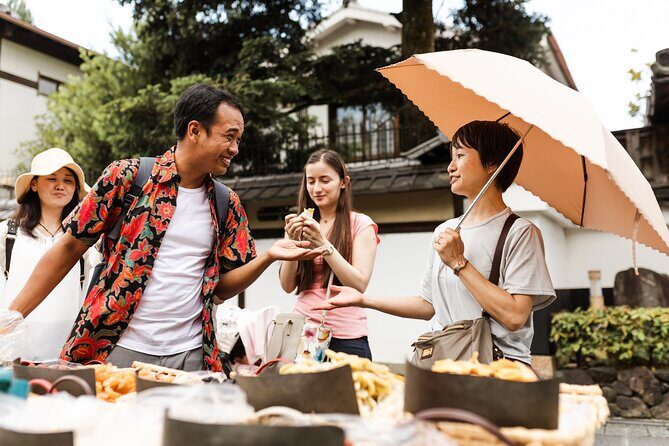
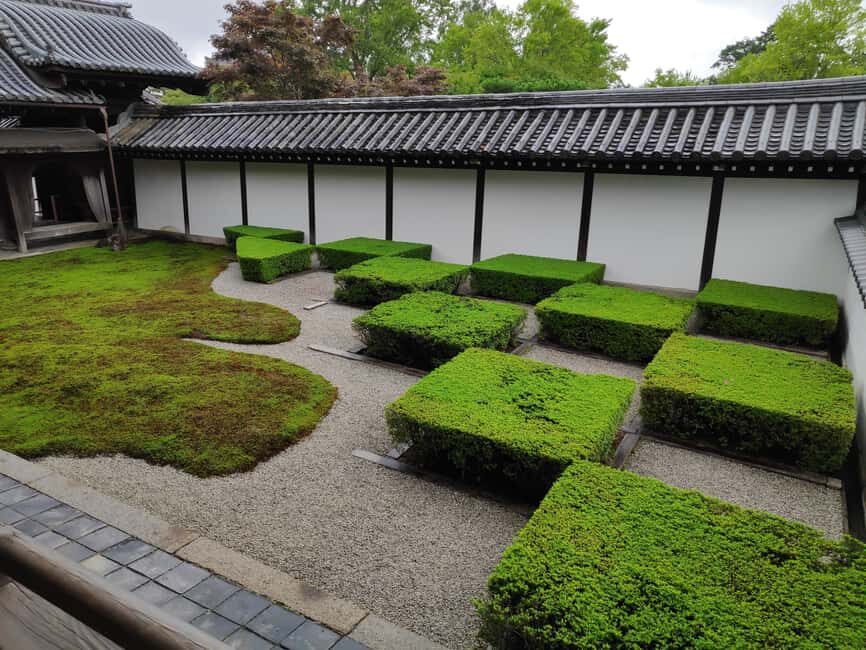
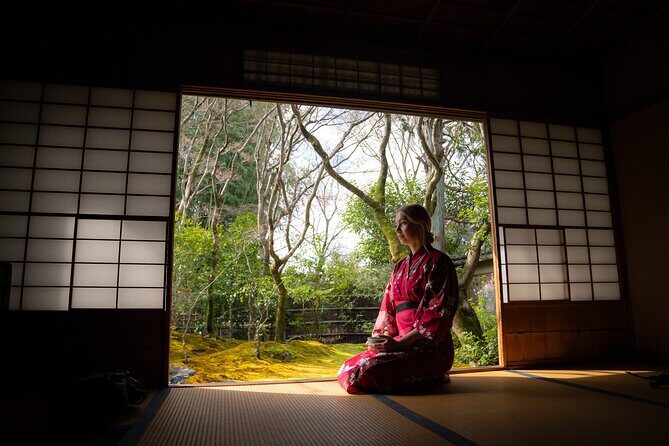
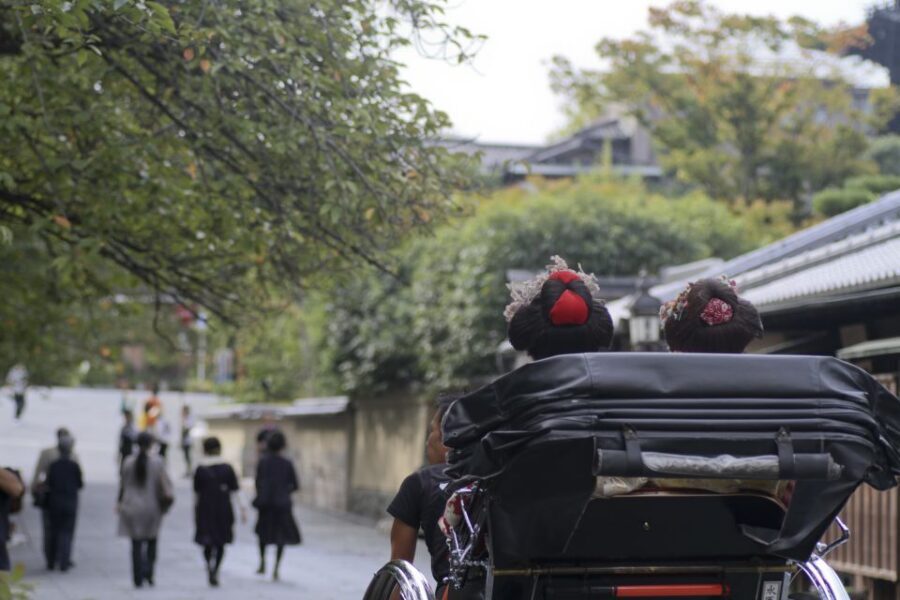
Kyoto’s Gion is more than postcards. This 2-hour, Spanish-language walking tour takes you through the district at a human pace, with a guide who focuses on what you’re actually seeing—wooden Machiya houses, old streets, shrines, bridges, and the everyday rhythm behind the geiko/maiko world. You’ll learn how the neighborhood got its name and why certain corners matter.
I especially like the small group size (limited to 6) and the way the guide keeps it question-friendly. If something grabs you—a sign, a statue, a street layout—you can stop and ask. One practical consideration: a maiko or geiko sighting can’t be guaranteed, so treat that as a bonus, not the goal.
You’ll walk about 3.3 km (2 miles) in roughly two hours. If you want a low-effort stroll with zero thinking required, this isn’t it—but if you enjoy understanding a place as you go, it’s a strong value at $35 per person.
In This Review
- Key things I’d plan around in this Gion tour
- Why This Gion Walk Feels Personal (and Worth $35)
- Getting There: Meeting Point at the Disney Store (Shijo-Kawaramachi)
- Pontocho Alley: Where Kyoto Looks Like Kyoto
- Sanjō Ōhashi and Yamato-dōri: Bridges and Street Names as Clues
- Gion-Kōbu (Gion Shinbashi-dōri and Gion Shirakawa): How Hanamachi Works
- Tatsumi Shrine and the Tatsumi Bridge: Quiet Corners With a Purpose
- Gion-Higashi and Yasaka Shrine: The Name Behind Gion
- What About Maiko and Geiko Sightings?
- Walking Plan and Practical Tips (So Your Feet Don’t File a Complaint)
- Optional Add-On: Gion Gallery If You Extend Your Time
- Price and Value: Why This Costs $35 (and What You Get)
- Best Fit: Who Should Book This Gion Tour
- Should You Book This Spanish Gion Tour?
- FAQ
- How long is the Kyoto Gion walking tour?
- Is the tour in Spanish?
- How big is the group?
- What parts of Gion does the walk cover?
- Does the tour include Hanamikoji-dori?
- Will I see a maiko or geiko during the tour?
- Where do I meet the guide?
- How far do we walk?
- What should I bring for the walk?
Key things I’d plan around in this Gion tour
- 3 of 5 hanamachi visited: Pontocho, Gion-Kōbu, and Gion-Higashi in just 2 hours
- Yasaka Shrine connection: you’ll visit the formerly named Gion Shrine (now Yasaka Shrine) and learn why it matters
- Old streets, not just the famous lane: Hanamikoji-dori is not included, so you’ll see quieter surroundings too
- Lots of “what is that?” time: the guide encourages questions and explains details you’d likely miss
- Walking-friendly route design: about 3.3 km total, with bridges and river views worked in
- Seasonal adjustments: cherry blossom season may shift the route for the best blooms around Gion
Why This Gion Walk Feels Personal (and Worth $35)
For $35, you’re basically buying time-saving local expertise plus a calmer way to move through one of Kyoto’s most famous neighborhoods. Gion can be confusing on your own: streets look similar, important buildings don’t shout their importance, and it’s easy to only see what’s right in front of you.
This tour works because the guide treats the district like a living explanation. Instead of throwing facts at you, they connect what you notice—architecture, street names, shrine history, and the hanamachi setup—to how the area functions today. In prior groups, guides such as José and Juan have been praised for being close, warm, and flexible, and for spotting the small details that change how you see Gion.
The other value piece is the format. With a small group (up to 6), you’re not competing to be heard. When you ask about a statue or a practice you noticed, the guide can answer without rushing you into the next corner.
A few more Kyoto tours and experiences worth a look

Getting There: Meeting Point at the Disney Store (Shijo-Kawaramachi)
Start at a very specific landmark: the guide is seated in front of the Disney store at Kyoto Shijo-Kawaramachi. You’ll know them by the iPad sign that reads the tour title in Spanish, Castilla/Spanish format.
This matters more than it sounds. Kyoto’s Gion area is spread out, and your day can go sideways if you wander to the wrong side of the neighborhood before the walk even begins. Using a clear meeting point helps you get your bearings fast—especially if your hotel is elsewhere in the city.
Wear shoes you can walk in for 3.3 km. Even though it’s not a long trek, the streets are uneven in places and you’ll likely pause often.
Pontocho Alley: Where Kyoto Looks Like Kyoto
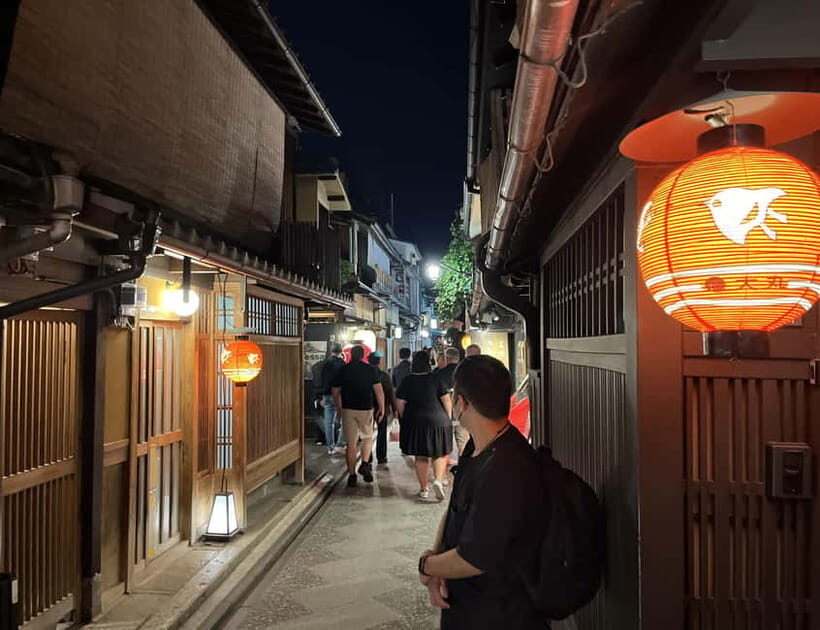
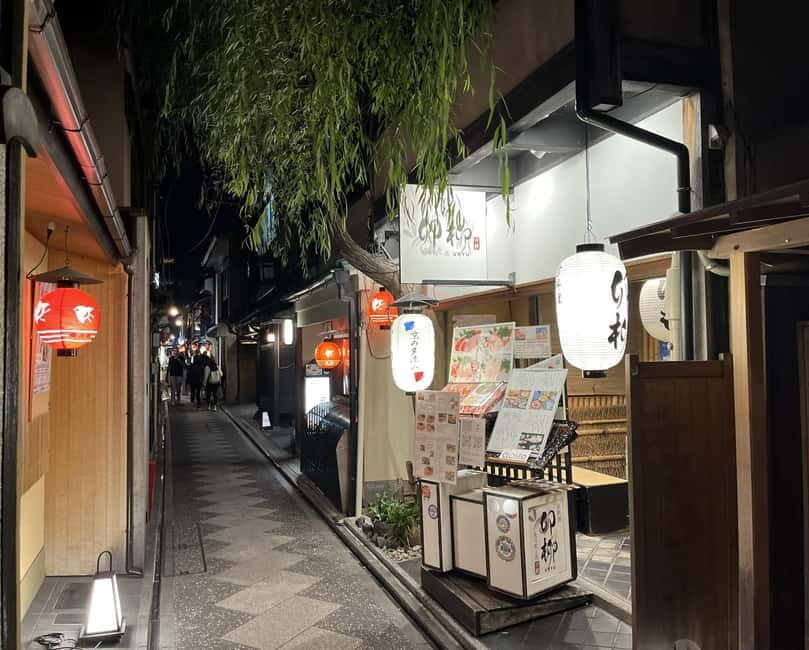
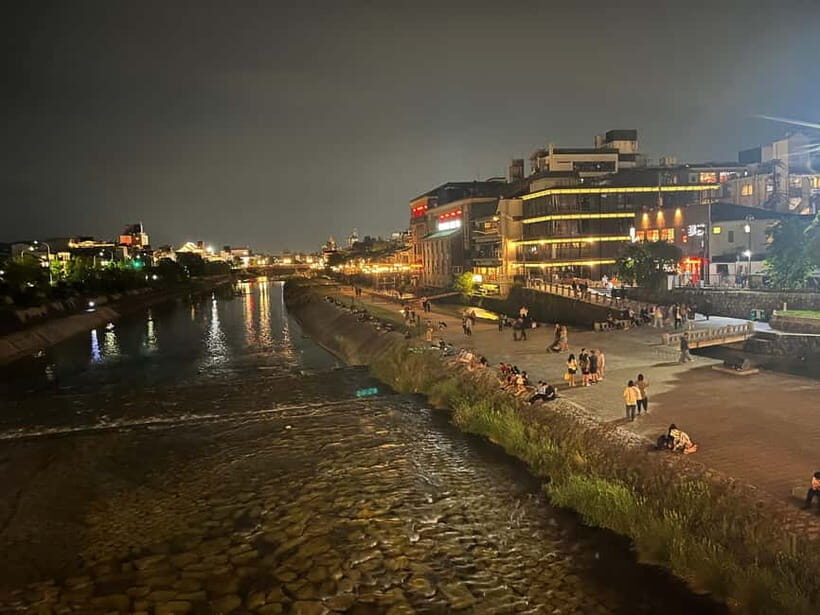
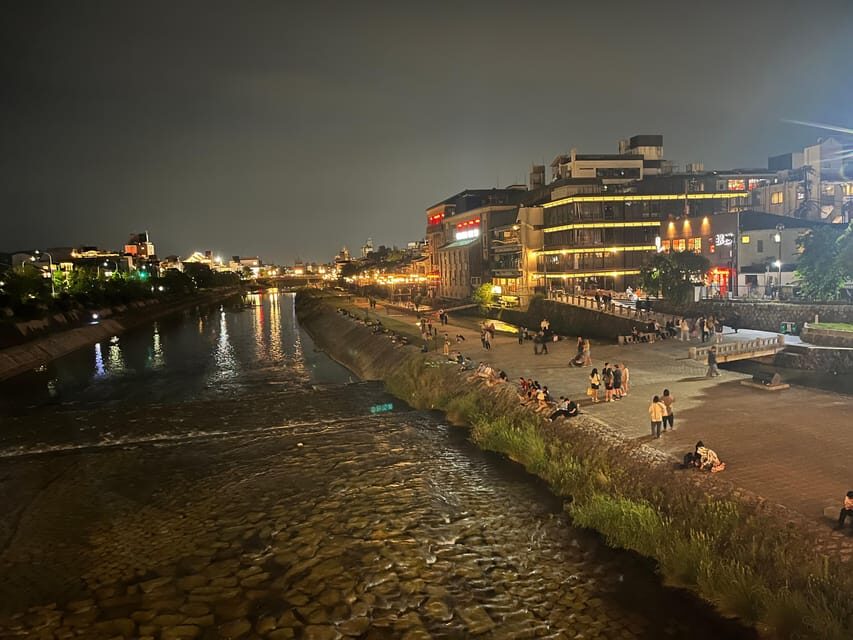
The walk typically begins with Pontocho, a lane known for its character and for the way it lines up with the river scene nearby. Your guide points out what makes the area distinct—where the perspective shifts, how the buildings face the street, and why some parts feel tucked in while others open up.
One of the most interesting parts here is how the guide connects sights to stories. You’re not just passing a view; you’re learning how Kyoto’s older downtown patterns work—where people lived, where entertainment districts developed, and why certain names and locations matter.
As you move toward the river area, you’ll also get a chance to take in the Kamogawa (Kamo River) surroundings and nearby statuary stops, including Yagi-san and Kita-san. Those names can sound like random trivia if you see them alone. With a guide, they become a clue to local history and how this district keeps layers of meaning.
Sanjō Ōhashi and Yamato-dōri: Bridges and Street Names as Clues
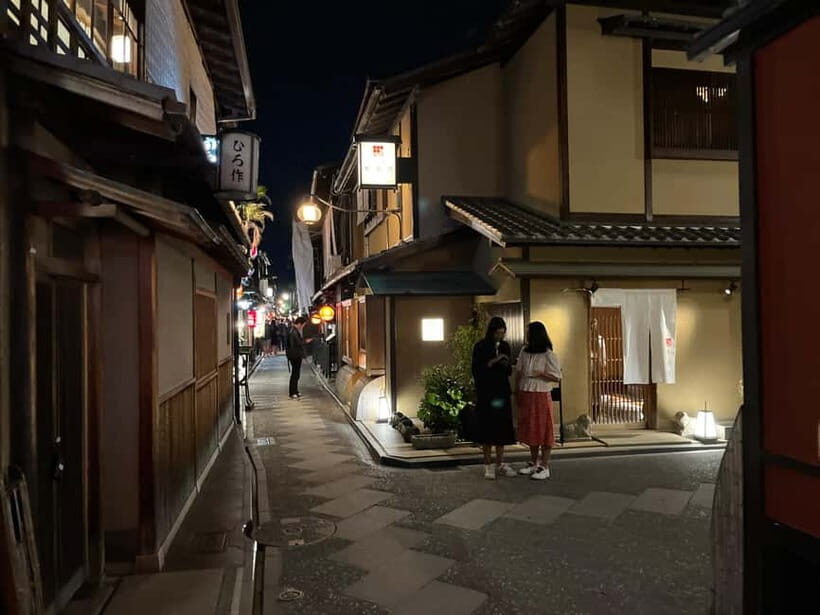
From the Pontocho side, you’ll reach Sanjo Ohashi (bridge) and then go into Yamato-dori. Bridges in Kyoto aren’t just crossings. They act like visual checkpoints, and they help you understand how the neighborhood is shaped by the river and by older routes through downtown.
Street names are another big theme. When a guide explains what a street name hints at—trade, neighborhoods, old pathways—you start reading the city like a map, not a maze. You also get a short mental break here. Bridges and wider streets are where you can regroup, take a photo, and refocus on the hanamachi parts ahead.
Gion-Kōbu (Gion Shinbashi-dōri and Gion Shirakawa): How Hanamachi Works
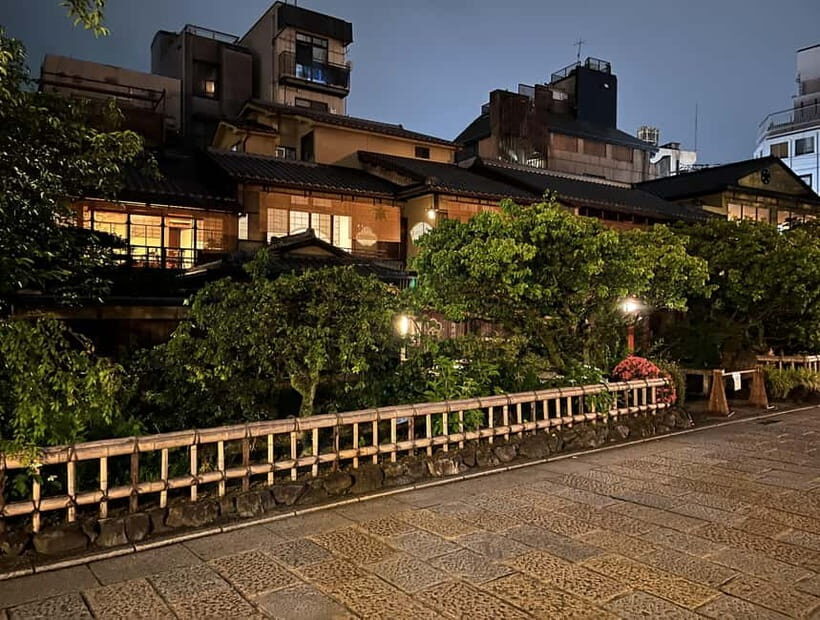
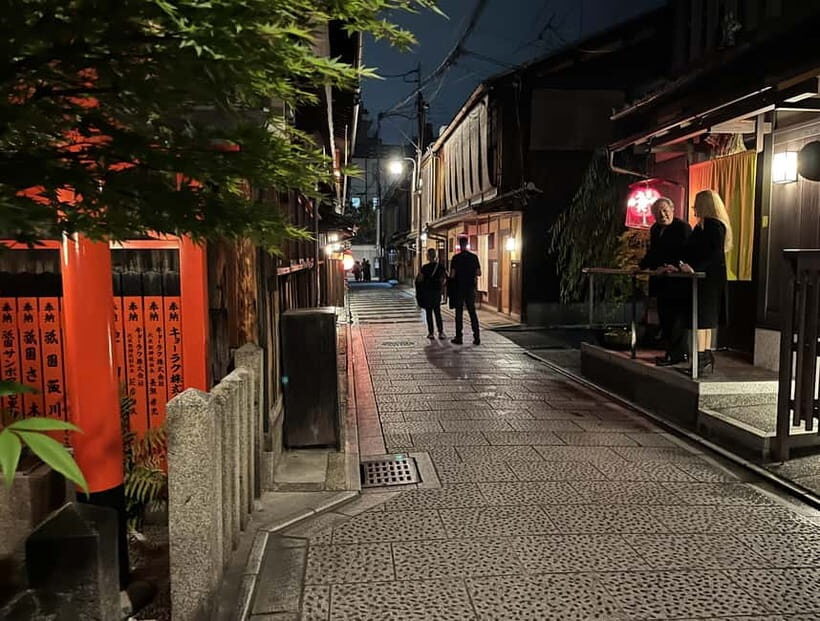
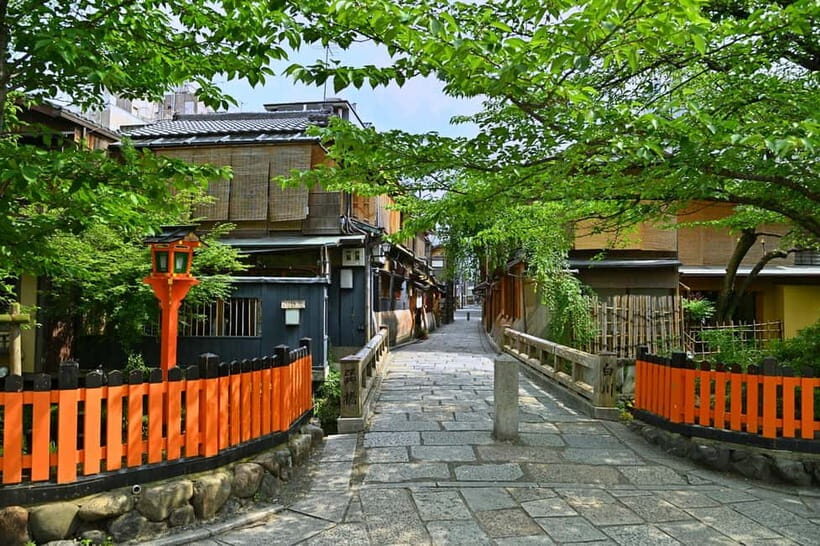
Now you’re into Gion-Kōbu, which is one of the places people associate with Gion the most. You’ll walk sections such as Gion-Shinbashi-dori and you’ll also see Gion Shirakawa.
This is where the tour really earns its keep. The guide explains not just the wow-factor, but the system: what hanamachi means in daily practice, how Maiko and Geiko life differs, and what kinds of routines and activities are part of the world behind the scenes.
Even if you’re not there specifically to spot performers, you’ll understand why certain houses, lanes, and practices exist. Gion looks like a movie set at first glance. With this kind of explanation, it stops being a backdrop and starts looking like a place with organization, tradition, and modern pressures too.
Tip for your own experience: while you walk, keep your eyes on the small transitions—where the street narrows, where walls and entrances appear, and how the atmosphere changes from one lane to the next. That’s what your guide is likely pointing out in real time.


Tatsumi Shrine and the Tatsumi Bridge: Quiet Corners With a Purpose

Next comes Tatsumi Jinja and a Tatsumi Bridge area connection. This part is valuable because it slows the pace a little and shows that Gion is not only entertainment-district imagery. It includes religious spaces and local structures that give the area continuity.
The guide’s job here is to connect the dots: why shrines show up where they do, what the shrine context adds to the neighborhood, and how festivals and community life have influenced the district long-term.
If you like history that feels grounded—religion, local practice, how people used shared spaces—this is often where the tour feels most satisfying.
Gion-Higashi and Yasaka Shrine: The Name Behind Gion
Your final major neighborhood stop is Gion-Higashi, and then you’ll visit Yasaka Shrine, including the fact that it was formerly known as Gion Shrine. This is a key moment for understanding the district itself. In plain terms: the area’s identity is tied to a place of worship, and the shrine name links back to why the district is called Gion.
If there’s time, you may also get an explanation of the Gion Festival, one of Japan’s most important festivals, and how its origins connect back more than 1100 years to this part of Kyoto.
One small caution: time is limited in a 2-hour walk. The tour emphasizes what it can cover confidently, so the extra festival explanation depends on the flow of the group and how quickly you move through each segment.
What About Maiko and Geiko Sightings?
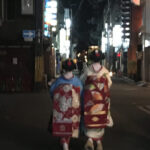
You should know this clearly: a maiko-geiko sighting cannot be guaranteed. That’s true even when people hope for it, and it’s especially true in a short walking tour.
So treat your plan like this:
- Your main win is understanding the district and seeing the lanes and historic neighborhoods in a structured way.
- Any sighting is a bonus, not a requirement.
In practice, this mindset helps you enjoy the walk. If you constantly scan for performers with no context, you can miss the architecture and street meanings that actually make Gion memorable.
Walking Plan and Practical Tips (So Your Feet Don’t File a Complaint)
You’ll cover about 3.3 km / 2 miles over about 2 hours. That’s a comfortable distance, but Gion involves stops, questions, and turning corners. Bring the basics:
- Comfortable shoes
- Water
- Umbrella (Kyoto weather can be unpredictable)
- Sunscreen and a sun hat in bright months
If you’re visiting in peak seasons, plan for crowds. The tour is designed for a small group, but you’re still moving through one of the busiest historic areas in Japan.
Optional Add-On: Gion Gallery If You Extend Your Time
There’s an option to visit the Gion Gallery for free if you extend your time, and it can be included for the 9:45 and 12:30 tour options.
This matters if you want a bit more context after the walking portion. A gallery stop can help connect what you just learned on the street with more material about Gion’s culture.
Price and Value: Why This Costs $35 (and What You Get)
At $35 per person, you’re paying for:
- A Spanish-speaking live guide
- A small group format (up to 6)
- Focused, area-specific context for Gion’s hanamachi districts
In other words, you’re not paying to be herded. You’re paying to ask questions and get explanations where you’re standing, with a guide who can answer what you’re curious about. Prior participants have highlighted how guides like José explain small details that change how you view the neighborhood, and how the experience can feel personal and flexible when your group has extra questions.
If you compare this to wandering on your own, the cost becomes easier to justify. On your own, you can still see Gion—but it’s easy to miss what gives the place meaning.
Best Fit: Who Should Book This Gion Tour
This tour is ideal if you:
- Want Spanish-language guidance in Kyoto
- Like learning cultural context while you walk, not after the fact
- Enjoy asking questions and getting direct answers
- Prefer a small group over a huge meetup crowd
It’s also a good choice for couples and friends who want a guided route but still feel in control of their pace. And if you’re the type who stops to read plaques, notice statues, and wonder why bridges and shrines are where they are, you’ll feel at home here.
If you’re only chasing perfect geiko/maiko spotting photos, you might prefer a different type of experience with different expectations. This one is built for understanding.
Should You Book This Spanish Gion Tour?
I think you should book this if you want your Gion visit to make sense. The route covers key hanamachi areas—Pontocho, Gion-Kōbu, and Gion-Higashi—and it includes the Yasaka Shrine connection to the district’s name. You’ll also get explanations that make street corners feel intentional, not random.
Skip it only if you want a low-information stroll or if your main goal is guaranteed performer sightings. In this 2-hour format, the sights are the reward, but the real payoff is learning how the neighborhood works and why it looks the way it does.
FAQ
How long is the Kyoto Gion walking tour?
It lasts about 2 hours.
Is the tour in Spanish?
Yes. The live guide speaks Spanish.
How big is the group?
It’s a small group with a maximum of 6 participants.
What parts of Gion does the walk cover?
You’ll visit areas including Pontocho, Gion-Kōbu, and Gion-Higashi, along with historic preserved neighborhoods connected with the walk.
Does the tour include Hanamikoji-dori?
No. Hanamikoji-dori is not included, so you won’t walk the most famous stretch.
Will I see a maiko or geiko during the tour?
A sighting can’t be guaranteed.
Where do I meet the guide?
Meet in front of the Disney store at Kyoto Shijo-Kawaramachi. The guide will be seated and holding an iPad showing the tour name in Spanish.
How far do we walk?
The route is about 3.3 km (around 2 miles).
What should I bring for the walk?
Bring comfortable shoes, water, and consider an umbrella, sunscreen, and a sun hat.