Kyoto looks best before the day crowds in. This private early-bird walk starts with Fushimi Inari while the gates are still calm, so you can enjoy that torii-tunnel feel without fighting for space.
I also love how the tour turns famous stops into understandable stories. Your guide (many groups get Ikki) ties shrines, temple viewpoints, and street scenes together with clear explanations in English, plus photo help along the way.
One thing to plan for: it’s a walking-focused morning with a tight flow, and some people find the actual time closer to about 2.5 hours than the 4–5 hours listed. Also budget for add-on entry and transit fees.
In This Review
- Key highlights worth waking up for
- Kyoto’s early-bird advantage at Fushimi Inari’s torii gates
- Kiyomizu-dera viewpoints: the big scene and the extra fee
- Sannenzaka and Ninenzaka: old-street walking with snack and souvenir power
- Yasaka Pagoda (Hokanji) and the no-nails brag
- Yasaka Koshindo: color, mystery, and prayer etiquette
- Gion in the morning: old Kyoto streets, less chaos
- Yasaka Shrine as the finale: why it matters and how to leave satisfied
- Price and logistics: what you’re really paying for
- What to do with your hands and feet (and your camera)
- Who this private Kyoto morning tour fits best
- Should you book this Kyoto early-bird private tour?
- FAQ
- What does the tour price include?
- How much is the extra cost for Kiyomizu-dera?
- Is public transportation included?
- How long is the tour?
- Where does the tour start and end?
- Is this tour private?
- Is food provided?
- Do I need to pay for admissions at other stops?
- What if I’m late for the meeting time?
- Can I cancel for free?
Key highlights worth waking up for
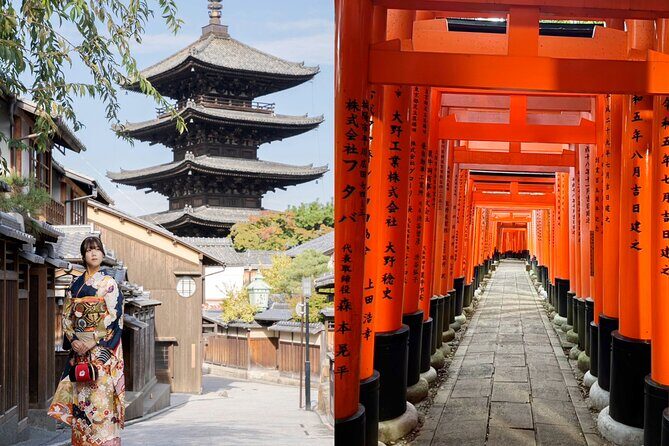
- Fushimi Inari early timing means the torii gates feel more peaceful and photo-friendly
- English-speaking local guide who can explain what you’re seeing and why it matters
- Professional photos during the tour so you’re not stuck doing shaky phone selfies
- Iconic Kyoto stops in one loop: Kiyomizu-dera, Sannenzaka/Ninenzaka, Yasaka pagoda areas, Gion, Yasaka Shrine
- Private format for your group for a more personal pace and Q&A time
Kyoto’s early-bird advantage at Fushimi Inari’s torii gates

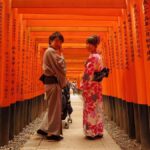
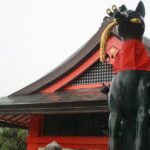
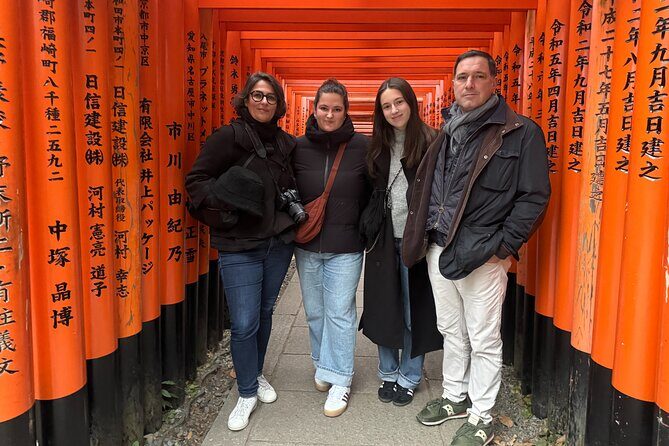
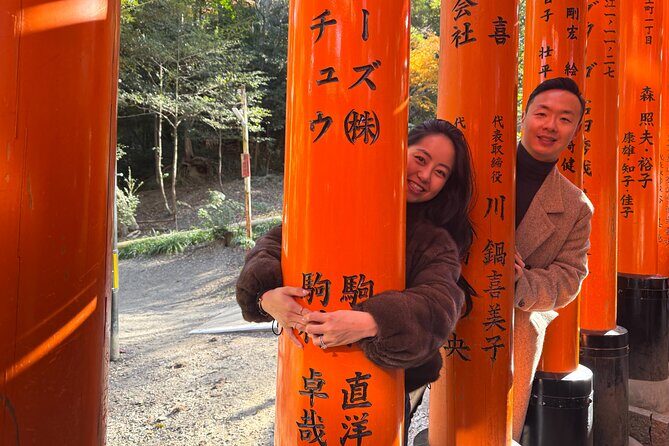
The morning start here is the whole idea. Fushimi Inari-taisha Shrine is famous for its thousands of red torii gates that climb through forested paths up Mount Inari. Going first thing helps you experience that maze-like route with less crowd pressure, so you can actually look up, notice the details, and enjoy the atmosphere instead of constantly stepping aside.
This is also a great spot for photos. The gates create built-in framing, and a good guide can position you where the background lines up cleanly. In guest feedback, Ikki is repeatedly praised for taking lots of pictures and making it easy for you to get angles you’d probably miss on your own.
Practical note: this stop is set for about an hour, and it’s a walking experience with some uphill movement built in. Wear shoes you trust. You’ll be glad later when you’re walking more through older streets and temple areas.
A few more Kyoto tours and experiences worth a look
Kiyomizu-dera viewpoints: the big scene and the extra fee
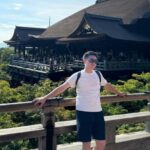
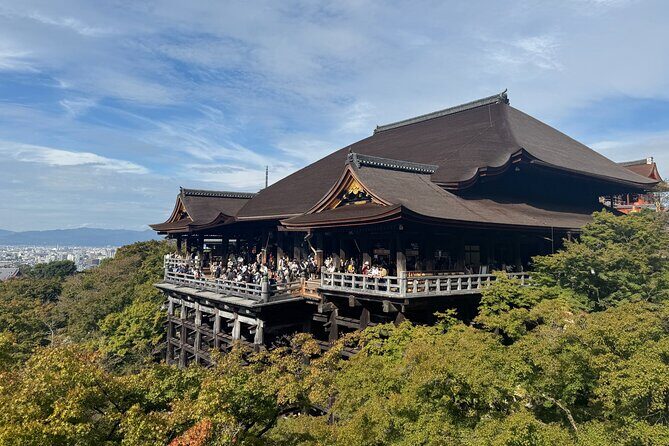
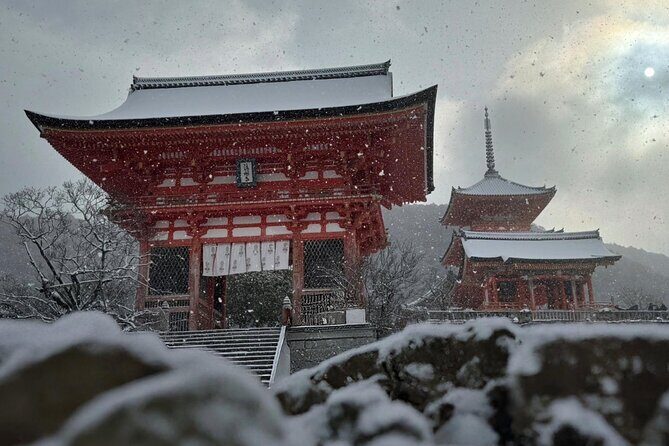
Kiyomizu-dera is one of those Kyoto must-sees for a reason. It sits high up and is known for panoramic views over the city. You also get the satisfaction of reaching a place that feels designed for looking out, not just looking around.
Plan for the one cost that’s not included. Kiyomizu-dera admission is listed separately (¥500 per person). If you’re budget-minded, it’s smart to have yen ready so you’re not scrambling at the ticket moment.
Time-wise, this stop is about an hour. That’s enough to take in the main areas, pause at viewpoints, and still have time to ask questions. The upside of having a guide here is you’re less likely to treat the temple like a checklist photo stop. You’ll understand what you’re seeing as you walk through the space, and that makes the views feel more meaningful.
Sannenzaka and Ninenzaka: old-street walking with snack and souvenir power
After the heavier temple sites, you get a more relaxed stroll through Sannenzaka and Ninenzaka. These are stone-paved streets lined with shops and restaurants in historic wooden buildings. The vibe is classic Kyoto: foot traffic, small storefronts, and lots of places to stop for a snack or grab a quick souvenir without feeling like you’re in a giant mall.
This segment is short (about 15 minutes), so I treat it like a “pause and reset” moment. You’ll want to move at a comfortable pace, take a couple photos, and pick one thing you actually want rather than browsing for the whole time window.
Practical tip: the streets can be busy later in the day, and you’re here earlier thanks to the tour flow. Still, keep an eye on where you step. Smooth stone underfoot is nice until it’s crowded and people slow down without warning.
Yasaka Pagoda (Hokanji) and the no-nails brag
Yasaka Pagoda, also known as Hokanji, is one of Kyoto’s older wooden structures. The wow-factor is scale, and the site is known for the claim that it was built without using nails. Even if you’re not a construction-nerd, it’s the kind of place that makes you pause because the building feels both delicate and massive at the same time.
This stop is about 15 minutes. That short timing is actually useful. You get a clear sense of the place and its symbolism without turning the morning into a long sit-down museum moment.
The key value here is context from your guide. In guest feedback, Ikki is praised for making religious sites understandable without turning it into a lecture. You’ll likely hear why this area matters, how it connects to Kyoto’s religious traditions, and what details to look for as you stand and look around.
Yasaka Koshindo: color, mystery, and prayer etiquette
Next is Yasaka Koshindo, known for colorful decorations and a reputation that dates back in a less straightforward way than some other major temples. What you feel on arrival is mostly contrast: compared with many quieter temple spaces, the visual tone here is lively and attention-grabbing.
It’s another short stop (about 15 minutes), so your best strategy is simple: decide what you want to photograph first, then slow down. If you try to do everything at once, you miss the small stuff that makes the color pop.
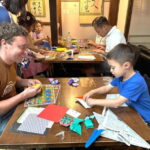
If prayer scenes are your thing, pay attention to what your guide suggests about participating respectfully. In one guest account, the guide had a small photo booklet and explained how to join in with prayers. Even if you don’t get the exact same materials, the main point is that you’ll get practical guidance for respectful behavior in a living spiritual space.
A few more Kyoto tours and experiences worth a look


Gion in the morning: old Kyoto streets, less chaos
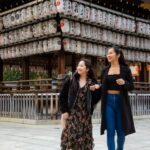
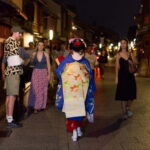
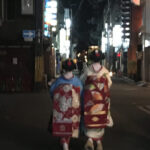
Gion is Kyoto’s most famous geisha district, with preserved wooden machiya houses and traditional teahouses. In the morning, it feels different than the peak-hour postcard version. You get the sense of a neighborhood, not just a stage set.
This stop is about 15 minutes, so treat it as a quick walk-through and photo moment. Look for wooden facades, narrow lanes, and the little architectural clues that tell you you’re in an older Kyoto district.
If you’re hoping to see geisha or maiko, manage expectations. This tour isn’t described as a guaranteed sighting experience. What it does deliver is atmosphere and location: you’ll be in Gion, on foot, with time to actually look.
Yasaka Shrine as the finale: why it matters and how to leave satisfied
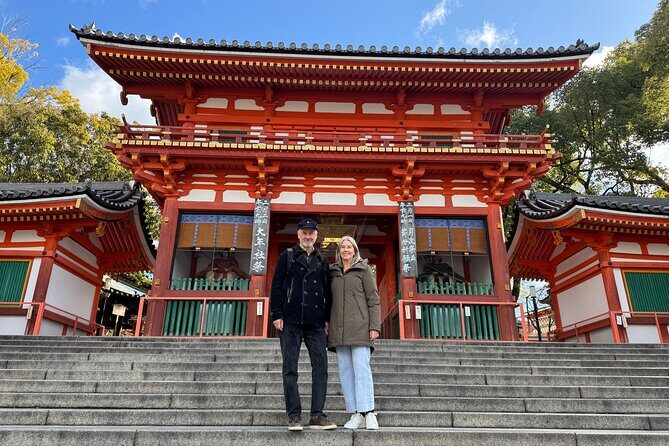
The tour ends at Yasaka Shrine, the headquarters of 2,300 related shrines throughout Japan. That number alone is a hint that this isn’t just a small stop. It’s an important node in the broader network of shrines.
This final segment is about 30 minutes, which is a generous buffer compared to the earlier 15-minute stops. That extra time gives you room to slow down and absorb the shrine grounds without feeling rushed.
It also sets you up well for the rest of your day. The tour ends in the Gion/Higashiyama area, which is exactly where you want to be if you’re continuing sightseeing by bus, or if you’d like to wander on your own afterward. Your guide can also help you with routing, since you’re at a strong hub for moving around.
Price and logistics: what you’re really paying for
The listed price is $99.10 per person for a private Kyoto early-bird tour. You’re paying for three big things:
1) A local English-speaking guide who helps you understand what you see
2) A structured early route that reduces crowd stress
3) Professional photos taken during the tour, so you get help documenting your morning
Two add-ons are clearly not included:
- Public transportation fare: ¥390 per person
- Kiyomizu-dera admission: ¥500 per person
So your total out-of-pocket is really the tour price plus those costs, plus food and drinks (not included).
Is it good value? I think it is if you want a guided highlights loop without spending your morning figuring out trains, entrances, and pacing yourself. If you’re the type who enjoys self-guided wandering and you already know transit well, it may feel like you’re paying a premium for convenience. But if you want context and photos, it’s a solid trade.
Timing matters too. The tour is described as 4 to 5 hours approximately, and it includes plenty of time on foot. Still, some groups report it can run closer to about 2.5 hours. Either way, the early start is the selling point, so I’d plan the rest of your day lightly rather than stacking other commitments immediately afterward.
What to do with your hands and feet (and your camera)
This is designed as a walking experience with moderate physical fitness. That doesn’t mean you need to be an athlete, but it does mean you should be comfortable with steps, uneven surfaces, and moving through busy walking areas.
Bring:
- Comfortable walking shoes with decent traction
- Water (especially on warm days)
- A small amount of cash for add-on fees
- A phone with enough storage, even though your guide is taking photos too
Camera strategy: if you’re relying only on your phone, you’ll end up rushing. Since photos are part of the experience, use your phone for quick extras, and let your guide handle the “real” shots during the key moments.
Who this private Kyoto morning tour fits best
This works especially well if:
- It’s your first time in Kyoto and you want a clean introduction to the top sites
- You prefer guided explanations over doing homework at each shrine
- You want fewer crowds, especially at Fushimi Inari
- You’re traveling with family members who benefit from clear pacing (some feedback even mentions an 8-year-old having a great time)
It might be less ideal if you:
- Want lots of free time at each location to explore deeply on your own
- Don’t like walking or want a strictly seated experience
- Are extremely strict about matching the listed duration down to the minute
Should you book this Kyoto early-bird private tour?
If you want an organized, English-friendly Kyoto highlights morning that hits Fushimi Inari, Kiyomizu-dera, and Gion while the city is still waking up, I’d book it. The private format helps you ask questions and get photo help in real time. And when a guide like Ikki is praised for English clarity, patience, and photo talent, that’s exactly what you’re buying.
Just be smart about expectations: budget for the separate Kiyomizu-dera fee and transit, wear good shoes, and leave breathing room later in the day in case the pace is faster than the printed duration.
FAQ
What does the tour price include?
It includes a passionate local English-speaking guide and professional photos taken during the tour. Public transportation fare, Kiyomizu-dera admission, and food and drinks are not included.
How much is the extra cost for Kiyomizu-dera?
Kiyomizu-dera Temple admission is ¥500 per person and is not included in the tour price.
Is public transportation included?
No. Public transportation fare is listed as ¥390 per person and is not included.
How long is the tour?
The duration is listed as 4 to 5 hours approximately, and the experience is designed as a walking tour with time on foot.
Where does the tour start and end?
Start: Kyoto Station (Higashishiokoji Kamadonocho). End: Yasaka Shrine (625 Gionmachi Kitagawa, Higashiyama Ward, Kyoto).
Is this tour private?
Yes. It is a private tour/activity, meaning only your group participates.
Is food provided?
No. Food and drinks are not included.
Do I need to pay for admissions at other stops?
Admission is listed as free for Fushimi Inari-taisha, Sannenzaka Ninenzaka, Yasaka Pagoda (Hokanji temple), Yasaka Koshindo, Gion, and Yasaka Shrine. Kiyomizu-dera is the one with an admission fee listed separately.
What if I’m late for the meeting time?
If you are late for the meeting time, you will not be able to join the tour and the booking will not be refunded.
Can I cancel for free?
Yes. Free cancellation is available if you cancel at least 24 hours in advance for a full refund.