Kyoto has a strange, wonderful kind of souvenir. In this Musoshin Ramen Academy class, I love how you start with painting a custom ceramic bowl or spoon, then finish with a Michelin-nominated ramen meal you assemble yourself. It feels personal because your design becomes part of the experience, not just something you buy at a shop.
The trade-off: this is more hands-on assembly and guided cooking than a full from-scratch ramen class. The broth is made long before you arrive, so if you want to make everything yourself, you may feel slightly limited by the short time on the cooking side.
Key highlights worth prioritizing
- Paint a ramen bowl or spoon as your souvenir, then enjoy your ramen right after
- Michelin recognition via Musoshin’s Michelin-nominated ramen recipe
- Free kiln firing so your ceramic can be ready for next-day use
- Small-group feel with English/Japanese support and lots of interaction
- Diet-friendly ramen with gluten-free, vegetarian, and vegan options
In This Review
- Kyoto Ramen, But Make It a Craft Project: What This Class Actually Feels Like
- Meet Musoshin Ramen Academy: Why the Name Carries Weight
- Painting Your Own Ramen Bowl or Spoon: The Part Kids Can Drive
- How the Guided Ramen Session Works (No Panic, Just Momentum)
- The Ramen Meal: What Makes It Michelin-Nominated Good
- Gluten-Free, Vegetarian, and Vegan: How They Keep the Bowl Inclusive
- Your Ceramic Souvenir: Take Home Today or Fire for Tomorrow
- Price and Value: Why $64 Can Feel Like a Deal
- Who Should Book This Ramen Bowl Workshop in Kyoto
- Practical Tips Before You Go (So Your Bowl Looks Great)
- Should You Book This Kyoto Experience or Skip It?
- FAQ
- How long is the Kyoto ramen bowl painting and Michelin cooking class?
- What is the price per person?
- What do I get to make and take home?
- What does the class include for the meal?
- Are gluten-free, vegetarian, or vegan options available?
- Will I get my ceramic fired, and when can I pick it up?
- What language will the instructor use?
- Is there free cancellation?
- Is shipping to a future hotel included?
Kyoto Ramen, But Make It a Craft Project: What This Class Actually Feels Like
.jpg)
This class hits a sweet spot: it’s calm enough for the kids, but structured enough that adults still feel like they learned something real. You’ll paint first—slow, meditative, and very do-able with a group—then you’ll move into a lively, guided ramen-building session.
Two things I really like about it. First, the food isn’t an afterthought. You get a Michelin-nominated ramen that Musoshin makes with in-house processes, not a generic “class meal.” Second, the souvenir is functional. If you want, your fired ceramic can become a bowl you use for meals later—not just decoration.
One consideration: the cooking time is limited by design. You’re not running a 12-hour broth simmer during class. Instead, you focus on what you can learn and control in a shorter session: preparation steps, assembly, and tasting your own bowl.
Meet Musoshin Ramen Academy: Why the Name Carries Weight

This experience is run by Musoshin Ramen. They started in Kyoto in 2022 and have grown to multiple locations, including Kyoto and Toronto. Musoshin in Toronto has been nominated for Michelin for three consecutive years, and the recipe approach is described as the same across their locations.
Even if you don’t care about accolades, the method matters. Musoshin emphasizes making key components in-house: noodles made every morning and rested overnight, soup simmered for 12 hours, and handmade ramen soy sauce plus roast pork. In other words, you’re tasting the output of a system, not just a quick kitchen trick.
A fun bonus for atmosphere: their workshop is also linked to a ramen restaurant setup. That means you’re not learning in an empty demo room. You’re in a ramen space, which helps the whole thing feel authentic.
Other cooking classes in Kyoto


Painting Your Own Ramen Bowl or Spoon: The Part Kids Can Drive
.jpg)
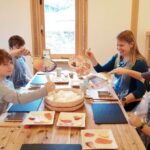
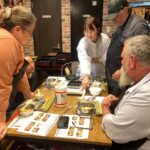
You’ll paint an original ceramic ramen piece—either a bowl or (for luggage-savers) a spoon. The class provides the ramen bowl and spoon, plus practical items like an apron and bandana, and you’ll have time to design something you actually want to keep.
This part works well because it has two jobs at once:
- It lowers the pressure. Painting buys you time to settle in, ask questions, and get comfortable with the room.
- It creates an heirloom-style souvenir. One-color patterns and simple shapes look great on ceramic, and your design becomes the story you tell later.
A small tip if you’re traveling with kids: spoons can be easier to pack. One visitor specifically chose spoon painting to save luggage space and still ended up with a meaningful ceramic keepsake.
And yes, the hosts are big on making it feel personal. In multiple experiences, hosts like Shin (and, in some groups, Sherry) are described as friendly facilitators who help people stay involved while also taking photos along the way.
How the Guided Ramen Session Works (No Panic, Just Momentum)
.jpg)
After painting, you’ll shift into making and assembling ramen. The key idea is that Musoshin brings ingredients prepared and sourced from their Gion location, then you cook/assemble what’s set up for class.
Here’s what that means for your expectations:
- You’ll participate actively, including interactive steps for building your bowl.
- You’re guided through the process, so you’re not guessing measurements or timing.
- The flavor foundation (broth) is already handled through their long process, which is a big part of why the ramen tastes consistent.
A few details that help you understand the class rhythm. Musoshin’s noodles are made daily and rested overnight, and the soup is prepared over 12 hours. That’s why the cooking part can move quickly without turning into a rushed scramble.
A possible drawback, based on how some people describe the pace: for certain diners, the session can feel more like ramen assembly than deep “make every sauce from scratch” cooking. You might do a few steps like heating components and assembling toppings, but you won’t be building the entire flavor system during class.
Still, that’s not necessarily a bad thing. For most visitors, it’s what makes this experience doable in 1 to 90 minutes without turning into a kitchen boot camp.
The Ramen Meal: What Makes It Michelin-Nominated Good
.jpg)
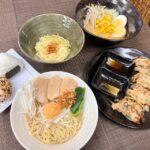
Once you start eating, you’ll understand why people call it their best bowl. Musoshin’s method shows up in three areas they talk about clearly: broth timing, noodle handling, and in-house flavor components.
- Broth: simmered for 12 hours, which supports a deep, steady taste from bowl to bowl.
- Noodles: made in the shop each morning and rested overnight, which helps texture.
- Soy sauce and roast pork: handmade, not outsourced bulk flavor.
You’ll also get to assemble your bowl, so your choices matter. A lot of the “wow” comes from seeing how toppings, noodles, and broth interact once everything lands in your bowl at the same time.
One practical note: the class focuses on eating right after cooking/assembly. So come ready to slurp. You’re not leaving with ramen to take home.
Gluten-Free, Vegetarian, and Vegan: How They Keep the Bowl Inclusive
.jpg)
Musoshin offers dietary options, including gluten-free, vegetarian, and vegan ramen. That’s a big deal in Japan, where “no” can sometimes be easier than “yes.”
What you can expect here is not just a side dish substitution. The class is set up to support different ramen styles so everyone can participate in the same main activity: building and eating.
If you’re planning for a child or a group member with dietary limits, this is one of those Kyoto experiences that feels thoughtfully designed rather than improvised on the spot.
A few more Kyoto tours and experiences worth a look



Your Ceramic Souvenir: Take Home Today or Fire for Tomorrow
.jpg)
This is one of the most useful parts of the experience for travel planning. You have two routes for what happens to your painted ceramic:
- Take it home the same day for decoration.
- Bake it in a kiln for free, then pick it up the next day. After firing, it can be used for meals.
Because kiln firing is included, it’s a great choice if you want to turn the souvenir into something you’ll actually use, not just shelf-display. Just remember: if you want shipping to another hotel, shipping costs are not included.
Also, plan your schedule with pick-up in mind. If you’re flying out the next day, you’ll want to choose whether you can realistically stop by for the fired piece.
Price and Value: Why $64 Can Feel Like a Deal
.jpg)
$64 for 1 hour to 90 minutes sounds simple, but the value is in what you get for that time.
You’re paying for three things that cost real money on their own:
- A Michelin-nominated ramen meal with in-house ingredients.
- A guided, interactive experience (not just eating).
- A custom ceramic souvenir plus optional free kiln firing.
A normal dinner can easily cost a similar amount, but you wouldn’t get the painting, host guidance, and take-home piece. Another common class format gives you cooking steps but charges extra for materials—here, materials like the apron/bandana and the ceramic piece are built into the experience.
So if you want one Kyoto “memory plus meal” activity that justifies the time, this is priced in a way that many visitors find fair.
Who Should Book This Ramen Bowl Workshop in Kyoto
.jpg)
This one fits best when you like hands-on travel. You don’t need to be a cooking fanatic; you just need curiosity and appetite.
It’s especially good for:
- Families with kids, since painting is straightforward and the hosts keep kids involved.
- Couples who want a date activity that feels creative, not awkward.
- Solo visitors who want a friendly, structured experience. People do report that it works even when you’re the only participant.
If you’re a hardcore DIY chef who expects to make noodles and broth from scratch in class, you might want to consider that the broth is handled through Musoshin’s long process and brought in for the session. In that case, set your expectations to “guided assembly and tasting,” not “mastering every ramen component.”
Practical Tips Before You Go (So Your Bowl Looks Great)
.jpg)
Here’s how to make your experience smoother from start to finish.
- Come with a simple design idea. Ceramic painting rewards bold lines and clear shapes.
- If you pack light, consider spoon painting. A spoon souvenir can be easier than a bowl.
- Plan for photos. The hosts help capture the highlights, and it’s a nice way to document both the painting and the meal.
- If you’re bringing dietary needs, tell them ahead and expect gluten-free/vegetarian/vegan ramen options.
- Don’t treat it like a quick snack. You’ll eat a full ramen bowl as part of the class flow.
Should You Book This Kyoto Experience or Skip It?
Book it if you want a Kyoto activity that combines a real meal with a tangible souvenir. The Michelin-nominated ramen approach, paired with the ceramic painting and the free kiln firing option, makes this one of those “easy decision” experiences for food lovers and families.
Skip it only if your main goal is to learn every ramen step from raw ingredients during the class itself. The broth work is already done, and some people describe the session as more assembly-focused. If that’s what you’re after, you may leave wanting more cooking time.
If you’re happy with guided assembly, enjoy craft work, and want a souvenir you’ll actually keep, this is a strong choice.
FAQ
How long is the Kyoto ramen bowl painting and Michelin cooking class?
The duration is listed as 1 hour to 90 minutes, depending on availability and the starting time.
What is the price per person?
The price is $64 per person.
What do I get to make and take home?
You can paint Musoshin’s ceramic ramen bowl or spoon (depending on your option). You can take your ceramic home the same day, or have it kiln-fired for free.
What does the class include for the meal?
You’ll enjoy ramen using Musoshin’s Michelin-nominated recipe approach, and you’ll assemble your bowl with the ingredients provided.
Are gluten-free, vegetarian, or vegan options available?
Yes. Gluten free, vegetarian, and vegan ramen options are available.
Will I get my ceramic fired, and when can I pick it up?
If you choose the free kiln firing option, your fired piece will be ready for pickup the next day.
What language will the instructor use?
The instructor offers English and Japanese.
Is there free cancellation?
Yes. You can cancel up to 24 hours in advance for a full refund.
Is shipping to a future hotel included?
Shipping cost for delivering the painted items to your next hotel is not included if you request shipping.