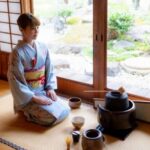
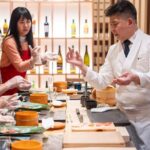
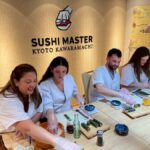
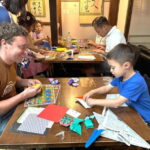
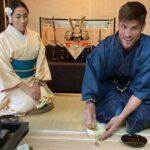
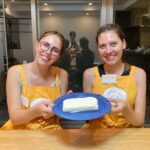
That sushi-making class in Kyoto is real hands-on.
This workshop is limited to 8 guests, led in English by Japanese instructor Kana (with her husband assisting), and you spend about 1 hour 30 minutes making nigiri and maki from start to finish. I like that the pace feels relaxed and interactive, with time for questions and individual feedback, not a rushed demo. I also like the setting: a restored historic townhouse near Kiyomizu-dera and Gion, which makes the whole experience calmer than you’d expect from a cooking class.
One possible drawback: there’s no stated vegetarian or vegan option, so if your diet is plant-based, you may want to look for another experience.
In This Review
- Key highlights worth caring about
- Arriving at Atelier SUSHI: a historic townhouse, not a factory
- The core lesson: sushi rice first, then the shaping
- Nigiri technique: what to watch as your hands learn
- Maki rolling: learning the roll, not just the ingredients
- The meal you’re actually waiting for: lunch or dinner made from your work
- The fish and ingredients angle: premium, but also practical
- What you get to take home (and why it matters)
- Price and value: why $69.64 often makes sense in Kyoto
- Who this class fits best
- Dietary needs: what the experience can do
- Timing tip: schedule it for early confidence
- Should you book Atelier SUSHI in Kyoto?
- FAQ
- How long is the sushi-making class?
- How many people are in the class?
- Is instruction offered in English?
- What’s included in the price?
- Is there a vegetarian or vegan option?
- Can I cancel for a full refund?
Key highlights worth caring about

- Tiny group size (8 max): you get closer, more personal coaching as you shape sushi.
- Kana + family team: hands-on instruction in English, plus a warm, welcoming teaching vibe.
- You make nigiri and a maki roll: you finish with skills, not just photos.
- Meal and tea included: your sushi creations get served as lunch or dinner depending on the session.
- Keepsakes help you practice at home: gift bag with class notes, a sushi mat, and chopsticks is part of the experience.
Arriving at Atelier SUSHI: a historic townhouse, not a factory

The meeting point is Atelier SUSHI at 311-1 Kitatōryōchō, Higashiyama Ward. It’s in a part of Kyoto that makes sense for a sushi class: close to the old-tourist core near Kiyomizu-dera and Gion, but still in a calmer setting than the busiest streets.
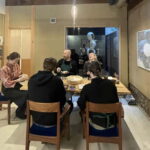
The biggest practical win here is how the venue supports the experience. A restored historic townhouse changes the tone immediately. You’re not in a big classroom. You’re in a home-style space where cooking feels like a craft you’re learning in person, not a production line.
You’ll also get set up quickly once you arrive. Apron and gloves are provided, so you can focus on technique instead of worrying about hygiene gear.
A few more Kyoto tours and experiences worth a look

The core lesson: sushi rice first, then the shaping

Most people think sushi is all about fish. This class teaches you the part that actually makes or breaks the result: properly seasoned rice.
You’ll learn how to work with cooked rice and season it correctly, then translate that into sushi form. That matters because sushi rice is both texture and flavor. The right seasoning helps your nigiri taste balanced, not bland. It also affects how well the rice sticks when you shape it.
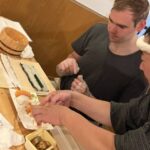
From there, you move into the fun part: building sushi pieces yourself. The class focuses on nigiri (hand-pressed sushi) and maki (rolled sushi). The goal is not just to finish a couple of pieces. You’re building enough confidence that you can repeat the process later.
Nigiri technique: what to watch as your hands learn
Nigiri is where you learn the most tactile skill. You’re working with rice that needs to hold together, but it can’t be packed too aggressively. The coaching you get here is the value-add of a small class.
Kana teaches the proper sushi-making technique, and her husband assists during the session. That team setup makes a difference in real life. If your hands are new to the pressure and timing, it’s easier to get corrections early rather than waiting for the end.
A recurring theme in the class feedback is that the instruction is patient. People describe feeling confident that they can replicate nigiri at home afterward. That’s what you should look for if you’re choosing a workshop in Kyoto: you want to leave with technique you can actually use, not only a vague sense that sushi is “easy” in theory.
Maki rolling: learning the roll, not just the ingredients

Maki rolling looks simple in videos. In real life, it’s a skill—especially when you’re trying to keep the roll tight and even.
In this class, you learn to make a maki roll as part of the hands-on session, after the rice foundation is in place. Rolling is also where you start understanding why sushi tastes better when each component is consistent. Rice distribution, pressure, and alignment all matter.
You’ll likely produce a full, finished roll to take credit for. More than once, feedback notes that people made a roll of maki, along with several nigiri pieces. That gives you enough variety to practice at home rather than only learning one format.
The meal you’re actually waiting for: lunch or dinner made from your work

The class includes a sushi meal. Depending on the workshop time, it’s served as lunch or dinner. That’s a small detail with a big payoff. You aren’t doing a cooking demo and then eating something separate. You’re eating what you made.
You also get coffee and/or Japanese tea as part of the experience. It’s a gentle reset after hands-on prep, and it makes the workshop feel like a real meal experience rather than a workshop followed by dinner elsewhere.
If you come in hungry, come in ready. The feedback consistently mentions that the class can leave you full, and people describe a lot of sushi once everything is finished.
A few more Kyoto tours and experiences worth a look




The fish and ingredients angle: premium, but also practical

The workshop emphasizes premium fresh fish and carefully selected local ingredients. That’s important for two reasons.
First, fresh ingredients make the technique worth it. If the fish is poor quality, you can be great at rice seasoning and still end up disappointed. Here, the experience is set up so your work ends up tasting good.
Second, it helps you understand what makes sushi so simple when done right. One review points out the lesson that high-quality fish makes sushi taste dramatically better with just a few basics. That’s a useful mental model for eating and cooking after Kyoto.
What you get to take home (and why it matters)

This is a rare class that doesn’t just hand you a certificate and send you out. You also get training materials.
Many comments mention a souvenir gift bag with class notes and tools, including a sushi mat and chopsticks. Other feedback highlights receiving recipes for rice and a rolling mat. That’s exactly the kind of souvenir that justifies paying for a workshop instead of doing sushi only as a restaurant activity.
If you’re the type who enjoys recreating meals at home, this part is a quiet win. It gives you something tangible to remember the class by, plus a better shot at success when you try nigiri and maki again.
Price and value: why $69.64 often makes sense in Kyoto

At $69.64 per person, this class isn’t the cheapest cooking activity in Kyoto. But it can be good value because you’re paying for small-group coaching, fresh ingredients, and a finished meal.
Here’s the practical breakdown of why it feels worth it:
- 8 guests max means you’re not fighting for instructor attention.
- The class includes gear (apron and gloves) and tea/coffee, which is usually extra elsewhere.
- You leave with actual practice outcomes: nigiri and a maki roll plus the sushi meal.
- You also get take-home tools and notes, which reduces the chance you’ll forget the steps.
When you compare this to doing sushi-making as a quick add-on, the small group size and the fact that you make multiple styles matters. You’re buying competence, not just entertainment.
Who this class fits best
This works especially well if you want:
- hands-on cooking with direct guidance
- a calmer, craft-focused experience close to Kyoto’s classic sights
- a class that’s fun even if you’ve never made sushi before
It also suits couples and solo travelers. The venue is intimate, and the structure supports one-on-one corrections without turning the class into a show for the instructor.
Families can do well too, and feedback includes a 12-year-old sushi-loving daughter having a great time. The class is designed to be interactive, so it’s not just “watch and eat.”
One caution: no vegetarian or vegan option is listed. If that applies to you, confirm alternatives before booking.
Dietary needs: what the experience can do
The provided details don’t list specific allergy-handling policy in the core description. Still, multiple reviews mention the staff being accommodating with gluten and shellfish allergies in at least some cases.
If you have a gluten issue, shellfish issue, or another allergy, you should plan to communicate clearly when you book. I’d rather you confirm directly than assume the class can handle every restriction.
Timing tip: schedule it for early confidence
You’re learning technique, so timing affects how useful it feels later.
If you’re spending a few days in Kyoto, I like the idea of booking this earlier in your trip. Once you know how nigiri and maki are built, you’ll start recognizing technique while you’re eating sushi outside the class. It can make your restaurant meals more fun because you can taste what you practiced.
Should you book Atelier SUSHI in Kyoto?
Book it if you want a small-group, hands-on sushi class with real coaching and a final meal made from what you produce. The combination of a calm townhouse setting, English instruction, and the chance to make both nigiri and maki is exactly the recipe for a memorable Kyoto food experience.
Skip it if you need a vegetarian or vegan option, or if you only want a quick tasting experience without learning technique. And if you have allergies, message ahead so you understand what’s possible for your specific situation.
FAQ
How long is the sushi-making class?
It’s listed at about 1 hour 30 minutes.
How many people are in the class?
The class has a maximum of 8 travelers.
Is instruction offered in English?
Yes. The class is conducted in English.
What’s included in the price?
You get the hands-on sushi-making workshop, a sushi meal (served as lunch or dinner depending on the session), coffee and/or tea, an English-speaking instructor, apron and gloves, and the sushi you make at the end.
Is there a vegetarian or vegan option?
No vegetarian or vegan option is listed.
Can I cancel for a full refund?
Yes. You can cancel up to 24 hours in advance for a full refund.