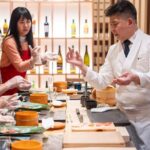
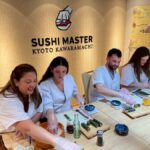
Sushi lessons in Kyoto feel like real life. This class is built around fresh fish from the Kyoto Central Wholesale Market and taught in a step-by-step, small-group format by working sushi chefs like Hide, Yukihide-san, and Yutaka. The main catch: it’s listed as not suitable for people with food allergies, so you’ll want to be careful if allergies are part of your plans.
You start with a gentle setup (even the rice-and-fish skills you’ve never tried before), then move into real nigiri and maki rolls, and finish by arranging your own sushi plate to eat. There’s also a photo and video service during the class, so you’re actually learning instead of holding a phone the whole time. One other thing to consider: you may not do every prep task from scratch (for example, one past participant wished the class included more rice prep and fish cutting).
In This Review
- Key moments that make this sushi class worth your time
- Why this Kyoto sushi class starts with the market
- The 90-minute to 3-hour flow, step by step
- Warm-up with sushi sample practice
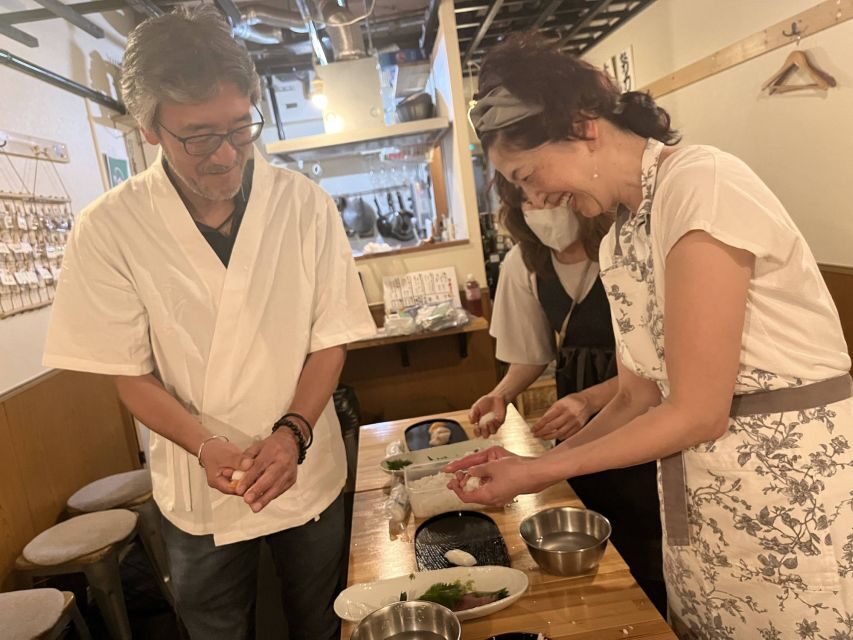
- Real nigiri: the hand-skill everyone talks about
- Maki rolls using a special tool
- Finish by decorating your sushi plate
- The fish, knives, and etiquette lessons that change how you eat sushi
- Lunch setup: tea, dashi soup, and what you actually take home
- Meeting near Shijo Karasuma: simple, human-scale logistics
- Price and value: what $74 buys you in Kyoto
- Who this sushi class fits best (and who should think twice)
- The biggest takeaways: skills you can use back home
- Should you book this Kyoto sushi making class?
- FAQ
- How long is the Kyoto sushi making class?
- What happens during the sushi making class?
- Where do we meet?
- Is this class offered in English?
- What’s included with the price?
- Is it suitable if I have food allergies?
Key moments that make this sushi class worth your time
- Market-fresh fish purchased early at Kyoto Central Wholesale Market
- Hands-on practice starting with sushi sample tools before touching real nigiri
- Chef-level instruction from English- and Japanese-speaking sushi chefs (names like Hide, Yutaka, Yukihide-san)
- Photo and video support so you can focus on technique, not filming
- You eat what you make with miso soup and tea or water included
Why this Kyoto sushi class starts with the market
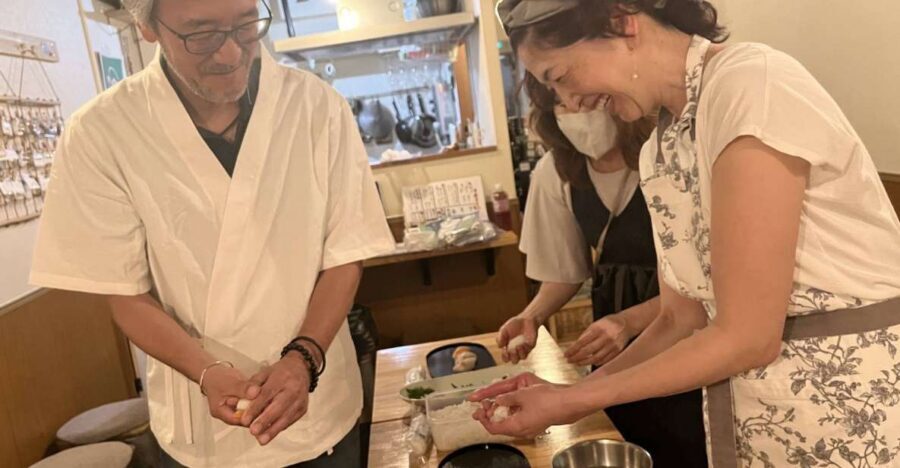
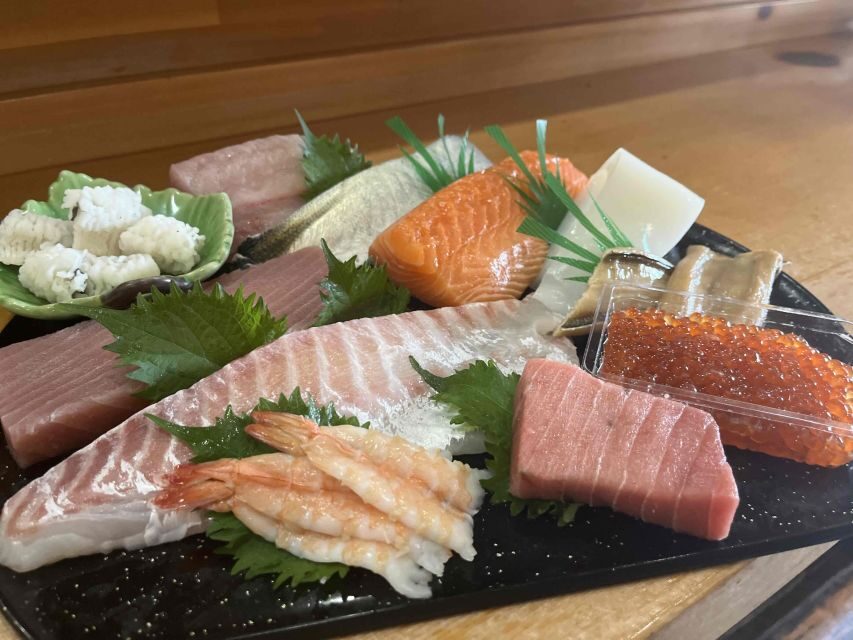
What makes this class feel different from a cookie-cutter cooking class is the sourcing. You’re told that the chef buys the fish every morning at the Kyoto Central Wholesale Market, then preps for you right before the class. That timing matters. Fish is the star here, and using market-fresh ingredients is what helps the sushi taste like sushi, not just like a DIY craft project.
Also, the market detail isn’t just marketing fluff. It lines up with what many sushi chefs prioritize: the quality of the fish, the cut, and how fast everything moves once the ingredients are ready. You’ll feel that urgency in the class flow—in a good way—because the instruction is built around doing the steps in order.
A few more Kyoto tours and experiences worth a look

The 90-minute to 3-hour flow, step by step
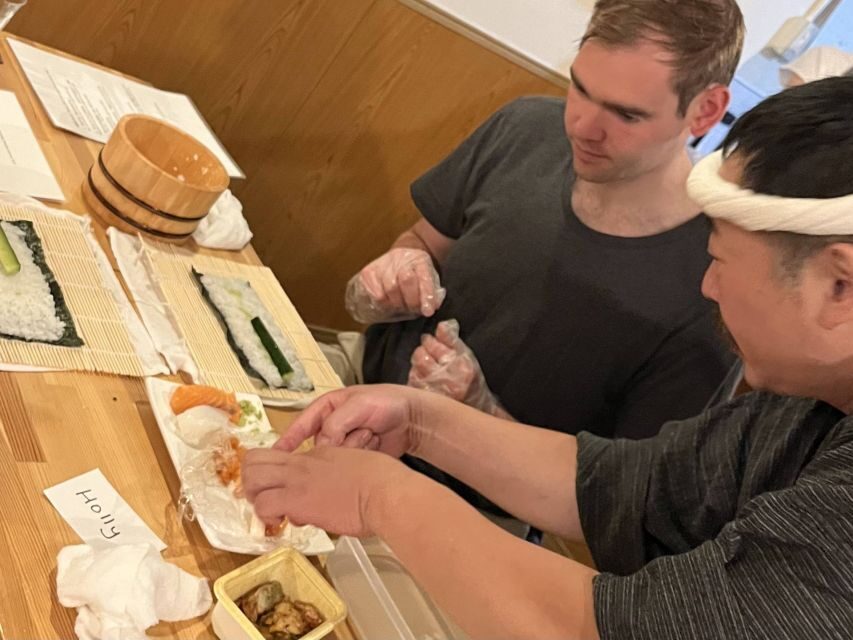
Expect a class that’s designed to teach, not just to entertain. The chef walks you through each stage, and the structure helps you build confidence quickly, even if you’ve never made sushi before.
Warm-up with sushi sample practice
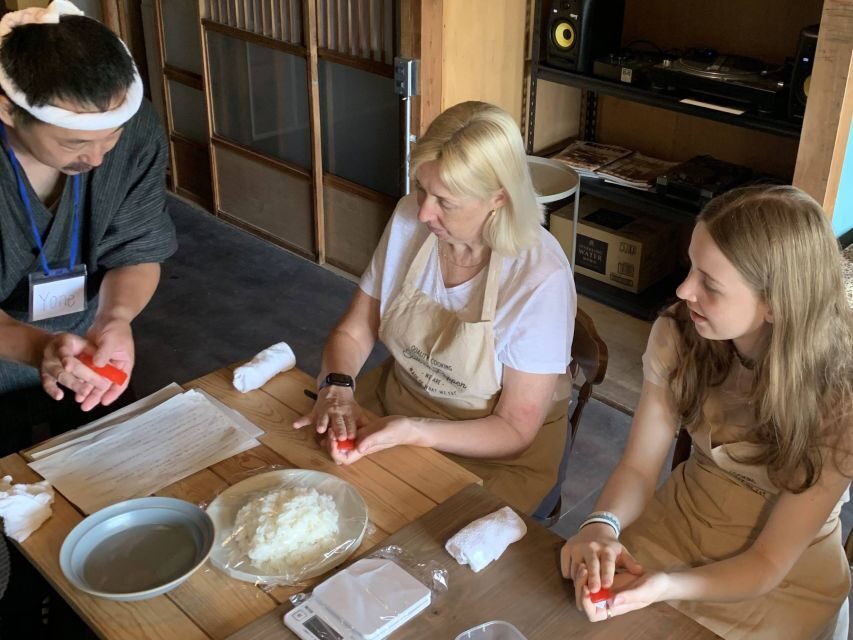
Before you touch real seafood, you’ll practice using a sushi sample toy. This is a smart move. It lets you learn how sushi rice is handled and how nigiri is formed without the stress of getting it wrong with actual ingredients. If you’re bringing kids, this is especially helpful since the class is described as enjoyable for children, too.
Real nigiri: the hand-skill everyone talks about
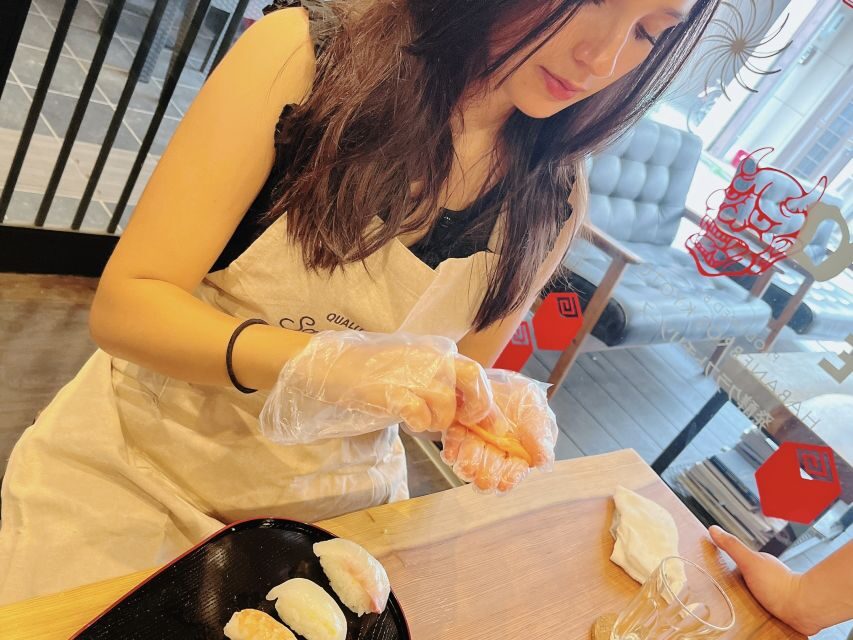
After the practice stage, you move to real Nigiri Sushi. Nigiri is where technique shows immediately. The shaping has to be firm enough to hold together but not so aggressive that it wrecks the rice. You also learn how to think about portioning and balance, which is the part that turns sushi from food into craft.
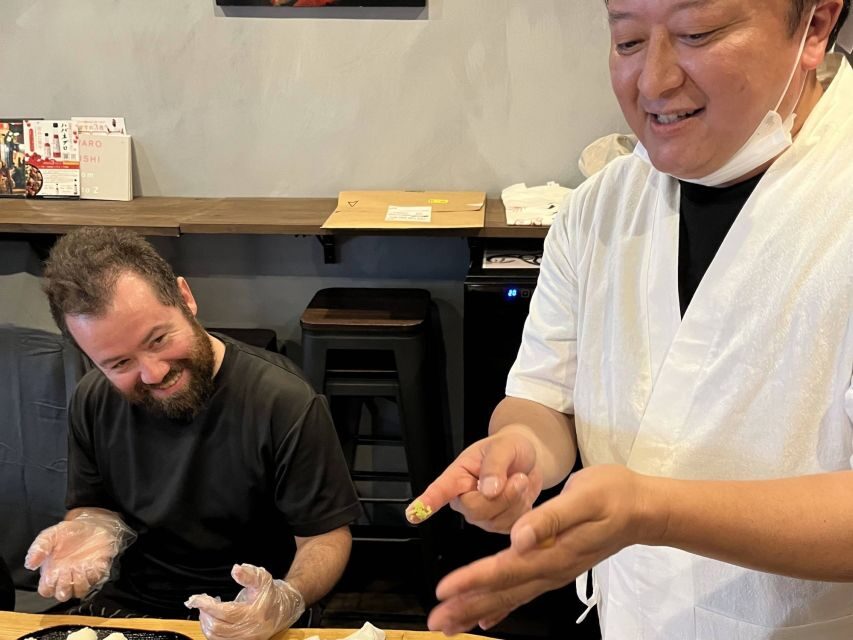
English and Japanese instruction is available through the instructor team, and multiple past participants praised how patient the chefs were while explaining both technique and reasons behind it. Names that came up include Hide, Nami, and Yone, and the common theme was clear guidance.
Maki rolls using a special tool
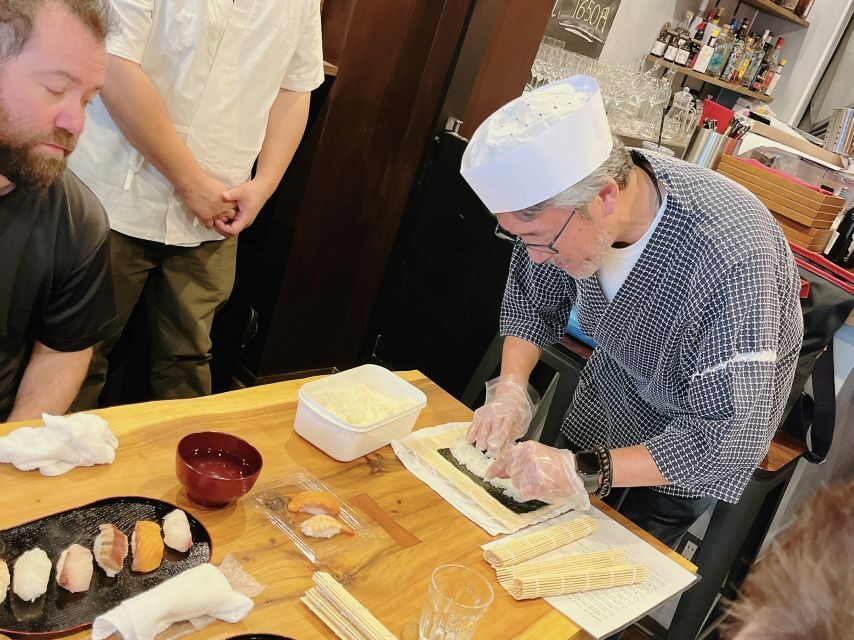
Next comes the rolls, usually referred to as maki or sushi roll-making. You’ll use a special tool for this stage, which takes some of the hardest physical guesswork out of the process. Rolling is one of those skills that’s hard to learn from a diagram. Doing it hands-on, in real time, helps you pick up the rhythm quickly.
One practical note from feedback: one person wished they could do more prep steps such as preparing the rice and cutting the fish. That doesn’t mean the class is light on learning—it just means the experience is focused more on shaping, assembling, and tasting rather than raw kitchen labor.
A few more Kyoto tours and experiences worth a look



Finish by decorating your sushi plate
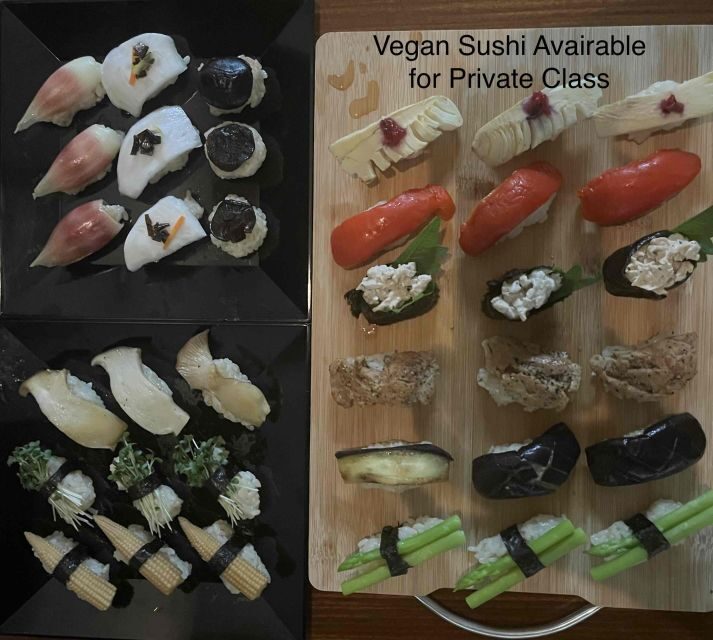
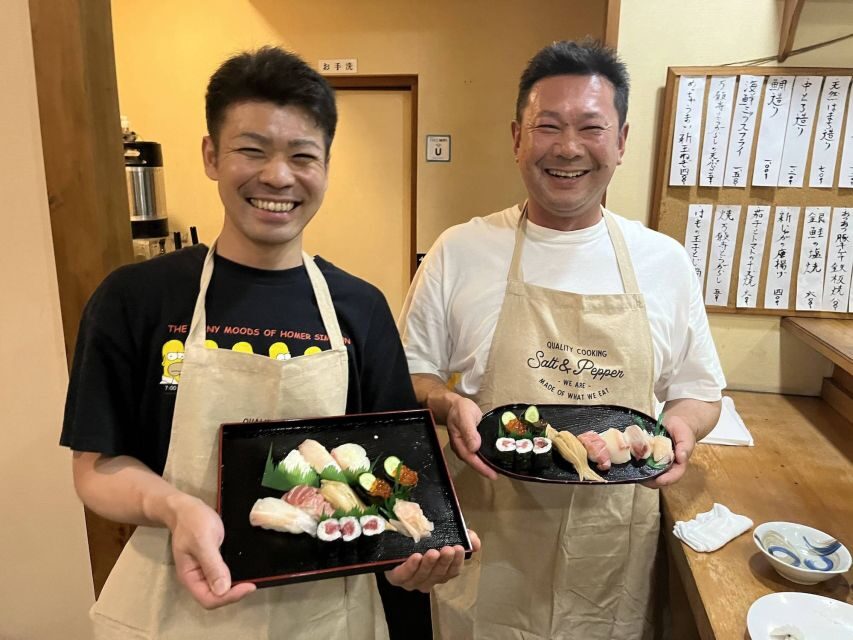
Finally, you decorate the sushi on the plate and eat your lunch. This last stage is where everything clicks. You’re not just making pieces to admire. You’re assembling a meal and tasting it while the flavors are still at their best. It’s also where you get to apply what you learned in a way that feels like an actual sushi restaurant experience.
The fish, knives, and etiquette lessons that change how you eat sushi
Even if you only care about the hands-on part, you’ll likely come away with more than recipes. Several people highlighted that the chef explained fish types and the tools used—like knives and their specific purposes. That’s valuable, because sushi is partly about ingredients and partly about the precision of preparation.
Just as important is the dining-side knowledge. A number of participants said the chef talked about sushi etiquette and how to eat at a sushi restaurant. That might sound formal, but it’s really practical: how you handle soy sauce, whether you need to invert pieces, and what behavior helps you enjoy the bite instead of fighting it.
If you’re the kind of person who hates feeling awkward at a restaurant, this class can be a cheat code. You’ll leave knowing how sushi is meant to be eaten, not just how it’s made.
Lunch setup: tea, dashi soup, and what you actually take home
Your class lunch isn’t an afterthought. It includes sushi you make yourself, plus tea or water and Japanese-style dashi soup. That pairing matters because sushi with dashi soup feels like a true meal, not a snack break between cooking demos.
Then there’s the photo and video service. You’ll take photos during the class, but instead of doing all the work with your own hands, the experience includes photo taking and sharing afterward. That’s a real quality-of-life upgrade. Sushi making is hands-on, and you don’t want your camera to compete with your knife skills.
After the class, the data is shared with you. That means you can focus on learning in the moment and still have memories that look like what you actually did.
Meeting near Shijo Karasuma: simple, human-scale logistics
This experience runs from two venues around Shijo Karasuma. The operator chooses the venue based on the number of people in your class and emails you a Google map link. When you arrive, you’ll find someone showing up with a welcome board.
Why I like this setup: it keeps the experience compact and manageable, which matches the small-group limit of 8 participants. A group that size usually means more hands-on time and fewer long waits.
Also, the instructor team includes English and Japanese. That’s especially helpful if you want to ask follow-up questions about fish, rice handling, or eating etiquette.
Price and value: what $74 buys you in Kyoto
At $74 per person, this class is priced in the “serious experience” category, not the casual cooking-workshop category. The value comes from a few things you can’t easily replicate on your own:
- Market-fresh fish sourced early morning at Kyoto Central Wholesale Market
- A real sushi chef teaching technique step by step
- Practice time with sample tools before real nigiri
- You eat what you make with dashi soup and drinks
- Photo/video support so the experience doesn’t get hijacked by phones
Could you buy fish and sushi rice and try it at home? Sure. But you’d still need the technique coaching and the understanding of how sushi should feel in the hand. That’s what you’re paying for.
The class time is listed as 90 minutes to 3 hours, depending on the schedule and class flow. If you see a longer slot, you can treat it as more time for instruction and eating, which is often where you learn what works and what doesn’t.
Who this sushi class fits best (and who should think twice)
This is a strong fit if you want an active, Japanese-food experience in Kyoto with real technique. It’s also a good match for families, since the class is described as enjoyable for kids and structured with sample practice first.
It’s also a solid choice if you’re traveling with at least one person who wants to learn, not just watch. The small group size helps you get feedback, and multiple participants praised the chefs for being patient and relaxed while teaching.
Two situations to handle carefully:
- Food allergies: The experience is explicitly listed as not suitable for people with food allergies. In that case, skip or contact the operator before booking.
- Strong fragrances: Strong fragrances aren’t allowed. So if you’re sensitive to perfume, scented lotion, or strong cologne, plan to keep scents minimal.
Finally, if you specifically want to learn every prep step—like fully preparing rice or cutting fish yourself—this class might feel more focused on assembling and shaping. One piece of feedback asked for more of that prep. Still, the core skills of nigiri and maki are front and center.
The biggest takeaways: skills you can use back home
This is the kind of class where the payoff isn’t just lunch. You’ll learn what makes nigiri hold together, how sushi rice feels under your hands, and how to roll maki without it turning into a messy stack.
People also highlighted that the chefs explained why things work—like fish handling and the role of the knives. That matters because sushi isn’t only about memorizing steps. It’s about understanding small details that affect texture, bite, and balance.
If your goal is to improve your next sushi meal in Japan—or to make better sushi at home—you’ll likely leave with a mental checklist. And that checklist is what turns a one-time class into something you use again.
Should you book this Kyoto sushi making class?
Yes, if you want a real chef-led sushi workshop with market-fresh fish, hands-on nigiri and maki practice, and a lunch that’s actually part of the experience. The small group size (up to 8) and the photo/video support are practical wins, especially if you want good memories without sacrificing attention.
Skip or ask tough questions first if you have food allergies, because the experience lists allergies as not suitable. Also, if you’re expecting to do heavy prep like rice and fish cutting from scratch, you might find the structure more focused on making and shaping than on raw prep labor.
With a 4.8 out of 5 rating from 64 reviews, the pattern is consistent: patients chefs, fresh fish quality, and a class flow that actually helps you finish with sushi you’re proud to eat.
FAQ
How long is the Kyoto sushi making class?
The duration is listed as 90 minutes to 3 hours. Check availability for the specific starting time you’re choosing.
What happens during the sushi making class?
You practice first with a sushi sample toy, then make real nigiri, then make sushi rolls using a special tool, and finally decorate and eat the sushi as a lunch.
Where do we meet?
There are two venues around Shijo Karasuma. The operator chooses the venue based on the number of participants and emails you a Google map link. You’ll look for someone with a welcome board.
Is this class offered in English?
Yes. The instructor is listed as English and Japanese.
What’s included with the price?
Included are the sushi making class with a sushi chef, eating the sushi after making, tea or water, Japanese-style dashi soup, and sharing photo data after the class.
Is it suitable if I have food allergies?
The experience is listed as not suitable for people with food allergies. Also, strong fragrances aren’t allowed, so keep scents minimal on the day.