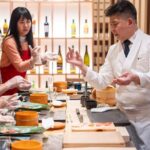
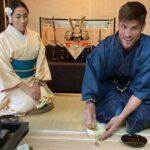
Sushi skills in 90 minutes. In Kawaramachi, Kyoto, you learn how to shape sushi with friendly, English-fluent staff plus a short lesson that explains what you’re doing and why. It is practical, not a performance.
I like that you do the work yourself and then eat your own sushi right after. One catch: there is no hotel pickup, so you will need to get to the meeting point on your own.
In This Review
- Key highlights before you go
- Kawaramachi Kyoto: Why this sushi class feels easy and real
- What you actually make: Nigiri and gunkan-maki vs temari sushi
- Sushi Making Experience course (classic nigiri + gunkan-maki)
- Temari Sushi Making course (hand-shaped temari + gunkan-maki)
- The 90-minute rhythm: lecture, hands-on work, then you eat
- Inside the techniques: what you’ll practice without needing special skills
- Nigiri and gunkan-maki skills you’ll use
- Temari-sushi skills you’ll practice
- Location that works: meeting near Kyoto Kawaramachi Station
- Food included: you eat sushi you made, with optional drinks
- Price and value: what $40 buys you in Kyoto
- Allergy and diet rules to know before you book
- Who this Kyoto sushi class is best for
- Who should think twice
- Quick practical tips so you enjoy it more
- Should you book this Kyoto Kawaramachi sushi-making experience?
- FAQ
- How long is the sushi-making experience in Kyoto?
- Where is the meeting point for the class?
- Is hotel pickup or drop-off available?
- What sushi do I make on the classic course?
- What do I make on the temari sushi course?
- Will I get to eat the sushi I make?
- Are drinks included in the price?
- Do they accommodate shellfish allergies?
- Do they offer vegetarian, vegan, or halal options?
- Is it possible to book now and pay later?
Key highlights before you go
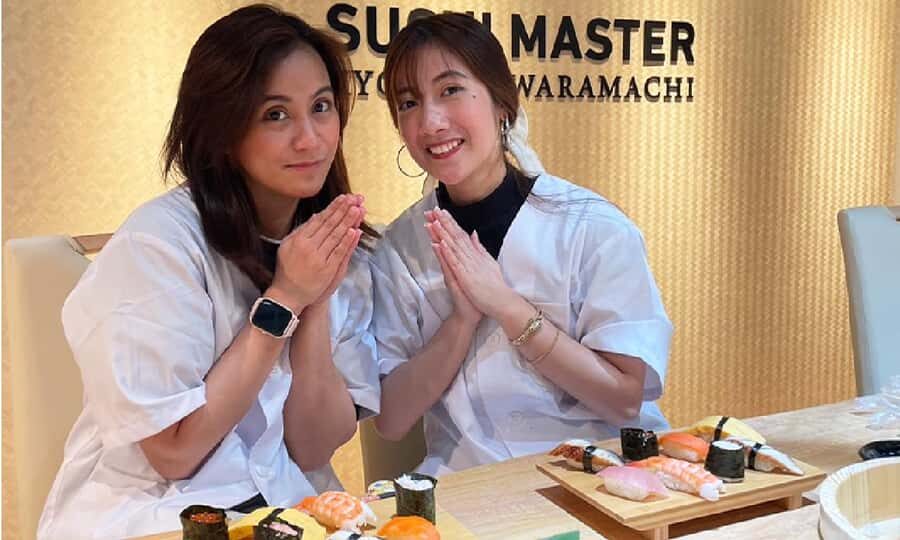
- 90 minutes total, with a lecture, hands-on work, then a meal of what you made
- English-fluent instruction from a friendly team
- Clear course options with set piece counts for your sushi
- Kawaramachi location: about a 5-minute walk from Kyoto Kawaramachi Station (Hankyu Kyoto Line)
- Shellfish-only allergy handling (octopus and squid can be substituted)
- What you get includes ingredients, sushi meals, and a special gift
Kawaramachi Kyoto: Why this sushi class feels easy and real
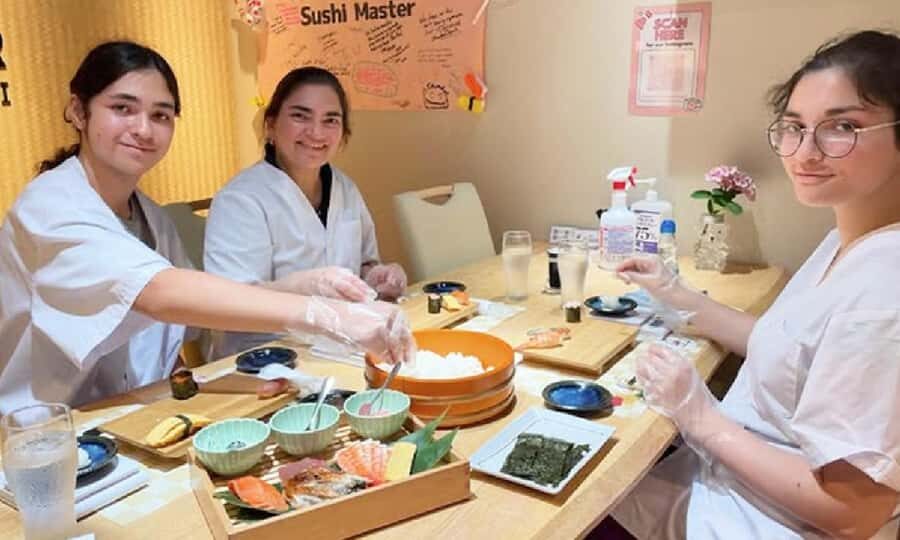
Kyoto can be intimidating if you expect a sushi class to be formal, quiet, and confusing. This one is the opposite. It is built around you learning a skill step by step, with English guidance and a group-friendly pace. You show up, you learn the basics, you make sushi, and you eat it. That flow matters because sushi lessons can turn into lectures where you take home theory but not much else.
Another reason I like the setup: Kawaramachi is convenient. The meeting area is a short walk from Kyoto Kawaramachi Station on the Hankyu Kyoto Line, so you can slot this into a normal day without complicated transit. You are also surrounded by shops, which helps if you want to wander before or after class.
The tone is also designed for mixed comfort levels. It is positioned as suitable for all skill levels. Translation: you do not need to know the first thing about sushi rice or shaping to enjoy it.
A few more Kyoto tours and experiences worth a look

What you actually make: Nigiri and gunkan-maki vs temari sushi
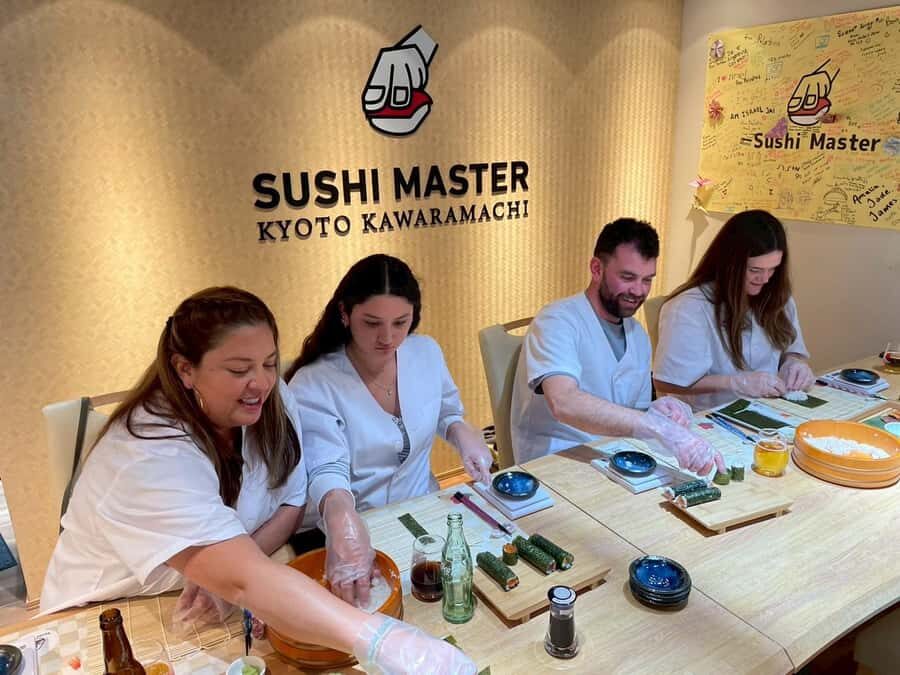
This experience comes in two course types, and the piece counts are clearly defined. That is helpful because you can plan around what you will eat and what you will take away from the session.
Sushi Making Experience course (classic nigiri + gunkan-maki)
You will make:
- 9 pieces of Nigiri-sushi
- 3 pieces of Gunkan-maki
So you get a good mix. Nigiri is the rice-and-topping technique, and gunkan-maki is the “wrap it and shape it” style with a more structured bite. If you want something that feels like what you see at a sushi counter, this is the obvious choice.
Temari Sushi Making course (hand-shaped temari + gunkan-maki)
You will make:
- 10 pieces of Temari-sushi
- 2 pieces of Gunkan-maki
Temari sushi is often a more hands-on, ball-shaping style. It is a fun option if you want something interactive that still uses core sushi ideas. You still get gunkan-maki, so you are not giving up the classic look entirely—you just shift the format.
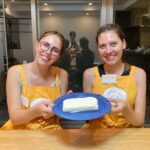
Either way, you end up with a finished set of sushi you can eat after the class. That is a big part of the value: you are not paying for practice that turns into nothing.
The 90-minute rhythm: lecture, hands-on work, then you eat
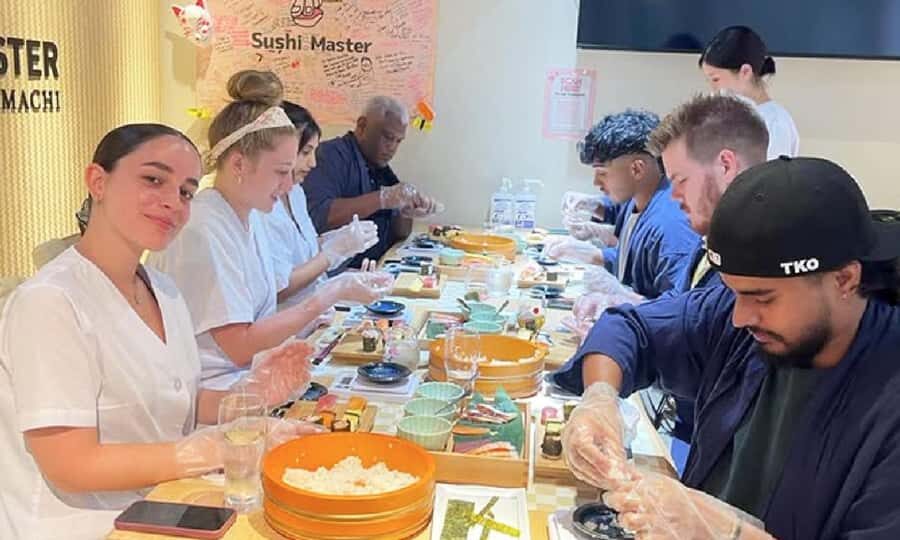
The session runs 90 minutes from start to finish. The structure is straightforward and it keeps your attention where it should be: on making sushi.
Here is the flow you can expect:
- A short lecture on the history of Japanese cuisine and sushi
- Hands-on training as you make your own pieces
- Eating the sushi you created
That lecture portion is not meant to be a museum tour. It is there to give you context while you work. Even basic background helps you understand what is traditional about the technique, instead of treating it like a cooking video where you copy movements without meaning.
Then you hit the part that makes sushi classes worth it: your hands. You learn how to shape, portion, and assemble in real time, under English support. This also reduces the pressure of doing it wrong because you are correcting as you go.
Finally, you eat what you made. Sushi is at its best while it is fresh, and the format is designed so you taste your own results instead of watching someone else serve theirs.




Inside the techniques: what you’ll practice without needing special skills
The class is built around teaching authentic sushi methods, guided by skilled staff. The exact motion and timing will depend on the course you choose, but the key learning outcomes are consistent with how sushi is taught in a practical way.
Nigiri and gunkan-maki skills you’ll use
For nigiri, you will focus on the rice portion and how it supports the topping. The goal is neat shapes and a stable bite. For gunkan-maki, you practice building a more structured “cup” effect so the topping stays in place.
You do not need restaurant-level knife skills. This is not about being a sushi chef overnight. It is about learning the fundamentals of shaping and assembling so your sushi looks like sushi, not like a rice craft project.
Temari-sushi skills you’ll practice
For temari, you’ll shape small portions into round, bite-sized pieces. The technique tends to be about consistency: size and texture matter because temari sushi is meant to hold together and be easy to eat.
If you like interactive cooking classes, this can be a fun route because it feels tactile and forgiving. You still get the satisfaction of creating food you can take a picture of before you eat it.
Location that works: meeting near Kyoto Kawaramachi Station
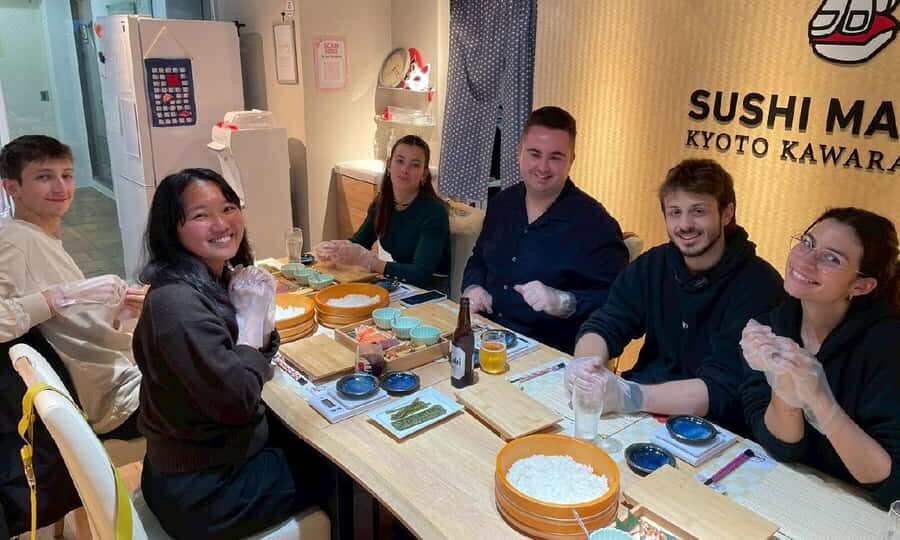
The class meets in the Kawaramachi area, roughly a 5-minute walk from Kyoto Kawaramachi Station on the Hankyu Kyoto Line. That is genuinely useful. It means you can plan your day like this:
- Arrive around the time you were told, not hours early
- Use the nearby shops for quick browsing
- Walk in and get oriented calmly
The meeting point can vary depending on what option you book, and you should come directly to the class. There is no hotel pickup or drop-off, so plan to head there yourself.
If you are building your Kyoto itinerary, this location also helps. You can combine the class with shopping time in the same neighborhood and not lose half your day to transit.
Food included: you eat sushi you made, with optional drinks
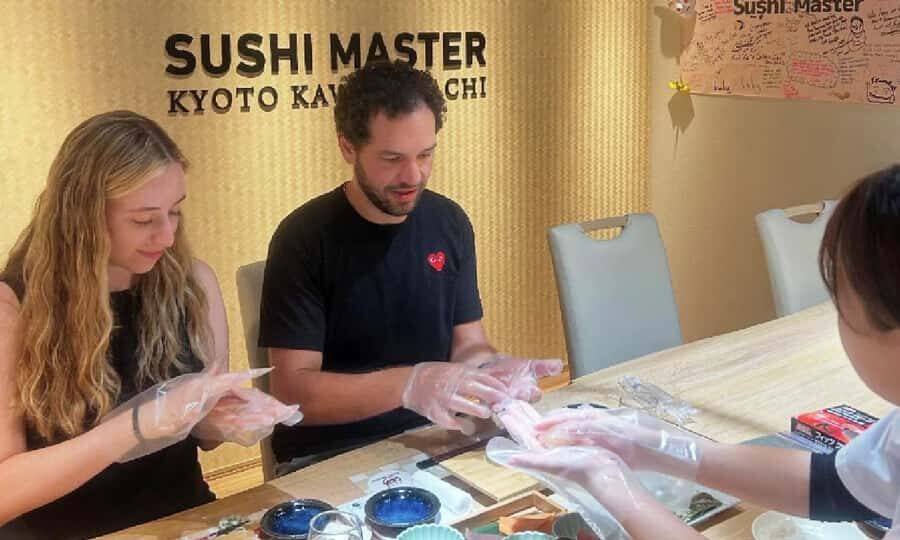
You get the best part included: sushi ingredients in the experience and sushi meals. That means the price is not just for instruction. You also get a meal out of it.
You can order drinks on-site (soft drinks and alcohol), but drinks are not included in the base price. This matters if you are budgeting. If you plan to drink, factor that in. If you only want water or tea, you can keep costs simple.
One more detail that helps: there is a special gift included. You should expect a take-home souvenir tied to what you made, which is a nice way to remember the class beyond the photos.
Price and value: what $40 buys you in Kyoto
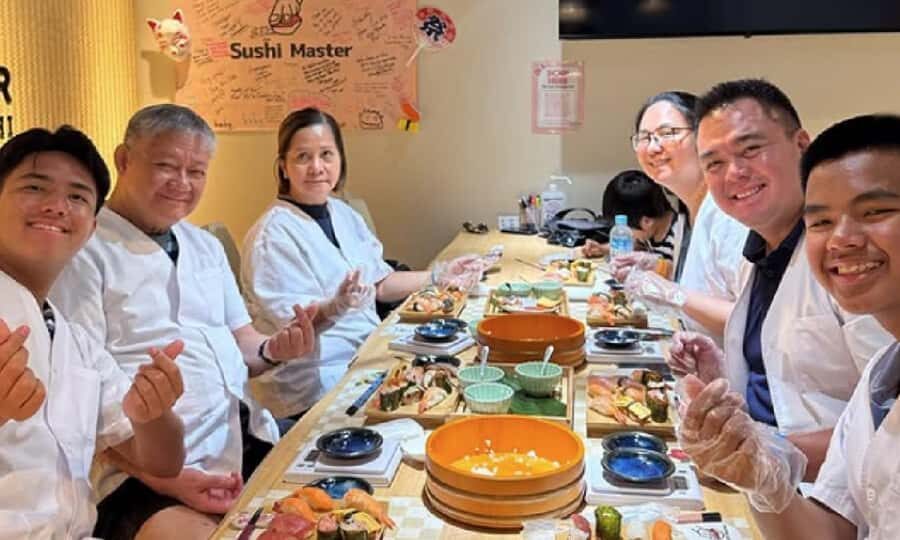
At $40 per person, this is aimed at being approachable. For that price, you’re paying for:
- English instruction
- A lecture component
- Hands-on sushi making with ingredients
- The sushi meal you eat afterward
- A special gift
The biggest value driver is the “learn and eat” structure. Lots of cooking classes teach skills, but you might leave hungry or spend extra to eat later. Here, the meal is part of the experience.
The second value driver is convenience. Being near Kyoto Kawaramachi Station reduces friction. You are not paying extra in time or transport to reach a remote location.
The price consideration is also straightforward: you must cover any drinks you order, and there are no special menu adjustments for everyone.
Allergy and diet rules to know before you book
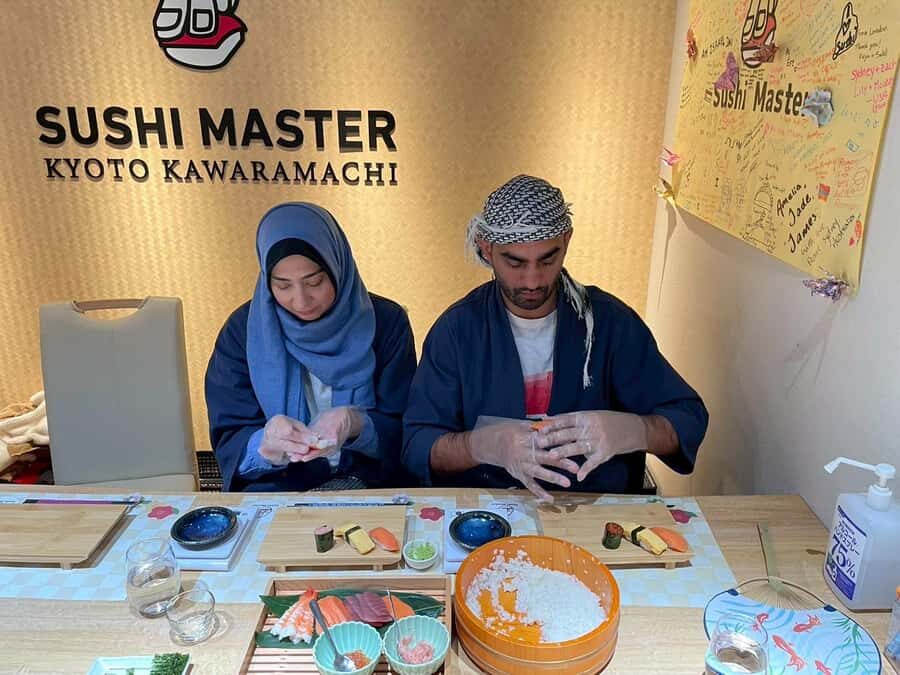
This is where I suggest you plan ahead.
- The class can accommodate shellfish allergies. If you cannot eat shellfish, substitutions are possible using octopus and squid.
- There are no special dishes for vegetarians, vegans, or halal diets.
So if you follow a restricted diet, this might not be the best fit. On the other hand, if your main concern is shellfish, the substitution policy makes it easier.
If you are traveling with someone who needs dietary accommodations beyond what is stated here, I would not assume they can modify the menu. Ask in advance if the team can handle your specific case, because the provided info only guarantees shellfish-allergy handling and substitutions.
Who this Kyoto sushi class is best for
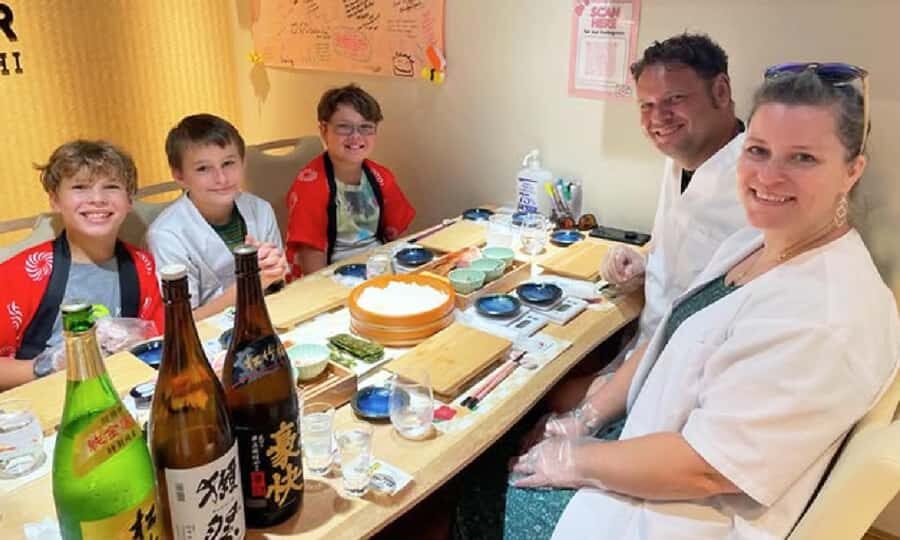
This experience fits best when you want something hands-on and guided. It is ideal if:
- You want a first sushi lesson and like learning by doing
- You prefer English instruction
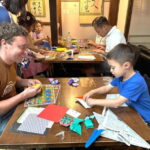
- You want a fun, social activity without needing experience
- You like getting a meal from the activity, not just a workshop
It is also a smart pick if you are in Kyoto and want to avoid overly complicated logistics. The meeting area near Kawaramachi Station makes it easy to slot into a day.
Who should think twice
You might want to skip or reconsider if:
- You need vegetarian, vegan, or halal options (not offered)
- You cannot easily reach the meeting point on your own (no hotel pickup)
- You have dietary restrictions beyond shellfish allergies and substitutions
Also, if you hate being in a shared class setting, this could feel less private than a one-on-one workshop. The course is designed for normal group learning, not solitude.
Quick practical tips so you enjoy it more
A sushi class goes best when you keep your expectations realistic.
- Arrive hungry enough to enjoy the meal afterward, but not so hungry you feel impatient during the lecture
- Wear something comfortable. You will be handling food and using your hands a lot
- If you plan to drink, keep your budget in mind since drinks are not included
- Bring a little patience for small corrections. Sushi is all about consistency
And yes, you will probably think about rice texture all day afterward. That is the curse and the joy.
Should you book this Kyoto Kawaramachi sushi-making experience?
If you want a straightforward sushi experience that includes instruction, a short background lesson, and a meal you eat immediately, I’d say it is worth booking. The English-fluent, friendly staff and the defined course options make it easy to choose the version that sounds fun. Plus, being near Kyoto Kawaramachi Station means less hassle.
Book it if you:
- Want to learn sushi basics at a beginner-friendly pace
- Prefer a practical class where you make and eat
- Are staying in or near Kawaramachi and can reach the meeting point yourself
Skip it if:
- You need vegetarian/vegan/halal accommodations
- You rely on hotel pickup for everything
FAQ
How long is the sushi-making experience in Kyoto?
The session is 90 minutes long.
Where is the meeting point for the class?
The meeting point may vary depending on the option booked, and you should come directly to the class. The activity starts and ends back at the meeting point.
Is hotel pickup or drop-off available?
No, hotel pickup and drop-off service is not available.
What sushi do I make on the classic course?
You make 9 pieces of Nigiri-sushi and 3 pieces of Gunkan-maki.
What do I make on the temari sushi course?
You make 10 pieces of Temari-sushi and 2 pieces of Gunkan-maki.
Will I get to eat the sushi I make?
Yes. After the hands-on part, you enjoy eating the sushi you made.
Are drinks included in the price?
No. Drinks are not included, but you can order soft drinks and alcohol during the class.
Do they accommodate shellfish allergies?
They only accommodate shellfish allergies. Octopus and squid can be substituted.
Do they offer vegetarian, vegan, or halal options?
No special dishes are offered for vegetarians, vegans, or halal diets.
Is it possible to book now and pay later?
Yes. It offers reserve and pay later, so you can book your spot and pay nothing today.