Kyoto before the crowds feels magical. This short tour hits the big icons fast, starting with Fushimi Inari’s red torii gates and ending at Kiyomizu-dera for classic views. I especially like the early start that helps you move through with less squeeze, and the live guide storytelling that turns two famous stops into a connected walk through belief, architecture, and everyday Kyoto life.
The main trade-off is physical. Expect stairs and 10,000-plus steps, and the tour isn’t suitable for mobility impairments—comfortable shoes are non-negotiable.
In This Review
- Key things I’d plan around
- Why this 3-hour Kyoto route is such good value
- Meeting at JR Inari Station: easy if you know the clue
- Fushimi Inari Taisha at sunrise: the torii path you actually enjoy
- Kiyomizu-dera: the views come with stairs, so plan for them
- Higashiyama, Sannenzaka, and Ninenzaka: where Kyoto feels lived-in
- The guide really changes the experience
- Getting there without hassle: trains, taxis, and tickets included
- Coffee at % ARABICA: a smart finish, not an afterthought
- Price and time: what $58 buys you in real terms
- Who should book this tour (and who should skip it)
- Should you book this Kyoto Fun tour?
- FAQ
- What is the duration of the Best of Kyoto tour?
- Where do I meet the guide?
- Which places does the tour visit?
- Are entrance fees included?
- How do we get between Fushimi Inari and Kiyomizu-dera?
- Are food and drinks included?
- What languages are available for the guide?
- Is the tour suitable for people with mobility impairments?
Key things I’d plan around
- Early access at Fushimi Inari for long-shadow photos and calmer walking
- A guide who keeps the story clear (English or French) so you know what you’re seeing
- Kiyomizu-dera viewpoints with time to look rather than constant rushing
- A photo window built in, so you can actually get your shots
- Higashiyama lanes and preserved streets around Sannenzaka and Ninenzaka
- Ends at % ARABICA Kyoto Higashiyama to reward the early wake-up call
Why this 3-hour Kyoto route is such good value
This tour is priced at $58 per person for a reason: it’s not just a guided walk. You’re also getting train fares, taxi fares, and entry fees handled for you. For a short, high-impact day in Kyoto, that matters. In practice, it saves you from the two biggest stressors—figuring out transit between sites and calculating what’s included once tickets and local rides come into play.
The overall time plan also feels smart. You get focused time at two of Kyoto’s headline attractions—Fushimi Inari Taisha and Kiyomizu-dera—then you spend the rest of the time walking the historic atmosphere of Higashiyama, Sannenzaka, and Ninenzaka. That mix is ideal if you want “Kyoto vibes” without losing your whole day to logistics.
One more practical win: the finish at % ARABICA Kyoto Higashiyama gives you a natural landing point. You’re not scrambling for the nearest café after your legs clock in their steps.
A few more Kyoto tours and experiences worth a look


Meeting at JR Inari Station: easy if you know the clue
You meet your guide in front of the entrance to JR Inari Station at the time on your voucher. The spot is described as having a small mailbox and a public phone nearby. That’s a helpful detail because Kyoto station-area entrances can look similar when you’re tired.
You’ll start with two location options, both near Inari Station (including the area in front of the station entrance). Either way, the goal is the same: arrive on time, and your guide does the rest.
Tip for your first 10 minutes: before you feel rushed, take one quick look at your surroundings and match what you see to the meeting-point cues. If you’re early, you can stand comfortably while you wait—Kyoto mornings are better when you don’t start the day scanning like a detective.
Fushimi Inari Taisha at sunrise: the torii path you actually enjoy
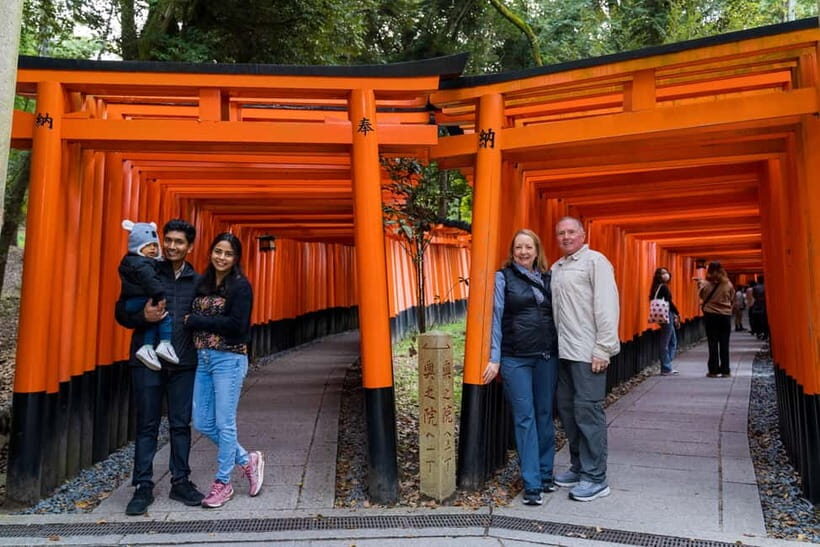
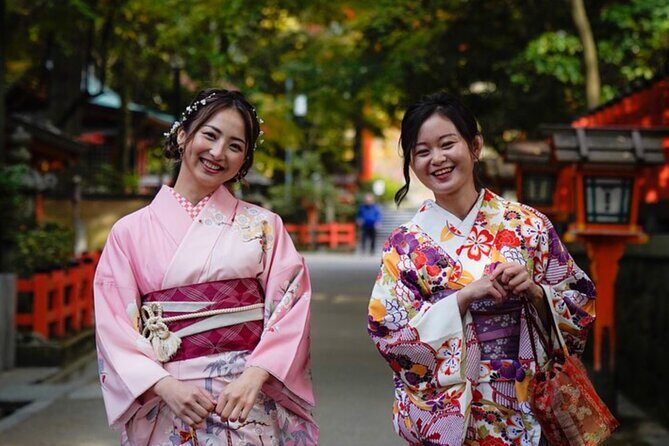
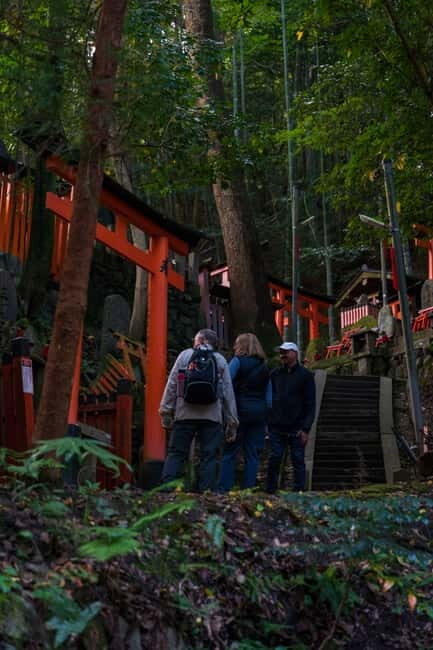
Fushimi Inari Taisha is the #1 sightseeing stop in Japan, and that’s exactly why an early start helps. When you arrive early, you get those torii gates casting long shadows, and you can slow down instead of constantly dodging crowds.
The guided portion is about 50 minutes, which is a good length for a first pass. The guide’s job isn’t just to point things out—it helps you connect what you’re seeing to the meaning behind it, especially Buddhism and shrine culture in a way that doesn’t feel like a lecture. In the guide-led experience, you’re more likely to notice details like how the torii corridor guides your attention forward, and how the sacred space works like a visual story.
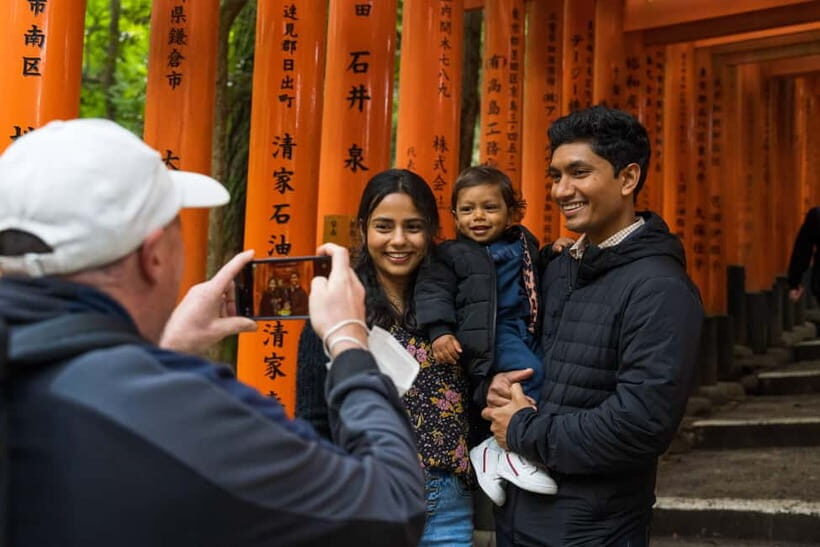
I also like how the pace supports photos. One review specifically praised how guide Shanda gave time to take pictures calmly, not just “move along, next.” That small courtesy makes a big difference at Inari because people love taking the classic shots, and without time built in, you end up with only blurry ones.
Kiyomizu-dera: the views come with stairs, so plan for them
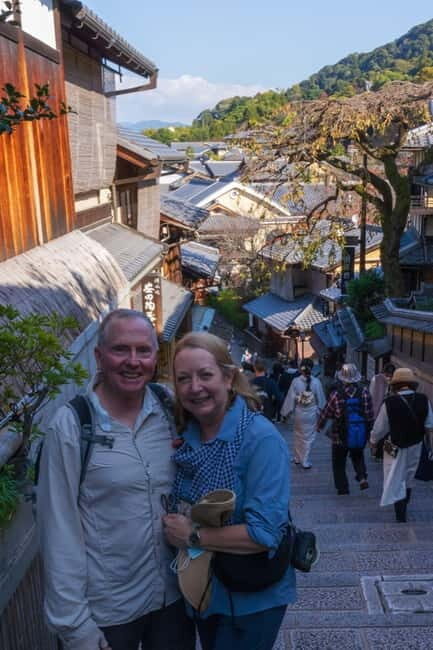
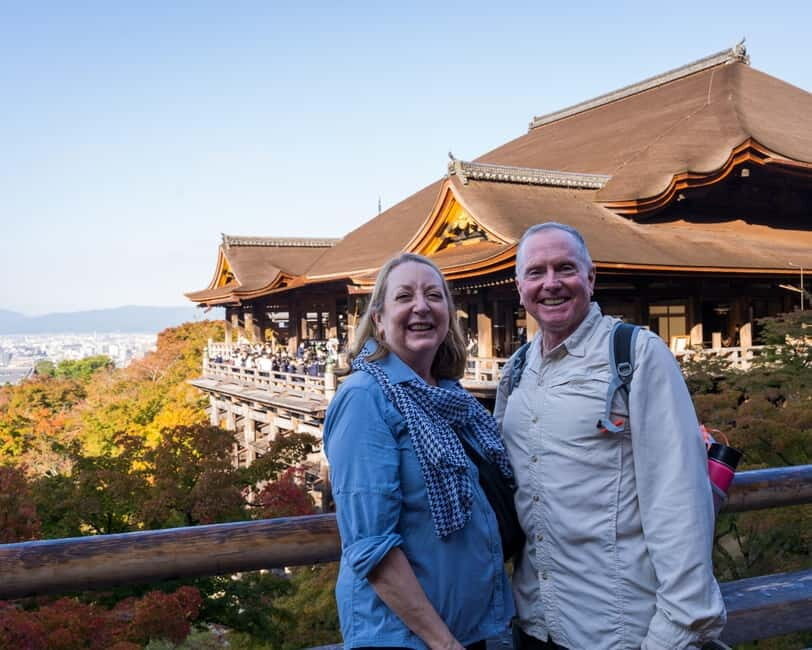
Next is Kiyomizu-dera, with a guided hour. This stop is famous because it gives you that signature Kyoto panorama, with temple architecture and city views in the same frame. What you gain from a guide here is context: your tour isn’t just “look up,” it’s “here’s why this place mattered and how the structures are read.”
The key thing to know is the physical side. The tour includes enough stairs that you’ll likely do 10,000 or more steps total. That doesn’t mean you should skip it—just don’t treat it like a gentle stroll. If your knees or ankles are sensitive, wear supportive shoes and take your time on the stairs. Early mornings can feel brisk, so moving slow is easier than rushing.
One practical consideration: going early can also mean some shops along the way may not be fully open yet. That’s a trade-off you’re making for quieter streets and better photo conditions. If shopping is your main goal, you might plan a separate later walk. If your goal is atmosphere and landmarks with less stress, the early start pays off.
Higashiyama, Sannenzaka, and Ninenzaka: where Kyoto feels lived-in
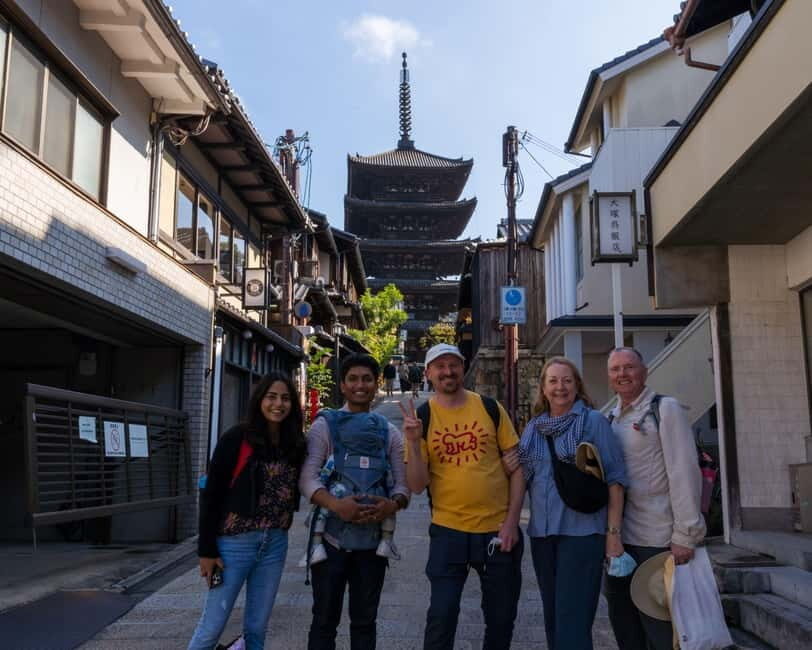
After the headline temples, you get to slow down into the neighborhood look and feel of historic Kyoto: Higashiyama and the preserved lanes around Sannenzaka and Ninenzaka.
This is where the tour adds texture. It’s not only about monuments. You’ll pass narrow lanes lined with historic wooden houses, and you’ll notice that the streets feel like a real working neighborhood, not just a museum corridor. There’s also often that smell of coffee drifting from small cafés—an easy reminder that Kyoto isn’t frozen in time.
A good sign you’re on the right route: these streets are walkable, photo-friendly, and slow enough that you can pause without feeling like you’ll fall behind. There’s also a dedicated photo stop (about 30 minutes), which helps because Kyoto sightseeing can otherwise turn into a constant hurry.
If you love “small scene” travel—one lane, one turn, one view—this is the payoff section.
A few more Kyoto tours and experiences worth a look




The guide really changes the experience
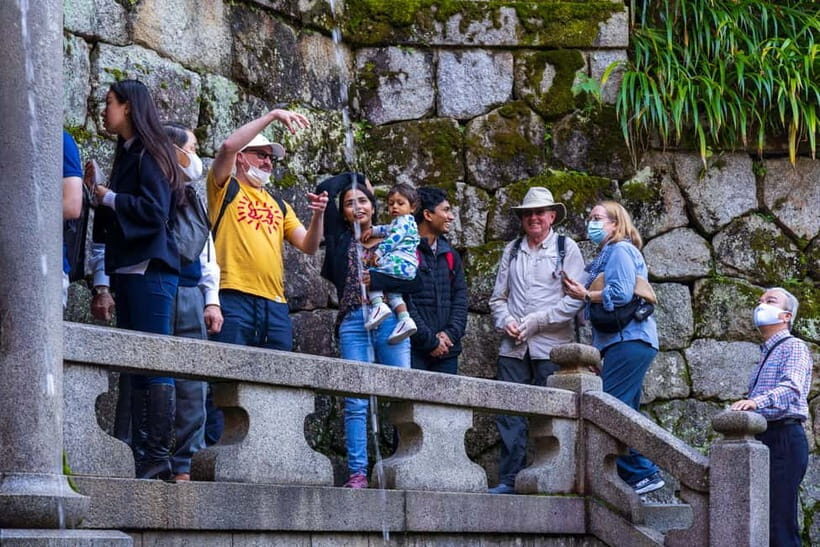
A guided tour can be hit-or-miss. Here, the standout theme from guide-led experiences is how much the guide helps you understand what you’re seeing and how much time you get to actually look.
Two names come up in the feedback: Shanda and Diana. One person highlighted Shanda’s expertise and willingness to let people photograph calmly, plus the way she explained traditions and history clearly. Another praised Diana as fantastic and noted that going early reduced crowding, even if some shops weren’t open yet.
You don’t need a “professor” to enjoy Kyoto, but you do benefit from a guide who can answer the question in your head while you’re walking: What am I looking at, and why does it matter?
That’s where the live guide shines—especially in a tight three-hour format where you won’t have time to wander and research on your own.
Getting there without hassle: trains, taxis, and tickets included
One of the least fun parts of Kyoto day planning is the moment you realize you’ll need multiple tickets and maybe a short ride between areas. This tour takes that burden away by including train fares, taxi fares, and entry fees. You won’t be scrambling at ticket counters mid-journey, and the handoff between sites is handled.
You’ll also have the convenience of a guide-directed route that connects the major points efficiently. That’s useful because Kyoto’s best photos often happen at specific angles and times—and without a plan, it’s easy to miss those chances.
And because it’s a small group or private option, you’re less likely to feel like a number being pushed through. (Exact group size depends on the option you choose.)
Coffee at % ARABICA: a smart finish, not an afterthought
The tour ends at % ARABICA Kyoto Higashiyama. That’s a smart call because it gives you an immediate place to catch your breath and decide how to continue your day.
Since food and drinks aren’t included, you’re free to choose what you want—coffee, breakfast-style options if you spot something available, or just a sit-down moment. This stop works as a reward for getting up early, and it helps you transition from guided time to independent exploring.
If you’re the type who likes to keep traveling momentum, this is also a good moment to ask your guide for local ideas. You’ll want a plan for the rest of the day, especially if you want to do additional neighborhoods after the main icons.
Price and time: what $58 buys you in real terms
Let’s talk value without pretending it’s free.
At $58, you’re paying for:
- A live guide in English or French
- Entry fees to the key sites
- Train and taxi fares between locations
- A compact schedule that fits into about 3 hours
If you’ve ever tried to DIY two major Kyoto destinations on a tight timeline, you know the hidden costs: your energy, your time, and the mental load of transit + tickets. For many visitors, the guide’s explanation plus included logistics turns “famous places” into a smoother experience with less friction.
If you’re already an experienced Kyoto planner who enjoys transit puzzles and doesn’t mind reading plaques, you might feel you could spend less on a self-guided day. But if your priority is avoiding stress and getting the best shot conditions, the price starts to look fair.
Who should book this tour (and who should skip it)
This is a great fit if you:
- Want Fushimi Inari and Kiyomizu-dera without spending half your day on planning
- Like early starts to reduce crowd pressure and improve photo quality
- Enjoy cultural context from a guide, not only landmark checkmarks
- Are comfortable with stairs and longer walking
I’d be cautious if you:
- Have mobility limitations or health issues that make stairs hard
- Prefer super slow sightseeing with minimal walking
- Want to browse lots of shops during the visit (some may not be open early)
Also, for anyone sensitive to walking volume: you should plan snacks and hydration on your own. The tour includes no food or drinks, so bring your own rhythm.
Should you book this Kyoto Fun tour?
If you want a high-value Kyoto morning that connects the two biggest icons with meaningful context, I think you’ll like this. The early start is the real advantage, the guide makes the sites easier to understand, and the included rides and tickets remove the most annoying parts of planning.
Book it if your travel style matches: short, focused, and photo-friendly. Skip it if stairs are a dealbreaker or if you mainly want time for shopping and long unstructured wandering.
If you do book, do one thing for yourself: wear shoes you’ve already tested. Kyoto steps are not the place for first-day experiments.
FAQ
What is the duration of the Best of Kyoto tour?
The tour lasts 3 hours.
Where do I meet the guide?
Meet your guide in front of the entrance to JR Inari Station at the time listed on your voucher. You’ll see a small mailbox and a public phone next to each other.
Which places does the tour visit?
The tour includes Fushimi Inari Taisha and Kiyomizu-dera, plus walking in areas associated with Higashiyama, Sannenzaka, and Ninenzaka.
Are entrance fees included?
Yes. Entry fees are included in the tour price.
How do we get between Fushimi Inari and Kiyomizu-dera?
Train fares and taxi fares are included, and the tour handles transportation between the two locations.
Are food and drinks included?
No. Food and drinks are not included. The tour ends at % ARABICA Kyoto Higashiyama, where you can buy something.
What languages are available for the guide?
The live guide is available in English and French.
Is the tour suitable for people with mobility impairments?
No. It is not suitable for people with mobility impairments. The tour includes stairs and a long walking distance.