Kyoto sushi taught by a real chef is a treat. This 3.5-hour class in central Kyoto mixes hands-on cooking with tastings you can actually remember, from sake pairings to your own matcha. It’s designed to feel authentic, not like a tourist show.
I love that you get the full sushi arc: you watch a Taisho chef shape nigiri precisely, then you make your own rolls and nigiri with step-by-step help. I also like the food lineup, especially the fresh fish quality and the tempura, plus the extra learning moments like sushi background and multiple sake samples.
One thing to consider: it’s not a long class. With a tight schedule, you’ll want to pay attention early so you don’t feel rushed while shaping your pieces at the end.
In This Review
- Key things that make this Kyoto sushi class special
- Where Kyoto sushi craft feels real: meeting the chef and your station
- What you make: 9 nigiri, rolls, and the muscle memory of sushi
- Tempura and drinks: why the meal isn’t just a side show
- Sake tasting with pairing tips: learn how sushi gets its flavor balance
- Matcha whisking in a Kyoto-style garden: the calm ending
- Small group size (max 8): the practical reason this feels personalized
- The guide matters: Ayuri and the tone of the class
- Price and value: is $163.30 per person fair for what you get?
- Who this Kyoto sushi class is best for
- Logistics you should know before you go (without the stress)
- Should you book this Kyoto sushi making experience?
- FAQ
- How long is the Kyoto sushi making experience?
- What’s included in the class besides sushi?
- How many people are in the group?
- Do I need to speak Japanese?
- Where does it start?
- What is the cancellation policy?
Key things that make this Kyoto sushi class special
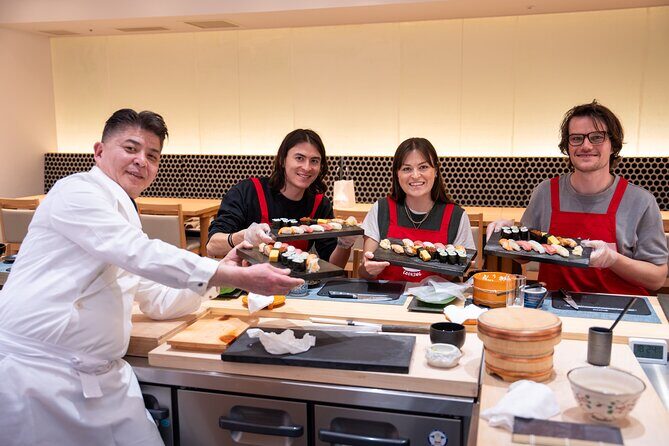
- Professional Taisho chef instruction while you work, with the chef handling sharp tasks
- Hands-on sushi making (9 nigiri plus roll sushi) in about 3.5 hours
- Sake tastings with pairing tips so you understand what goes with what
- Tempura made fresh by the chef as part of the meal
- Matcha whisking tied to the Japanese sweets you choose before dessert
- Small group size (max 8), which keeps the experience personal
Where Kyoto sushi craft feels real: meeting the chef and your station
This experience starts in Nakagyo Ward near public transport, at Diesel604 Banochō (Start time is 3:30 pm). I like this timing because it lands you in Kyoto’s late afternoon rhythm—enough day left to enjoy the city, but not so late that you’re walking around hungry.
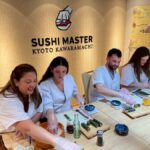
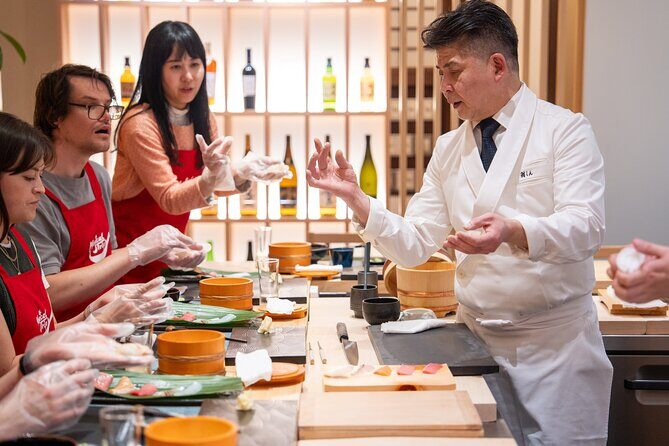
Once you’re guided into the sushi setting, the mood changes fast. You’re not just watching from across a counter. You’re set up to learn how sushi is built: rice first, then topping, then shaping and handling. That matters because nigiri isn’t only about the ingredients—it’s about how everything sits together.
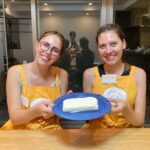
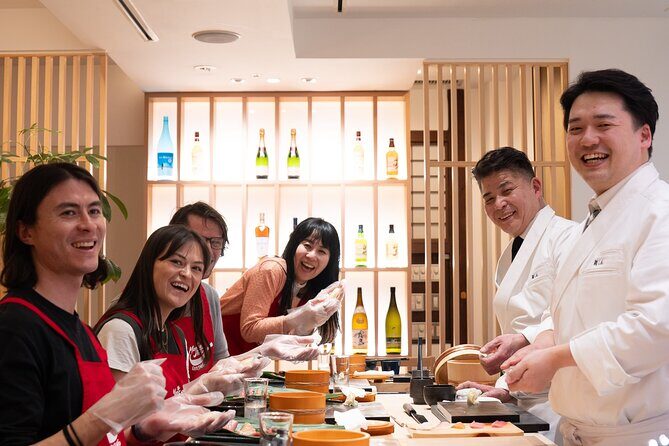
The big advantage here is you’re working in front of a Taisho chef (a seasoned sushi master). You’ll see the precise knife work and the flow of the process. Then you’ll be coached to do the work yourself, with the chef taking over sharp slicing so you can focus on the fun part: forming clean shapes and learning the rhythm.
A few more Kyoto tours and experiences worth a look

What you make: 9 nigiri, rolls, and the muscle memory of sushi
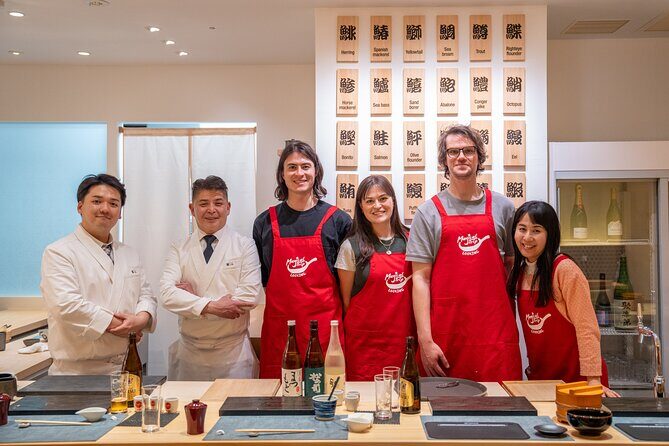
The class is built around two main projects: 9 nigiri sushi plus roll sushi. That’s a smart way to learn. Nigiri teaches you the essentials—rice texture, topping placement, and how to press without crushing. Rolls add another skill set: spreading, rolling, and getting clean edges so the slice looks good on the plate.
Even if you’ve never made sushi before, you don’t need Japanese language skills. The instruction is handled in English, so you can follow what’s happening at each step. For me, that’s the difference between a “fun cooking moment” and an actual skills lesson. If you understand the why behind the technique, you can repeat it later at home.
Also, you’re not just making one style and calling it done. Learning both nigiri and rolls gives you a broader foundation. And because it’s happening in Kyoto with a professional chef leading the flow, you get to see the discipline behind the craft, not just the recipe.
Tempura and drinks: why the meal isn’t just a side show
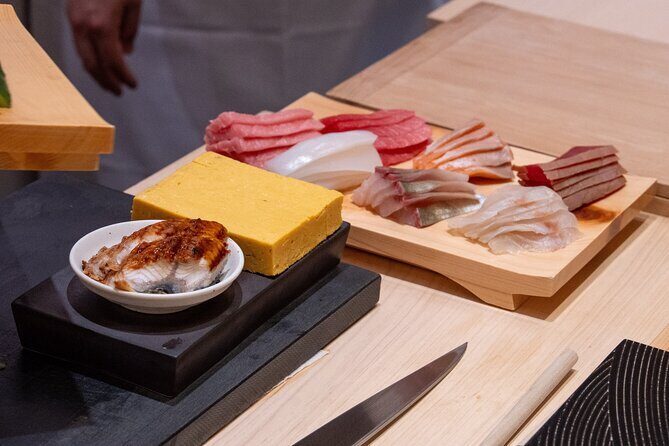
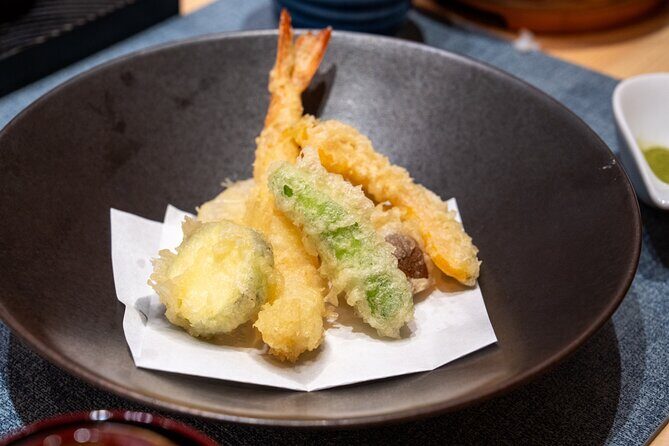
A lot of sushi classes stop at sushi. This one doesn’t. You also get a tempura set prepared by the chef. That’s a great practical add-on because tempura is a different cooking skill entirely—battering, frying, timing, and serving while it’s still crisp.
In the supplied feedback, one standout detail is how excellent the tempura was—so good it was described as the best experience of its kind during a stay in Japan. That lines up with what you should expect when a chef is responsible for both the sushi technique and the finishing of the meal.
The class also includes two drinks alongside the cooking. That matters because you’re not just tasting at random. You’ll connect drinks to food later during the sake tasting portion, which leads to better understanding of flavors and balance.
Sake tasting with pairing tips: learn how sushi gets its flavor balance
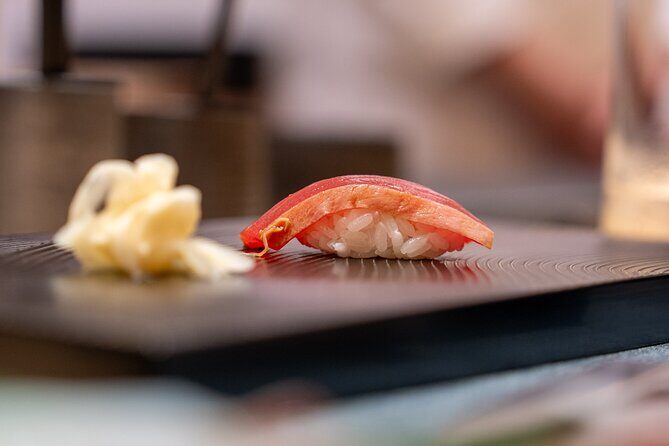
This is one of the most useful parts of the experience because it teaches you what many people miss: sushi is as much about balance as it is about freshness.
You’ll do a sake tasting session with pairing tips. The goal isn’t to turn you into a sake expert. It’s to help you notice how different styles of sake change the experience of sushi—how they interact with fish, rice, and the overall richness of the meal.
In the feedback, people highlighted tasting different types of sake and learning pairing guidance. That’s exactly what you want if you plan to order sake at restaurants later. Instead of guessing, you’ll have a mental map of what worked and why.
Matcha whisking in a Kyoto-style garden: the calm ending
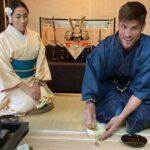
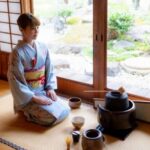
The final act is dessert and tea, but it’s staged in a way that feels very Kyoto. You’ll finish in a peaceful Kyoto-style garden setting.
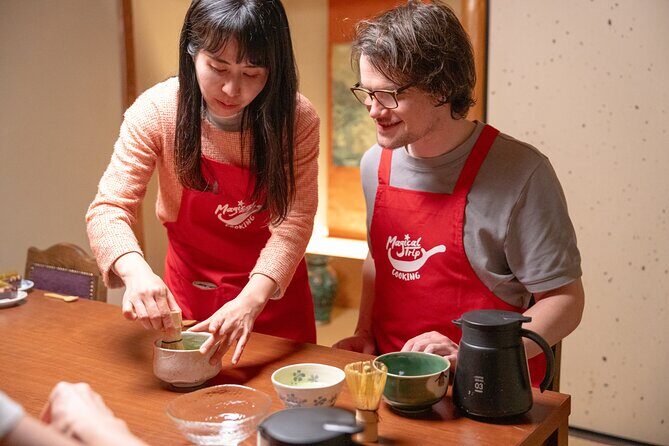
Before that, you pick Japanese sweets to go with your matcha. Then you learn how to whisk matcha—so you’re not just handed a cup. You’ll practice the motion and create the drink yourself, then enjoy it with the sweets you chose.
Why this is valuable: matcha isn’t only flavor. It’s texture and temperature, plus how it resets your palate after savory food. Having the class end with sweets and tea in a garden helps you transition out of the cooking intensity without feeling like you’re rushing to leave.




Small group size (max 8): the practical reason this feels personalized
The group stays small, with a maximum of 8 travelers. That’s a big deal for a technique-heavy class.
Here’s why: when you’re learning sushi, you need correction at the moment you’re shaping rice and placing topping. A small group means the chef and guide can spot issues quickly—like rice amount, alignment, or how firmly you’re pressing. Large groups can still work, but they often turn into “watch and try once.” This one is built for hands-on practice and real feedback.
There’s also an emotional benefit. With fewer people, you’re less likely to feel lost in the noise. You can ask questions, and you’ll have time to follow along without sprinting mentally.
The guide matters: Ayuri and the tone of the class
One of the strongest signals from the feedback is the guide experience. Ayuri was singled out as wonderful, and that lines up with what a great class needs: a guide who can translate what the chef is doing into instructions you can actually follow.
A good guide also sets expectations early—what you’ll do, what you’ll taste, and what the goal is. In this experience, the flow is structured around sushi, then tempura and drinks, then sake pairing tips, then matcha and sweets. When someone keeps that rhythm clear, you’re more relaxed while learning technique.
So if you care about comfort and clarity, this is a plus.
Price and value: is $163.30 per person fair for what you get?
At $163.30 per person, this isn’t a budget snack class. But it’s also not priced like a private chef fantasy day. The value comes from what you actually receive and the access you’re paying for.
You’re getting:
- A professional Taisho chef teaching knife-craft and technique (with chef handling sharp work)
- Hands-on sushi making (9 nigiri plus roll sushi)
- A tempura set
- Two drinks
- Sake tastings with pairing tips
- Matcha whisking plus Japanese sweets
- A garden finish that keeps the experience feeling special, not rushed
The small group size helps justify the cost too. You’re not just in a room with lots of people—you’re in a working environment where attention matters. And the fact that it’s designed for English speakers reduces friction, so you’ll get more out of the time you’re paying for.
Also, it tends to get booked ahead (around 24 days in advance on average). That’s a hint the demand is real, likely because it delivers the “learn and eat” combo well.
Who this Kyoto sushi class is best for
This fits best if you want more than a meal.
You’ll especially enjoy it if:
- You’re a foodie who wants technique, not just tasting
- You love sushi but want to learn what makes nigiri work
- You want to bring home skills you can actually practice
- You enjoy learning through tasting, especially with sake pairings
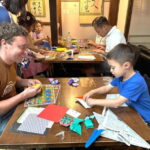
It’s also family-friendly, with a note that kids 4+ can join. And because sharp tasks are handled by the chef, the class keeps the focus on learning and hands-on fun rather than safety panic.
Solo travelers can do well here too. In a small group of up to eight, you’ll usually get more interaction than you’d expect from a bigger tour format.
Logistics you should know before you go (without the stress)
The start time is 3:30 pm, and the session runs about 3 hours 30 minutes. That timing is long enough to learn multiple skills, eat properly, and end calmly.
The meeting point is in Nakagyo Ward at Diesel604 Banochō, and the activity ends back there. It also uses a mobile ticket, which is practical if you don’t want to hunt for paper tickets.
This is near public transportation, which matters because Kyoto traffic and walking distances can slow you down if you’re pairing the class with other plans.
If you’re planning the rest of your afternoon, I’d treat this as a key anchor. It includes a meal component and tasting, so don’t schedule a big dinner right after unless you’re sure you’ll still be hungry.
Should you book this Kyoto sushi making experience?
I’d book it if your goal is to learn real sushi technique with a professional chef, not just eat fancy food. The strongest reasons are the combination of hands-on sushi making, excellent tempura, and the extra learning layer of sake tasting with pairing tips, plus the finishing touch of matcha and sweets in a garden.
Skip it if you’re hoping for a long, slow masterclass that turns into a deep academic lesson. This one moves efficiently through several activities. You’ll get skill and taste, but you need to focus and be ready to work in the moment.
If you want a well-paced Kyoto experience that feels authentic, small-group, and genuinely food-focused, this is one of those “do it once” classes that actually makes you better at ordering and cooking afterward.
FAQ
How long is the Kyoto sushi making experience?
It lasts about 3 hours 30 minutes.
What’s included in the class besides sushi?
You’ll also get a tempura set, two drinks, sake tastings, a matcha experience, and Japanese sweets.
How many people are in the group?
The tour has a maximum of 8 travelers.
Do I need to speak Japanese?
No. The guide is English-speaking, so you can follow along comfortably.
Where does it start?
It starts at Diesel604 Banochō, Nakagyo Ward, Kyoto (and ends back at the meeting point).
What is the cancellation policy?
Free cancellation is available up to 24 hours before the start time for a full refund. Canceling later than that isn’t refunded.