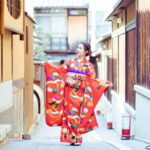
One hour in Kyoto changes everything. This Kyoto Kimono Rental at WARGO in Gion lets you choose kimono patterns, get fitted by on-site staff, and stroll historic streets for photos that look like you planned it. I like the help getting dressed properly (they guide you through the whole process), and I like the solid kimono quality available at an easy-to-swallow price. The one catch: depending on the time slot and season, waiting can run about 30 to 90 minutes.
Standard and premium options both include the core outfit basics, so you can spend your time on Kyoto, not shopping. You’ll get a kimono, sash belt (obi), a Japanese satchel/clutch, sandals-like footwear, and socks, plus staff assistance to get you in place. Choose the premium plan if you want hairstyle help for women only.
Plus-size kimono are also available, so the look is not limited to one body type. Just remember the store operates 10:00 AM to 5:30 PM, so you’ll want a day plan that gets the kimono back on time.
In This Review
- Key Things I’d Pay Attention To
- Kyoto Kimono Rental at WARGO in Gion: why this experience feels different
- Picking Your Kimono in Gion: patterns, grades, and how choice works
- Getting Dressed at WARGO: what to expect and what to do with that time
- The Kyoto Street Stroll: photos, comfort, and how to use your kimono time
- Standard vs Premium: what changes, and who should pick which plan
- Standard plan
- Premium plan (women only)
- Timing in Kyoto: hours, waits, and planning your day so you don’t feel rushed
- Value check: is about $33 really worth it?
- Who should book this WARGO kimono rental in Gion?
- Should you book? My practical take
- FAQ
- What’s included with the Kyoto kimono rental?
- How long does the dressing process take?
- Is there help with dressing and the obi?
- What is the difference between the standard and premium plans?
- Is hairstyling included, and who can get it?
- Are plus-size kimono options available?
- What time do I need to return the kimono?
- Can I keep the kimono for the evening?
- Is this activity suitable for everyone?
Key Things I’d Pay Attention To
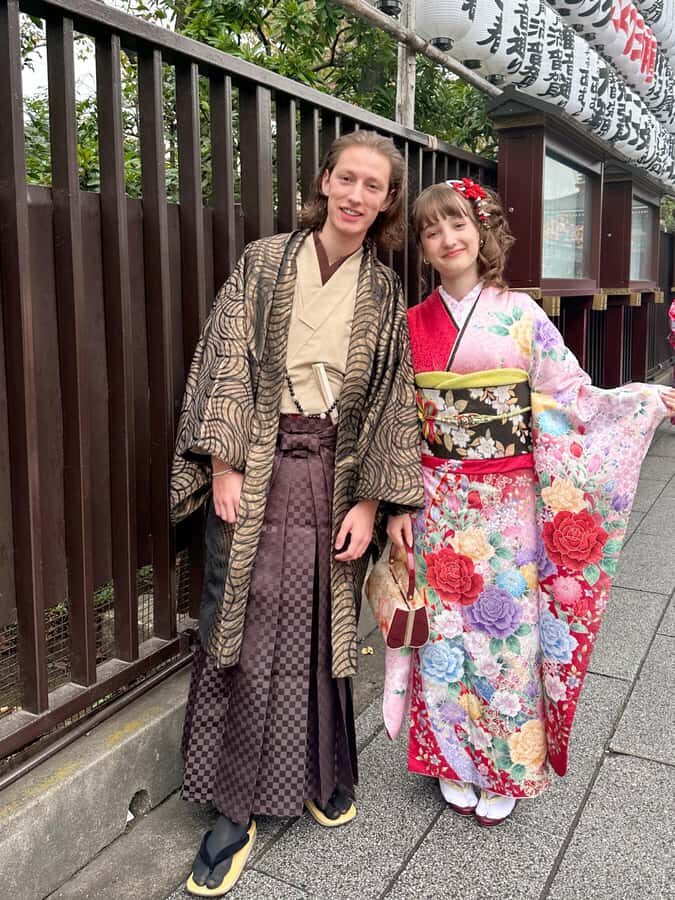
- Staff dressing help that makes the obi part painless (and yes, that matters for comfort and photos)
- A full outfit bundle included: kimono, obi, satchel/clutch, sandals-like shoes, and socks
- Premium plan adds women-only hairstyling with a hair set using Kanzashi ornamental hairpin
- Plus-size kimono options so more people can feel at ease in the outfit
- Timing can swing: waiting of 30 to 90 minutes is possible in busy slots
- You return by 5:30 PM, with an evening option that costs extra on site
Kyoto Kimono Rental at WARGO in Gion: why this experience feels different
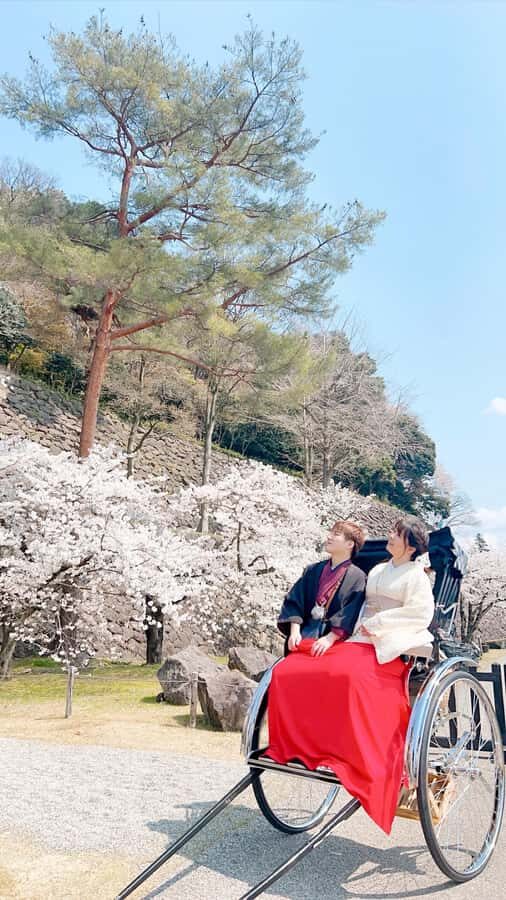
Kyoto doesn’t just look beautiful. It also changes how you move, how you notice details, and how you take photos. Renting a kimono is one of the easiest ways to step into that mood without trying to figure out complicated clothing rules.
At WARGO in Gion, the value is not only the clothes. It’s the fact that staff help you get dressed correctly. The obi (sash belt) is the make-or-break part of a kimono look. When it’s done well, your posture and silhouette read instantly, and your photos look intentional instead of accidental.
What you’re really paying for with a price around $33 per person is a day package: garment choice, proper fitting support, and a complete outfit kit you can wear for the day. If you’ve ever priced out kimono hunting or tailored rentals elsewhere, this feels like the practical way to do it.
A few more Kyoto tours and experiences worth a look


Picking Your Kimono in Gion: patterns, grades, and how choice works
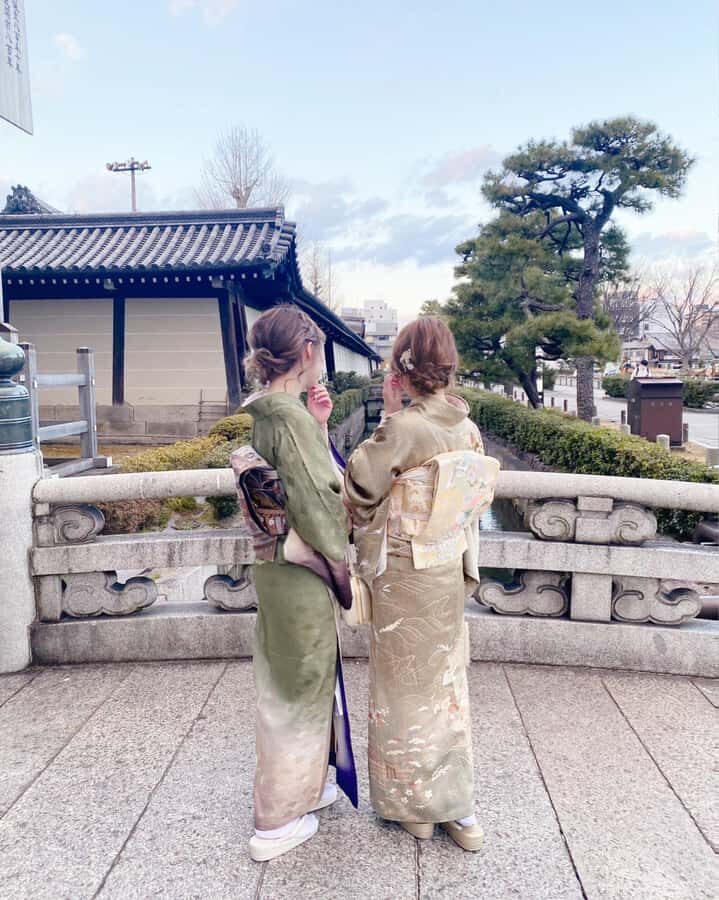
The fun part starts before you’re dressed. You’ll select from a range of kimono patterns and designs at checkout. The styles can run from traditional patterns to more modern options, so you can choose a look that fits your personality and your photo goals.
There’s also a “grade” system mentioned in the plan options. The premium track can let you upgrade the grade of the kimono and obi up to a certain level, depending on the store you use. That “up to a certain level” detail matters. It means selection can vary by location, so treat the premium upgrades as flexible, not guaranteed to be exactly the same across all shops.
One more useful note: even if you’re thinking about getting the “prettiest” kimono, the smartest pick is the one that matches the day you plan to have. If you want a calmer, elegant look for photos in traditional lanes, go classic. If you want modern flair for a more travel-forward photo set, pick something more contemporary.
And yes, plus-size kimono options are available, which is a big deal for comfort. You don’t have to “make it work.” You choose from what the shop offers, then get dressed with staff guidance.
Getting Dressed at WARGO: what to expect and what to do with that time
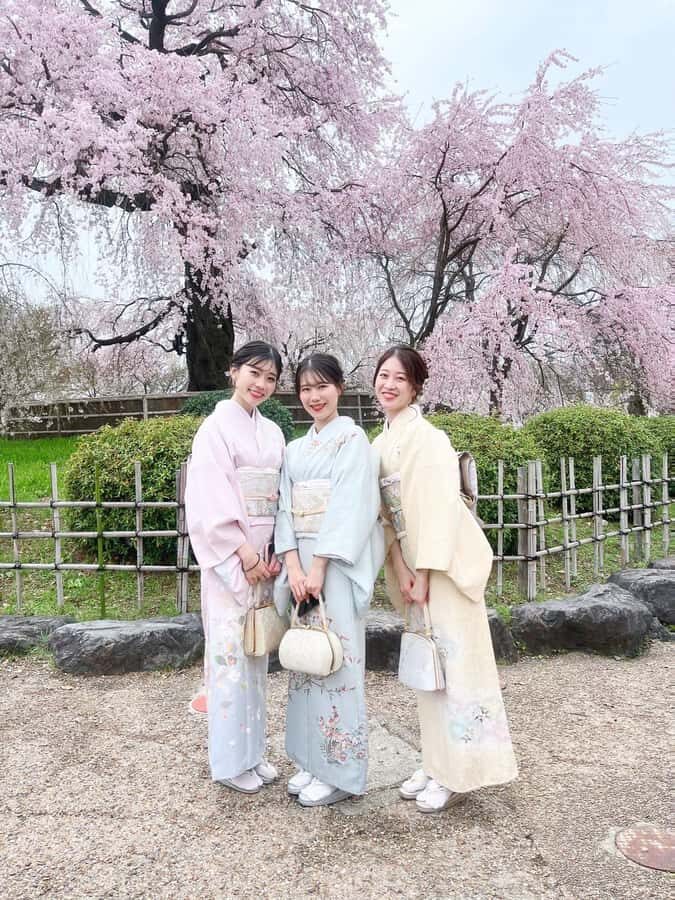
Your appointment starts at a meeting point that may vary based on what you book, and the session ends back there. The actual dressing time is usually less than an hour if it’s not too busy. In real life, that depends heavily on your time slot and season, which is why waiting can be about 30 to 90 minutes.
Here’s why that matters: kimono dressing isn’t like putting on a jacket. It’s layered clothing, plus the obi needs proper placement. You’ll be helped step by step. That staff support is the biggest reason this rental feels smooth. It also helps avoid the common problem of leaving the store looking great, but feeling awkward later.
When you’re in the dressing area, you’re not just trying on clothes. You’re learning what the outfit wants from your body for the day. The goal is simple: get you comfortable enough to walk and take photos without constantly adjusting things.
Included items that make the day easier:
- Kimono (your selected pattern/design)
- Obi sash belt
- Japanese satchel/clutch
- Sandal-like footwear
- Socks
If you’re the type who worries about “will I be able to stand and walk normally,” this is where you’ll feel the relief. The process is designed for you to leave ready to explore, not stuck figuring out clothing mechanics.
The Kyoto Street Stroll: photos, comfort, and how to use your kimono time
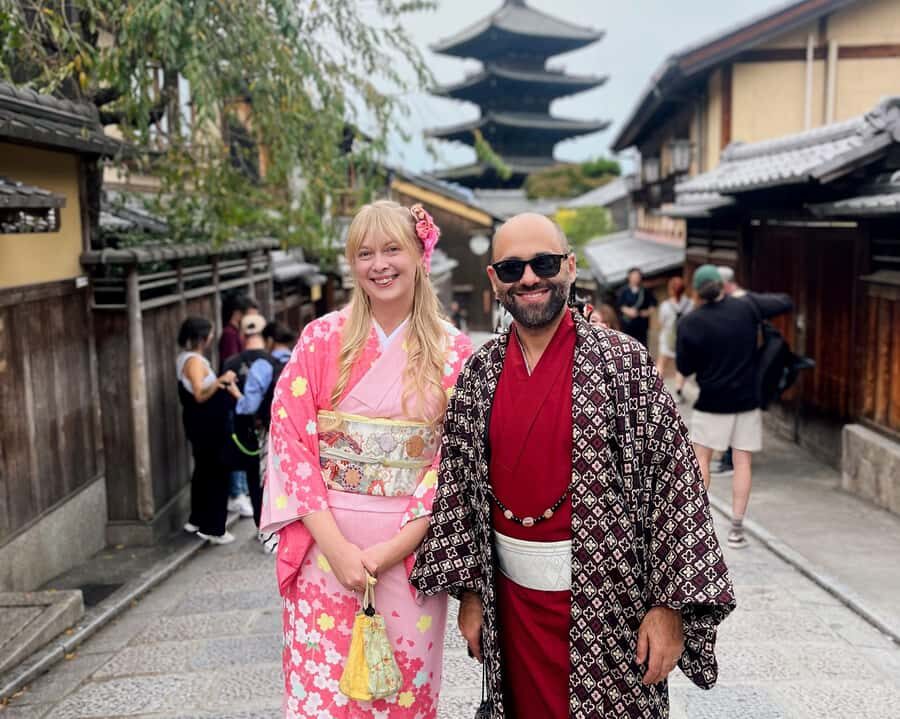
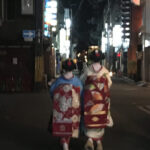
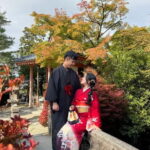
Once you’re dressed, the experience turns into a Kyoto photo walk. The intention is straightforward: stroll through Kyoto’s historical streets in a kimono, then capture photos that look like you really belong in the setting.
This part is also where you can control your experience. If you want a relaxed vibe, slow down and plan short loops so you can stop and reframe without rushing. If you want a more photo-heavy day, treat the kimono like a timed “shooting window” and move between spots you enjoy.
Two practical realities to plan around:
- Shoes matter. You’ll be given sandals-like footwear. That’s fine for city exploring, but don’t plan a marathon hike day on top of it.
- The clock matters. You need the kimono back by 5:30 PM, so you’ll want to fit your best walking time earlier rather than later.
The good news is that the Gion-area starting point style of experience makes it easy to combine with other nearby sights. One review even pointed out that it’s convenient next to a train station, which makes adding a quick extra stop simple. If you want a low-stress plan, wear the kimono, take your photos, and then add something nearby before returning.
In short: treat the kimono as a way to change the tone of your Kyoto day. Then let Kyoto fill in the rest.
Standard vs Premium: what changes, and who should pick which plan
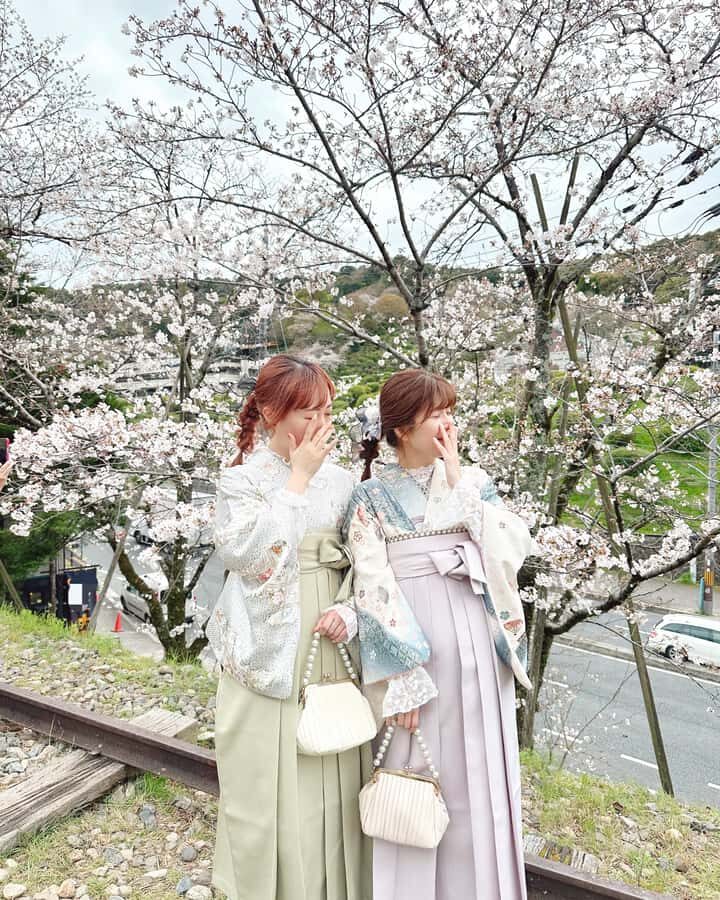
WARGO gives you at least two paths: a standard plan and a premium plan. The difference is not complicated.
A few more Kyoto tours and experiences worth a look


Standard plan
You get the core rental experience:
- Kimono
- Obi
- Japanese satchel/clutch
- Sandals-like footwear
- Socks
- Help getting dressed
For many people, this is the sweet spot. You get the full kimono look and the staff assistance you need, without paying extra for hairstyle or additional selection.
Premium plan (women only)
If you choose premium, women can include hairstyling as part of the experience. The data also specifies a hair set: a simple hairstyle using Kanzashi ornamental hairpin.
Premium also connects to the “grade upgrade” idea. You may have flexibility to upgrade the grade of the kimono and obi up to a certain level. The key detail again is variation by store, so you’ll want to confirm what your location can offer.
Who should pick premium?
- You want a more complete head-to-toe traditional look for photos.
- You prefer less “deciding” during the session and more guidance toward a finished appearance.
- You want an outfit and styling combo that reads clearly on camera.
If your main goal is the kimono stroll and you’re confident about styling your hair yourself, standard is enough.
Timing in Kyoto: hours, waits, and planning your day so you don’t feel rushed
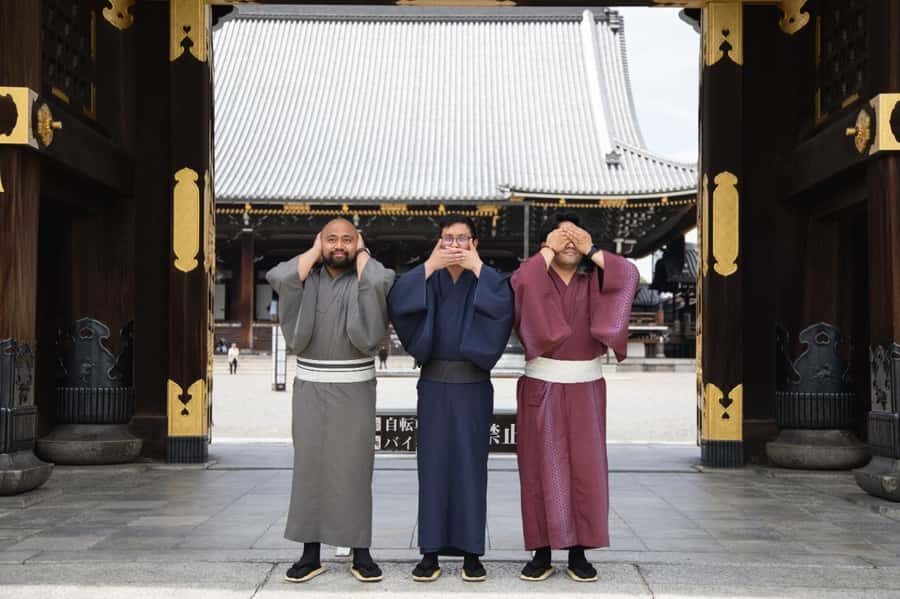
The store operates from 10:00 AM to 5:30 PM, and you should plan to return the kimono by 5:30 PM. If you want to enjoy Kyoto in a kimono later in the day, next-day return is possible for an additional cost payable on site.
That “next-day return” option is useful if you want an evening Kyoto vibe, but it also means you need a coherent plan for where you’ll wear it. Don’t treat it as a last-minute fix. Decide in advance if the evening is part of your itinerary.
Also plan for waiting:
- Depending on time slot and season, waiting time can be about 30 to 90 minutes.
- If you reserve after 3 PM the day before, you may have to wait a little at the store.
The best strategy is to not schedule your kimono too tightly with other timed activities. Give yourself a buffer. If you’re going to do tea, a quick museum stop, or anything with a fixed time, build in margin for the dressing session.
One more timing tip that keeps things smooth: pay attention to how your reservation time lines up with your return needs. Even if everything runs efficiently, the kimono process needs a bit of breathing room.
Value check: is about $33 really worth it?
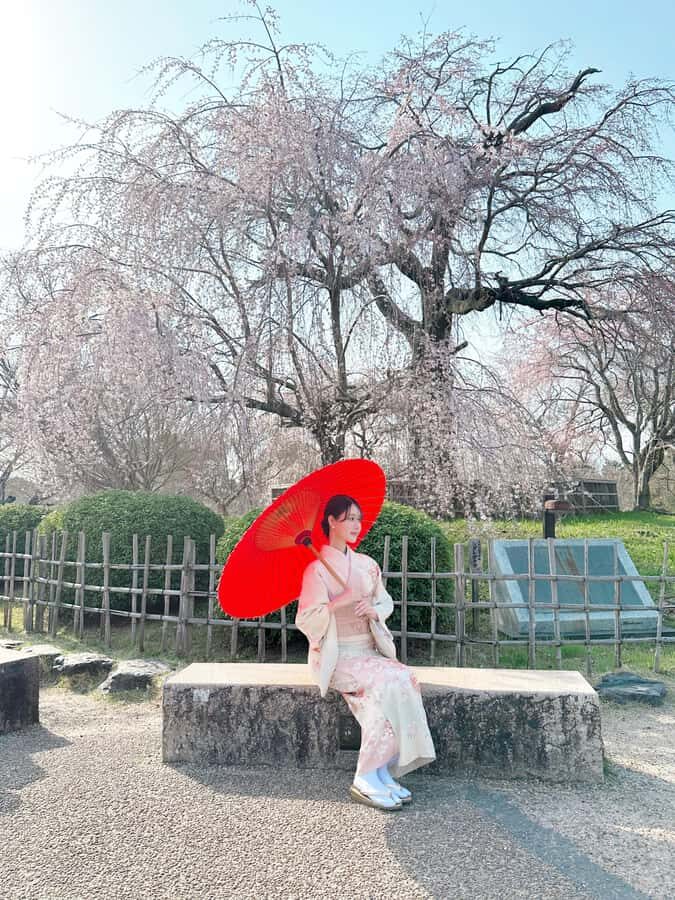
At around $33 per person, this kimono rental is priced like an “experience first” add-on, not like a luxury wardrobe purchase. The value comes from three things you’d otherwise have to solve separately:
- You get the whole outfit kit included (not just a kimono).
- You get staff help with dressing, especially the obi.
- You get a full day use window in Kyoto streets.
If you’ve ever tried to arrange clothing on your own in a hurry, you know the hidden costs: time spent figuring out sizing, learning what goes where, and the frustration when you can’t get the look you want.
Here, staff do the tricky part. That makes the experience easier for first-timers and more enjoyable for people who simply want photos and atmosphere without logistical stress.
Premium adds hairstyling for women and can include upgraded grade options. If that’s part of your dream look, the extra cost can make sense because it reduces the effort you’d otherwise put into matching hair and outfit for photos.
Who should book this WARGO kimono rental in Gion?
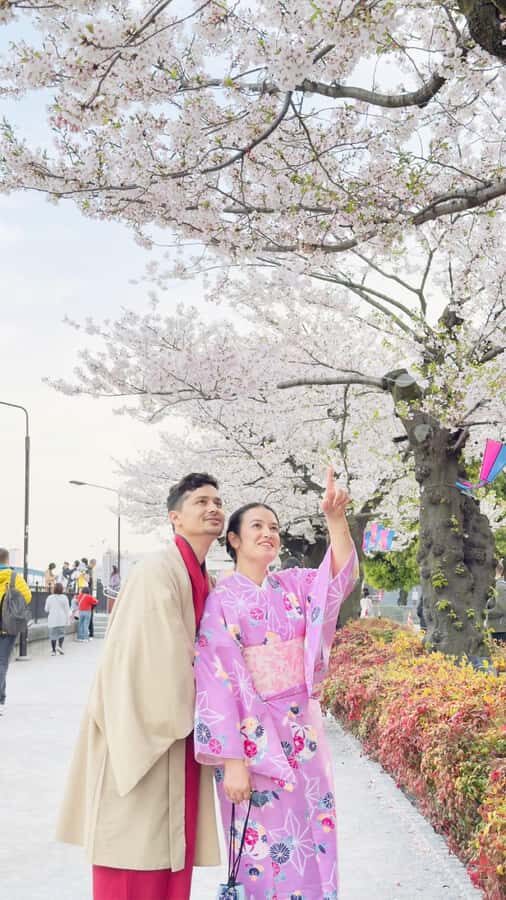
This experience fits best if you want:
- A ready-to-wear kimono experience with hands-on dressing help
- A photo-focused Kyoto day with a traditional look
- Convenience in a central area (the staff setup includes being near a train station, which helps you connect to other parts of Kyoto)
You might skip it if:
- You’re pregnant (not suitable)
- You have mobility impairments or use a wheelchair (not suitable)
It’s also best to think of it as a comfort-and-photo activity, not a rugged sightseeing challenge. The provided sandals-like footwear and the dressing process mean you should plan a day that’s walkable but not extreme.
Should you book? My practical take
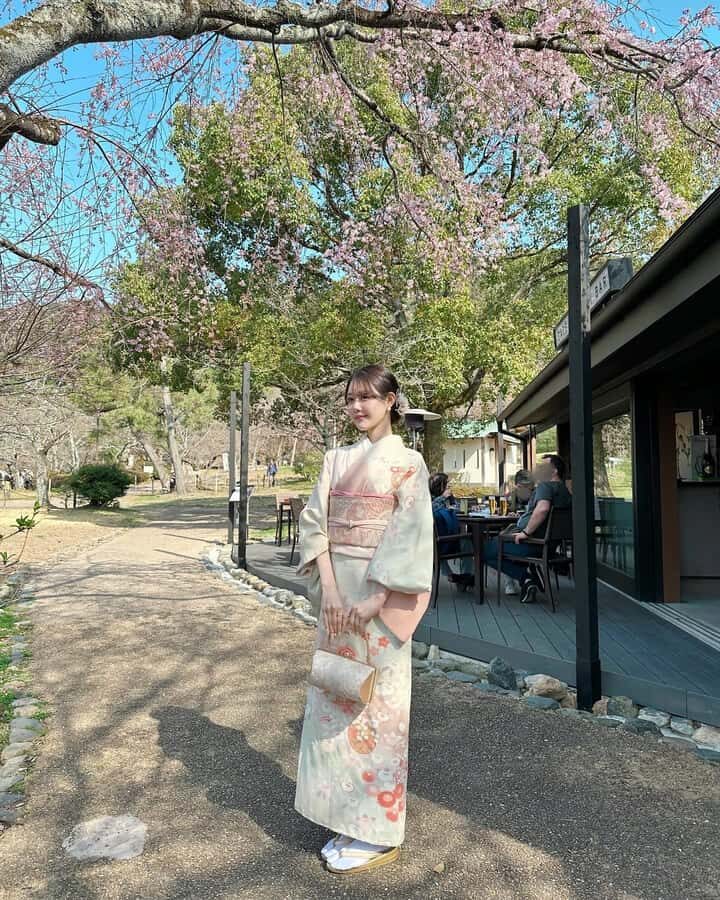
Book it if you want the easiest path to looking and feeling like Kyoto is part of your costume story. The staff assistance, included outfit kit, and option for premium hairstyling (women only) make this more complete than many “rent and figure it out” options.
If you hate waiting, then plan smarter: pick a time slot that gives you buffer time, and don’t stack multiple fixed appointments back-to-back. The biggest drawback is not the kimono itself. It’s the possible wait before you’re fully dressed.
If your goal is a classic Kyoto photo day with minimal stress, this is a strong choice.
FAQ
What’s included with the Kyoto kimono rental?
You receive the kimono, obi (sash belt), a Japanese satchel/clutch, sandals-like footwear, and socks. You also get help getting dressed. If you book the premium plan, hairstyling is included for women only.
How long does the dressing process take?
When it’s not too busy, the dressing process should take less than an hour. Depending on the time slot and season, you may also experience waiting time of about 30 to 90 minutes before you’re ready.
Is there help with dressing and the obi?
Yes. On-site staff help you get dressed properly, including the obi part.
What is the difference between the standard and premium plans?
The standard plan includes the kimono rental and dressing help with the included accessories. The premium plan (women only for hairstyling) includes hairstyle and hair set, and it may allow upgrades to the grade of the kimono and obi up to a certain level.
Is hairstyling included, and who can get it?
Hairstyling is included only with the premium plan and it is for women only. The hair set uses a simple hairstyle with Kanzashi ornamental hairpin.
Are plus-size kimono options available?
Yes. Plus-size kimonos are available so everyone can enjoy the experience comfortably.
What time do I need to return the kimono?
You should return it by 5:30 PM. The operating hours are from 10:00 AM to 5:30 PM.
Can I keep the kimono for the evening?
Next-day return is possible if you want to enjoy Kyoto in a kimono in the evening. This has an additional cost payable on site.
Is this activity suitable for everyone?
It is not suitable for pregnant women. It is also not suitable for people with mobility impairments or wheelchair users.