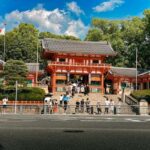
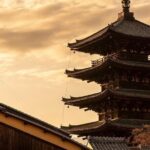
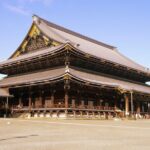
Kyoto moves fast on two wheels. This full-day ride mixes major temple stops with quieter back streets, run by English-speaking guides who’ve spent serious time in Japan. I love the Giant and Trek bikes and the fact that Kinkaku-ji entrance is included, which saves you time and surprise costs. The main drawback is simple: it’s an active day, so you’ll want solid comfort riding a bike and decent stamina for a long route and lots of walking at temples.
A small group keeps things relaxed, and you’re not just “transported” between sites. Guides like Shawn, Juan, Karl, and Jay are repeatedly praised for clear English, helpful anecdotes, and staying patient when someone needs a moment to catch their breath or figure out the next turn. You can also request an e-bike if you’d rather make the pedaling effortless.
In This Review
- Why This Kyoto Bike Day Feels Efficient (But Still Local)
- Small-Group Riding: Bikes, Fitting, and Safety You Actually Feel
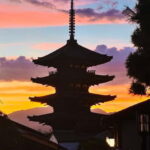
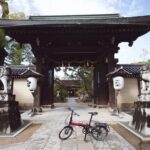
- Toji to Nishi Hongan-ji: A Temple Start That Sets the Tone
- Sanjo Arcade, Shinsen-en Gardens, and Kitano Tenmangu’s Calm
- Kinkaku-ji (Golden Pavilion): Worth the Time, and Entry Is Covered
- Traditional Lunch in Kyoto: More Than Just Fuel
- Imperial Palace Area and the Kamo River: Kyoto’s Softer Side
- Gion on a Bike: Back Streets, Not Just the Famous Corners
- Tofukuji and the Final Push to Fushimi Inari’s Torii
- Price and Value: What $116 Buys You in a Full-Day Plan
- What to Bring (and What to Skip) for a Comfortable Ride
- Weather Reality: When the Tour Runs, and When It Doesn’t
- Who Should Book This Kyoto Bike Tour (and Who Should Pass)
- Should You Book the Kyoto Full Day Bike Tour?
- FAQ
- What’s the duration of the Kyoto full day bike tour?
- What’s included in the price?
- Do I need to buy tickets for Kinkaku-ji?
- Can I request an e-bike?
- How many people are in the group?
- What time does the tour start, and what should I do about arrival time?
- Is the tour okay for kids or people who can’t ride a bike?
- What happens if it’s heavy rain?
Why This Kyoto Bike Day Feels Efficient (But Still Local)
If you like Kyoto, you know it’s not one big postcard. It’s dozens of moods in one city: temples that pull you into silence, shopping arcades with everyday life, and neighborhoods where the streets feel lived-in rather than staged for photos.
This tour’s strength is how it strings those moods together by bike. You spend less time in “wait-and-transfer mode” and more time gliding past the real city fabric—old streets, canals and viewpoints, and shrine gates that feel like you earned them by continuing on. You also get a blend of famous sights and less-visited stops, which makes the day feel like a proper introduction rather than a checklist.
The other thing I like for your planning: you’re not rushing from one theme to another. The itinerary naturally flows from south to north and back again, which keeps the day coherent and helps you connect places instead of treating them like separate trips.
Small-Group Riding: Bikes, Fitting, and Safety You Actually Feel
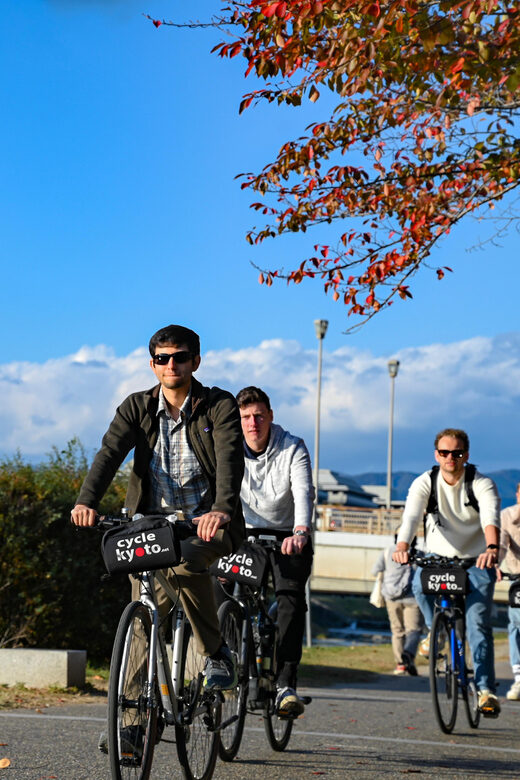
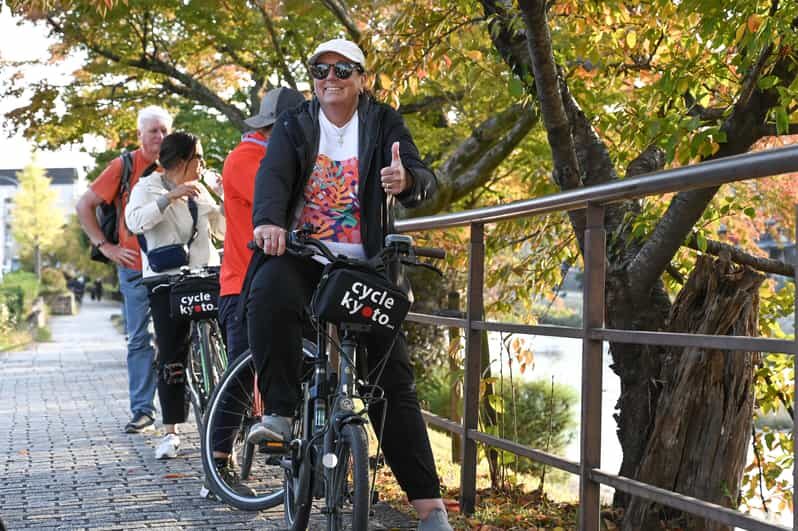
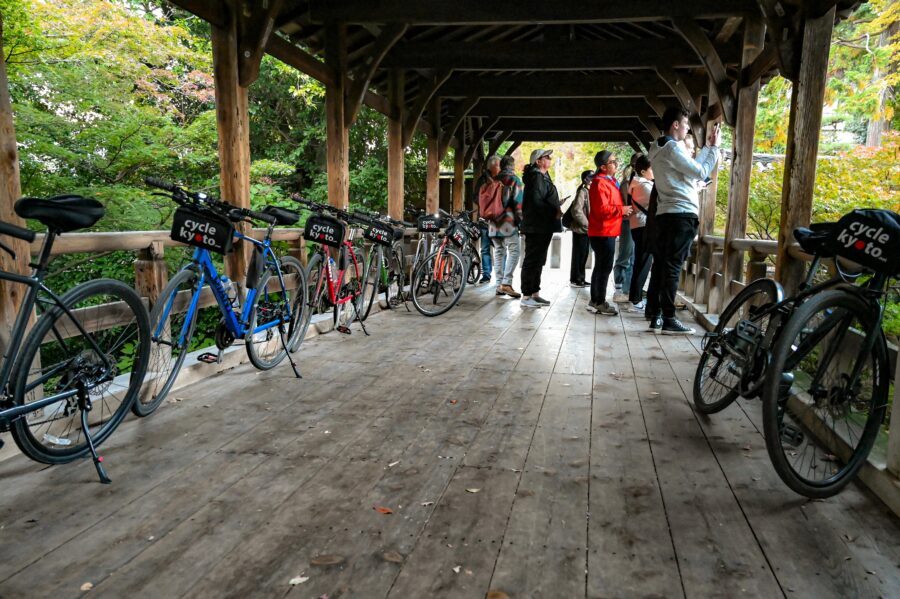
The day starts at 9:30 AM sharp at Cycle Kyoto, so I’d treat 9:15 as your real arrival time. Plan to show up early for bike fitting and to get comfortable before the route begins. Then you get a 25-minute safety briefing, which matters in Kyoto where side streets can be narrow and attention on the road is key.
You’ll ride cross bikes made by Giant and Trek, and the bikes are described as well-maintained. Cross bikes are a smart choice for a city tour: they’re stable, comfortable for longer hours, and they handle smooth pavement and typical road surfaces you’ll meet between temples.
E-bikes are available upon request. That’s a good safety valve if you’re not sure how your legs will hold up over a full day, or if you just want to spend more energy on the sights and less on cadence.
Group size is limited to 9 participants, which means you can actually follow the guide without playing “where did everyone go?” at the curb. One rider also mentioned the route felt generally low-traffic, and that you’ll enjoy it more if you’re already comfortable on bikes.
Other cycling tours in Kyoto


Toji to Nishi Hongan-ji: A Temple Start That Sets the Tone
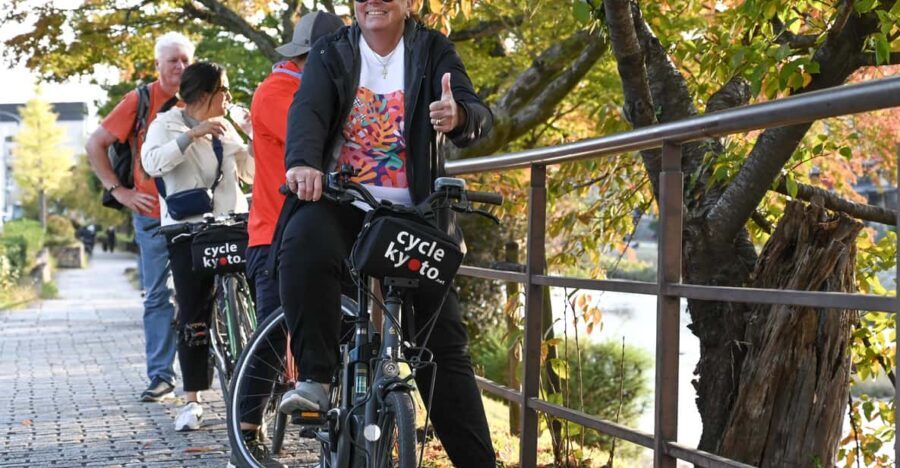
The tour begins with Toji, the oldest temple in Kyoto. Starting here gives you instant context. Toji is the kind of place where the scale and age make the city feel historical without needing extra explanation.
After that, it’s a short 10-minute ride to Nishi Hongan-ji. This stop is described as awe-inspiring, and it’s a great early “wow” moment before the day becomes more of a rhythm—ride, pause, explore, repeat.
What you’ll like most about this opening stretch is pacing. You get enough walking to understand the setting, but not so much that your legs are cooked before the route gets more scenic. It’s also a strong way to get used to the bike workflow: mount, pedal, re-group, and then focus when the bikes park.
Sanjo Arcade, Shinsen-en Gardens, and Kitano Tenmangu’s Calm
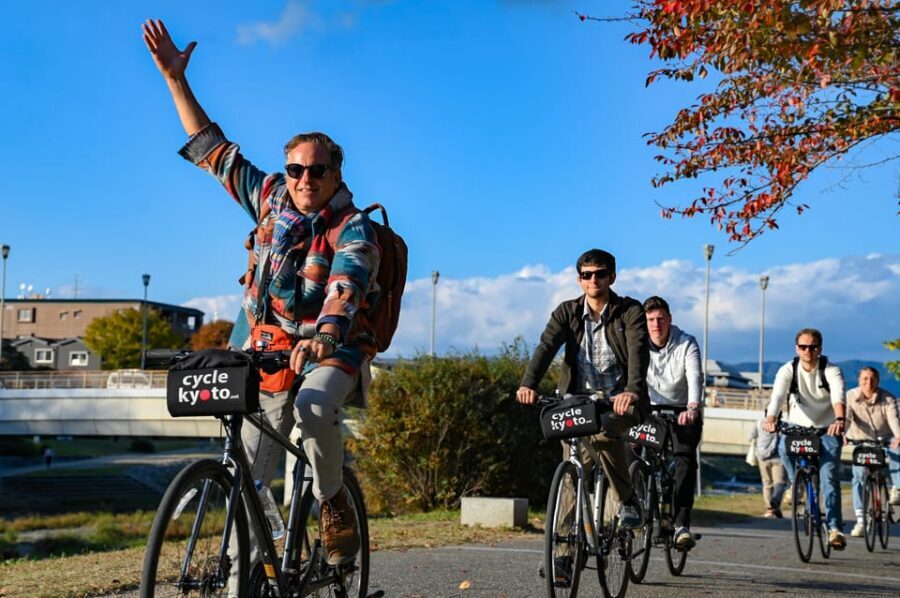
Once the morning temple momentum kicks in, the route shifts into something more local and varied. You ride north through the Sanjo Shopping arcade, which is the kind of Kyoto street scene you rarely see if you only move between major attractions.
Then comes Shinsen-en gardens for a quick, picturesque break. Gardens are helpful on a bike tour because they reset your eyes. After busy streets, it feels like a palate cleanser—quiet paths, calmer light, and a few minutes where you can slow down and look instead of moving.
The day continues to Kitano Tenmangu shrine, with about an hour to explore and a guided tour on site. Shrines like this work well on a bike day: they give you a clear destination, then you can wander at your own pace inside the grounds while the guide helps you notice what most people skip.
Kinkaku-ji (Golden Pavilion): Worth the Time, and Entry Is Covered
Next is Kinkaku-ji, the Golden Pavilion. This is the stop most people recognize instantly, but it’s also one of the best places to manage expectations—because the views can be stunning, and crowds can be intense.
The tour includes your entrance fee here and gives you about 25 minutes inside. That’s a smart duration for a bike itinerary. You get to see the iconic structure and soak up the atmosphere without spending so long that it disrupts the rest of the plan.
If you’re the kind of person who likes photos, bring a camera and use the time well. If you prefer slow looking, aim to spend the first minutes orienting yourself, then return to the view that keeps pulling you back.
Traditional Lunch in Kyoto: More Than Just Fuel
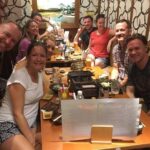
Lunch is built into the route around the eastward stretch toward the Imperial Palace. You’ll stop at a local restaurant for about an hour.
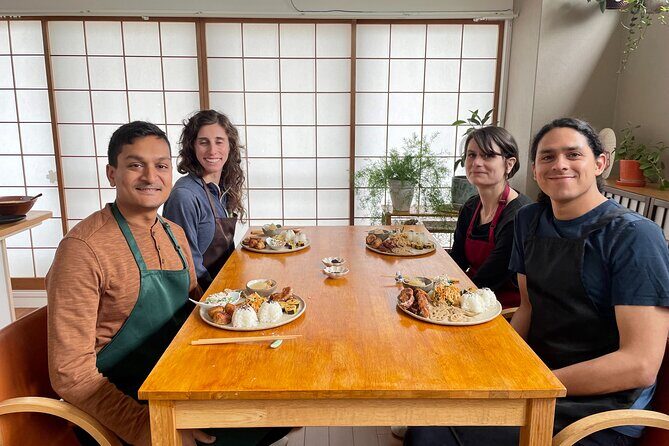
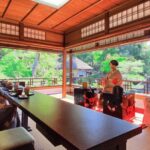
The tour includes a traditional Japanese lunch, and riders mention meals that go beyond the usual tourist trap feeling—one highlight was ramen with a special duck broth. Even when the exact place changes depending on availability, the key idea stays the same: you get a sit-down break that feels like Kyoto, not like a rushed pit stop.
This break also matters practically. After several temple walks and rides, an unhurried lunch resets you. It keeps the afternoon from turning into “survival mode,” especially if you’re riding a regular bike and not an e-bike.
A few more Kyoto tours and experiences worth a look


Imperial Palace Area and the Kamo River: Kyoto’s Softer Side
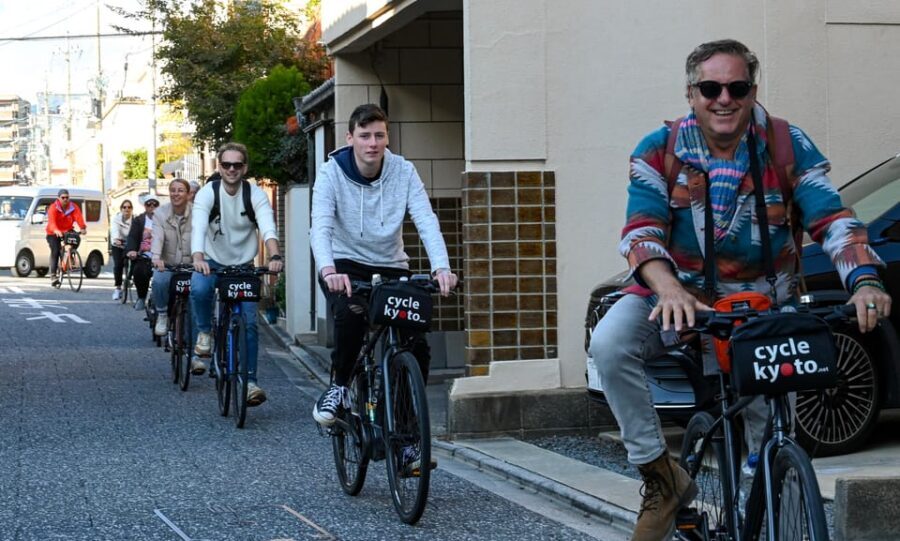
After lunch, the tour picks up toward the Imperial Palace area, with a stop that gives you about an hour there. This is your chance to step away from the most photographed temple drama and see a different kind of Kyoto—more open space, more “ceremony of place,” and a slower feel even when you’re still moving as a group.
Then you transition to the Kamo River with a photo stop of about 40 minutes. River stops are great on tours like this because the light and scenery change quickly. Even if you’re not doing anything fancy, you’ll probably enjoy the chance to stretch your legs, grab a few photos, and take in the city outside temple walls.
Gion on a Bike: Back Streets, Not Just the Famous Corners
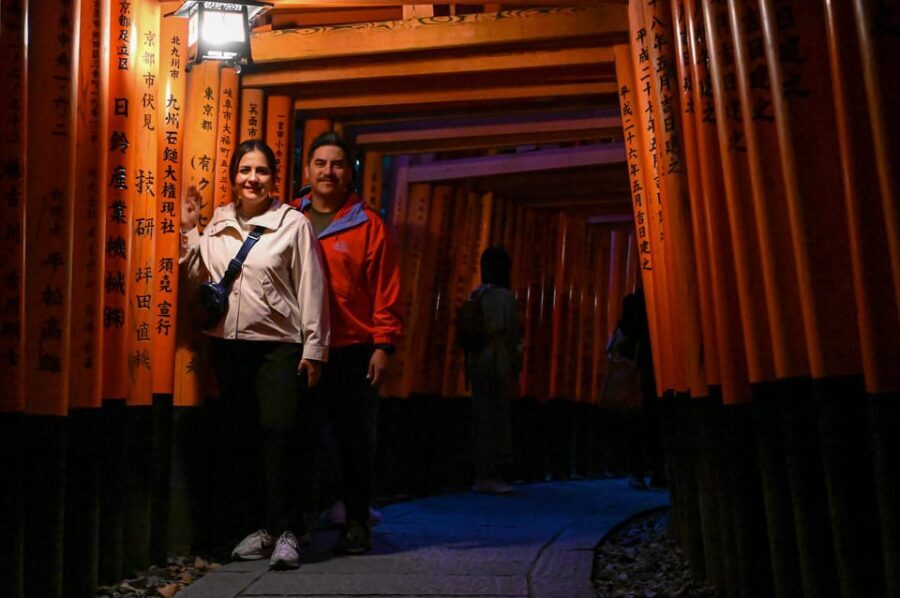
Gion is one of those districts where people either love it or find it too crowded. This tour gives you a different approach by moving through it with a guided focus and then riding on into neighboring areas.
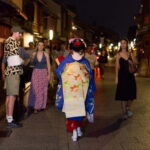
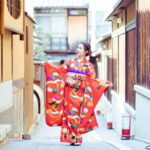
You’ll get a guided tour in Gion for about an hour. The key value isn’t only seeing the famous Geisha district label—it’s experiencing the back streets and the way the neighborhood shifts as you move along. That’s where a bike tour can feel more “Kyoto” than a bus stop.
One guide is praised for enthusiasm and making the day feel genuinely fun—exactly what you want once you’ve already done a full morning of temples.
Tofukuji and the Final Push to Fushimi Inari’s Torii
The last leg is both dramatic and memorable. You’ll stop at Tofukuji Temple for a photo stop (about 30 minutes). It’s a good timing choice: you’re toward the end of your day, but the stop is short enough to keep energy for what follows.
Then you ride to Fushimi Inari Taisha Shrine for about an hour with a guided tour. The Senbon Torii gates are the big finale. This is where the Kyoto feel turns cinematic: repeated torii gates, narrowing pathways, and the sense that you’re walking into a story.
Because it’s a guided visit with a full hour, you can spend time moving at a comfortable pace instead of feeling like you’re racing other people to reach the best viewpoint. If you like photos, you’ll have the time to stop and frame without the pressure of an ultra-short “look and leave.”
One rider also noted the tour sometimes lines up with a festival happening that day. That’s not guaranteed, but it’s a reminder that Fushimi Inari and the surrounding areas can feel different from one date to another.
Price and Value: What $116 Buys You in a Full-Day Plan
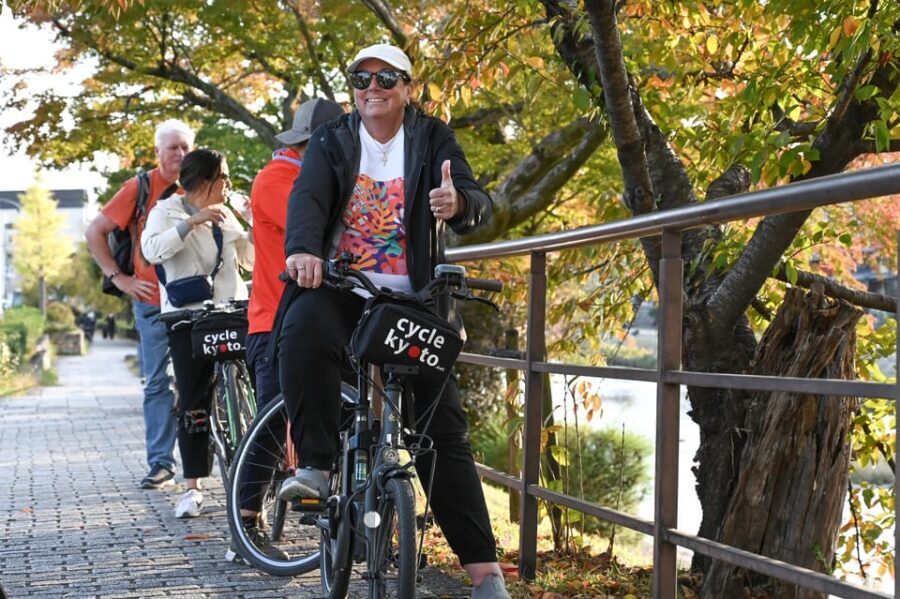
At $116 per person for about 450 minutes (7.5 hours), this is priced like a true day experience, not a quick highlights hop. The biggest value is what’s included:
- Bike rental and helmet
- Golden Pavilion (Kinkaku-ji) entrance fee
- Traditional Japanese lunch
Those items alone add up. The entrance and lunch are often the hidden cost drivers on self-planned temple days, especially when you’re trying to fit everything into one route without wasting time on ticket lines or finding a good meal quickly.
You’re also paying for the friction-reduction: English-speaking guides, a planned flow of stops, and a bike route designed to keep you moving across multiple districts. For a first Kyoto day, that matters. It helps you cover a lot without turning the day into a logistics project.
Add the small group size (limited to 9) and it becomes easier to see why the price can feel fair. You’re not stuck in a large herd, and the guide can actually manage pacing.
What to Bring (and What to Skip) for a Comfortable Ride
Kyoto bike days are easy to overpack, and bikes don’t offer deep storage. Keep personal belongings to a minimum and plan to use the bike storage space sparingly.
Bring:
- Comfortable shoes
- Hat and sunscreen
- Camera
- Water
Avoid:
- High-heeled shoes
- Smoking
If you have bigger luggage, the tour notes you can leave it in the secure shop space during the ride. That’s a practical win because it lets you carry only what you truly need for the day.
Also, dress for biking. That means clothes that move with you, not outfits that feel great sitting still but annoying after an hour of pedaling.
Weather Reality: When the Tour Runs, and When It Doesn’t
This tour does not run in all weather conditions. The operator states that in case of heavy rain, they’ll cancel and refunds are provided.
So here’s the practical approach: check the forecast and pack accordingly, but also plan flexibility. Kyoto weather can shift fast, and if rain becomes heavy, you’ll want backup plans for the day.
Who Should Book This Kyoto Bike Tour (and Who Should Pass)
This is a great fit if you:
- Want a first-time Kyoto overview in one day
- Like mixing big landmarks with neighborhood streets
- Feel comfortable riding a bike and can handle a long active day
It’s specifically not suitable for:
- Children under 12
- Pregnant women
- Anyone who can’t ride a bike
If you’re on the fence about whether regular bikes will be okay, take heart: at least one rider said they were worried about not being on an e-bike, but found the city riding manageable. Still, if you have low confidence riding or you want to preserve energy for walking inside temples, request an e-bike.
Should You Book the Kyoto Full Day Bike Tour?
I’d book this tour if you want a single-day Kyoto plan that feels like local movement, not just site-hopping. The included Golden Pavilion entrance and traditional lunch make the value easier to justify, and the small group size keeps the pace human.
Skip it if you’re looking for a slow, mostly seated tour. This is an active full day with safety briefing, steady riding, and multiple temple walks. If you’re comfortable on two wheels and you like the idea of Gion back streets and the torii-gate finish, this is a strong way to spend your time in Kyoto.
FAQ
What’s the duration of the Kyoto full day bike tour?
The tour runs for 450 minutes (about 7.5 hours).
What’s included in the price?
Bike rental, a helmet, the entrance fee to the Golden Pavilion, and a traditional Japanese lunch are included.
Do I need to buy tickets for Kinkaku-ji?
No. The entrance fee to the Golden Pavilion is included.
Can I request an e-bike?
Yes. E-bikes are provided upon request.
How many people are in the group?
The tour is limited to a small group of up to 9 participants.
What time does the tour start, and what should I do about arrival time?
It starts at 9:30 AM sharp. You should be 15 minutes early for fitting and the start of the day.
Is the tour okay for kids or people who can’t ride a bike?
No. It’s not suitable for children under 12, and it’s not suitable for anyone who can’t ride a bike.
What happens if it’s heavy rain?
In case of heavy rain, the tour will be cancelled and refunds will be provided.