Kyoto in one stress-free day. This private car tour is built for speed and sanity: you get hotel pickup plus an English-speaking guide, so you do not spend your day trapped in transfers and waiting. I also love the way the schedule flexes in real time, with smart crowd timing and a guide who can slow down or shift plans when your group needs it. The main catch is that temple admissions and lunch are not fully included, so you will want to budget a bit beyond the tour price.
You’ll cover major Kyoto icons like Kinkaku-ji (Golden Pavilion), Arashiyama (including the bamboo area), Gion, and Fushimi Inari’s torii gates. Add the Nara option and the day expands to big-name sights like Todaiji and the Deer Park, with guides such as Riku, Tatsuya, Patsu, Roku, and Shunsuke Nishio known for tailoring the route and keeping things comfortable.
In This Review
- Key things I’d plan for
- Why a private car day feels different in Kyoto
- Hotel pickup, parking, and expressway fees you do not have to think about
- Kinkaku-ji Golden Pavilion: the iconic stop and the admission note
- Arashiyama: bamboo grove time plus a more relaxed feel
- Gion: the geisha district moment (without hunting)
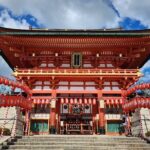
- Fushimi Inari: the torii gates, the walking rhythm, and when to go slow
- Adding Nara: deer parks and major temples in the same day
- Guides make the difference: Riku, Tatsuya, Patsu, Roku, and Shunsuke Nishio
- Food without planning: ramen and sushi stops that match the day
- Price and value: what $170 really buys you
- Who should book this Kyoto private car tour
- Quick planning tips before you go
- Should you book this private Kyoto day
- FAQ
- Is this tour private or shared?
- What’s included in the tour price?
- Are entrance tickets to temples included?
- Is lunch included?
- Does the tour offer a Nara option?
- Can I cancel for a full refund?
Key things I’d plan for
- Hotel pickup and drop-off means you start close to your room and end there too
- A private group keeps you from waiting on strangers or getting pulled off pace
- Kinkaku-ji and lunch aren’t bundled so bring extra cash for admissions and food
- Arashiyama time is protected for the bamboo grove and river-area wandering
- Fushimi Inari is a walking test where your guide’s pacing matters a lot
- Nara option adds another major culture stop without switching to a bus lineup
Why a private car day feels different in Kyoto
Kyoto’s famous sights are spread out, and public transit can turn a great day into a lot of stairs, transfers, and timing stress. With a private car, you stay in air-conditioned comfort between places and arrive when it matters.
For me, the biggest win is control. You are not negotiating with a bus schedule, and you are not stuck with a fixed lineup that ignores your energy level. Guides like Riku and Tatsuya are repeatedly praised for adjusting on the fly, including when weather changes or when kids and grandparents have different pace needs.
The day runs about 8 hours, so it is not a “take forever” experience. It is a “see a lot and still feel human” experience, especially if you are only in Kyoto for a short stay.
A few more Kyoto tours and experiences worth a look
Hotel pickup, parking, and expressway fees you do not have to think about
One of the easiest parts to appreciate is what the tour handles for you. The package includes hotel pickup and drop-off, an air-conditioned vehicle, and the costs that normally bite you with car travel: parking, gas, and expressway fare.
That last detail matters more than it sounds. Kyoto roads and intercity drives can cost time and money, and a guide who is used to moving through the area can usually get you closer to where you want to be. This is why the day feels efficient without feeling rushed.
You also get an English-speaking guide, and a real human in the driver seat. People mention guides who contact you the night before and again the morning of to confirm details, which reduces that awkward Japan-travel moment of where exactly to meet.
Kinkaku-ji Golden Pavilion: the iconic stop and the admission note
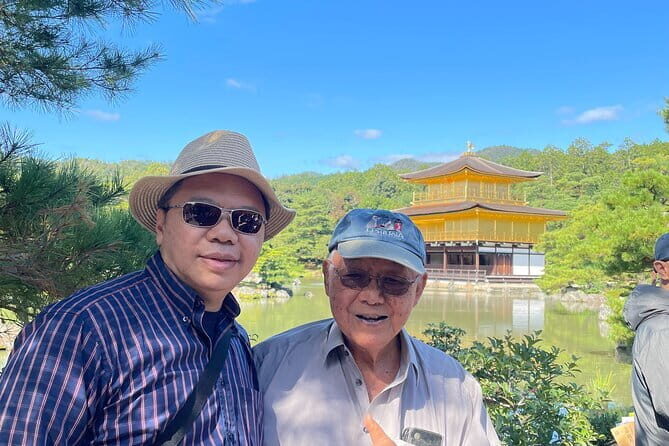
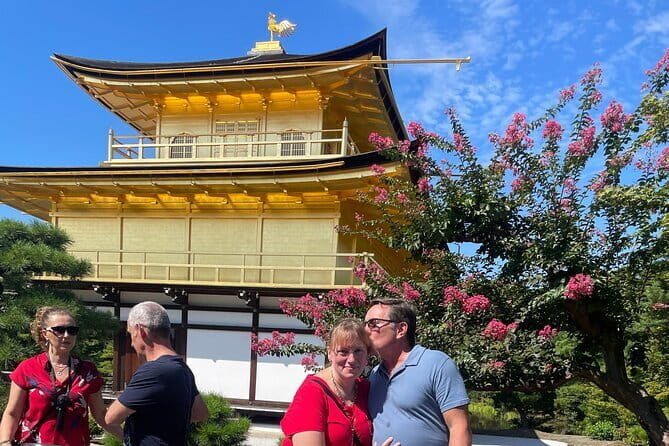
Kinkaku-ji is the Golden Pavilion, a Zen Buddhist temple known for its gold-leaf top floors and its reflections in the surrounding pond. It is one of those places that looks like a postcard even before you understand the whole story.
You get about 1 hour here. That is usually enough to see the main view from the right angles, soak in the atmosphere, and not feel like you are sprinting through a photo queue.
One thing to plan for: the Kinkaku-ji admission ticket is not included. So if you want to avoid surprises, set aside funds for the ticket on the day. It is also a good stop to wear shoes you can walk in comfortably, since even short temple visits can add up once you factor in paths and steps.
Arashiyama: bamboo grove time plus a more relaxed feel
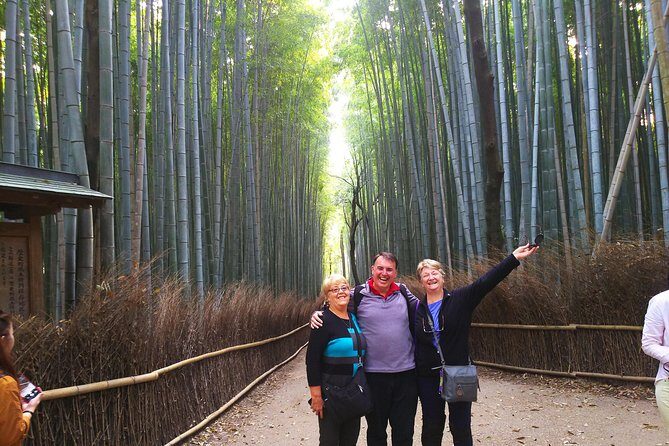
Arashiyama is Kyoto’s western-world nature break, and it works well in a private car day because you can arrive, park, and move through the area without losing time. You get about 2 hours in this section, with admissions for Arashiyama included.
This is the stretch where the mood often changes. You trade temple crowds for river-and-grove walking, and the bamboo area becomes the star. Many people add a bamboo-forest rickshaw ride when they want a lower-effort way to see more. If anyone in your group is dealing with knees, fatigue, or mobility limitations, this is where a small mobility-support plan pays off.
Crowds still exist here, especially later in the day. The advantage of having a guide is pacing. You can spend a little longer in calmer side areas and still make it to the big photo spots without feeling stuck in one place for too long.
Gion: the geisha district moment (without hunting)
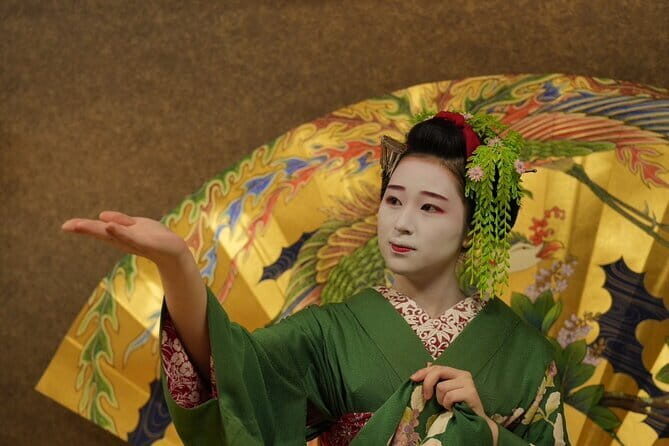
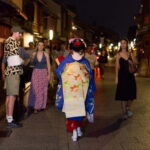
Gion is Kyoto’s historic district, famous for geisha and maiko culture. It is a neighborhood you feel more than you study, and in a private day it tends to feel like a break from the big-ticket sights.
You have about 1 hour here, and admission is free. That short window is enough to walk the lanes, notice the traditional architecture, and let your guide point out details that you would miss if you were just following maps.
A smart tip: do not try to force a single perfect photo. Gion rewards slow wandering and pattern-spotting. The guide’s job is to help you keep moving at a pace that matches your group, which matters a lot if your day includes Nara or mobility needs.
Other guided tours in Kyoto



Fushimi Inari: the torii gates, the walking rhythm, and when to go slow
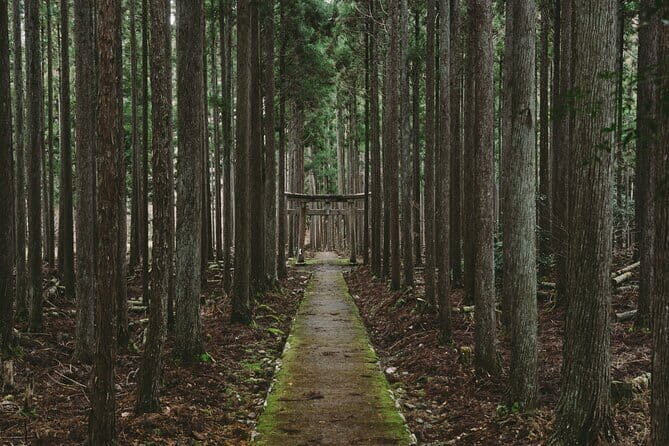
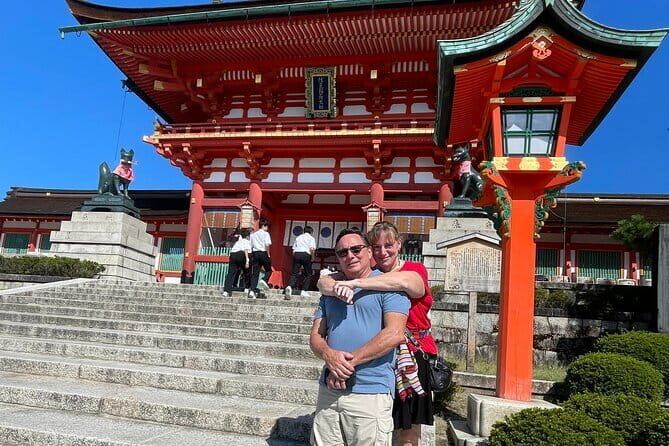
Fushimi Inari-taisha is famous for its thousand torii gates leading up a hillside. The gates create a tunnel-like walking experience, and the longer you go, the more you feel like you are walking through Kyoto’s faith in layers.
You get about 2 hours here, and admission is included. That time usually gives you enough flexibility to choose your walking level. If your group likes viewpoints and longer climbs, you can push upward. If you want the signature experience without exhausting everyone, you can stop at a comfortable point and still get the torii rhythm.
This is also the stop where having the right pacing matters most. People with mobility issues often rely on their guide to slow down, plan rest moments, and keep the walk manageable. If you have anyone who needs step support or extra breaks, this is the time to tell your guide early so the day can adjust.
And yes, it can get very photogenic as the light changes, especially when the schedule lines up well with the late-day atmosphere.
Adding Nara: deer parks and major temples in the same day
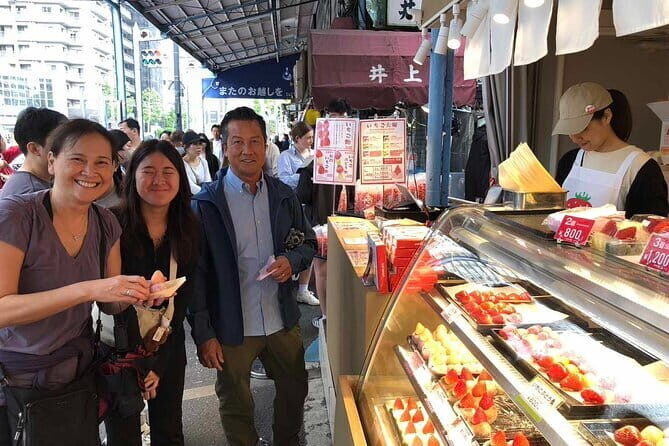
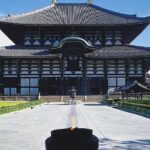
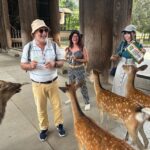
The tour offers an optional Nara add-on, and this is where your Kyoto day becomes a real “west Japan culture” sweep. The Nara experience is not just one stop. It typically includes major sights such as Todaiji Temple and the Deer Park, and some routes also cover places like Kasuga Taisha.
This matters for value. Going to Nara on your own usually means coordinating trains, buses, or a rental car plus parking headaches. With a private guide and car, you can fit Nara into a day without turning the trip into logistics class.
There is one trade-off: your Kyoto time may tighten slightly to make room for Nara. That said, guides are repeatedly praised for keeping things relaxed, not frantic, and for swapping priorities if kids need breaks or if someone wants to prioritize one temple over another.
Guides make the difference: Riku, Tatsuya, Patsu, Roku, and Shunsuke Nishio
Kyoto tours live or die by the guide’s ability to read the group. What stands out here is how often guides are described as adaptable: keeping the day from feeling rushed, suggesting practical food stops, and explaining what you are seeing in a way that clicks.
Riku is highlighted for being attentive and accommodating, including for families with young children and for people with mobility needs. Tatsuya shows up in stories about customizing the itinerary and helping guests with specific requests, including lunch choices. Patsu and Roku are mentioned for pairing major sights with food and pacing that feels personal.
Shunsuke Nishio appears in a longer-care description too, where attention to mobility and stair-heavy walking is part of the plan. Even if you do not have a special need, this kind of care is still valuable. It often means fewer wasted moments stuck in the wrong place at the wrong time.
A private guide also helps you avoid the common beginner trap: treating Kyoto like a checklist. Instead, you learn why the Golden Pavilion looks the way it does, what makes Arashiyama’s bamboo special beyond the photos, and why Fushimi Inari draws people back again and again.
Food without planning: ramen and sushi stops that match the day
Lunch is not included in the tour price, but the tour experience often comes with a practical workaround: your guide can recommend and take you to solid local choices with less guesswork.
Ramen comes up again and again in real experiences. Many people mention stops for ramen that feel authentic, plus the guide translating what to order and where to sit. If you are traveling with kids or grandparents, ramen also tends to be the safest bet.
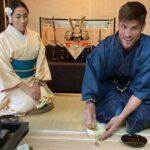
Sushi also makes an appearance in a way that sounds very Kyoto-specific. One reported lunch stop included a table hot-water spigot feature and a tea selection experience, which turned lunch into a small ritual rather than just a meal break.
If you have dietary needs, you should still ask your guide to suggest options. The data does not spell out food accommodations, but customization shows up repeatedly in how guides adjust the day. That usually extends to food requests.
Price and value: what $170 really buys you
At $170 per person for an 8-hour private day, you are paying for more than a car. You are paying for time saved, coordination handled, and an English-speaking guide who keeps the day running.
Here is where the value gets real:
- Pickup and drop-off reduce your daily stress and help you start on time
- Parking, gas, and expressways are included, which is money you would otherwise need to manage
- Private pacing means you can adapt without losing hours to group bottlenecks
Then account for what is not included. Kinkaku-ji admission tickets are not included, and lunch is not included. Some other attractions in the core Kyoto plan are included for admissions, while others have additional costs, so you will want to carry some cash or card for entrance fees.
If your alternative is a bus tour, this is usually worth it when:
- you want a shorter trip that still covers multiple major stops
- you have mobility limits or need more breaks
- you travel with kids who struggle with long waits
If you are comfortable navigating on your own and you have extra days, you might spend less. But you will likely spend that saved money in time, energy, and problem-solving.
Who should book this Kyoto private car tour
This tour fits best if you want Kyoto highlights without turning your day into a puzzle.
It is a strong match for:
- First-timers who want a good hit list and context for each stop
- Families who need itinerary flexibility for kids’ energy swings
- Couples or friends who want comfort and conversation instead of bus herding
- People with mobility concerns who benefit from pacing adjustments and help planning rest moments
It might be less ideal if you want a slow, deep-dive day where you roam neighborhoods for hours without driving. Kyoto is built for wandering, and this tour is designed to move efficiently between the big landmarks. Think of it as a smart first chapter, not the whole story.
Quick planning tips before you go
- Wear shoes that handle temple steps and uphill walking, especially near torii areas.
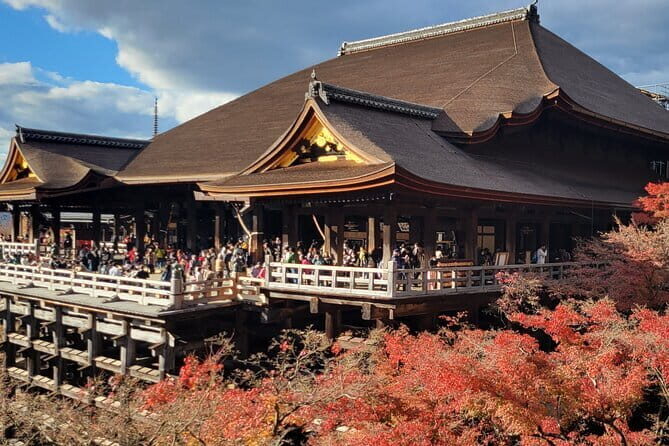
- Bring cash for temple admissions not included and for any optional add-ons like Kiyomizudera, which is mentioned as about $10.
- If you have mobility needs, tell the guide early. The best results come from adjusting the day from the start, not mid-crisis.
- For the calmest experience, avoid treating every stop as a race for the one photo. Your guide can help you choose the walking level that works for your group.
Also, keep in mind there is free cancellation up to 24 hours in advance for a full refund. That gives you flexibility if your travel plans shift.
Should you book this private Kyoto day
If you want Kyoto in one well-managed day, I think this is a smart booking. The hotel pickup, private pacing, and English-speaking guidance are the kind of conveniences that turn “I hope we can do it” into a real plan.
I would book it if you:
- are short on time in Kyoto
- prefer comfort and control over transit juggling
- want an experienced guide to manage crowds and keep you from getting stuck
I would hesitate if your budget is tight and you are happy to DIY every admission ticket and route. In that case, you might save money, but you will spend more effort.
If you fall in the sweet spot, go for it. With a guide like Riku, Tatsuya, Patsu, Roku, or Shunsuke Nishio steering the day, you get a Kyoto highlight reel that still feels personal.
FAQ
Is this tour private or shared?
This is a private tour/activity. Only your group will participate.
What’s included in the tour price?
The tour includes an English-speaking guide, transportation in an air-conditioned vehicle, hotel pickup and drop-off, parking fare, gas, and expressway fare. Mobile tickets are offered as well.
Are entrance tickets to temples included?
Not all admissions are included. For example, Kinkaku-ji admission is not included, while Arashiyama and Fushimi Inari admissions are listed as included. Lunch and additional attraction admissions are not included.
Is lunch included?
No. Lunch is not included, and you will pay lunch fees when taking breaks.
Does the tour offer a Nara option?
Yes, there is an optional Nara add-on.
Can I cancel for a full refund?
Yes. You can cancel up to 24 hours in advance of the experience for a full refund. If you cancel less than 24 hours before the start time, the amount you paid will not be refunded.